Understanding Benefits of In Home Caregiving Near You
Understanding the myriad challenges faced by seniors today highlights a significant problem: the pressing need for effective in-home caregiving solutions. As our population ages, the implications of inadequate care become increasingly concerning. Seniors often struggle with loneliness, recovery from hospitalization, and the emotional strain that caregiving can place on family dynamics.
So, how can families ensure their loved ones receive the comprehensive care they deserve? The answer lies in personalized care, which not only provides physical assistance but also emotional support that enhances overall well-being. This article explores ten essential benefits of in-home caregiving, showcasing its transformative impact on both seniors and their families.
Happy to Help Caregiving: Companionship Care for Seniors
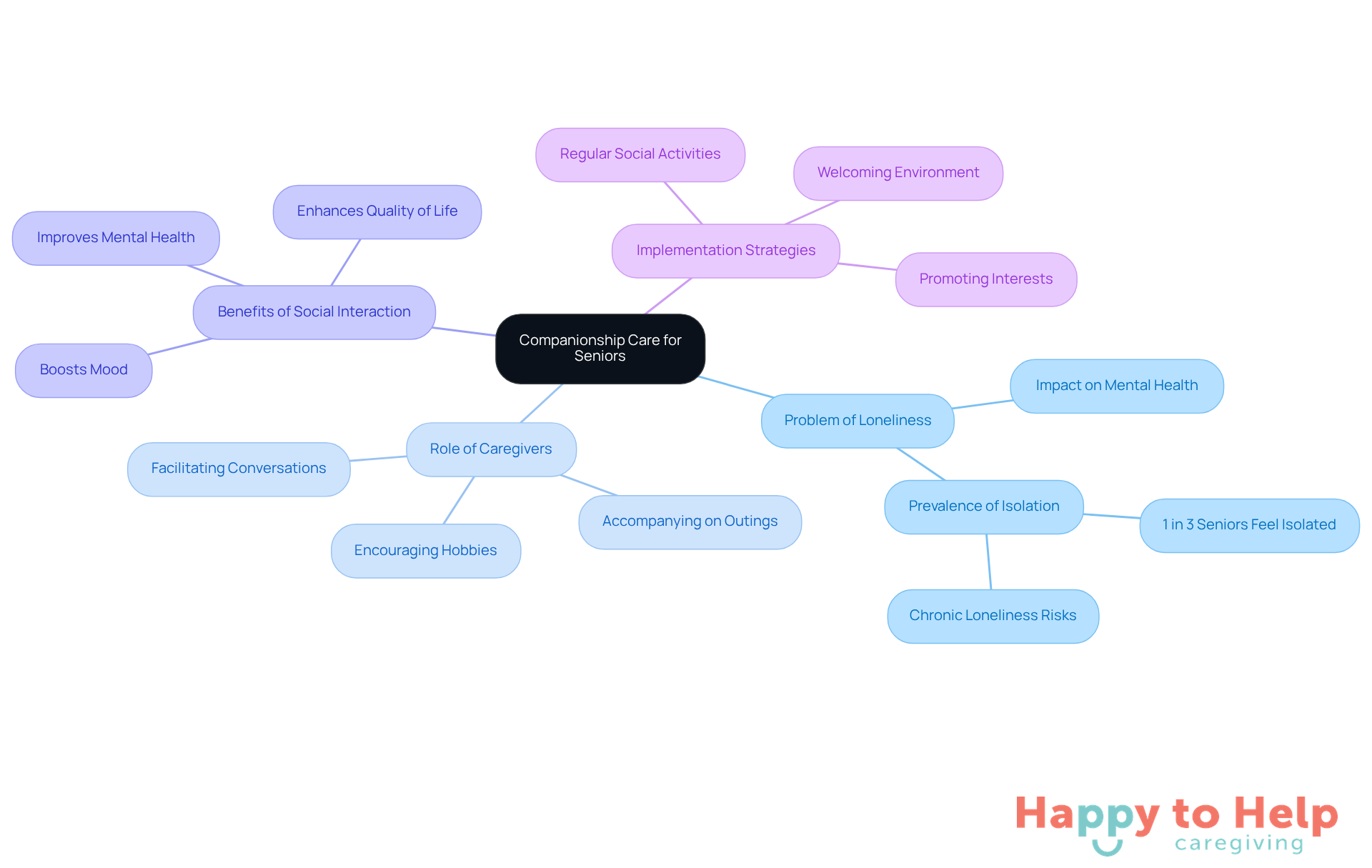
Companionship care addresses a significant problem: loneliness among older adults. This isolation can lead to detrimental effects on their emotional and mental well-being. According to the University of Michigan’s National Poll on Healthy Aging, one in three seniors report feelings of isolation, highlighting the urgent need for effective support.
Caregivers play a crucial role in combating this issue. By facilitating meaningful conversations, accompanying clients on outings, and encouraging participation in hobbies, they can significantly enhance the quality of life for older adults. This nurturing approach not only alleviates loneliness but also fosters a sense of purpose and belonging.
Studies show that regular social interaction can boost mood and improve mental health. Programs centered on companionship support have proven effective in alleviating symptoms of depression and anxiety, leading to better overall health outcomes. Successful initiatives emphasize building personal connections, which are vital for emotional well-being.
To implement effective companionship care, caregivers can:
- Establish regular social activities that encourage interaction.
- Create a welcoming environment where seniors feel valued and understood.
- Promote hobbies that align with the interests of older adults.
By fostering a setting where seniors feel appreciated, caregivers help preserve their dignity and independence. This ultimately enables them to age in place with confidence.
Post-Hospital Recovery Assistance: Smooth Transition to Home Care
Post-hospital recovery assistance presents a significant challenge for clients striving to regain their independence after a hospital stay. Without adequate support, many individuals struggle to navigate their recovery, which can lead to setbacks and increased hospital readmission rates. Caregivers are essential in this process, providing personalized support tailored to individual recovery needs.
Caregivers assist with medication reminders, ensuring adherence to prescribed treatment plans, and help with physical therapy exercises to promote mobility and strength. They also prepare nutritious meals that align with dietary restrictions, fostering overall health and well-being during this transitional period. This individualized support is crucial; as highlighted by healthcare professionals, it can significantly impact recovery outcomes.
According to the National Institutes of Health, seniors benefiting from in home caregiving near me experience notably reduced hospital readmission rates, underscoring the effectiveness of customized assistance. "The first weeks at home after hospitalization are essential for healing and reducing the risk of setbacks," an expert noted, emphasizing the importance of this support.
With about one in five Medicare patients returning to the hospital within 30 days due to preventable issues, the role of caregivers in home caregiving near me becomes even more vital. They provide not only physical assistance but also emotional support, helping clients navigate the challenges of recovery and ensuring a smoother transition back to daily life.
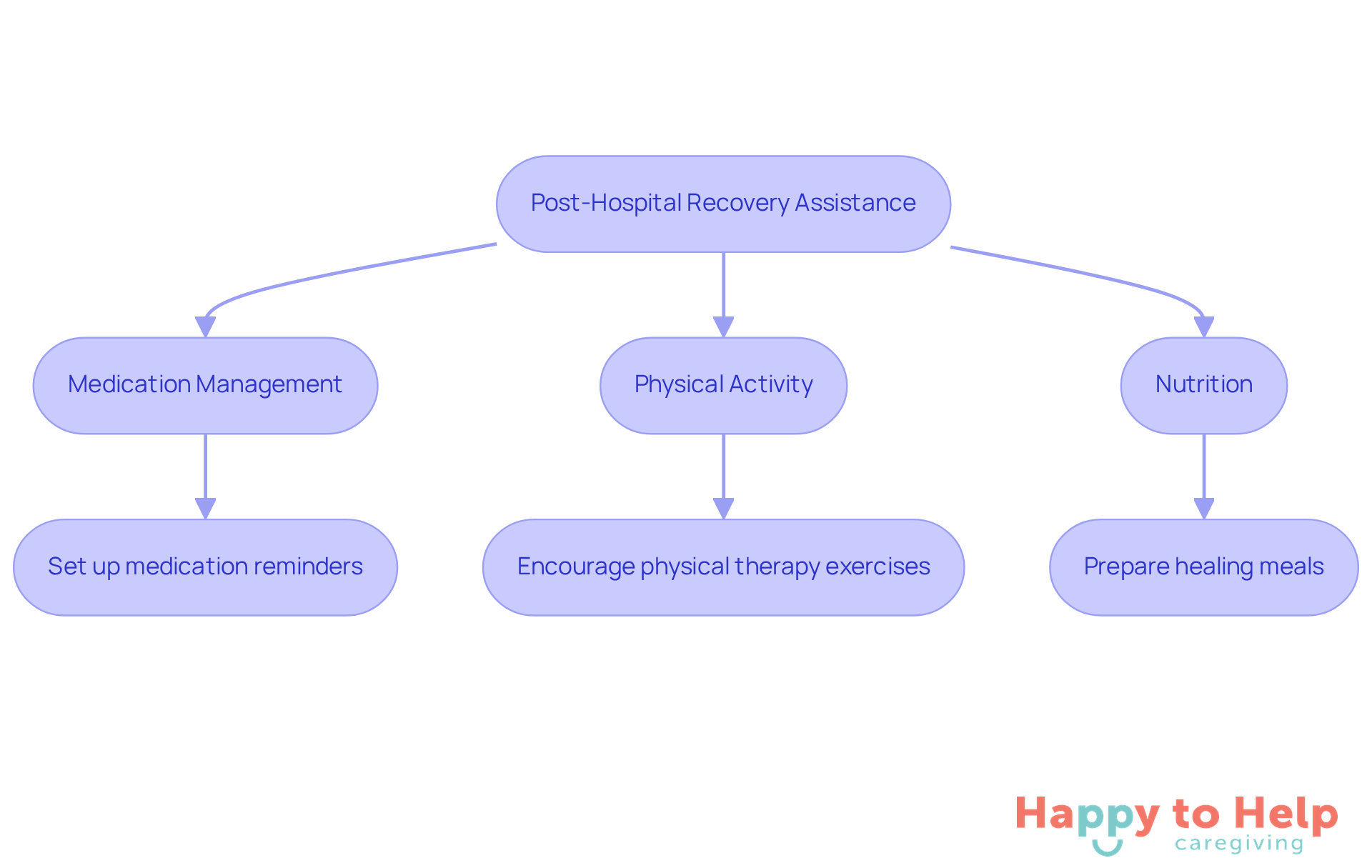
To enhance recovery outcomes, caregivers can implement the following strategies:
- Medication Management: Set up a schedule for medication reminders to ensure adherence.
- Physical Activity: Encourage participation in prescribed physical therapy exercises.
- Nutrition: Prepare meals that meet dietary restrictions and promote healing.
By focusing on these areas, caregivers can significantly improve the recovery experience for their clients.
Respite Care: Essential Support for Family Caregivers
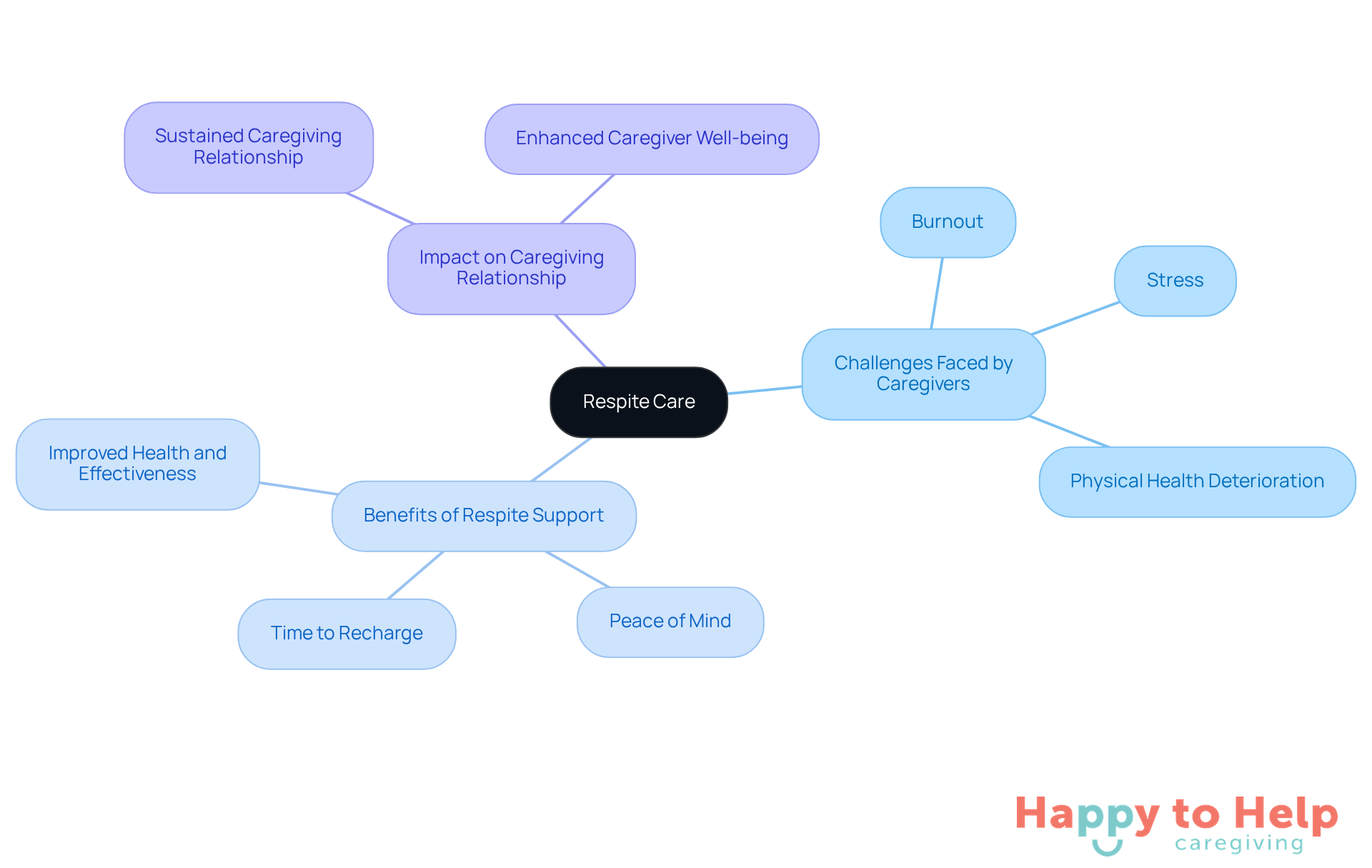
Caregivers often face significant challenges, including burnout and stress, as they dedicate themselves to the well-being of their loved ones. This relentless commitment can take a toll on their own health, making it crucial for them to find ways to recharge.
Respite support offers a vital solution by providing family helpers with a much-needed break. This short-term assistance allows caregivers to focus on their own well-being, whether that means attending to personal matters, relaxing, or simply rejuvenating. Knowing that their loved ones are in skilled hands gives caregivers peace of mind.
By utilizing respite support, caregivers can maintain their health and effectiveness, ultimately benefiting both themselves and those they care for. It's essential to recognize the importance of this support in sustaining the caregiving relationship.
Palliative Support Care: Enhancing Quality of Life for Seniors
Palliative assistance addresses a significant problem: the quality of life for seniors facing serious health challenges. Caregivers often struggle to provide the necessary support, which can lead to increased pain and discomfort for their loved ones. This situation not only affects the seniors but also places emotional strain on caregivers, highlighting the need for effective solutions.
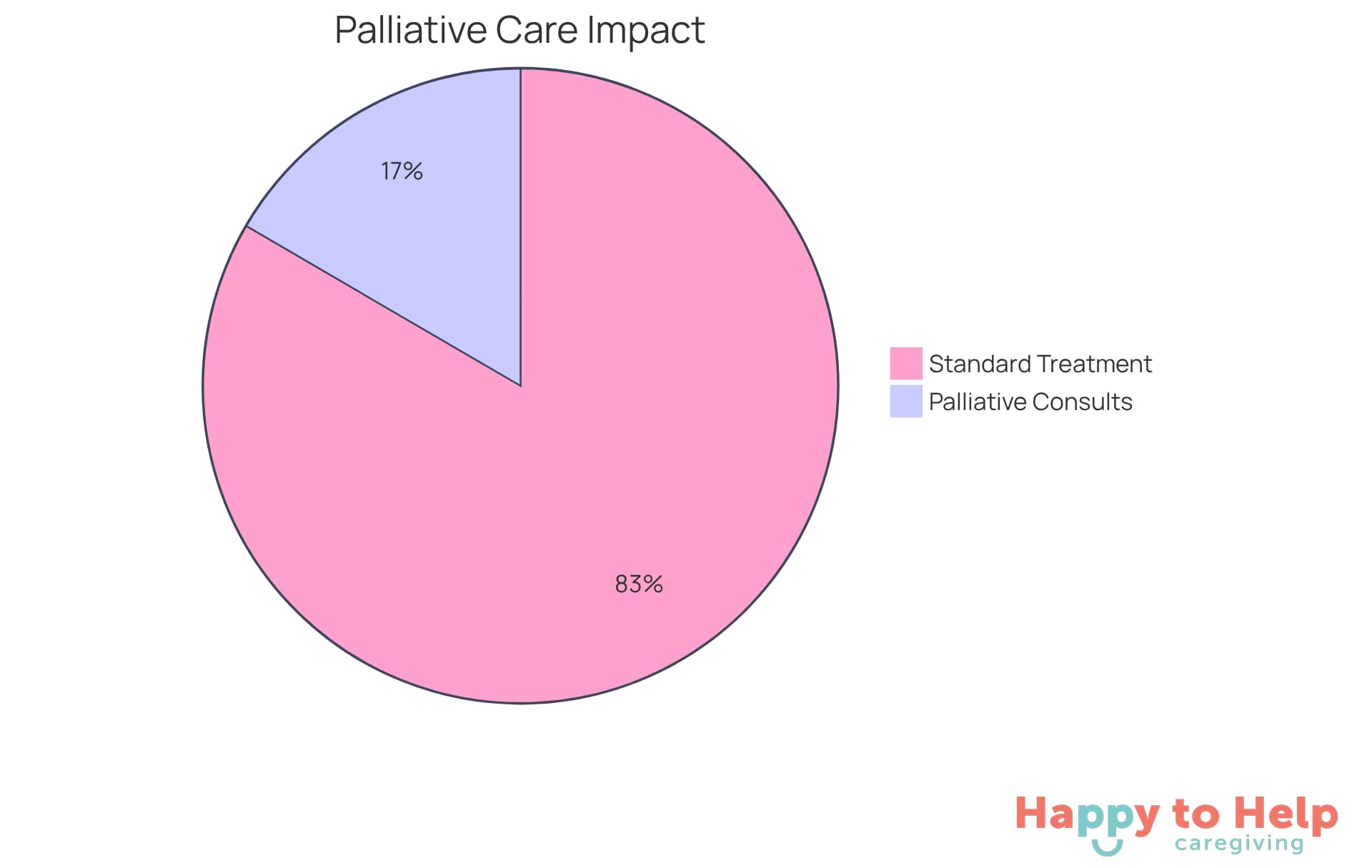
Research shows that 16.6% of individuals receiving standard treatment also received palliative consults, underscoring the effectiveness of this approach in delivering substantial pain relief. As Gayle Mattson, President & CEO of Hospice of Cincinnati, states, "Palliative Support is specialized health service for individuals living with a serious illness." This form of assistance focuses on alleviating symptoms and reducing stress, allowing seniors to maintain dignity and peace during challenging times.
By prioritizing comfort and respect, palliative assistance enables seniors to navigate their remaining days with a better quality of life. It ensures they feel valued and cared for through in home caregiving near me. November is National Hospice & Palliative Care Month, making it an ideal time to recognize the importance of these services and the critical role caregivers play in this process.
Flexible Scheduling: Tailored Care for Individual Needs
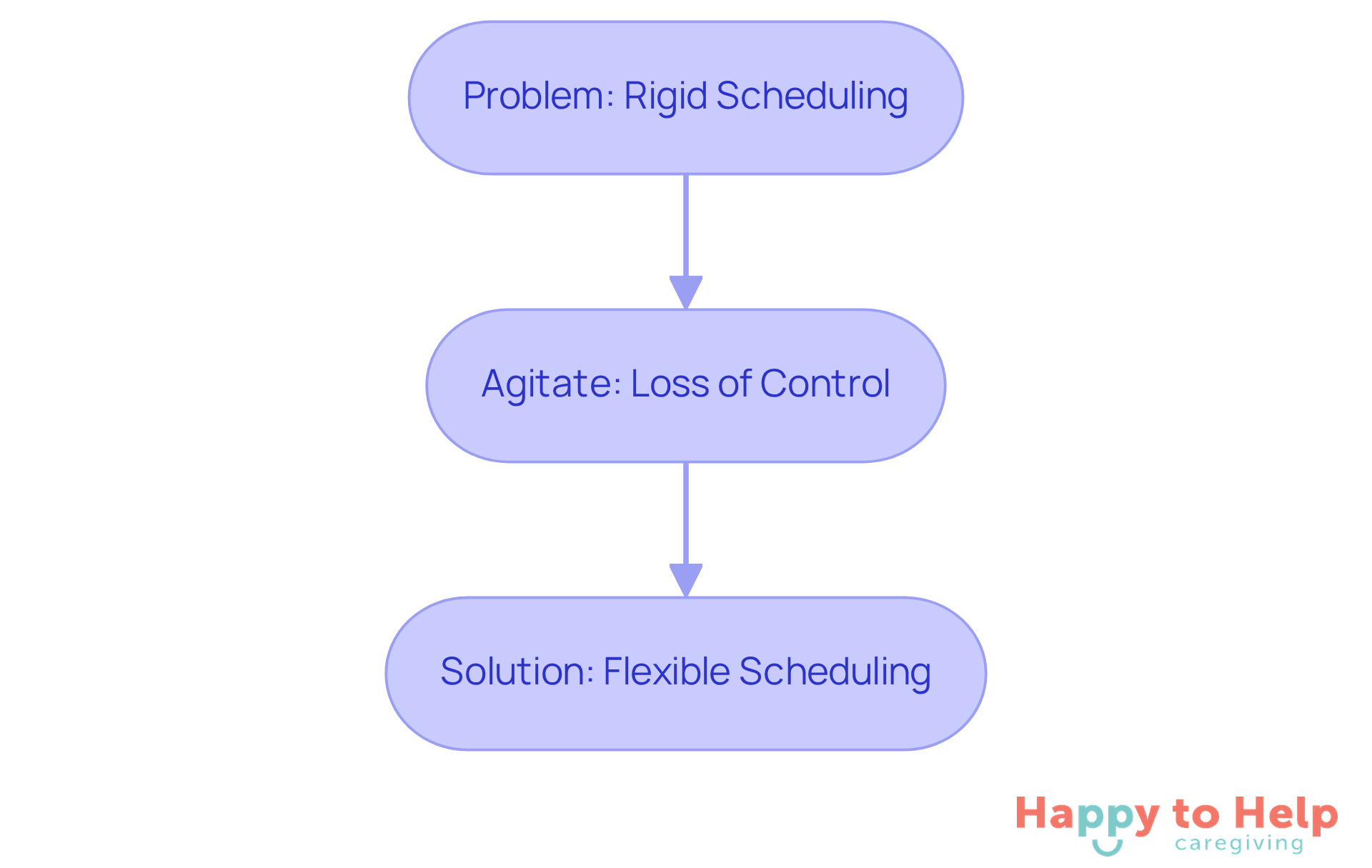
Problem: Caregivers often face challenges with rigid scheduling that doesn't accommodate the unique needs of clients and their families. This can lead to disruptions in daily routines, causing stress for both caregivers and clients.
Agitate: When visit times are inflexible, clients may feel a loss of control over their own lives. This can diminish their sense of independence and negatively impact their overall well-being.
Flexible scheduling in home caregiving near me allows caregivers to adapt their services to fit the specific needs of clients. By adjusting visit times or providing care on an as-needed basis, caregivers can ensure that clients receive the support they require without disrupting their daily routines. This personalized approach fosters a sense of control and independence for older adults.
24/7 Availability: Continuous Support for Seniors
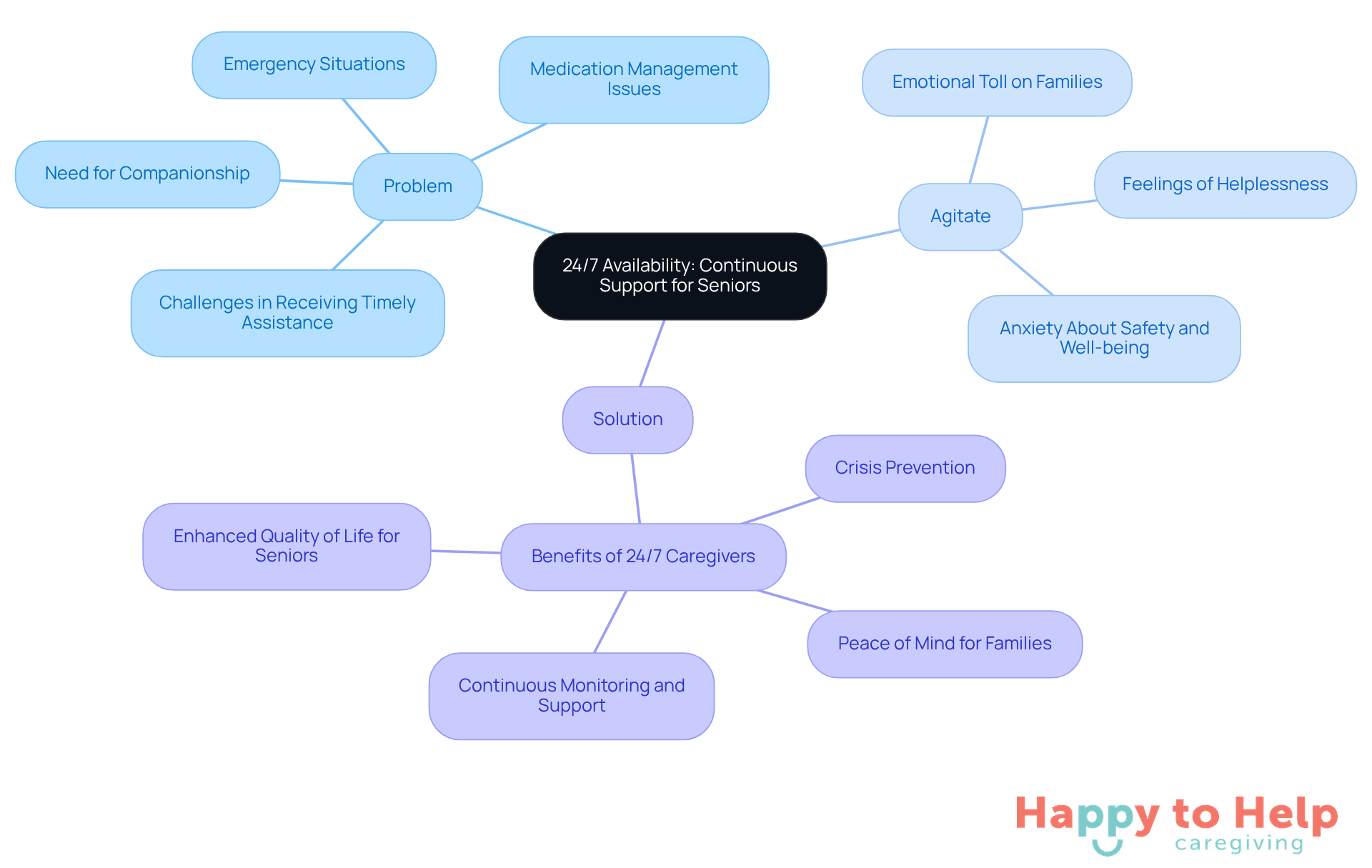
Problem: Many elderly individuals face challenges in receiving timely assistance, whether it’s for medication management, emergency situations, or companionship.
Agitate: This lack of support can lead to crises, leaving families worried about the safety and well-being of their loved ones. The emotional toll on families can be significant, as they often feel helpless and anxious about their elderly relatives.
- Having caregivers available 24/7 for in home caregiving near me effectively addresses these concerns.
- This continual assistance not only helps prevent crises but also reassures families that their loved ones are safe and cared for, fostering a sense of security.
- By ensuring that help is always just a call away, caregivers providing in home caregiving near me can offer peace of mind to families and enhance the quality of life for the elderly.
Emotional Support: Combating Loneliness in Seniors
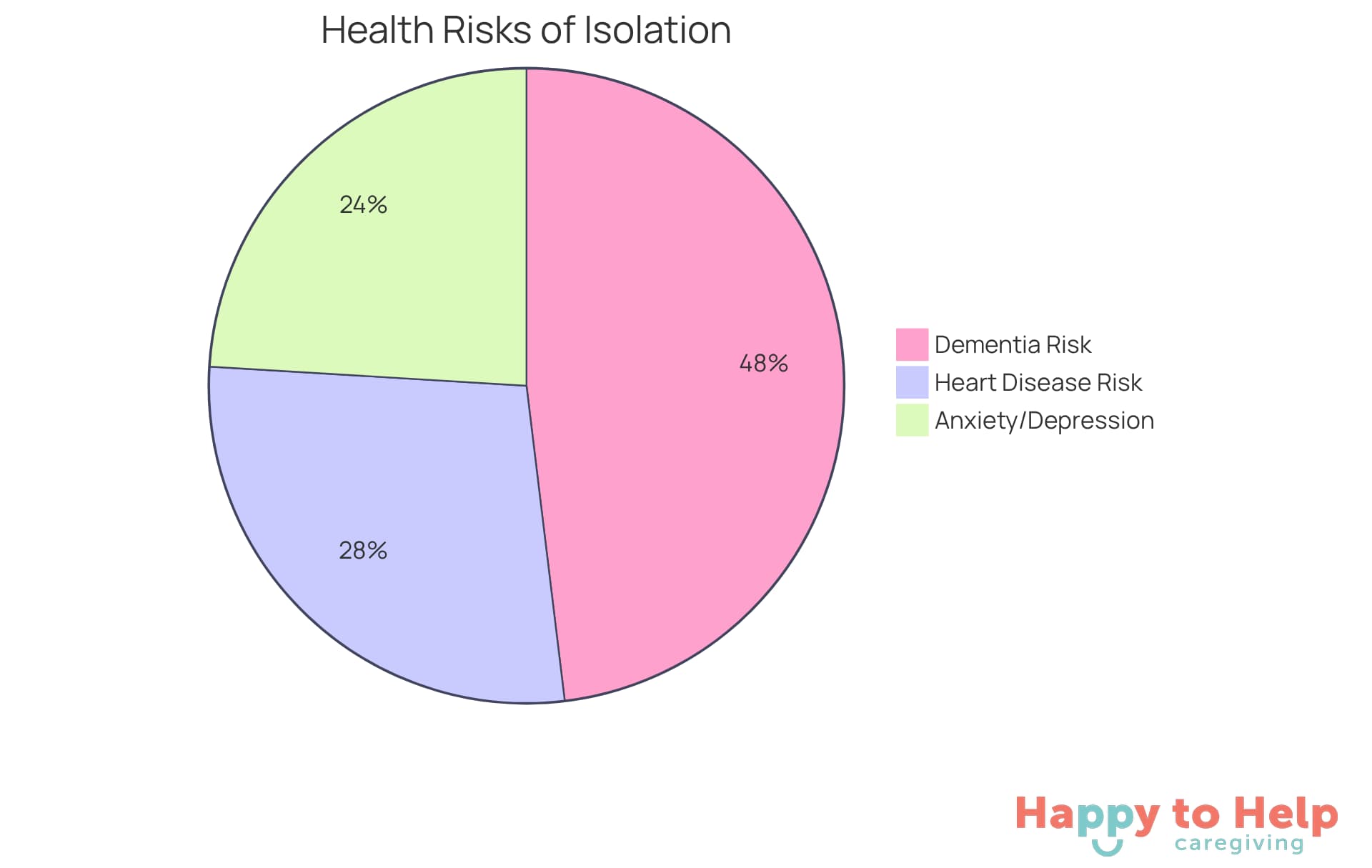
Caregivers face a significant challenge: many seniors experience loneliness and isolation, which can severely impact their emotional well-being. This problem is not just a minor inconvenience; it has serious implications. Research indicates that social isolation in elderly individuals is linked to a 50% increased risk of developing dementia and a 29% rise in heart disease. Furthermore, nearly one in four adults aged 65 and older shows symptoms of anxiety or depression, according to the CDC.
To combat these issues, caregivers can take proactive steps to provide emotional support. Regular interactions, shared activities, and active listening can help foster meaningful relationships that enhance the emotional health of their clients. By establishing a supportive atmosphere, caregivers enable older adults to flourish. Consistent companionship not only motivates seniors to engage in physical activities but also serves as a crucial emotional anchor, reducing the dangers associated with social isolation.
In summary, companionship is not merely a luxury; it is an essential requirement for mental health and well-being. Caregivers can make a significant difference by prioritizing emotional support and fostering connections with their clients.
Personalized Care Plans: Tailored Support for Unique Needs
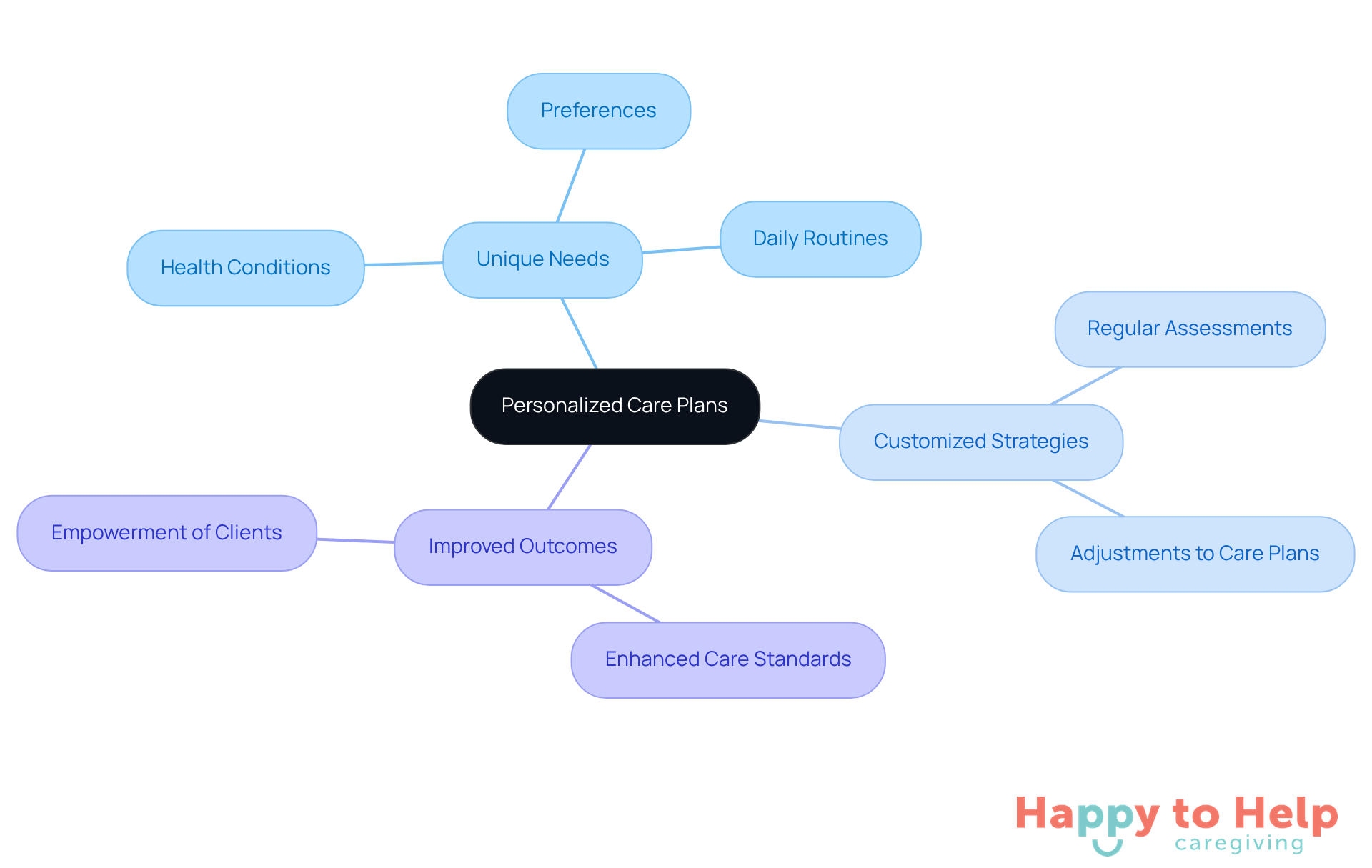
Meeting the distinct requirements of elderly individuals presents a significant challenge for caregivers. Each person has unique health conditions, preferences, and daily routines that must be considered. Without a tailored approach, the risk of inadequate support increases, potentially compromising the independence and dignity of older adults.
To address this issue, caregivers can implement customized support strategies. By assessing individual needs, they can create personalized plans that ensure clients receive the appropriate level of assistance. This not only enhances the standard of care but also empowers older adults to maintain their autonomy.
Incorporating these strategies can lead to improved outcomes for both caregivers and clients. For instance, regular assessments and adjustments to care plans can help caregivers stay aligned with the evolving needs of their clients. By prioritizing personalization, caregivers can foster a supportive environment that respects the dignity of elderly individuals.
Technology Integration: Enhancing Communication and Monitoring
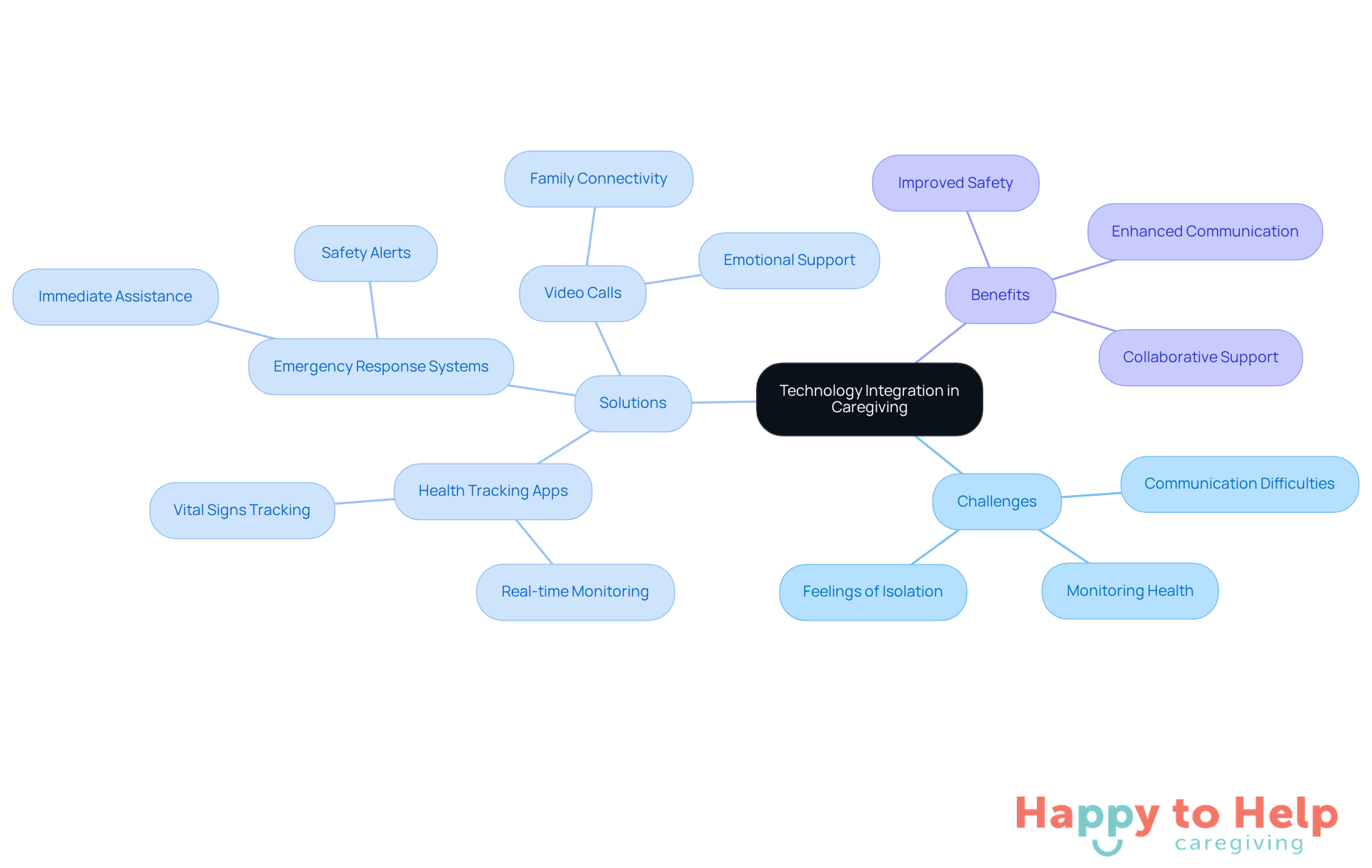
Caregivers face significant challenges in communication and monitoring the health of seniors. These difficulties can lead to feelings of isolation for both caregivers and their loved ones, impacting the quality of care provided.
Fortunately, technology offers practical solutions to these issues. Tools like health tracking apps, emergency response systems, and video calls can greatly enhance the caregiving experience. By keeping families informed and connected, these technologies not only improve safety but also foster a collaborative approach to support.
Implementing these tools can transform caregiving, making it more efficient and responsive to the needs of seniors. For instance, health tracking apps allow caregivers to monitor vital signs in real-time, while emergency response systems ensure immediate assistance when needed. Video calls can bridge the gap between family members, providing emotional support and reducing feelings of loneliness.
Incorporating technology into caregiving is not just beneficial; it’s essential for modern caregiving practices.
Improved Family Dynamics: Supporting Caregivers and Seniors
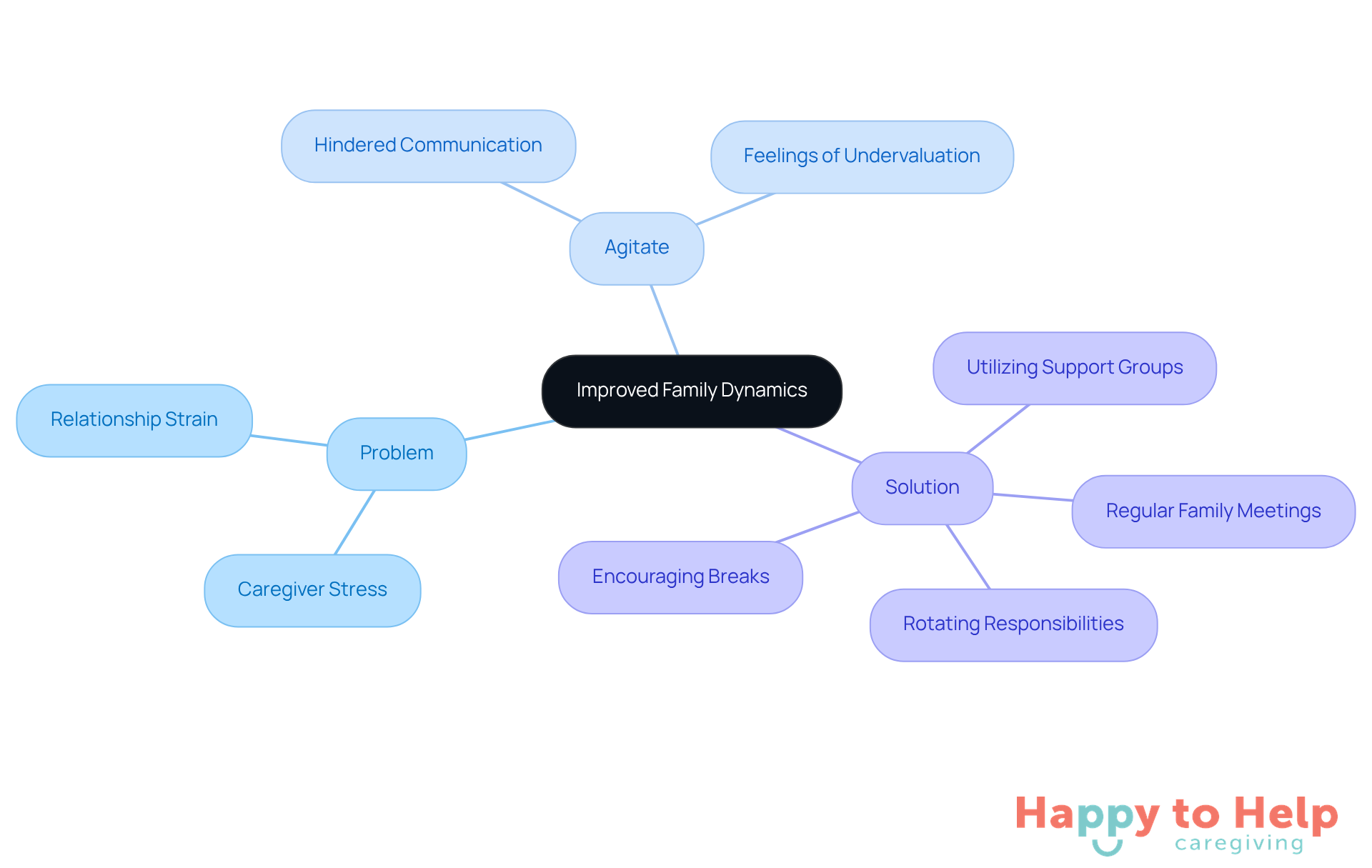
Problem: Caregiving can often lead to significant stress for individual family members, creating a burden that can strain relationships.
Agitate: When caregivers feel overwhelmed, it can hinder open communication and shared responsibilities, ultimately affecting family dynamics. This lack of collaboration not only impacts the quality of care provided to seniors but can also leave family members feeling undervalued and unsupported.
Solution: To combat this issue, families should adopt a collaborative approach to caregiving. By working together, family members can share responsibilities, which alleviates the burden on individual caregivers. This teamwork not only ensures that seniors receive comprehensive care but also strengthens family bonds, making everyone feel valued and supported.
- Incorporating regular family meetings to discuss caregiving duties can enhance communication and foster a sense of shared responsibility.
- Additionally, utilizing resources such as caregiver support groups can provide valuable insights and strategies for managing the challenges of caregiving.
Your Path Forward
In-home caregiving addresses a pressing problem: the multifaceted needs of seniors, from companionship to recovery support. Caregivers often face burnout, and seniors may struggle with loneliness and health challenges. These issues can significantly impact emotional well-being and family dynamics.
Companionship care is crucial in combating loneliness, while palliative support enhances comfort during difficult health situations. Flexible scheduling and 24/7 availability ensure seniors receive timely assistance, leading to better health outcomes. Moreover, the integration of technology in caregiving practices enhances communication and monitoring, providing better overall support.
The importance of in-home caregiving cannot be overstated; it serves as a lifeline for seniors and their families. Investing in these services enriches the lives of older adults and fosters healthier family relationships. As the demand for personalized home care grows, embracing these solutions is essential for ensuring seniors receive the compassionate and comprehensive support they deserve.
https://iframe.tely.ai/cta/eyJhcnRpY2xlX2lkIjogIjY5MjNiNTY2MGIyOGE3ZDViMzI0YTg5ZSIsICJjb21wYW55X2lkIjogIjY4ZWU1ZGNhNzMxNzYyNTU3ZjNjOTVjMSIsICJpbmRleCI6IG51bGwsICJ0eXBlIjogImFydGljbGUifQ==Frequently Asked Questions
What is companionship care for seniors?
Companionship care addresses loneliness among older adults by facilitating meaningful conversations, accompanying clients on outings, and encouraging participation in hobbies, which enhances their quality of life.
Why is companionship care important for seniors?
Companionship care is important because it alleviates feelings of isolation, fosters a sense of purpose and belonging, and can improve emotional and mental well-being.
What are some benefits of regular social interaction for seniors?
Regular social interaction can boost mood, improve mental health, and alleviate symptoms of depression and anxiety, leading to better overall health outcomes.
How can caregivers implement effective companionship care?
Caregivers can implement effective companionship care by establishing regular social activities, creating a welcoming environment, and promoting hobbies that align with the interests of older adults.
What is post-hospital recovery assistance?
Post-hospital recovery assistance provides personalized support to clients after a hospital stay, helping them regain independence and navigate their recovery effectively.
What role do caregivers play in post-hospital recovery?
Caregivers assist with medication reminders, physical therapy exercises, and meal preparation to support overall health and ensure adherence to treatment plans.
How does in-home caregiving impact hospital readmission rates for seniors?
In-home caregiving significantly reduces hospital readmission rates for seniors by providing essential support during the critical first weeks after hospitalization.
What strategies can caregivers use to enhance recovery outcomes?
Caregivers can enhance recovery outcomes by managing medications, encouraging physical activity, and preparing nutritious meals that meet dietary restrictions.
What is respite care?
Respite care provides temporary relief for family caregivers, allowing them to take breaks and focus on their own well-being while ensuring their loved ones are cared for.
Why is respite care important for family caregivers?
Respite care is important because it helps prevent caregiver burnout and stress, allowing caregivers to maintain their health and effectiveness, which ultimately benefits both them and those they care for.
List of Sources
- Happy to Help Caregiving: Companionship Care for Seniors
- Why Home Care Providers Are Increasingly Offering Companion Care Services for Seniors | Aaniie, formerly Smartcare Software (https://aaniie.com/news/why-home-care-providers-are-increasingly-offering-companion-care-services-for-seniors)
- The Essential Role of Mental Health in Senior Care (https://providermagazine.com/Articles/Pages/The-Essential-Role-of-Mental-Health-in-Senior-Care.aspx)
- Trends in Loneliness Among Older Adults from 2018-2023 (https://ihpi.umich.edu/national-poll-healthy-aging/reports-and-resources/trends-loneliness-among-older-adults-2018-2023)
- The Emotional Benefits of Companion Care for Seniors (https://comfortkeepers.com/offices/texas/round-rock/resources/news/the-emotional-benefits-of-companion-care-for-seniors)
- Post-Hospital Recovery Assistance: Smooth Transition to Home Care
- How Healing at Home Helps Unclog the Hospital Bed Logjam (https://usnews.com/news/health-news/articles/2025-03-03/how-healing-at-home-helps-unclog-the-hospital-bed-logjam)
- After the Hospital: How Home Health Care Supports Recovery at Home - Advanced Nursing & Home Care (https://advancednursing.care/blog/after-the-hospital-how-home-health-care-supports-recovery-at-home)
- Post-Hospital Discharge: Why In-Home Care Improves Recovery for Florida Seniors (https://visitingangels.com/pasco/news-info/post-hospital-discharge-why-in-home-care-improves-recovery/26199)
- Why After-Hospital Care & Post-Hospital Home Care Are Essential for Recovery (https://comfortkeepers.com/offices/colorado/grand-junction/resources/resources/posthospital-home-care-are-essential-for-recovery)
- Combination of outreach methods can improve follow-up care for hard-to-reach patients (https://news-medical.net/news/20251120/Combination-of-outreach-methods-can-improve-follow-up-care-for-hard-to-reach-patients.aspx)
- Respite Care: Essential Support for Family Caregivers
- Survey Shows Importance of Supporting Family Caregivers (https://newsroom.clevelandclinic.org/2022/11/02/survey-shows-importance-of-supporting-family-caregivers)
- Federal budget committee greenlights millions in spending for family caregivers, respite services (https://mcknightshomecare.com/news/federal-budget-committee-greenlights-millions-in-spending-for-family-caregivers-respite-services)
- Improving Support for Family Caregivers (https://nationalacademies.org/news/2025/07/improving-support-for-family-caregivers)
- Caregiver Statistics: Health, Technology, and Caregiving Resources (https://caregiver.org/resource/caregiver-statistics-health-technology-and-caregiving-resources)
- Palliative Support Care: Enhancing Quality of Life for Seniors
- ‘A good death’: How compassionate care helps people navigate the end of life (https://news.yale.edu/2025/10/13/good-death-how-compassionate-care-helps-people-navigate-end-life)
- Six states pioneer palliative care expansion, support initiatives (https://mcknightshomecare.com/news/six-states-pioneer-palliative-care-expansion-support-initiatives)
- Hospice & Palliative Care Benefits | Council on Aging (https://help4seniors.org/news/how-hospice-and-palliative-care-services-make-a-difference)
- Palliative Care Aims To Improve Quality Life of Those With Life-Limiting Illness (https://bestcare.org/news/palliative-care-aims-improve-quality-life-those-life-limiting-illness)
- Can palliative care consults in hospitals improve end-of-life care? (https://nia.nih.gov/news/can-palliative-care-consults-hospitals-improve-end-life-care)
- Flexible Scheduling: Tailored Care for Individual Needs
- The need for caregiving benefits may have reached a fever pitch (https://hrdive.com/news/sandwich-generation-needs-caregiving-benefits/802864)
- Workplace flexibility is the most used, wanted benefit among caregivers: AARP (https://thehill.com/homenews/4668936-aarp-workplace-flexibility-most-used-wanted-benefit-caregivers)
- Flexible Care Models Give Home Care Clients ‘What They Want When They Want It’ (https://homehealthcarenews.com/2025/10/flexible-care-models-give-home-care-clients-what-they-want-when-they-want-it)
- The Future of Flexibility: Supporting Caregivers in Deskless Roles (https://shrm.org/enterprise-solutions/insights/future-of-flexibility-supporting-caregivers-deskless-roles)
- Caregiving While Working Calls for Workplace Flexibility (https://aarp.org/pri/topics/work-finances-retirement/employers-workforce/employer-caregiving-survey)
- 24/7 Availability: Continuous Support for Seniors
- Top 8 Benefits of 24/7 Monitoring Systems for Senior Care - EyeWatch LIVE® (https://eyewatchlive.com/news/top-8-benefits-of-24-7-monitoring-systems-for-senior-care)
- A bill in Congress would return $5,000 to millions of family caregivers every year, but will it pass? (https://cbsnews.com/newyork/news/credit-for-caring-act-family-caregiver-tax-credit)
- Next Avenue Special Report: Caregiving in America - The 24/7 Caregiver (https://johnahartford.org/resources/view/next-avenue-special-report-caregiving-in-america-the-24-7-caregiver-1)
- 24/7 Home Care: Ensuring Safety and Comfort for Your Loved Ones (https://h2hhc.com/blog/24-7-home-care)
- The Benefits of 24/7 Live-In Care for Seniors (https://humancareny.com/blog/the-benefits-of-24-7-live-in-care-for-seniors)
- Emotional Support: Combating Loneliness in Seniors
- The Silent Struggle: Caregiver Stress and the Need for Support | Tahoe Forest Health System (https://tfhd.com/news/the-silent-struggle-caregiver-stress-and-the-need-for-support)
- A Better Solution Home Care (https://abs.care/How-Companionship-Care-Improves-Mental-Health-in-Older-Adults)
- Family Caregiver Support, Education Needs Growing (https://hospicenews.com/2025/11/11/family-caregiver-support-education-needs-growing)
- How Companionship in Home Care Boosts Seniors' Mental Health - Care With Love (https://carewithlove.com/how-companionship-in-home-care-boosts-seniors-mental-health)
- Caregiving is taking a toll on the mental health of millions of Americans (https://npr.org/2025/01/26/nx-s1-5271537/caregiving-is-taking-a-toll-on-the-mental-health-of-millions-of-americans)
- Personalized Care Plans: Tailored Support for Unique Needs
- Benefits of Personalized Care Plans in Nursing Homes (https://havenhealthaz.com/blog/benefits-of-personalized-care-plans-in-nursing-homes)
- Importance of Personalized Senior Home Care in Burlington NC (https://wisdomseniorcare.com/the-importance-of-personalized-care-plans-for-seniors)
- Novel Care Model May Improve Outcomes for Older Adults With Multiple Chronic Conditions (https://consultqd.clevelandclinic.org/novel-care-model-may-improve-outcomes-for-older-adults-with-multiple-chronic-conditions)
- Older adults prioritize social activities, inclusiveness in massive survey assessing what matters most to them (https://mcknights.com/news/older-adults-prioritize-social-activities-inclusiveness-in-massive-survey-assessing-what-matters-most-to-them)
- The Role of Personalized Care Plans in Ensuring Senior Comfort (https://thehighpointresidence.com/blog/the-role-of-personalized-care-plans-in-ensuring-senior-comfort)
- Technology Integration: Enhancing Communication and Monitoring
- How AI Could Change Family Caregiving (https://aarp.org/caregiving/basics/how-ai-can-help-caregivers)
- Innovative new technology helps seniors age in place (https://universityofcalifornia.edu/news/innovative-new-technology-helps-seniors-age-place)
- Tech to Support Older Adults and Caregivers: Five Privacy Questions for Age Tech (https://fpf.org/blog/tech-to-support-older-adults-and-caregivers-five-privacy-questions-for-age-tech)
- AI is Reshaping Retirement, Caregiving, and Health (https://ltcnews.com/articles/ai-reshaping-retirement-caregiving-health)
- Inside the AI Companies Reshaping Caregiving for America’s 63 Million Caregivers (https://theflowspace.com/interpersonal-health/family/ai-caregiving-products-3009443)
- Improved Family Dynamics: Supporting Caregivers and Seniors
- New Report Reveals Crisis Point for America’s 63 million Family Caregivers (https://press.aarp.org/2025-07-24-New-Report-Reveals-Crisis-Point-for-Americas-63-million-Family-Caregivers)
- How A Family Can Truly Support Each Other in Caregiving (https://hopebridge.care/how-a-family-can-truly-support-each-other-in-caregiving)
- Caregiving and Complicated Family Dynamics > KET (https://ket.org/the-next-chapter/caregiving-and-complicated-family-dynamics)
- Family Caregiving Collaborative Seeks Better Ways to Care for the Caregivers (https://uofuhealth.utah.edu/newsroom/news/2024/11/family-caregiving-collaborative-seeks-better-ways-care-caregivers)