
What You Need to Know About Caregiver Questions for Families to
Navigating the world of caregiving can be daunting for families seeking the right support for their loved ones. The challenge lies not just in filling a caregiver position but in ensuring that the chosen individual has the necessary skills, experience, and emotional intelligence to provide quality care. This responsibility can feel overwhelming, especially when families are unsure of what to look for in a caregiver.
To make informed decisions, families must ask essential questions that reveal a caregiver's qualifications and approach to care. What are the most critical inquiries that can uncover the true capabilities of a potential caregiver? By focusing on these questions, families can significantly enhance their decision-making process and ultimately shape a more positive caregiving experience.
Here are some key questions to consider:
- What specific experience do you have in caregiving?
- How do you handle challenging situations or emergencies?
- Can you provide references from previous families you’ve worked with?
By addressing these inquiries, families can gain valuable insights into a caregiver's abilities and ensure they select the right support for their loved ones.
Happy to Help Caregiving: What Is Your Experience in Caregiving?
When hiring a caregiver, it's crucial to understand their background.
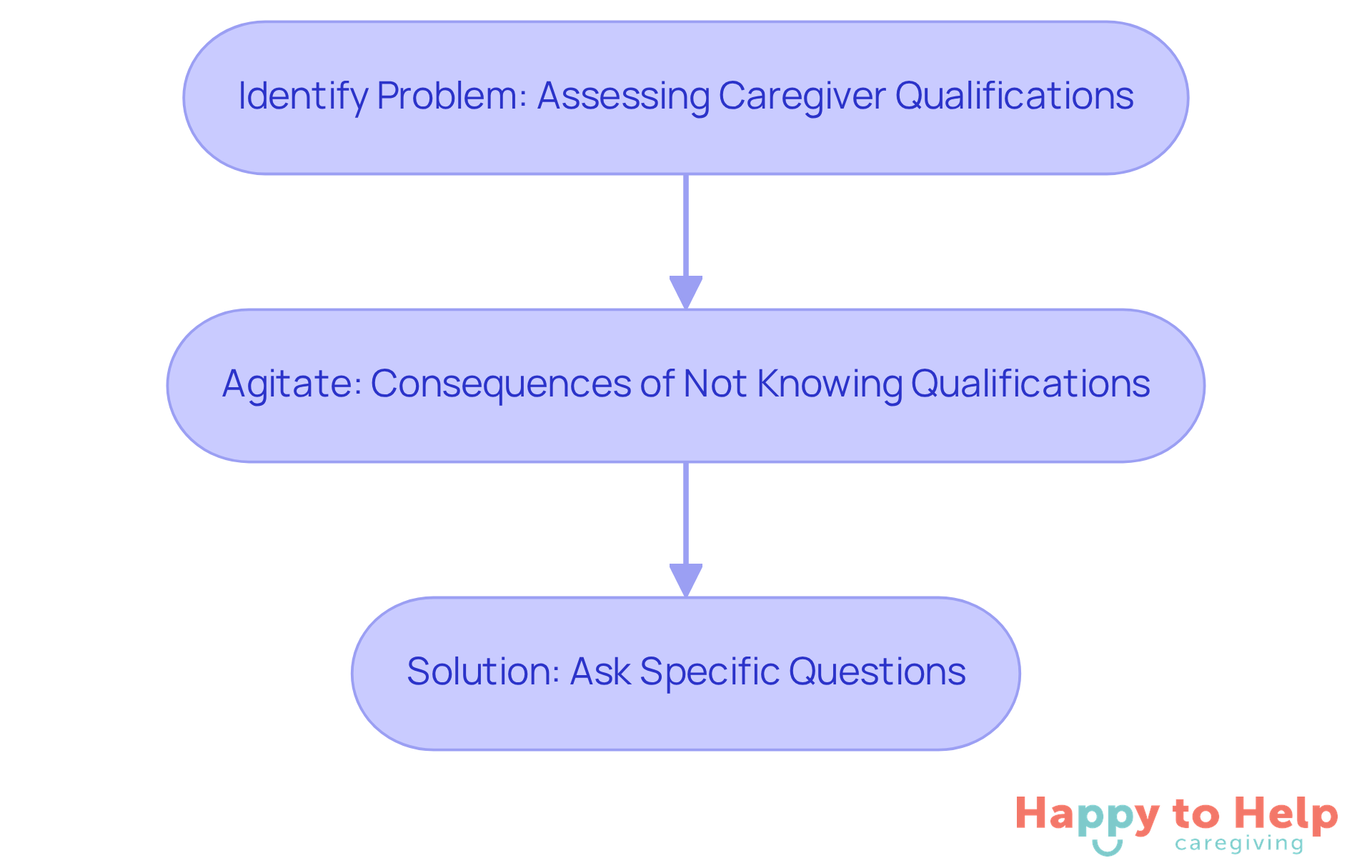
Problem: Many caregivers face challenges in assessing the qualifications of potential hires.
Agitate: Without this knowledge, caregivers may struggle to find someone who can handle specific challenges that arise in caregiving situations.
Solution: To mitigate this risk, ask caregiver questions about the individual's prior positions, the types of clients they have assisted, and the length of their experience in providing care. This approach will provide valuable insight into their familiarity with various care scenarios and their ability to navigate potential challenges effectively.
Training Background: Do You Have Any Formal Caregiving Training?
Caregivers often face uncertainty regarding the qualifications of their providers. This concern can lead to anxiety about whether the provider is adequately prepared to handle emergencies or specific health conditions. Families need to feel secure in the abilities of those caring for their loved ones.
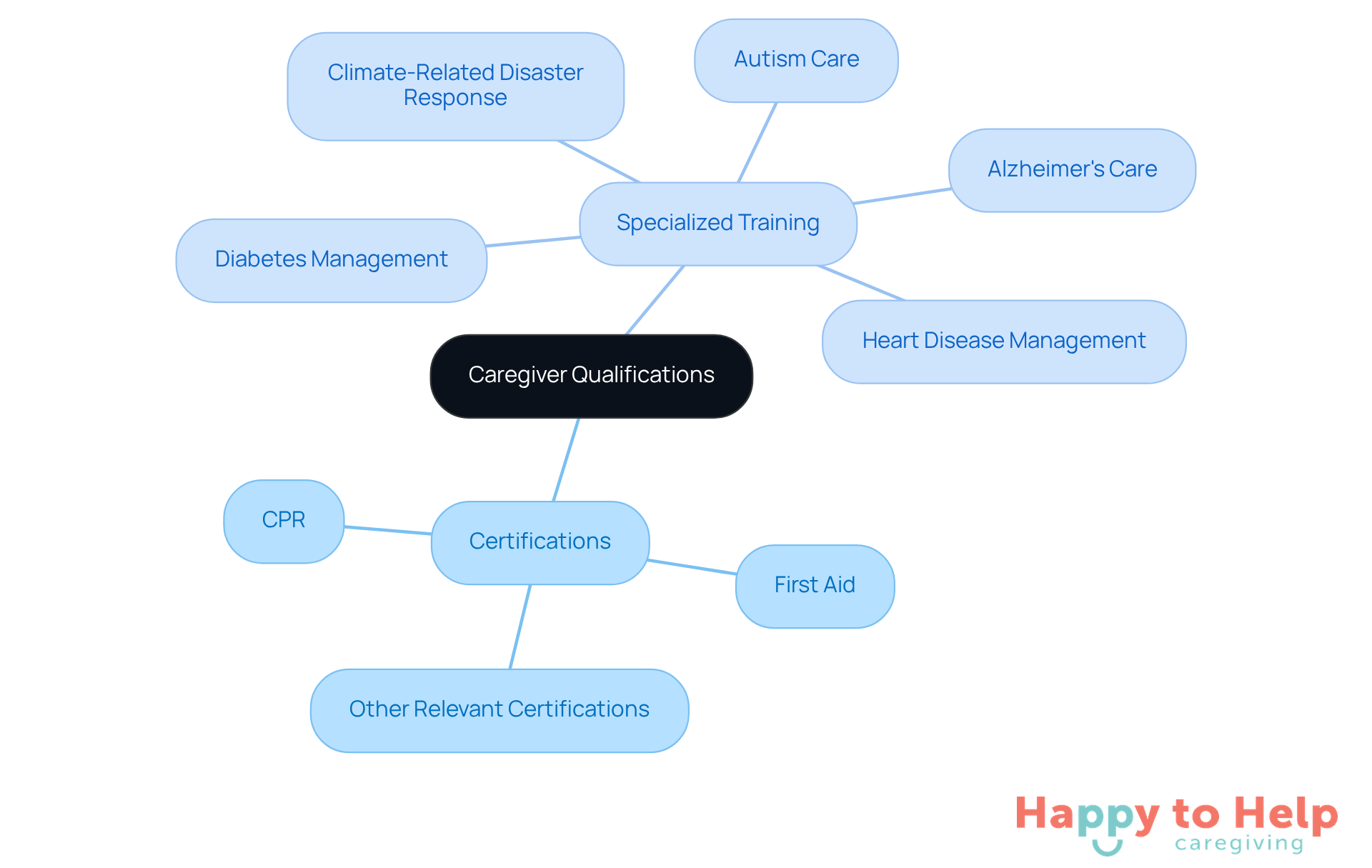
One effective way to alleviate these worries is to pose caregiver questions regarding any certifications or training programs the individual has completed. For instance, certifications in CPR and first aid are crucial indicators of a provider's preparedness. Specialized training for specific conditions can also provide families with peace of mind, knowing that the caregiver is equipped to handle unique challenges.
By asking caregiver questions about these qualifications, families can gain confidence in their provider's abilities, ensuring that their loved ones are in capable hands.
Communication Skills: How Do You Communicate with Family Members?
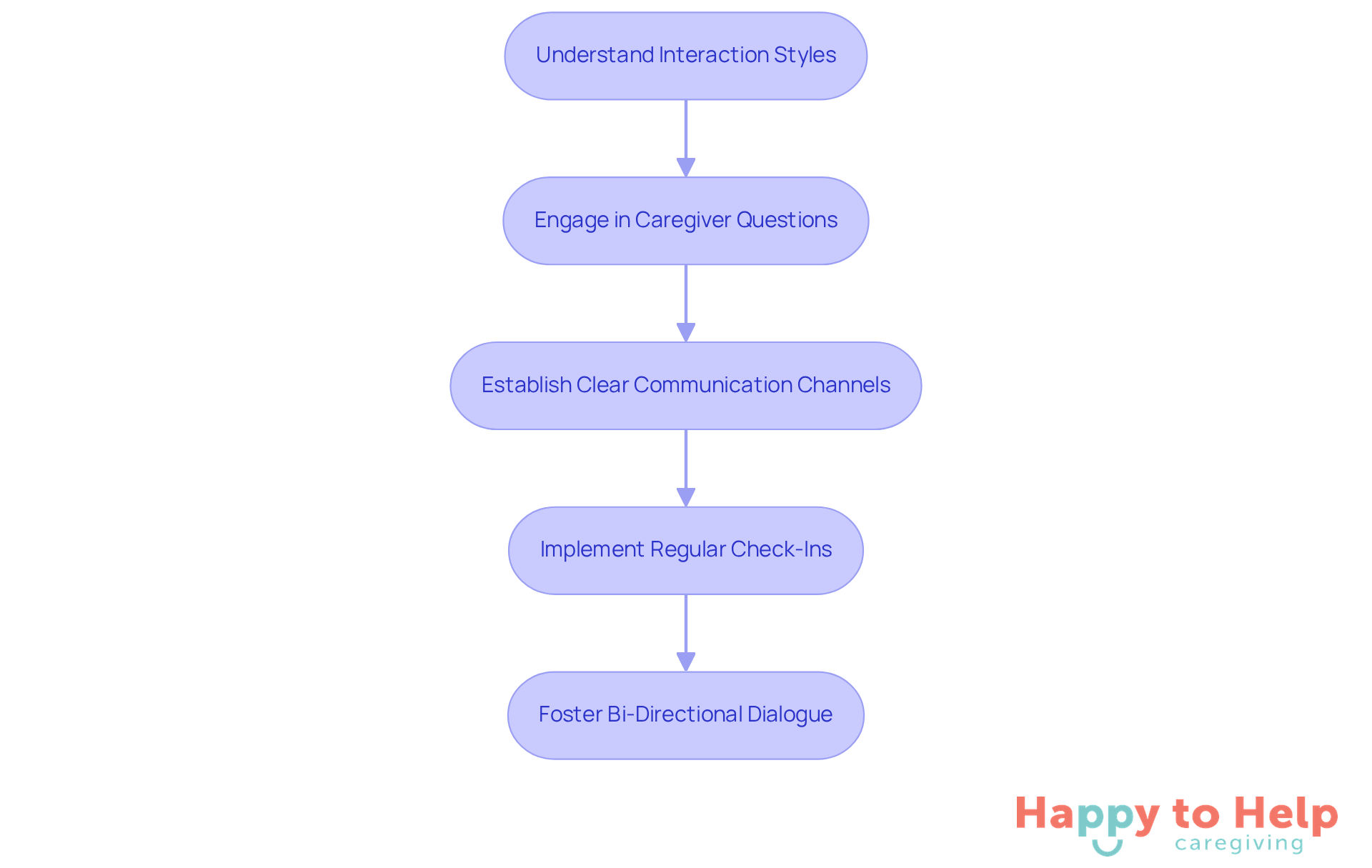
Understanding a support provider's preferred interaction styles is essential for fostering a collaborative environment. Families often face the challenge of unclear communication, which can lead to feelings of disconnect and insecurity regarding their loved one's care. Research indicates that many household supporters find the quality of communication with direct care professionals lacking, highlighting the need for improvement.
To address this issue, families should actively engage in caregiver questions about their preferred methods of communication-whether they prefer regular updates, phone calls, or written notes. This insight allows households to create a tailored interaction strategy that meets everyone's needs. By establishing clear channels of communication, providers can offer timely updates and address any concerns, ultimately fostering a sense of security and trust.
Francesca Falzarano, a researcher at Weill Cornell Medicine, emphasizes that consistent, bi-directional dialogue is crucial for enhancing residents' daily lives. This proactive approach not only helps families feel more connected and engaged but also invites caregiver questions, thereby strengthening the role of the supporter as a collaborator in their loved one's well-being.
To improve communication, families should consider implementing regular check-ins with support providers. This ensures that everyone is aligned and informed, paving the way for a more effective caregiving experience.
Emergency Preparedness: How Do You Handle Emergency Situations?
Caregivers often face the challenge of ensuring safety during emergencies. Inadequate preparation can lead to panic and confusion in critical situations. This is particularly concerning when it comes to medical emergencies, natural disasters, or other urgent scenarios.
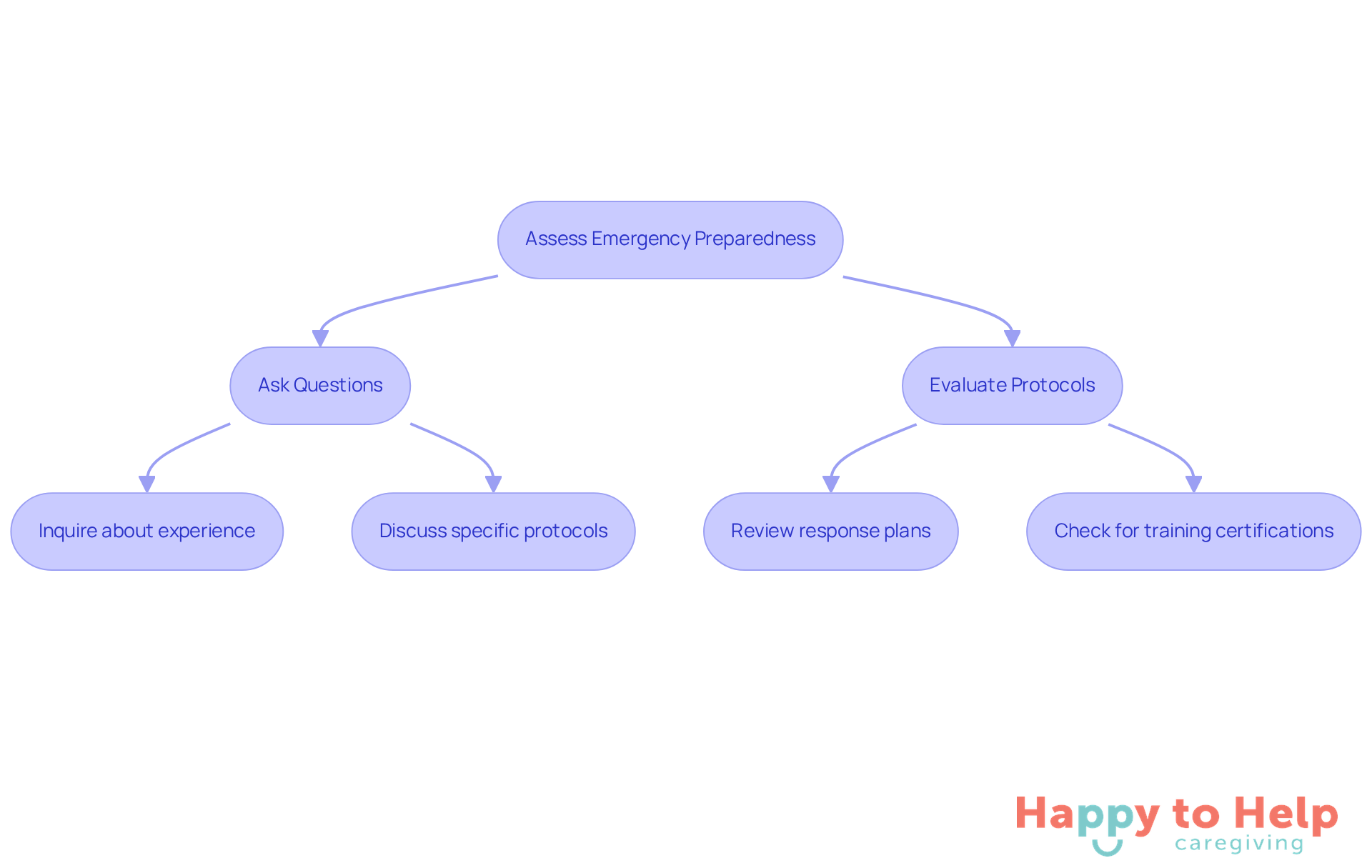
To address this issue, caregivers should ask caregiver questions regarding their service providers' experience with emergency situations and the specific protocols they follow. Understanding how a provider would respond in these situations can offer reassurance to households. A well-prepared attendant not only enhances safety but also instills confidence in families during crises.
Availability: What Is Your Availability for Caregiving?
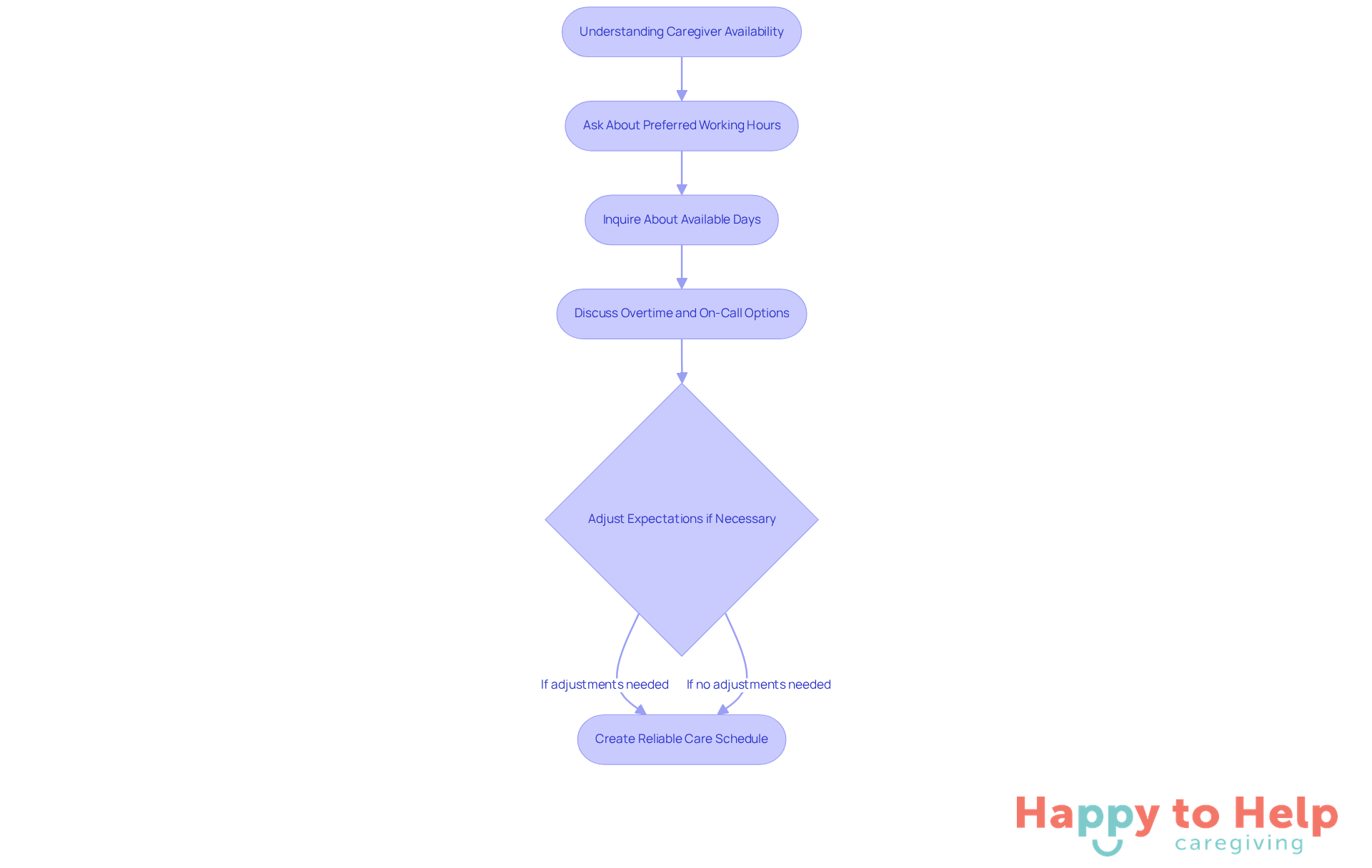
Understanding a support provider's availability is a critical issue for households seeking reliable in-home assistance. Caregivers typically work between 30 to 40 hours per week, but this can vary based on individual circumstances and agency policies. Without clarity on availability, families may struggle to create a dependable care schedule that meets their needs.
The implications of unclear availability can be significant. Families often experience increased stress and uncertainty when they don't know their provider's schedule. This unpredictability can undermine trust and satisfaction with the caregiving experience. Knowing when a caregiver is available allows families to plan better, fostering a sense of security and enhancing the overall caregiving relationship.
To address this challenge, households should proactively pose caregiver questions about their provider's preferred working hours, available days, and willingness to take on overtime or be on-call. This open communication is essential for addressing caregiver questions while developing effective care plans. Additionally, if a provider has limited availability, families may need to adjust their expectations or seek additional support. This adaptability ensures that all care needs are met without overburdening relatives or other supporters.
Ultimately, clear communication regarding availability not only helps in crafting reliable care schedules but also strengthens collaboration between households and support providers. By prioritizing these discussions, families can achieve better outcomes and a more positive caregiving experience.
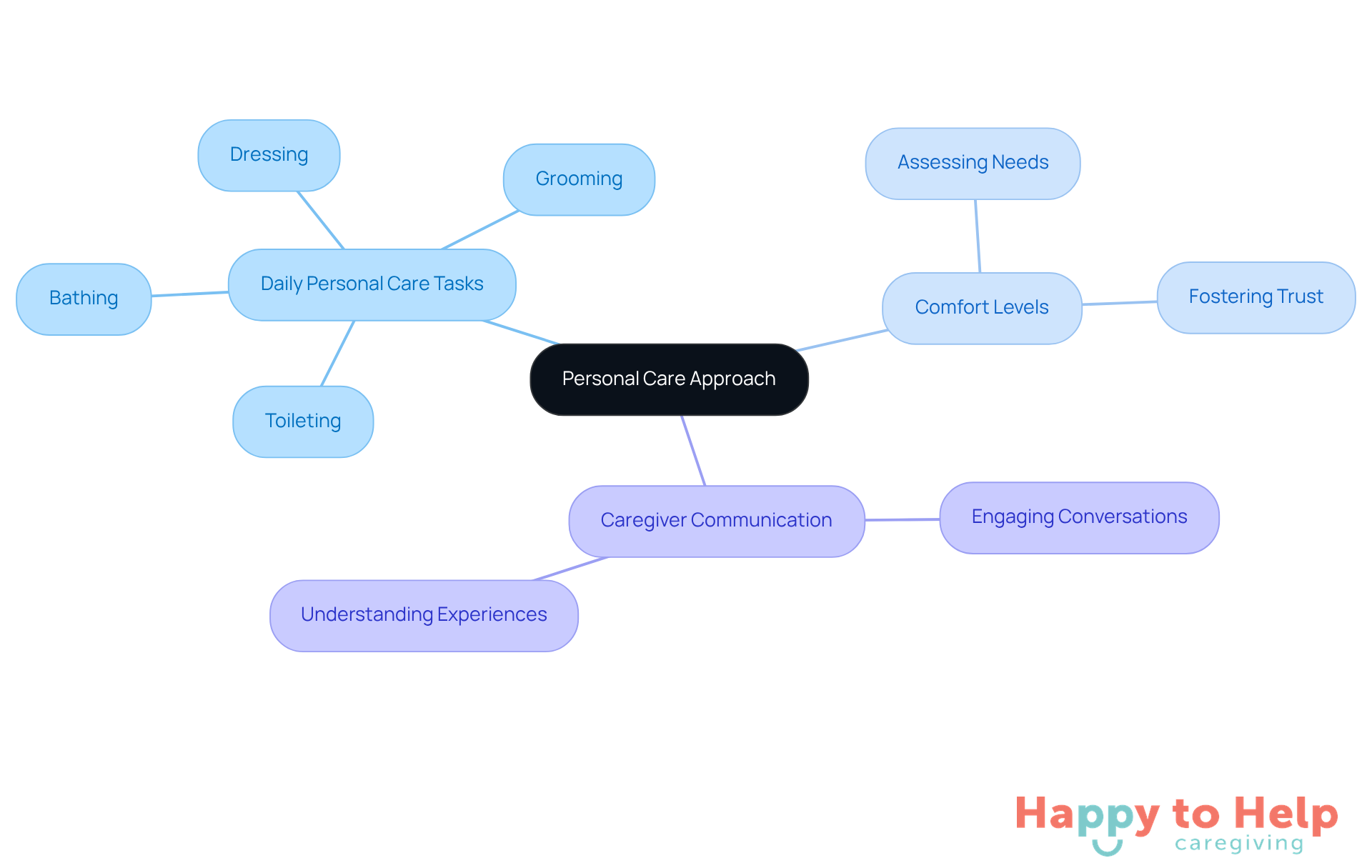
Personal Care Approach: Are You Comfortable Assisting with Daily Personal Care Tasks?
Caregivers often face challenges when it comes to personal care tasks like bathing, dressing, grooming, and toileting. Understanding an individual's comfort level with these tasks is crucial. Without this knowledge, caregivers may struggle to provide the necessary support, leading to frustration for both the caregiver and the individual.
To address this issue, caregivers should actively engage in conversations that include caregiver questions about personal care experiences. Caregiver questions should be asked to determine how comfortable the individual feels with each task. This not only helps in assessing their needs but also fosters a sense of trust and understanding.
By taking the time to understand these personal care tasks, families can ensure their loved ones receive the appropriate assistance. This proactive approach can significantly enhance the quality of care provided.
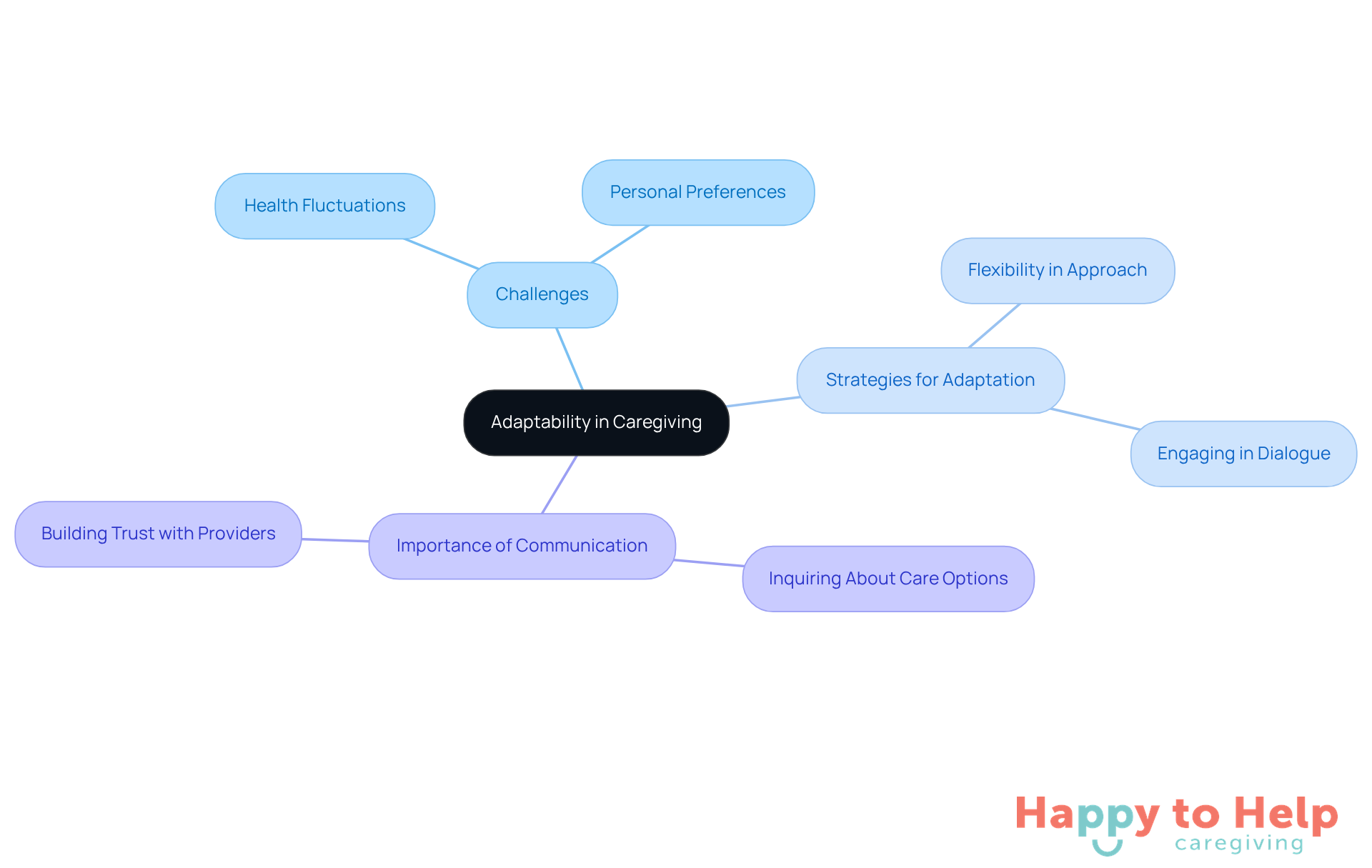
Adaptability: Can You Adapt to Changing Care Needs?
Caregivers often face the challenge of managing changes in care requirements, whether due to health fluctuations or personal preferences. This can lead to ineffective care if not addressed properly.
To ensure effective and personalized care, it's crucial to ask providers how they adapt to these changes. An individual who can adjust their approach based on evolving needs will ultimately provide better support.
By engaging in this dialogue, caregivers can gain insights into the flexibility of care options available, leading to improved outcomes for those they support.
Specialized Experience: Do You Have Experience with Patients Who Have Chronic Illnesses?
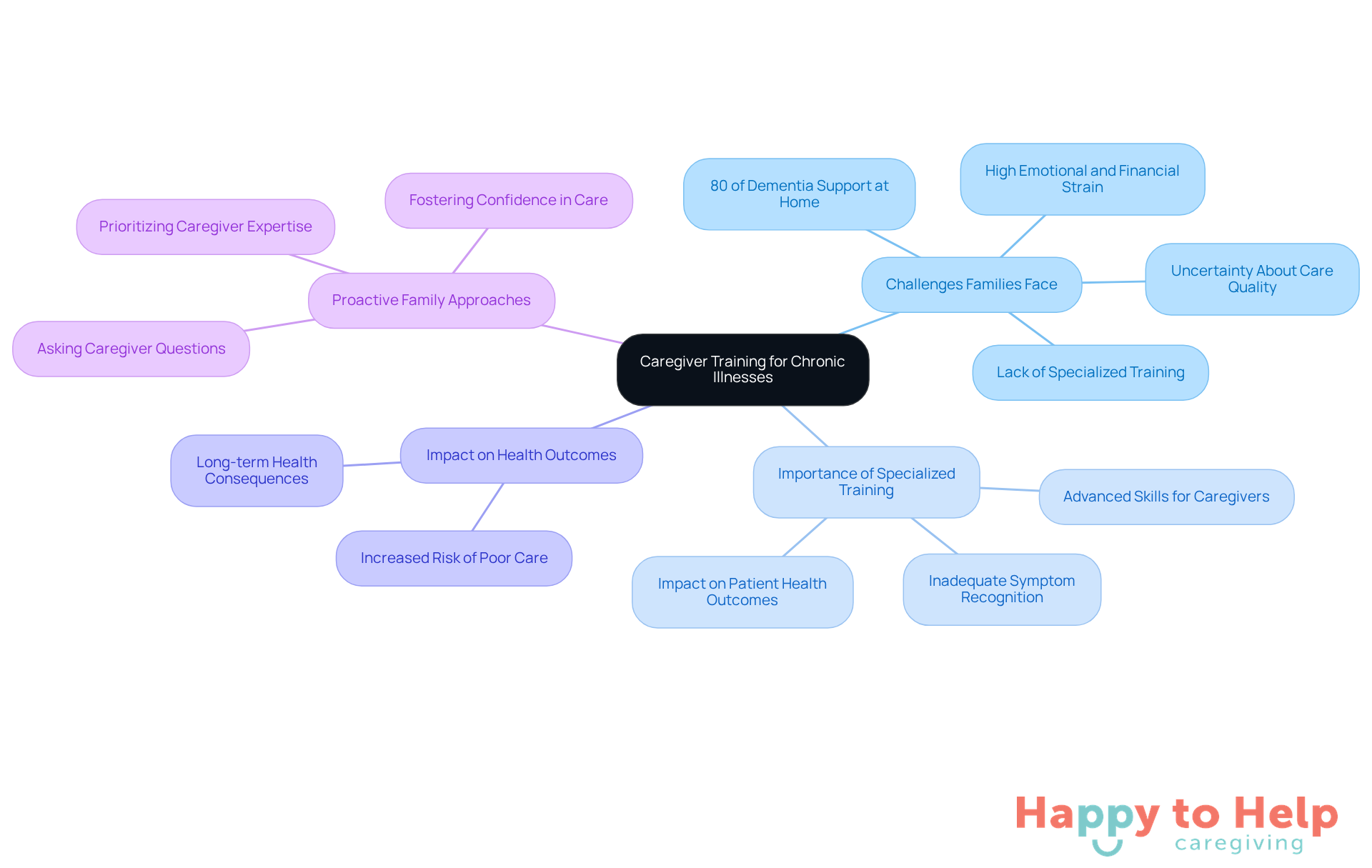
When selecting a support provider, families face a significant challenge: the lack of specialized training among caregivers for chronic illnesses like diabetes, heart disease, and dementia. This gap in expertise can result in caregiver questions, leaving families feeling uncertain about the quality of care their loved ones receive.
Approximately 80% of dementia support occurs at home, underscoring the need for caregivers to possess advanced skills to manage complex health needs effectively. Unfortunately, studies reveal that only a small percentage of support providers receive formal training in chronic illness care. This lack of preparation can lead to inadequate symptom recognition and response, ultimately affecting health outcomes for patients.
To address this issue, families should prioritize asking caregiver questions when selecting support providers with specialized training in chronic illness care. By ensuring that caregivers have the necessary expertise, families can foster greater confidence in the assistance their loved ones receive. This proactive approach not only promotes better health and well-being but also empowers families to navigate the complexities of caregiving with assurance.
Emotional Support: How Do You Connect with Patients and Offer Emotional Support?
Establishing a connection with clients is crucial for support providers. The lack of emotional ties can lead to feelings of loneliness and negatively impact the overall standard of care. Caregiver questions often arise as they face the challenge of fostering these connections, which are essential for emotional health.
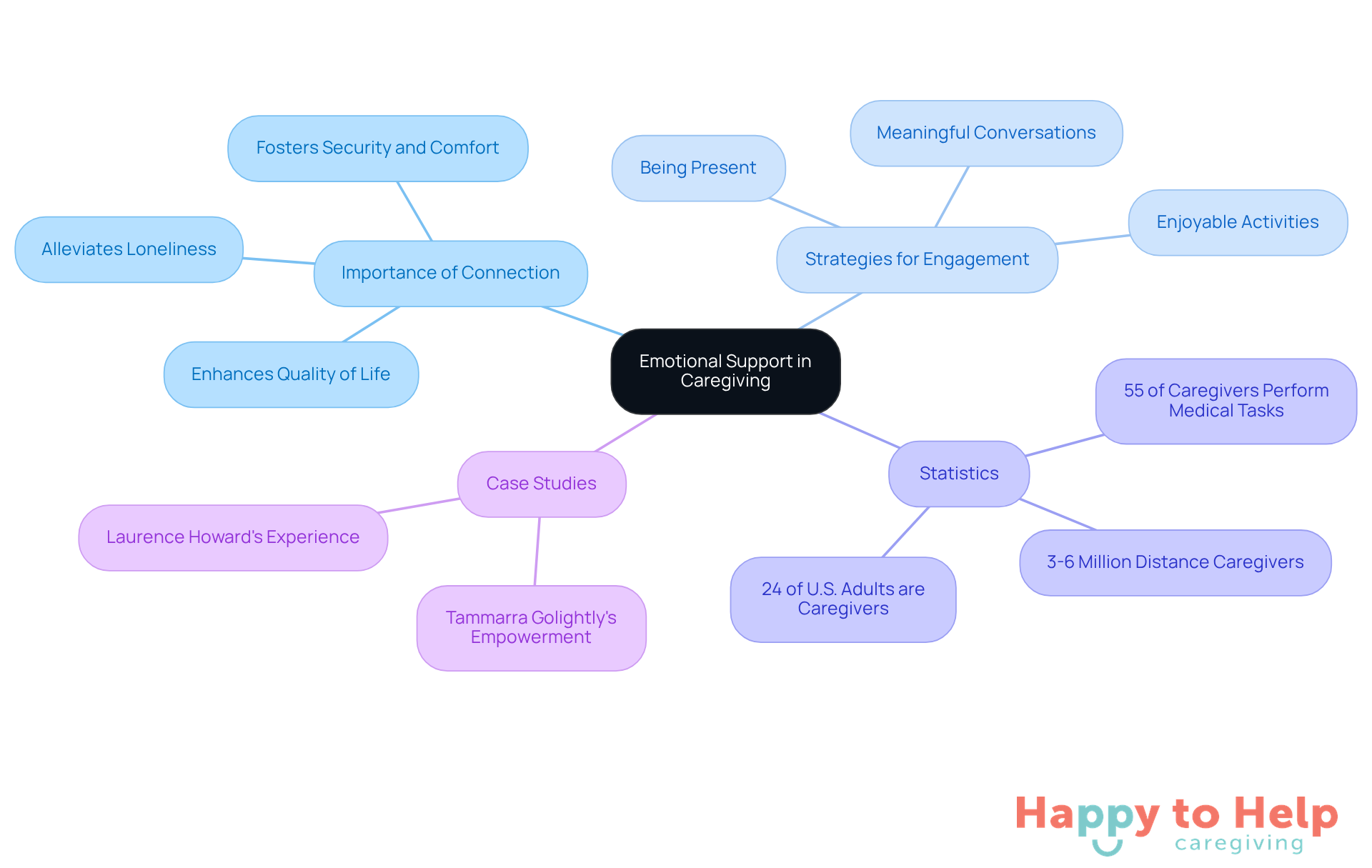
To address this issue, caregivers should consider caregiver questions that prioritize emotional connections by engaging in meaningful conversations, participating in enjoyable activities, and simply being present. This approach not only alleviates loneliness but also fosters a sense of security and comfort for clients. Research shows that strong emotional ties can significantly enhance clients' quality of life, making them feel valued and understood.
Emotional support is a cornerstone of effective home care. It helps clients navigate their challenges with dignity and resilience. By emphasizing emotional well-being, providers can create a supportive atmosphere that encourages independence and improves the overall support process.
Consider these actionable tips:
- Engage in regular, meaningful conversations with clients.
- Participate in activities that clients enjoy.
- Be present and attentive to their emotional needs.
Statistics reveal that 55% of caregivers perform medical or nursing tasks alongside daily living activities, highlighting the emotional demands placed on supporters. Perspectives from supporters like Tammarra Golightly emphasize the invaluable assistance offered by support programs. Additionally, case studies, such as Laurence Howard's situation, illustrate the positive influence of emotional support on clients' quality of life.
Compensation Expectations: What Are Your Expectations Regarding Compensation and Benefits?
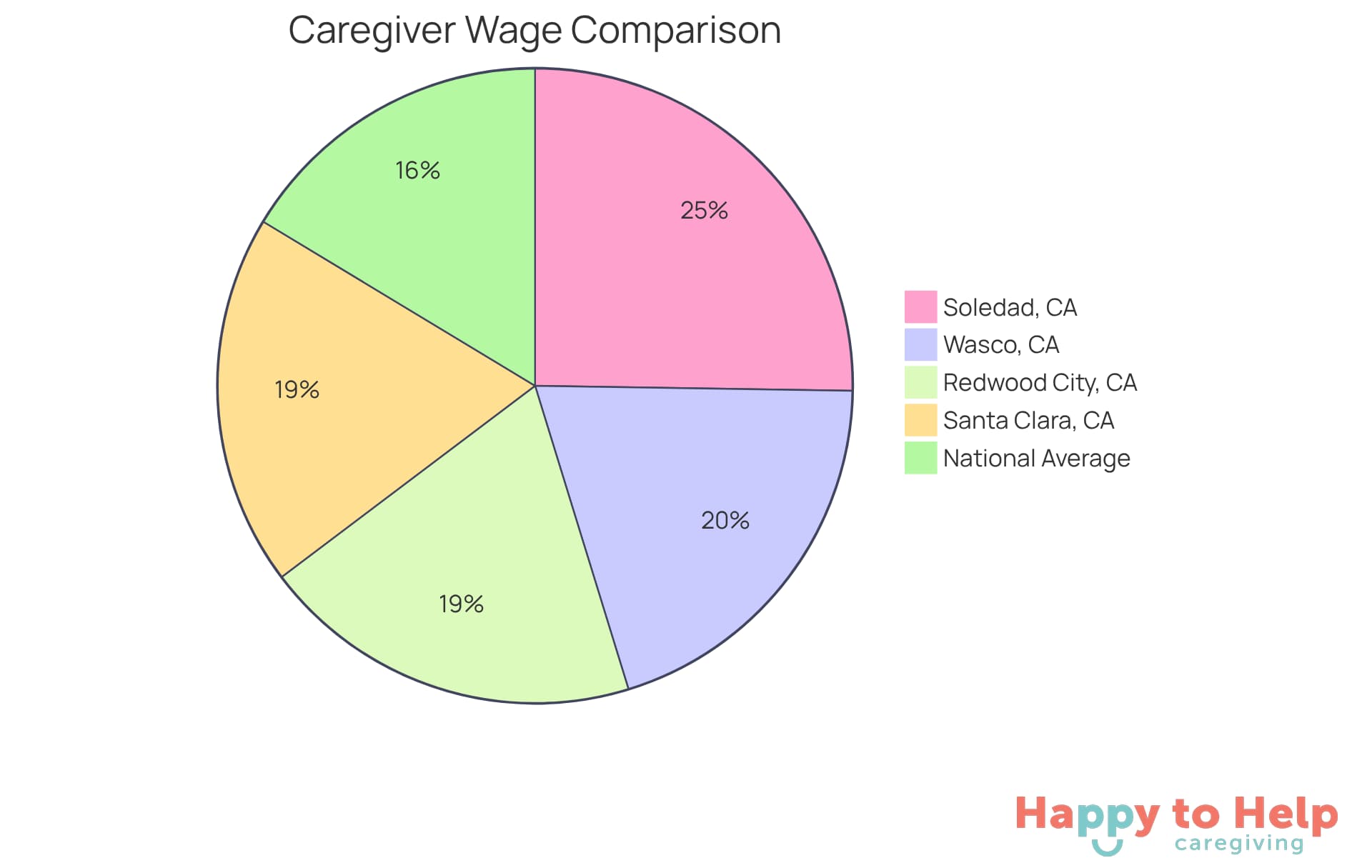
Compensation expectations present a significant challenge in the recruitment and retention of caregivers. As of 2025, the average hourly wage for care providers in the United States is around $15.54. However, this figure varies widely based on location, experience, and the complexity of care provided. For instance, caregivers in Santa Clara, CA, earn an average of $18 per hour, reflecting a competitive job market in that area. This disparity underscores the need for transparent discussions about compensation, particularly when addressing caregiver questions that often reflect differing expectations based on their skills and job demands.
Transparent financial communication is essential to prevent misunderstandings and address caregiver questions, fostering positive relationships between caregivers and households. When households openly discuss compensation-covering hourly rates, benefits, and additional costs-they build trust and clarity. This is particularly important since many caregivers are the primary earners for their families, leading to caregiver questions about fair remuneration being a crucial factor in their job satisfaction and performance.
As the demand for support providers continues to grow, agencies are recognizing the necessity of offering competitive wages and benefits to attract and retain talent. With staff shortages impacting service quality and availability, agencies must prioritize clear communication about financial matters. This ensures that caregivers feel valued and supported, enhancing their relationships with clients and ultimately leading to better care outcomes.
Taking the Next Steps
Choosing the right caregiver for a loved one presents a significant challenge that can profoundly affect the quality of care received. Families often struggle with uncertainty about a caregiver's qualifications, experience, and ability to connect with their loved one. This decision is not just about finding someone to assist; it’s about ensuring that the caregiver can meet the unique needs of the individual requiring support.
To address these concerns, families should ask essential caregiver questions that reveal crucial insights into a provider's background, training, communication style, and adaptability. Engaging in open conversations about these topics fosters trust and collaboration, which are vital for a successful caregiving relationship. Key areas to consider include:
- Caregiver's background and training
- Emergency preparedness
- Availability
- Comfort with personal care tasks
- Ability to provide emotional support
By focusing on these aspects, families can make informed choices that enhance the overall caregiving experience. The importance of asking the right questions cannot be overstated; it empowers families to prioritize their loved one's well-being. This proactive approach ensures that caregivers are not only qualified but also capable of providing compassionate and effective support.
Ultimately, families are encouraged to take the initiative in these discussions. Doing so will lead to better care outcomes and a more positive experience for everyone involved.
https://iframe.tely.ai/cta/eyJhcnRpY2xlX2lkIjogIjY5MmY5MTg1ZGM0MTVjZWNlZTQ2NmMwNyIsICJjb21wYW55X2lkIjogIjY4ZWU1ZGNhNzMxNzYyNTU3ZjNjOTVjMSIsICJpbmRleCI6IG51bGwsICJ0eXBlIjogImFydGljbGUifQ==Frequently Asked Questions
Why is it important to understand a caregiver's background when hiring?
Understanding a caregiver's background is crucial to ensure they have the necessary qualifications and experience to handle specific challenges that may arise in caregiving situations.
What questions should caregivers ask potential hires about their qualifications?
Caregivers should ask about the individual's prior positions, the types of clients they have assisted, and the length of their experience in providing care to gain insight into their familiarity with various care scenarios.
How can families assess a caregiver's preparedness for emergencies?
Families can assess a caregiver's preparedness by asking about any certifications or training programs completed, such as CPR and first aid, as well as specialized training for specific health conditions.
What communication skills should families inquire about from caregivers?
Families should inquire about caregivers' preferred methods of communication, such as whether they prefer regular updates, phone calls, or written notes, to establish a tailored interaction strategy.
Why is effective communication important in caregiving?
Effective communication is essential to foster a collaborative environment and address feelings of disconnect and insecurity regarding the care of loved ones. Clear channels of communication help build trust and ensure timely updates.
What role do regular check-ins play in improving communication with caregivers?
Regular check-ins help ensure that everyone is aligned and informed, paving the way for a more effective caregiving experience and enhancing the connection between families and support providers.
List of Sources
- Happy to Help Caregiving: What Is Your Experience in Caregiving?
- As Family Caregiving Grows, So Does the Need for Reform - Medicare Rights Center (https://medicarerights.org/medicare-watch/2025/08/14/as-family-caregiving-grows-so-does-the-need-for-reform)
- Family caregivers prefer in-home care over senior living, new industry report finds (https://mcknightshomecare.com/news/family-caregivers-prefer-in-home-care-over-senior-living-new-industry-report-finds)
- New Report Shows Nearly Half of U.S. States Are on the Threshold of a Caregiving Emergency | Otsuka US (https://otsuka-us.com/news/new-report-shows-nearly-half-us-states-are-threshold-caregiving-emergency)
- Family Caregivers Share Both Positive And Challenging Experiences In New Study (https://hopkinsmedicine.org/news/articles/2022/10/family-caregivers-share-both-positive-and-challenging-experiences-in-new-study)
- Training Background: Do You Have Any Formal Caregiving Training?
- CCA Announces Free Online Caregiver Training Program for IHSS Workers (https://advancecaregivers.org/cca-announces-free-online-caregiver-training-program-for-ihss-workers)
- Podcast: CCA CEO Explains Why In-Home Caregivers Need Training (https://advancecaregivers.org/podcast-cca-ceo-explains-why-in-home-caregivers-need-training)
- Research: Caregiver Training Improves Skills & Knowledge of Alzheimer's, Study Shows (https://advancecaregivers.org/caregiver-training-improves-skills-knowledge-of-alzheimers-study-shows)
- New Report Reveals Crisis Point for America’s 63 million Family Caregivers (https://press.aarp.org/2025-07-24-New-Report-Reveals-Crisis-Point-for-Americas-63-million-Family-Caregivers)
- Caregiver Statistics: Health, Technology, and Caregiving Resources (https://caregiver.org/resource/caregiver-statistics-health-technology-and-caregiving-resources)
- Communication Skills: How Do You Communicate with Family Members?
- The Importance of Good Communication in Domiciliary Care | First City Nursing (https://firstcitynursing.co.uk/news/2025/01/the-importance-of-good-communication-in-domiciliary-care/96)
- Communication tips for caregivers of elders (https://uhc.com/news-articles/healthy-living/communication-tips-for-caregivers-of-elderly-parents)
- New Research Brief: Quality of Communication Between Family Caregivers and Direct Care Professionals | The LeadingAge LTSS Center @UMass Boston (https://ltsscenter.org/new-research-brief-quality-of-communication-between-family-caregivers-and-direct-care-professionals)
- Caregiver Provider Communication and Caregiver Health (https://aarp.org/pri/topics/ltss/family-caregiving/caregiver-communication-health-care-providers)
- Emergency Preparedness: How Do You Handle Emergency Situations?
- 25+ Inspirational Quotes for Caregivers (https://caringseniorservice.com/blog/quotes-for-caregiver-inspiration)
- Nursing Homes Reported Wide-Ranging Challenges Preparing for Public Health Emergencies and Natural Disasters (https://oig.hhs.gov/reports/all/2023/nursing-homes-reported-wide-ranging-challenges-preparing-for-public-health-emergencies-and-natural-disasters)
- Predictors of Emergency Preparedness among Older Adults in the United States - PMC (https://pmc.ncbi.nlm.nih.gov/articles/PMC7704536)
- CaringBridge (https://caringbridge.org/resources/inspirational-quotes-on-caregiving)
- Availability: What Is Your Availability for Caregiving?
- 13 Home Care Trends To Watch For in 2024 (And Thoughts From 11 Experts) | CareAcademy (https://careacademy.com/blog/home-care-trends)
- A Better Solution Home Care (https://abs.care/Home-Care-Staffing-Shortages-How-They-Impact-Home-Care-Services)
- The Crisis and Opportunity of Caregiver Shortages: Innovative Staffing Solutions for Home Health Agencies | Senate Healthcare (https://senatehealthcare.com/the-crisis-and-opportunity-of-caregiver-shortages-innovative-staffing-solutions-for-home-health-agencies)
- What Is the Caregiver Crisis? | Johns Hopkins Bloomberg School of Public Health (https://publichealth.jhu.edu/2025/what-is-the-caregiver-crisis)
- Personal Care Approach: Are You Comfortable Assisting with Daily Personal Care Tasks?
- Honoring America’s Family Caregivers, the Unseen Workforce Behind Our Health System - Medicare Rights Center (https://medicarerights.org/medicare-watch/2025/11/25/honoring-americas-family-caregivers-the-unseen-workforce-behind-our-health-system)
- Family caregivers prefer in-home care over senior living, new industry report finds (https://mcknightshomecare.com/news/family-caregivers-prefer-in-home-care-over-senior-living-new-industry-report-finds)
- Caregiver Statistics: Demographics (https://caregiver.org/resource/caregiver-statistics-demographics)
- How Caregivers Help Seniors Maintain Dignity with Personal Care Support - At Home Care Inc (https://at-home-care.com/how-caregivers-help-seniors-maintain-dignity-with-personal-care-support)
- Around the Clock Caregiving (https://caregiveraction.org/around-the-clock-caregiving)
- Adaptability: Can You Adapt to Changing Care Needs?
- (https://privatenursingcareinc.com/blog/the-role-of-flexibility-in-home-health-care)
- Flexible Private Caregiving for Evolving Daily Needs (https://phoenixhomehc.com/news/how-does-private-duty-caregiving-adapt-to-my-loved-ones-needs)
- What to expect when you become a caregiver– and how to cope with the challenges (https://heart.org/en/news/2025/11/20/what-to-expect-when-you-become-a-caregiver-and-how-to-cope-with-the-challenges)
- How Flexible Scheduling Improves The Home Care Experience For Families – CCN – Columbus County News (https://columbuscountynews.com/2025/12/how-flexible-scheduling-improves-the-home-care-experience-for-families)
- Specialized Experience: Do You Have Experience with Patients Who Have Chronic Illnesses?
- Caregivers: the invisible backbone of dementia care (https://publichealth.gmu.edu/news/2025-11/caregivers-invisible-backbone-dementia-care)
- Caregiving can be a tough, lonely mission. One daughter found ways to reconnect (https://npr.org/sections/shots-health-news/2024/10/31/nx-s1-5172517/caregiver-caregiving-isolation-burnout-resources)
- The Caregiving Landscape: Data & Insights on the Caregiver Experience in the U.S. (https://caregiveraction.org/caregiver-statistics)
- Caregiver Statistics: Demographics (https://caregiver.org/resource/caregiver-statistics-demographics)
- Caregiving Crisis: Nearly 1 in 4 US adults serve as caregivers for relatives with complex needs (https://investigatetv.com/2025/11/04/caregiving-crisis-nearly-1-4-us-adults-serve-caregivers-relatives-with-complex-needs)
- Emotional Support: How Do You Connect with Patients and Offer Emotional Support?
- Empowering caregivers through connection and peer support - VA News (https://news.va.gov/139536/empowering-caregivers-connection-peer-support)
- Caregiver Statistics: Demographics (https://caregiver.org/resource/caregiver-statistics-demographics)
- Survey Reveals Caregivers Identify Emotional Support for Themselves As Top Information, Resource Need (https://prnewswire.com/news-releases/survey-reveals-caregivers-identify-emotional-support-for-themselves-as-top-information-resource-need-301688504.html)
- The National Alliance for Caregiving and AARP Release Caregiving Report - CAPC - News Bites (https://capc.org/blog/new-data-on-family-caregivers-in-the-us)
- Changes in Health Indicators Among Caregivers... (https://cdc.gov/mmwr/volumes/73/wr/mm7334a2.htm)
- Compensation Expectations: What Are Your Expectations Regarding Compensation and Benefits?
- 13 Home Care Trends To Watch For in 2024 (And Thoughts From 11 Experts) | CareAcademy (https://careacademy.com/blog/home-care-trends)
- Caregiving Salary: Hourly Rate November 2025 United States (https://ziprecruiter.com/Salaries/Caregiving-Salary)
- “She-cession” creates imperative for caregiver benefits (https://mercer.com/en-us/insights/us-health-news/she-cession-creates-imperative-for-caregiver-benefits)
- Home Care Industry To Face 6.1M Job Openings By 2034 As Low Wages Fuel Turnover (https://homehealthcarenews.com/2025/09/home-care-industry-to-face-6-1m-job-openings-by-2034-as-low-wages-fuel-turnover)
- What Are the Average Caregiver Pay Rates in 2025? — Paid.Care (https://paid.care/guides/what-are-the-average-caregiver-pay-rates-in-2025)