What You Need to Know About Questions
In a time when the emotional and physical demands of caregiving can feel truly overwhelming, the need for quality support is more critical than ever. Caregivers often face immense stress and burnout, and it’s essential to recognize these feelings. This article explores ten essential questions that caregivers should consider to ensure their loved ones receive the best possible care.
By delving into these key inquiries, caregivers can uncover valuable insights that enhance the quality of assistance provided. This not only fosters a sense of security for the individual receiving care but also nurtures the well-being of the caregiver. What challenges might arise when navigating these questions? Addressing them can lead to more effective caregiving strategies, ultimately making the journey a little easier for everyone involved.
Happy to Help Caregiving: Personalized In-Home Care Solutions
At Happy to Help Caregiving, we truly understand the emotional challenges that caregivers face. It can be overwhelming, and feelings of stress and burnout are all too common. That’s why we excel in providing customized in-home assistance solutions, tailored specifically to the unique needs of seniors and individuals with special requirements.
Our core services - companionship, post-hospital recovery assistance, respite support, and palliative care - are designed with one goal in mind: to foster independence and enhance well-being. Each service is crafted with care, ensuring that those we support feel secure and comfortable in their own homes.
We prioritize empathy and effective communication, setting ourselves apart in the industry. Our approach creates an atmosphere where individuals and their families can truly feel at ease. Statistics show that individualized support plans significantly improve health outcomes for seniors, addressing both their medical and emotional needs.
This holistic approach not only alleviates feelings of loneliness but also empowers seniors to maintain their independence in familiar surroundings. It’s about enriching their quality of life, and we’re here to help every step of the way. Remember, you’re not alone in this journey; we’re here to provide the compassionate care you and your loved ones deserve.
What Types of Conditions or Care Needs Have You Supported?
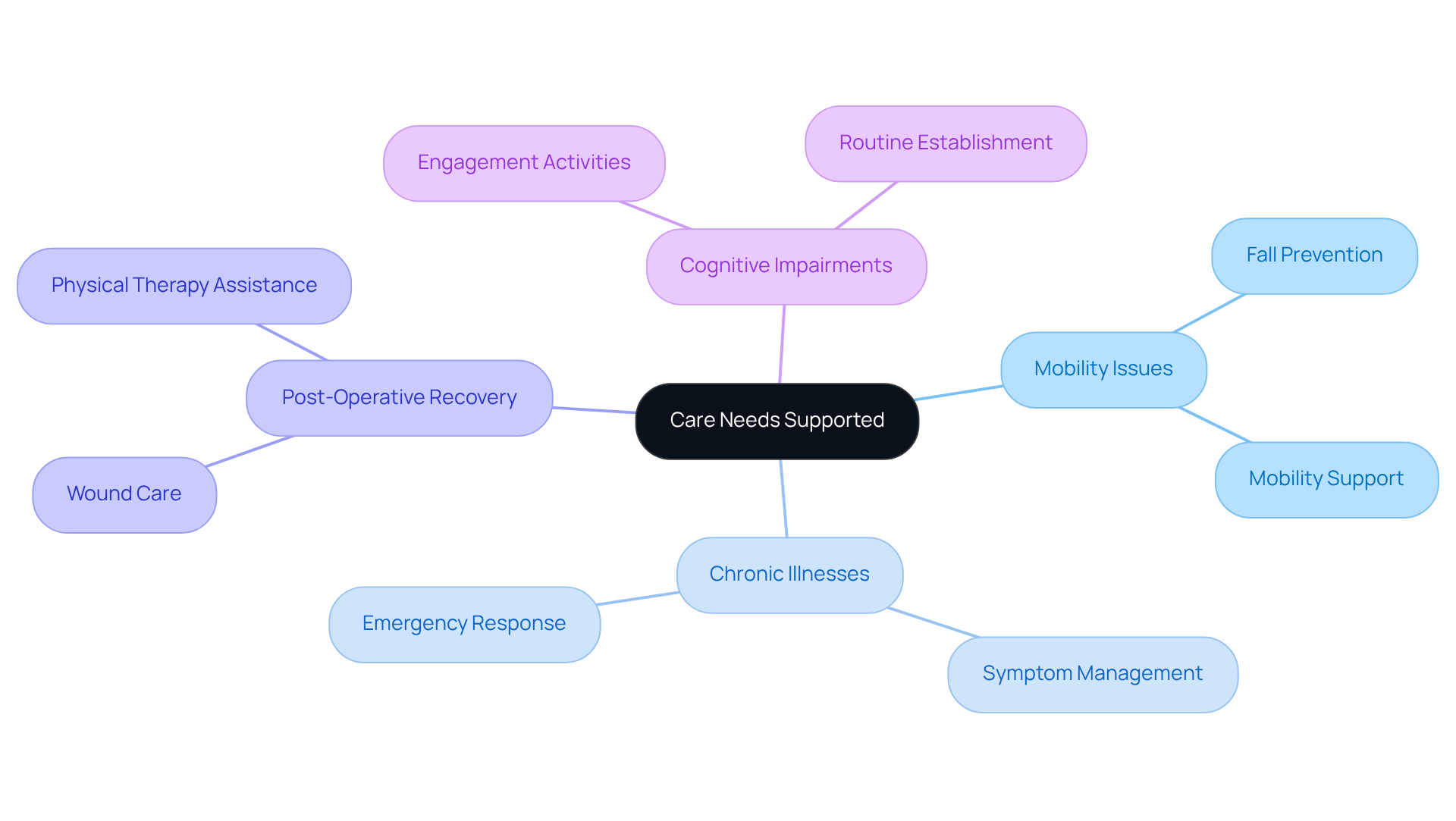
At Happy to Help Caregiving, our caregivers are not just trained professionals; they are compassionate individuals dedicated to addressing questions for caregivers and supporting those facing various challenges. Whether it’s mobility issues, chronic illnesses, post-operative recovery, or cognitive impairments like dementia, our caregivers understand the unique struggles each person faces. This deep understanding allows us to provide tailored support that truly meets individual health needs, enhancing the quality of service and enriching the overall caregiving experience by answering important questions for caregivers.
With approximately 39.8 million people in the U.S. assisting adults with disabilities or illnesses, the demand for specialized support is significant. This statistic underscores the importance of services like companionship assistance and mobility support, which we offer at Happy to Help Caregiving. Our services are designed to address the distinct requirements of our clients by providing questions for caregivers, ensuring they feel understood and cared for.
Consider this: research shows that one in four adults over 65 experiences a fall each year. This alarming statistic highlights the prevalence of mobility issues among seniors. Our in-home assistants play a vital role in reducing these risks, providing mobility support and creating a safe living environment. Moreover, our caregivers are trained to recognize the signs and symptoms associated with chronic diseases, which allows them to effectively address questions for caregivers and manage assistance while responding promptly in emergencies.
Effective home support strategies are crucial for those living with dementia, highlighting the importance of questions for caregivers. Engaging individuals in meaningful activities not only stimulates cognitive function but also fosters a sense of purpose. Our caregivers are equipped to implement these strategies, enhancing the quality of life for those with dementia while offering essential emotional support. Healthcare professionals emphasize the importance of a structured routine and open communication in managing chronic illnesses, further highlighting the value of skilled in-home caregiving.
By addressing these common support needs, Happy to Help Caregiving ensures that our clients receive the compassionate and expert assistance they need to thrive in their own homes. We are here to provide not just care, but a sense of belonging and comfort.
What Training or Certifications Do You Have?
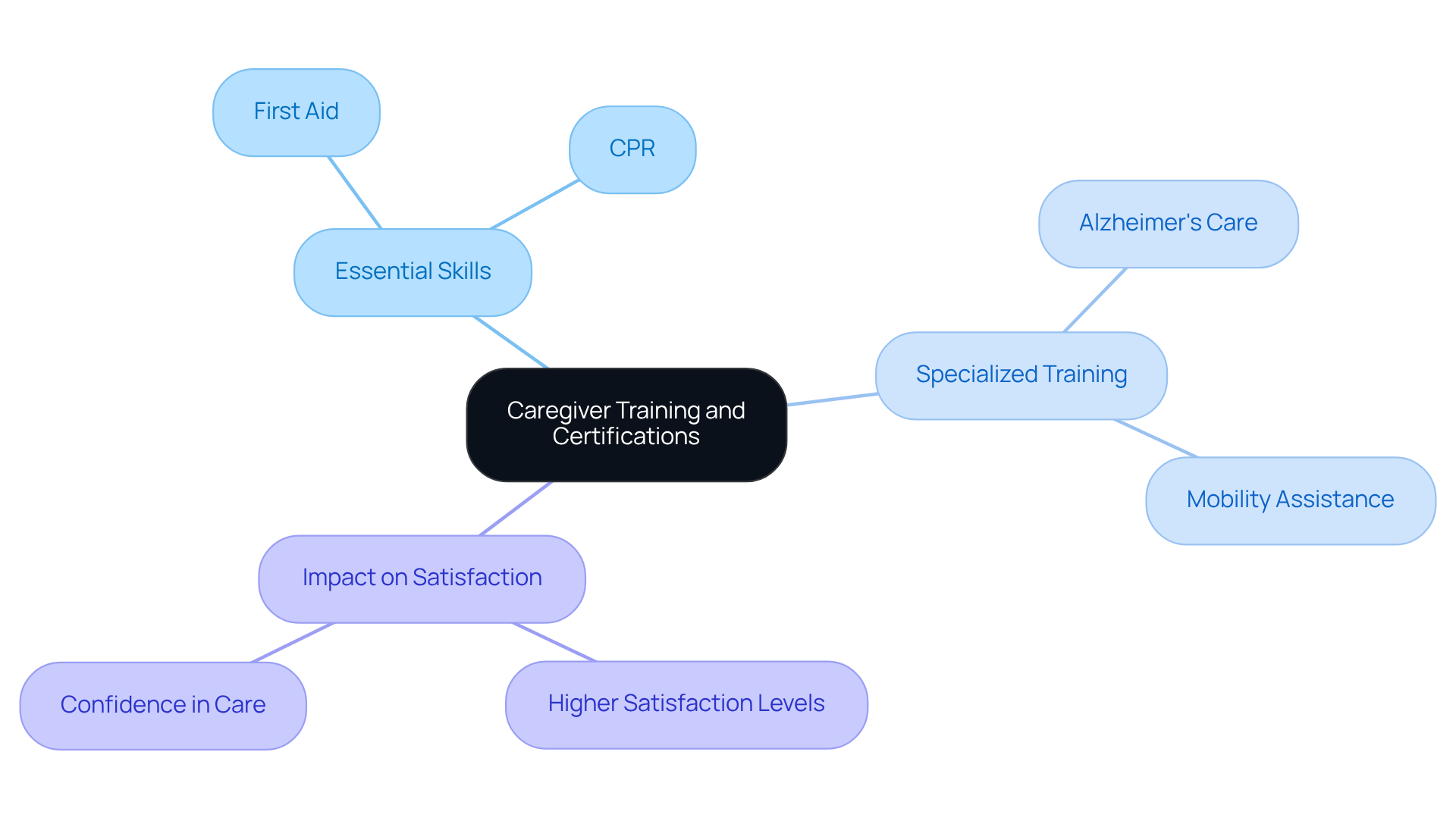
At Happy to Help Caregiving, we understand the emotional challenges that caregivers face and offer support through questions for caregivers. That’s why all our support staff engage in extensive training and certification programs, covering essential skills like first aid and CPR, as well as specialized training for conditions such as Alzheimer's and mobility assistance. This commitment to continuous education not only equips our providers with the latest skills but also significantly enhances the quality of care we deliver.
Research shows that caregivers who receive specialized training report higher satisfaction levels. Both relatives and professional providers experience a boost in satisfaction after completing these programs. We believe that when caregivers feel confident and supported, the questions for caregivers they ask will reflect positively in the care they provide.
The latest training requirements highlight the importance of ongoing learning in the caregiving field. This ensures that our caregivers are always prepared to meet the evolving needs of their clients. Families can find comfort in knowing that their loved ones are cared for by professionals who are dedicated to excellence and equipped to provide high-quality support. We’re here to help, every step of the way.
How Do You Communicate Updates or Concerns?
At Happy to Help Caregiving, we truly understand the emotional challenges that families face when caring for their loved ones. Clear communication with relatives is at the heart of what we do. Our caregivers regularly provide updates through daily logs, phone calls, and scheduled meetings, ensuring that families are always informed about their loved one's condition and any changes in care needs.
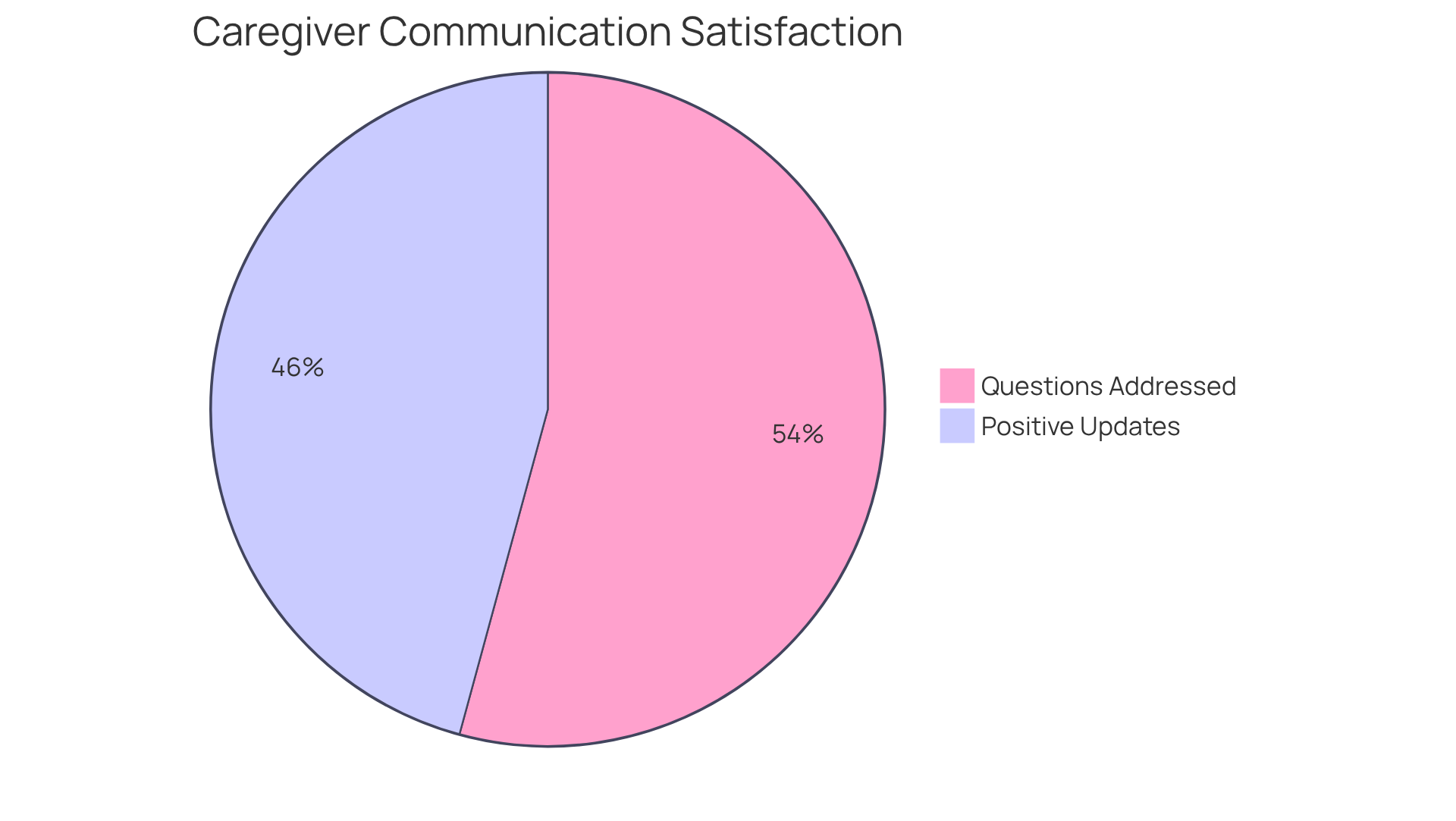
In fact, 86% of caregivers report that their questions are addressed effectively, which contributes to a high level of satisfaction among families regarding communication. Additionally, 72.6% of caregivers have shared that the updates they receive about their child's condition are rated as good or very good. This proactive approach not only fosters trust but also promotes teamwork, enhancing the overall caregiving experience and addressing the emotional needs of families.
Involving families in care updates reassures them and allows our providers to deliver personalized support that aligns with their expectations. We believe that by keeping families informed and engaged, we can create a nurturing environment that truly supports everyone involved.
What Would You Do If My Loved One Fell or Had a Medical Emergency?
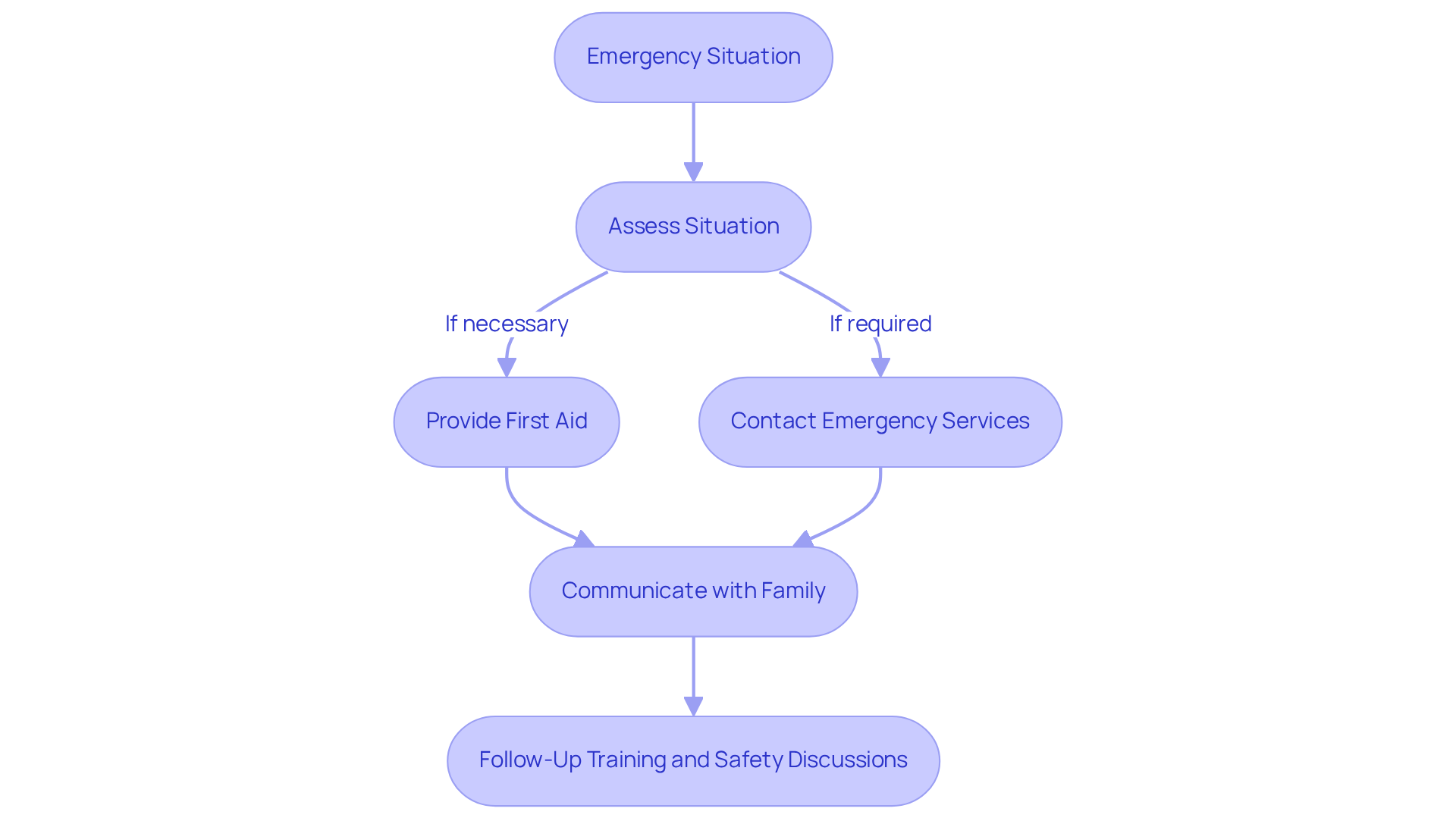
In moments of a fall or medical emergency, the dedicated staff at Happy to Help Caregiving are ready to respond with compassion and expertise. They start by carefully assessing the situation to understand how serious it is. If needed, immediate first aid is provided, and when the situation calls for it, caregivers quickly reach out to emergency services, ensuring that clients receive the medical attention they deserve.
At the heart of caregiving are important questions for caregivers regarding effective communication. Caregivers keep family members informed about what’s happening by addressing questions for caregivers, making sure they’re part of the decision-making process and aware of the steps being taken. This approach not only builds trust but also reassures families that their loved ones are in caring hands.
Caregiver training includes essential protocols for managing falls and medical emergencies. They learn to recognize signs of distress, know when to escalate situations, and address the emotional needs of individuals during crises. With around 3 million emergency department visits each year due to falls among older adults, being prepared is crucial. Caregivers are equipped to handle these incidents confidently, ensuring that individuals feel safe and supported in their own homes.
Additionally, caregivers are educated about common risk factors for falls, like lower body weakness and potential hazards in the home. By understanding these risks, they can take proactive steps to create a safer environment, enhancing the well-being of their clients. This comprehensive approach to emergency response not only meets immediate needs but also fosters long-term health and independence.
To further promote safety, caregivers are encouraged to regularly discuss emergency protocols with family members and raise questions for caregivers, ensuring that everyone feels prepared and informed.
How Do You Approach Mobility and Fall Prevention?
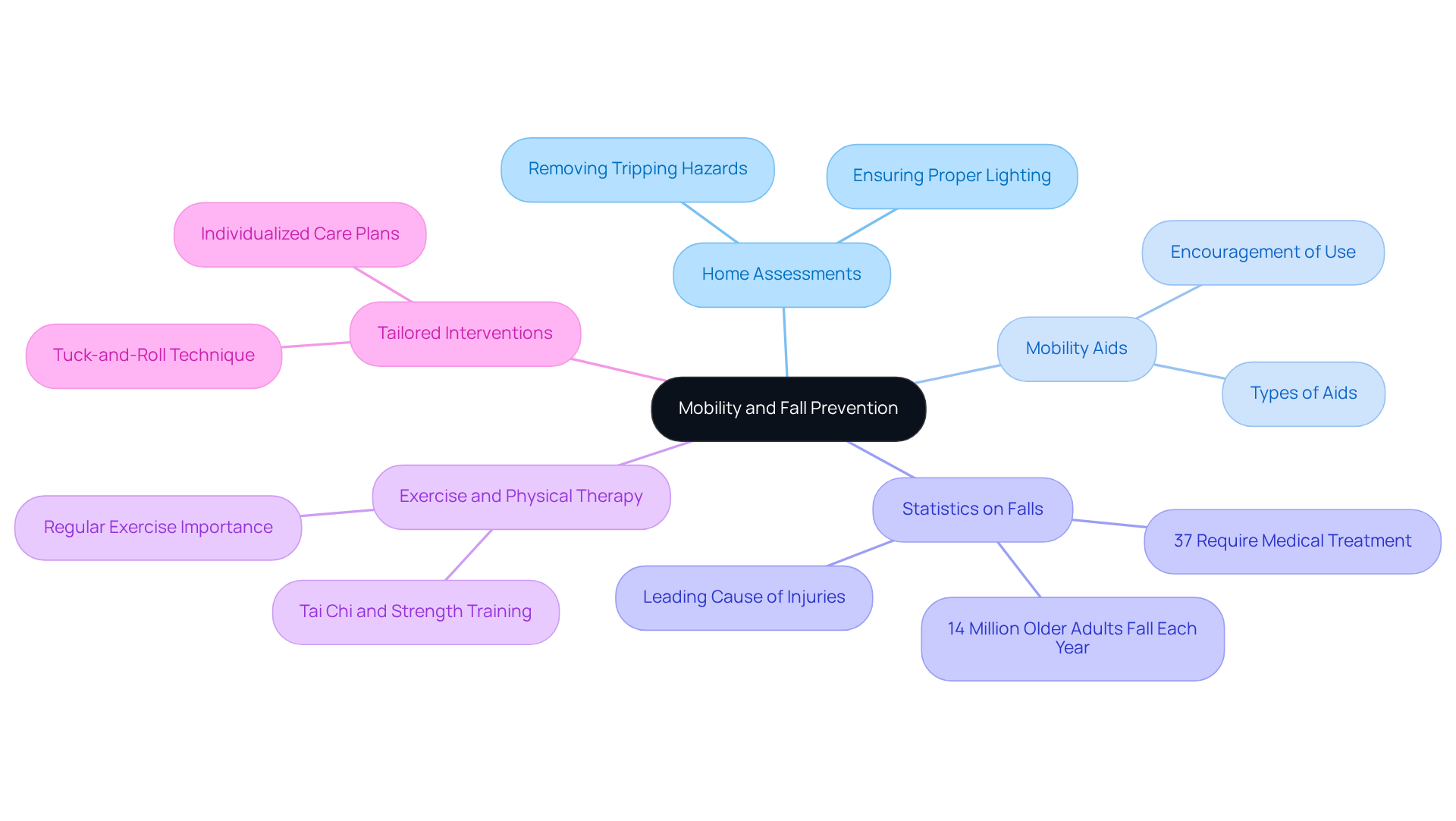
At Happy to Help Caregiving, we truly understand the emotional challenges that come with caring for seniors. Mobility and fall prevention are not just practical concerns; they are vital for maintaining the safety and independence of our loved ones. Our caregivers take the time to conduct thorough assessments of home environments, identifying potential hazards that could lead to falls. By removing tripping obstacles and ensuring proper lighting, we create a safer space for seniors to thrive.
We encourage the use of mobility aids, knowing that over 14 million older adults fall each year. Falls are the leading cause of both fatal and non-fatal injuries among older adults, which is why these tools are so important in reducing risk. Regular exercise and physical therapy are integral to our care plans, enhancing strength and balance - key elements in preventing falls.
Our successful mobility assistance programs, like the 'tuck-and-roll' technique, show how tailored interventions can significantly improve outcomes for seniors. Physical therapists remind us that when mobility aids are used correctly, they empower seniors to maintain their independence while minimizing fall risks.
By incorporating these compassionate practices, Happy to Help Caregiving ensures that individuals receive comprehensive support that prioritizes their safety and well-being. We are here to help, fostering a nurturing environment where seniors can feel secure and cared for.
How Would You Structure a Typical Day?
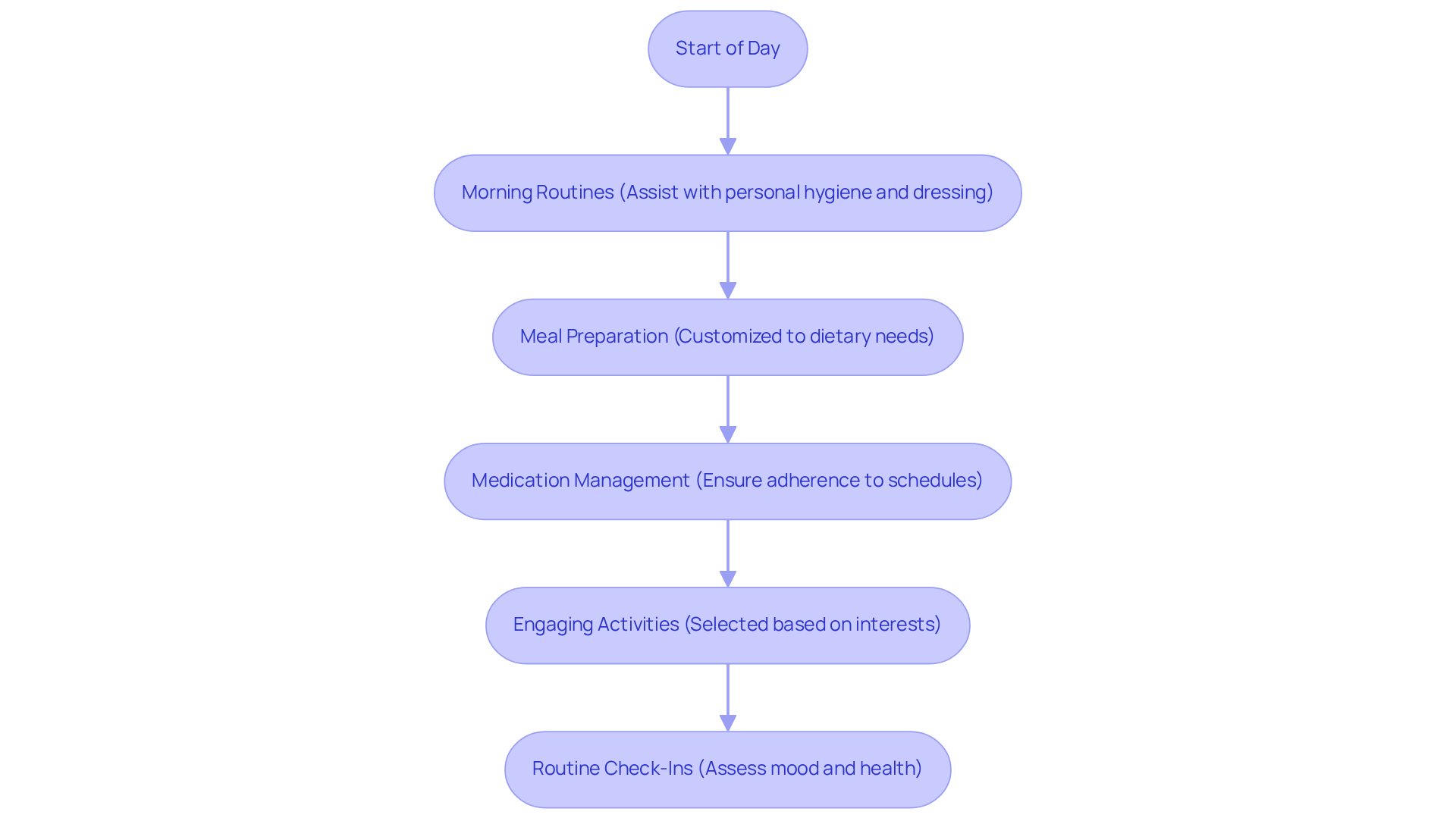
A typical day with a caregiver from Happy to Help Caregiving is thoughtfully organized around the unique preferences and needs of each individual. Caregivers begin by assisting with morning routines, which may include personal hygiene and dressing, ensuring that individuals feel refreshed and ready to embrace the day ahead.
Meal preparation is customized to meet dietary restrictions and personal tastes, promoting both nutrition and enjoyment. Medication management is handled with care, ensuring that individuals stick to their prescribed schedules without worry.
Engaging activities are selected based on the individual's interests, whether it’s reading, gardening, or light exercise. This not only fosters a sense of purpose but also nurtures connection. Routine check-ins allow support providers to assess the individual's mood and health, making necessary adjustments to the daily schedule. This adaptable approach enhances the quality of support while creating a comforting sense of normalcy, which is vital for the emotional well-being of seniors.
Research shows that personalized support strategies significantly boost customer satisfaction. In fact, 66% of providers report that individuals feel more secure and engaged when their routines reflect their preferences. Experts in caregiving emphasize that addressing questions for caregivers through tailored approaches is crucial for preserving the dignity and independence of clients, ultimately leading to improved health outcomes and a richer quality of life.
Moreover, caregivers provide essential emotional support, helping to alleviate feelings of loneliness and isolation. This support is fundamental in enhancing the overall well-being of those receiving care.
Do You Receive Ongoing Training from Your Agency?
At Happy to Help Caregiving, we truly understand the emotional challenges that lead to many questions for caregivers. That's why our staff participates in continuous training programs designed to enhance their skills and knowledge. These programs include:
- Workshops on new caregiving techniques
- Updates on health and safety protocols
This ensures our team is always prepared.
We also provide specialized training for specific conditions, recognizing that each individual we serve has unique needs. This commitment to ongoing education not only equips our providers with the necessary tools but also fosters a nurturing environment where caregivers can thrive by addressing important questions for caregivers.
We believe that by investing in our staff, we can better support those who rely on us. Our dedication to compassionate care means that you can trust our team to address the varied requirements of your loved ones with empathy and professionalism.
Are You Comfortable with Flexible Hours?
At Happy to Help Caregiving, we understand that every individual has unique needs. Our caregivers are trained to adjust their schedules, providing the flexibility necessary for early morning assistance or late-night support. This adaptability ensures that care fits seamlessly into the client’s daily routine, which is essential for families who rely on dependable help during critical times, especially those managing complex health issues or recovery processes.
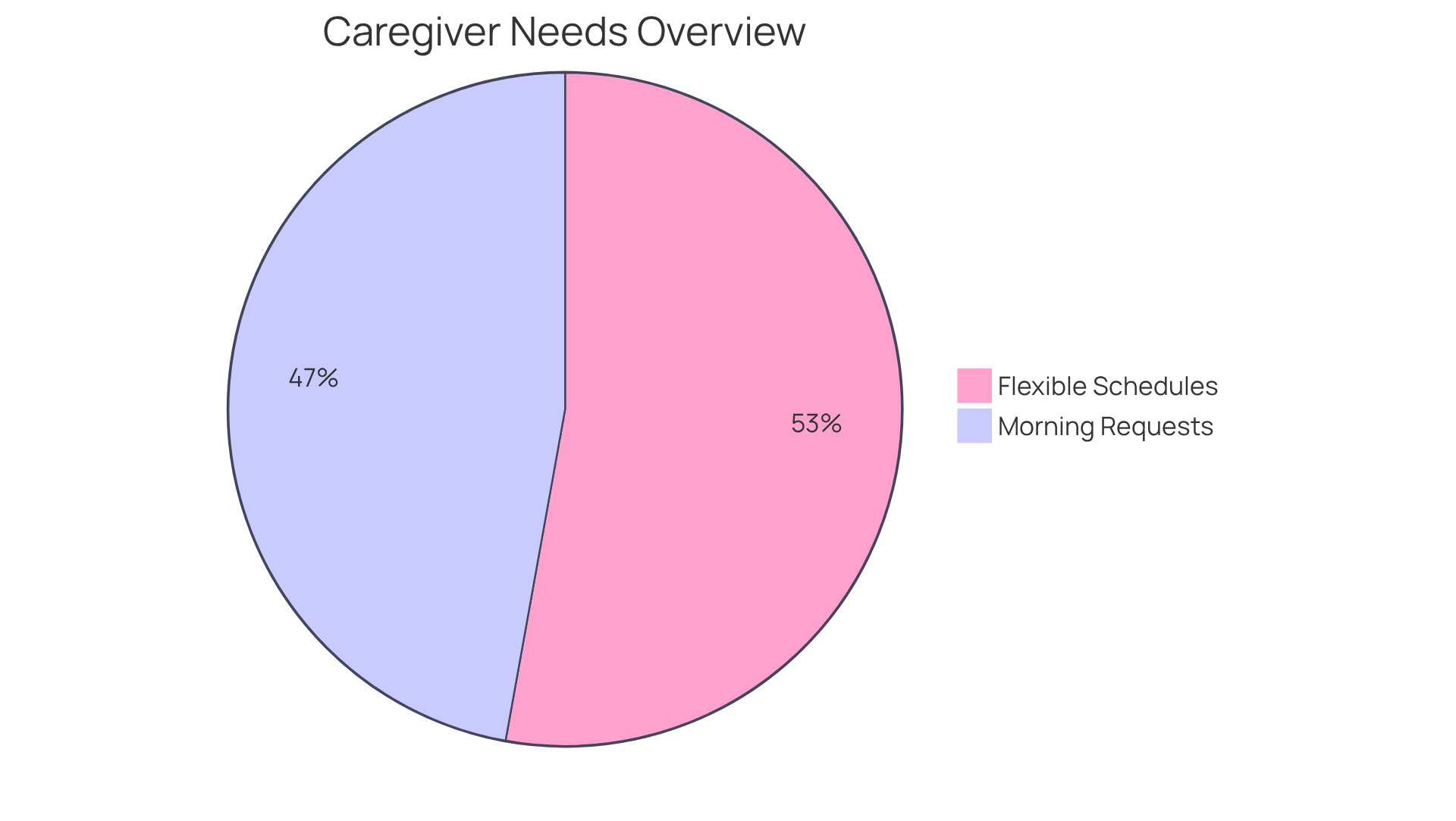
Many family caregivers experience stress and burnout, and data shows that 84% find that addressing questions for caregivers about flexible work schedules is incredibly helpful in balancing their caregiving responsibilities with their professional lives. Families often prefer services that align with their unique schedules; in fact, 75% of requests at Tribute Home Services typically occur during morning hours. This demand underscores the importance of providers like Happy to Help Caregiving, who focus on creating customized care plans that resonate with individuals’ lifestyles.
For instance, our caregivers not only assist with vital daily tasks but also engage individuals in activities they love, fostering a sense of autonomy and wellness. By offering adaptable scheduling options, we ensure that families can count on consistent support, ultimately enhancing the quality of life for both participants and their caregivers.
We believe that compassionate care can make a significant difference, and we’re here to provide that support every step of the way.
How Do You Handle Ethical Dilemmas?
At Happy to Help Caregiving, we understand that caregivers often face emotional challenges, which is why we offer support through questions for caregivers. Our caregivers are trained to handle ethical dilemmas with sensitivity and professionalism, always prioritizing the dignity, autonomy, and welfare of those they care for. When ethical challenges arise, they engage in open discussions with family members, ensuring that decisions are made collaboratively and in the best interest of the individual.
Our training programs focus on ethical decision-making, equipping caregivers to navigate complex situations effectively. As healthcare professionals often remind us, "Ethical living is essential for achieving worthwhile goals." This reinforces the importance of integrity in caregiving, which is at the heart of what we do.
This dedication to ethical principles not only cultivates trust but also enhances the quality of service we provide. For instance, when a client’s wishes conflict with family opinions, our caregivers are trained to facilitate discussions that respect the client’s autonomy while considering family concerns. This balanced approach ensures that everyone feels heard and valued.
We believe that by fostering open communication and understanding regarding questions for caregivers, we can alleviate some of the stress and burnout they may experience. Our commitment to compassionate care is unwavering, and we’re here to support both patients and their families every step of the way.
Your Path Forward
Delivering quality care truly begins with understanding the unique needs of each individual. It’s about providing tailored support that nurtures independence and well-being. Happy to Help Caregiving embodies this commitment through its comprehensive services, addressing not just the physical but also the emotional challenges faced by caregivers and those they care for. By prioritizing effective communication, ongoing training, and a compassionate approach, the organization ensures that families feel supported and informed throughout their caregiving journey.
Key insights highlight the importance of:
- Personalized care plans
- Specialized training for caregivers
- Proactive engagement of families in the caregiving process
Each aspect, from mobility assistance to emergency preparedness, is designed to enhance the quality of life for seniors and individuals with special requirements. The statistics reinforce the significance of these tailored approaches, showing that when caregivers are well-equipped and supported, the outcomes for clients improve markedly.
Ultimately, the message is clear: quality care isn’t just about meeting basic needs; it’s about creating an environment where individuals can truly thrive. Families seeking in-home care solutions should prioritize agencies that offer personalized, compassionate support and maintain open lines of communication. By doing so, they can ensure a nurturing atmosphere that promotes dignity, independence, and overall well-being for their loved ones. Embracing these essential questions for caregivers can lead to meaningful discussions that enhance the caregiving experience for everyone involved.
https://iframe.tely.ai/cta/eyJhcnRpY2xlX2lkIjogIjY5MWU1YWJkMDAzNjA5ODRkZWZlZjlhMyIsICJjb21wYW55X2lkIjogIjY4ZWU1ZGNhNzMxNzYyNTU3ZjNjOTVjMSIsICJpbmRleCI6IG51bGwsICJ0eXBlIjogImFydGljbGUifQ==Frequently Asked Questions
What types of services does Happy to Help Caregiving provide?
Happy to Help Caregiving offers personalized in-home assistance solutions, including companionship, post-hospital recovery assistance, respite support, and palliative care, all designed to foster independence and enhance well-being.
How does Happy to Help Caregiving address the emotional challenges faced by caregivers?
The organization prioritizes empathy and effective communication, creating an atmosphere where individuals and their families can feel at ease, which helps alleviate feelings of stress and burnout commonly experienced by caregivers.
What conditions or care needs do the caregivers at Happy to Help Caregiving support?
Caregivers support individuals with mobility issues, chronic illnesses, post-operative recovery, and cognitive impairments such as dementia, providing tailored support that meets individual health needs.
Why is mobility support important for seniors?
Approximately one in four adults over 65 experiences a fall each year, highlighting the prevalence of mobility issues. In-home assistants provide mobility support and create a safe living environment to reduce these risks.
What kind of training do caregivers at Happy to Help Caregiving receive?
Caregivers engage in extensive training and certification programs covering essential skills like first aid and CPR, as well as specialized training for conditions such as Alzheimer's and mobility assistance.
How does ongoing training benefit caregivers and their clients?
Research shows that caregivers who receive specialized training report higher satisfaction levels, which positively impacts the quality of care they provide. Continuous education ensures caregivers are prepared to meet the evolving needs of their clients.
How does Happy to Help Caregiving ensure a holistic approach to care?
The organization creates individualized support plans that address both medical and emotional needs, helping to alleviate loneliness and empower seniors to maintain their independence in familiar surroundings.
What is the overall goal of Happy to Help Caregiving's services?
The goal is to enrich the quality of life for clients by providing compassionate care, ensuring they feel secure and comfortable in their own homes, and supporting them throughout their caregiving journey.