

For families in our service areas
For families in our service areas, this guide explains caregiver support and how non-medical in-home caregiving can support care planning in East Idaho, Treasure Valley & Magic Valley, Northern Wasatch, North Central West Virginia, and Northeast Ohio.
What You Need to Know About 10 Geriatric Services Near Me
Navigating the complexities of caregiving for seniors presents a significant challenge. Family members often find themselves overwhelmed by the emotional and physical demands of this role. With many older adults facing issues like loneliness and the need for personalized support, the search for effective geriatric services becomes crucial.
This article explores ten essential resources available for family caregivers. Tailored in-home care can significantly enhance the quality of life for seniors while alleviating the burdens on their loved ones. What effective strategies and services can transform the caregiving journey into a more manageable and fulfilling experience? Let's delve into actionable solutions that can make a real difference.
Happy to Help Caregiving: Personalized In-Home Care Services
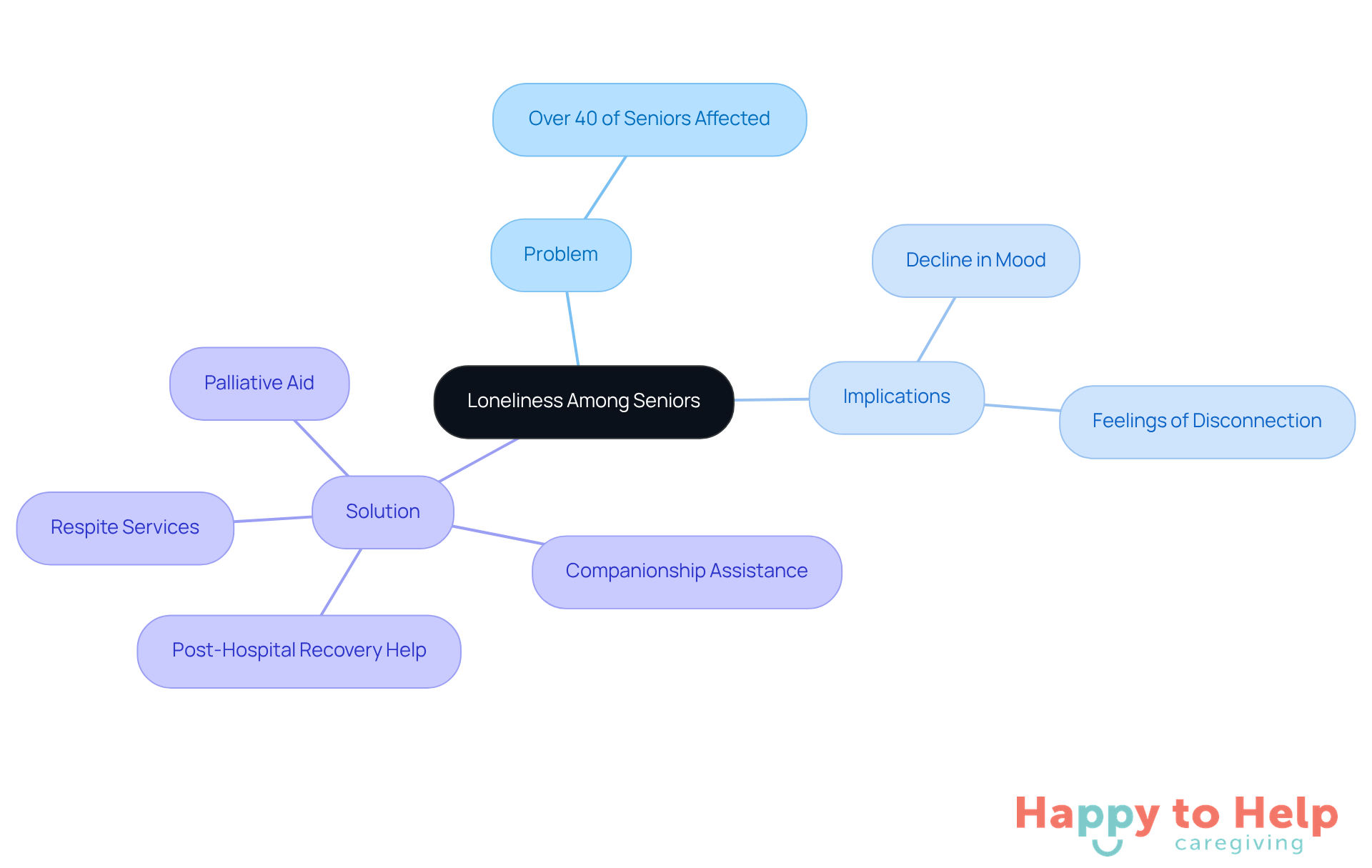
Problem: Loneliness Among Seniors
Loneliness is a significant issue affecting over 40% of seniors regularly (Home Care Association of America). This emotional isolation can lead to serious mental health challenges, making it crucial for caregivers to address this problem effectively.
Agitate: The Implications of Loneliness
Seniors often experience a decline in mood and overall well-being due to lack of companionship. As one provider noted, "Building relationships with seniors is essential; it not only enhances their mood but also provides them a sense of belonging." Without meaningful interactions, seniors may feel disconnected and unsupported, which can exacerbate their health issues.
Solution: Customized Caregiving Services
Happy to Help Caregiving excels in providing tailored in-home assistance designed to meet the unique needs of seniors and individuals with special requirements. Their extensive services include:
- Companionship assistance
- Post-hospital recovery help
- Respite services
- Palliative aid
By prioritizing independence and well-being, caregivers not only offer essential emotional support but also engage clients in enjoyable activities, fostering a safe and nurturing home environment. This personalized approach significantly enhances the feeling of safety and ease for both clients and their families, facilitating a smoother transition to in-home support.
The impact of personalized caregiving on senior well-being is profound. Customized support plans that consider personal preferences and health conditions promote both physical and mental health. By fostering connections and encouraging participation in decision-making, caregivers help seniors maintain their dignity and independence, ultimately leading to a higher quality of life. Almost 70% of individuals aged 65 and older will require some type of long-term support, highlighting the growing need for such customized assistance (Administration for Community Living). As demand for geriatric services near me continues to rise, Happy to Help Caregiving remains dedicated to providing compassionate assistance that truly makes a difference.
National Institute on Aging: Comprehensive Caregiving Resources
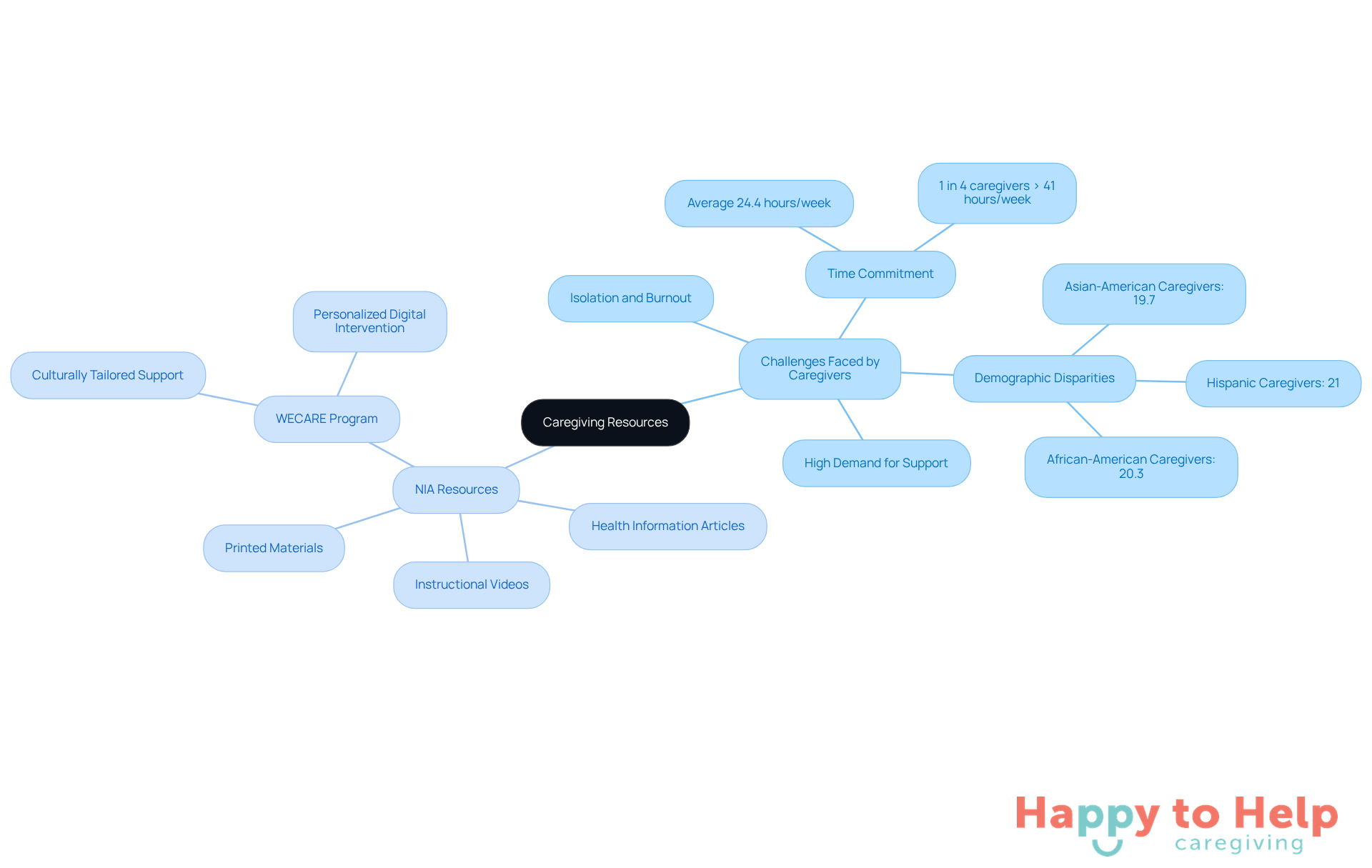
Caregivers face a significant challenge: the overwhelming demand for support resources. Nearly 1 in 4 individuals who assist others dedicates 41 hours or more each week to caregiving, highlighting the urgent need for effective tools and information. Without proper resources, caregivers may struggle to provide the best support for their loved ones, leading to feelings of isolation and burnout.
The National Institute on Aging (NIA) addresses this issue by offering a wide range of resources designed to assist family supporters in their essential roles. Their caregiving toolkit is particularly beneficial, featuring:
- Printed materials
- Instructional videos
- Health information articles
These resources help caregivers deepen their understanding of aging and enhance their assistance strategies. Recent updates to the toolkit in 2025 reflect current trends and best practices, ensuring caregivers have access to the most relevant and effective assistance available.
As Y. Alicia Hong notes, "WECARE is one of the first personalized digital interventions for dementia caretakers," underscoring the importance of customized support in the caregiving landscape. By utilizing these tools, caregivers can better navigate the complexities of elder support. This ultimately fosters a more supportive and enriching environment for those they assist.
Eldercare Locator: Local Services for Senior Support
The challenge of providing adequate support for older adults is significant. With approximately 12 million individuals in the U.S. currently receiving home care, the need for reliable assistance options is clear. Many seniors, about 82%, express a desire to remain in their homes for as long as possible, which underscores the importance of accessible resources for caregivers.
The Eldercare Locator serves as a vital national resource, connecting older adults and their supporters with dependable geriatric services near me. By simply entering a zip code, caregivers can discover geriatric services near me, including:
- Meal delivery
- Transportation
- In-home assistance
This tool is essential for family members looking to enhance their loved ones' quality of life while ensuring they receive the necessary support within their communities.
As the population of adults aged 65 and older reached 55.8 million according to the 2020 census-and is projected to grow significantly-the importance of utilizing resources like the Eldercare Locator cannot be overstated. For assistance, individuals can visit the revamped website at https://eldercare.acl.gov. This platform simplifies the process for caregivers to find reliable local resources tailored to their needs.
Administration for Community Living: Programs for Older Adults
Caregivers often face significant challenges when supporting older adults, particularly in maintaining their independence and well-being. The emotional and financial strain can be overwhelming, leaving caregivers in need of assistance.
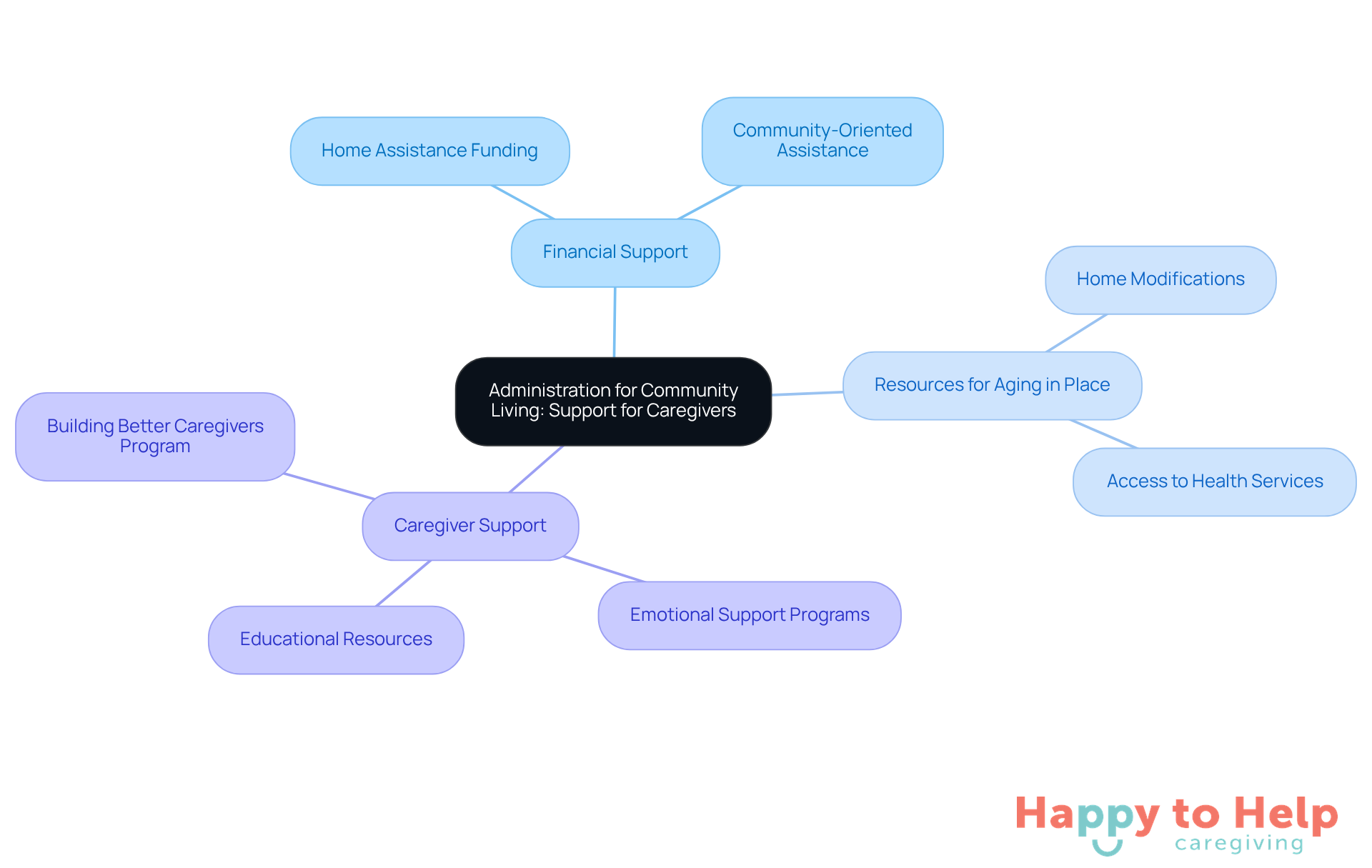
The Administration for Community Living (ACL) recognizes these challenges and offers various programs designed to help. These initiatives provide:
- Financial support for home and community-oriented assistance
- Resources for aging in place
- Support for those providing care
By utilizing these programs, caregivers can access essential resources that enable them to better support their loved ones.
For instance, caregivers can benefit from financial assistance that alleviates some of the burdens associated with caregiving. This support not only helps maintain the independence of older adults but also enhances their overall quality of life. By taking advantage of ACL's offerings, caregivers can find practical solutions to the difficulties they encounter.
Home Instead Senior Care: Companionship and Personal Care
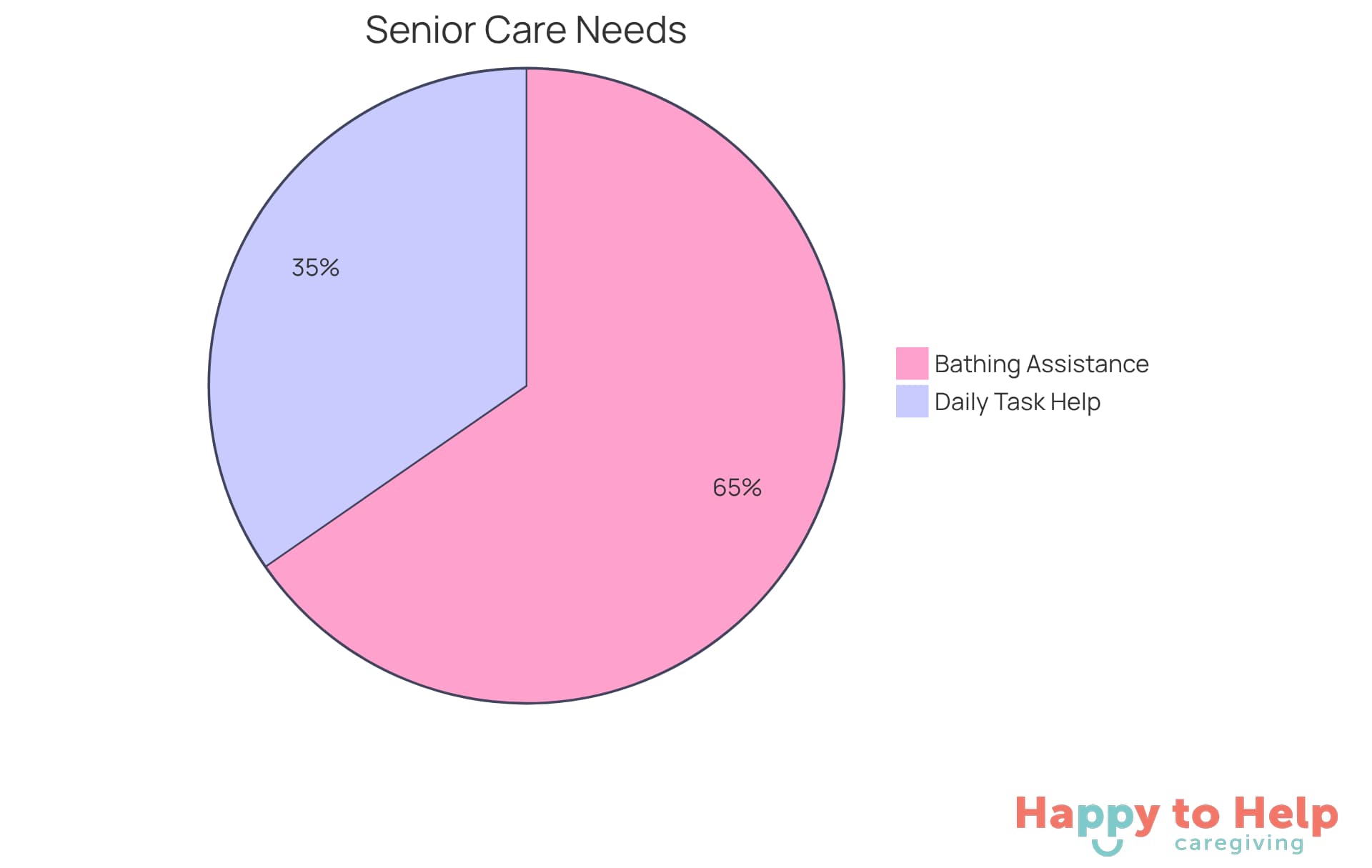
The Problem: Many seniors face challenges in their daily lives, often requiring assistance with essential tasks. With 83% of individuals receiving home support needing help with bathing and showering, and 44% requiring assistance with at least one daily task, the need for reliable caregiving becomes evident.
The Implications: This situation can lead to feelings of isolation and decreased quality of life for seniors. Without proper support, maintaining independence becomes increasingly difficult, impacting their emotional well-being and overall health.
The Solution: Happy to Help Caregiving focuses on companionship and personal assistance services tailored specifically for seniors. Caregivers provide crucial help with everyday tasks, such as:
- Meal preparation
- Medication reminders
- Personal hygiene
While also offering emotional comfort and companionship. This comprehensive approach not only helps seniors maintain their independence but also significantly enhances their overall quality of life.
Families seeking dependable assistance can find reassurance in knowing that these services are customized to address the specific needs of their loved ones, ultimately fostering a sense of safety and wellness.
Visiting Angels: Flexible In-Home Care Solutions
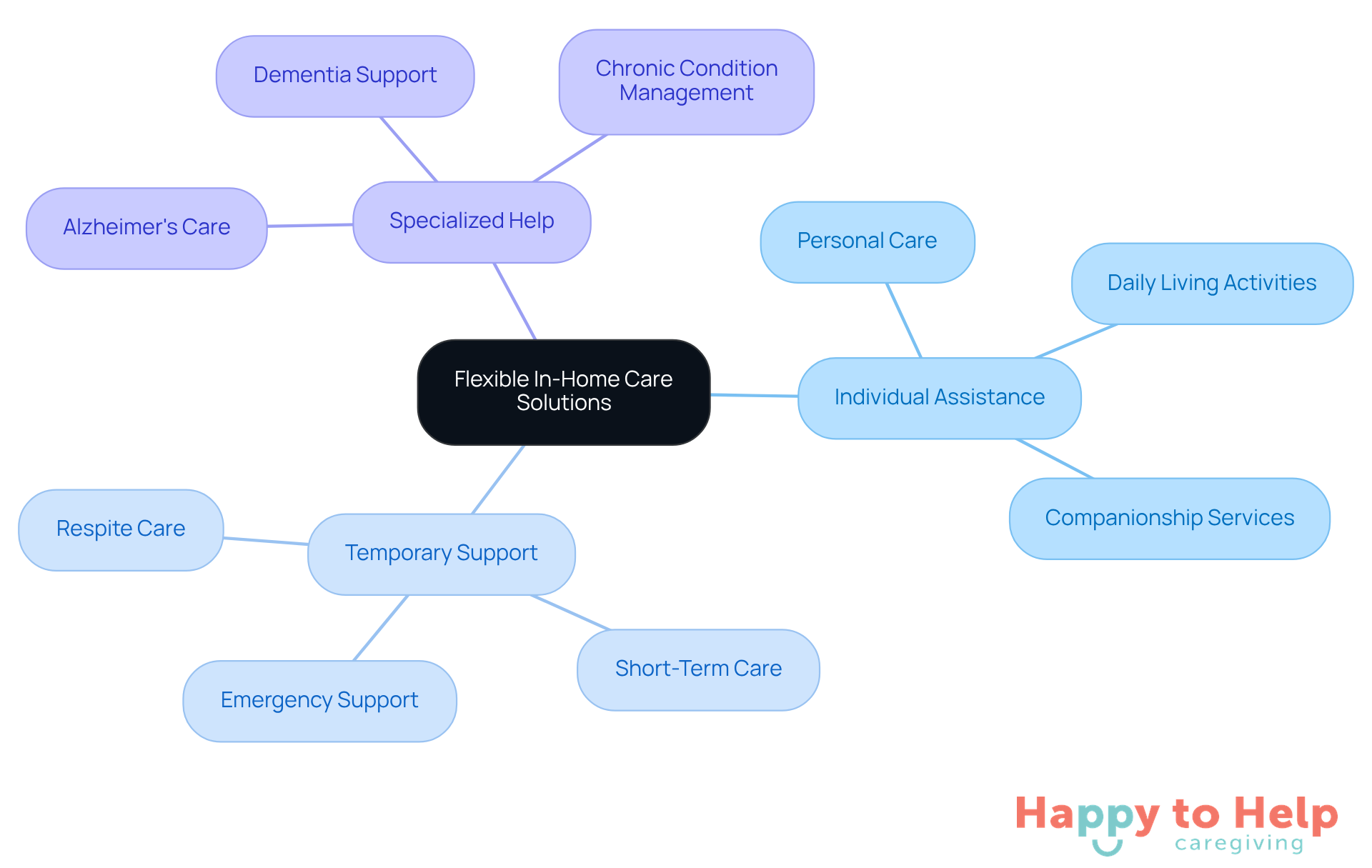
Caring for seniors can be a daunting task for families, especially when considering the unique needs of each individual and the importance of finding geriatric services near me. With 90% of adults over 65 choosing to age in place, the demand for geriatric services near me is more critical than ever. Caregivers often face stress and uncertainty, worrying about whether their loved ones are receiving the right care.
Happy to Help Caregiving addresses these challenges by providing adaptable in-home support options tailored to the distinct requirements of seniors and their families, including geriatric services near me. We offer:
- Individual assistance
- Temporary support
- Specialized help for conditions like Alzheimer's and dementia
Our approach centers on creating individualized support plans, allowing providers to modify services as situations evolve.
This flexibility is essential for ensuring that care aligns with individual lifestyles. By focusing on personalized assistance, Happy to Help Caregiving not only enhances the quality of life for seniors but also alleviates anxiety for family caregivers. They can find comfort in knowing their loved ones are receiving the appropriate support.
Comfort Keepers: Interactive Caregiving for Seniors
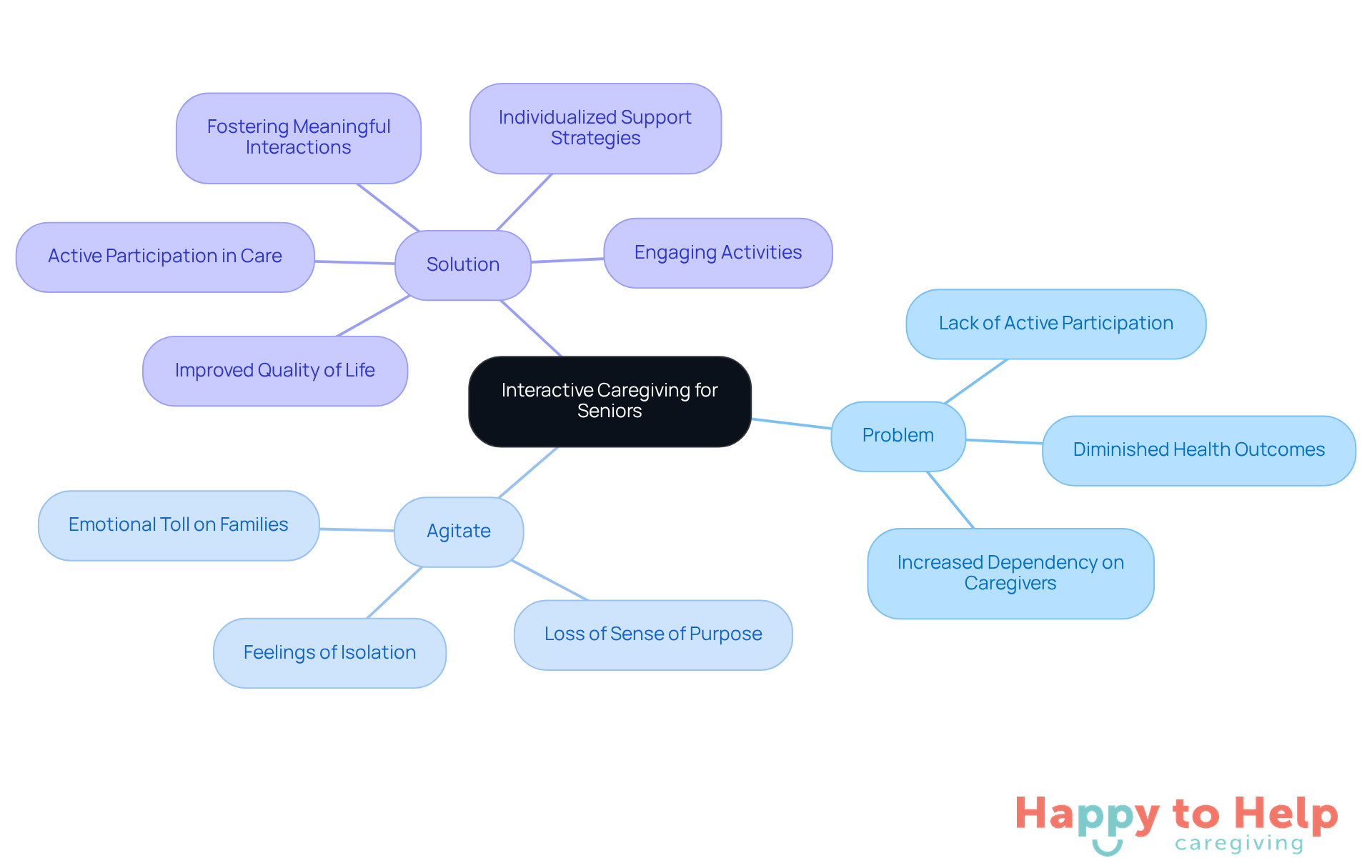
Problem: Many seniors face challenges in maintaining their independence and well-being due to a lack of active participation in their own care. This disengagement can lead to diminished physical, mental, and emotional health, impacting their overall quality of life.
Agitate: When seniors are not involved in their support, they may feel isolated and lose a sense of purpose. This can result in increased dependency on caregivers and a decline in their health outcomes. The emotional toll of this disengagement can be significant, not only for the seniors but also for their families and caregivers.
Solution: Happy to Help Caregiving addresses these challenges by utilizing a creative method that emphasizes the active participation of seniors in their own support. This approach stimulates well-being through engaging activities that promote independence. Caregivers work closely with clients to foster meaningful interactions, ensuring that seniors remain active participants in their lives and connected to their communities.
This involvement enhances the overall quality of support and instills a sense of purpose and fulfillment in seniors, significantly improving their quality of life. By focusing on individualized support strategies, Happy to Help Caregiving demonstrates how empowering seniors can lead to better health outcomes and increased satisfaction in their daily routines.
Amedisys: Home Health Care and Recovery Support
Caregivers often face significant challenges when managing the recovery of their loved ones at home. The emotional and physical demands can be overwhelming, especially when additional support is needed during this critical time.
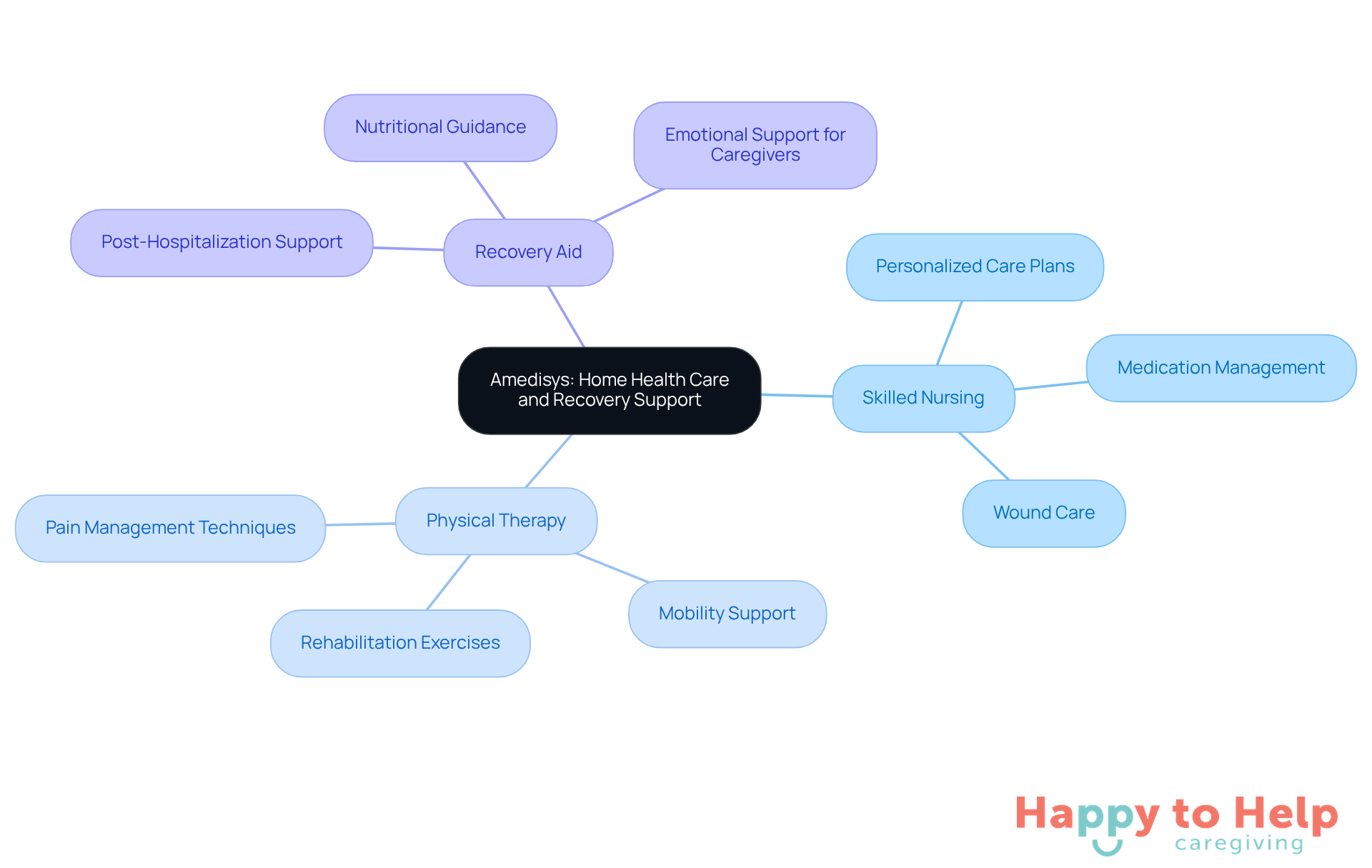
Amedisys addresses these challenges by offering extensive home health assistance, including:
- Skilled nursing
- Physical therapy
- Recovery aid for individuals after hospitalization
Their team of healthcare specialists collaborates closely with patients to create customized treatment plans that promote recovery in the comfort of their own homes.
This tailored assistance not only aids patients but also provides much-needed support for family members, ensuring they have the resources necessary to navigate the healing process effectively.
Right at Home: Respite and In-Home Care Services
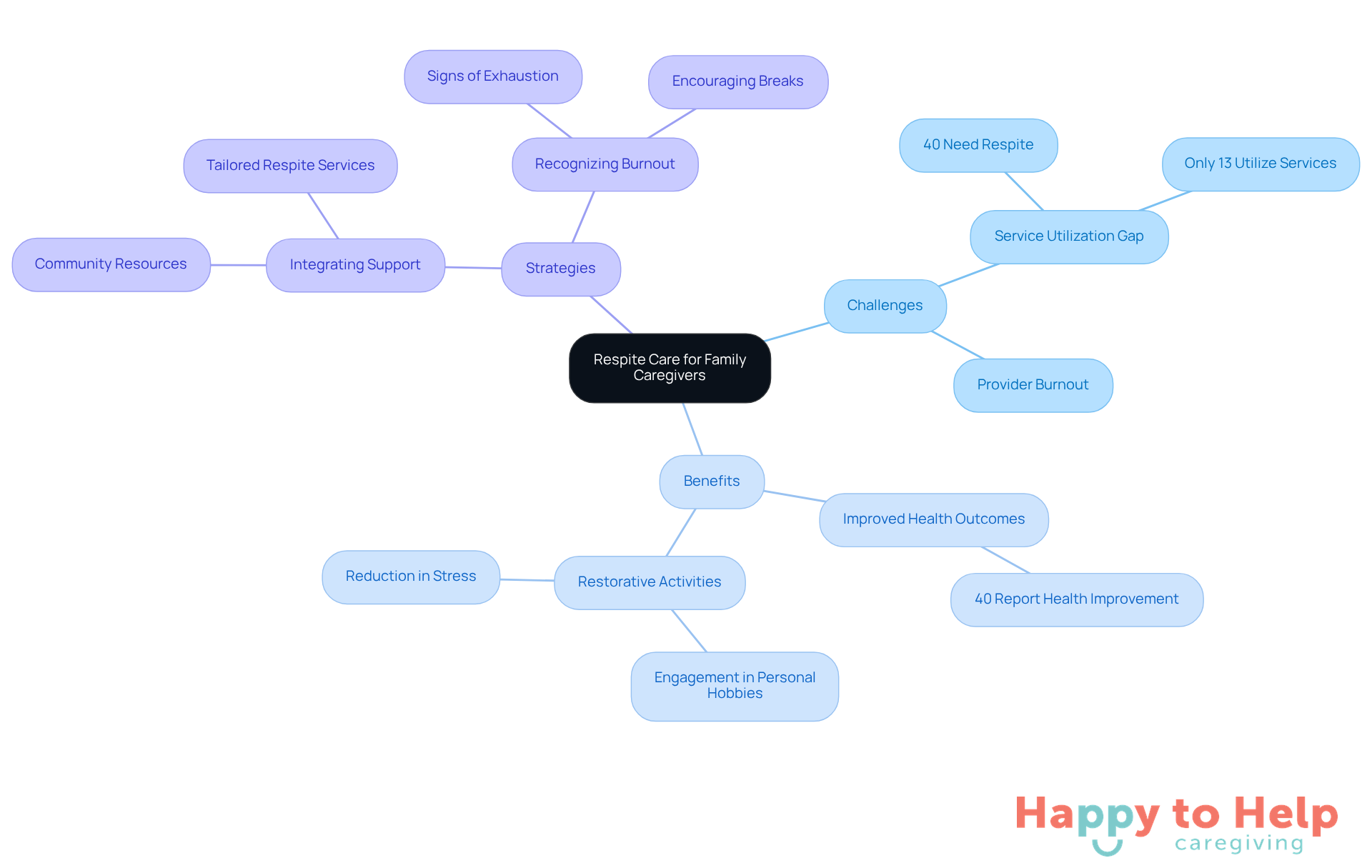
Respite support is a crucial resource for family caregivers, allowing them to take necessary breaks while ensuring their loved ones receive quality assistance. However, many caregivers face significant challenges due to provider burnout, which affects a large number of individuals offering help. Alarmingly, nearly 40% of caregivers identify respite as their most pressing service need, yet only 13% utilize these services. This gap can lead to increased stress and health issues for those providing care, as highlighted by the National Alliance for Caregiving and AARP.
The lack of effective respite assistance not only intensifies the immediate pressures on caregivers but also jeopardizes their long-term health. Research shows that caregivers who take regular breaks report better health outcomes. In fact, 40% of those who rated their health as fair or poor before receiving assistance now describe it as good, according to the Outcome Evaluation of the National Family Caregiver Assistance Program. This underscores the importance of prioritizing caregiver well-being through structured support systems.
Successful in-home care options illustrate how respite services can be tailored to meet individual needs. Caregivers can engage in restorative activities during their breaks, which is vital for their physical and emotional health. For instance, David Hurley, a single father, has shared how support services have significantly improved his ability to manage daily responsibilities and increased his confidence in parenting. By fostering a supportive environment, in-home services enhance the quality of life for recipients while allowing caregivers to fulfill their essential roles without compromising their own well-being.
Integrating respite support into a comprehensive caregiving strategy is not just beneficial; it is essential for sustaining the caregiving dynamic. As noted by Central Coast VNA & Hospice, recognizing signs of burnout and seeking help is a strength, not a weakness. By leveraging available resources, caregivers can maintain their health and engagement, ultimately benefiting both themselves and their loved ones.
Senior Helpers: Specialized Care for Alzheimer's and Dementia
Caring for individuals with Alzheimer's and dementia presents significant challenges for families. The emotional toll and complexities of managing cognitive impairments can be overwhelming, leaving caregivers feeling isolated and stressed.
To address these issues, Senior Helpers provides geriatric services near me that offer specialized support aimed at improving the quality of life for both clients and their families. Their caregivers are trained to navigate the unique challenges associated with cognitive impairments, providing essential support that includes:
- Daily living assistance
- Companionship
- Safety monitoring
This specialized care, such as geriatric services near me, is crucial for families seeking to ensure the well-being of their loved ones. By partnering with Senior Helpers, caregivers can find the relief and support they need, allowing them to focus on what truly matters: the health and happiness of their loved ones.
Your Path Forward
Addressing the needs of seniors and their caregivers presents a significant challenge. Caregivers often face emotional strain and feelings of isolation, which can impact their well-being and the quality of care they provide. The implications of this issue are profound, as loneliness among seniors can lead to serious health concerns, making it essential to find effective solutions.
To tackle these challenges, caregivers can turn to various geriatric services that offer vital support. Personalized in-home care not only fosters independence for seniors but also enhances their emotional well-being. Organizations like:
- Happy to Help Caregiving
- National Institute on Aging
- Senior Helpers
provide tailored assistance that addresses both immediate needs and long-term health outcomes. By leveraging these resources, caregivers can significantly improve the quality of life for their loved ones while alleviating their own stress.
In conclusion, the importance of utilizing available geriatric services cannot be overstated. Actively seeking out these resources is a crucial step for caregivers, allowing them to enhance their own well-being and ensure that seniors receive the compassionate care they deserve. Engaging with local services and support networks is not just beneficial; it is an essential commitment to improving the lives of seniors and their families.
https://iframe.tely.ai/cta/eyJhcnRpY2xlX2lkIjogIjY5MjRmMWQ5ZWM0Y2FiOGU3NGVjMDBkMCIsICJjb21wYW55X2lkIjogIjY4ZWU1ZGNhNzMxNzYyNTU3ZjNjOTVjMSIsICJpbmRleCI6IG51bGwsICJ0eXBlIjogImFydGljbGUifQ==Frequently Asked Questions
What is the main issue affecting seniors that Happy to Help Caregiving addresses?
Happy to Help Caregiving addresses the significant issue of loneliness among seniors, which affects over 40% of them regularly and can lead to serious mental health challenges.
How does loneliness impact seniors' well-being?
Loneliness can cause a decline in mood and overall well-being, leading seniors to feel disconnected and unsupported, which can exacerbate their health issues.
What personalized services does Happy to Help Caregiving offer?
Happy to Help Caregiving provides tailored in-home assistance, including companionship assistance, post-hospital recovery help, respite services, and palliative aid.
How does personalized caregiving enhance the quality of life for seniors?
Personalized caregiving promotes physical and mental health by fostering connections, encouraging participation in decision-making, and helping seniors maintain their dignity and independence.
What percentage of individuals aged 65 and older are expected to require long-term support?
Almost 70% of individuals aged 65 and older will require some type of long-term support.
What resources does the National Institute on Aging (NIA) provide for caregivers?
The NIA offers a caregiving toolkit that includes printed materials, instructional videos, and health information articles to assist caregivers in their roles.
Why is the caregiving toolkit from the NIA important?
The toolkit helps caregivers deepen their understanding of aging and improve their assistance strategies, with updates reflecting current trends and best practices.
What is the Eldercare Locator and how does it help caregivers?
The Eldercare Locator is a national resource that connects older adults and their supporters with reliable geriatric services in their area by entering a zip code.
What services can caregivers find using the Eldercare Locator?
Caregivers can find services such as meal delivery, transportation, and in-home assistance through the Eldercare Locator.
How can individuals access the Eldercare Locator?
Individuals can visit the revamped website at https://eldercare.acl.gov to find reliable local resources tailored to their needs.
List of Sources
- Happy to Help Caregiving: Personalized In-Home Care Services
- 5 Benefits of Senior In-Home Care in 2025 | Valley Home Care (https://valleyhca.com/the-top-5-benefits-of-in-home-senior-care-for-aging-loved-ones-in-2025)
- A Look Into the Future of Home Care (https://seniorhelpers.com/ca/montclair/resources/blogs/2025-11-15)
- Senior Care in Philadelphia, PA: Key Trends for 2025 and Beyond - AmeriBest Home Care (https://ameribesthomecare.com/recent-news/senior-care-in-philadelphia-pa-key-trends-for-2025-and-beyond)
- Home Care Industry Trends to Watch in 2025 (https://firstlighthomecare.com/blog/home-care-industry-trends)
- Caring Senior Service Banks Growth Goals On New House-Made Technology (https://homehealthcarenews.com/2025/10/caring-senior-service-banks-growth-goals-on-new-house-made-technology)
- National Institute on Aging: Comprehensive Caregiving Resources
- Caregiving (https://nia.nih.gov/news/topics/caregiving)
- $3 million National Institute on Aging grant will provide much-needed support to underserved dementia caregivers (https://publichealth.gmu.edu/news/2025-10/3-million-national-institute-aging-grant-will-provide-much-needed-support-underserved)
- New NIA grant advances tools for dementia caregiving (https://news-medical.net/news/20251015/New-NIA-grant-advances-tools-for-dementia-caregiving.aspx)
- Caregiver Statistics: Demographics (https://caregiver.org/resource/caregiver-statistics-demographics)
- Eldercare Locator: Local Services for Senior Support
- Eldercare Locator Website Address Change | ACL Administration for Community Living (https://acl.gov/news-and-events/announcements/eldercare-locator-website-address-change)
- 2025 Home Care Statistics: Trends & Insights To Know (https://premierhcinc.com/blog/home-care-statistics)
- 30 Inspirational Quotes for Caregivers (https://agingcare.com/articles/caregivers-quotes-inspiration-141133.htm)
- 25+ Inspirational Quotes for Caregivers (https://caringseniorservice.com/blog/quotes-for-caregiver-inspiration)
- Fact Sheet: Trends in Family Care for Older Americans (https://prb.org/resources/fact-sheet-trends-in-family-care-for-older-americans)
- Administration for Community Living: Programs for Older Adults
- Latest News | ACL Administration for Community Living (https://acl.gov/news-and-events/latest-news)
- 27 Inspirational Quotes for Caregivers (https://ultimatecareny.com/resources/27-quotes-for-caregivers)
- 12 Uplifting Caregiver Quotes — Canary Health (https://canaryhealth.com/blog/caregiver-quotes)
- 20 Inspirational Senior Care Quotes (https://1plus1cares.com/20-inspirational-senior-care-quotes)
- How Many People Use Medicaid Long-Term Services and Supports and How Much Does Medicaid Spend on Those People? | KFF (https://kff.org/medicaid/how-many-people-use-medicaid-long-term-services-and-supports-and-how-much-does-medicaid-spend-on-those-people)
- Home Instead Senior Care: Companionship and Personal Care
- 28 Senior Care Statistics: In-Home & Assisted Living | Shortlister (https://myshortlister.com/insights/senior-care-statistics)
- 2025 Home Care Statistics: Trends & Insights To Know (https://premierhcinc.com/blog/home-care-statistics)
- News & Media | Home Instead | New York, NY (https://homeinstead.com/home-care/usa/ny/new-york/368/news-and-media)
- Elderly Care Statistics (https://rosewood-nursing.com/post/elderly-care-statistics)
- Visiting Angels: Flexible In-Home Care Solutions
- 2025 Home Care Statistics: Trends & Insights To Know (https://premierhcinc.com/blog/home-care-statistics)
- 28 Senior Care Statistics: In-Home & Assisted Living | Shortlister (https://myshortlister.com/insights/senior-care-statistics)
- Elderly Care Market Size, Share & Trends | Growth Report [2032] (https://fortunebusinessinsights.com/elderly-care-market-111477)
- Fact Sheet: Trends in Family Care for Older Americans (https://prb.org/resources/fact-sheet-trends-in-family-care-for-older-americans)
- The Incredible Benefits of Home Care, in 7 Amazing Stats - Companions For Seniors (https://companionsforseniors.com/2019/08/benefits-home-care-amazing-stats-trends-reports)
- Comfort Keepers: Interactive Caregiving for Seniors
- Comfort Keepers of Madison Highlights Alzheimer’s Home Care Services for Local Families (https://fox2now.com/business/press-releases/ein-presswire/866690872/comfort-keepers-of-madison-highlights-alzheimers-home-care-services-for-local-families)
- Comfort Keepers of Pitman, NJ Shares the Benefits of Mobility Aids for Seniors (https://kron4.com/business/press-releases/ein-presswire/866931728/comfort-keepers-of-pitman-nj-shares-the-benefits-of-mobility-aids-for-seniors)
- Technology Use Among Older Adults and Their Caregivers: Cross-Sectional Survey Study - PMC (https://pmc.ncbi.nlm.nih.gov/articles/PMC11084119)
- Treated Like Family: Comfort Keepers Ensures Their Patients Are Well Taken Care Of (https://hometownstation.com/khts-featured/treated-like-family-comfort-keepers-ensures-their-patients-are-well-taken-care-of-568605)
- The Number Of Family Caregivers Helping Older US Adults Increased From 18 Million To 24 Million, 2011–22 | Health Affairs Journal (https://healthaffairs.org/doi/10.1377/hlthaff.2024.00978)
- Amedisys: Home Health Care and Recovery Support
- Home Care Impact on Recovery of Patient (A Statistics Report) (https://lovinghomecareinc.com/home-care-recovery-statistics)
- 2025 Home Care Statistics: Trends & Insights To Know (https://premierhcinc.com/blog/home-care-statistics)
- FastStats (https://cdc.gov/nchs/fastats/home-health-care.htm)
- 10 Must-Know U.S. Home Care Industry Stats for 2025 - North American Community Hub (https://nchstats.com/us-home-care-industry-stats)
- 52 Eye-Opening Home Health Statistics: Insights for 2025 (https://boosthomehealth.com/home-health-statistics)
- Right at Home: Respite and In-Home Care Services
- Free program gives Bay area caretakers a break (https://baynews9.com/fl/tampa/news/2025/08/29/free-program-gives-caretakers-a-break)
- Respite Facts and Talking Points | ARCH National Respite Network & Resource Center (https://archrespite.org/policy/respite-facts-and-talking-points)
- Respite Care for Family Caregivers: A Guide to Support & Relief - VNA & Hospice Monterey, CA (https://ccvna.com/respite-care-for-family-caregivers)
- Caregiver Statistics: Demographics (https://caregiver.org/resource/caregiver-statistics-demographics)
- Number of Family Caregivers Supporting Older Adults Increased Nearly One-Third Between 2011 and 2022 | Johns Hopkins Bloomberg School of Public Health (https://publichealth.jhu.edu/2025/number-of-family-caregivers-supporting-older-adults-increased-nearly-one-third-between-2011-and-2022)