
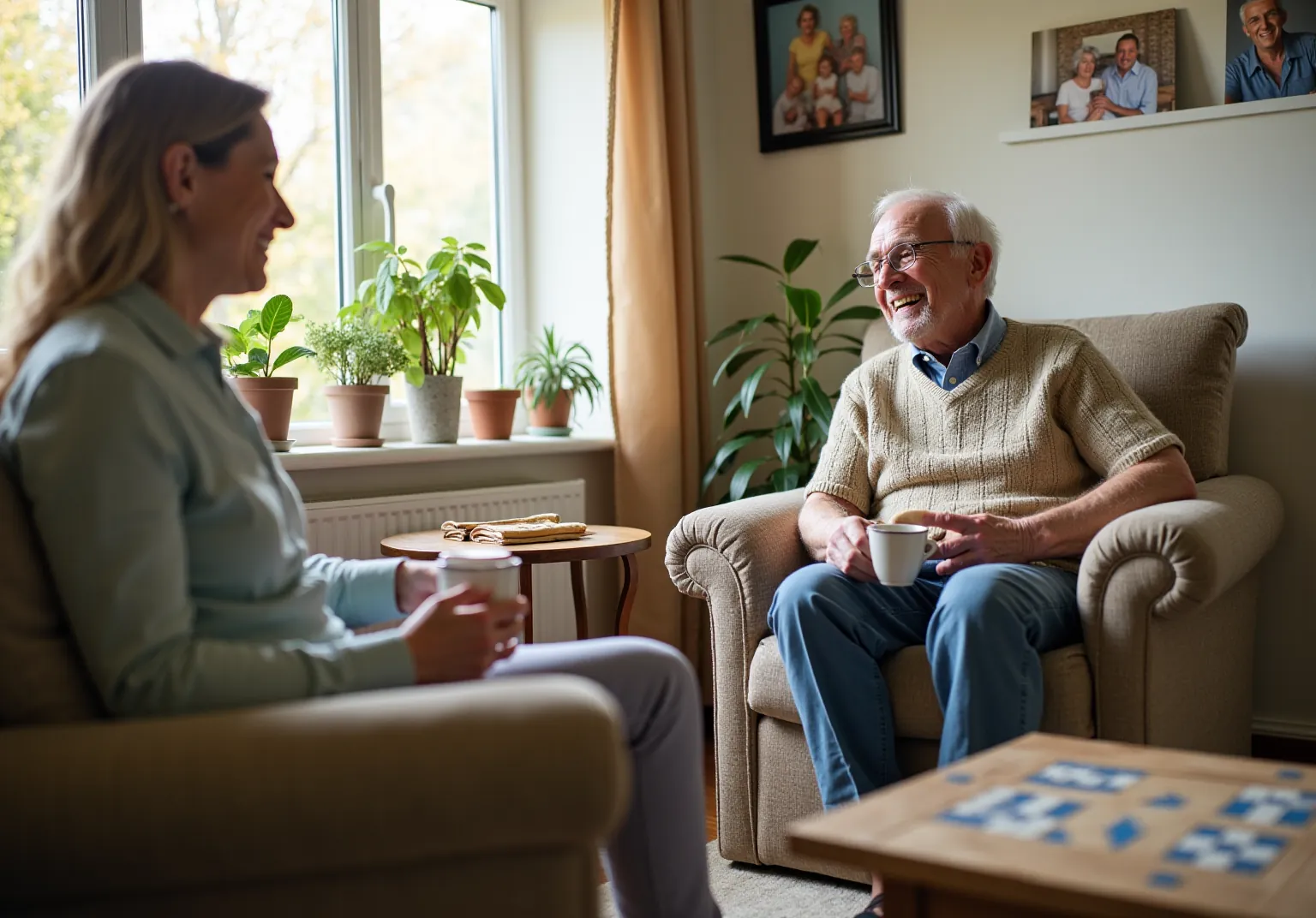
For families in our service areas
For families in our service areas, this guide explains in-home care and how non-medical in-home caregiving can support care planning in East Idaho, Treasure Valley & Magic Valley, Northern Wasatch, North Central West Virginia, and Northeast Ohio.
Understanding Your Options
Caring for our seniors is a profound responsibility, one that often comes with emotional challenges for caregivers. It’s essential to recognize the stress and burnout that can arise in this role. In-home care services offer a compassionate solution, providing personalized support tailored to the unique needs of older adults.
These services not only enhance the quality of life for seniors but also nurture their emotional well-being. Imagine the comfort of having someone by your side, offering companionship and assistance in familiar surroundings. This support fosters independence and security, allowing seniors to thrive in their own homes.
Personal stories from caregivers highlight the transformative impact of these services. One caregiver shared, "Seeing my client smile when I arrive makes every moment worthwhile." Such connections are at the heart of in-home care, creating bonds that enrich lives.
As we explore the various options available, it’s important to remember that seeking help is a sign of strength. You’re not alone in this journey. Embracing these services can lead to a more fulfilling experience for both seniors and their caregivers, ensuring that everyone feels valued and supported.
The Importance of 10 In-Home Care Services
As our population ages, the need for in-home care services for seniors has never been more pressing. These services not only provide essential support but also nurture a sense of independence and emotional well-being for older adults. Families often find themselves navigating the complexities of caregiving, leading to feelings of stress and burnout. How can they ensure their loved ones receive the highest quality of care tailored to their unique needs?
This article explores ten vital in-home care services that can truly enhance the lives of seniors. We’ll delve into the benefits and opportunities these services offer, providing insights that can help families feel more confident in their caregiving journey. Together, we can find the right support that fosters both care and compassion.
Happy to Help Caregiving: Personalized In-Home Support for Seniors
Happy to Help Caregiving truly understands the emotional challenges that families face when caring for seniors. They excel in delivering compassionate in-home care services for seniors near me, tailored to the unique needs of older adults. Their extensive services, including companionship support and post-hospital recovery assistance, aim to improve quality of life by fostering independence and well-being.
Caregivers are specially trained to provide personalized care that nurtures a sense of security and comfort. This allows clients to thrive in their familiar surroundings, which is so important for their emotional health. As one caregiver beautifully put it, "With a devoted caregiver residing in the household, older adults can cultivate a trusting relationship, enhancing overall happiness and quality of life."
This tailored approach not only meets the physical needs of older adults but also combats loneliness by offering essential companionship. In-home care services for seniors near me are often more economical than institutional services, making them a feasible choice for families seeking quality assistance.
Happy to Help Caregiving stands out in the elderly assistance field due to its dedication to individualized support. This commitment establishes it as an essential resource for families who want to ensure their loved ones receive the finest possible care. With such compassionate services, families can feel reassured that they are making the best choice for their loved ones.
https://iframe.tely.ai/cta/eyJhcnRpY2xlX2lkIjogIjY5MGJmMjQxYTdhMjhhNDNhYmRmMmQ3MyIsICJjb21wYW55X2lkIjogIjY4ZWU1ZGNhNzMxNzYyNTU3ZjNjOTVjMSIsICJpbmRleCI6IDAsICJ0eXBlIjogImFydGljbGUifQ==Companionship Care: Emotional Support for Seniors
Companionship assistance provides essential emotional comfort for older adults, helping to alleviate feelings of loneliness and isolation. Caregivers engage clients in meaningful activities—like conversation, games, or outings—creating opportunities for social interaction and emotional connection.
This type of care not only enhances the quality of life for elderly individuals but also plays a crucial role in their mental well-being. It’s a vital part of in-home care services for seniors near me, ensuring that seniors feel valued and connected.
Imagine the joy of sharing a laugh over a game or the warmth of a heartfelt conversation. These moments matter. They remind our loved ones that they are not alone, that someone cares deeply about their happiness.
By fostering these connections, we can help reduce the stress and burnout that caregivers often experience. Together, we can create a nurturing environment where both caregivers and clients thrive.
In the end, it’s about more than just care; it’s about companionship, understanding, and the simple yet profound impact of being there for one another.
https://iframe.tely.ai/cta/eyJhcnRpY2xlX2lkIjogIjY5MGJmMjQxYTdhMjhhNDNhYmRmMmQ3MyIsICJjb21wYW55X2lkIjogIjY4ZWU1ZGNhNzMxNzYyNTU3ZjNjOTVjMSIsICJpbmRleCI6IDEsICJ0eXBlIjogImFydGljbGUifQ==Post-Hospital Recovery Assistance: Smooth Transition to Home Care
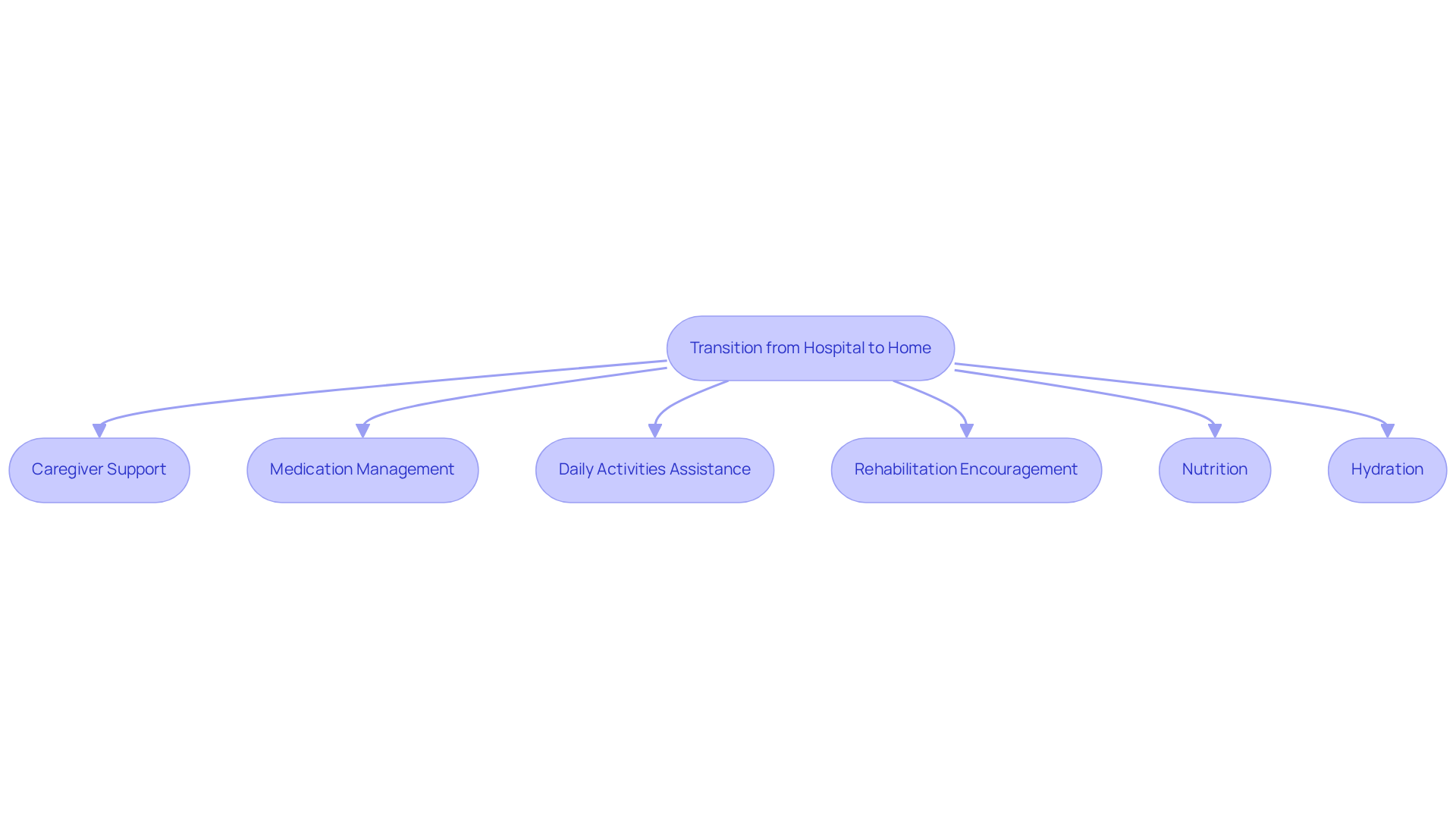
Transitioning from hospital to home can be a daunting experience for older adults, and that’s where post-hospital recovery assistance becomes so crucial. It’s not just about getting back home; it’s about feeling supported and cared for during this significant change. Caregivers step in to manage medications, assist with daily activities, and encourage adherence to rehabilitation exercises. This kind of comprehensive support is essential, as it not only aids in recovery but also helps reduce the risk of complications and hospital readmissions.
Research from the National Institutes of Health highlights that older adults receiving in-home care services for seniors near me experience significantly lower readmission rates. This underscores the invaluable role of professional caregiving in promoting independence and safety. As healthcare professionals often remind us, a well-coordinated transition from hospital to home is key to helping seniors regain their strength and confidence in a familiar environment.
Moreover, let’s not overlook the importance of nutrition and hydration during recovery. These elements are crucial for optimal healing, enhancing overall health and well-being. By focusing on these aspects, we can ensure that our loved ones not only recover but thrive in their own homes.
Respite Care: Essential Relief for Family Caregivers
Respite services offer vital support for family caregivers, giving them the chance to step back from their demanding roles and recharge. These services can be customized to meet different needs, whether it’s just a few hours or several days of assistance. By providing temporary relief, respite services play a crucial role in preventing caregiver burnout, allowing family members to maintain their well-being while continuing to provide high-quality care to their loved ones.
Many caregivers stress the importance of taking breaks. They share that these moments of rest not only rejuvenate them but also enhance their ability to offer compassionate support. One caregiver expressed, "Taking a break is not merely a luxury; it's essential for my health and my capacity to look after my mother." This balance is essential for sustaining the emotional and physical health of those who care for others, ultimately benefiting the entire family.
Programs like the Respite Voucher Program from the North Central Texas Area Agency on Aging can help with financial assistance, making it easier for caregivers to access these essential services. Happy to Help Caregiving also offers flexible scheduling options, ensuring that respite support can be arranged at times that best suit the family's needs.
https://iframe.tely.ai/cta/eyJhcnRpY2xlX2lkIjogIjY5MGJmMjQxYTdhMjhhNDNhYmRmMmQ3MyIsICJjb21wYW55X2lkIjogIjY4ZWU1ZGNhNzMxNzYyNTU3ZjNjOTVjMSIsICJpbmRleCI6IDMsICJ0eXBlIjogImFydGljbGUifQ==Palliative Support Care: Enhancing Comfort for Seniors with Serious Illnesses
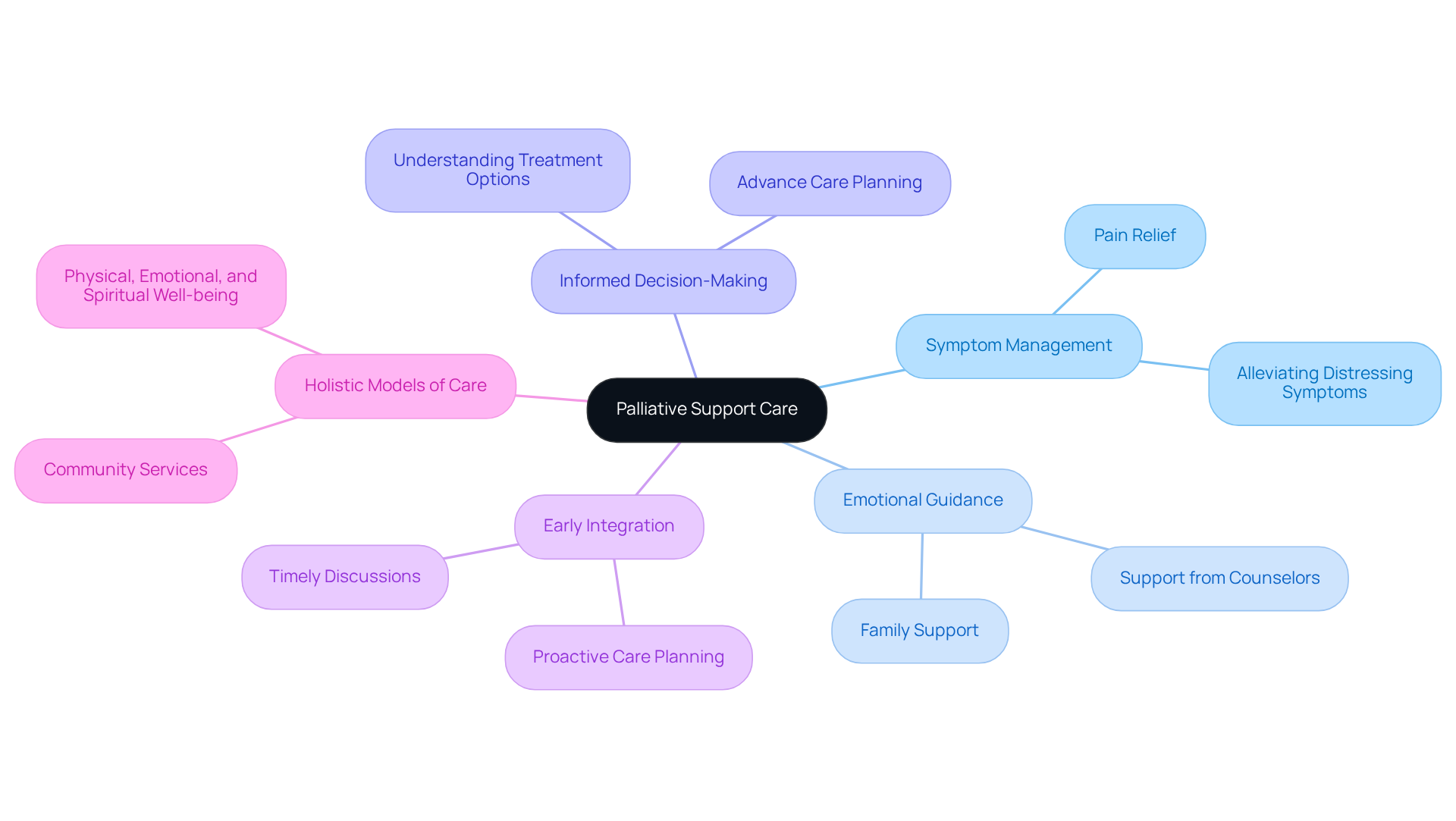
Palliative assistance is crucial for enhancing comfort and quality of life for seniors facing serious illnesses. This specialized support focuses on effective symptom management, emotional guidance, and informed decision-making about treatment options. Caregivers work closely with healthcare providers to deliver personalized care that meets each individual's unique needs, fostering dignity and comfort during these challenging times.
Recent advancements in palliative support highlight the importance of early integration. This approach has been shown to significantly improve health-related quality of life. Programs that incorporate palliative support from the beginning of serious illnesses encourage timely discussions about treatment preferences and goals, ensuring that patients and their families feel informed and supported.
Effective models of palliative support, like those found in various community services, demonstrate the success of a holistic approach that encompasses physical, emotional, and spiritual well-being. These models not only alleviate distressing symptoms but also empower older adults to make choices that reflect their values and wishes. By prioritizing open communication and proactive care planning, palliative assistance plays a vital role in enhancing the overall experience for older adults and their families during difficult health journeys.
24/7 Availability: Ensuring Constant Support for Seniors
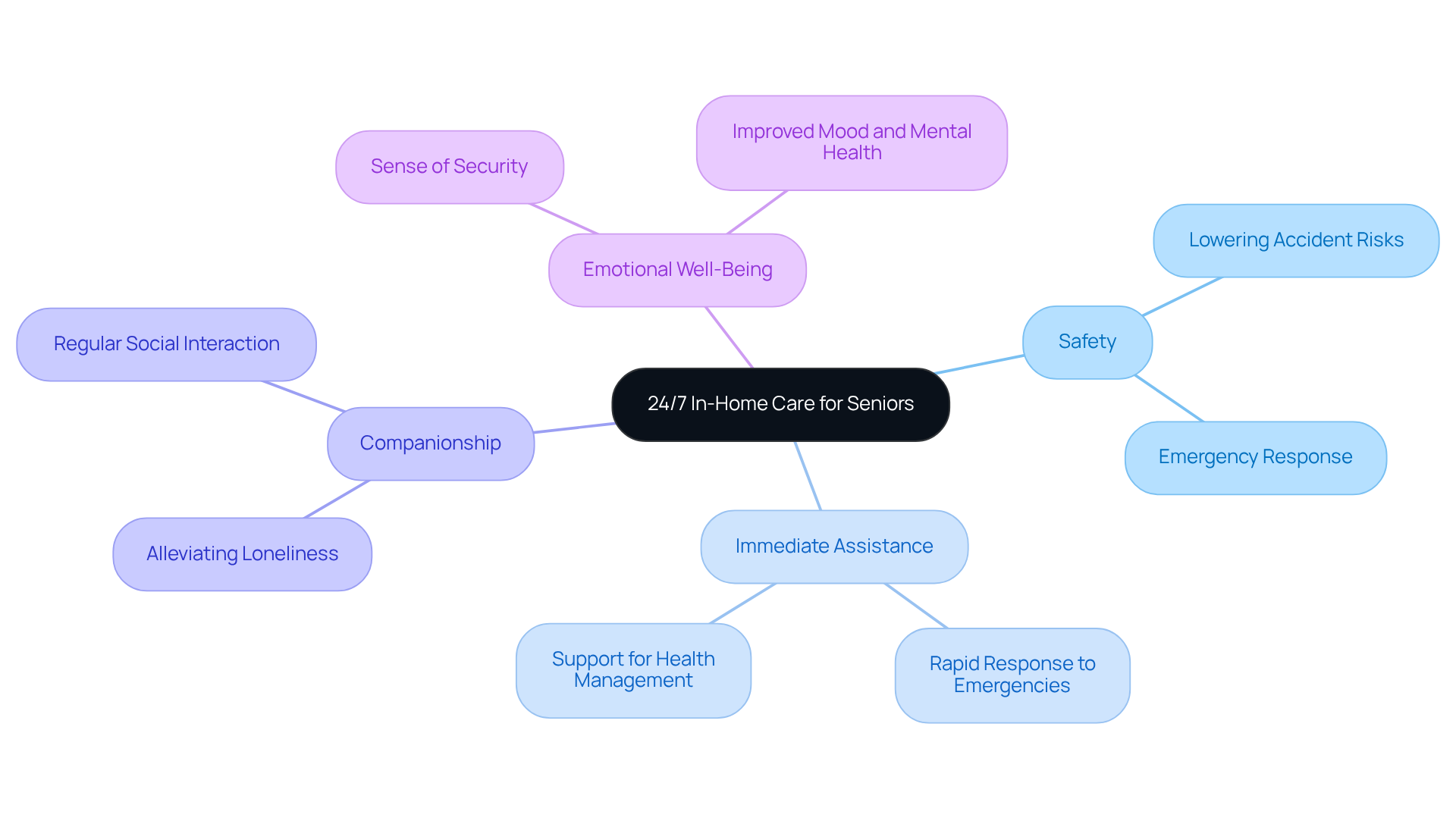
Having in-home care services for seniors near me available around the clock is vital for elderly individuals, especially those with complex health needs or those who may require assistance during the night. This constant presence allows families to breathe a little easier, knowing their loved ones are never alone and that help is always just a call away. Such availability greatly enhances the safety and comfort of home, lowering the risk of accidents and ensuring quick responses to emergencies.
With support staff on hand 24/7, elderly individuals benefit from immediate assistance, which is crucial for managing health concerns and maintaining independence. Caregivers can respond in seconds, not hours, ensuring that help is always at the ready. This ongoing support not only creates a sense of security but also nurtures emotional well-being. Regular companionship can help alleviate feelings of loneliness and isolation—something that’s particularly significant, given that 5% of adults aged 50-80 often feel lonely.
Ultimately, in-home care services for seniors near me provide a dedicated support person available at all times, turning the home into a safer, more nurturing space for elderly individuals. As Life’s At Home Support beautifully puts it, "24-hour home assistance provides safety, companionship, and peace of mind so seniors can thrive at home day and night." This reassurance is what every family deserves.
Flexible Scheduling: Tailored Care for Individual Needs
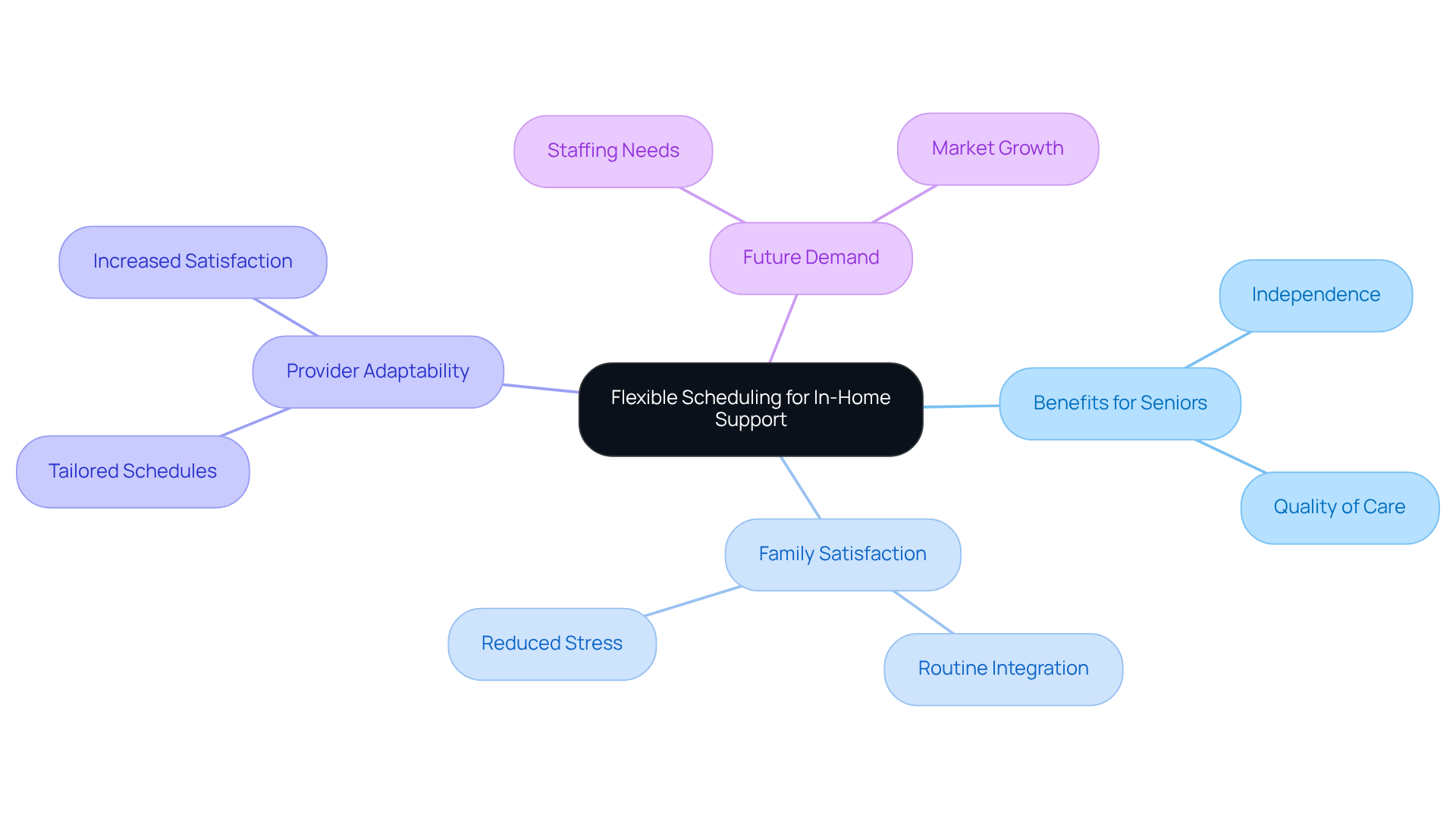
Flexible scheduling stands as a cornerstone of in-home support services, allowing providers to tailor their availability to meet the unique needs of each client. This flexibility is crucial, as it enables families to receive daily assistance or just a few hours of help each week, depending on their circumstances. By adjusting their schedules, providers not only enhance the quality of support but also empower families to maintain their routines and obligations without added stress.
Successful flexible care models have shown remarkable benefits for seniors, nurturing a sense of independence while ensuring they receive the support they need. Providers often share that adapting their timetables to fit client preferences leads to greater satisfaction for both clients and their families. John Larson, CEO of Cantata, emphasizes that "clients just want to make sure they get the right outcome," underscoring the importance of flexibility in achieving positive results. This personalized approach not only eases feelings of isolation but also strengthens the bond between caregivers and clients, fostering a more supportive and trusting environment.
Ultimately, the impact of customized support schedules extends beyond the immediate needs of seniors; it greatly enhances family satisfaction. Families appreciate the ability to seamlessly integrate support into their daily lives, knowing their loved ones are receiving the care they deserve. This flexibility is not merely a service feature; it is a vital aspect of a compassionate caregiving experience that prioritizes the well-being of both clients and their families. As the demand for domestic support services continues to rise, with projections indicating a need for over 800,000 additional home support workers by 2031, the importance of adaptable scheduling becomes even clearer in meeting the evolving needs of clients and providers alike.
Technology Integration: Enhancing Communication in Caregiving
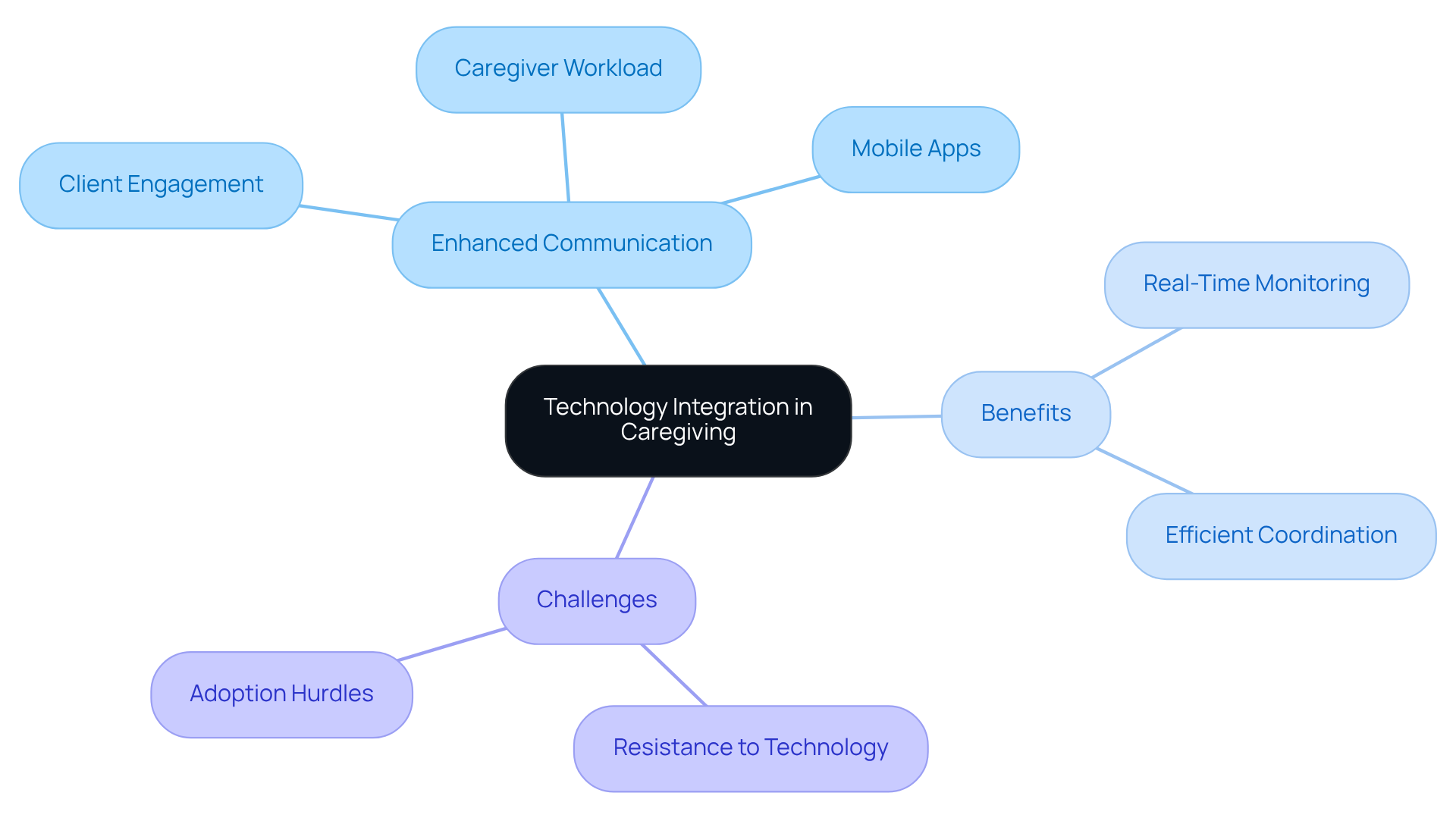
Integrating technology into caregiving truly enhances communication among caregivers, clients, and families. It’s heartening to see that 75% of Americans aged 65 and older are now using the internet. Mobile applications designed for care coordination make life easier by simplifying tasks like medication reminders and family updates. This ensures everyone involved in an elderly individual’s care stays informed and engaged.
Caregivers often share how these tools not only lighten their workload but also deepen their connections with seniors. One provider expressed, "Using mobile apps has transformed how I communicate with my clients and their families, making it easier to keep everyone on the same page." This seamless communication nurtures a collaborative caregiving environment, which is vital for enhancing care quality and client satisfaction.
Moreover, wearable devices and remote health monitoring play a crucial role in improving communication. They provide real-time health information, allowing caregivers to respond swiftly to any changes in an elderly person’s condition. However, it’s important to acknowledge the challenges, such as some elderly individuals and support providers resisting technology adoption. Addressing these hurdles is essential to fully embrace the benefits of these advancements.
As technology continues to evolve, its role in fostering efficient communication will be key in overcoming the unique challenges faced in elder support. Together, we can navigate this journey, ensuring that our loved ones receive the compassionate care they deserve.
Trained Caregivers: Ensuring Quality and Compassionate Care
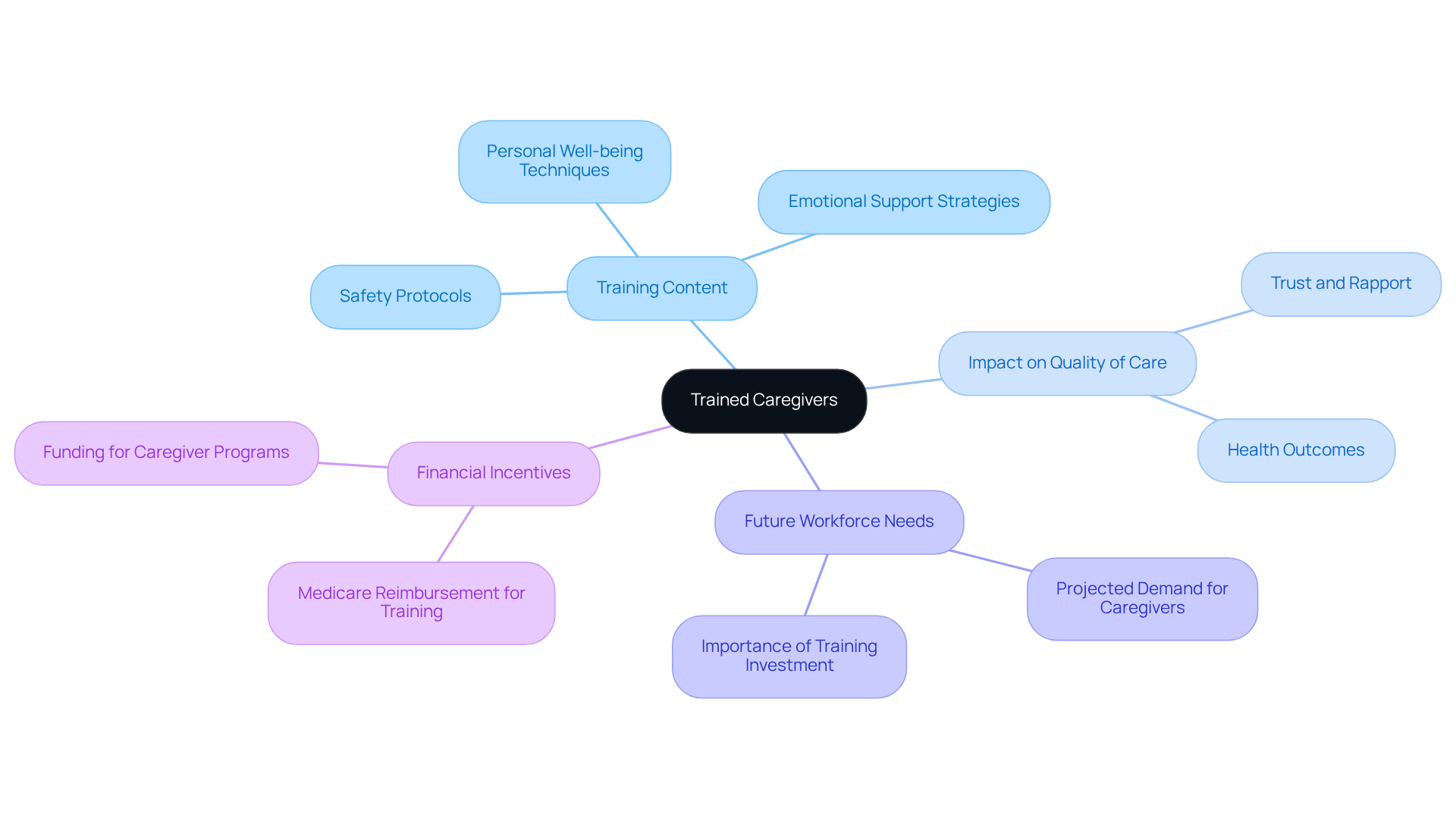
Trained professionals are the heart of in-home assistance services, offering seniors the compassionate care they truly deserve. These dedicated support providers undergo thorough training, equipping them with essential skills tailored to meet the unique needs of elderly clients. Their training covers safety protocols, personal well-being techniques, and emotional support strategies, all crucial for creating a secure and nurturing environment.
The impact of this training extends far beyond just skill development; it significantly enhances the overall quality of care provided. Well-trained caregivers build trust and rapport with their clients, which is vital for a positive caregiving experience. Research shows that caregivers who receive structured training not only boost their competency but also lead to better health outcomes for seniors, reducing hospital visits and improving their quality of life. In fact, studies reveal that better-trained providers contribute to improved patient outcomes, underscoring the critical role of training in effective support.
As the demand for home assistance continues to rise, the importance of investing in training for support providers becomes increasingly clear. Projections suggest a need for 1.3 million additional support workers by 2030, driven by our aging population. Ensuring these professionals are well-prepared is essential to meet the growing needs of seniors. By prioritizing training, home assistance organizations can ensure their staff are equipped to deliver the highest quality of service, ultimately benefiting both clients and their families. Plus, with Medicare set to reimburse training services for assistance providers starting in 2025, agencies have a strong incentive to invest in the education and development of their support staff.
Personalized Care Plans: Tailoring Support to Individual Needs
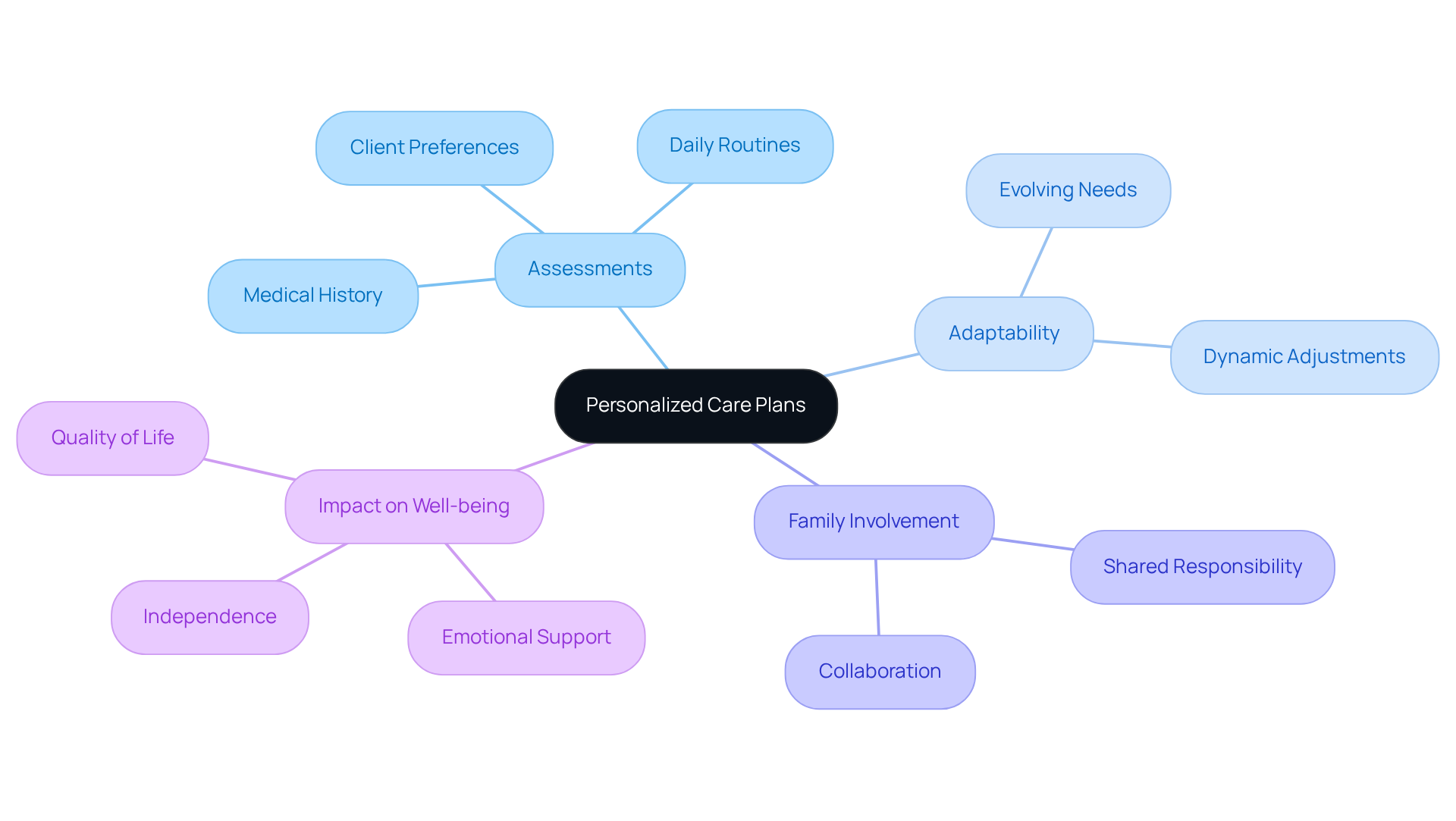
Customized care strategies are vital for offering personalized support to older adults, ensuring their unique needs and preferences take center stage. These plans emerge from comprehensive assessments that look into medical history, daily routines, and personal interests. By focusing on individual needs, caregivers can provide tailored assistance that significantly enhances the quality of life for seniors, promoting their autonomy and dignity in everyday activities.
Moreover, these plans are adaptable, evolving as clients' needs change, which is essential for delivering effective support over time. This approach not only empowers seniors but also deepens the connection between caregivers and clients, as caregivers gain valuable insights into their clients' preferences and requirements.
As Kendal At Home beautifully puts it, "Personalized support plans guarantee that assistance is specifically customized to your unique needs and preferences." This highlights the crucial role of individualized support in boosting well-being and satisfaction among the elderly.
Family involvement in the care planning process is also key, fostering collaboration and ensuring that the care aligns with the values and wishes of the seniors. Together, we can create a nurturing environment that truly respects and honors the individuality of each person.
Taking the Next Steps
In-home care services for seniors truly offer a vital lifeline, allowing elderly individuals to receive the support they need while staying in the comfort of their own homes. These services cover a wide range of personalized care options, from companionship and post-hospital recovery assistance to respite care for family caregivers. By focusing on individualized support, we not only address the physical needs of seniors but also nurture their emotional well-being, fostering a sense of independence and connection.
Various types of in-home care services are available, each tailored to meet specific needs:
- Companionship care helps combat loneliness.
- Post-hospital recovery assistance ensures a smooth transition back home.
- Respite care provides much-needed relief for family caregivers.
- Palliative support enhances comfort for those facing serious illnesses.
Additionally, the integration of technology in caregiving improves communication and coordination, keeping families engaged in their loved ones' care.
The importance of personalized care plans cannot be overstated. These plans empower seniors and their families, ensuring that care is tailored to individual preferences and needs. As the demand for in-home care services continues to grow, it’s essential to recognize the profound impact that compassionate, well-coordinated support can have on the lives of older adults. Investing in these services is not just a choice; it’s a commitment to enhancing the quality of life for seniors and providing peace of mind for their families.
https://iframe.tely.ai/cta/eyJhcnRpY2xlX2lkIjogIjY5MGJmMjQxYTdhMjhhNDNhYmRmMmQ3MyIsICJjb21wYW55X2lkIjogIjY4ZWU1ZGNhNzMxNzYyNTU3ZjNjOTVjMSIsICJpbmRleCI6IG51bGwsICJ0eXBlIjogImFydGljbGUifQ==Frequently Asked Questions
What services does Happy to Help Caregiving provide for seniors?
Happy to Help Caregiving offers personalized in-home care services including companionship support and post-hospital recovery assistance, aimed at improving the quality of life for seniors.
How do caregivers at Happy to Help Caregiving support seniors emotionally?
Caregivers provide companionship, engage clients in meaningful activities, and foster trusting relationships, which help alleviate feelings of loneliness and enhance overall happiness.
Why is companionship care important for older adults?
Companionship care is crucial as it provides emotional comfort, reduces feelings of isolation, and enhances the mental well-being of seniors by creating opportunities for social interaction and connection.
What role does post-hospital recovery assistance play in senior care?
Post-hospital recovery assistance helps older adults transition smoothly from hospital to home by managing medications, assisting with daily activities, and encouraging rehabilitation exercises, which aids in recovery and reduces readmission risks.
How does in-home care compare to institutional services for seniors?
In-home care services are often more economical than institutional services, making them a feasible choice for families seeking quality assistance for their loved ones.
What are the benefits of personalized in-home care for seniors?
Personalized in-home care nurtures a sense of security and comfort, allows seniors to thrive in familiar surroundings, and addresses both physical needs and emotional well-being.
How can caregivers alleviate stress and burnout?
By fostering meaningful connections and providing companionship, caregivers can create a nurturing environment that benefits both themselves and the seniors they care for.