10 Reasons to Choose a Senior Sitter Near You for Your Loved Ones
For families in our service areas
For families in our service areas, this guide explains caregiving and how non-medical in-home caregiving can support care planning in East Idaho, Treasure Valley & Magic Valley, Northern Wasatch, North Central West Virginia, and Northeast Ohio.
Why Choose a Senior Sitter Near Me Matters
Caring for elderly loved ones presents a significant challenge for families. Ensuring their safety and well-being, while also addressing the isolation that often accompanies aging, can be overwhelming. This complexity can lead to stress and uncertainty for caregivers, who want the best for their loved ones.
One effective solution is hiring a senior sitter. This option not only addresses safety concerns but also enhances the quality of life for elderly individuals. Senior sitters provide companionship, assistance with daily activities, and a sense of security, which can significantly reduce feelings of loneliness and isolation.
However, with numerous options available, families may wonder what truly sets senior sitters apart as the ideal choice for in-home support. By exploring the multifaceted benefits of personalized care, it becomes clear why this service is increasingly vital for families navigating the intricacies of elderly care.
Happy to Help Caregiving: Personalized In-Home Support for Seniors
Caring for elderly loved ones can be a significant challenge for families. Many face the emotional strain of ensuring their relatives receive the support they need while maintaining their independence. This situation can lead to feelings of helplessness and concern about their well-being.
Happy to Help Caregiving addresses these challenges by offering personalized in-home assistance with a senior sitter near me for the elderly. Their services are designed to enhance the quality of life, ensuring that clients receive compassionate support in the comfort of their own homes. By fostering independence and well-being, they become a top choice for families seeking a senior sitter near me as a reliable caregiving solution.
The agency's dedication to tailored support plans allows them to meet the specific requirements of each client. This unique approach ensures that elderly individuals feel secure and appreciated in their familiar environment. Families can rest assured knowing that their loved ones are receiving the care they deserve.
Companionship Care: Alleviating Loneliness for Seniors
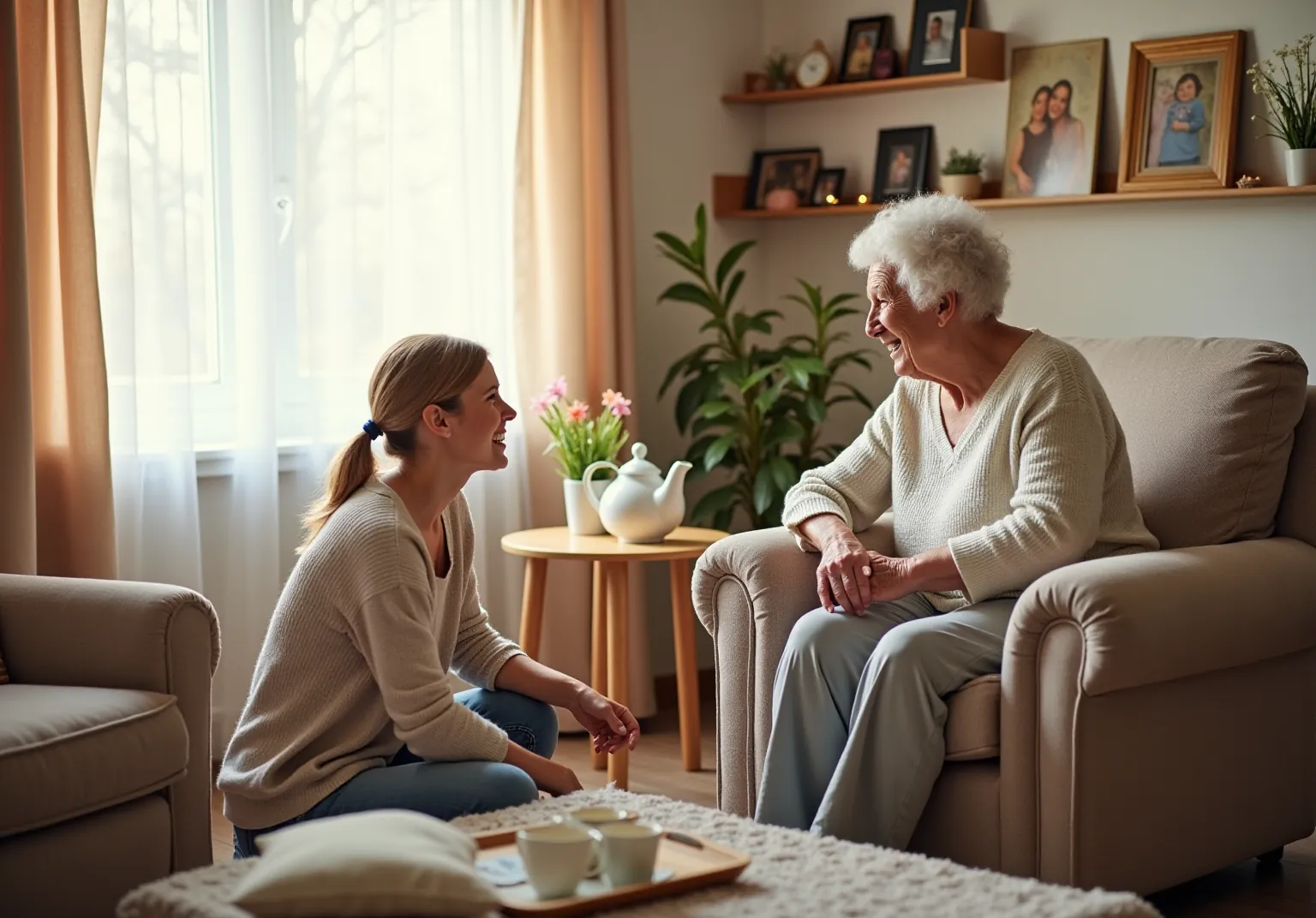
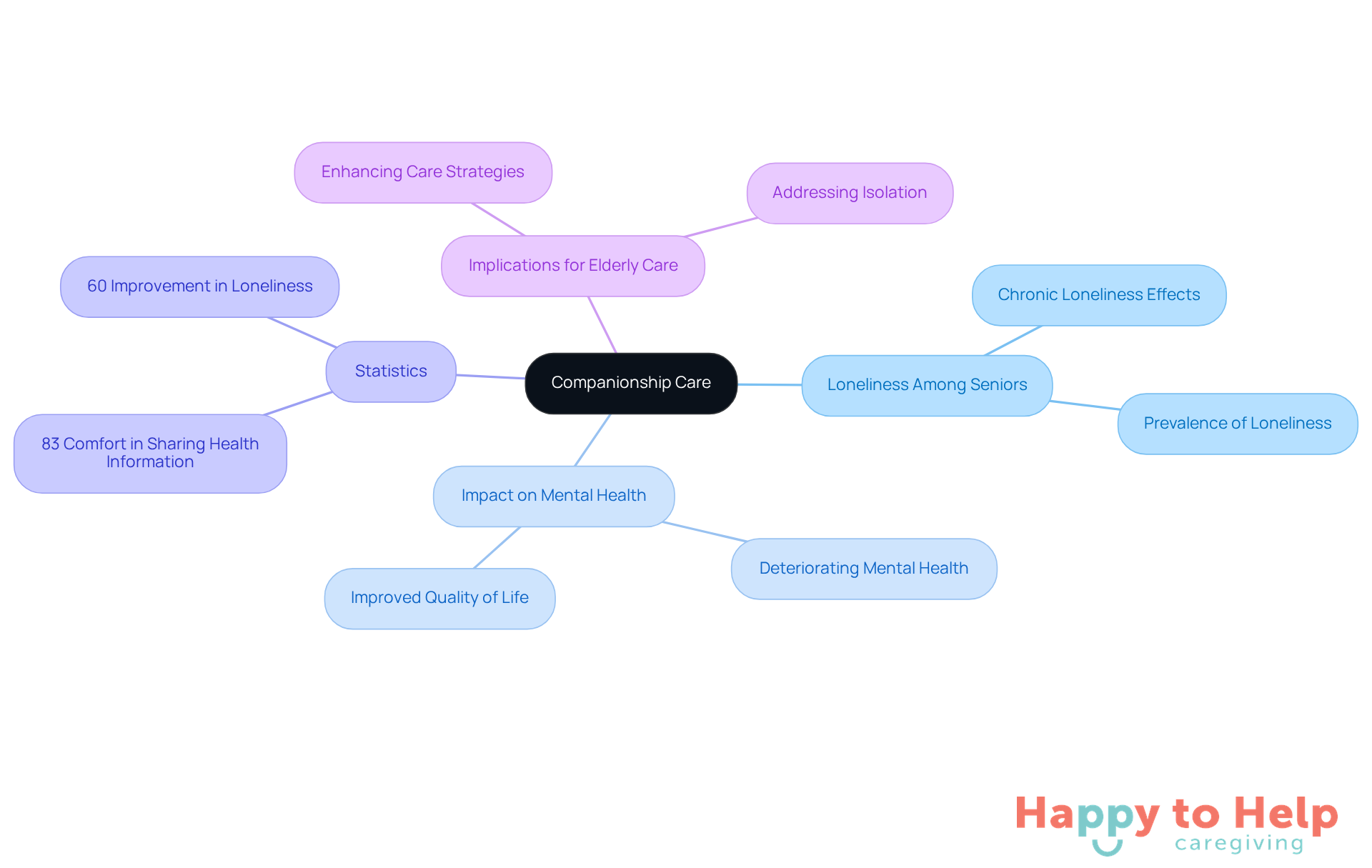
A senior sitter near me can provide companionship support, addressing a significant problem: isolation among elderly individuals. This isolation can lead to severe consequences, including increased feelings of loneliness and deteriorating mental health. In fact, recent studies show that chronic loneliness may shorten life expectancy more than being overweight or sedentary, as highlighted by the National Poll on Healthy Aging.
The implications of this issue are profound. Older individuals who lack companionship often struggle with their mental well-being, which can affect their overall quality of life. However, a senior sitter near me provides a practical solution for companionship support. Caregivers can engage clients in meaningful conversations, activities, and shared interests, fostering a sense of connection and belonging. This emotional support not only combats loneliness but also enhances mental health, making having a senior sitter near me a vital service for elderly individuals living at home.
Statistics reveal the effectiveness of companionship support. For instance:
- 83% of elderly adults feel more comfortable sharing health information when accompanied by a caregiver.
- Services aimed at companionship have been shown to reduce loneliness among those aged 65 and above, with 60% of individuals experiencing severe loneliness reporting improvement.
As Dr. Vivek Murthy emphasizes, addressing loneliness is crucial for improving health outcomes. Therefore, incorporating companionship care into elderly care strategies is essential for enhancing the well-being of older adults.
Safety Monitoring: Ensuring a Secure Environment for Seniors
Safety monitoring is a critical concern in in-home caregiving. Older adults often wish to live independently, but this desire comes with inherent risks. Caregivers face the challenge of ensuring a safe environment while promoting autonomy.
Potential hazards, such as loose rugs or inadequate lighting, can lead to accidents. These risks not only threaten the well-being of older adults but can also increase stress for caregivers. It's essential to address these issues proactively to create a safer living space.
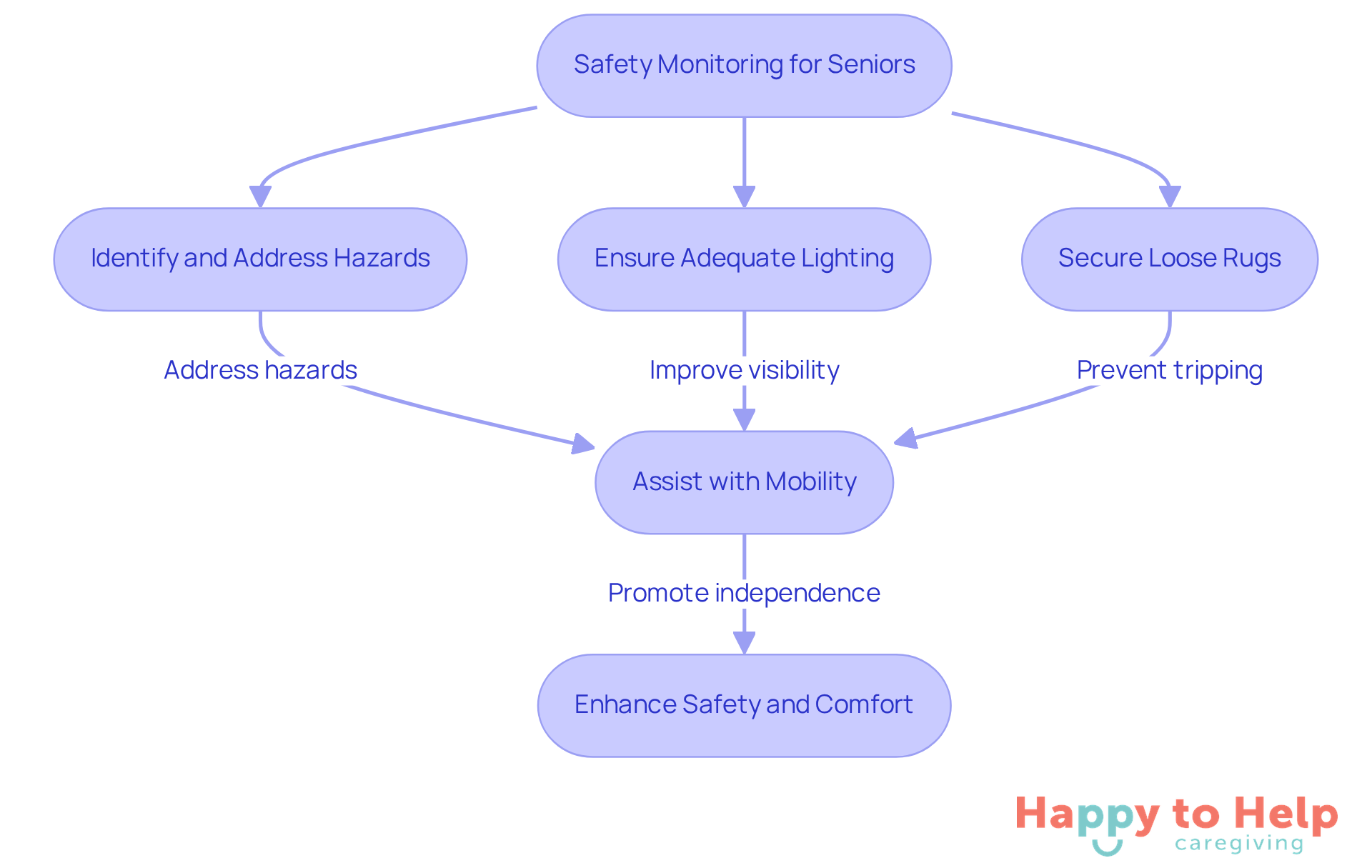
To mitigate these risks, caregivers should conduct regular safety assessments of the home. This includes:
- Identifying and addressing hazards
- Ensuring adequate lighting
- Securing loose rugs
Additionally, caregivers can assist with mobility, providing the necessary support for older adults to navigate their surroundings safely.
By implementing these strategies, caregivers can significantly enhance the safety and comfort of older adults, allowing them to maintain their independence while minimizing risks.
Daily Living Assistance: Supporting Independence in Seniors
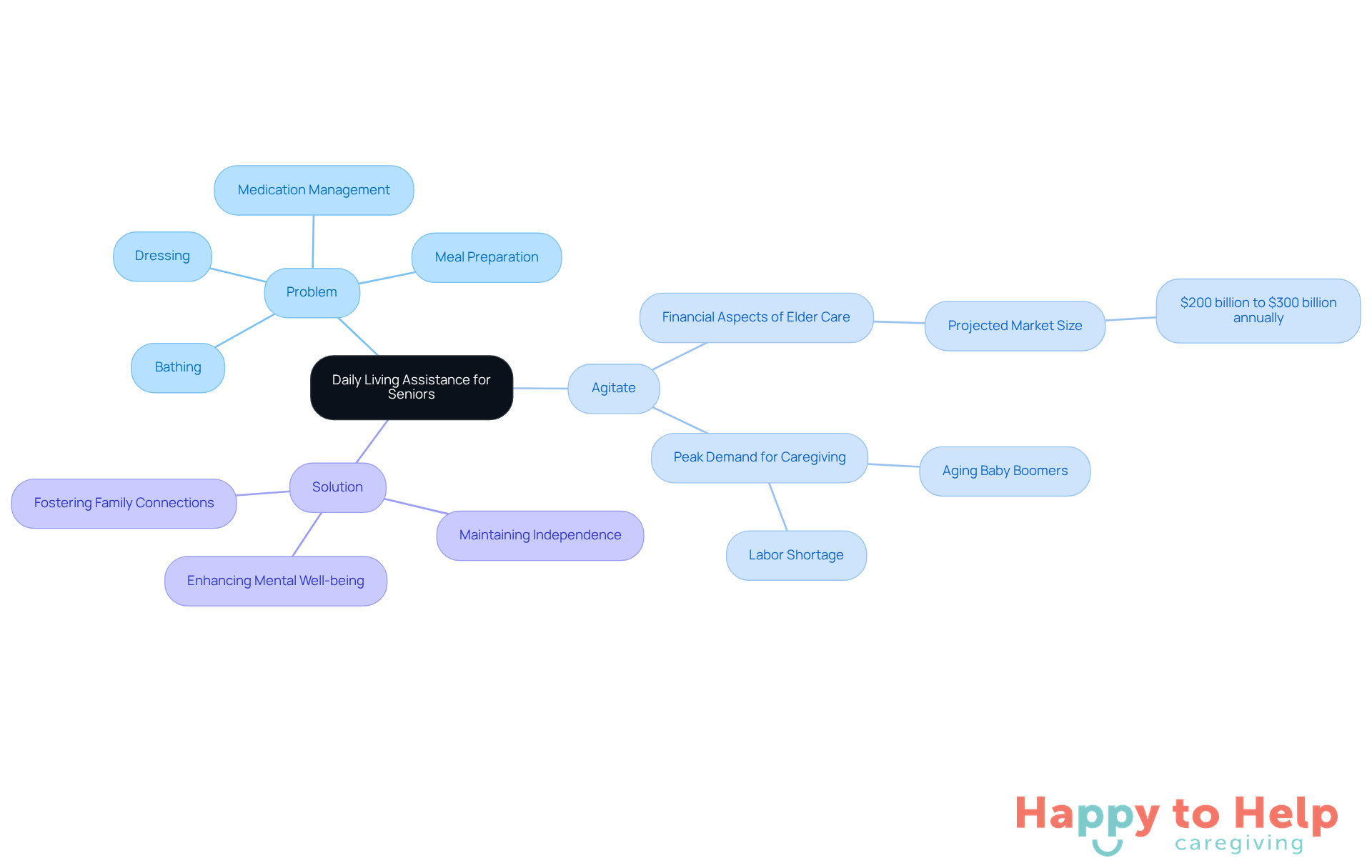
Problem: Many elderly individuals struggle with daily living tasks such as bathing, dressing, meal preparation, and medication management. This challenge can significantly impact their independence and quality of life.
Agitate: As the elder care sector is projected to reach $200 billion to $300 billion annually, the demand for effective caregiving solutions is more critical than ever. Caregivers often find that their role goes beyond just physical assistance; they also play a vital part in fostering emotional well-being. Jonathan Gruber, an economist, highlights that we are entering a peak demand period for aging baby boomers, underscoring the urgent need for comprehensive caregiving support.
Solution: Daily living assistance is essential for preserving independence among older adults. By facilitating these necessary tasks, caregivers empower elderly individuals to focus on what truly matters - spending time with family, pursuing hobbies, or simply enjoying their surroundings. This support not only helps maintain autonomy but also significantly enhances mental and emotional well-being.
Ultimately, the impact of daily living assistance on elderly independence is profound. It allows clients to lead fulfilling lives in the comfort of their homes while receiving the compassionate support they need to navigate the challenges of aging.
Emotional Support: Enhancing Mental Well-Being for Seniors
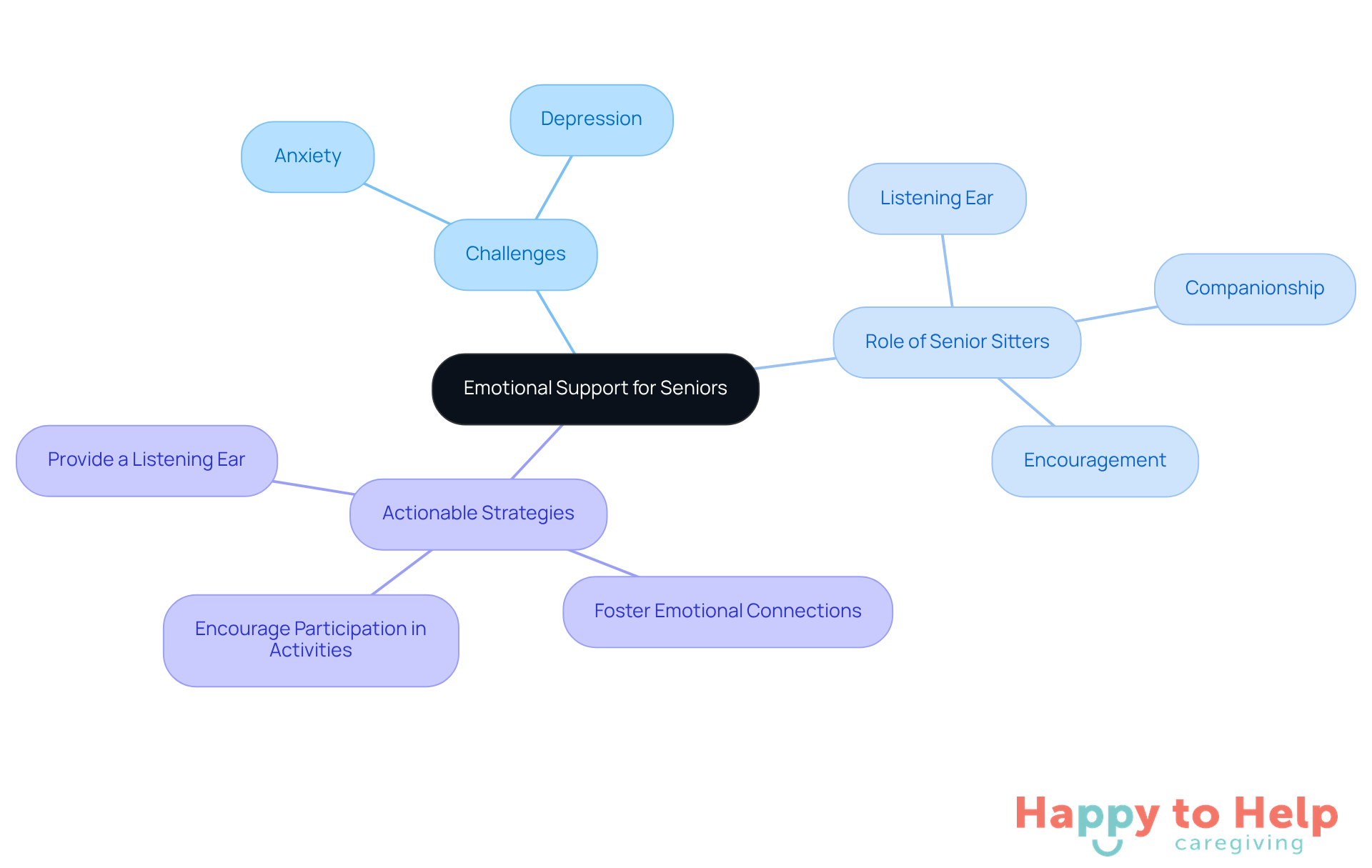
Emotional challenges are a significant issue for older adults, often leading to feelings of anxiety and depression. As they navigate the complexities of aging, the lack of emotional support can exacerbate these feelings, resulting in a diminished quality of life.
Senior sitters near me play a vital role in addressing this problem by providing companionship, a listening ear, and encouragement. Research shows that strong emotional connections can significantly reduce anxiety and depression, fostering a more positive outlook on life. By creating a supportive environment, caregivers not only alleviate loneliness but also promote resilience, making it easier for older adults to seek a senior sitter near me to cope better with life's transitions.
To effectively support older adults, caregivers can implement several actionable strategies:
- Foster Emotional Connections: Spend quality time with older adults, engaging in meaningful conversations.
- Encourage Participation in Activities: Help them stay active and involved in social events to combat loneliness.
- Provide a Listening Ear: Be available to listen to their concerns and feelings, validating their experiences.
This comprehensive approach to emotional assistance highlights its significance in sustaining mental health, ultimately resulting in an enhanced quality of life for elderly clients who may benefit from a senior sitter near me.
Tailored Care Plans: Customizing Support for Individual Needs
Customized support plans are crucial for effective in-home assistance, serving as a personalized guide for each elder's wellness journey. The problem arises when these plans are not tailored to individual needs, leading to a lack of proper support and diminished quality of life for older adults. Studies indicate that individualized assistance significantly enhances the well-being of seniors, allowing them to maintain their independence while receiving necessary care.
These plans are developed through comprehensive assessments that take into account health conditions, lifestyle preferences, and daily routines. For instance, customized care addresses not only medical needs - like medication reminders and nurse visits - but also includes activities that foster mental and physical health, such as light exercises and hobbies. The implications of neglecting personalized care can be severe, often resulting in feelings of loneliness and anxiety among seniors.
The significance of these customized plans cannot be overstated; they promote dignity and independence, ensuring that older adults feel respected and valued. Caregivers are trained to engage clients in meaningful activities, which helps alleviate feelings of isolation. As one caregiving expert noted, "A personalized plan focuses on the individual's unique health, lifestyle, and habits," steering clear of a one-size-fits-all approach.
Examples of tailored assistance in in-home caregiving include:
- Help with daily living activities
- Companionship
- Emotional support
All aimed at enhancing the quality of life for elderly individuals. Regular evaluations of treatment plans are essential to adapt to any changes in health or daily needs, ensuring that the support provided remains relevant and effective.
Ultimately, personalized support plans not only boost the overall happiness and well-being of elderly individuals but also strengthen the bond between providers and clients, fostering a nurturing environment where older adults can thrive. To begin developing or assessing a customized support plan, family supporters should engage in open discussions with their loved ones about their preferences and needs, ensuring that the plan reflects their unique situations.
Social Engagement: Promoting Interaction and Connection
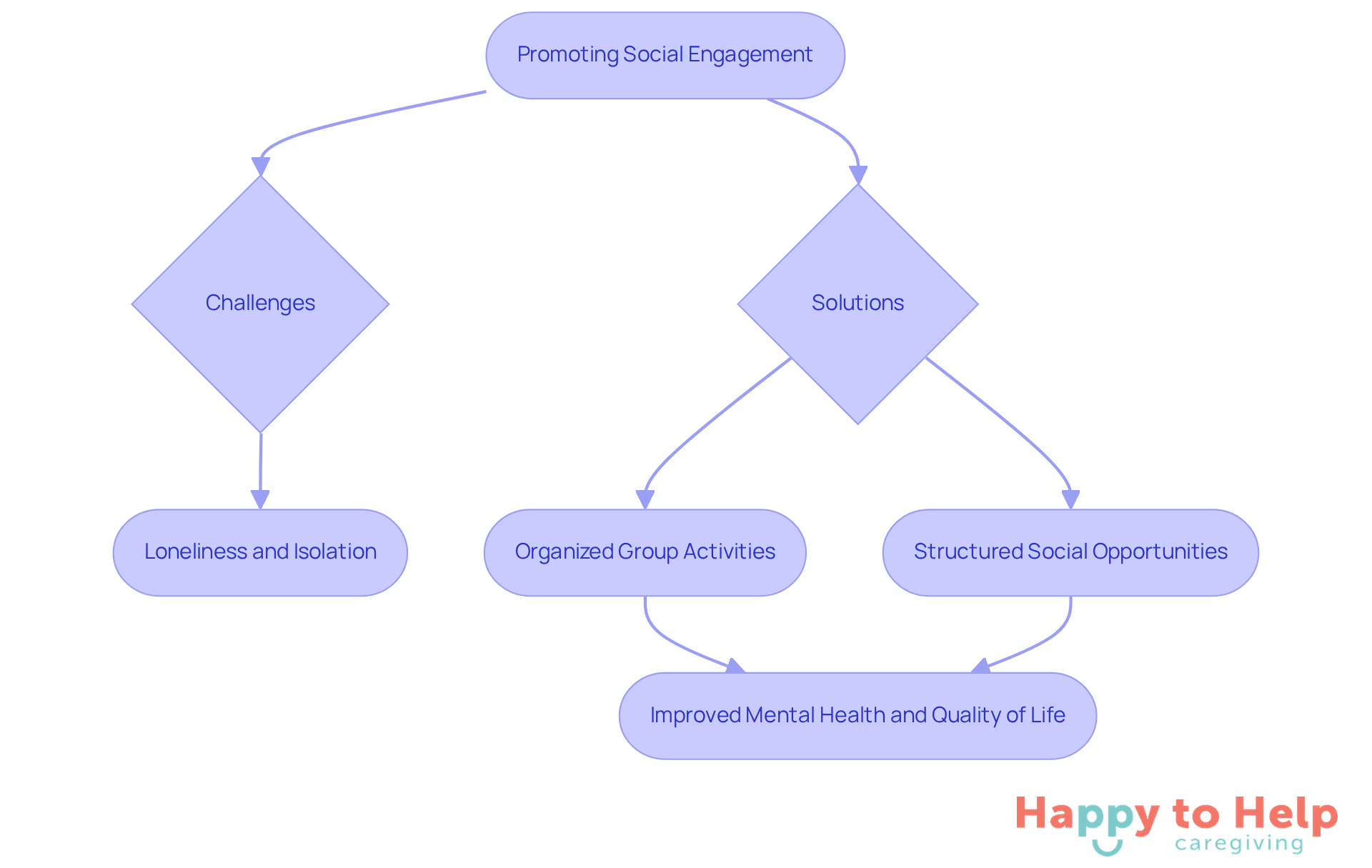
Social engagement poses a significant challenge for older adults, often leading to feelings of loneliness and isolation. Caregivers play a crucial role in addressing this issue by actively promoting participation in various social activities, such as community events, hobbies, and quality time with family and friends. The implications of low social engagement are profound; research shows that high social engagement is linked to a 42% lower mortality risk compared to low engagement. This statistic underscores the importance of fostering connections to enhance mental health and overall well-being.
To combat loneliness, caregivers can implement several practical solutions:
- Organized group activities in long-term support environments have proven effective in significantly enhancing social participation.
- As Kenneth Lam, MD, points out, "Facilities provide structured social opportunities that residents may have struggled to access when they were living at home."
By prioritizing social interaction, caregivers not only enrich the lives of older adults but also contribute to their mental well-being and quality of life.
In summary, fostering social engagement is essential for older adults. Caregivers can make a meaningful impact by creating opportunities for interaction, ultimately leading to improved mental health and a stronger sense of belonging.
Respite Care: Offering Relief for Family Caregivers
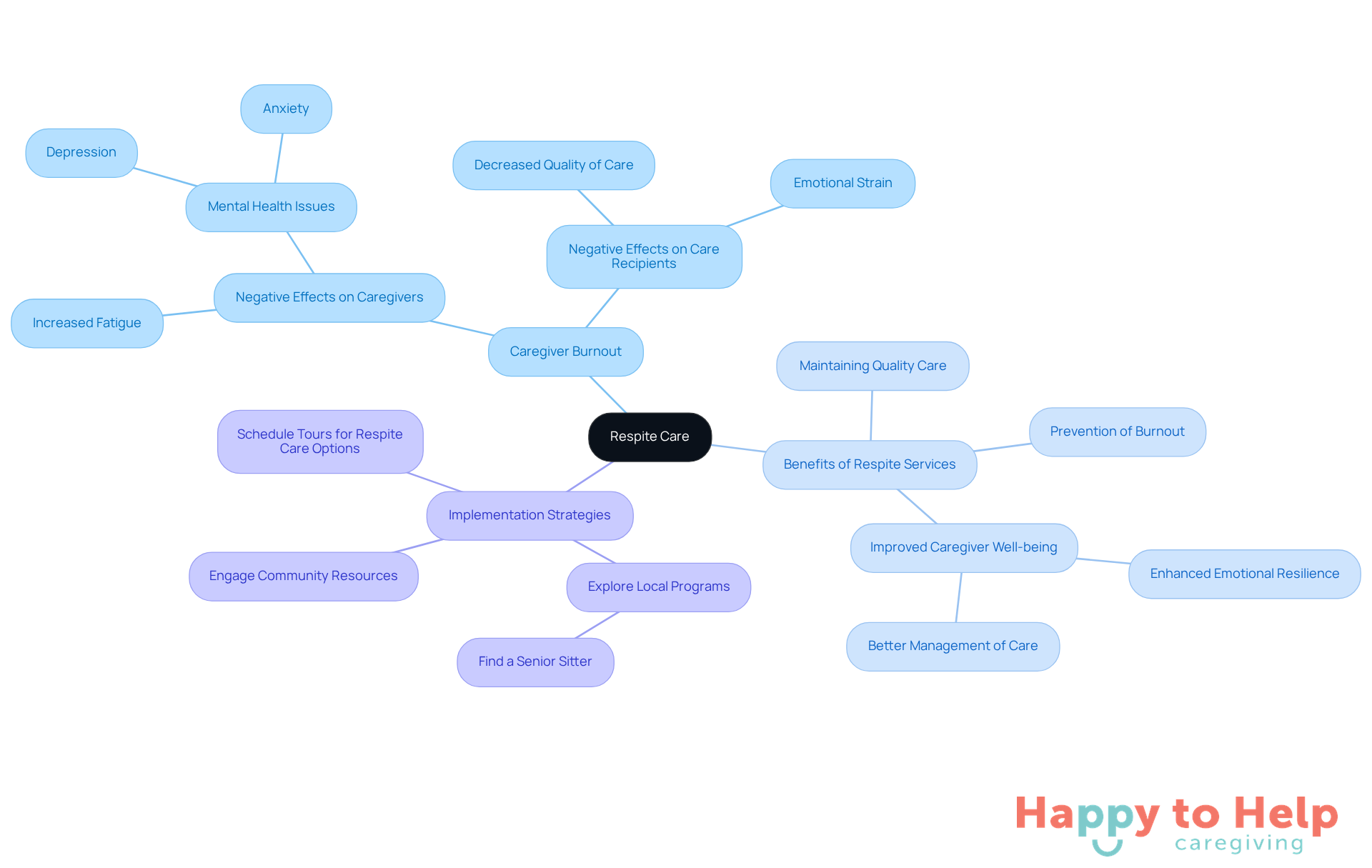
Caregiver burnout is a significant issue that affects many family providers. When caregivers become overwhelmed, it can lead to negative consequences for both themselves and the elderly individuals they care for. This situation highlights the need for effective support systems.
Respite services offer a vital solution by providing temporary assistance, allowing caregivers to take necessary breaks. This support not only helps prevent burnout but also ensures that loved ones continue to receive quality care. By maintaining a healthy balance in caregiving relationships, respite care plays a crucial role in sustaining the well-being of both caregivers and those they assist.
To implement respite services effectively, caregivers can explore local programs, such as finding a senior sitter near me, that offer flexible options tailored to their needs. Engaging with community resources can provide the necessary relief and support, ultimately enhancing the caregiving experience.
Post-Hospital Recovery: Supporting Healing at Home
Post-hospital recovery assistance presents a significant challenge for older adults, and finding a senior sitter near me can be crucial for their transition back home after a hospital stay. Many elderly individuals face difficulties in managing their medications, and a senior sitter near me can assist them in maintaining mobility and performing daily living activities. This situation can lead to increased stress and hinder their recovery process.
Senior sitters near me play a crucial role in addressing these challenges. As a senior sitter near me, they provide essential support by managing medications, assisting with mobility, and helping with daily tasks. This assistance not only promotes physical recovery but also offers emotional reassurance during a potentially overwhelming time.
To effectively support older adults during this transition, caregivers can implement several practical strategies:
- Medication Management: Ensure that medications are organized and taken as prescribed.
- Mobility Assistance: Help with walking or transferring to prevent falls and injuries.
- Daily Living Activities: Assist with tasks such as bathing, dressing, and meal preparation.
By focusing on these areas, caregivers can significantly enhance the recovery experience for older adults, fostering both physical healing and emotional well-being.
Technology Integration: Enhancing Caregiver Communication and Efficiency
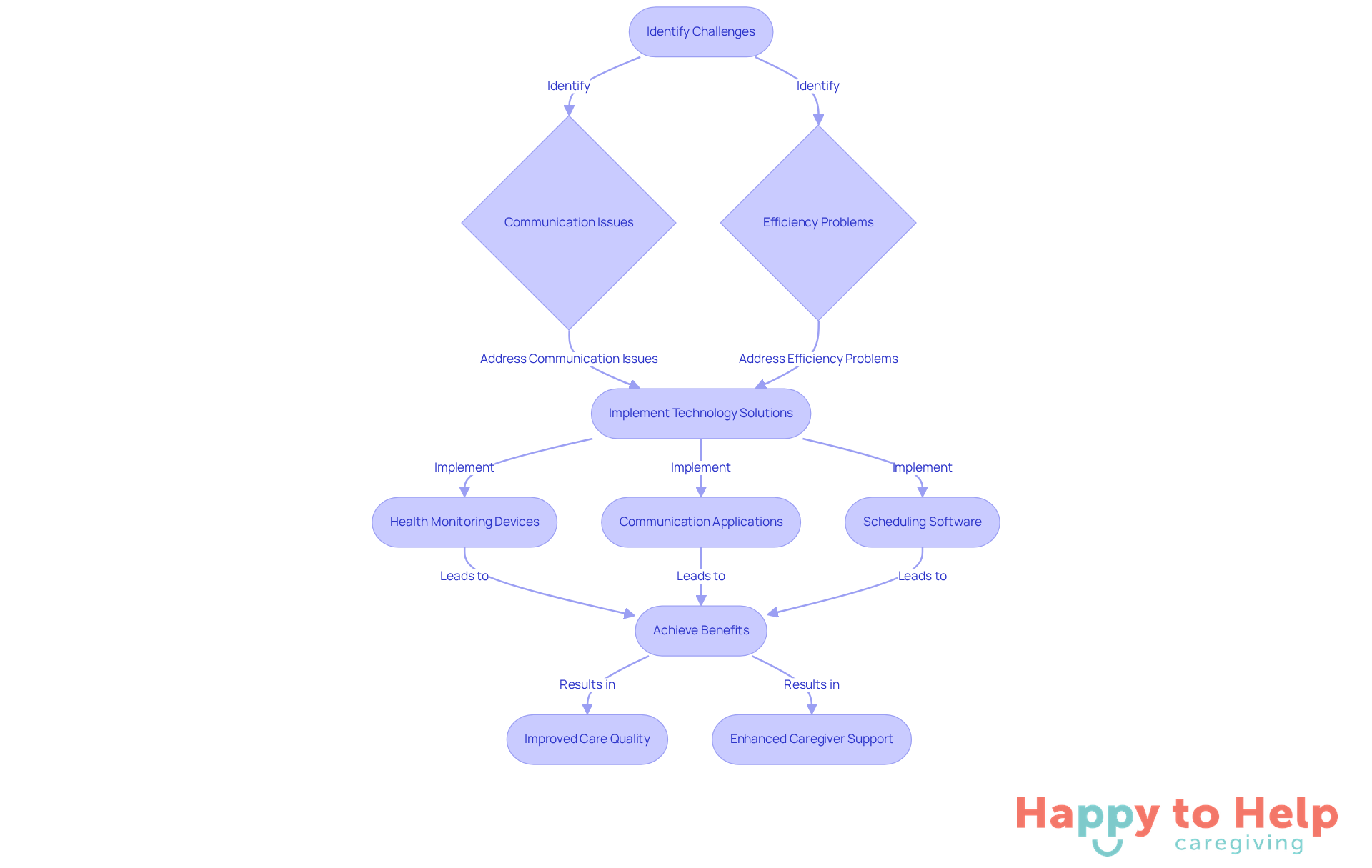
Caregivers often face significant challenges in communication and efficiency, which can hinder their ability to provide the best support for seniors. These issues not only create stress for caregivers but also impact the quality of care that seniors receive. Without effective tools, caregivers may find themselves overwhelmed by administrative tasks, leaving less time for personal interactions that are crucial for building trust and rapport.
To address these challenges, technology integration in caregiving emerges as a powerful solution. Tools such as health monitoring devices, communication applications, and scheduling software can significantly enhance the coordination of support. By streamlining administrative duties, caregivers can focus more on what truly matters: connecting with their clients on a personal level.
Implementing these technological solutions not only improves the quality of care but also fosters a more connected and responsive caregiving environment. Caregivers can benefit from using these tools to manage their responsibilities more effectively, especially when looking for a senior sitter near me to ensure they provide the best possible assistance to seniors.
Moving Forward with Choose a Senior Sitter Near Me
Choosing a senior sitter near you addresses a significant problem: the complex challenges families face in caring for elderly loved ones. Many families struggle with ensuring their seniors receive the necessary care and companionship, which can lead to feelings of isolation and stress for both the elderly and their caregivers.
The implications of this issue are profound. Seniors often experience loneliness, which can negatively impact their mental and physical health. Additionally, families may feel overwhelmed by the demands of caregiving, leading to burnout. This is where the solution of hiring a senior sitter becomes invaluable. Personalized in-home support not only enhances the quality of life for seniors but also allows them to maintain their independence while receiving the care they need.
By hiring a senior sitter, families can provide:
- Companionship care that alleviates loneliness
- Safety monitoring to create secure environments
- Daily living assistance that supports independence
- Emotional support
- Tailored care plans
- Social engagement
These are vital components that contribute to the overall well-being of older adults. Furthermore, the integration of technology in caregiving enhances communication and efficiency, ensuring seniors receive the best possible assistance.
In light of these insights, families must recognize the profound impact that senior sitters can have on their loved ones' lives. Embracing this option not only provides relief and support but also fosters a nurturing environment where elderly individuals can thrive. By prioritizing personalized care and companionship, families can significantly improve the quality of life for their seniors, promoting dignity, independence, and happiness in their golden years.
https://iframe.tely.ai/cta/eyJhcnRpY2xlX2lkIjogIjY5MjRmMWRhZWM0Y2FiOGU3NGVjMDBkMiIsICJjb21wYW55X2lkIjogIjY4ZWU1ZGNhNzMxNzYyNTU3ZjNjOTVjMSIsICJpbmRleCI6IG51bGwsICJ0eXBlIjogImFydGljbGUifQ==Frequently Asked Questions
What challenges do families face when caring for elderly loved ones?
Families often struggle with the emotional strain of ensuring their elderly relatives receive necessary support while maintaining their independence, which can lead to feelings of helplessness and concern about their well-being.
How does Happy to Help Caregiving support elderly individuals?
Happy to Help Caregiving offers personalized in-home assistance through senior sitters, enhancing the quality of life for clients by providing compassionate support in the comfort of their own homes.
What is the approach of Happy to Help Caregiving in providing care?
The agency utilizes tailored support plans that meet the specific requirements of each client, ensuring that elderly individuals feel secure and appreciated in their familiar environment.
What is the significance of companionship care for seniors?
Companionship care addresses the issue of isolation among elderly individuals, which can lead to increased feelings of loneliness and deteriorating mental health. It provides emotional support, fostering a sense of connection and belonging.
What are the statistics related to companionship support for seniors?
Studies show that 83% of elderly adults feel more comfortable sharing health information when accompanied by a caregiver, and 60% of individuals aged 65 and above experiencing severe loneliness report improvement when receiving companionship support.
Why is safety monitoring important in in-home caregiving?
Safety monitoring is crucial as older adults desire to live independently, but this can come with risks. Caregivers need to ensure a safe environment while promoting autonomy to prevent accidents.
What steps can caregivers take to ensure safety for elderly individuals at home?
Caregivers should conduct regular safety assessments that include identifying and addressing hazards, ensuring adequate lighting, and securing loose rugs. They can also assist with mobility to help older adults navigate their surroundings safely.
List of Sources
- Happy to Help Caregiving: Personalized In-Home Support for Seniors
- Comfort Keepers Offers Specialized Caregiving Services Tailored to Those Living With Alzheimer’s and Dementia - NewsBreak (https://newsbreak.com/news/4217230741662-comfort-keepers-offers-specialized-caregiving-services-tailored-to-those-living-with-alzheimer-s-and-dementia)
- Home Care Industry Trends to Watch in 2025 (https://firstlighthomecare.com/blog/home-care-industry-trends)
- In-Home Care for Seniors - Caregiving News and Tips (https://aarp.org/caregiving/home-care)
- Home-Based Care Companies Improve Outcomes By Training Family Caregivers (https://homehealthcarenews.com/2025/10/home-based-care-companies-improve-outcomes-by-training-family-caregivers)
- Trends and Innovations in Senior Care | Amada Blog (https://amadaseniorcare.com/2025/01/trends-and-innovations-in-senior-care)
- Companionship Care: Alleviating Loneliness for Seniors
- Why Home Care Providers Are Increasingly Offering Companion Care Services for Seniors | Aaniie, formerly Smartcare Software (https://aaniie.com/news/why-home-care-providers-are-increasingly-offering-companion-care-services-for-seniors)
- Companion Care Linked To Lower Health Care Costs, Positive Health Outcomes (https://homehealthcarenews.com/2022/11/companion-care-linked-to-lower-health-care-costs-positive-health-outcomes)
- Older adults find support through health care companions (https://news-medical.net/news/20250924/Older-adults-find-support-through-health-care-companions.aspx)
- 1 in 3 older adults still experience loneliness and isolation (https://michiganmedicine.org/health-lab/1-3-older-adults-still-experience-loneliness-and-isolation)
- Social connection linked to improved health and reduced risk of early death (https://who.int/news/item/30-06-2025-social-connection-linked-to-improved-heath-and-reduced-risk-of-early-death)
- Safety Monitoring: Ensuring a Secure Environment for Seniors
- As falling deaths rise for older adults, how home safety can make a difference (https://denver7.com/news/local-news/as-falling-deaths-rise-for-older-adults-how-home-safety-can-make-a-difference)
- Facts About Falls (https://cdc.gov/falls/data-research/facts-stats)
- Technology to Prevent Falls for Seniors (https://health.usnews.com/senior-care/articles/technology-to-prevent-falls-for-seniors)
- New guidance on electronic monitoring devices aims to balance resident safety, privacy (https://mcknightsseniorliving.com/news/new-guidance-on-electronic-monitoring-devices-aims-to-balance-resident-safety-privacy)
- Smart Surveillance Boosts Safety, Connection for Seniors Aging at Home (https://ltcnews.com/articles/smart-surveillance-boosts-safety-seniors-aging-at-home)
- Daily Living Assistance: Supporting Independence in Seniors
- Local Senior Thrives in Her Own Home (https://countynewscenter.com/local-senior-thrives-in-her-own-home)
- The senior population is booming. Caregiving is struggling to keep up (https://cnbc.com/2025/11/21/senior-caregiving-labor.html)
- seniors (https://calmatters.org/tag/seniors)
- Emotional Support: Enhancing Mental Well-Being for Seniors
- Humana Foundation commits $12 million for senior emotional health (https://philanthropynewsdigest.org/news/humana-foundation-commits-12-million-for-senior-emotional-health)
- It’s never too late: How older adults can restore optimal well-being, according to experts | CNN (https://cnn.com/2025/10/05/health/emotional-well-being-older-adults-wellness)
- Emotional support key to protecting older adults against depression (https://unsw.edu.au/news/2025/09/neighbourhoods-may-hold-key-slowing-cognitive-decline)
- The Impact of Emotional Support on Senior Mental Health (https://humancareny.com/blog/the-impact-of-emotional-support-on-senior-mental-health)
- For seniors dealing with social isolation, NYC programs provide intergenerational events (https://cbsnews.com/newyork/news/cost-of-caregiving-the-life-story-club-nyc-friendly-visiting-program)
- Tailored Care Plans: Customizing Support for Individual Needs
- Importance of Personalized Senior Home Care in Burlington NC (https://wisdomseniorcare.com/the-importance-of-personalized-care-plans-for-seniors)
- Older adults prioritize social activities, inclusiveness in massive survey assessing what matters most to them (https://mcknights.com/news/older-adults-prioritize-social-activities-inclusiveness-in-massive-survey-assessing-what-matters-most-to-them)
- Customized Care at Home: The Benefits of Personalized Care Plans - VNA Health Group (https://vnahg.org/customized-care-at-home-the-benefits-of-personalized-care-plans)
- The Importance of Personalized Care in Senior Living (https://elderberryhealthcare.com/the-importance-of-personalized-care-in-senior-living)
- The Importance of Personalized In-Home Care Services for Seniors - (https://homecare-aid.com/the-importance-of-personalized-in-home-care-services-for-seniors)
- Social Engagement: Promoting Interaction and Connection
- Seniors who use technology more socially engaged, study finds (https://mcknights.com/news/seniors-who-use-technology-more-socially-engaged-study-finds)
- Social engagement helps older adults feel younger, live longer: study (https://mcknightsseniorliving.com/news/social-engagement-helps-older-adults-feel-younger-live-longer-study)
- Social engagement linked to longer lifespan in older adults (https://news-medical.net/news/20250522/Social-engagement-linked-to-longer-lifespan-in-older-adults.aspx)
- Want To Live Longer? Stay Sociable, Study Says (https://usnews.com/news/health-news/articles/2025-05-23/want-to-live-longer-stay-sociable-study-says)
- Residential Care Increases Social Participation But Gaps Remain (https://news.cuanschutz.edu/news-stories/residential-care-increases-social-participation-but-gaps-remain)
- Respite Care: Offering Relief for Family Caregivers
- Improving Support for Family Caregivers (https://nationalacademies.org/news/2025/07/improving-support-for-family-caregivers)
- News & Updates | ARCH National Respite Network & Resource Center (https://archrespite.org/news)
- Federal budget committee greenlights millions in spending for family caregivers, respite services (https://mcknightshomecare.com/news/federal-budget-committee-greenlights-millions-in-spending-for-family-caregivers-respite-services)
- Caregivers and the Importance of Respite Care (https://benedictineliving.org/resources/news/caregivers-and-the-importance-of-respite-care)
- News & Success Stories | Live Well San Diego (https://livewellsd.org/Home/Components/News/News/513/153)
- Post-Hospital Recovery: Supporting Healing at Home
- Study shows home health care may benefit COVID-19 patients after hospital discharge (https://mcknightsseniorliving.com/news/study-shows-home-health-care-may-benefit-covid-19-patients-after-hospital-discharge)
- Understanding Post-Hospital Care: A Key to Successful Aging in Place for Seniors - Caretech (https://caretechinc.com/understanding-post-hospital-care-a-key-to-successful-aging-in-place-for-seniors)
- Smart Homes and Post-Hospital Care: Supporting Seniors Aging in Place (https://hcprosonline.com/smart-homes-and-post-hospital-care-supporting-seniors-aging-in-place)
- Post-hospital therapy crucial for COVID-19 patients, medical expert says (https://mcknightshomecare.com/news/post-hospital-therapy-crucial-for-covid-19-patients-medical-expert-says)
- Post-Hospital Care for Seniors Supports Healing (https://picseniorcare.com/how-post-hospital-care-for-seniors-makes-recovery-easier)
- Technology Integration: Enhancing Caregiver Communication and Efficiency
- Inside the AI Companies Reshaping Caregiving for America’s 63 Million Caregivers (https://tech.yahoo.com/ai/meta-ai/articles/inside-ai-companies-reshaping-caregiving-173906213.html)
- How AI Could Change Family Caregiving (https://aarp.org/caregiving/basics/how-ai-can-help-caregivers)
- 6 Tech Tools Transforming Caregiving for Aging Loved Ones (https://ltcnews.com/articles/tech-tools-transforming-caregiving-aging-loved-ones)
- Building a lifeline for family caregivers across the US (https://news.mit.edu/2025/ianacare-builds-lifeline-for-family-caregivers-across-us-0811)
- HHS Launches New Caregiving AI Initiative to 'Spark Innovative Support' (https://hospicenews.com/2025/11/18/hhs-launches-new-caregiving-ai-initiative-to-spark-innovative-support)