Why Choose In-Home Care Near Me Matters
Many seniors yearn to maintain their independence at home, but this desire often comes with significant challenges. Families navigating the complexities of caregiving frequently find themselves questioning how to ensure their loved ones receive the care they deserve. This situation can lead to stress and uncertainty, impacting both the caregiver and the senior.
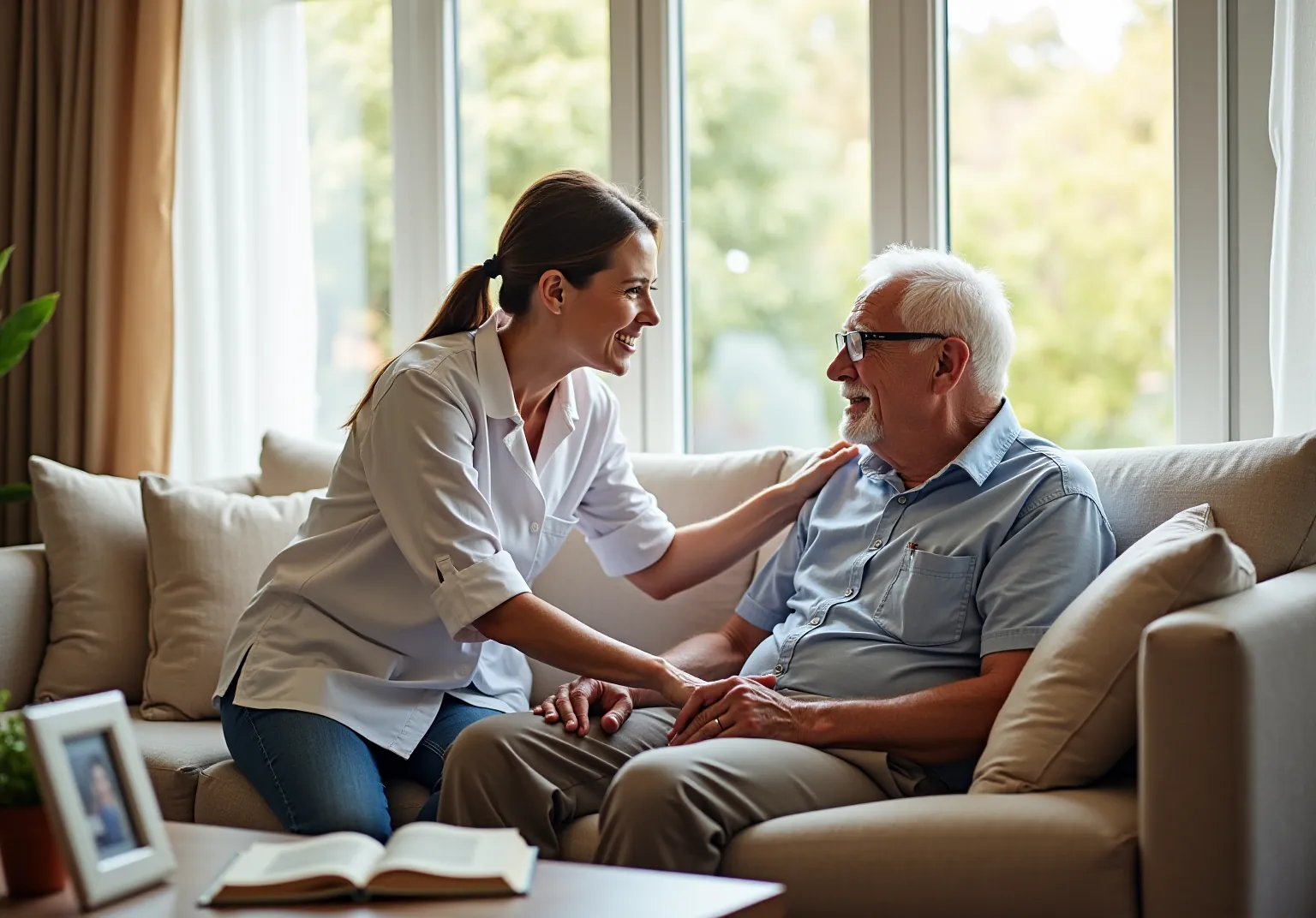
Personalized in-home care emerges as a compelling solution. It not only addresses the unique needs of elderly individuals but also enhances their emotional well-being and overall quality of life. By opting for tailored support, families can alleviate some of the burdens of caregiving while ensuring their loved ones thrive in a familiar environment.
In-home care can transform the lives of both seniors and their families. It provides the necessary assistance that allows seniors to live comfortably and independently, while also offering peace of mind to caregivers. Understanding the benefits of this approach is crucial for families seeking the best care options for their loved ones.
Happy to Help Caregiving: Personalized In-Home Care for Your Loved Ones
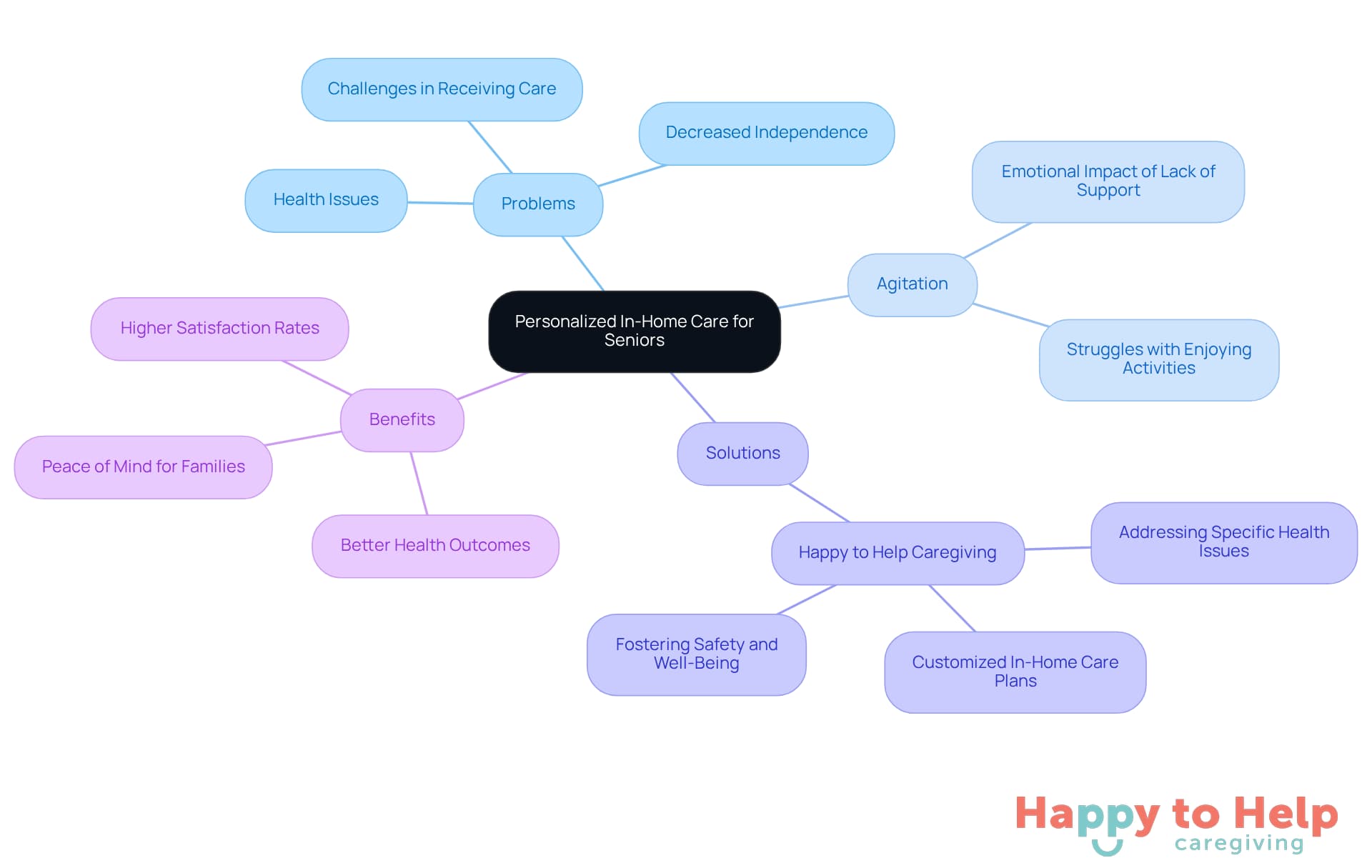
Problem: Many seniors face challenges in receiving personalized care that meets their unique needs. This lack of tailored support can lead to decreased independence and comfort in their own homes.
Agitate: Without individualized assistance, seniors may struggle with health issues and miss out on activities they enjoy, impacting their emotional well-being. Research indicates that seniors receiving personalized support report higher satisfaction and better health outcomes. In fact, 77% of adults over 50 wish to age in place, highlighting the urgent need for effective support strategies.
Happy to Help Caregiving excels in providing customized in-home care near me that is tailored to each individual's requirements. By creating personalized support strategies, caregivers can effectively address specific health issues, preferences, and lifestyle choices, fostering a sense of safety and well-being for both seniors and their families. As one caregiver noted, "Personalization aims to zero in on the unique needs and preferences of each patient."
The advantages of personalized support plans are numerous. They ensure that both medical and non-medical needs are met while promoting emotional well-being. This comprehensive approach is vital, especially as Florida anticipates that over 20% of its population will be 65 and older by 2025.
In summary, the commitment to individualized assistance at Happy to Help Caregiving not only enhances the quality of life for seniors but also provides families with peace of mind, knowing their loved ones receive the best possible support tailored to their specific needs.
Emotional Support: Alleviating Loneliness Through Companionship Care
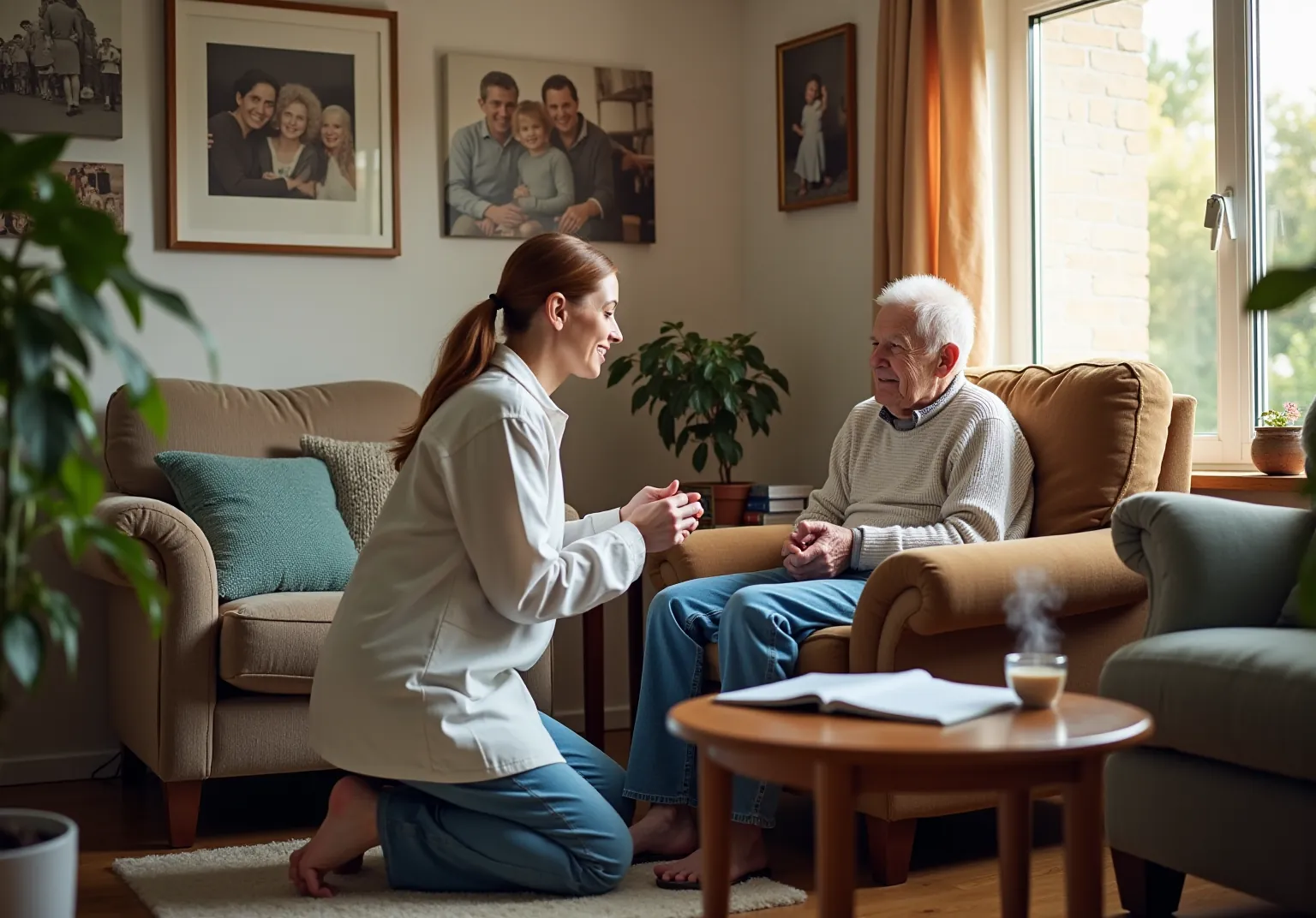
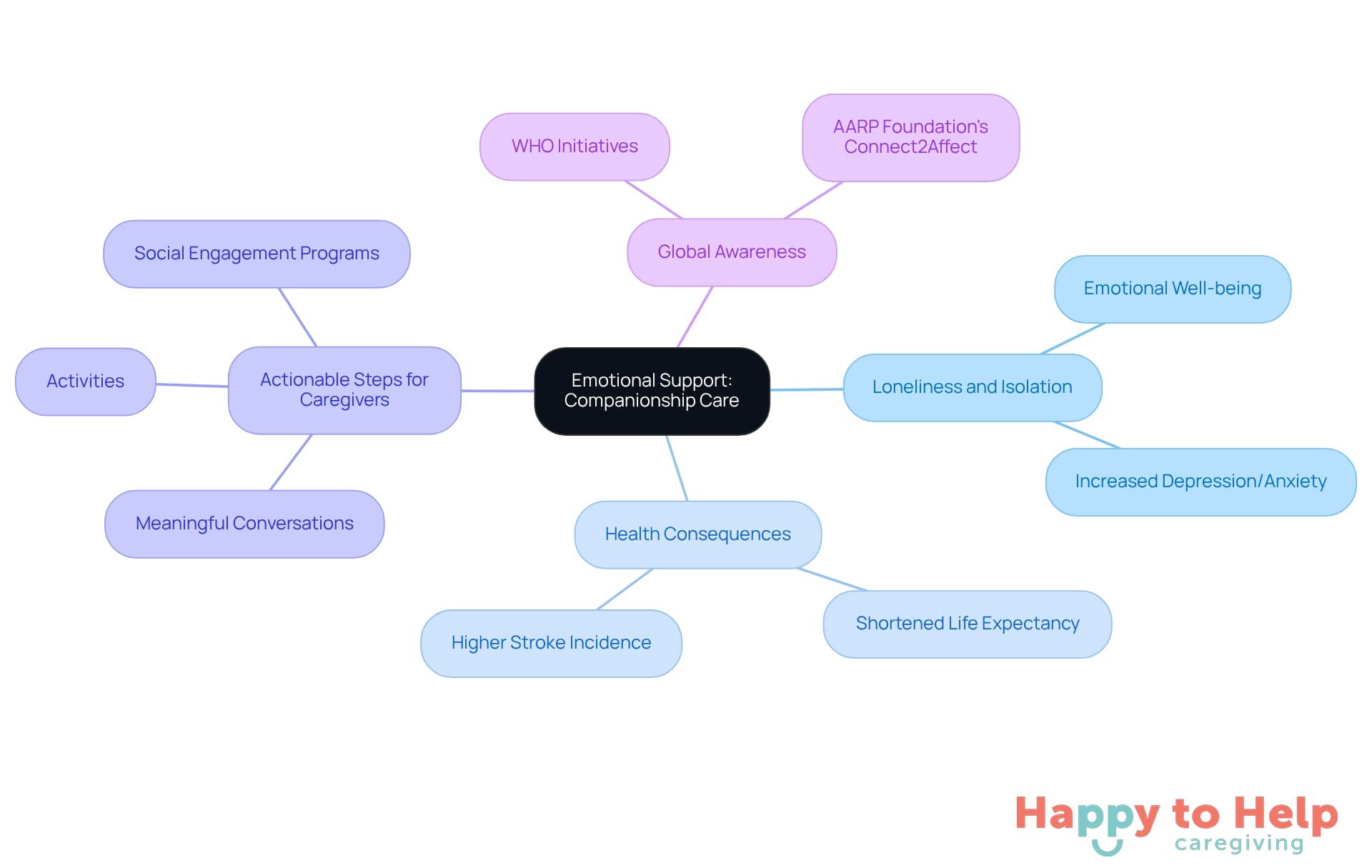
Companionship care addresses a significant problem: the loneliness and isolation many seniors face. This pervasive issue not only affects their emotional well-being but can also lead to serious health consequences. Studies indicate that older adults experiencing chronic loneliness may suffer from increased levels of depression and anxiety, which can shorten life expectancy even more than obesity or inactivity.
The implications of loneliness are profound. According to the National Poll on Healthy Aging, the emotional support provided through companionship can ease feelings of isolation. Yenee Soh, a research associate in the Department of Social and Behavioral Sciences, emphasizes that loneliness may even contribute to higher stroke incidence, highlighting the urgent need for effective solutions.
Fortunately, there are actionable steps caregivers can take. Engaging seniors in meaningful conversations, activities, and hobbies fosters social interaction and emotional connections. Programs designed to promote social engagement have shown success in reducing loneliness and enhancing mental well-being. By prioritizing companionship support, families can help their loved ones maintain dignity and connection, leading to healthier, happier lives.
The growing demand for in-home care near me reflects an increasing awareness of loneliness among seniors. Additionally, the WHO's resolution on social connection, adopted in May 2025, urges Member States to promote positive social connections for mental and physical health, underscoring the global recognition of this critical issue.
Convenience: Tailored Care Plans for Complex Needs
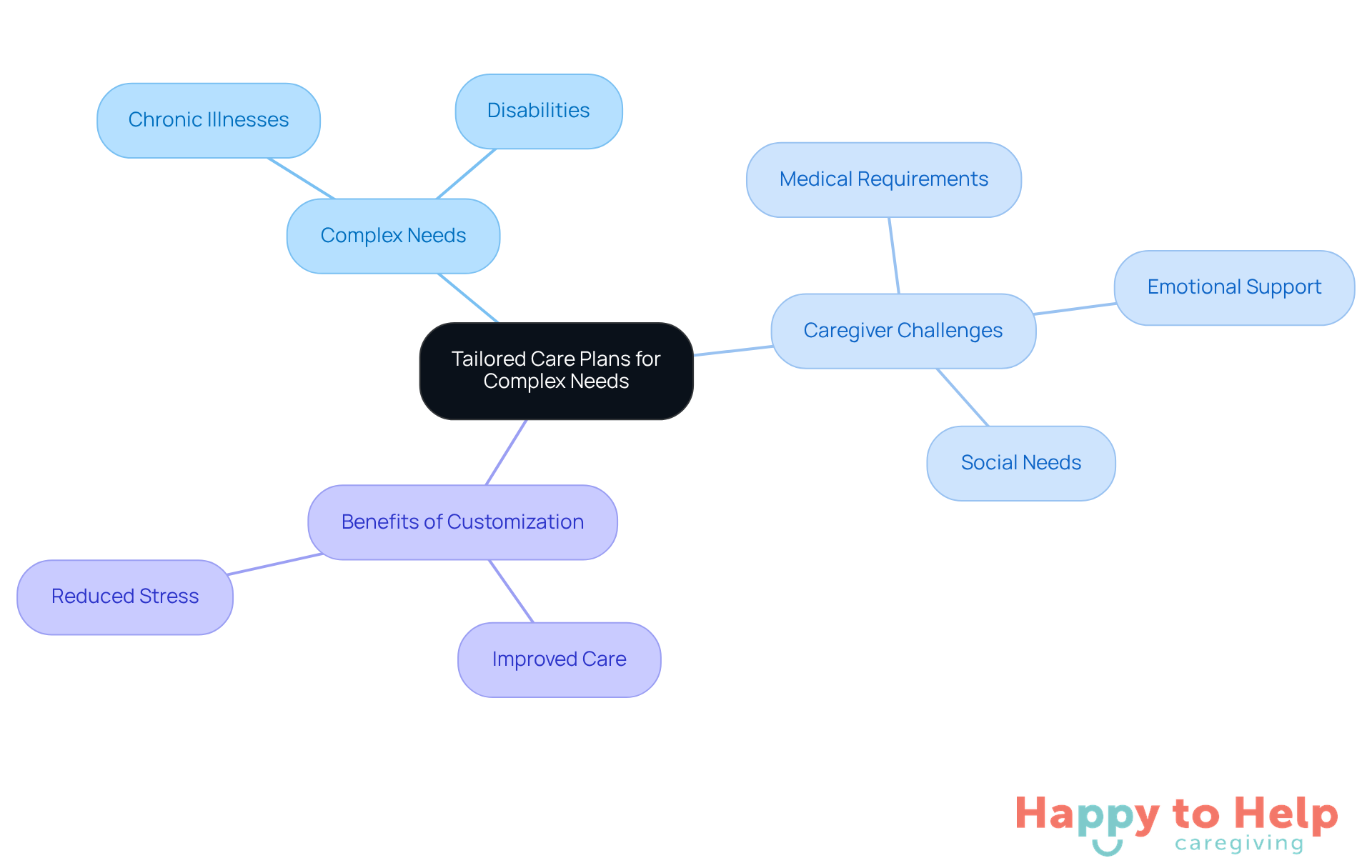
In-home care near me often addresses a significant problem: the complex needs of individuals, particularly those with chronic illnesses or disabilities. These challenges can lead to overwhelming situations for caregivers, who must navigate various medical, emotional, and social requirements.
To tackle these issues effectively, customized plans are essential. These plans are developed through thorough assessments and consultations with family members, ensuring that all needs are met. By focusing on individual circumstances, caregivers can provide targeted assistance that enhances the overall efficiency of support.
Implementing these tailored strategies not only improves care but also alleviates the stress on caregivers. By understanding the unique needs of each individual, caregivers can offer more effective and compassionate support.
Flexibility: 24/7 Availability and Customized Scheduling
Adaptability is a critical challenge in the context of in-home care near me. Families often struggle with rigid caregiving schedules that don’t align with their loved ones' routines. This inflexibility can lead to increased stress and dissatisfaction among family members, as they may feel they cannot provide the best care for their loved ones.
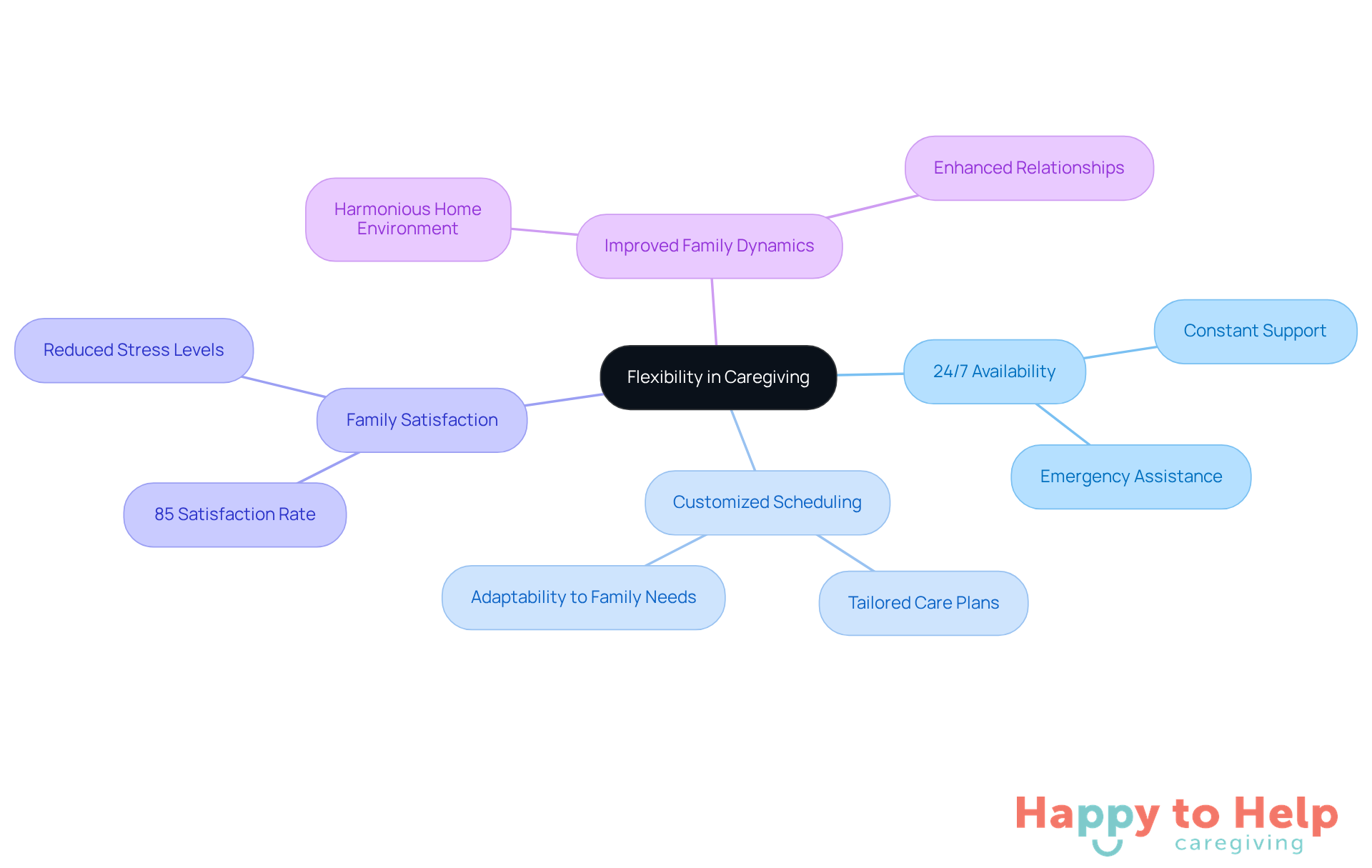
Research shows that families report higher satisfaction levels when they can customize caregiving schedules. For example, a study found that 85% of families felt more at ease knowing caregivers were available during evenings or weekends. This flexibility allows families to maintain their own routines while ensuring their loved ones receive the care they need.
Happy to Help Caregiving addresses this issue with 24/7 availability, allowing families to find in-home care near me and tailor care schedules to fit their specific needs. This adaptability not only ensures assistance at crucial moments-whether during the day, night, or weekends-but also fosters a sense of security and comfort for families.
Moreover, customized scheduling can significantly improve family dynamics. Families have shared how accommodating the unique needs of each individual has reduced stress and created a more harmonious home environment. One family noted, "Having the flexibility to adjust support plans as circumstances change has made all the difference for us." This tailored approach enhances the quality of support and strengthens the relationship between caregivers and individuals, making the transition to in-home care near me smoother and more manageable.
Post-Hospital Recovery: Ensuring Safe Transitions at Home
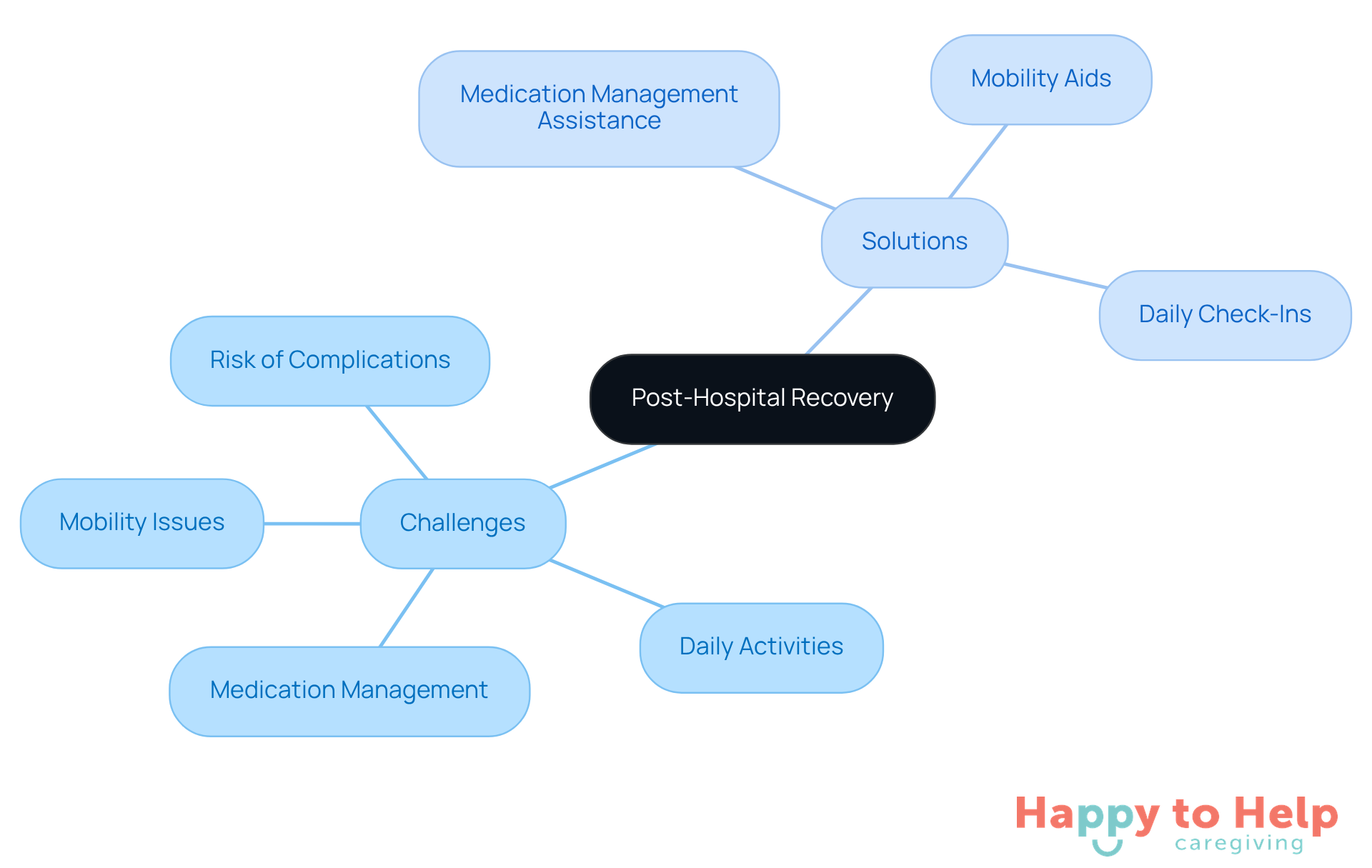
Post-hospital recovery can be daunting for many patients, especially seniors. The transition from hospital to home often presents significant challenges, including the risk of complications and readmissions. Without adequate support, patients may struggle to manage their medications, maintain mobility, and perform daily activities, which can hinder their recovery process.
The implications of inadequate in-home care near me are serious. Studies show that seniors receiving in-home care near me experience notably lower readmission rates. Effective medication management and regular check-ins are crucial in preventing complications. Additionally, fall rates are over four times greater in the initial two weeks following hospital discharge compared to three months later, underscoring the importance of support during this critical period.
To address these challenges, caregivers can implement several practical solutions:
- They should assist with medication management to ensure patients take their prescriptions correctly.
- Providing mobility aids can help patients navigate their home safely.
- Daily check-ins can also foster a supportive environment, allowing caregivers to monitor progress and address any concerns promptly.
By tackling the unique challenges encountered during recovery, caregivers play a vital role in facilitating a smoother healing process. This support not only promotes recovery but also enables patients to regain their independence and well-being in the comfort of their own homes.
Respite Care: Supporting Family Caregivers with Essential Breaks
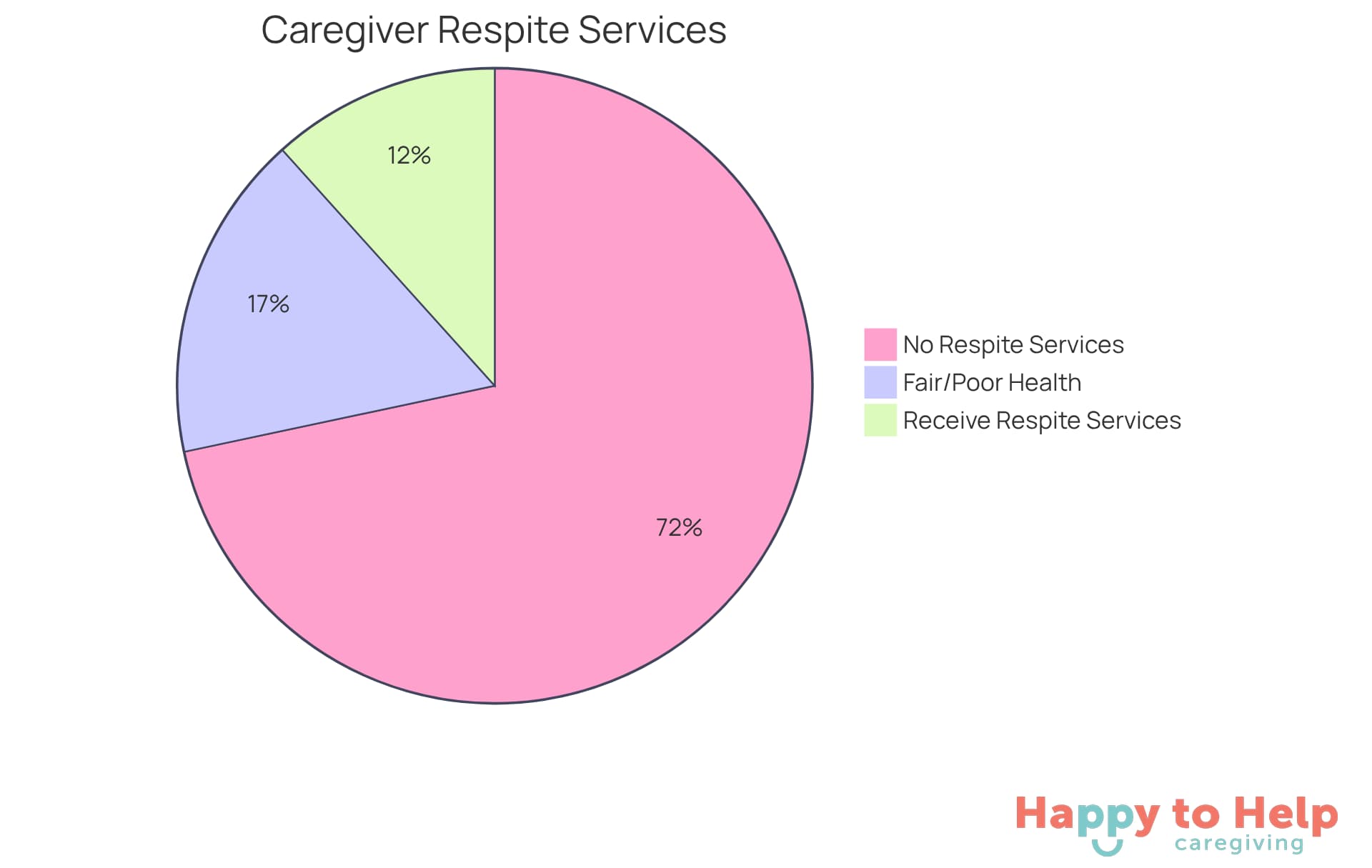
Respite support is a vital resource for family caregivers, addressing a significant problem: the overwhelming demands of caregiving. Many caregivers face exhaustion, which can lead to serious physical and emotional health issues. Alarmingly, data shows that 86% of individuals caring for an adult do not receive respite services, highlighting a critical gap in support.
The implications of this lack of respite are profound. Caregivers who do not take breaks often report higher stress levels and poorer overall well-being. In fact, one in five family helpers describe their health as fair or poor. This situation underscores the urgent need for effective respite services that can provide essential relief.
So, what can be done? Utilizing respite services can significantly alleviate the burdens of caregiving. When caregivers take time for themselves, they return rejuvenated and better equipped to provide compassionate support. As one provider noted, "Taking a break is not merely a luxury; it's essential for my well-being and my capacity to support my family." This statement encapsulates the importance of respite support in fostering a sustainable caregiving environment.
With family providers averaging 27 hours of unpaid assistance each week, the demand for resources and education on respite services is rising. By prioritizing their own well-being through respite care, caregivers can enhance their ability to care for their loved ones effectively.
Technology Integration: Enhancing Care with Modern Solutions
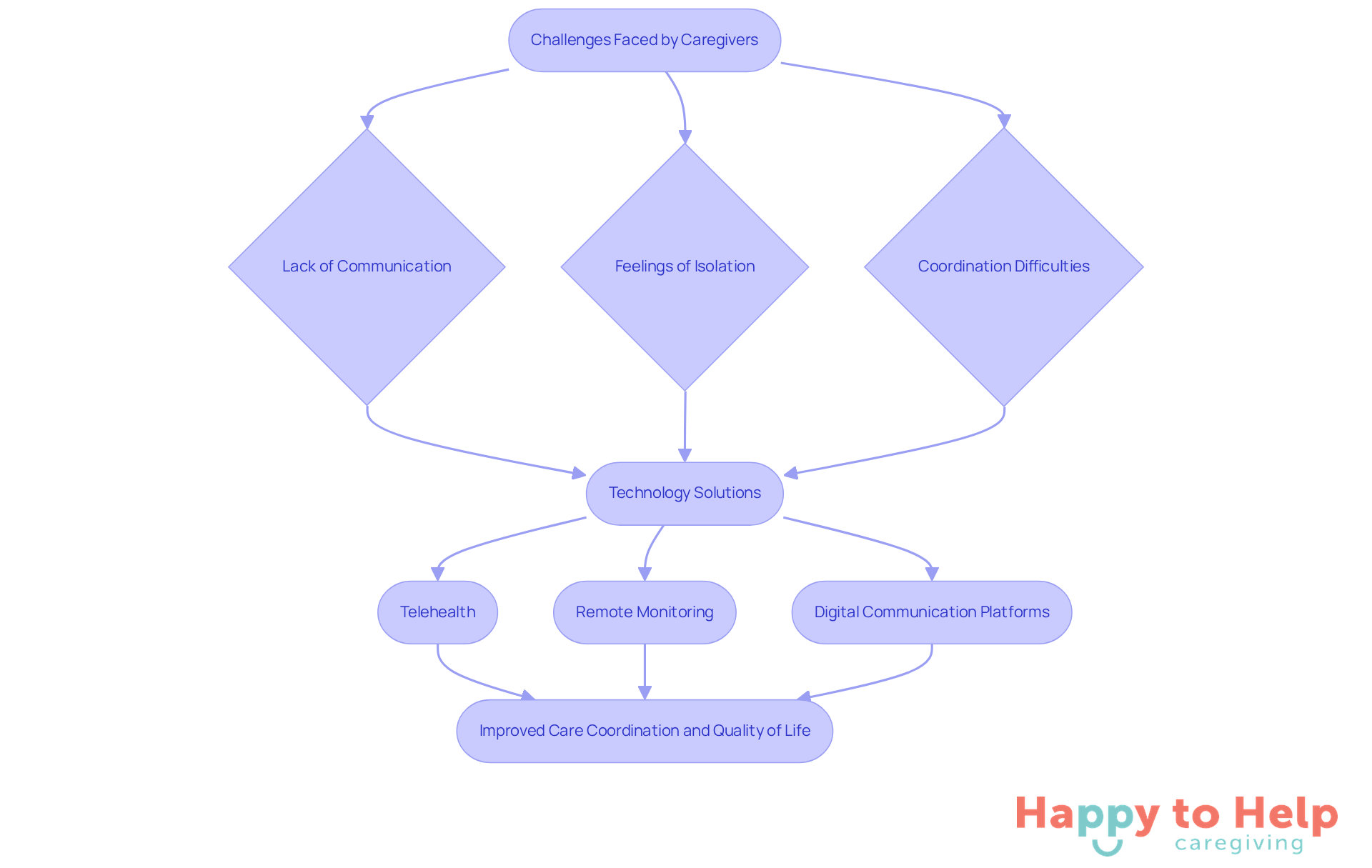
Caregivers often face the challenge of providing adequate support to their loved ones, which can lead to feelings of isolation and stress. This problem is compounded by the lack of timely communication between caregivers and family members, making it difficult to coordinate care effectively.
Fortunately, technology offers a solution. Happy to Help Caregiving leverages cutting-edge tools like telehealth, remote monitoring, and digital communication platforms. These innovations enable providers to give timely updates to family members, ensuring that individuals receive essential support. By improving the coordination of services, technology also reinforces the bond among clients, supporters, and families.
Telehealth, in particular, has transformed home services. It allows for faster access to healthcare providers, resulting in a remarkable 44% reduction in emergency room visits and overall expenses. As healthcare technology continues to evolve, caregivers can track health metrics in real-time through wearable devices and smart home systems. This capability enables them to deliver personalized support tailored to individual needs.
Moreover, seamless communication fosters a collaborative atmosphere. Families can stay informed and involved in their loved ones' care, ultimately enhancing the quality of life for those receiving in-home care near me. By embracing these technological advancements, caregivers can significantly improve their caregiving experience.
Veterans Assistance: Tailored In-Home Care for Unique Needs
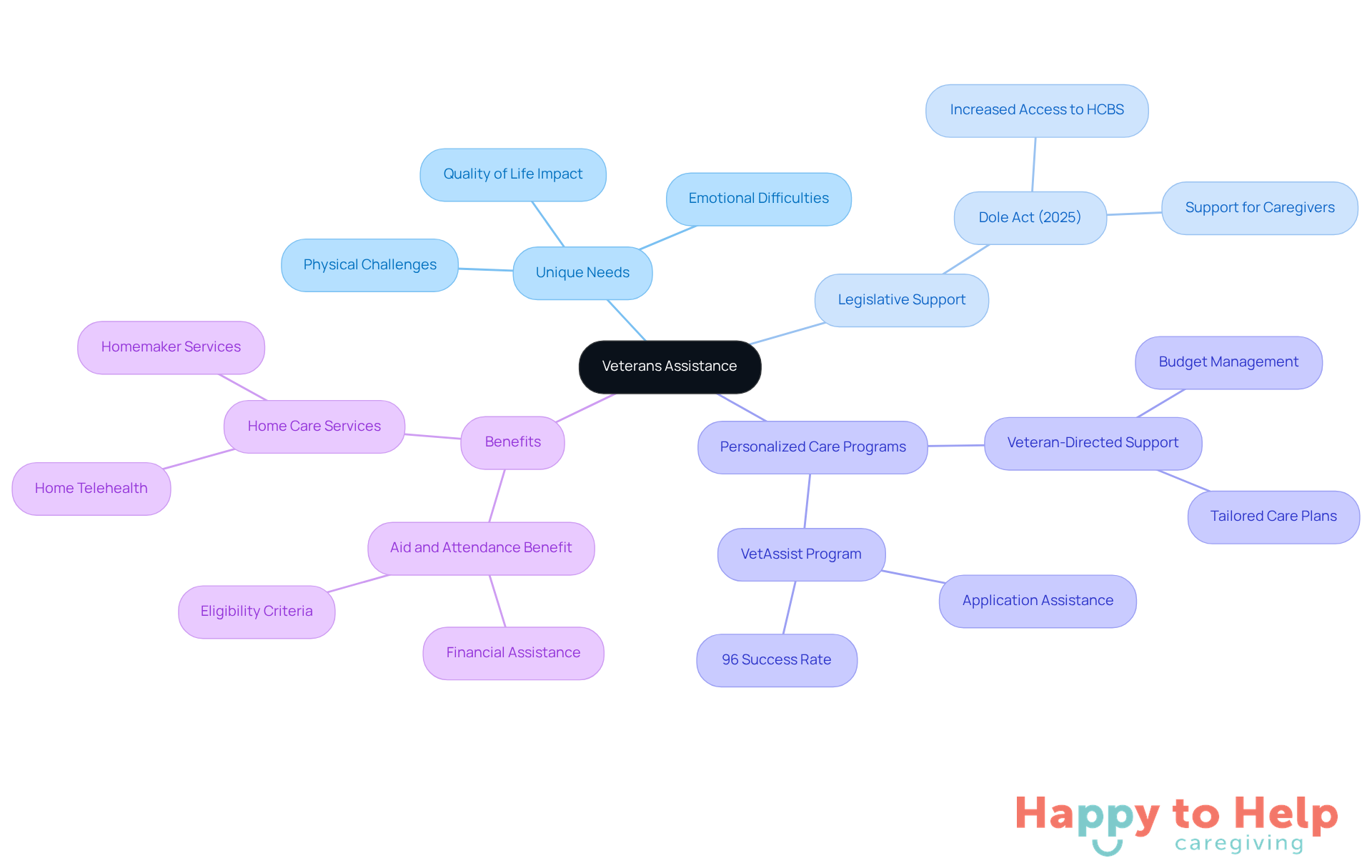
Veterans face unique support needs that require specialized attention. These challenges can significantly impact their quality of life, making it essential for caregivers to understand and address their distinct physical and emotional difficulties.
Happy to Help Caregiving provides personalized in-home care near me, specifically tailored for veterans. This approach effectively addresses their challenges, ensuring that clients receive the essential support needed to thrive in their homes while honoring their service. Recent legislative progress, such as the bipartisan Dole Act enacted on January 2, 2025, has broadened access to home- and community-based services for veterans. This legislation enables them to obtain assistance customized to their specific needs.
Programs like the Veteran-Directed Support initiative empower veterans to manage their own budgets, promoting independence and increasing satisfaction. Data indicates that customized in-home care near me significantly enhances the quality of life for veterans. For instance, 96% of clients in the VetAssist Program successfully acquire maximum benefits for help with daily living activities.
As Greg Bean, Vice President of Business Development for Paradigm, states, "This self-directed program enables Veterans to manage a personal budget and select the assistance that best suits their needs." Testimonials from veteran care specialists further underscore the effectiveness of personalized services. These approaches not only meet the physical needs of veterans but also provide essential emotional support, ultimately leading to better health outcomes and a greater sense of dignity.
Consistency: Building Trust with Familiar Caregivers
The Problem of Inconsistent Support
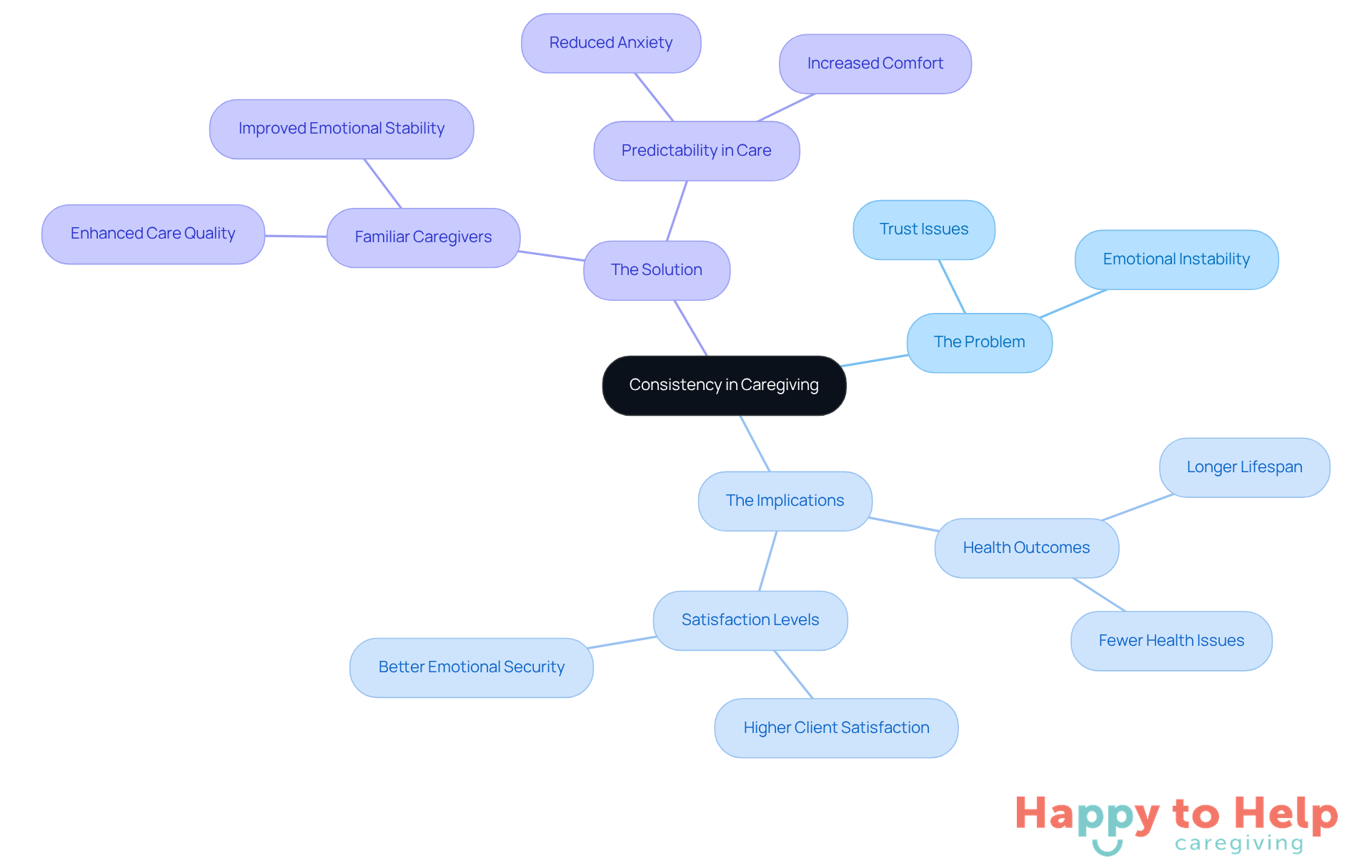
Inconsistent support in caregiving can undermine trust and rapport between caregivers and those they assist. This lack of continuity often leads to anxiety and emotional instability for individuals, particularly seniors and those with cognitive challenges.
The Implications
Research shows that seniors with strong social connections, including stable support relationships, tend to live longer and experience fewer health issues. Familiar supporters are adept at noticing subtle changes in a patient's condition, which can lead to timely interventions and improved health outcomes. When caregivers understand individual routines and preferences, clients report higher satisfaction levels.
The Solution: Consistent Support
Happy to Help Caregiving addresses these challenges by pairing individuals with familiar support providers who understand their needs. This approach not only enhances the quality of care but also fosters a profound sense of security and comfort. Predictability in caregiving reduces anxiety, contributing to emotional stability.
Ultimately, the commitment to reliability in support worker assignments builds trust, benefiting both recipients and their families. As noted, "Trust does not develop from one flawless moment. It grows from repeated small actions over time," emphasizing the importance of consistent interactions in nurturing trust.
Overall Well-Being: Enhancing Quality of Life at Home
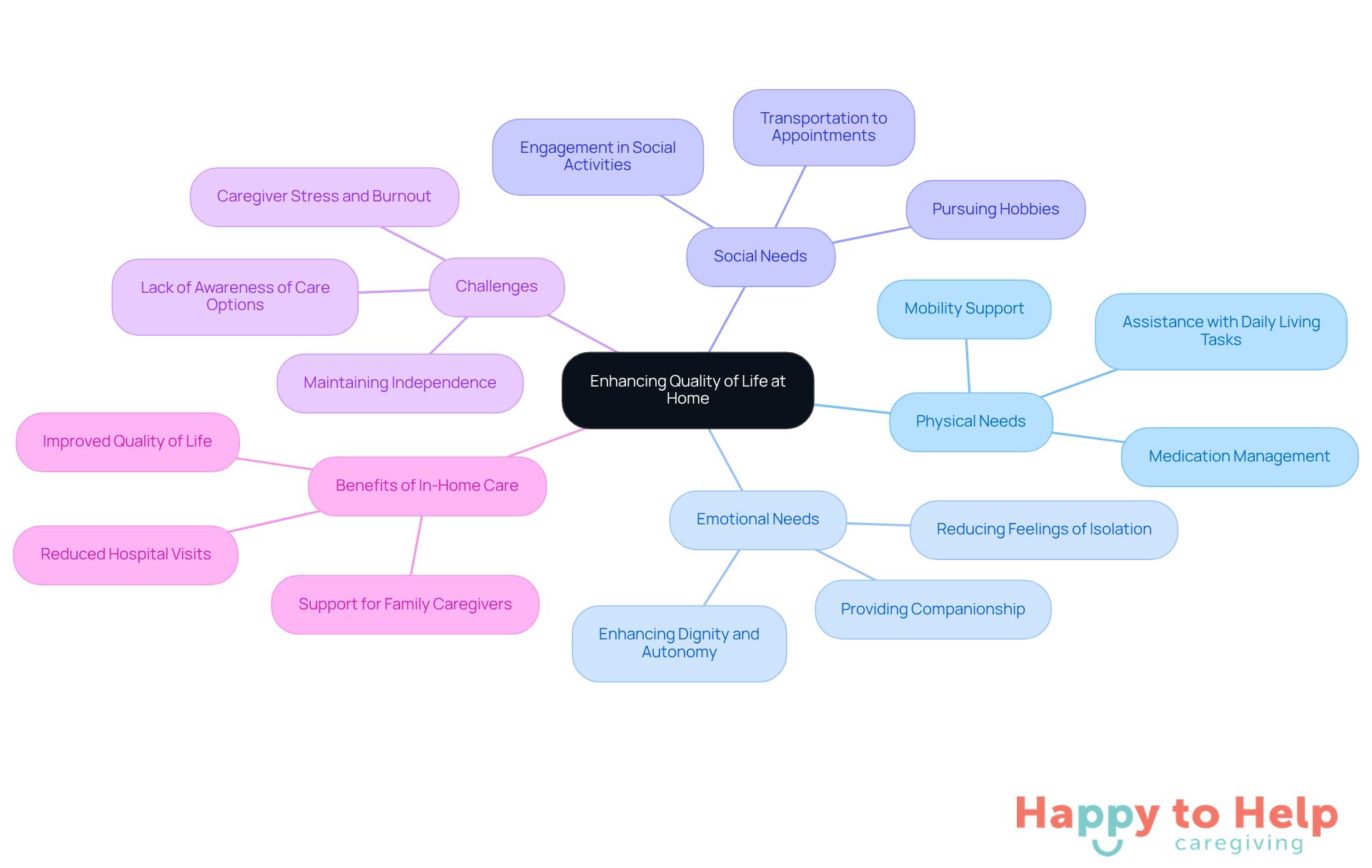
In-house assistance significantly enhances the well-being of individuals by providing tailored support that addresses their physical, emotional, and social needs. However, many seniors face challenges in maintaining their independence as they age. Research indicates that 70 percent of seniors prefer to age in place, yet they often struggle with daily living tasks and emotional support. This situation can lead to feelings of isolation and decreased quality of life.
The implications of inadequate support are profound. Seniors may experience diminished dignity and autonomy, while family caregivers often encounter stress and burnout. This is where in-home care near me services become essential. By fostering a supportive environment, caregivers can help individuals maintain their dignity and enhance their quality of life. For instance, personalized attention allows caregivers to understand and respond to the unique needs of each client, leading to customized interventions that improve safety and emotional well-being.
Moreover, in-home care near me has been shown to reduce avoidable hospital visits. Caregivers assist with medication management and daily tasks, lowering the risk of falls and other accidents. This proactive approach not only helps seniors retain their independence but also alleviates the burden on family caregivers. By providing relief services and ongoing support, in-home care near me enables families to focus on their relationships while ensuring their loved ones receive the compassionate care they deserve.
Ultimately, integrating personalized support in home care is essential for enhancing the quality of life for seniors. It allows them to engage in social activities and pursue hobbies that contribute to their overall happiness and fulfillment.
Making the Right Choice
Choosing in-home care for loved ones presents a significant challenge for families. Caregivers often face emotional and physical stress, struggling to balance their responsibilities while ensuring their loved ones receive the best care possible. This situation can lead to feelings of overwhelm and anxiety, making it crucial to find effective solutions.
Personalized in-home care services emerge as a viable solution to these challenges. By catering to the unique needs of seniors, these services foster an environment of comfort and security. Families can create tailored care plans that not only address medical needs but also provide emotional support through companionship. This approach allows for customized scheduling, ensuring that care fits seamlessly into the family’s routine.
Moreover, technology plays a critical role in enhancing communication and care coordination. It keeps families connected and informed, alleviating some of the stress associated with caregiving. Additionally, the importance of respite care for family caregivers cannot be overstated. Taking time for self-care is essential in maintaining a sustainable caregiving environment.
Ultimately, embracing in-home care services significantly improves the quality of life for seniors while reducing stress for family members. By recognizing the value of personalized support, families can make informed decisions that lead to happier, healthier lives for their loved ones. Everyone deserves the opportunity to age gracefully and comfortably in their own homes.
https://iframe.tely.ai/cta/eyJhcnRpY2xlX2lkIjogIjY5MjNiOWFkZTUyZmU2NjM2Njg4Njc2OSIsICJjb21wYW55X2lkIjogIjY4ZWU1ZGNhNzMxNzYyNTU3ZjNjOTVjMSIsICJpbmRleCI6IG51bGwsICJ0eXBlIjogImFydGljbGUifQ==Frequently Asked Questions
What is the main problem that seniors face regarding in-home care?
Many seniors struggle to receive personalized care that meets their unique needs, leading to decreased independence and comfort in their homes.
How does the lack of personalized care affect seniors?
Without individualized assistance, seniors may face health issues, miss out on enjoyable activities, and experience a decline in emotional well-being.
What percentage of adults over 50 wish to age in place?
77% of adults over 50 wish to age in place, highlighting the need for effective support strategies.
What services does Happy to Help Caregiving provide?
Happy to Help Caregiving offers customized in-home care tailored to each individual's requirements, addressing specific health issues, preferences, and lifestyle choices.
What are the benefits of personalized support plans for seniors?
Personalized support plans meet both medical and non-medical needs, promote emotional well-being, and enhance the overall quality of life for seniors.
What is the significance of companionship care for seniors?
Companionship care addresses loneliness and isolation, which can lead to serious health consequences, including increased levels of depression and anxiety.
How can companionship care improve the emotional well-being of seniors?
Engaging seniors in meaningful conversations and activities fosters social interaction and emotional connections, helping to alleviate feelings of isolation.
What evidence supports the need for companionship care?
Studies indicate that chronic loneliness in older adults can shorten life expectancy and contribute to higher stroke incidence.
Why are tailored care plans important for individuals with complex needs?
Customized care plans are essential for addressing the complex needs of individuals, particularly those with chronic illnesses or disabilities, ensuring all requirements are met.
How do tailored care plans benefit caregivers?
Implementing tailored strategies improves care efficiency and alleviates stress on caregivers by allowing them to provide more effective and compassionate support.
List of Sources
- Happy to Help Caregiving: Personalized In-Home Care for Your Loved Ones
- 2025: AI enhances personalized care; caregiver experience in the spotlight (https://healthcareitnews.com/news/2025-ai-enhances-personalized-care-caregiver-experience-spotlight)
- The Future of Home Health Care: Trends to Watch in 2025 (https://synchronyfl.com/the-future-of-home-health-care-trends-to-watch-in-2025)
- The Future of Private Home Care: What to Expect in 2025 (https://anodyne-services.com/2024/08/14/the-future-of-private-home-care-what-to-expect-in-2025)
- What’s Coming in the Future of Home Health Care? - Alora Health (https://alorahealth.com/blog-future-homecare-trends)
- Growing Trend of Private Pay Home Care for Elderly (https://regencyhcs.com/blog/growing-trend-of-private-pay-home-care-for-elderly)
- Emotional Support: Alleviating Loneliness Through Companionship Care
- Chronic loneliness may increase stroke risk among older adults | Harvard T.H. Chan School of Public Health (https://hsph.harvard.edu/news/chronic-loneliness-may-increase-stroke-risk-among-older-adults)
- Why Home Care Providers Are Increasingly Offering Companion Care Services for Seniors | Aaniie, formerly Smartcare Software (https://aaniie.com/news/why-home-care-providers-are-increasingly-offering-companion-care-services-for-seniors)
- Social connection linked to improved health and reduced risk of early death (https://who.int/news/item/30-06-2025-social-connection-linked-to-improved-heath-and-reduced-risk-of-early-death)
- 1 in 3 older adults still experience loneliness and isolation (https://michiganmedicine.org/health-lab/1-3-older-adults-still-experience-loneliness-and-isolation)
- Convenience: Tailored Care Plans for Complex Needs
- Home is the Next Frontier in Medical Care (https://news.humana.com/news/articles/home-is-the-next-frontier-in-medical-care)
- Customized Care at Home: The Benefits of Personalized Care Plans - VNA Health Group (https://vnahg.org/customized-care-at-home-the-benefits-of-personalized-care-plans)
- Enhance Chronic Disease Management With In-Home Patient Care | Matrix Medical Network (https://matrixmedicalnetwork.com/enhance-chronic-disease-management-with-in-home-patient-care)
- How Personalized Health Care Is Changing The Role Of Home Care Providers (https://homehealthcarenews.com/2024/03/how-personalized-health-care-is-changing-the-role-of-home-care-providers)
- Southwest Medical Center and ChartSpan Partner to Enhance Chronic Care Management for Medicare Patients (https://swmedcenter.com/news/releases/southwest-medical-center-and-chartspan-partner-to-enhance-chronic-care-management-for-medicare-patients)
- Flexibility: 24/7 Availability and Customized Scheduling
- Kaiser Permanente Care at Home (https://permanente.org/permanente-federation/kaiser-permanente-advanced-care-at-home)
- #1 24-Hour Home Care | San Diego Home Care | At Home Nursing Care (San Diego, CA) (https://athomenursingcare.com/24-hour-care)
- 24-Hour Home Care | BrightStar Care | BrightStar Care (https://brightstarcare.com/about-brightstar-care/resources/benefits-of-24-hour-home-care)
- The 10-Benefits of 24-Hour Home Care » LifeWorx Home Care (https://lifeworx.com/resources/articles/the-10-benefits-of-24-hour-home-care)
- When to Choose 24/7 Home Health Care | Seniors Home Care (https://seniorshomecare.com/blog/archives/2023/02/23/when-to-choose-247-home-health-care)
- Post-Hospital Recovery: Ensuring Safe Transitions at Home
- Study Finds Home Health Lowers Costs and Readmission Rates Compared to Hospital Care - Center for Medicare Advocacy (https://medicareadvocacy.org/study-finds-home-health-lowers-costs-and-readmission-rates-compared-to-hospital-care)
- Post-Hospital Discharge: Why In-Home Care Improves Recovery for Florida Seniors (https://visitingangels.com/pasco/news-info/post-hospital-discharge-why-in-home-care-improves-recovery/26199)
- Post Hospital Care at Home Prevents Readmissions (https://genuineglobalcare.com/post-hospital-care-at-home-prevents-readmissions)
- Hospital at home saves lives and money: CMS report (https://ama-assn.org/public-health/population-health/hospital-home-saves-lives-and-money-cms-report)
- Home Care and the New Healthcare Ecosystem: Reducing Readmissions and Supporting Aging in Place - Family & Nursing Care (https://familynursingcare.com/home-care-and-the-new-healthcare-ecosystem-reducing-readmissions-and-supporting-aging-in-place)
- Respite Care: Supporting Family Caregivers with Essential Breaks
- Family Caregiver Support, Education Needs Growing (https://hospicenews.com/2025/11/11/family-caregiver-support-education-needs-growing)
- Improving Support for Family Caregivers (https://nationalacademies.org/news/2025/07/improving-support-for-family-caregivers)
- New Report Reveals Crisis Point for America’s 63 million Family Caregivers (https://press.aarp.org/2025-07-24-New-Report-Reveals-Crisis-Point-for-Americas-63-million-Family-Caregivers)
- As Family Caregiving Grows, So Does the Need for Reform - Medicare Rights Center (https://medicarerights.org/medicare-watch/2025/08/14/as-family-caregiving-grows-so-does-the-need-for-reform)
- New Report Shows Nearly Half of U.S. States Are on the Threshold of a Caregiving Emergency | Otsuka US (https://otsuka-us.com/news/new-report-shows-nearly-half-us-states-are-threshold-caregiving-emergency)
- Technology Integration: Enhancing Care with Modern Solutions
- Bayada Rolls Out New AI Model To Prevent Falls, Reduce Hospitalizations (https://homehealthcarenews.com/2025/11/bayada-rolls-out-new-ai-model-to-prevent-falls-reduce-hospitalizations)
- How Future Healthcare Technology is Elevating At-Home Care (https://homewatchcaregivers.com/houston-galleria/about-us/blog/how-future-healthcare-technology-is-elevating-at)
- How Telehealth Is Changing Home Health Care (https://wolterskluwer.com/en/expert-insights/how-telehealth-is-changing-home-health-care)
- 6 Companies and Technologies Changing Home Care for the Better (https://chosenfamilyhomecare.com/6-companies-and-technologies-changing-home-care-for-the-better)
- Top healthcare trends of 2026: Aging in place is driving innovation in home-based care and technology (https://definitivehc.com/blog/aging-in-place-driving-innovation)
- Veterans Assistance: Tailored In-Home Care for Unique Needs
- New Law Supports Home Care, Caregivers for Military Veterans (https://elderlawrillc.com/new-law-supports-home-care-caregivers-for-military-veterans)
- VA Tries to Keep Up With Drastic Veteran In-Home Care Increase (https://military.com/feature/2025/10/08/va-tries-keep-drastic-veteran-home-care-increase.html)
- Home Care for Veterans: What are the options? - The Rosemark System (https://rosemarksystem.com/blog/home-care-for-veterans)
- Veterans Home Care: Eligibility and Services (https://aplaceformom.com/caregiver-resources/articles/home-care-for-veterans)
- Home New (https://veteranshomecare.com)
- Consistency: Building Trust with Familiar Caregivers
- Why Consistent Caregivers Make All the Difference in Home Care - Naples Bay Home Care (https://homecarenaplesfl.com/4538-2)
- The Importance of Caregiver-Client Relationships in Senior Well-Being (https://homeinstead.com/home-care/usa/in/goshen/588/news-and-media/the-importance-of-caregiver-client-relationships-in-senior-well-being)
- How Our Caregivers Build Trusted Relationships With Families (https://visitingangels.com/lutz/news-info/how-our-caregivers-build-trusted-relationships-with-families/26327)
- Why Consistency Matters More Than Perfection in Caregiving | Building Trust & Better Care (https://ayiconnection.com/blog/why-consistency-matters-more-than-perfection-in-caregiving)
- Why Caregiver Consistency Matters in Memory Care (https://hbrhc.com/blog/building-trust-in-memory-care-why-caregiver-consistency-matters)
- Overall Well-Being: Enhancing Quality of Life at Home
- The Unexpected Benefits of Home Care (Not Just for Seniors!) (https://websterhc.com/the-unexpected-benefits-of-home-care-enhancing-quality-of-life-and-not-just-for-seniors)
- New Study Finds That While Aging Seniors Prefer In-Home Care, Most Are Critically Underprepared for Future Healthcare Needs | Cross Country Healthcare, Inc. (https://ir.crosscountry.com/news-releases/news-release-details/new-study-finds-while-aging-seniors-prefer-home-care-most-are)
- Why Senior Home Care is More Important Than Ever (https://homeinstead.com/home-care/usa/la/carencro/347/news-and-media/senior-home-care-is-more-important-than-ever)
- Elderly Care Statistics (https://rosewood-nursing.com/post/elderly-care-statistics)
- Number of Family Caregivers Supporting Older Adults Increased Nearly One-Third Between 2011 and 2022 | Johns Hopkins Bloomberg School of Public Health (https://publichealth.jhu.edu/2025/number-of-family-caregivers-supporting-older-adults-increased-nearly-one-third-between-2011-and-2022)