
Understanding Choose Private Pay Home Care Near You
The landscape of caregiving is changing, presenting families with a significant challenge: ensuring their loved ones receive the best possible support. Many families struggle with the complexities of caregiving, often feeling overwhelmed by the options available. This is where private pay home care comes into play, offering a tailored solution that meets the unique needs of seniors and individuals with special requirements.
But what makes private pay home care stand out among the myriad of choices? By exploring ten compelling reasons to choose this approach, we can uncover not only the substantial benefits it provides but also how it effectively addresses the pressing challenges families encounter in delivering care. This solution not only alleviates stress but also enhances the quality of life for those receiving care.
Happy to Help Caregiving: Personalized In-Home Care for Your Loved Ones
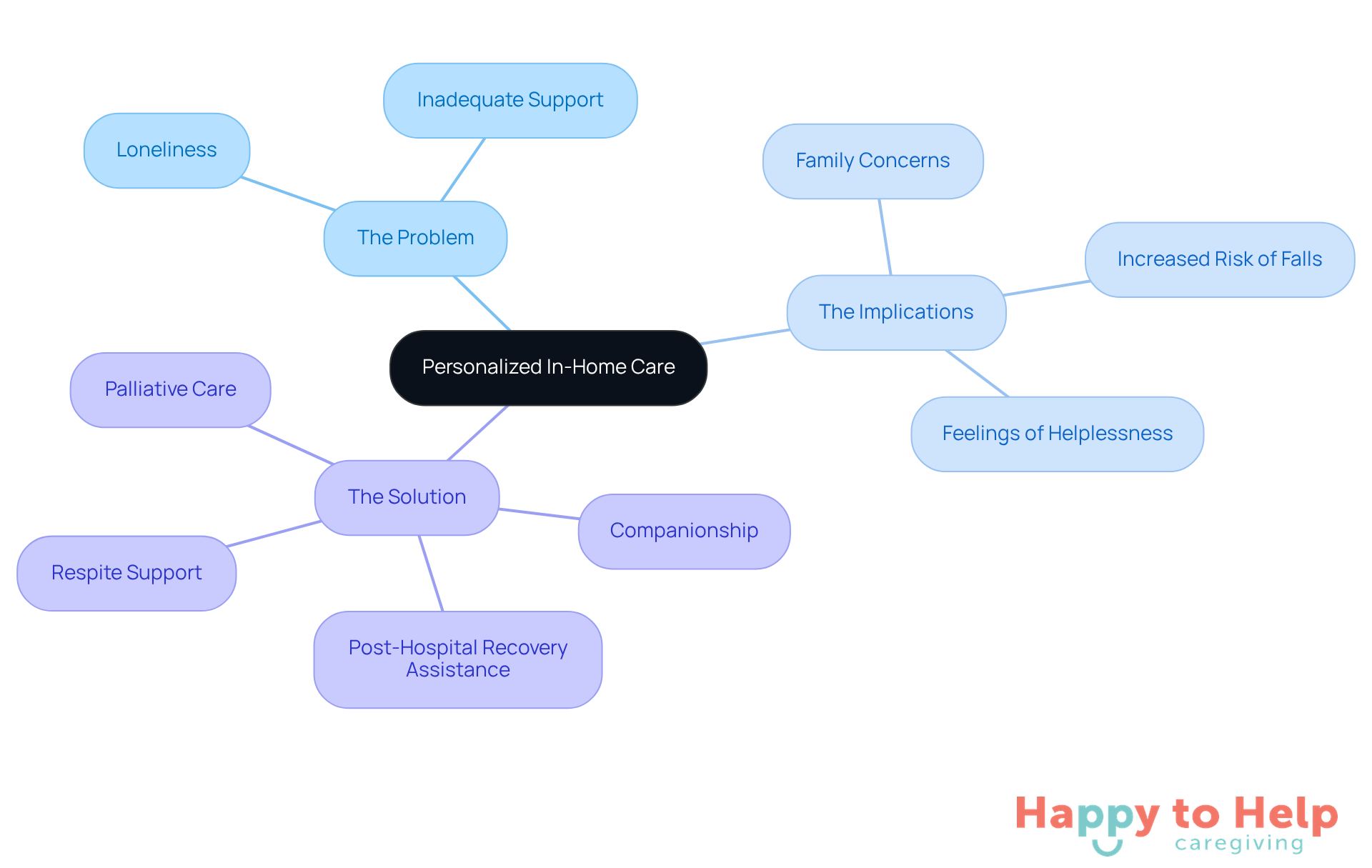
The Problem: Many seniors and individuals with special needs face challenges in receiving adequate support, often leading to feelings of loneliness and isolation. This lack of personalized care can significantly impact their overall well-being and safety.
The Implications: Without tailored assistance, individuals may struggle with daily living tasks, increasing the risk of falls and injuries. Families often worry about their loved ones, feeling uncertain about the quality of care they receive. This situation can create a sense of helplessness for both caregivers and recipients.
The Solution: Happy to Help Caregiving addresses these challenges by offering private pay home care near me that provides personalized in-home assistance tailored to the unique needs of each individual. Their services include:
- Companionship
- Post-hospital recovery assistance
- Respite support
- Palliative care
All designed to enhance the quality of life for seniors and individuals with special needs, particularly those seeking private pay home care near me. By focusing on individualized support, the agency fosters a sense of safety and wellness for both recipients and their families.
Personalized caregiving not only meets specific health and emotional needs but also significantly boosts overall well-being. By creating tailored support plans, Happy to Help Caregiving encourages individuals to engage in activities they love, which helps reduce feelings of loneliness. This individualized attention allows caregivers to build meaningful relationships with clients, crucial for promoting mental health and happiness.
Moreover, private pay home care near me services play a vital role in minimizing the risk of falls and injuries for seniors by aiding with mobility and daily tasks. Families gain peace of mind knowing their loved ones receive compassionate support tailored to their preferences. Testimonials from households highlight the positive impact of individualized support, transforming the caregiving experience into one that is nurturing and enriching.
As the population ages, with over 20% of Florida's residents projected to be 65 and older by 2025, the demand for personalized home support services continues to rise. Ultimately, Happy to Help Caregiving's commitment to individualized support not only enhances the lives of seniors but also strengthens the bonds between caregivers and families.
24/7 Availability: Ensuring Care When You Need It Most
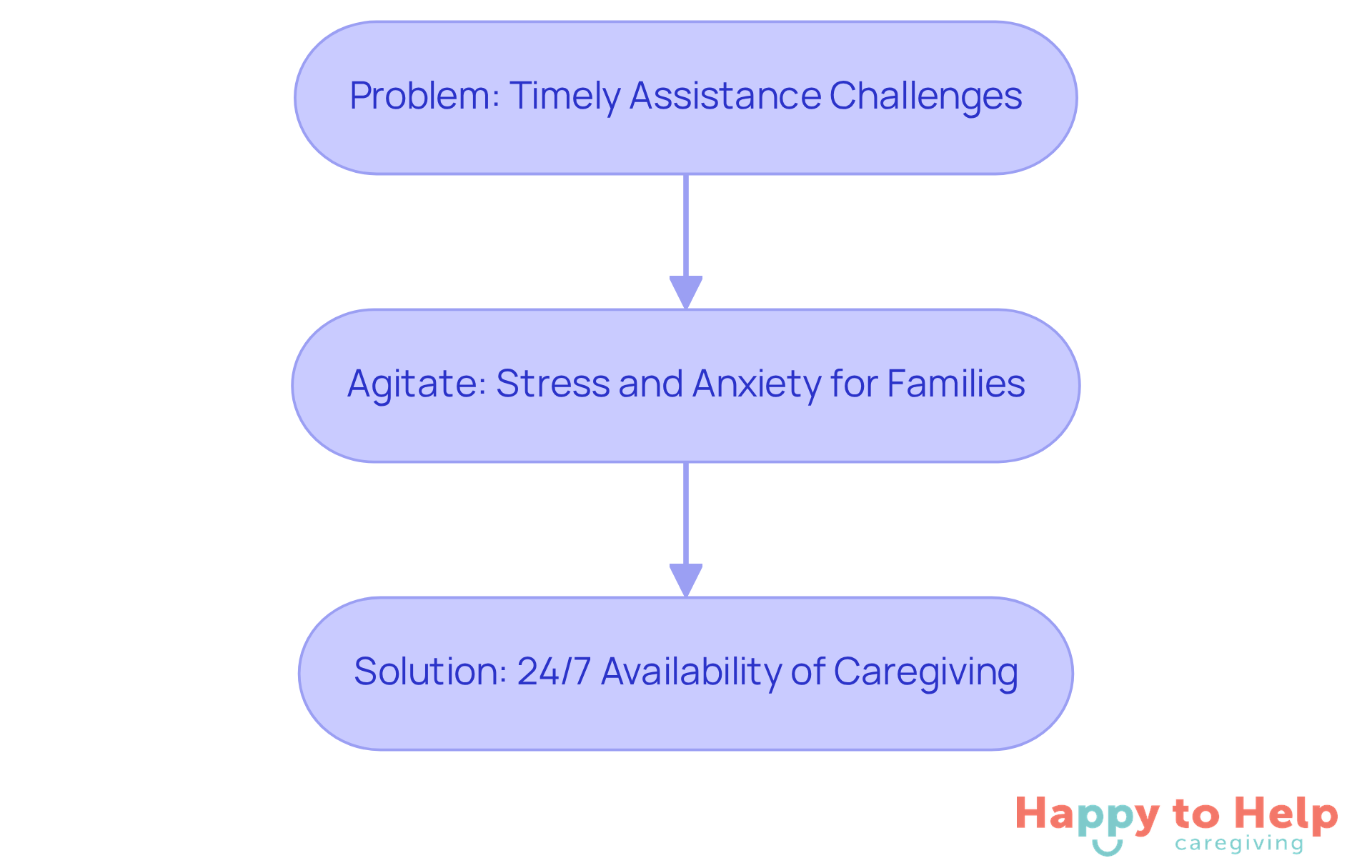
Problem: Caregivers often face the challenge of ensuring their loved ones receive timely assistance, especially during unpredictable hours. This can lead to stress and anxiety for families who worry about their loved ones' well-being.
Agitate: The implications of this issue are significant. Families with unpredictable schedules may find it difficult to provide the necessary care, and clients with urgent health concerns require immediate support. The uncertainty of not having help readily available can be overwhelming, making it hard for families to focus on their daily responsibilities.
Solution: Happy to Help Caregiving addresses this problem with its 24/7 availability. This ensures that patients have access to care at any time, day or night. Knowing that help is just a call away not only provides families with peace of mind but also allows them to concentrate on other important tasks. This level of accessibility is crucial for households that need reliable support.
Companionship Care: Combating Loneliness and Isolation
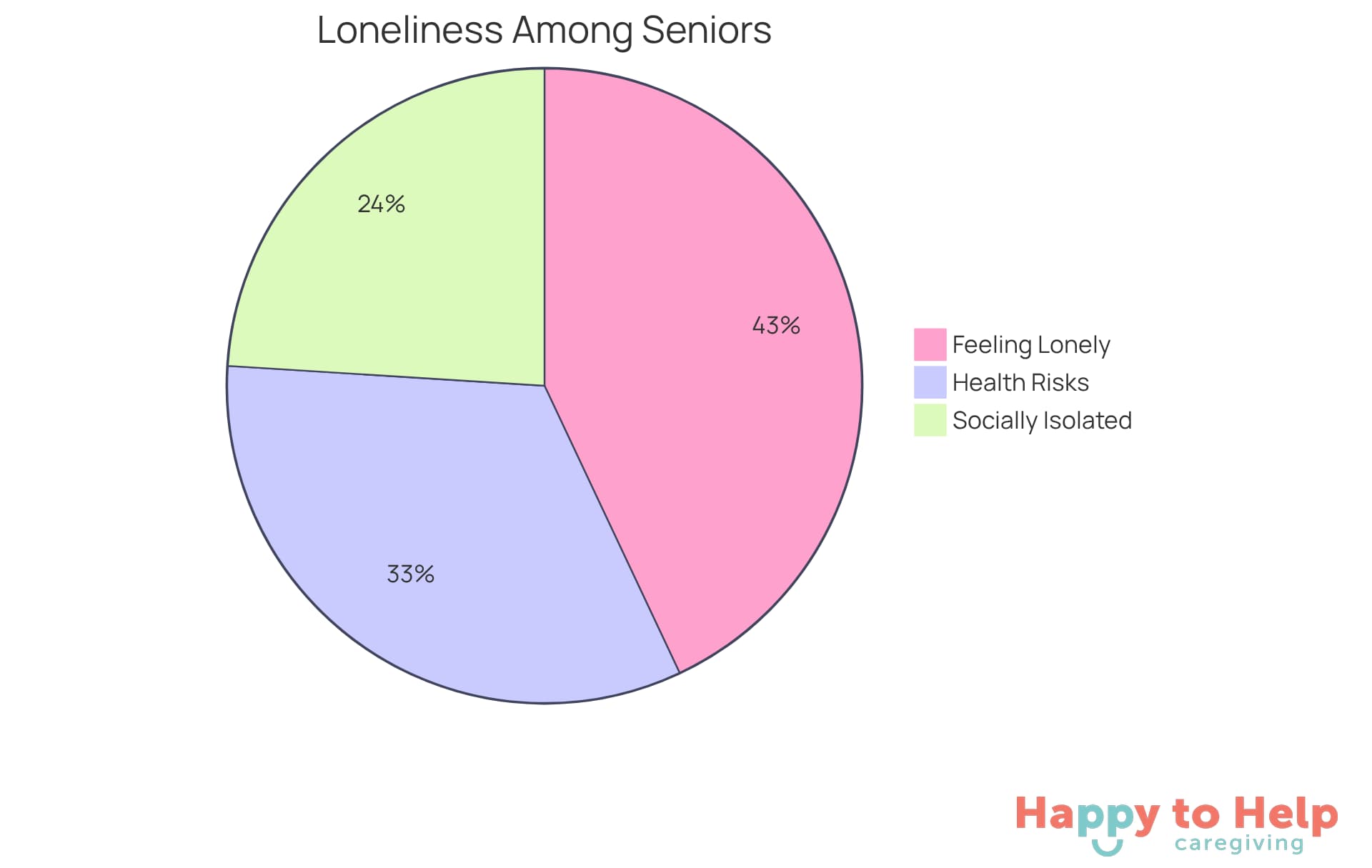
Companionship support is a vital service offered by Happy to Help Caregiving, aimed at addressing the significant issue of loneliness and isolation among seniors. Research shows that over 43% of adults aged 60 and older report feeling lonely, underscoring the urgent need for social interaction in this age group. Caregivers engage individuals in meaningful conversations, activities, and hobbies, fostering essential social connections that contribute to mental well-being.
Loneliness can lead to serious health risks, including depression and cognitive decline. For example, heart failure patients experiencing loneliness face nearly four times the risk of death. By providing consistent companionship, caregivers help mitigate these risks, instilling a sense of belonging and purpose in the lives of those they support.
Moreover, companionship support has been proven to enhance mental health outcomes for elderly clients. Regular social interactions and participation in activities can significantly reduce anxiety and depression, promoting a more positive outlook on life. The World Health Organization emphasizes that social connections are crucial for health throughout life, as they help reduce inflammation and lower the risk of severe health issues. Alarmingly, 24% of Americans aged 65 and older living in the community are considered socially isolated, highlighting the importance of companionship. Therefore, the role of companionship support in improving the quality of life for seniors is paramount.
Customized Care Plans: Meeting Unique Needs of Each Client
Caregivers often face the challenge of ensuring their loved ones receive personalized support that meets their unique needs. This can lead to stress and uncertainty about whether the care provided is truly effective and aligned with the client's lifestyle.
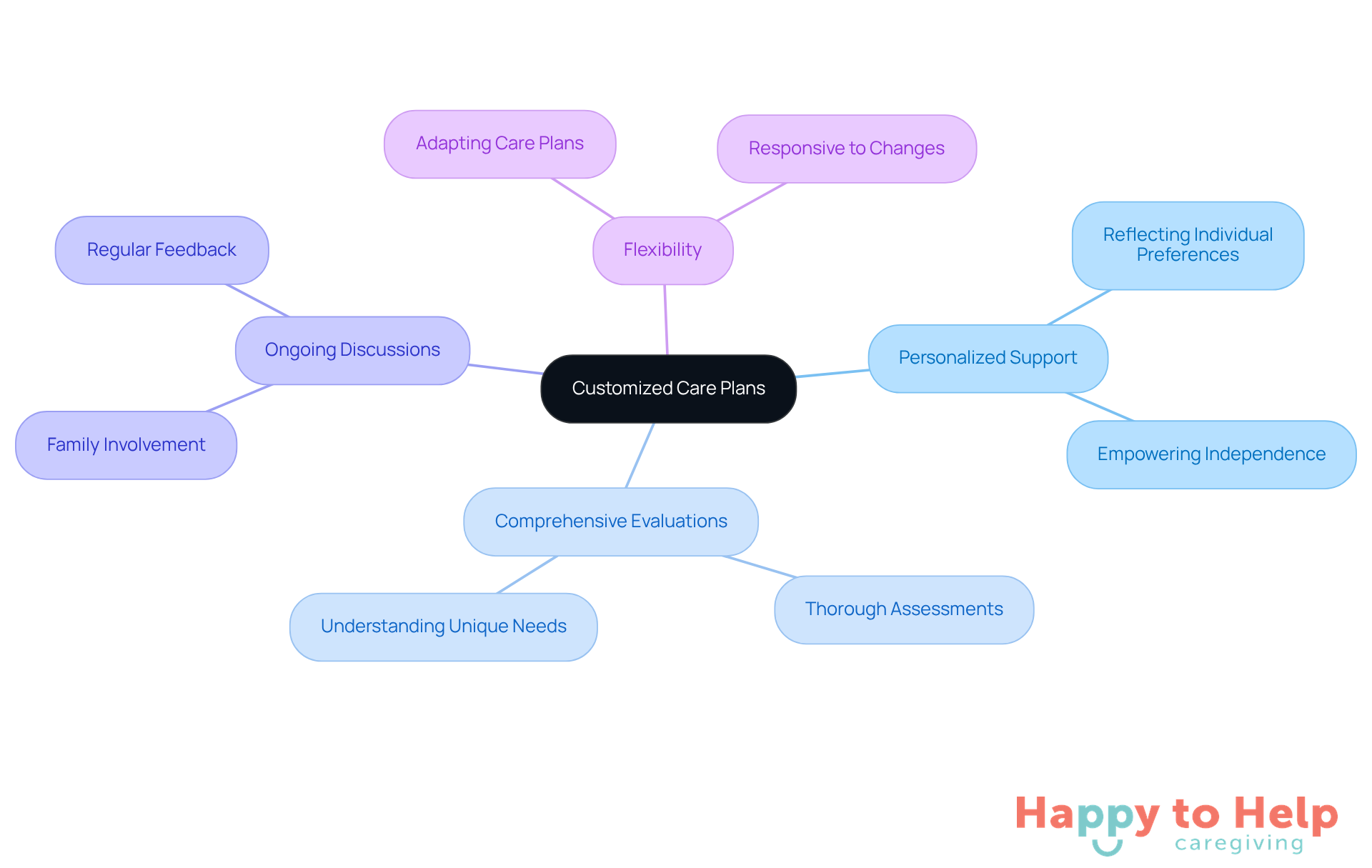
At Happy to Help Caregiving, we address this issue by offering tailored support plans that reflect each individual's distinct preferences. Our comprehensive evaluations and ongoing discussions with family members allow us to create care plans that can adapt as needs evolve. This flexibility is crucial in private pay home care near me, ensuring that families have peace of mind knowing their loved ones are receiving the best possible support.
By prioritizing personalized care, we ensure that our clients not only receive effective assistance but also enjoy a lifestyle that suits them. This approach reassures families that they are making the right choice for their loved ones.
Respite Care: Supporting Family Caregivers with Essential Breaks
Caregiving can be a demanding role, often leading to significant stress and burnout for those who provide support to loved ones. The emotional and physical challenges of this responsibility can take a toll, leaving caregivers feeling overwhelmed and exhausted. Without proper relief, caregivers may struggle to maintain their own well-being, which can ultimately affect the quality of care they provide.
Respite support services offered by Happy to Help Caregiving present a practical solution to this pressing issue. These services provide crucial breaks for caregivers, allowing them to relax and rejuvenate without worrying about their loved one's welfare. By ensuring that family members can take time for themselves, respite services not only help prevent caregiver burnout but also allow individuals to receive expert assistance tailored to their needs during the caregiver's absence.
Incorporating respite support into caregiving routines can significantly enhance the overall experience for both caregivers and those they care for. It’s essential for caregivers to recognize the importance of self-care and seek out these valuable resources.
Post-Hospital Recovery Assistance: Smooth Transitions for Healing
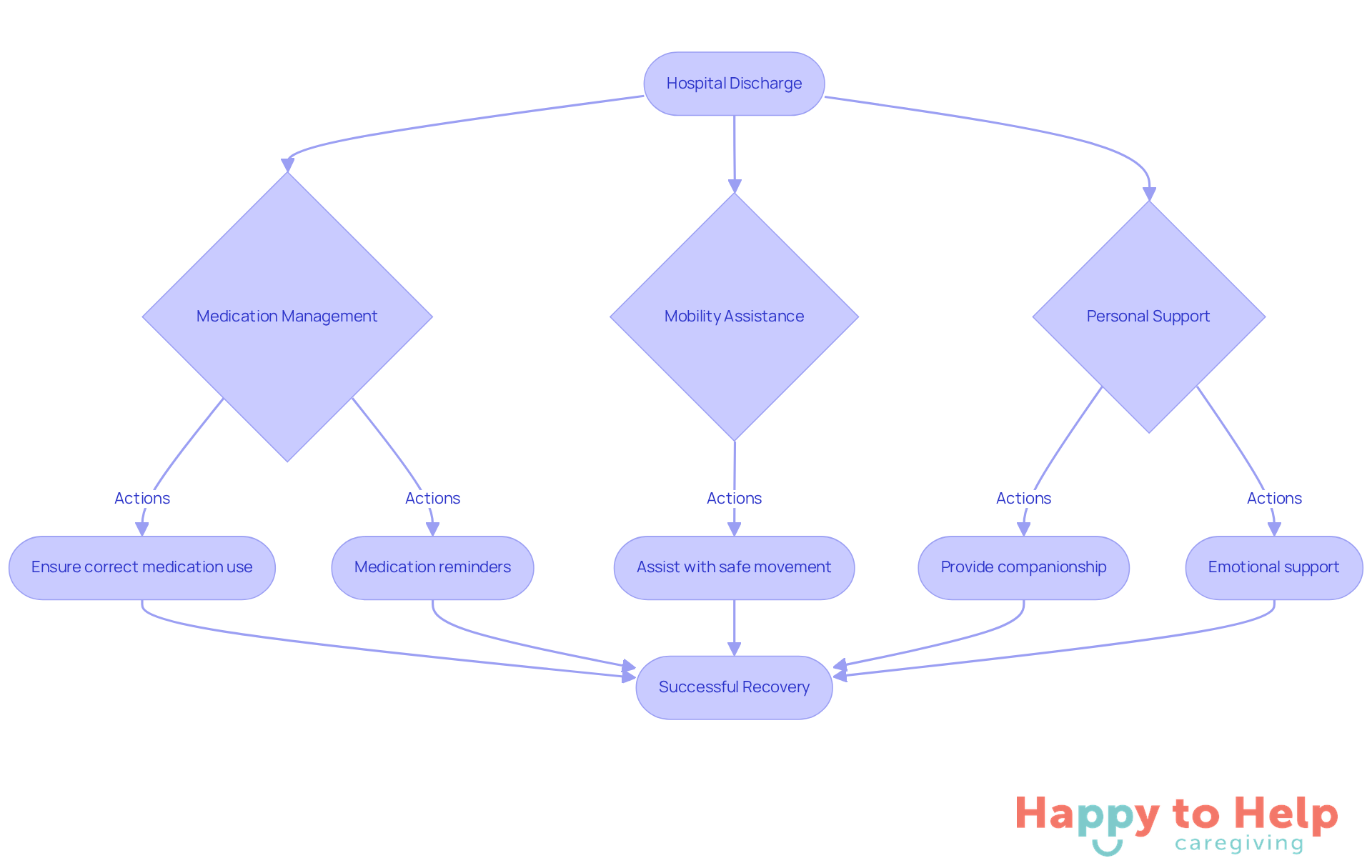
Problem: Transitioning from hospital to home can be a daunting challenge for patients and their families. Without proper support, individuals may struggle with medication management, mobility, and personal care, which can hinder their recovery process.
Agitate: This lack of assistance can lead to increased stress for both patients and caregivers. Research indicates that patients who do not receive home assistance face a 20% higher readmission rate. Additionally, around 11% of all readmissions could potentially be avoided with effective coordination and home-based support, emphasizing the critical role of family involvement during this vulnerable time.
Happy to Help Caregiving offers specialized post-hospital recovery assistance tailored to individual needs and can be found through private pay home care near me. Our services include:
- Medication Management: Ensuring patients take their medications correctly and on time.
- Mobility Assistance: Helping patients move safely around their homes.
- Personal Support: Providing companionship and emotional support to ease the transition.
In private pay home care near me, caregivers are essential in creating a safe and comfortable environment, which is crucial for effective recovery. By addressing both physical and emotional needs, they not only promote quicker recovery but also provide families with reassurance as they navigate post-hospital challenges. According to the National Association for Home Care & Hospice, over 90% of patients reported satisfaction with their home health services, highlighting the positive impact of professional support.
Palliative Support Care: Compassionate Assistance During Difficult Times
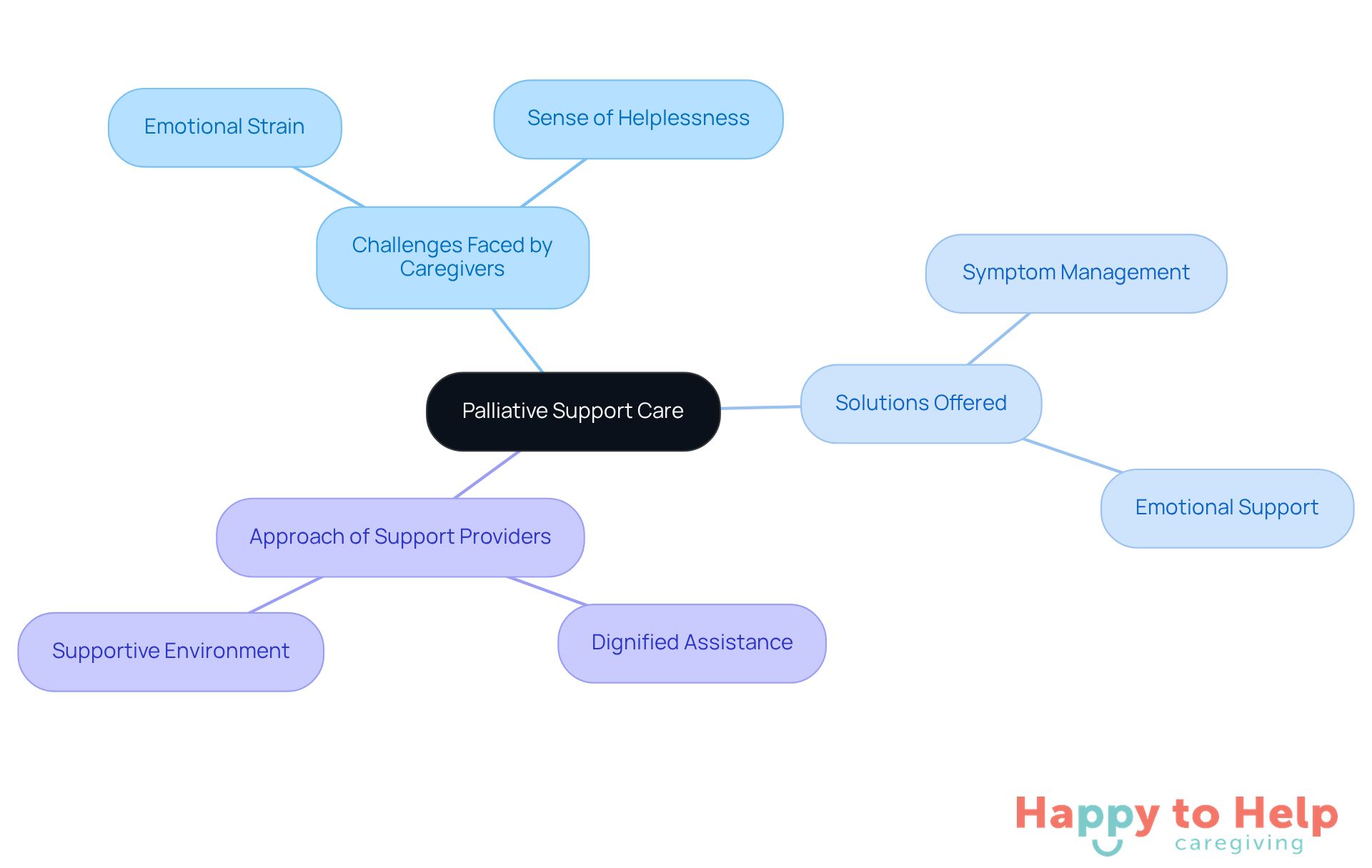
Caregivers often face significant challenges when supporting individuals with serious illnesses. These challenges can lead to emotional strain and a sense of helplessness, making it crucial to find effective solutions.
Happy to Help Caregiving addresses these issues by providing palliative support that emphasizes compassionate assistance. Their services aim to enhance the quality of life for both individuals and their families by managing symptoms and offering emotional support.
Trained support providers tackle the unique difficulties that arise during these tough times. They ensure that clients receive dignified and respectful assistance, prioritizing comfort and well-being. This approach not only alleviates the burden on caregivers but also fosters a supportive environment for those in need.
Technology Integration: Enhancing Communication and Care Management
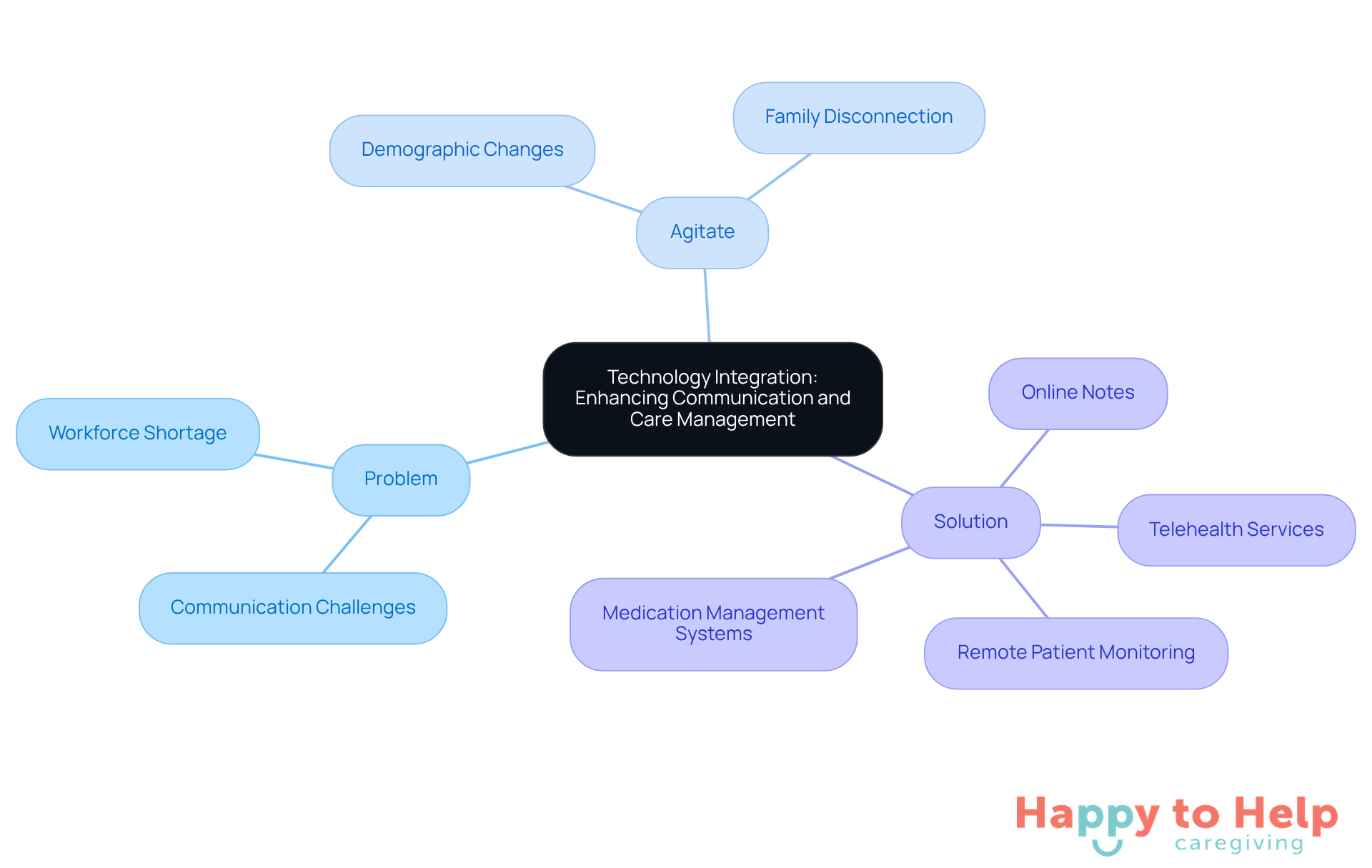
Problem: Caregivers face significant challenges in communication and management of assistance, which can lead to confusion and stress for both caregivers and families. With over 130,000 workers short in the support workforce, the burden on those providing care is increasing.
Agitate: As we approach 2030, when 1 in 5 Americans will be over the age of 65, the urgency for effective caregiving solutions becomes even more apparent. Families often struggle to stay informed about their loved ones' treatment, leading to feelings of helplessness and disconnection.
Solution: Happy to Help Caregiving utilizes technology to address these issues. By implementing online notes for relatives and telehealth services, families can receive seamless updates and consultations. This integration not only streamlines service delivery but also fosters a collaborative support approach, keeping families connected and engaged in the assistance process.
Moreover, caregivers can leverage tools like remote patient monitoring (RPM) to track vital signs from home, enabling timely interventions and better health outcomes. Innovations such as medication management systems and personal emergency response services (PERS) are becoming essential in enhancing safety and compliance with treatment plans.
By adopting these technologies, Happy to Help Caregiving ensures that clients receive the highest standard of support while providing peace of mind for their families. As digital health technologies continue to grow, they offer practical solutions that enhance patient involvement and alleviate the complexities of managing health requirements.
Trained Caregivers: Ensuring Quality and Compassionate Care
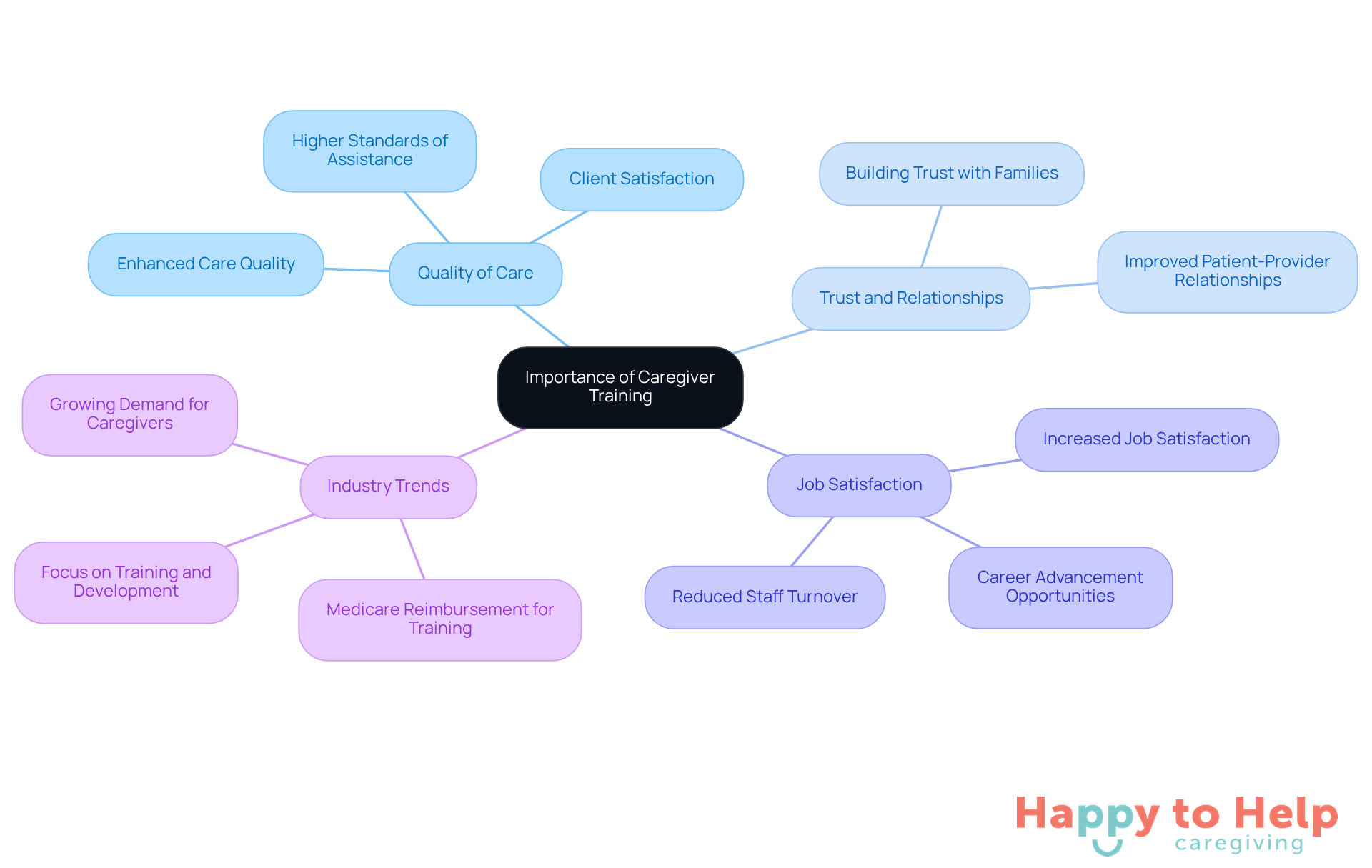
At Happy to Help Caregiving, the challenge of inadequate training for support staff is significant. Support providers are not just employees; they are highly trained professionals dedicated to delivering quality and compassionate assistance. However, without extensive training, they may struggle to meet the varied needs of individuals effectively. This lack of preparation can erode trust between patients and providers, leaving families uncertain about the care their loved ones receive.
Studies reveal that well-prepared attendants significantly enhance the quality of assistance, leading to higher client satisfaction levels. Agencies that prioritize education for their providers report improved outcomes and greater trust from families. As the demand for in-home assistance rises, investing in training for providers is essential. Recent trends show that over 40% of agencies are focusing on training and development to combat staff turnover, a pressing issue in the industry (L2C).
Effective training not only boosts the skills of support staff but also increases their job satisfaction, fostering a more stable workforce. Beginning in 2025, Medicare will reimburse healthcare providers for offering training services as part of a patient’s treatment plan. This initiative underscores the importance of continuous education in the support profession. By committing to ongoing learning, caregivers can ensure they deliver the highest standard of assistance, ultimately benefiting both clients and their families.
The Value of Private Pay Home Care: A Comprehensive Solution for Families
Caregiving can be a challenging journey, often filled with stress and uncertainty. Many families struggle to find the right support for their loved ones, leading to feelings of overwhelm and concern about the quality of care provided.
Private pay home care near me addresses these challenges by providing a flexible and individualized solution. By choosing private pay home care near me, families can tailor services to meet their specific needs, ensuring that their loved ones receive the best possible care in the comfort of their own homes.
This approach not only enhances the quality of life for clients but also alleviates the stress that caregivers often face. With the right support, families can feel reassured knowing that they are making a valuable choice for their loved ones.
Taking the Next Steps
Choosing private pay home care addresses a significant problem: the challenges faced by caregivers in providing adequate support to their loved ones. Caregiving can often lead to feelings of isolation and stress, impacting both the caregiver and the individual receiving care. This situation not only affects the quality of life for seniors and individuals with special needs but also places a heavy burden on families.
The implications of inadequate care are profound. Loneliness can take a toll on mental health, while the lack of timely assistance can lead to serious health risks. Families often struggle to find the right balance between work, personal life, and caregiving responsibilities, which can lead to burnout. This is where private pay home care shines as a viable solution.
By opting for tailored in-home care services, families can ensure their loved ones receive the compassionate assistance necessary to thrive. Key benefits include:
- Companionship to combat loneliness.
- 24/7 availability for timely assistance.
- Customized care plans that adapt to individual needs.
- Respite support for family caregivers, allowing them to recharge.
- Specialized services for post-hospital recovery.
Moreover, the integration of technology and the emphasis on trained caregivers ensure that the highest standards of care are maintained. This comprehensive approach not only prioritizes the well-being of clients but also provides peace of mind for their families.
As the demand for personalized caregiving continues to grow, embracing private pay home care can transform the caregiving journey into one that is supportive, enriching, and deeply connected. Families are encouraged to explore these services and consider how they can enhance the quality of life for their loved ones.
https://iframe.tely.ai/cta/eyJhcnRpY2xlX2lkIjogIjY5MjUwZmEwZmMyYzViZjY3YzM0Nzc2ZiIsICJjb21wYW55X2lkIjogIjY4ZWU1ZGNhNzMxNzYyNTU3ZjNjOTVjMSIsICJpbmRleCI6IG51bGwsICJ0eXBlIjogImFydGljbGUifQ==Frequently Asked Questions
What challenges do seniors and individuals with special needs face regarding caregiving?
Many seniors and individuals with special needs struggle to receive adequate support, leading to feelings of loneliness and isolation. This lack of personalized care can significantly impact their overall well-being and safety.
What are the implications of inadequate caregiving support?
Without tailored assistance, individuals may have difficulty with daily living tasks, increasing the risk of falls and injuries. Families often feel uncertain about the quality of care their loved ones receive, creating a sense of helplessness for both caregivers and recipients.
What services does Happy to Help Caregiving offer?
Happy to Help Caregiving provides personalized in-home assistance that includes companionship, post-hospital recovery assistance, respite support, and palliative care, all designed to enhance the quality of life for seniors and individuals with special needs.
How does personalized caregiving improve well-being?
Personalized caregiving meets specific health and emotional needs, boosts overall well-being, and encourages individuals to engage in activities they love, reducing feelings of loneliness. It also allows caregivers to build meaningful relationships with clients, promoting mental health and happiness.
Why is 24/7 availability important in caregiving?
24/7 availability ensures that patients have access to care at any time, which is crucial for families with unpredictable schedules and clients with urgent health concerns. It provides peace of mind, allowing families to focus on other responsibilities.
How does companionship care help combat loneliness?
Companionship support addresses loneliness and isolation among seniors by engaging them in meaningful conversations, activities, and hobbies. This fosters essential social connections that contribute to mental well-being and reduces health risks associated with loneliness.
What are the health risks associated with loneliness in seniors?
Loneliness can lead to serious health risks, including depression and cognitive decline. For instance, heart failure patients experiencing loneliness face nearly four times the risk of death.
What is the significance of social connections for seniors?
Social connections are crucial for health throughout life, helping to reduce inflammation and lower the risk of severe health issues. Regular social interactions can significantly reduce anxiety and depression, promoting a more positive outlook on life.
List of Sources
- Happy to Help Caregiving: Personalized In-Home Care for Your Loved Ones
- The Rise of Hospital Level In-Home Healthcare: Trends, Benefits and the Future (https://achc.org/the-rise-of-hospital-level-in-home-healthcare-trends-benefits-and-the-future)
- Emerging Trends in Home Health (https://navenhealth.com/news/emerging-trends-in-home-health)
- Why Senior Home Care is More Important Than Ever (https://homeinstead.com/home-care/usa/la/carencro/347/news-and-media/senior-home-care-is-more-important-than-ever)
- The Future of Home Health Care: Trends to Watch in 2025 (https://synchronyfl.com/the-future-of-home-health-care-trends-to-watch-in-2025)
- What’s Coming in the Future of Home Health Care? - Alora Health (https://alorahealth.com/blog-future-homecare-trends)
- 24/7 Availability: Ensuring Care When You Need It Most
- 24/7 In-Home Care Costs in 2025 - Assisted Living Magazine (https://assistedlivingmagazine.com/24-7-in-home-care-costs-in-2025)
- Why 24/7 Senior Care Works: Safety, Comfort, and Constant Support - With A Little Help (https://withalittlehelp.com/24-7-senior-care-works)
- The 10-Benefits of 24-Hour Home Care » LifeWorx Home Care (https://lifeworx.com/resources/articles/the-10-benefits-of-24-hour-home-care)
- When to Choose 24/7 Home Health Care | Seniors Home Care (https://seniorshomecare.com/blog/archives/2023/02/23/when-to-choose-247-home-health-care)
- Companionship Care: Combating Loneliness and Isolation
- Social connection linked to improved health and reduced risk of early death (https://who.int/news/item/30-06-2025-social-connection-linked-to-improved-heath-and-reduced-risk-of-early-death)
- Social isolation, loneliness in older people pose health risks | Alzheimers.gov (https://alzheimers.gov/news/social-isolation-loneliness-older-people-pose-health-risks)
- Trends in Loneliness Among Older Adults from 2018-2023 (https://ihpi.umich.edu/national-poll-healthy-aging/reports-and-resources/trends-loneliness-among-older-adults-2018-2023)
- Summary - Social Isolation and Loneliness in Older Adults - NCBI Bookshelf (https://ncbi.nlm.nih.gov/books/NBK557972)
- Loneliness and isolation: Back to pre-pandemic levels, but still high, for older adults (https://ihpi.umich.edu/news-events/news/loneliness-and-isolation-back-pre-pandemic-levels-still-high-older-adults)
- Customized Care Plans: Meeting Unique Needs of Each Client
- The Importance of Personalized Care Plans in Home Care (https://anodyne-services.com/2025/01/14/the-importance-of-personalized-care-plans-in-home-care)
- Customized Care at Home: The Benefits of Personalized Care Plans - VNA Health Group (https://vnahg.org/customized-care-at-home-the-benefits-of-personalized-care-plans)
- Home Care Impact on Recovery of Patient (A Statistics Report) (https://lovinghomecareinc.com/home-care-recovery-statistics)
- Importance of Personalized Senior Home Care in Burlington NC (https://wisdomseniorcare.com/the-importance-of-personalized-care-plans-for-seniors)
- The Importance of Personalized Care Plans (https://homecareadvisory.org/importance-personalized-care-plans)
- Respite Care: Supporting Family Caregivers with Essential Breaks
- Respite Care Services: Essential Support for Caregivers (https://esoregon.com/the-benefits-of-respite-care-services-for-caregiver-relief)
- Improving Support for Family Caregivers (https://nationalacademies.org/news/2025/07/improving-support-for-family-caregivers)
- Caregivers and the Importance of Respite Care (https://benedictineliving.org/resources/news/caregivers-and-the-importance-of-respite-care)
- Caring For the Caregiver: Preventing Burnout - AMHC (https://amhc.org/news/caregiver)
- Post-Hospital Recovery Assistance: Smooth Transitions for Healing
- Home Care Impact on Recovery of Patient (A Statistics Report) (https://lovinghomecareinc.com/home-care-recovery-statistics)
- Post-Hospital Discharge: Why In-Home Care Improves Recovery for Florida Seniors (https://visitingangels.com/pasco/news-info/post-hospital-discharge-why-in-home-care-improves-recovery/26199)
- Post Hospital Care at Home Prevents Readmissions (https://genuineglobalcare.com/post-hospital-care-at-home-prevents-readmissions)
- Patient Outcomes After Hospital Discharge to Home With Home Health Care vs to a Skilled Nursing Facility - PMC (https://pmc.ncbi.nlm.nih.gov/articles/PMC6503560)
- After the Hospital: How Home Health Care Supports Recovery at Home - Advanced Nursing & Home Care (https://advancednursing.care/blog/after-the-hospital-how-home-health-care-supports-recovery-at-home)
- Palliative Support Care: Compassionate Assistance During Difficult Times
- Importance of Palliative Care - A PBS News Hour “Brief but Spectacular” Series (https://cambiahealthfoundation.org/posts/blog/2021-05-11/importance-of-palliative-care---a-pbs-news-hour-brief-b.html)
- Home-Based Care Providers Reap Benefits Of Palliative Care – But Broader Adoption Hinges On Reform (https://homehealthcarenews.com/2025/11/home-based-care-providers-reap-benefits-of-palliative-care-but-broader-adoption-hinges-on-reform)
- Palliative care (https://who.int/news-room/fact-sheets/detail/palliative-care)
- New Palliative Care Research Consortium to Tackle the Field’s Toughest Problems (https://hospicenews.com/2025/08/28/new-palliative-care-research-consortium-to-tackle-the-fields-toughest-problems)
- ‘A good death’: How compassionate care helps people navigate the end of life (https://news.yale.edu/2025/10/13/good-death-how-compassionate-care-helps-people-navigate-end-life)
- Technology Integration: Enhancing Communication and Care Management
- How Technology Can Ease the Caregiver Burden (https://connectamerica.com/insights/how-technology-can-ease-the-caregiver-burden)
- The Rise and Promise of Technology in Home Health (https://healthrecoverysolutions.com/blog/the-rise-and-promise-of-technology-in-home-health)
- HHS Launches New Caregiving AI Initiative to 'Spark Innovative Support' (https://hospicenews.com/2025/11/18/hhs-launches-new-caregiving-ai-initiative-to-spark-innovative-support)
- Tech-enabled caregiving can help dementia patients stay at home — perhaps for too long (https://statnews.com/2025/11/24/dementia-caregiving-technology-assistance)
- How Technology is Reshaping Home-Based Care - THL (https://thl.com/articles/how-technology-is-reshaping-home-based-care)
- Trained Caregivers: Ensuring Quality and Compassionate Care
- New Research Highlights Critical Role of Training in Caregiver Retention (https://careacademy.com/blog/role-of-training-in-caregiver-retention)
- Family Caregiver Support, Education Needs Growing (https://hospicenews.com/2025/11/11/family-caregiver-support-education-needs-growing)
- US News & World Report Highlights CCA's Caregiver Training (https://advancecaregivers.org/report-us-news-world-report-highlights-ccas-caregiver-training)
- Medicare 2025 Initiatives Driving Change in Caregiver Training (https://learn2care.us/blog/how-medicare-2025-initiatives-will-shape-caregiver-training)
- The Importance of Caregiver Education and Training (https://corecubed.com/blog/critical-value-of-caregiver-education)
- The Value of Private Pay Home Care: A Comprehensive Solution for Families
- Home Care Statistics In 2025: Key Insights In Home Care (https://sagapixel.com/marketing/home-care-statistics)
- State of home care in 2025 (https://mcknightshomecare.com/state-of-home-care-in-2025)
- Growing Trend of Private Pay Home Care for Elderly (https://regencyhcs.com/blog/growing-trend-of-private-pay-home-care-for-elderly)
- News Releases (https://hcaoa.org/news-releases.html)
- What is the Growing Trend of Private Pay Home Care for Elderly? - At Peace Health (https://atpeacehealth.com/growing-trend-of-private-pay-home-care-for-elderly)