
10 Reasons to Choose Top Caregiver Agencies for Your Loved Ones

For families in our service areas
For families in our service areas, this guide explains caregiver support and how non-medical in-home caregiving can support care planning in East Idaho, Treasure Valley & Magic Valley, Northern Wasatch, North Central West Virginia, and Northeast Ohio.
What You Need to Know About Choose Top Caregiver Agencies
Choosing the right caregiver agency can be a daunting task. Families face the challenge of ensuring the well-being of their loved ones, which often involves more than just finding assistance. They seek a holistic approach to care that enhances quality of life and fosters emotional well-being.
This article explores ten compelling reasons to select top caregiver agencies. It highlights the myriad benefits they offer, from personalized care plans to flexible scheduling and ongoing support. But what truly sets these agencies apart? How can families navigate the complexities of caregiving to ensure their loved ones receive the best possible support?
Understanding these factors is crucial for families looking to make informed decisions.
Happy to Help Caregiving: Personalized Care That Enhances Quality of Life
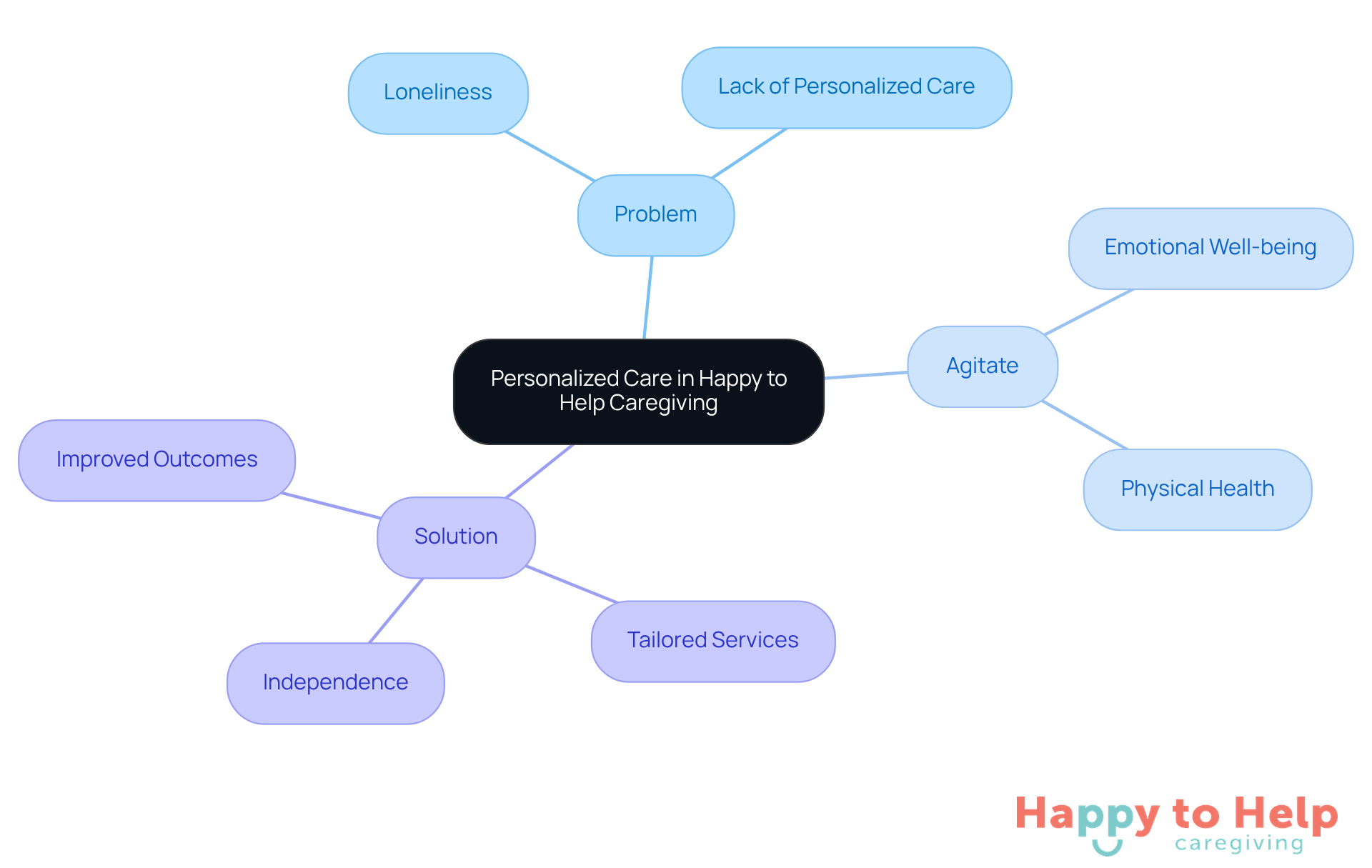
Problem: Many seniors and individuals with special needs face feelings of loneliness and a lack of personalized care, which can significantly impact their quality of life.
Agitate: This absence of tailored support not only affects emotional well-being but can also lead to deteriorating physical health. When individuals feel undervalued and misunderstood, their overall happiness and health can decline, creating a pressing need for effective caregiving solutions.
Solution: Happy to Help Caregiving excels in delivering personalized care, a crucial factor in improving the quality of life for these individuals. By tailoring services to individual preferences and requirements, caregivers foster an environment that promotes independence and well-being. This personalized approach alleviates feelings of loneliness and ensures that individuals feel valued and understood.
Research shows that individualized support from top caregiver agencies significantly improves emotional and physical health outcomes, providing a strong incentive for families to select these agencies. The emphasis on developing personalized support plans enables flexibility and adaptability, responding to the changing needs of individuals over time. Ultimately, the dedication to personalized support at Happy to Help Caregiving empowers individuals, enhancing their overall quality of life and offering families peace of mind.
Expert Caregiver Training: Ensuring Quality and Compassion in Service
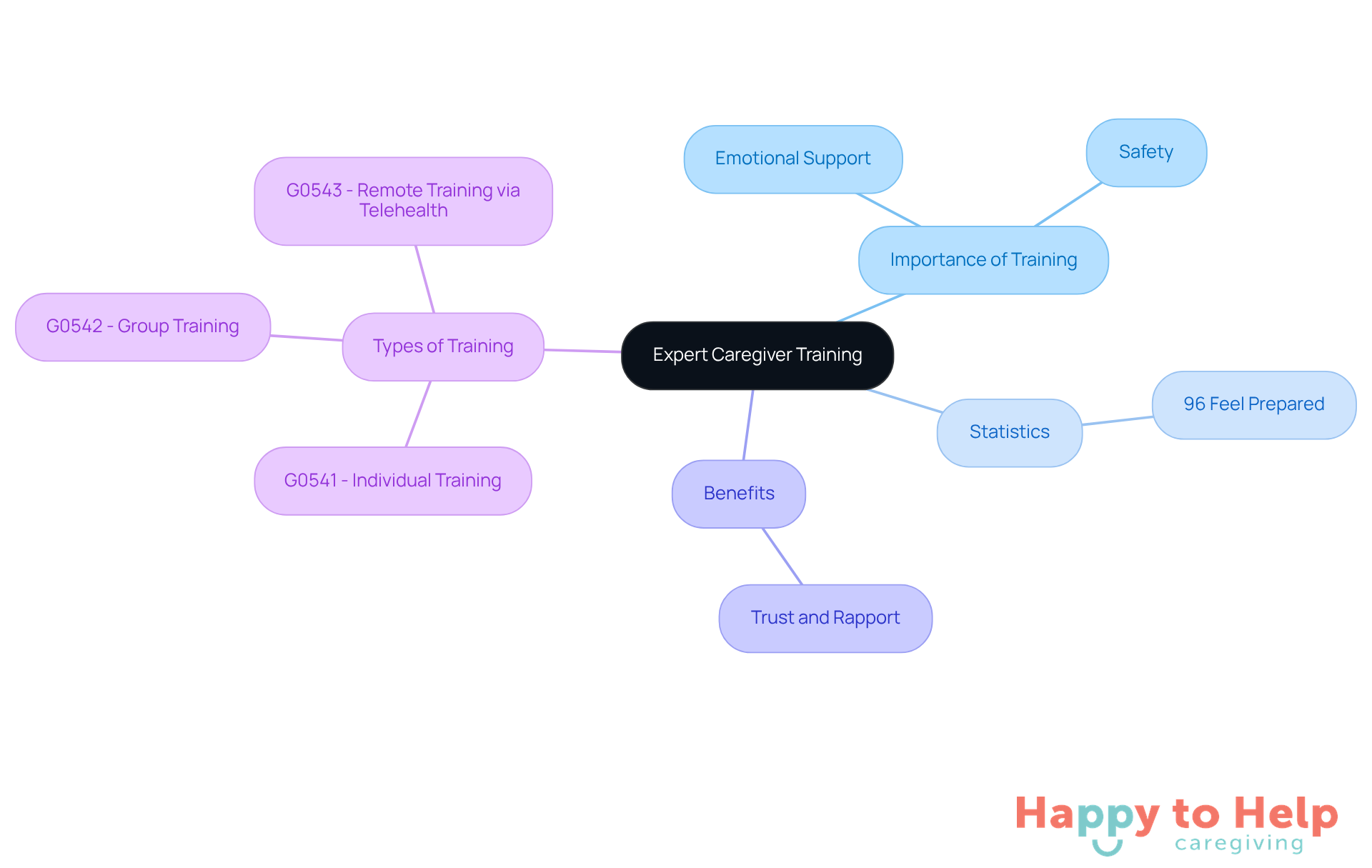
At Happy to Help Assistance, caregivers often face the challenge of providing emotional support while ensuring safety and effective care. Without proper training, they may struggle to build trust and rapport with those they assist, which can lead to dissatisfaction for both parties.
Studies indicate that 96% of trained support providers feel adequately prepared for their responsibilities. This training not only cultivates practical skills but also nurtures compassion, a vital element in meeting the emotional and psychological needs of individuals. By emphasizing provider education, Happy to Help Assistance ensures that clients receive personalized support tailored to their unique situations, ultimately enhancing outcomes and improving quality of life.
Effective training programs incorporate interactive learning and collaborative strategies, empowering caregivers and boosting their confidence. As the caregiving landscape evolves, especially with Medicare reimbursement for caregiver education set to begin in 2025, top caregiver agencies like Happy to Help Caregiving are setting a benchmark for excellence in home support services. This includes new codes for training:
- G0541 for individual training
- G0542 for group training
- G0543 for remote training via telehealth
Flexible Scheduling: Adapting to Client Needs for Better Care
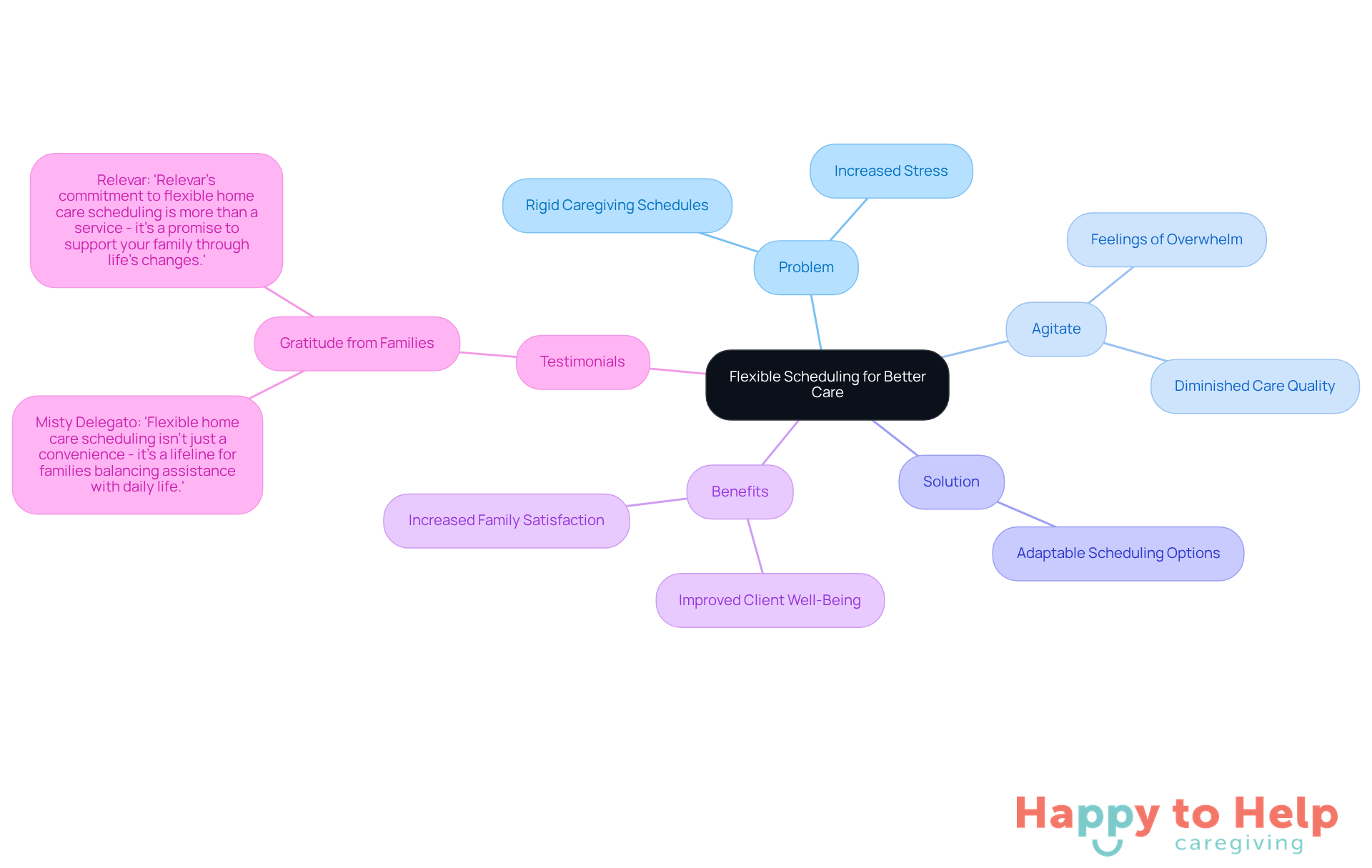
Problem: Many families face the challenge of rigid caregiving schedules that do not accommodate the unique needs of their loved ones. This can lead to increased stress and dissatisfaction, as support is not available when it is most needed.
Agitate: The implications of inflexible schedules are significant. Families often report feeling overwhelmed, as they struggle to balance caregiving with daily life. This lack of adaptability can diminish the quality of care and the overall well-being of those receiving support.
Solution: Happy to Help Caregiving addresses this issue by offering adaptable scheduling options. Families can choose assistance times that align with their loved ones' routines, ensuring support is available when it matters most. This flexibility not only enhances the caregiving experience but also promotes a sense of stability and comfort for clients.
Research shows that flexible support schedules significantly improve client well-being. Families report increased satisfaction due to the personalized attention their loved ones receive. By adjusting to evolving requirements, flexible scheduling alleviates stress and becomes a crucial element of support.
Testimonials from families highlight the importance of this flexibility. Many express gratitude for the peace of mind it brings during challenging times. As Misty Delegato aptly states, "Flexible home support scheduling isn’t just a convenience - it’s a lifeline for families balancing assistance with daily life."
By accommodating individual schedules, Happy to Help Caregiving not only meets the immediate needs of clients but also contributes to their overall happiness and quality of life.
Technology Integration: Streamlining Care with Digital Solutions
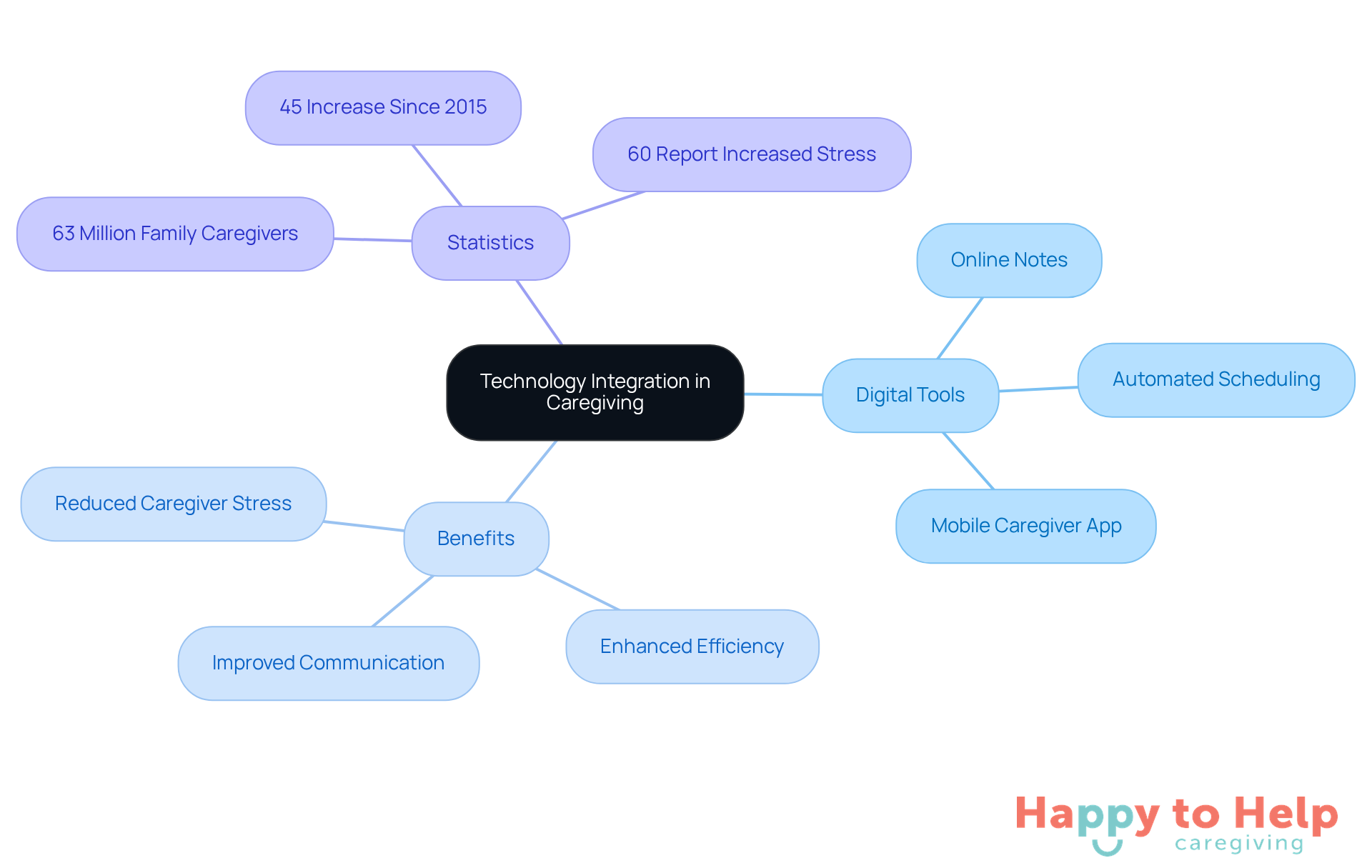
Happy to Help Caregiving harnesses technology to optimize care processes and improve communication. Digital tools, such as online notes for family members and automated scheduling systems, ensure that all parties involved in the care process remain informed and engaged. This technological integration not only enhances the efficiency of care delivery but also promotes transparency and trust between caregivers and families. As noted by industry leaders, enabling technology is crucial for empowering caregivers and enhancing the quality of care. With nearly 63 million Americans serving as family caregivers, a number that has risen 45% since 2015, the demand for effective communication tools is paramount. Research indicates that streamlined communication can significantly reduce caregiver stress, with one survey finding that over 60% of caregivers say their role increases their own stress and worry. By adopting these digital solutions, including the Mobile Caregiver App that allows caregivers to manage tasks efficiently, Happy to Help Caregiving exemplifies how technology can transform the caregiving experience, fostering a supportive environment for both caregivers and families.
Supportive Agency Culture: Fostering Caregiver Satisfaction and Retention
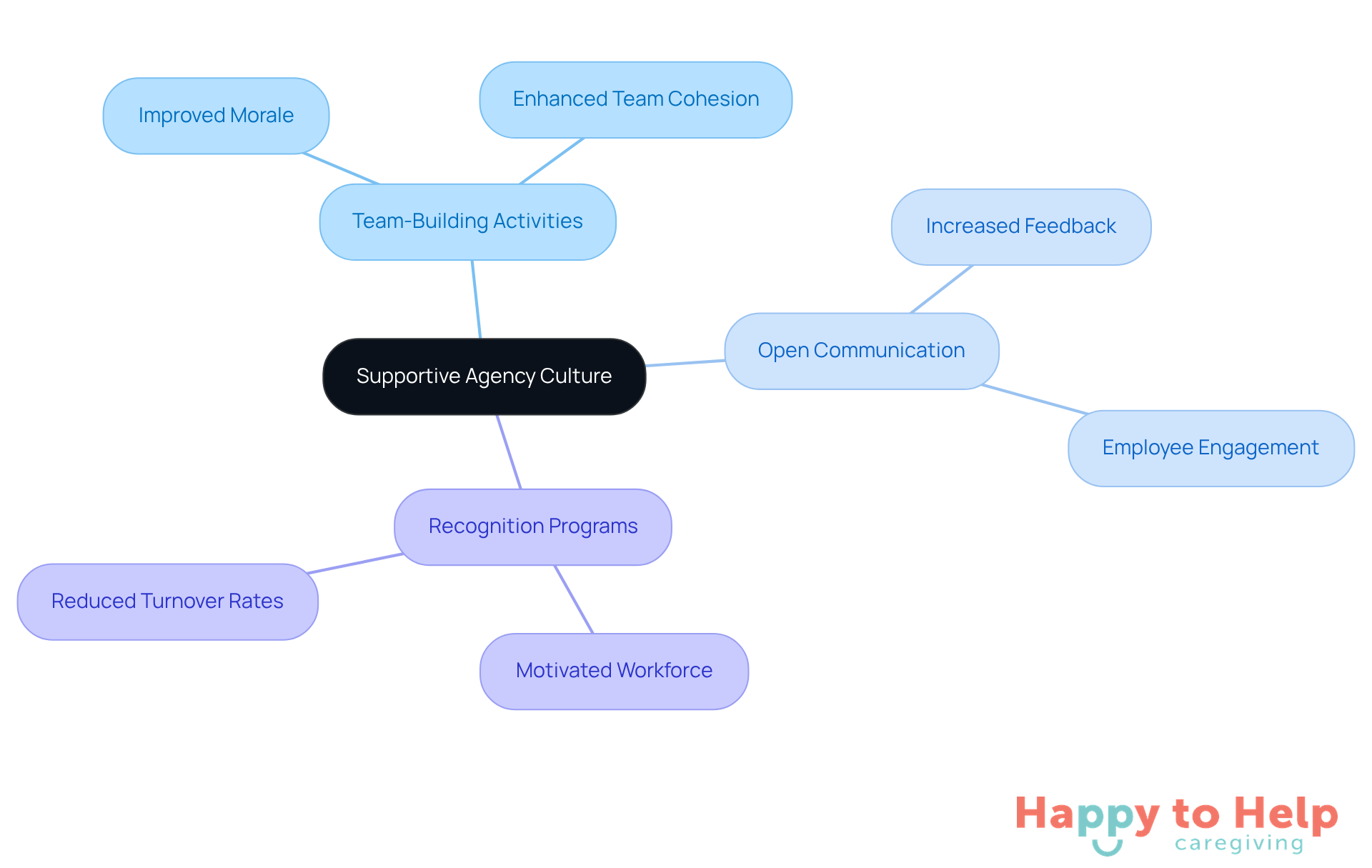
At Happy to Help Caregiving, a significant problem exists: high staff turnover, which stands at 75% according to the 2025 Activated Insights Benchmarking Report. This alarming statistic highlights the urgent need for a positive organizational culture that can improve support worker contentment and retention. When caregivers feel appreciated and enabled, they are more likely to provide exceptional service to clients.
To address this issue, organizations must foster a supportive environment. Key initiatives can include:
- Regular team-building activities
- Open communication channels
- Recognition programs
These strategies not only promote a positive workplace but also directly benefit those receiving care. As one expert noted, "When those providing care feel good about the organization they’re working for, they’re more inclined to want to perform well - and continue doing so!"
Furthermore, establishing regular feedback sessions can ensure that caregivers feel valued and heard. This dedication to a supportive atmosphere is vital; caregivers who feel appreciated are more likely to deliver high-quality assistance, ultimately enhancing the overall experience for clients and their families. By implementing these solutions, organizations can significantly reduce turnover rates and improve service quality.
Community Engagement: Attracting Top Talent Through Local Connections
Attracting top talent from top caregiver agencies is a significant challenge for many organizations. Without effective strategies, it can be difficult to find skilled professionals who are genuinely passionate about providing high-quality support. This issue not only affects the recruitment process but also impacts the quality of care provided to those in need.
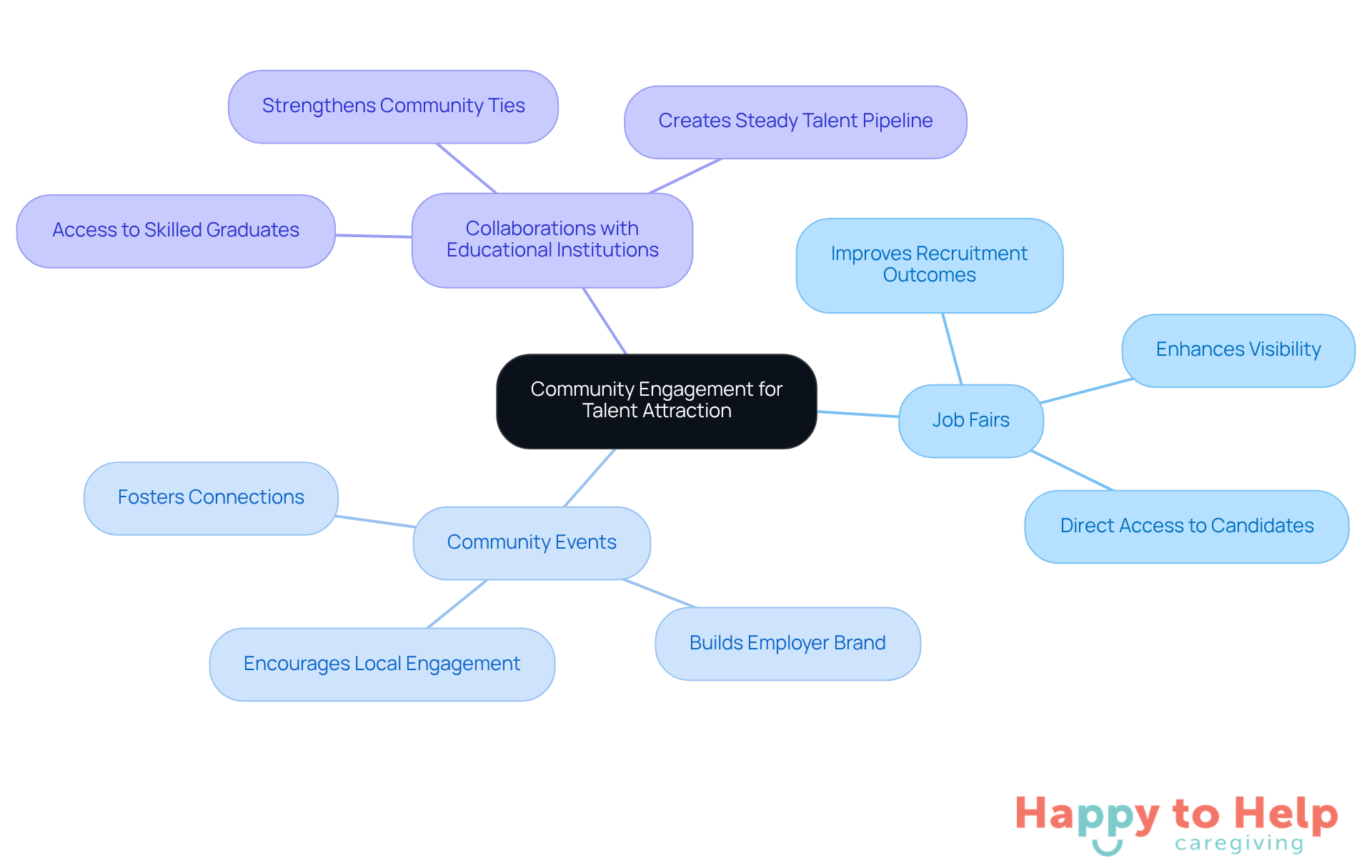
To address this challenge, Happy to Help Caregiving prioritizes community engagement as a key strategy, similar to the practices of top caregiver agencies. By participating in job fairs and community events, and by establishing collaborations with educational institutions, the organization enhances its visibility and fosters meaningful connections with potential support providers, such as top caregiver agencies. This approach appeals to individuals who are enthusiastic about caregiving, ultimately improving the recruitment process.
Industry leaders emphasize that local connections are vital for attracting skilled professionals to the top caregiver agencies. These connections foster a sense of belonging and commitment to the community, which is essential for retaining talent. Data shows that job fairs significantly enhance recruitment results, allowing organizations to meet candidates in person and assess their suitability for the role.
Moreover, collaborations with top caregiver agencies can create a steady stream of skilled caregivers. This ensures that organizations like Happy to Help Caregiving have access to a dedicated workforce ready to provide empathetic support. By implementing these strategies, organizations can effectively tackle the challenges of recruitment and build a strong team of caregivers.
Clear Communication: Building Trust Between Caregivers and Families
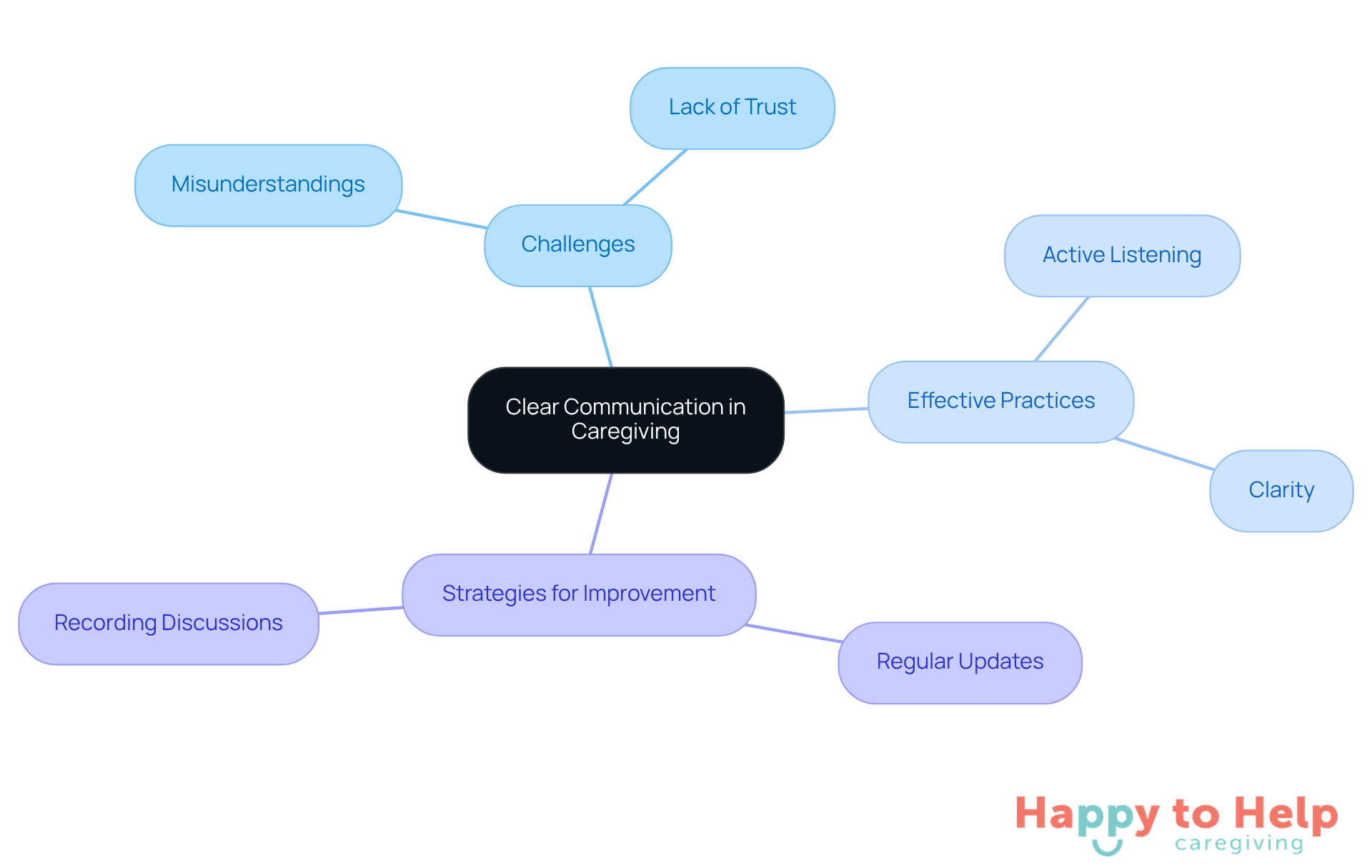
At Happy to Help Caregiving, clear communication is a significant challenge in the caregiving process. Caregivers often struggle to maintain open lines of communication with clients and their families, which can lead to misunderstandings and a lack of trust. This issue not only affects the families' engagement but also impacts the overall experience of care.
Research indicates that effective communication practices, such as active listening and clarity, can significantly reduce these misunderstandings and enhance health outcomes. For instance, a study found that increased accessibility of communication between family supporters and direct support professionals is linked to fewer depressive symptoms in residents. This highlights the importance of fostering trust through consistent communication.
To address these challenges, caregivers should prioritize regular updates and promptly address any concerns. Families frequently express gratitude for the steady communication they receive. One family member noted, "The consistent updates from our caregiver made us feel secure and engaged in my mother's support." This feedback underscores the value of keeping families informed.
Additionally, recording significant discussions ensures continuity of support, which is crucial for maintaining high-quality results. By implementing these strategies, Happy to Help Caregiving enhances the overall support experience, ensuring that families feel informed and confident in the assistance provided.
Competitive Benefits: Attracting and Retaining Quality Caregivers
Caregivers face significant challenges in their roles, often leading to high turnover rates and job dissatisfaction. This not only affects the caregivers themselves but also impacts the quality of care provided to clients. To address these issues, organizations must prioritize the well-being of their support staff.
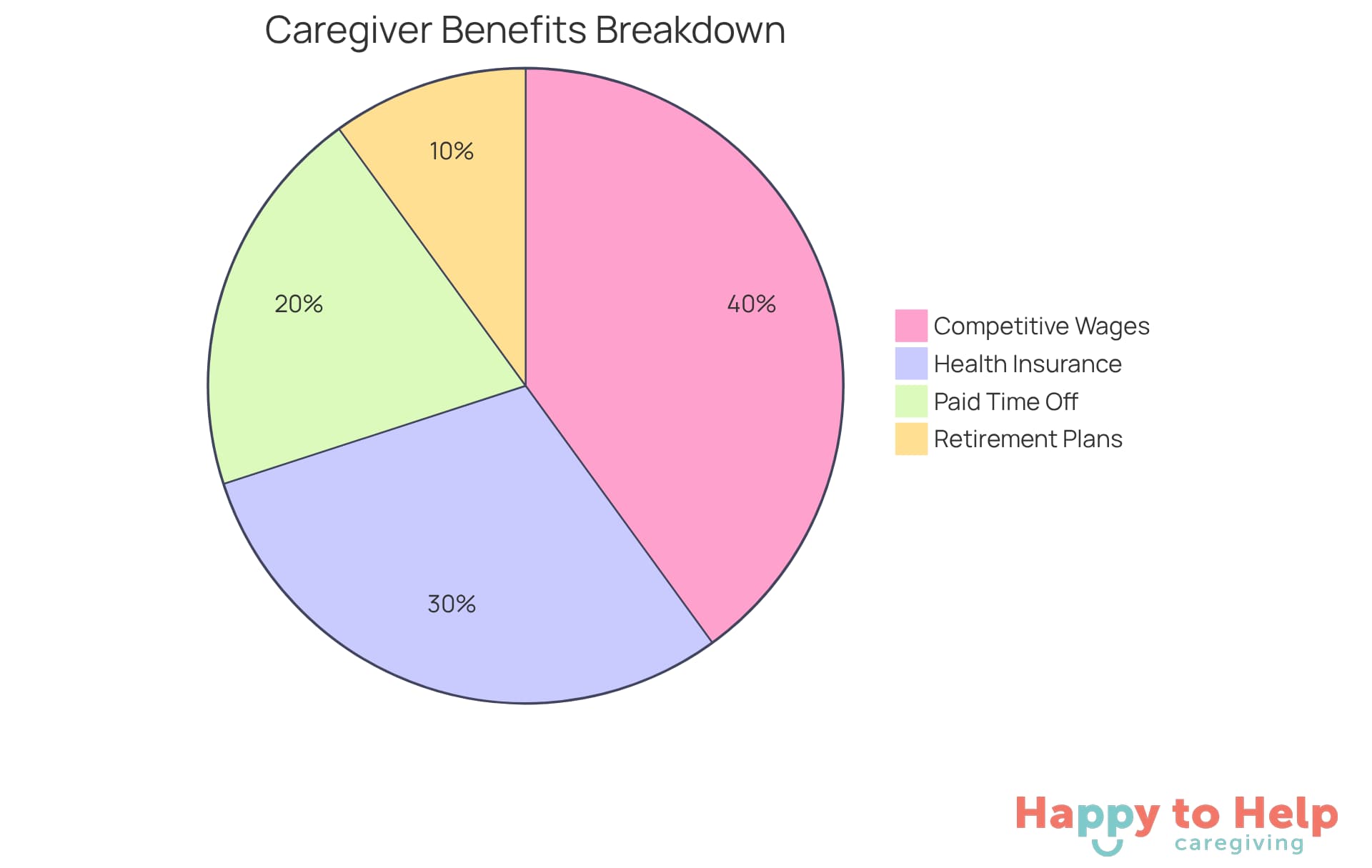
Happy to Help Caregiving recognizes this need and offers a comprehensive benefits package designed to attract and retain skilled professionals. This package includes:
- Competitive wages
- Health insurance
- Paid time off
- Retirement plans
By investing in the well-being of caregivers, the organization enhances job satisfaction and ensures that clients receive consistent, high-quality assistance from the top caregiver agencies.
Ongoing Support and Mentorship: Empowering Caregivers for Success
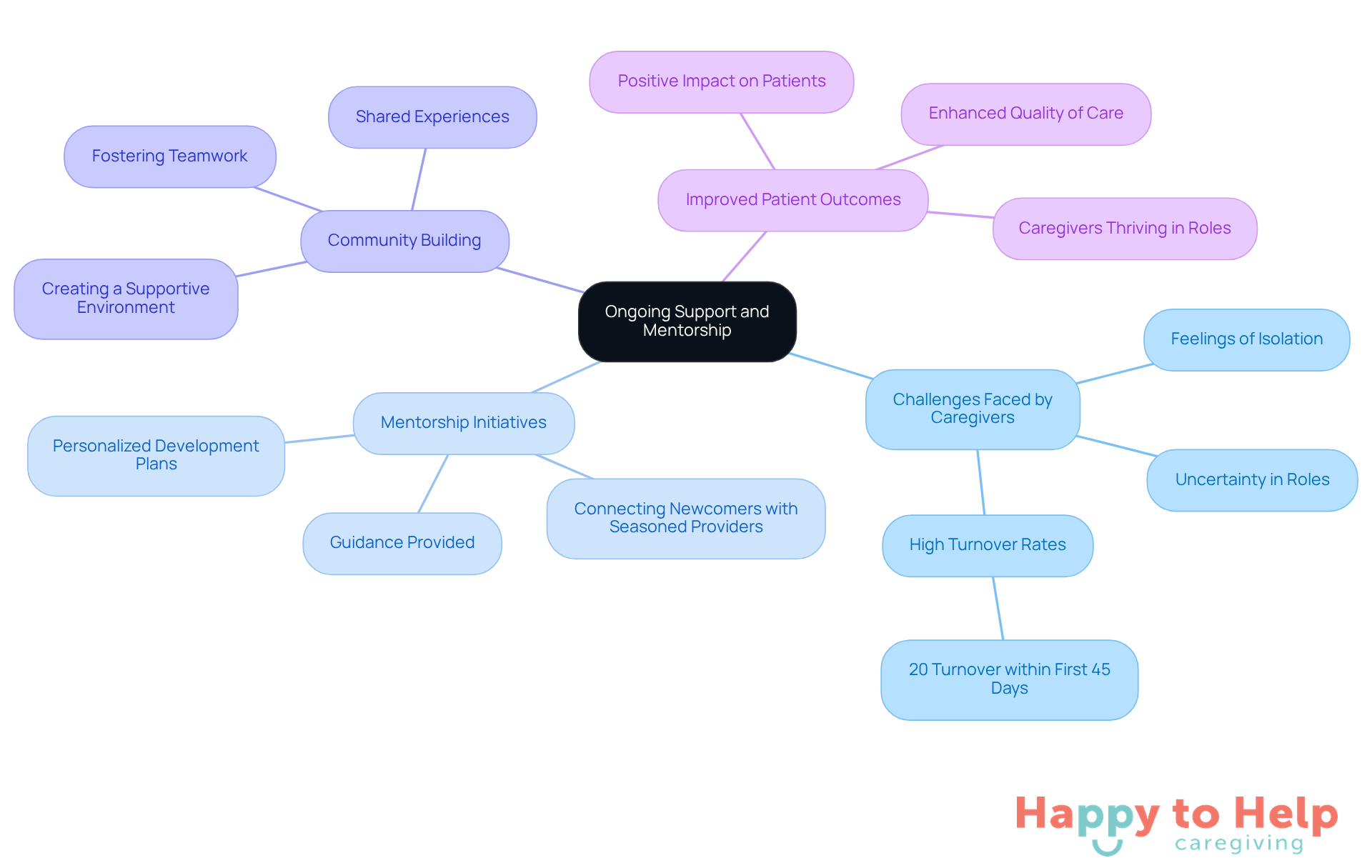
Caregivers often face challenges in their development and support, which can impact the quality of care they provide. Without proper guidance, newcomers may struggle to navigate their roles effectively, leading to feelings of isolation and uncertainty. This lack of support not only affects the caregivers but also the patients who rely on them for quality care.
At Happy to Help Caregiving, we recognize the importance of ongoing support and mentorship in addressing these challenges. Our mentorship initiatives connect seasoned providers with newcomers, offering essential guidance and assistance. This approach not only enhances caregiver skills but also fosters a sense of community and teamwork within the organization.
By promoting collaboration and shared experiences, we ultimately improve the support provided to patients. Caregivers who feel supported are more likely to thrive in their roles, leading to better outcomes for everyone involved.
Positive Client Testimonials: Building Reputation and Trust in Home Care
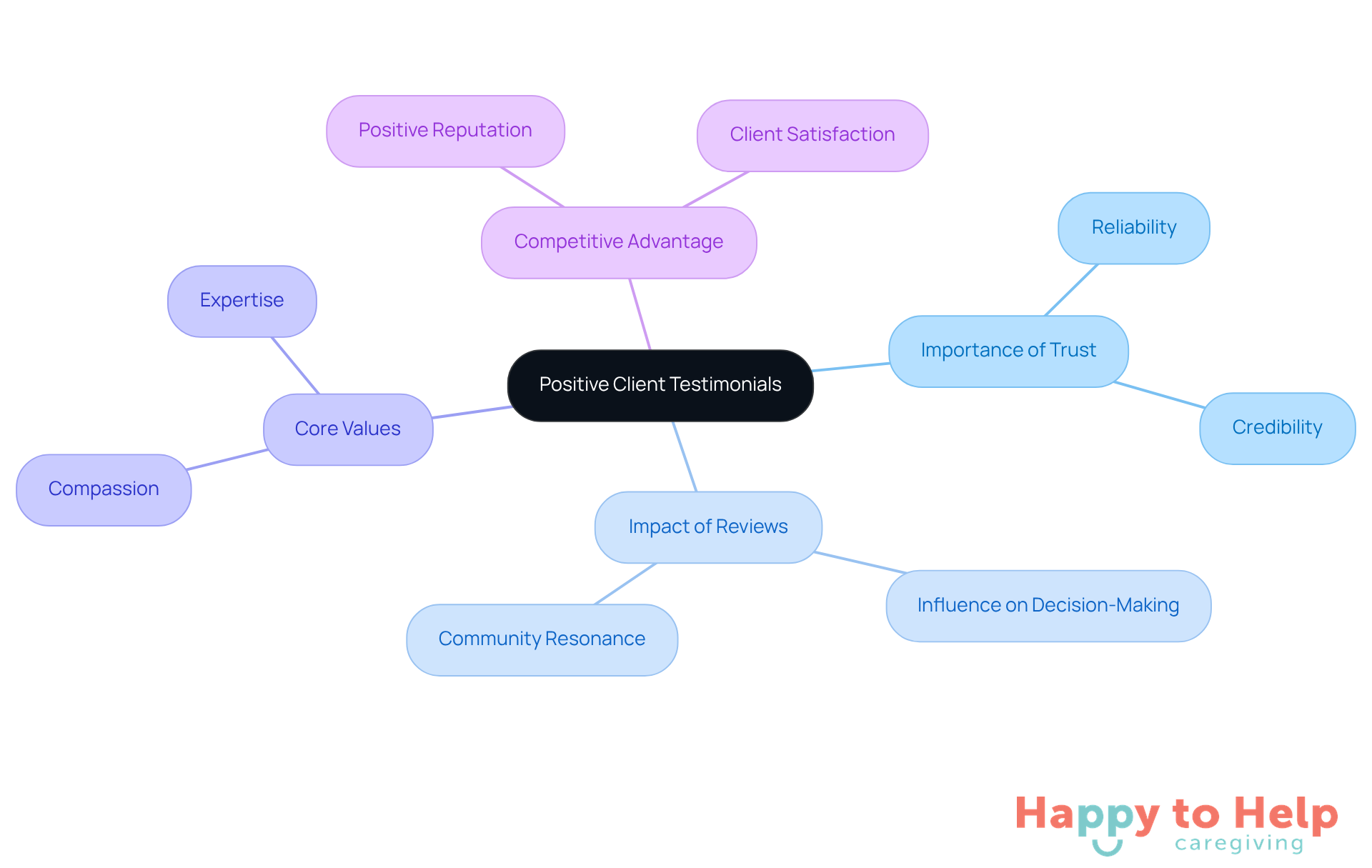
Happy to Help Caregiving faces a significant challenge: families are increasingly searching for reliable in-home caregiving options offered by top caregiver agencies. This quest for dependable care can be overwhelming, as families want assurance that they are making the right choice for their loved ones. The implications of this search are profound; families often rely on the experiences of others to guide their decisions, making it essential for top caregiver agencies to build trust and credibility.
Positive reviews from individuals and their families serve as a powerful solution to this problem. These endorsements reflect genuine experiences that resonate within the community, fostering a sense of reliability. Studies show that favorable evaluations greatly influence the standing of top caregiver agencies, as many prospective customers rely on the experiences of others when choosing a provider. By emphasizing customer testimonials, organizations can effectively showcase their strengths, such as tailored support and responsiveness to personal needs.
Moreover, industry leaders stress the importance of genuine client experiences in building a strong reputation. Testimonials that embody core values like compassion, reliability, and expertise resonate with families, increasing the likelihood of selecting a service that prioritizes these principles. Data indicates that top caregiver agencies with a robust collection of positive reviews gain a competitive advantage, as they are perceived as more trustworthy and capable of delivering high-quality care.
In summary, the positive testimonials from Happy to Help Caregiving not only highlight the organization’s commitment to exceptional service but also play a crucial role in building trust and enhancing its reputation within the community. By sharing these authentic experiences across various platforms, the agency effectively communicates its dedication to improving the lives of clients and their families.
Your Path Forward
Choosing the right caregiver agency for loved ones is crucial. Families often face the challenge of ensuring their loved ones receive personalized, compassionate care. This can lead to stress and uncertainty, as inadequate support can negatively impact both emotional and physical health.
The implications of not selecting a top caregiver agency are significant. Without tailored support and expert training, caregivers may struggle to meet the unique needs of their clients. Additionally, rigid scheduling can hinder the ability to provide care that fits individual circumstances, further complicating the caregiving process.
To address these challenges, families should prioritize agencies that offer tailored support, flexible scheduling, and effective training. By investing in quality caregiving, families can enhance the well-being of their loved ones and foster a nurturing environment. Key aspects to consider include:
- Personalized Care: Addressing emotional and physical health needs.
- Effective Training: Building caregiver competence.
- Flexible Scheduling: Accommodating individual client needs.
- Community Engagement: Enhancing caregiver satisfaction through clear communication.
In conclusion, selecting a top caregiver agency not only improves the quality of life for individuals but also provides peace of mind for families. By focusing on agencies that embody these qualities, families can ensure their loved ones receive the best support possible, creating a more empowering caregiving environment.
https://iframe.tely.ai/cta/eyJhcnRpY2xlX2lkIjogIjY5MjY0Mzk4YmE1MjYxOTlhNjlhODMyNyIsICJjb21wYW55X2lkIjogIjY4ZWU1ZGNhNzMxNzYyNTU3ZjNjOTVjMSIsICJpbmRleCI6IG51bGwsICJ0eXBlIjogImFydGljbGUifQ==Frequently Asked Questions
What problem does Happy to Help Caregiving address?
Happy to Help Caregiving addresses the feelings of loneliness and lack of personalized care that many seniors and individuals with special needs experience, which can significantly impact their quality of life.
How does the absence of personalized care affect individuals?
The absence of tailored support affects emotional well-being and can lead to deteriorating physical health, resulting in decreased happiness and health for individuals who feel undervalued and misunderstood.
What solution does Happy to Help Caregiving provide?
Happy to Help Caregiving excels in delivering personalized care by tailoring services to individual preferences and requirements, promoting independence and well-being, and alleviating feelings of loneliness.
What evidence supports the effectiveness of personalized support from caregiver agencies?
Research shows that individualized support from top caregiver agencies significantly improves emotional and physical health outcomes, encouraging families to select these agencies for their loved ones.
What is the focus of caregiver training at Happy to Help Assistance?
Caregiver training at Happy to Help Assistance emphasizes building trust and rapport, providing emotional support, and ensuring safety and effective care, which enhances satisfaction for both caregivers and clients.
What percentage of trained support providers feel adequately prepared for their responsibilities?
Studies indicate that 96% of trained support providers feel adequately prepared for their responsibilities.
How does training at Happy to Help Assistance benefit clients?
The training cultivates practical skills and nurtures compassion, allowing caregivers to meet the emotional and psychological needs of clients, ultimately enhancing outcomes and improving quality of life.
What new training codes are being introduced for caregiver education?
The new training codes include G0541 for individual training, G0542 for group training, and G0543 for remote training via telehealth.
What issue do families face with rigid caregiving schedules?
Families often struggle with rigid caregiving schedules that do not accommodate their loved ones' unique needs, leading to increased stress and dissatisfaction.
How does Happy to Help Caregiving address the issue of inflexible schedules?
Happy to Help Caregiving offers adaptable scheduling options, allowing families to choose assistance times that align with their loved ones' routines, ensuring support is available when it matters most.
What benefits do flexible support schedules provide?
Flexible support schedules significantly improve client well-being, increase family satisfaction, alleviate stress, and contribute to the overall happiness and quality of life for clients.
What do families say about the importance of flexibility in caregiving?
Families express gratitude for the peace of mind that flexible scheduling brings during challenging times, highlighting it as a lifeline for balancing assistance with daily life.
List of Sources
- Happy to Help Caregiving: Personalized Care That Enhances Quality of Life
- Customized Care at Home: The Benefits of Personalized Care Plans - VNA Health Group (https://vnahg.org/customized-care-at-home-the-benefits-of-personalized-care-plans)
- How Personalized Support Plans Improve Quality of Life (https://heartwisesupport.org/post/how-personalized-support-plans-improve-quality-of-life)
- The Impact of Personalized Care on Senior Well-Being (https://humancareny.com/blog/the-impact-of-personalized-care-on-senior-well-being)
- Novel Care Model May Improve Outcomes for Older Adults With Multiple Chronic Conditions (https://consultqd.clevelandclinic.org/novel-care-model-may-improve-outcomes-for-older-adults-with-multiple-chronic-conditions)
- HarmonyCares Partners with Blue Cross Blue Shield Michigan to Provide Personalized Care in the Home for Patients | HarmonyCares (https://harmonycares.com/harmonycares-partners-with-blue-cross-blue-shield-michigan-to-provide-personalized-care-in-the-home-for-patients)
- Expert Caregiver Training: Ensuring Quality and Compassion in Service
- Medicare 2025 Initiatives Driving Change in Caregiver Training (https://learn2care.us/blog/how-medicare-2025-initiatives-will-shape-caregiver-training)
- Family Caregiver Support, Education Needs Growing (https://hospicenews.com/2025/11/11/family-caregiver-support-education-needs-growing)
- 2025 home care trends include tightened EVV oversight, investments in caregiver training (https://mcknightshomecare.com/2025-home-care-trends-include-tightened-evv-oversight-investments-in-caregiver-training)
- Factors associated with receipt of caregiver training among family and unpaid caregivers of people living with dementia (https://sciencedirect.com/science/article/pii/S2667032125000186)
- Caregiver Statistics: Health, Technology, and Caregiving Resources (https://caregiver.org/resource/caregiver-statistics-health-technology-and-caregiving-resources)
- Flexible Scheduling: Adapting to Client Needs for Better Care
- 9 Ways to Find Caregivers With Flexible Scheduling Options - MedCity News (https://medcitynews.com/2025/05/9-ways-to-find-caregivers-with-flexible-scheduling-options)
- Flexible Care Models Give Home Care Clients ‘What They Want When They Want It’ (https://homehealthcarenews.com/2025/10/flexible-care-models-give-home-care-clients-what-they-want-when-they-want-it)
- The Critical Role of Flexibility in Home Care Scheduling for Family Peace of Mind (https://relevar.com/the-critical-role-of-flexibility-in-home-care-scheduling-for-family-peace-of-mind)
- Senior Living Operators Embrace More Flexible Scheduling Practices to Improve Staffing (https://seniorhousingnews.com/2024/08/06/senior-living-operators-embrace-more-flexible-scheduling-practices-to-improve-staffing)
- Flexible scheduling, enhanced communication, technology can help address workforce challenges (https://mcknightsseniorliving.com/news/flexible-scheduling-enhanced-communication-technology-can-help-address-workforce-challenges)
- Technology Integration: Streamlining Care with Digital Solutions
- HHS Launches New Caregiving AI Initiative to 'Spark Innovative Support' (https://hospicenews.com/2025/11/18/hhs-launches-new-caregiving-ai-initiative-to-spark-innovative-support)
- National Family Caregiver Month 2025: How Tech Supports Care (https://caresmartz360.com/blog/home-care/empowering-family-caregivers-with-technology-this-caregivers-month)
- How enabling technology is transforming home-based care | UnitedHealthcare Community & State (https://uhccommunityandstate.com/content/blog-post/blogs/how-enabling-technology-is-transforming-home-based-care)
- HHS Launches $2M AI Initiative To ‘Transform’ Caregiving, Address Staffing Challenges (https://homehealthcarenews.com/2025/11/hhs-launches-2m-ai-initiative-to-transform-caregiving-address-staffing-challenges)
- HHS Backs AI Innovation for America’s Caregivers | HHS.gov (https://hhs.gov/press-room/hhs-backs-ai-innovation-for-americas-caregivers.html)
- Supportive Agency Culture: Fostering Caregiver Satisfaction and Retention
- Recruiting & Retaining Caregivers in 2025 | HHAeXchange (https://hhaexchange.com/blog/recruiting-and-retaining-caregivers)
- 13 HR Quotes To Inspire and Motivate HR Professionals in 2025 (https://aihr.com/blog/hr-quotes)
- 12 Inspiring HR Quotes on Company Culture | Rise (https://risepeople.com/blog/hr-quotes-company-culture)
- Home Care Turnover Rate Jumps to 80%...HCAOA is Here to Help Members! (https://hcaoa.org/newsletters/home-care-turnover-rate-jumps-to-80hcaoa-is-here-to-help-members)
- 20+ Uplifting Quotes for the Hard Days in HR (https://bamboohr.com/blog/positive-affirmations-hr)
- Community Engagement: Attracting Top Talent Through Local Connections
- Caregiving Statistics US 2025: Insights for Family Caregivers (https://zencaregiving.org/caregiving-statistics-us-2025)
- Caregiver Recruitment Strategies That Work | Rellevate (https://rellevate.com/news/caregiver-recruitment-strategies)
- CaringBridge (https://caringbridge.org/resources/inspirational-quotes-on-caregiving)
- National Alliance for Caregiving: Caregiving in the US 2025 Report (https://johnahartford.org/resources/view/national-alliance-for-caregiving-caregiving-in-the-us-2025-report)
- Following the Research: Benefits of Job Fairs for Workforce Development (https://developcarlsbad.org/news-and-media/p/item/48818/following-the-research-benefits-of-job-fairs-for-workforce-development)
- Clear Communication: Building Trust Between Caregivers and Families
- The Importance of Good Communication in Domiciliary Care | First City Nursing (https://firstcitynursing.co.uk/news/2025/01/the-importance-of-good-communication-in-domiciliary-care/96)
- New Research Brief: Quality of Communication Between Family Caregivers and Direct Care Professionals | The LeadingAge LTSS Center @UMass Boston (https://ltsscenter.org/new-research-brief-quality-of-communication-between-family-caregivers-and-direct-care-professionals)
- The Importance of Communication in Home Health Care Relationships (https://h2hhc.com/blog/the-importance-of-communication-in-home-health-care-relationships)
- The Importance of Effective Communication in Caregiving (https://familycaregiversonline.net/the-importance-of-effective-communication-in-caregiving)
- Competitive Benefits: Attracting and Retaining Quality Caregivers
- How Healthcare Benefits Drive Retention and Wellness - American Healthcare Leader (https://americanhealthcareleader.com/2025/how-healthcare-benefits-drive-retention-and-wellness)
- 20 Caregiver Quotes for Inspiration - Home Helpers Bradenton (https://homehelpershomecare.com/bradenton/community-blog/2017/june/20-inspirational-caregiver-quotes)
- The need for caregiving benefits may have reached a fever pitch (https://hrdive.com/news/sandwich-generation-needs-caregiving-benefits/802864)
- 7 shocking stats about caregivers in the workplace that could be hurting your business (https://reba.global/resource/7-shocking-stats-about-caregivers-in-the-workplace-that-could-be-hurting-your-business.html)
- Top Benefits to Help Retain Quality Caregivers Today (https://vitablehealth.com/blogs/employee-retention-benefits-the-key-to-retaining-caregivers)
- Ongoing Support and Mentorship: Empowering Caregivers for Success
- Mentorship programs could help reduce high turnover among caregivers, experts offer (https://mcknightsseniorliving.com/news/mentorship-programs-could-help-reduce-high-turnover-among-caregivers-experts-offer)
- 10 Inspiring Mentoring Quotes for Mentors and Mentees (https://mentorcliq.com/blog/inspiring-mentoring-quotes)
- 20 Caregiver Quotes for Inspiration - Home Helpers Bradenton (https://homehelpershomecare.com/bradenton/community-blog/2017/june/20-inspirational-caregiver-quotes)
- Positive Client Testimonials: Building Reputation and Trust in Home Care
- Home Care Clients Like Their Caregivers More Than Their Provider, Data Shows (https://homehealthcarenews.com/2024/08/home-care-clients-like-their-caregivers-more-than-their-provider-data-shows)
- The Power of Client Testimonials and Case Studies for Home Care Agencies (https://seniorcaremarketingmax.com/blogs/the-power-of-client-testimonials-and-case-studies-for-home-care-agencies)
- Discover the Best Caregiver Agency to Work For: Happy to Help Caregiving - Happy To Help (https://happytohelpcaregiving.com/discover-the-best-caregiver-agency-to-work-for-happy-to-help-caregiving)
- Examining Satisfaction and Quality in Home- and Community-Based Service Programs in the United States: A Scoping Review - PMC (https://pmc.ncbi.nlm.nih.gov/articles/PMC10581375)
- Why Client Testimonials Matter in HealthCare | Data Soft Logic (https://datasoftlogic.com/news/why-client-testimonials-matter-in-healthcare)