For families in our service areas
For families in our service areas, this guide explains caregiving and how non-medical in-home caregiving can support care planning in East Idaho, Treasure Valley & Magic Valley, Northern Wasatch, North Central West Virginia & Southwestern Pennsylvania, and Northeast Ohio.
Why Practices for Finding Care in Home Near Matters
Finding the right care for loved ones at home is a significant challenge for many families. The complexities of various in-home services can be overwhelming, leading to increased caregiver stress. As the demand for personalized support grows, understanding the nuances of care options becomes essential.
Families often face emotional and logistical hurdles when seeking assistance. This situation can lead to feelings of frustration and uncertainty. How can caregivers effectively navigate the myriad of choices available to them?
To address these challenges, families should start by clearly defining their unique needs. Researching local services, consulting with healthcare professionals, and seeking recommendations from trusted sources can provide valuable insights. Additionally, creating a list of priorities can help streamline the decision-making process, ensuring that the chosen care aligns with both practical requirements and emotional well-being.
Understand Types of In-Home Care Services
Care in home near me addresses significant challenges faced by caregivers, particularly in providing adequate support for their loved ones. Caregivers often experience feelings of stress and burnout, which can impact both their well-being and the quality of care they provide. Understanding the various types of care in home near me services can help alleviate these pressures and ensure that individuals receive the assistance they need.
-
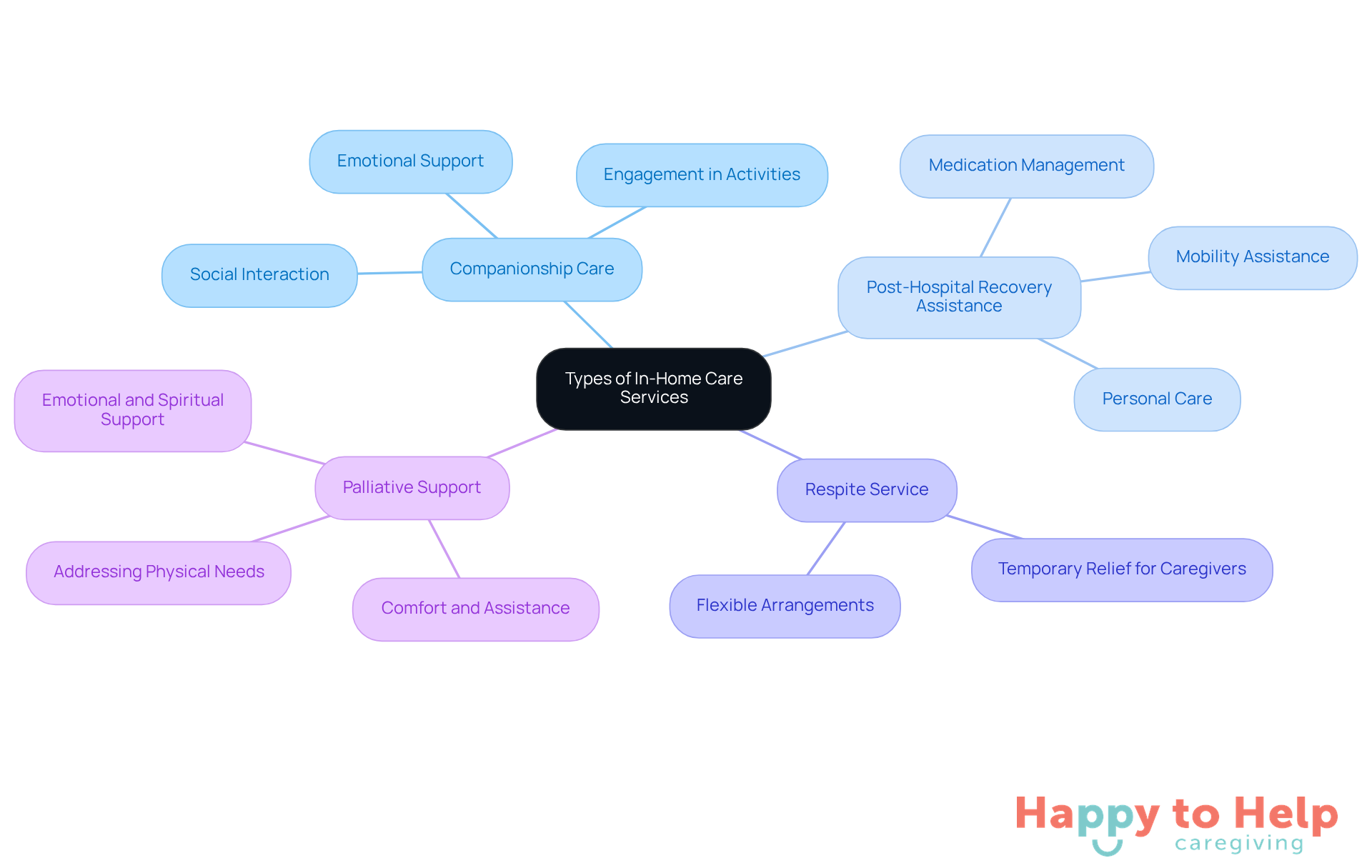
Companionship Care focuses on providing emotional support and companionship to seniors. This service helps alleviate feelings of loneliness and isolation by engaging clients in activities they enjoy, fostering social interaction and enhancing their overall well-being.
-
Post-Hospital Recovery Assistance is crucial for individuals who need help after a hospital stay. This service includes medication management, mobility assistance, and personal care, ensuring a smooth recovery process and reducing the burden on caregivers.
-
Respite Service offers temporary relief for primary caregivers, allowing them to take a much-needed break while ensuring their loved ones continue to receive quality assistance. These services for care in home near me can be arranged for a few hours or several days, providing flexibility and peace of mind.
-
Palliative Support is designed for individuals with severe illnesses, focusing on comfort and assistance. This type of support addresses physical, emotional, and spiritual needs, enhancing the quality of life for both clients and their families.
By comprehending these classifications, families can evaluate their specific needs and select the appropriate form of support, ultimately improving the caregiving experience.
Evaluate and Choose Care Providers Wisely
When it comes to choosing care in home near me, families face a significant challenge: finding the right fit for their loved ones. With over three million patients relying on home health agencies each year, the stakes are high. A poor choice can lead to inadequate support and affect the well-being of those in need.
To tackle this issue, families should consider several critical criteria:
-
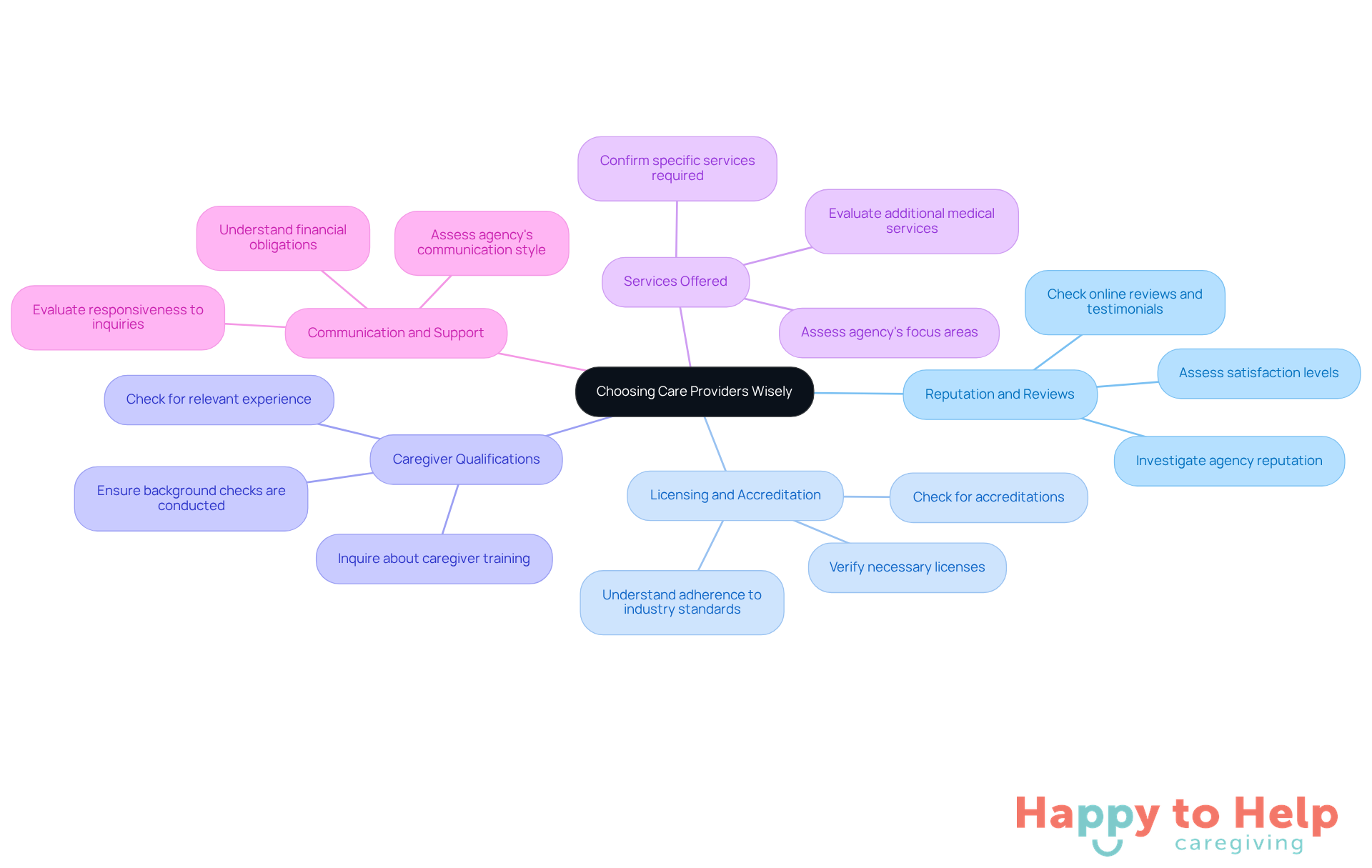
Reputation and Reviews: Investigate the agency's reputation through online reviews, testimonials, and ratings. Input from families who have used their services can offer valuable insights into satisfaction levels and overall quality of support. Understanding agency reputation is crucial.
-
Licensing and Accreditation: Verify that the agency holds the necessary licenses and accreditations from relevant state and national organizations. This certification is a strong indicator of adherence to industry standards and regulations, ensuring a commitment to quality service. Failing to verify these credentials can lead to significant drawbacks in service quality.
-
Caregiver Qualifications: Inquire about the qualifications and training of caregivers. They should have relevant experience and certifications in senior support, along with comprehensive background checks to ensure safety and dependability. As Sumita Singh, Executive Vice President at U.S. News, emphasizes, choosing the right care in home near me provider is crucial for a successful recovery.
-
Services Offered: Confirm that the agency provides the specific services your loved one requires. Some agencies may focus on particular types of support, such as companionship or skilled nursing, making it essential to align their offerings with your needs.
-
Communication and Support: Assess how the agency communicates with families and caregivers. A successful agency should provide regular updates and be attentive to inquiries and issues, fostering a collaborative atmosphere for support. Additionally, understanding financial obligations and insurance protection is vital to ensure that the selected agency fits your budget and requirements.
By carefully evaluating these factors, families can select a provider for care in home near me that meets their expectations and enhances the well-being of their loved ones.
Develop Personalized Care Plans for Clients
Developing a customized support plan is essential for ensuring that individuals receive personalized assistance tailored to their unique needs. Without such a plan, individuals may struggle to receive the support necessary for their well-being. Here’s how to create an effective support plan:
-
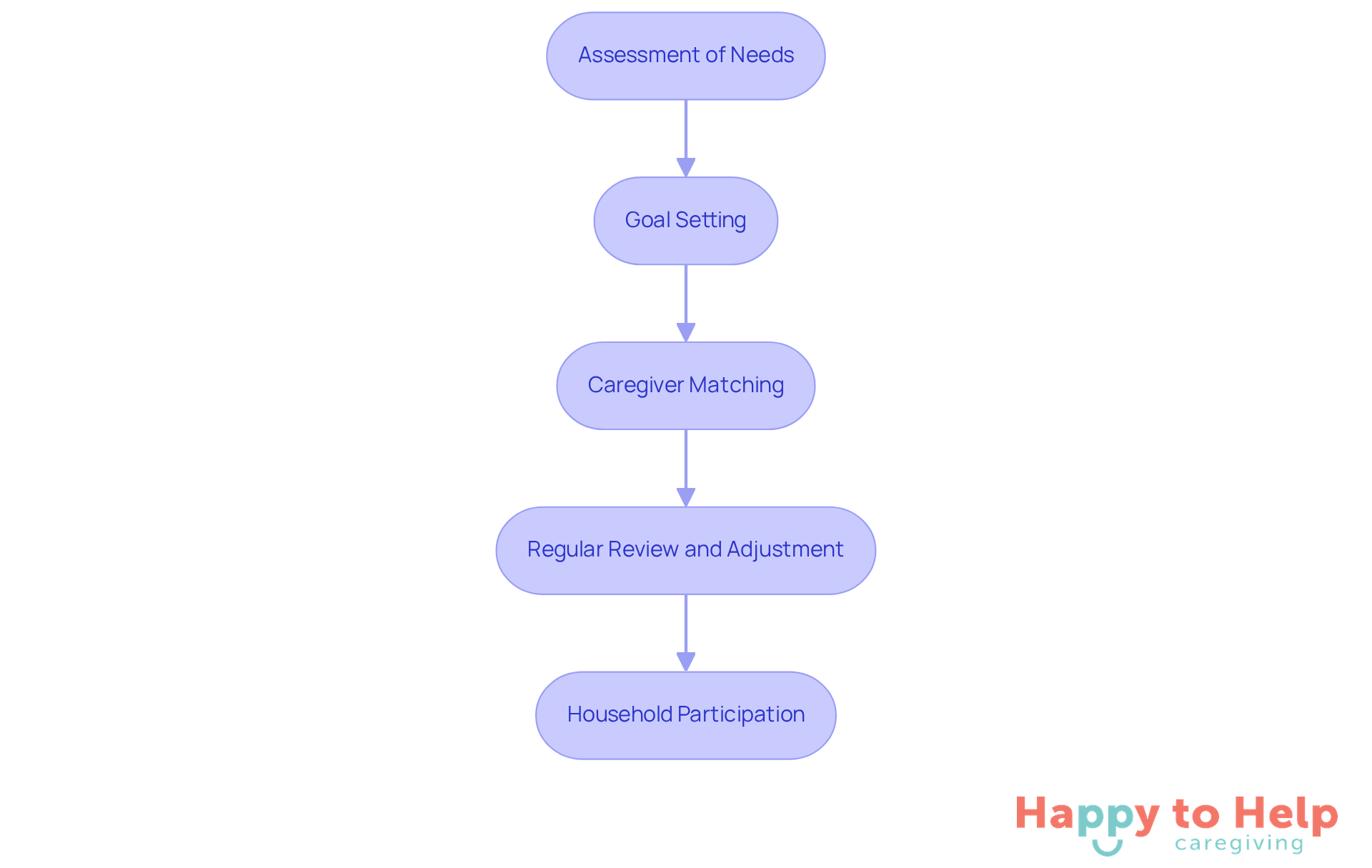
Assessment of Needs: Start with a thorough evaluation of the individual's physical, emotional, and social needs. This assessment should cover health conditions, daily living activities, and personal preferences, providing a comprehensive understanding of the individual's situation. According to the Visiting Nurse Association Health Group, selecting a provider that conducts detailed evaluations is crucial before creating a support plan.
-
Goal Setting: Set clear and achievable goals based on the assessment findings. These objectives should aim to enhance the individual's quality of life, promote independence, and address specific health concerns, serving as a roadmap for support.
-
Caregiver Matching: It’s vital to choose caregivers whose skills and characteristics align with the individual's needs. A well-matched caregiver can greatly enhance the caregiving experience, fostering trust and comfort. Families are increasingly opting for care in home near me over institutional services due to its personalized approach and individual attention, as highlighted by AmeriBest Home Support.
-
Regular Review and Adjustment: Care plans should be flexible, with regular reviews to evaluate progress and make necessary adjustments. This adaptability ensures that the support remains relevant and effective as the client's needs evolve. Statistics show that involving relatives in the planning process can enhance the overall experience, as their insights provide valuable context.
-
Household Participation: Engaging family members in the planning process is crucial. Their insights can help ensure that the support plan aligns with the client's lifestyle and preferences, ultimately improving the overall experience. Research indicates that a significant number of households participate in creating support plans, underscoring the importance of collaboration in this process.
By following these steps, families can develop a support plan that genuinely reflects the needs and wishes of their loved ones, fostering a nurturing environment that promotes well-being and independence.
Leverage Technology for Enhanced Care Coordination
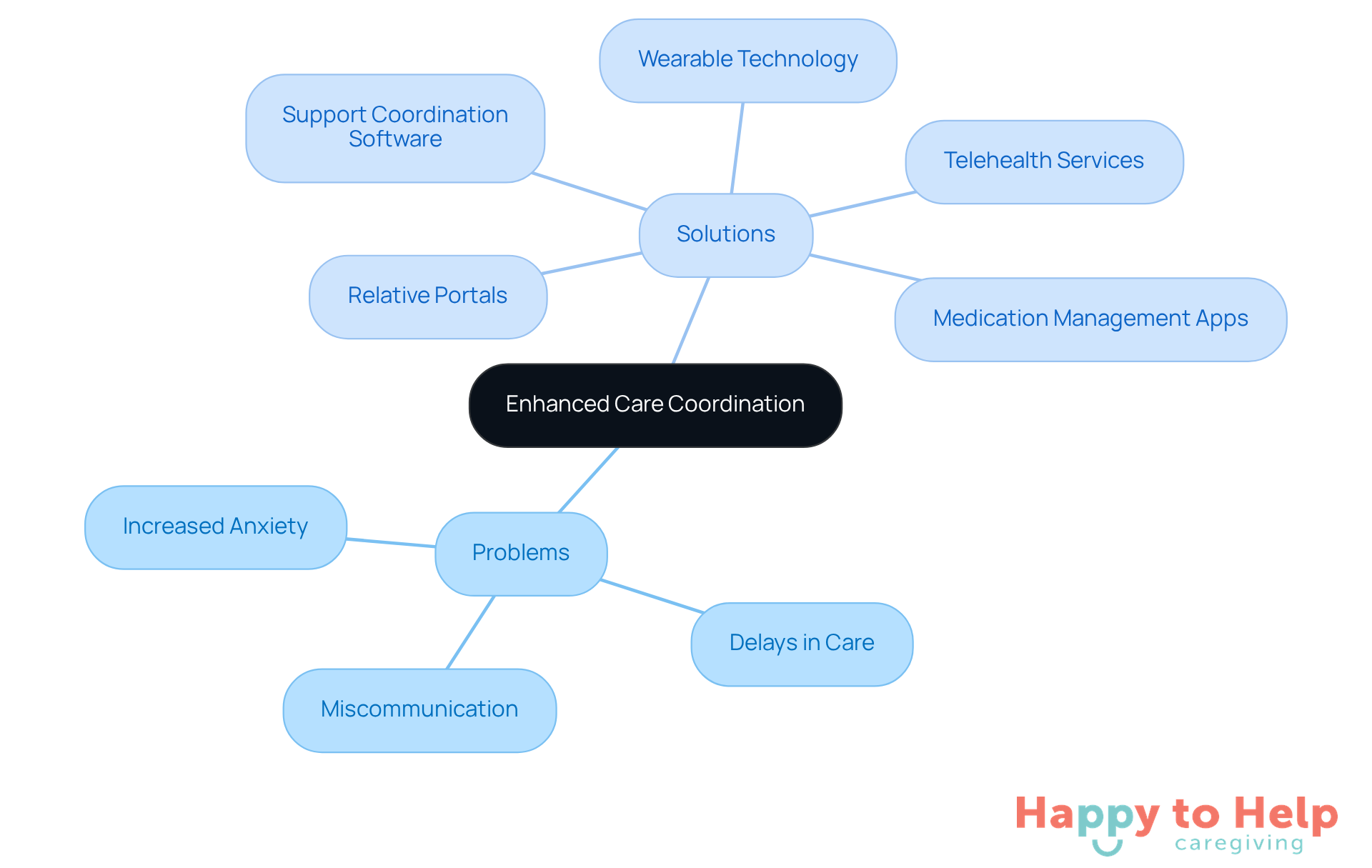
Problem: Care coordination among caregivers can often be challenging, leading to miscommunication and delays in patient care. This can create stress for both caregivers and families, impacting the quality of support provided to loved ones.
Agitate: When caregivers lack effective tools for communication, it can result in fragmented care, missed appointments, and medication errors. This not only affects the patient’s health but also increases anxiety for family members who want to ensure their loved ones receive the best care possible.
Solution: Fortunately, technology offers several solutions to enhance care coordination:
-
Support Coordination Software: Implement software that enables caregivers to exchange notes, updates, and support plans in real-time. This ensures that everyone involved in the patient's care is aligned.
-
Telehealth Services: Utilize telehealth options for remote consultations with healthcare providers. This reduces the need for travel and ensures timely medical advice.
-
Medication Management Apps: Use apps that help track medications, dosages, and schedules. These tools can send reminders to both clients and caregivers, minimizing the risk of missed doses.
-
Relative Portals: Create online platforms where relatives can access updates, support notes, and schedules. This transparency fosters trust and keeps family members informed about their loved one's treatment.
-
Wearable Technology: Consider wearable devices that monitor health metrics such as heart rate and activity levels. These devices provide valuable information to caregivers and healthcare professionals, enabling proactive adjustments to care.
By leveraging these technologies, families can significantly enhance the quality of care in home near me and ensure that their loved ones receive the best possible support.
Your Path Forward
Finding the right care in home near me is a significant challenge for families, as it directly impacts the support loved ones receive and the pressures faced by caregivers. This situation can lead to stress and uncertainty, making it crucial to understand the various in-home care services available.
Key insights include:
- The importance of companionship care
- Post-hospital recovery assistance
- Respite services
- Palliative support
Evaluating potential care providers based on their reputation, licensing, caregiver qualifications, and communication practices is essential. Additionally, developing personalized care plans that reflect individual needs fosters a nurturing environment that promotes well-being.
Leveraging technology, such as care coordination software and telehealth services, can further enhance the effectiveness of in-home care. By prioritizing the unique needs of individuals and utilizing available resources, families can ensure their loved ones receive the best possible support.
Ultimately, the journey to finding the right care involves careful consideration and proactive steps. Embracing these best practices not only strengthens the caregiving process but also empowers families to navigate the complexities of in-home care with confidence and compassion, leading to improved health outcomes and a more fulfilling caregiving experience.
https://iframe.tely.ai/cta/eyJhcnRpY2xlX2lkIjogIjY5Mjc5NGZlMTRjODUwNzI1NGI4N2M2MiIsICJjb21wYW55X2lkIjogIjY4ZWU1ZGNhNzMxNzYyNTU3ZjNjOTVjMSIsICJpbmRleCI6IG51bGwsICJ0eXBlIjogImFydGljbGUifQ==Frequently Asked Questions
What are the main challenges faced by caregivers?
Caregivers often experience stress and burnout, which can impact their well-being and the quality of care they provide to their loved ones.
What is Companionship Care?
Companionship Care focuses on providing emotional support and companionship to seniors, helping to alleviate feelings of loneliness and isolation through engaging activities and social interaction.
What does Post-Hospital Recovery Assistance include?
Post-Hospital Recovery Assistance includes medication management, mobility assistance, and personal care to help individuals recover smoothly after a hospital stay and reduce the burden on caregivers.
What is the purpose of Respite Service?
Respite Service offers temporary relief for primary caregivers, allowing them to take a break while ensuring their loved ones continue to receive quality assistance, with options for a few hours or several days.
What is Palliative Support?
Palliative Support is designed for individuals with severe illnesses, focusing on comfort and assistance while addressing physical, emotional, and spiritual needs to enhance the quality of life for clients and their families.
How can understanding different types of in-home care services help families?
By understanding the various types of in-home care services, families can evaluate their specific needs and select the appropriate form of support, ultimately improving the caregiving experience.
List of Sources
- Understand Types of In-Home Care Services
- Why Home Care Providers Are Increasingly Offering Companion Care Services for Seniors | Aaniie, formerly Smartcare Software (https://aaniie.com/news/why-home-care-providers-are-increasingly-offering-companion-care-services-for-seniors)
- What’s Next For Home Health As The Industry Faces Its Biggest Test Yet (https://homehealthcarenews.com/2025/10/whats-next-for-home-health-as-the-industry-faces-its-biggest-test-yet)
- Types of Home Care Services in 2025 (https://websterhc.com/breaking-down-the-different-types-of-home-care-services-in-2025)
- Lonely Seniors Are Turning To AI Bots For Companionship (https://forbes.com/sites/rashishrivastava/2025/10/18/lonely-seniors-are-turning-to-ai-bots-for-companionship)
- State of home care in 2025 (https://mcknightshomecare.com/state-of-home-care-in-2025)
- Evaluate and Choose Care Providers Wisely
- 10 Tips for Finding the Right Home Care Agency | VirginiaNavigator (https://disabilitynavigator.org/article/93691/10-tips-finding-right-home-care-agency)
- Tips for Choosing a Senior In-Home Care Agency: 10 Things to Consider - Mary Ann Morse Home Care (https://maryannmorse.org/2023/07/28/tips-for-choosing-a-senior-in-home-care-agency-ten-things-to-consider)
- Choosing a Provider (https://hcaoa.org/choosing-a-provider.html)
- U.S. News to Debut Best Home Health Ratings in 2026 (https://usnews.com/info/blogs/press-room/articles/2025-11-03/u-s-news-to-debut-best-home-health-ratings-in-2026)
- 8 Tips for Choosing a Home Care Agency (https://careindeed.com/blogs/8-tips-for-choosing-a-home-care-agency)
- Develop Personalized Care Plans for Clients
- Customized Care at Home: The Benefits of Personalized Care Plans - VNA Health Group (https://vnahg.org/customized-care-at-home-the-benefits-of-personalized-care-plans)
- Senior Care in Philadelphia, PA: Key Trends for 2025 and Beyond - AmeriBest Home Care (https://ameribesthomecare.com/recent-news/senior-care-in-philadelphia-pa-key-trends-for-2025-and-beyond)
- 2025: AI enhances personalized care; caregiver experience in the spotlight (https://healthcareitnews.com/news/2025-ai-enhances-personalized-care-caregiver-experience-spotlight)
- Essential Guide For Creating Effective Senior Care Plans - Purview Life (https://purviewlife.com/essential-guide-for-creating-effective-senior-care-plans)
- The Future of Private Home Care: What to Expect in 2025 (https://anodyne-services.com/2024/08/14/the-future-of-private-home-care-what-to-expect-in-2025)
- Leverage Technology for Enhanced Care Coordination
- Telehealth Statistics (https://mastermindbehavior.com/post/telehealth-statistics)
- The Table-Stakes Technology Entering Home-Based Care In 2025 And Beyond (https://homehealthcarenews.com/2024/12/the-table-stakes-technology-entering-home-based-care-in-2025-and-beyond)
- How enabling technology is transforming home-based care | UnitedHealthcare Community & State (https://uhccommunityandstate.com/content/blog-post/blogs/how-enabling-technology-is-transforming-home-based-care)
- White House, Tech Leaders Commit to Create Patient-Centric Healthcare Ecosystem | CMS (https://cms.gov/newsroom/press-releases/white-house-tech-leaders-commit-create-patient-centric-healthcare-ecosystem)
- Telehealth Statistics (https://alumacare.com/blog/telehealth-statistics)