
For families in our service areas
For families in our service areas, this guide explains caregiving and how non-medical in-home caregiving can support care planning in East Idaho, Treasure Valley & Magic Valley, Northern Wasatch, North Central West Virginia, and Northeast Ohio.
The Importance of Find In Home Senior Care Near Me
As the population of seniors continues to grow, the desire for aging in place is becoming increasingly prevalent. By 2025, a projected 75% of older adults are expected to opt to stay in their homes. This shift presents a significant challenge: families must navigate a myriad of in-home senior care options that prioritize comfort, dignity, and quality of life.
The implications of this trend are profound. Families often find themselves overwhelmed by choices, struggling to determine the best fit for their loved one's unique needs. This daunting task can lead to confusion and stress, making it difficult to ensure that aging relatives receive the support they truly deserve.
So, how can families make informed decisions? Here are some actionable solutions:
- Assess Individual Needs: Start by evaluating the specific requirements of your loved one, considering their health, mobility, and personal preferences.
- Research Options: Look into various in-home care services, comparing their offerings, reviews, and costs.
- Consult Experts: Don’t hesitate to reach out to healthcare professionals or geriatric care managers for guidance.
By taking these steps, families can navigate the complexities of senior care more effectively, ensuring that their aging relatives receive the best possible support.
Understand In-Home Senior Care Options
In home senior care near me addresses a pressing need for older adults who wish to remain in the comfort of their own homes. By 2025, approximately 75% of seniors are expected to prefer aging at home rather than moving to assisted living centers or nursing facilities. This trend highlights the increasing demand for in-home support services.
-
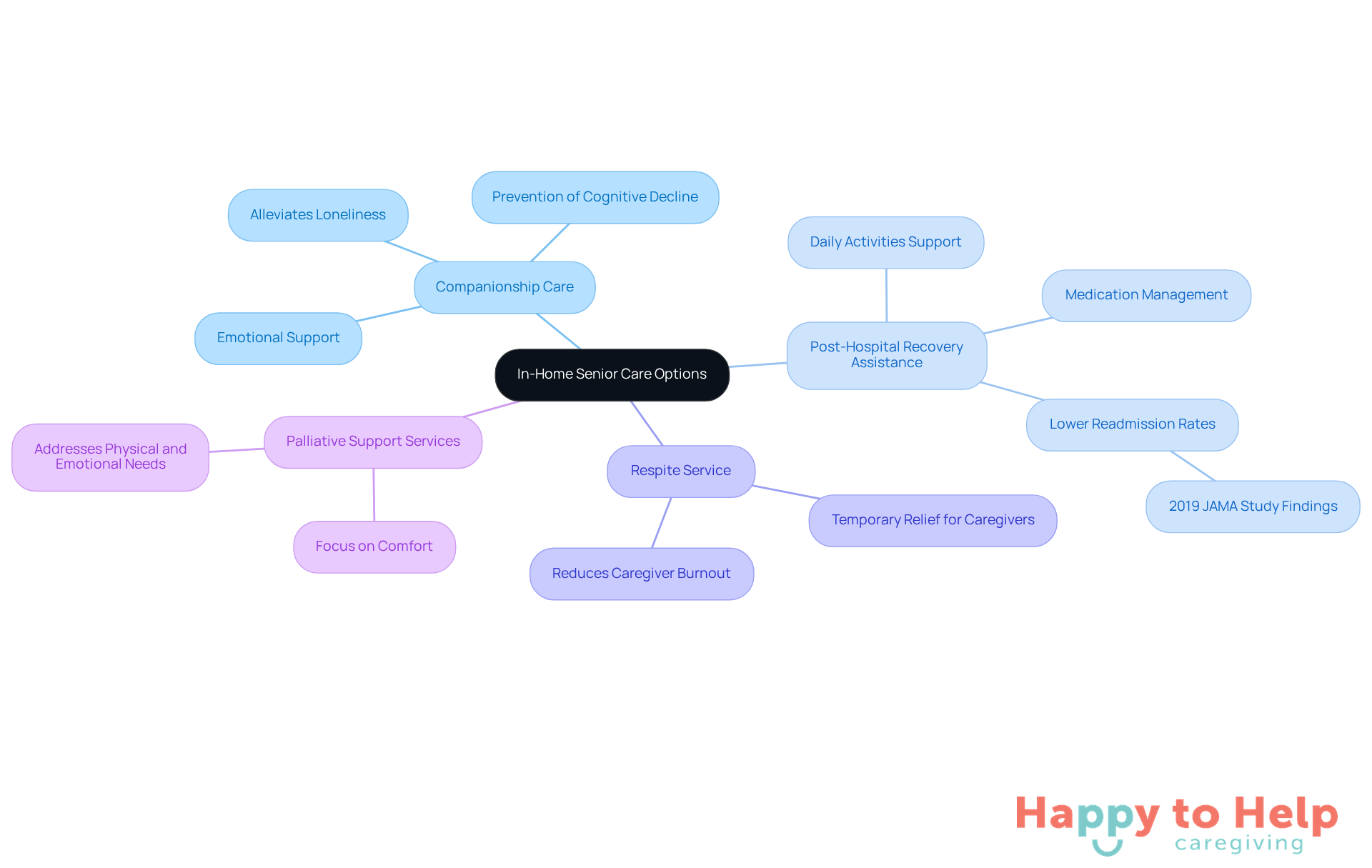
Companionship Care: One significant challenge seniors face is loneliness and isolation. Companionship care provides emotional support, helping to alleviate these feelings. Geriatric professionals note that such support can enhance mental well-being and social involvement, serving as a preventive measure against cognitive decline. As caregiving specialist Amy Goyer states, "Small adjustments - and significant ones, too - can be implemented to support family members."
-
Post-Hospital Recovery Assistance: After a hospital stay, many seniors require help with daily activities, medication management, and mobility support. This assistance is crucial for a smooth recovery. A 2019 study in JAMA Internal Medicine found that Medicare beneficiaries who opted for skilled nursing after hospitalization had lower readmission rates.
-
Respite Service: Primary caregivers often experience exhaustion. Respite services offer temporary relief, allowing caregivers to take a break while ensuring their loved ones receive quality assistance. Establishing a respite support plan can significantly reduce caregiver burnout and improve the overall support experience for both caregivers and recipients.
-
Palliative Support Services: For individuals facing serious illnesses, palliative support focuses on comfort and assistance, addressing both physical and emotional needs. This type of care is essential for enhancing the quality of life for those dealing with chronic health challenges.
Understanding these options is the first step in finding the right support for your loved one, ensuring their safety, comfort, and dignity as they navigate their golden years. With the demand for in home senior care near me expected to rise significantly in 2025 due to demographic shifts and senior preferences, caregivers must also consider the financial aspects of senior living when making decisions.
Assess Individual Care Needs
To effectively assess the care needs of your loved one, it's crucial to recognize the challenges involved. Caregivers often struggle with understanding the specific support required, which can lead to feelings of frustration and uncertainty.
-
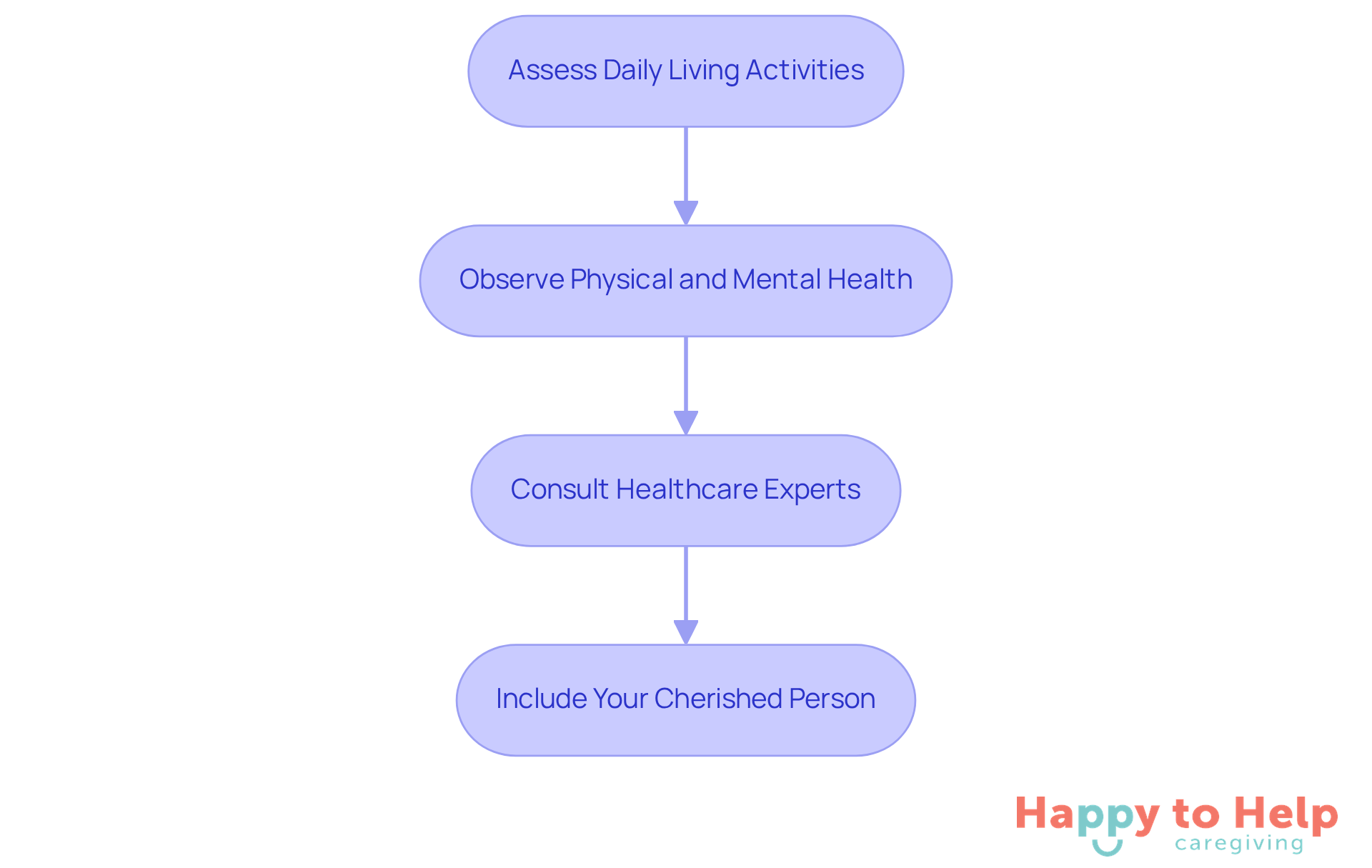
Assess Daily Living Activities: Start by determining which daily tasks your loved one finds difficult. This may include bathing, dressing, meal preparation, and medication management. Identifying these areas is essential for providing the right support.
-
Observe Physical and Mental Health: Pay attention to any changes in physical health, mobility, cognitive function, or emotional well-being. These changes can indicate a need for additional support and should not be overlooked.
-
Consult Healthcare Experts: Engage with doctors or healthcare providers to gain insights into your family member's health status. They can offer valuable recommendations for support services tailored to your loved one's needs.
-
Include Your Cherished Person: It's important to involve your loved one in discussions about their preferences and concerns regarding support. This ensures they feel empowered in the decision-making process and can express their needs.
By thoroughly evaluating these aspects, you can create a clearer picture of the kind of in home senior care near me that will best support your loved one.
Evaluate and Compare Care Providers
Finding the right provider for in home senior care near me can be a daunting task for families. With so many options available, how do you ensure that your loved one receives the best possible support? Here’s a structured approach to help you navigate this important decision.
-
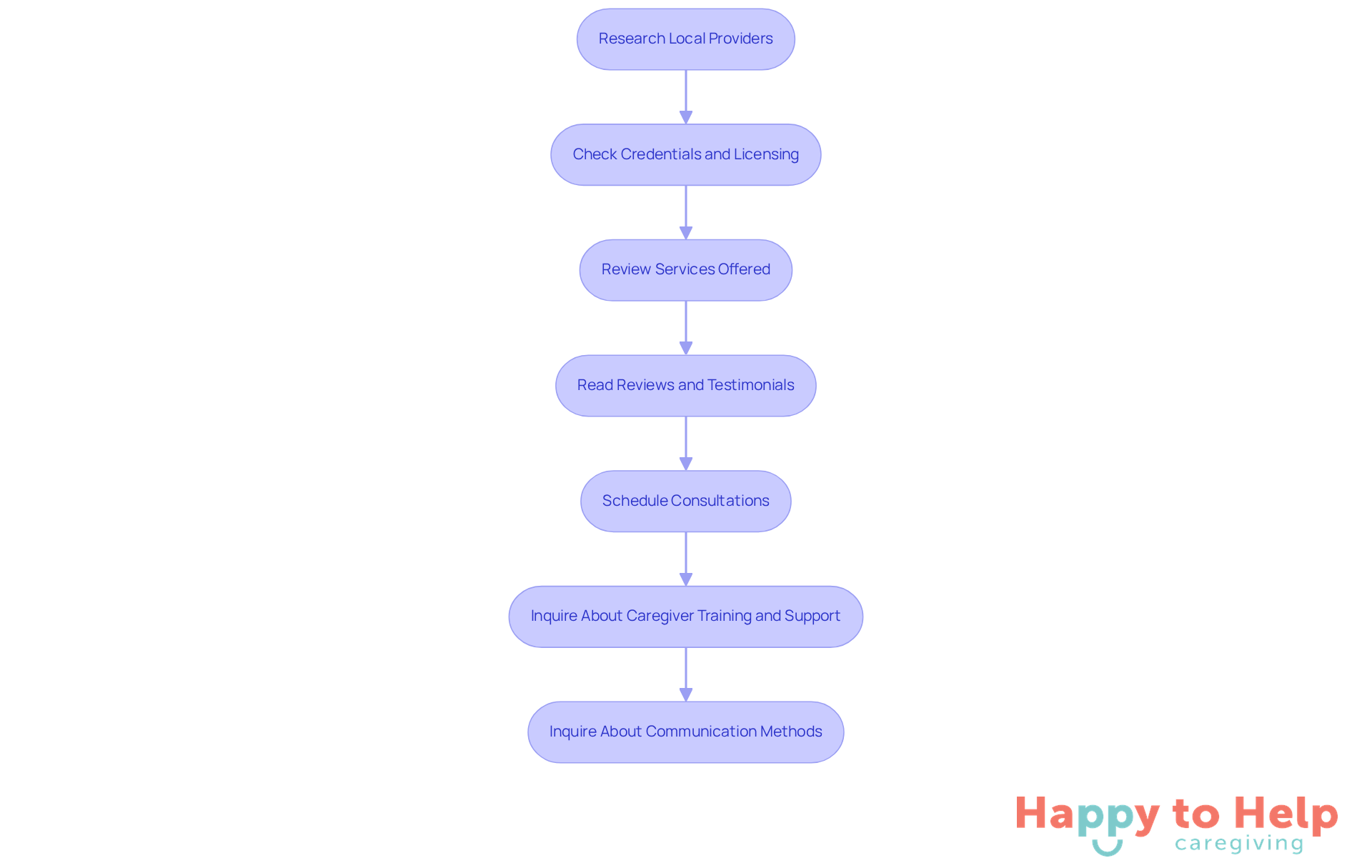
Research local providers by compiling a list of in home senior care near me services available in your area. Use online resources, reviews, and recommendations from healthcare professionals or trusted friends to gather information.
-
Check Credentials and Licensing: It’s crucial to verify that the organizations are properly licensed and accredited. This information is typically available on their websites or can be obtained by contacting them directly. Ensuring that a provider meets state regulations is essential for quality assurance.
-
Review Services Offered: Compare the variety of services available from each organization. Make sure they provide the specific types of assistance your loved one needs, such as companionship, personal support, or specialized medical aid. Additionally, evaluate whether the organization offers flexibility in care options, as this is important for adapting to changing needs over time.
-
Read Reviews and Testimonials: Seek feedback from other families who have used the organization's services. Platforms like Yelp or Caring.com can offer valuable insights into the experiences of prior clients, assisting you in assessing the organization's reputation.
-
Schedule Consultations: Arrange meetings with potential providers to discuss your family member's needs. Use this opportunity to ask questions and evaluate the organization's responsiveness and professionalism. Pay attention to the personal compatibility between your loved one and the caregiver, as this relationship is crucial for fostering a nurturing environment.
-
Inquire About Caregiver Training and Support: Ensure that the organization emphasizes ongoing training and support for their caregivers. This commitment is essential for upholding high-quality service.
-
Inquire About Communication Methods: Ensure that the organization offers consistent updates on your family member's condition or treatment plan. This transparency is essential for family peace of mind.
By systematically assessing these factors, you can narrow down your choices and find a provider for in home senior care near me that aligns with your family member's needs, ensuring they receive the best possible support.
Make an Informed Decision
Choosing the right in home senior care near me can be a daunting task. Families often face the challenge of navigating various options, which can lead to confusion and uncertainty. This decision is crucial, as it directly impacts the quality of care for loved ones.
-
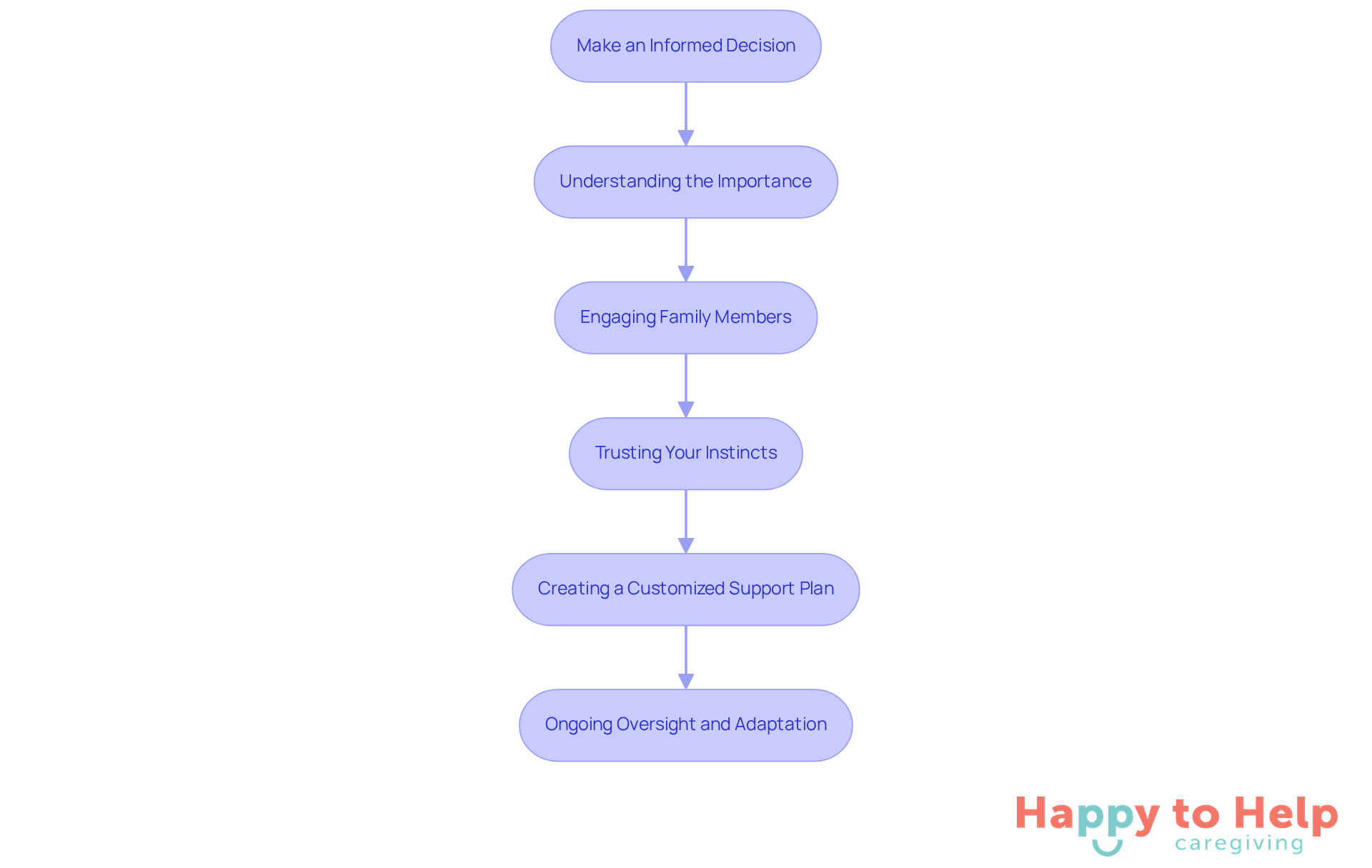
Understanding the Importance of Informed Decisions
Caregiver experience and service offerings are vital factors to consider. Studies show that families find peace of mind when they select reliable home support organizations. The average duration of caregiving is four years, underscoring the long-term commitment involved in this choice. -
Engaging Family Members
Involving family members in discussions about care preferences can provide a more comprehensive understanding of your loved one's needs. Open conversations ensure that everyone is on the same page and can contribute valuable insights into support options. -
Trusting Your Instincts
Your gut feelings about potential providers matter. Trust is essential in caregiving; choosing a provider you feel comfortable with can enhance the overall support experience. Families seek reliable individuals who offer safe, compassionate care while respecting the dignity and independence of their aging relatives. -
Creating a Customized Support Plan
After selecting a provider, collaborate with them to develop a tailored support plan that addresses your loved one's specific needs and preferences. This plan should incorporate insights from your discussions and evaluations. -
Ongoing Oversight and Adaptation
Once care begins, maintain open communication with the caregiver and agency. Regularly assess the effectiveness of the care plan and be prepared to make adjustments as necessary. Continuous monitoring ensures that the support aligns with your loved one's evolving needs.
By following these steps, you can confidently choose the right in home senior care near me for your loved one, ensuring they receive the compassionate support they need to thrive at home. As the demand for in-home care continues to rise in 2025, making informed decisions is more critical than ever.
Moving Forward with Find In Home Senior Care Near Me
Finding the right in-home senior care is a crucial step for families wanting their loved ones to age comfortably and safely at home. As more seniors prefer to stay in their own homes, the challenge of navigating various care options becomes increasingly significant. This guide aims to empower families by outlining essential steps to tackle the complexities of in-home care, ensuring informed decisions that cater to unique needs.
The problem is clear: many families struggle to understand the different types of in-home senior care available. This lack of knowledge can lead to inadequate support for aging relatives. To address this, it’s vital to assess individual care needs accurately. Evaluating and comparing care providers is another critical step, as it allows families to find the best fit for their loved ones. Each of these steps equips families with the necessary tools to provide optimal support.
Recognizing the specific needs of seniors - from companionship and recovery assistance to respite services and palliative care - is paramount in selecting appropriate care. By engaging in thorough research and involving family members in discussions, families can create a customized support plan that meets their loved one's requirements.
Ultimately, the importance of informed decision-making in in-home senior care cannot be overstated. Trusting instincts about potential providers and taking the time to explore available resources ensures that seniors receive compassionate, dignified care. As the demand for in-home care continues to rise, families must prioritize these steps to enhance their loved ones' quality of life.
https://iframe.tely.ai/cta/eyJhcnRpY2xlX2lkIjogIjY5MjNiNTZhMTY0YjFjNGVjNjViZTdkOCIsICJjb21wYW55X2lkIjogIjY4ZWU1ZGNhNzMxNzYyNTU3ZjNjOTVjMSIsICJpbmRleCI6IG51bGwsICJ0eXBlIjogImFydGljbGUifQ==Frequently Asked Questions
What is the main trend regarding senior care preferences by 2025?
By 2025, approximately 75% of seniors are expected to prefer aging at home rather than moving to assisted living centers or nursing facilities.
What is companionship care and why is it important for seniors?
Companionship care provides emotional support to seniors, helping to alleviate feelings of loneliness and isolation. It enhances mental well-being and social involvement, serving as a preventive measure against cognitive decline.
What assistance do seniors typically need after a hospital stay?
After a hospital stay, many seniors require help with daily activities, medication management, and mobility support to ensure a smooth recovery.
How do respite services benefit primary caregivers?
Respite services offer temporary relief to primary caregivers, allowing them to take a break while ensuring their loved ones receive quality assistance, which can reduce caregiver burnout.
What are palliative support services and who are they for?
Palliative support services focus on comfort and assistance for individuals facing serious illnesses, addressing both physical and emotional needs to enhance quality of life for those with chronic health challenges.
Why is it important to understand in-home senior care options?
Understanding in-home senior care options is crucial for finding the right support for loved ones, ensuring their safety, comfort, and dignity as they age.
What financial aspects should caregivers consider when making decisions about senior living?
Caregivers must consider the financial aspects of senior living when making decisions, especially as the demand for in-home senior care is expected to rise significantly by 2025.
List of Sources
- Understand In-Home Senior Care Options
- Understanding the Different Eldercare Options (https://health.usnews.com/senior-care/articles/understanding-the-different-senior-care-options)
- In-Home Care for Seniors - Caregiving News and Tips (https://aarp.org/caregiving/home-care)
- Home Care Industry Trends to Watch in 2025 (https://firstlighthomecare.com/blog/home-care-industry-trends)
- Types of Home Care Services in 2025 (https://websterhc.com/breaking-down-the-different-types-of-home-care-services-in-2025)
- Growing Trend of Private Pay Home Care for Elderly (https://regencyhcs.com/blog/growing-trend-of-private-pay-home-care-for-elderly)
- Assess Individual Care Needs
- Warning From Older Adults: Care for Aging in America Needs Urgent Rethinking (https://johnahartford.org/newsroom/view/warning-from-older-adults-care-for-aging-in-america-needs-urgent-rethinking)
- Bridging the Gap in Elderly Care: The Case for Comprehensive In-Home Assessment (https://reachmd.com/news/bridging-the-gap-in-elderly-care-the-case-for-comprehensive-in-home-assessment/2474101)
- Prevalence and Trends of Basic Activities of Daily Living Limitations in Middle-Aged and Older Adults in the United States - PMC (https://pmc.ncbi.nlm.nih.gov/articles/PMC10660458)
- Aurora releases study to address needs of older adults and caregivers (https://denver7.com/news/front-range/aurora/aurora-releases-study-to-address-needs-of-older-adults-and-caregivers)
- How to Assess if an Older Adult Needs Caregiving Help (https://aarp.org/caregiving/home-care/assessing-need-for-caregiver)
- Evaluate and Compare Care Providers
- What’s Next For Home Health As The Industry Faces Its Biggest Test Yet (https://homehealthcarenews.com/2025/10/whats-next-for-home-health-as-the-industry-faces-its-biggest-test-yet)
- How to Choose the Right In-Home Care Provider for Your Loved One | Luxe Homecare (https://luxehomecare.com/how-to-choose-the-right-in-home-care-provider-for-your-loved-one)
- How to Evaluate the Quality of Home Health Care Providers (https://humancareny.com/blog/how-to-evaluate-the-quality-of-home-health-care-providers)
- U.S. News to Debut Best Home Health Ratings in 2026 (https://usnews.com/info/blogs/press-room/articles/2025-11-03/u-s-news-to-debut-best-home-health-ratings-in-2026)
- How to Evaluate Home Care Agencies for Quality Services (https://ultimatecareny.com/resources/how-to-evaluate-home-care-agencies-for-quality-services)
- Make an Informed Decision
- Is It Time for Senior Living? Make An Informed Decision (https://sunriseseniorliving.com/resources/caregivers-and-families/time-for-senior-living)
- Informed Decisions About Senior Care | Pegasus Senior Living (https://pegasusseniorliving.com/blog/senior-information-assistance)
- Choosing the Right Caregivers | Visiting Angels (https://visitingangels.com/rochester/articles/choosing-the-right-caregivers-what-families-should-look-for/26613)
- Why Are More People Choosing Home Care Over Facilities as They Age? (https://newlifestyles.com/blog/why-are-more-people-choosing-home-care-over-facilities-as-they-age)
- Caregiver Statistics: Demographics (https://caregiver.org/resource/caregiver-statistics-demographics)