5 Steps to Find In-Home Care Services Near You for Loved Ones

For families in our service areas
For families in our service areas, this guide explains in-home care and how non-medical in-home caregiving can support care planning in East Idaho, Treasure Valley & Magic Valley, Northern Wasatch, North Central West Virginia, and Northeast Ohio.
The Importance of Find In-Home Care Services Near Me for
Navigating the landscape of in-home care services can feel overwhelming, especially when the well-being of a loved one is at stake. Families often face the challenge of identifying the best options available in their area, which can lead to stress and uncertainty. With the increasing demand for personalized care solutions, it’s crucial to understand how to find reliable services that not only meet physical needs but also support emotional and social well-being.
What challenges might arise in this search? Families may struggle with:
- A lack of information
- Difficulty in assessing the quality of care
- The emotional burden of making such important decisions
To effectively address these challenges, it’s essential to approach the search systematically. This guide offers a step-by-step approach to finding trustworthy in-home care services, ensuring that caregivers are equipped to provide comprehensive support for their loved ones.
Assess Individual Care Needs
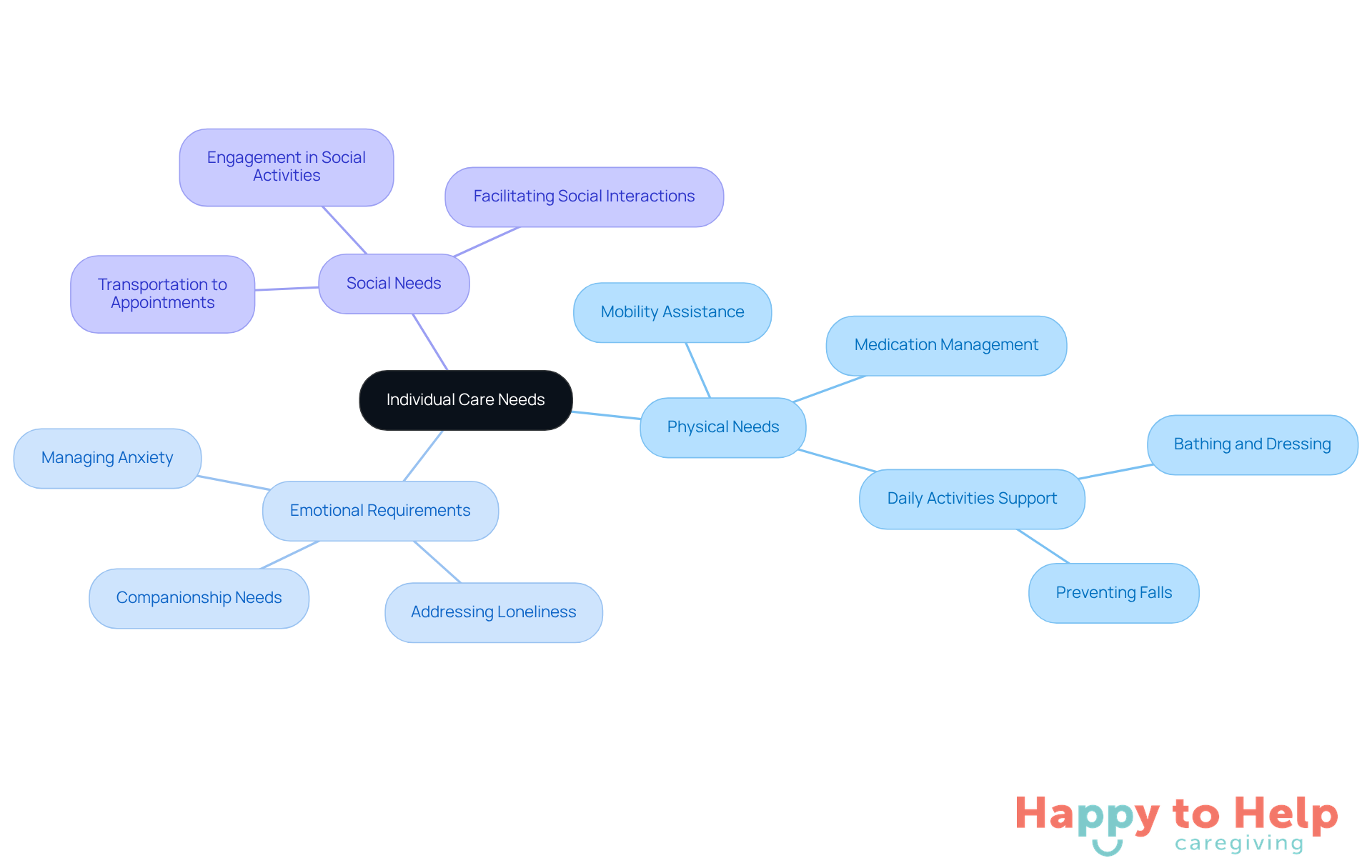
Start by engaging in a detailed conversation with your loved one about their daily routines, preferences, and any challenges they encounter. Consider the following:
-
Physical Needs: Assess mobility, medication management, and assistance with daily activities like bathing and dressing. Notably, one in four adults over 65 experiences a fall each year, underscoring the critical need for mobility assistance from caregivers at home.
-
Emotional Requirements: Be aware of feelings of loneliness or anxiety and the desire for companionship. One in three adults aged 50-80 report feeling isolated at least some of the time, highlighting the necessity of emotional support in caregiving.
-
Social Needs: Determine if they need help with social activities or transportation to appointments. Engaging in social interactions is vital for mental health, and caregivers can facilitate these connections.
Moreover, it's essential to recognize that nearly 70% of family caregivers struggle to balance their jobs with caregiving responsibilities, highlighting the strong need for in-home care services near me to provide additional support from professional caregiving providers.
Documenting these needs creates a clear picture of the type of care required, guiding your search for services. This personalized approach not only addresses their physical needs but also nurtures their emotional and social well-being, ensuring a comprehensive caregiving experience.
Research Local In-Home Care Options
Finding the right in-home care services near me can be a daunting task for caregivers. With the home healthcare market projected to grow significantly, the demand for reliable in-home care services near me is more pressing than ever. Caregivers face the challenge of navigating numerous options, which can be overwhelming without proper guidance.
To tackle this issue, here are some effective strategies:
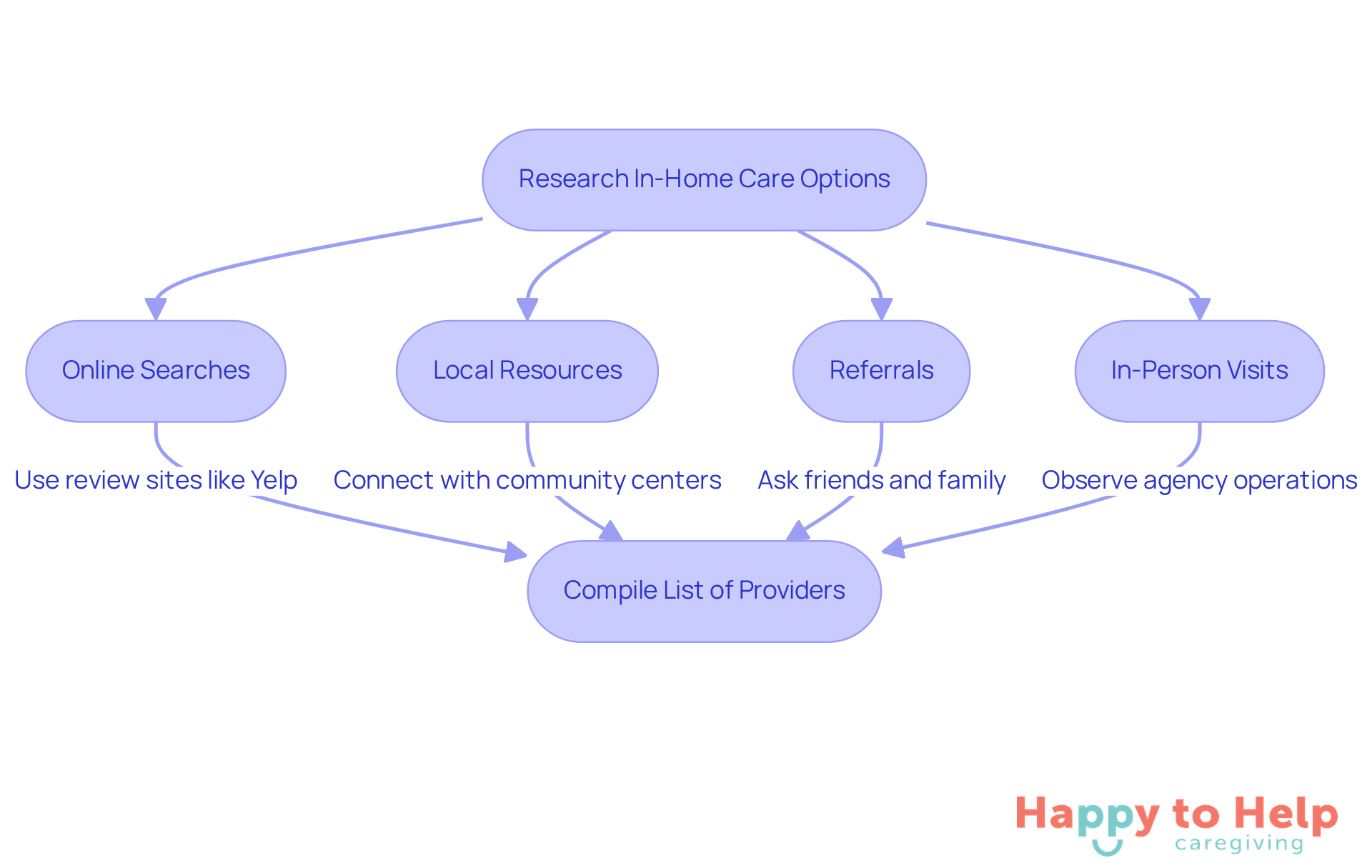
- Online Searches: Start by using search engines to locate agencies in your area. Websites like Yelp and Caring.com provide valuable reviews and ratings to help you assess the quality of in-home care services near me. Given the expected compound annual growth rate of 7.96% in the home healthcare market from 2024 to 2030, thorough research is essential to meet the increasing demand.
- Local Resources: Connect with local aging services or community centers for recommendations. These organizations often have insights into reputable firms that provide in-home care services near me, including those registered with Medicare, which adds to their credibility.
- Referrals: Don’t hesitate to ask friends, family, or healthcare professionals about their experiences with local providers. Personal recommendations can yield trustworthy insights into the quality of care. Notably, 91% of clients using in-home care services near me report satisfaction with their caregivers, highlighting the importance of finding a reliable service.
- In-Person Visits: Whenever possible, visit agencies in person. This allows you to observe their operations and culture, ensuring they align with your loved one's needs.
Compile a list of at least five potential providers for further evaluation. This initial research is crucial in ensuring that your loved ones receive the best possible care tailored to their needs.
Evaluate Quality and Reputation of Services
Selecting the right agency can be a daunting task for caregivers. With so many options available, it’s crucial to ensure that you’re making an informed choice to avoid future complications.
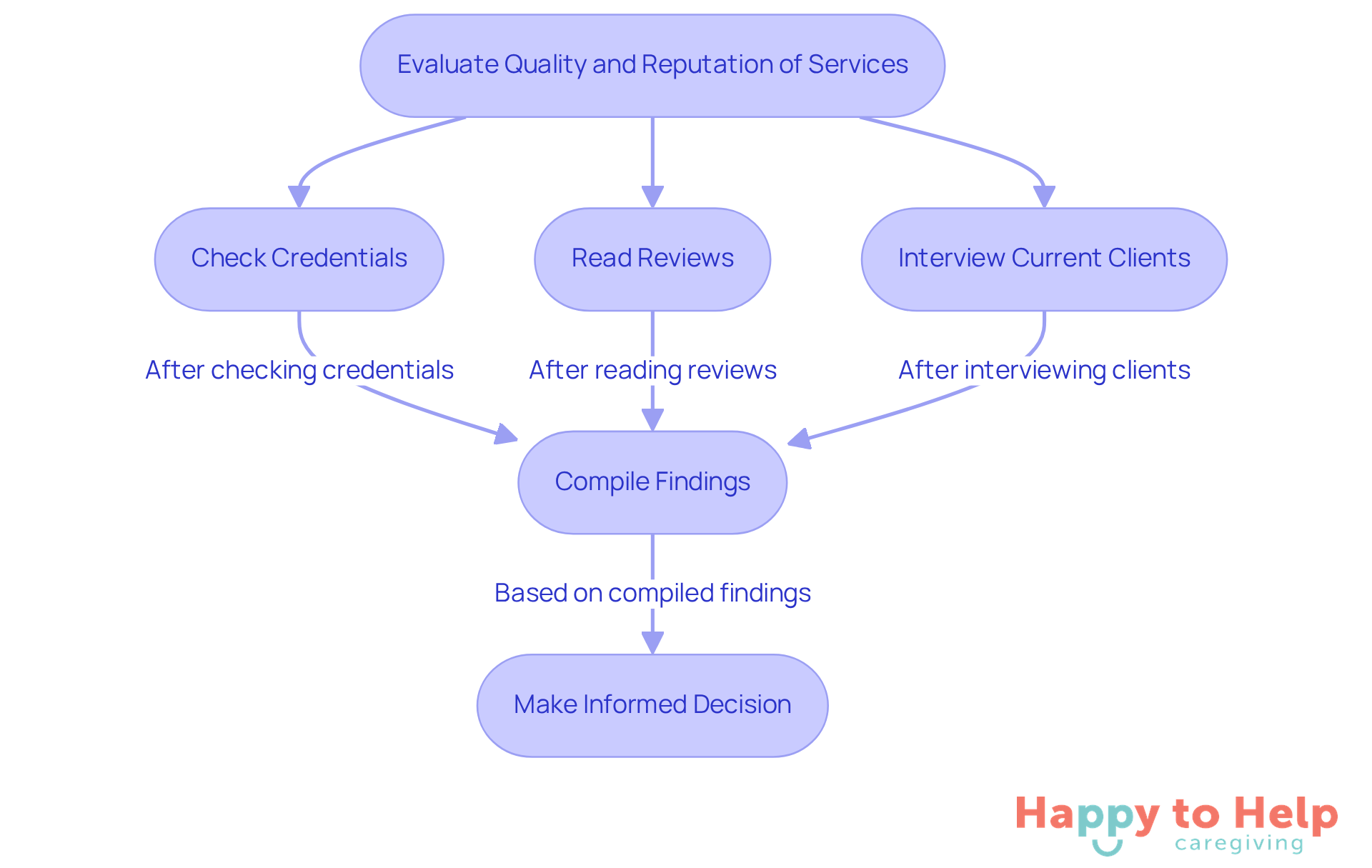
To assess the quality of potential agencies, consider the following actionable steps:
- Checking Credentials: Verify that the agency is licensed and accredited by relevant state or national bodies. This ensures that they meet the necessary standards of care.
- Reading Reviews: Look for testimonials and reviews from other families. This can provide insight into their satisfaction and experiences with the agency.
- Interviewing Current Clients: If possible, speak with families currently using the agency’s services. Their firsthand accounts can offer valuable perspectives on the agency's effectiveness.
By compiling your findings, you can effectively compare the agencies and make a well-informed decision.
Compare Costs and Service Offerings
When considering inhome care services near me, families often face the challenge of understanding the associated costs. This lack of clarity can lead to confusion and potentially inadequate care for loved ones.
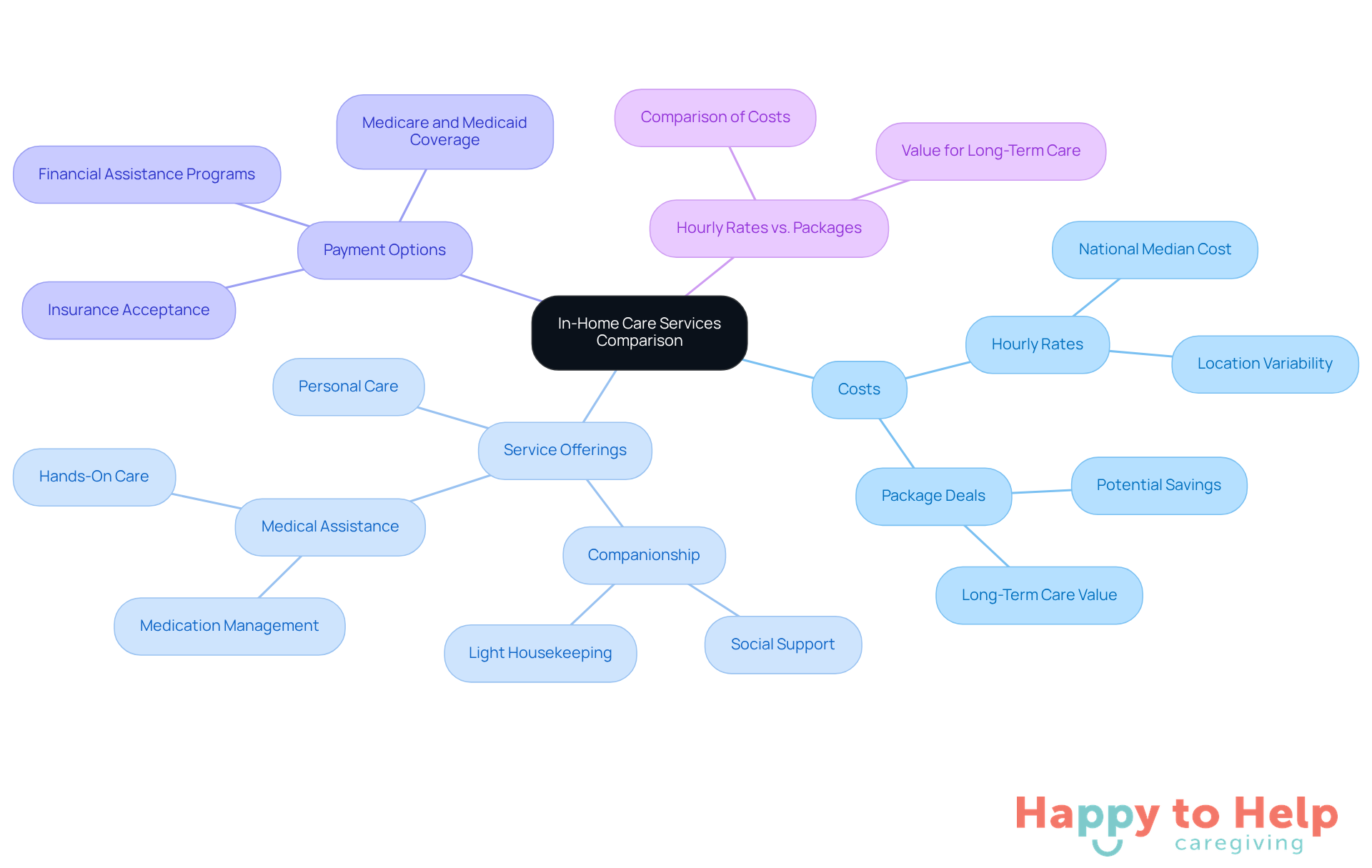
Service Breakdown: It's crucial to know what services are included in the quoted price. Common offerings may encompass personal care, companionship, and medical assistance. For instance, companionship care typically involves social support, light housekeeping, meal preparation, and transportation assistance, but does not include hands-on medical care. By understanding these details, families can better evaluate whether the inhome care services near me are suitable for their loved ones' needs.
Payment Options: Families should inquire about various payment methods, including insurance acceptance and available financial assistance programs. Many might not realize that Medicare covers at-home caregiver assistance only under specific circumstances and for a limited duration. Additionally, Medicaid may provide coverage for home health aides, but eligibility varies by state. Understanding these options early on is essential.
Hourly Rates vs. Packages: Comparing hourly rates with package deals can reveal better value for longer-term care. The national median cost for inhome care services near me is approximately $33 per hour, though rates can vary significantly depending on location and the complexity of care required. For example, in areas with a $15 per hour minimum wage, prices may be closer to $35 per hour. Families should also consider the potential savings of committing to a package deal for ongoing care, which can reduce overall costs.
Creating a comparison chart can be an effective way to illustrate the distinctions in costs and offerings among different agencies. This chart should include details such as hourly rates, types of services offered, and any additional fees. By doing so, families can make informed decisions that best suit their financial and caregiving needs.
Conduct Interviews with Caregivers
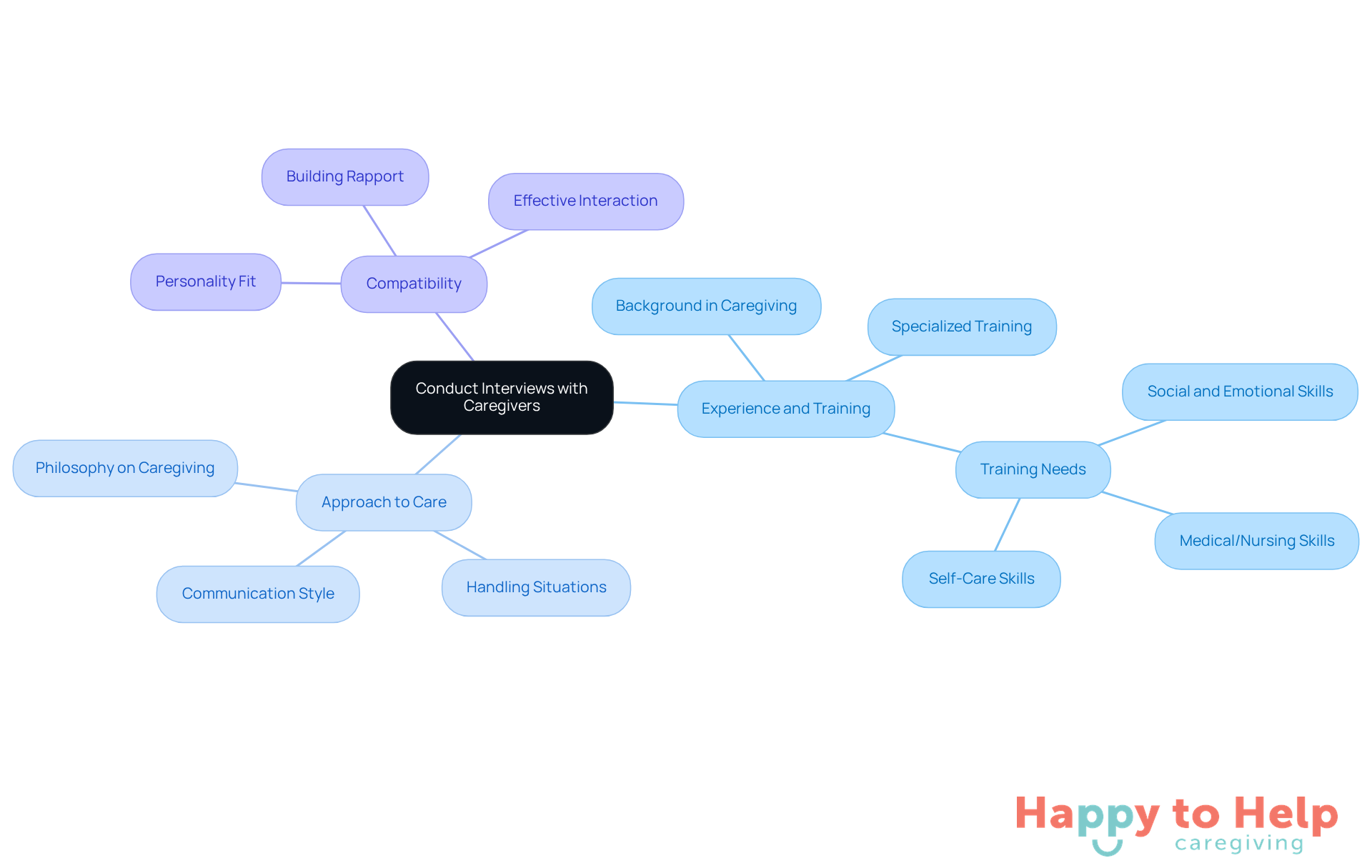
Selecting the right caregiver can be a daunting task. It's crucial to ensure that the person you choose is not only qualified but also a good fit for your loved one. To navigate this process effectively, consider the following key areas during your interviews:
- Experience and Training: Inquire about their background in caregiving and any specialized training they have received. This will help you assess their qualifications.
- Approach to Care: Discuss their philosophy on caregiving and how they handle various situations. Understanding their approach can reveal how they might interact with your loved one.
- Compatibility: Gauge their personality and communication style to ensure they will connect well with your loved one. A good rapport is essential for effective caregiving.
Prepare a list of questions to ask during the interview, and take notes to compare responses later. This structured approach will help you make an informed decision.
Moving Forward with Find In-Home Care Services Near Me for
Finding the right in-home care services for loved ones can be a daunting task. Families often face the challenge of understanding individual care needs while navigating a sea of options. This situation not only addresses the physical requirements of care but also impacts emotional and social well-being, which are crucial for a holistic caregiving experience.
To tackle this issue effectively, families should take several key steps:
- Assess the specific needs of your loved one.
- Research local options and evaluate the quality and reputation of services available.
- Compare costs and offerings.
- Conduct interviews with potential caregivers.
Each of these steps is vital in making an informed choice that aligns with the preferences and requirements of the individual receiving care.
The importance of finding appropriate in-home care services cannot be overstated. It goes beyond mere assistance with daily tasks; it’s about enhancing the quality of life for those who may feel vulnerable or isolated. By taking the time to follow these steps, families can provide their loved ones with compassionate, reliable care while alleviating the burden on themselves. Embrace this opportunity to empower your loved ones and positively impact their lives by securing the best in-home care services available.
https://iframe.tely.ai/cta/eyJhcnRpY2xlX2lkIjogIjY5MjY0MzZiMDBmNGUzMjBmNzc3ZTdkMSIsICJjb21wYW55X2lkIjogIjY4ZWU1ZGNhNzMxNzYyNTU3ZjNjOTVjMSIsICJpbmRleCI6IG51bGwsICJ0eXBlIjogImFydGljbGUifQ==Frequently Asked Questions
What should I consider when assessing individual care needs for a loved one?
When assessing individual care needs, consider their physical needs (mobility, medication management, and assistance with daily activities), emotional requirements (feelings of loneliness or anxiety), and social needs (help with social activities or transportation). Documenting these needs provides a clear picture of the type of care required.
Why is mobility assistance important for older adults?
Mobility assistance is crucial because one in four adults over 65 experiences a fall each year, highlighting the need for caregivers to provide support in this area to prevent injuries.
How can emotional support impact caregiving?
Emotional support is vital as one in three adults aged 50-80 report feeling isolated at least some of the time. Recognizing and addressing feelings of loneliness or anxiety can significantly enhance the caregiving experience.
What are effective strategies for researching local in-home care options?
Effective strategies include conducting online searches using review websites, connecting with local aging services or community centers for recommendations, asking friends and healthcare professionals for referrals, and visiting agencies in person to observe their operations.
Why is it important to compile a list of potential in-home care providers?
Compiling a list of at least five potential providers is important for further evaluation to ensure that your loved ones receive the best possible care tailored to their specific needs.
What is the projected growth of the home healthcare market?
The home healthcare market is projected to grow significantly, with an expected compound annual growth rate of 7.96% from 2024 to 2030, indicating an increasing demand for reliable in-home care services.
How satisfied are clients with in-home care services?
Notably, 91% of clients using in-home care services report satisfaction with their caregivers, underscoring the importance of finding a reliable service.
List of Sources
- Assess Individual Care Needs
- Warning From Older Adults: Care for Aging in America Needs Urgent Rethinking (https://johnahartford.org/newsroom/view/warning-from-older-adults-care-for-aging-in-america-needs-urgent-rethinking)
- 2025 Home Care Statistics: Trends & Insights To Know (https://premierhcinc.com/blog/home-care-statistics)
- How to Assess if an Older Adult Needs Caregiving Help (https://aarp.org/caregiving/home-care/assessing-need-for-caregiver)
- Bridging the Gap in Elderly Care: The Case for Comprehensive In-Home Assessment (https://reachmd.com/news/bridging-the-gap-in-elderly-care-the-case-for-comprehensive-in-home-assessment/2474101)
- New Study Finds That While Aging Seniors Prefer In-Home Care, Most Are Critically Underprepared for Future Healthcare Needs | Cross Country Healthcare, Inc. (https://ir.crosscountry.com/news-releases/news-release-details/new-study-finds-while-aging-seniors-prefer-home-care-most-are)
- Research Local In-Home Care Options
- 10 Tips for Finding the Right Home Care Agency | VirginiaNavigator (https://disabilitynavigator.org/article/93691/10-tips-finding-right-home-care-agency)
- Home Care Statistics In 2025: Key Insights In Home Care (https://sagapixel.com/marketing/home-care-statistics)
- 52 Eye-Opening Home Health Statistics: Insights for 2025 (https://boosthomehealth.com/home-health-statistics)
- FastStats (https://cdc.gov/nchs/fastats/home-health-care.htm)
- Evaluate Quality and Reputation of Services
- U.S. News to Debut Best Home Health Ratings in 2026 (https://usnews.com/info/blogs/press-room/articles/2025-11-03/u-s-news-to-debut-best-home-health-ratings-in-2026)
- Quality of Care in Home Health Agencies with and without Accreditation: A Cohort Study - PMC (https://pmc.ncbi.nlm.nih.gov/articles/PMC9901214)
- How to Evaluate the Quality of Home Health Care Services (https://regencyhcs.com/blog/how-to-evaluate-the-quality-of-home-health-care-services)
- Home Health Star Ratings | CMS (https://cms.gov/medicare/quality/home-health/home-health-star-ratings)
- How to Evaluate Home Care Agencies for Quality Services (https://ultimatecareny.com/resources/how-to-evaluate-home-care-agencies-for-quality-services)
- Compare Costs and Service Offerings
- Home Care Costs in 2025: A State-by-State Guide (https://aplaceformom.com/caregiver-resources/articles/in-home-care-costs)
- The Cost of Dignity: A Guide to In-Home Care Costs and Happier Aging in 2025 | Nurse Next Door (https://nursenextdoor.com/blog/how-much-does-senior-home-care-cost)
- The Cost of In-Home Caregivers May Surprise You (https://health.usnews.com/senior-care/caregiving/articles/how-much-do-in-home-caregivers-cost)
- Payment Rates for Medicaid Home Care: States’ Responses to Workforce Challenges | KFF (https://kff.org/medicaid/payment-rates-for-medicaid-home-care-states-responses-to-workforce-challenges)
- Conduct Interviews with Caregivers
- Perceived Training Needs of the Informal Caregivers of Older Adults: A Cross-Sectional Study - PMC (https://pmc.ncbi.nlm.nih.gov/articles/PMC11641250)
- A New Medicare Proposal Would Cover Training for Family Caregivers - KFF Health News (https://kffhealthnews.org/news/article/a-new-medicare-proposal-would-cover-training-for-family-caregivers)
- Caregiver Statistics: Demographics (https://caregiver.org/resource/caregiver-statistics-demographics)
- A new Medicare proposal would cover training for family caregivers • Virginia Mercury (https://virginiamercury.com/2023/08/21/a-new-medicare-proposal-would-cover-training-for-family-caregivers)
- New Report Reveals Crisis Point for America’s 63 million Family Caregivers (https://press.aarp.org/2025-07-24-New-Report-Reveals-Crisis-Point-for-Americas-63-million-Family-Caregivers)