5 Steps to Find In Home Elder Care Near You for Your Loved Ones

For families in our service areas
For families in our service areas, this guide explains caregiving and how non-medical in-home caregiving can support care planning in East Idaho, Treasure Valley & Magic Valley, Northern Wasatch, North Central West Virginia, and Northeast Ohio.
Understanding Find In Home Elder Care Near Me
Finding the right in-home elder care for a loved one presents a significant challenge. Families often grapple with emotional and logistical hurdles as they seek to provide the best support for their elderly relatives. With the aging population on the rise, the urgency to ensure that these individuals receive tailored care has never been greater.
The implications of this challenge are profound. Families must balance the desire for quality care with the realities of cost and scheduling, all while ensuring their loved ones feel respected and involved in the process. This guide outlines essential steps to help navigate the complexities of in-home care, from assessing individual needs to evaluating service providers.
To effectively address these challenges, families can take several actionable steps:
- Start by assessing the specific requirements of your loved one, considering their health conditions, preferences, and daily routines.
- Next, research and evaluate potential service providers, looking for those with strong reputations and positive reviews.
By following these steps, families can find a solution that meets both their needs and those of their elderly relatives.
Understand Your Care Needs
Begin by assessing your family member's daily living activities and health status. Caregivers often face significant challenges in this area, as many seniors struggle with essential tasks.
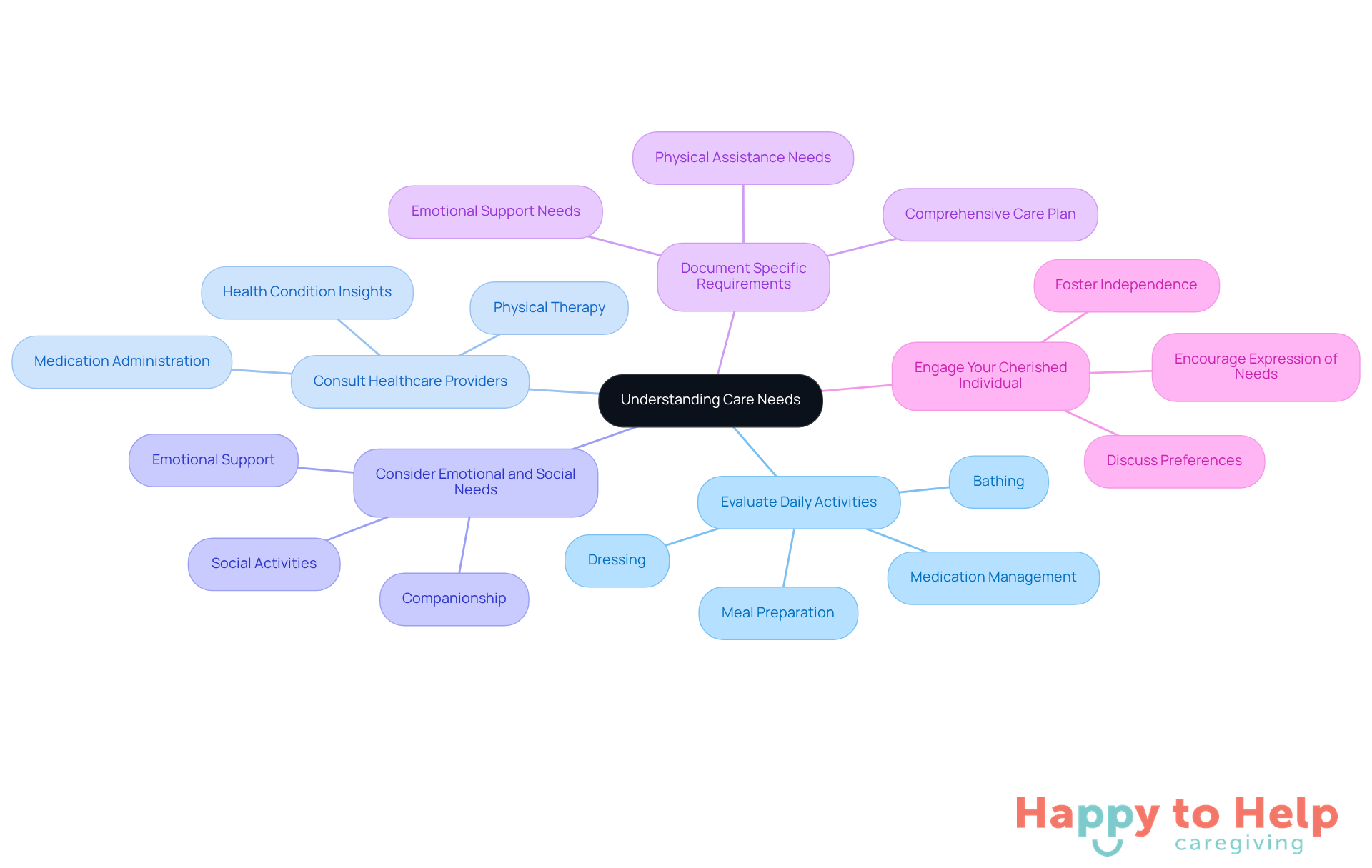
Evaluate Daily Activities: Identify which daily tasks your family member finds difficult, such as bathing, dressing, meal preparation, or medication management. Research shows that about 60% of seniors need help with at least one activity of daily living (ADL). This evaluation is crucial for understanding their needs.
Consult Healthcare Providers: Engage with doctors or specialists to address any medical needs, including physical therapy or medication administration. Involving healthcare experts can provide valuable insights into the specific support required based on your family member's health condition. Alarmingly, 82% of older adults feel the U.S. health care system is unprepared for the increasing demands of the aging population, highlighting the urgency of this consultation.
Consider Emotional and Social Needs: Assess your loved one's emotional well-being. Do they need companionship or help with social activities? Emotional support is vital, as many seniors experience loneliness and isolation, which can adversely affect their health. Over a quarter of caregivers report feeling depressed or isolated themselves, emphasizing the emotional toll on both seniors and their caregivers.
Document Specific Requirements: Create a comprehensive list of support needs, covering both physical and emotional assistance. This documentation will serve as a foundation for discussions with potential caregivers and organizations, ensuring all aspects of assistance are considered.
Engage Your Cherished Individual: If possible, involve your loved one in conversations about their preferences. This approach ensures their comfort and independence are prioritized. Allowing seniors to express their needs fosters a sense of control and dignity in their support journey. As Howard E. LeWine, MD, states, "The key to remaining independent is to stay as free of disability as possible," underscoring the importance of a thorough assessment.
Evaluate Available Services
Finding the right in home elder care near me for your loved one can be a daunting task. With so many options available, it’s crucial to ensure they receive the best support possible. Here are some key aspects to consider:
-
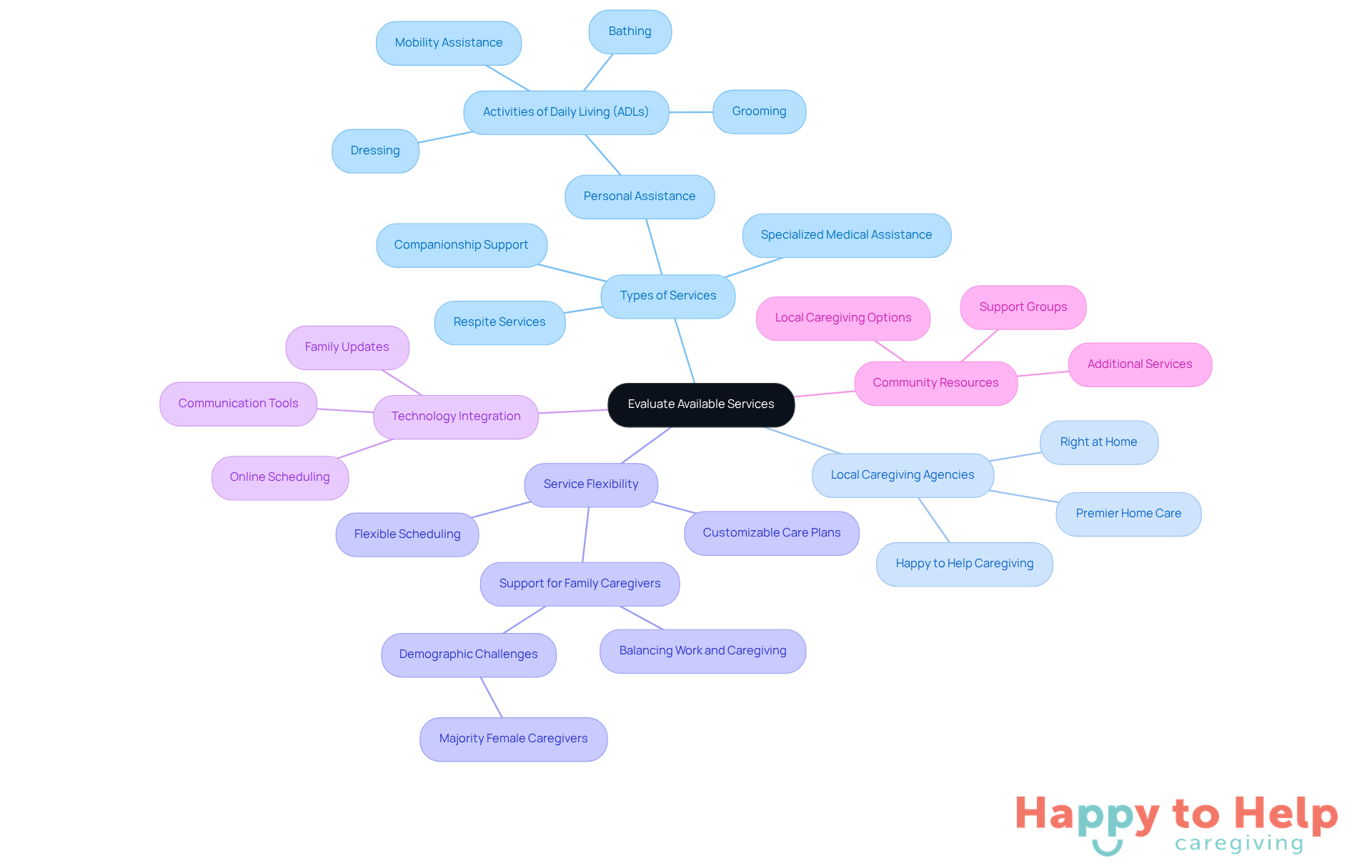
Types of Services: Start by familiarizing yourself with common offerings like companionship support, personal assistance, respite services, and specialized medical assistance. Personal support assistance is particularly vital, as it helps with Activities of Daily Living (ADLs) such as bathing and dressing - 83% of home service recipients require help with these tasks. This service is the most frequently utilized in home health, highlighting its significance in the overall care landscape.
-
Next, identify local caregiving agencies that provide in home elder care near me. For instance, organizations like Happy to Help Caregiving focus on creating customized support plans tailored to individual needs, ensuring clients receive the essential assistance to thrive at home.
-
Service Flexibility: It’s also important to assess whether agencies offer flexible scheduling and customizable care plans. This flexibility is crucial, as nearly 70% of family support providers struggle to balance their careers with caregiving responsibilities. Additionally, between 53% and 68% of primary caregivers in the U.S. are women, underscoring the demographic challenges they face.
-
Technology Integration: Investigate if the agencies utilize technology to enhance service delivery. Features like online scheduling and communication tools for family updates can significantly improve the caregiving experience, fostering better engagement and transparency.
-
Community Resources: Finally, explore community resources and support groups that may offer additional services or information about local caregiving options. Engaging with these resources can help families navigate the complexities of in home elder care near me, ensuring they find the right match for their loved ones.
By understanding the various types of in-home assistance services and evaluating local agencies, families can make informed decisions that prioritize the well-being and comfort of their loved ones. With the population of individuals aged 85 and older projected to nearly quadruple from 2000 to 2040, the demand for quality in-home care services is more pressing than ever.
Assess Caregiver Qualifications
When evaluating caregivers, families often face the challenge of ensuring they find qualified and reliable support. This can be daunting, especially when considering the diverse needs of individuals requiring care.
-
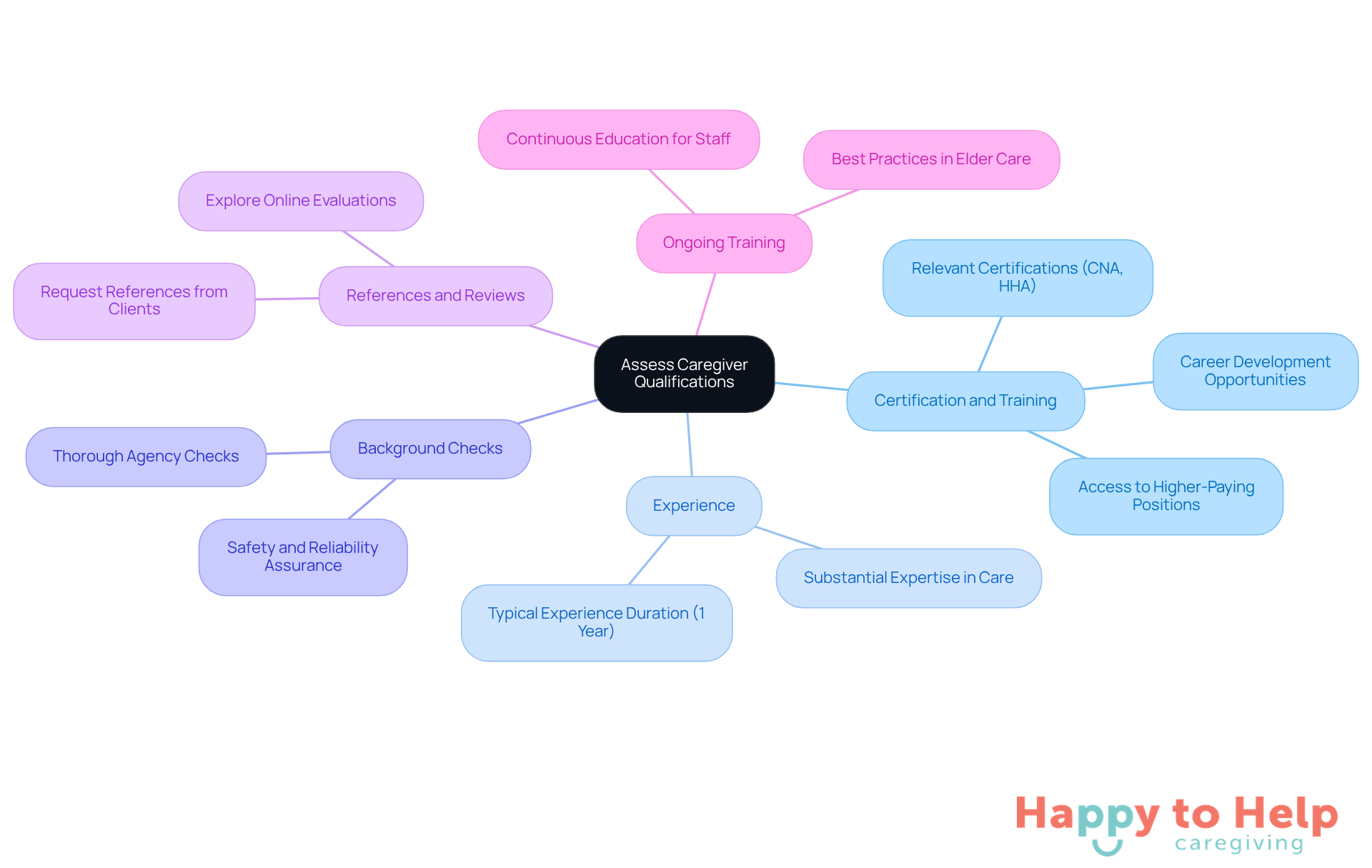
Certification and Training: One crucial factor to consider is whether attendants possess relevant certifications, such as Certified Nursing Assistant (CNA) or Home Health Aide (HHA) training. Certification indicates that providers have met stringent criteria, enhancing their abilities and understanding, which is essential for delivering high-quality support. Moreover, certified professionals often have access to higher-paying positions and further career development opportunities, reinforcing the value of their qualifications.
-
Experience: Another important criterion is the provider's experience. Seek caregivers with substantial expertise in delivering support tailored to specific needs, whether it involves companionship, personal assistance, or medical help. Typically, a home health care provider has about one year of experience, which can significantly influence the quality of assistance offered.
-
Background Checks: Safety and reliability are paramount. Confirm that the agency performs thorough background checks on their personnel. This step is essential for giving families peace of mind.
-
References and Reviews: To assess a caregiver's reputation and effectiveness, request references from former clients or explore online evaluations. Positive testimonials often indicate a provider's capacity to engage with clients and offer empathetic support.
-
Ongoing Training: Finally, inquire whether the agency provides continuous education for support staff. Ongoing education is vital for keeping providers informed on best practices in elder care, ensuring they are prepared to address the evolving needs of their clients. This training also supports caregivers' well-being, helping them manage the physical and emotional demands of their role.
Ensure Compatibility and Communication
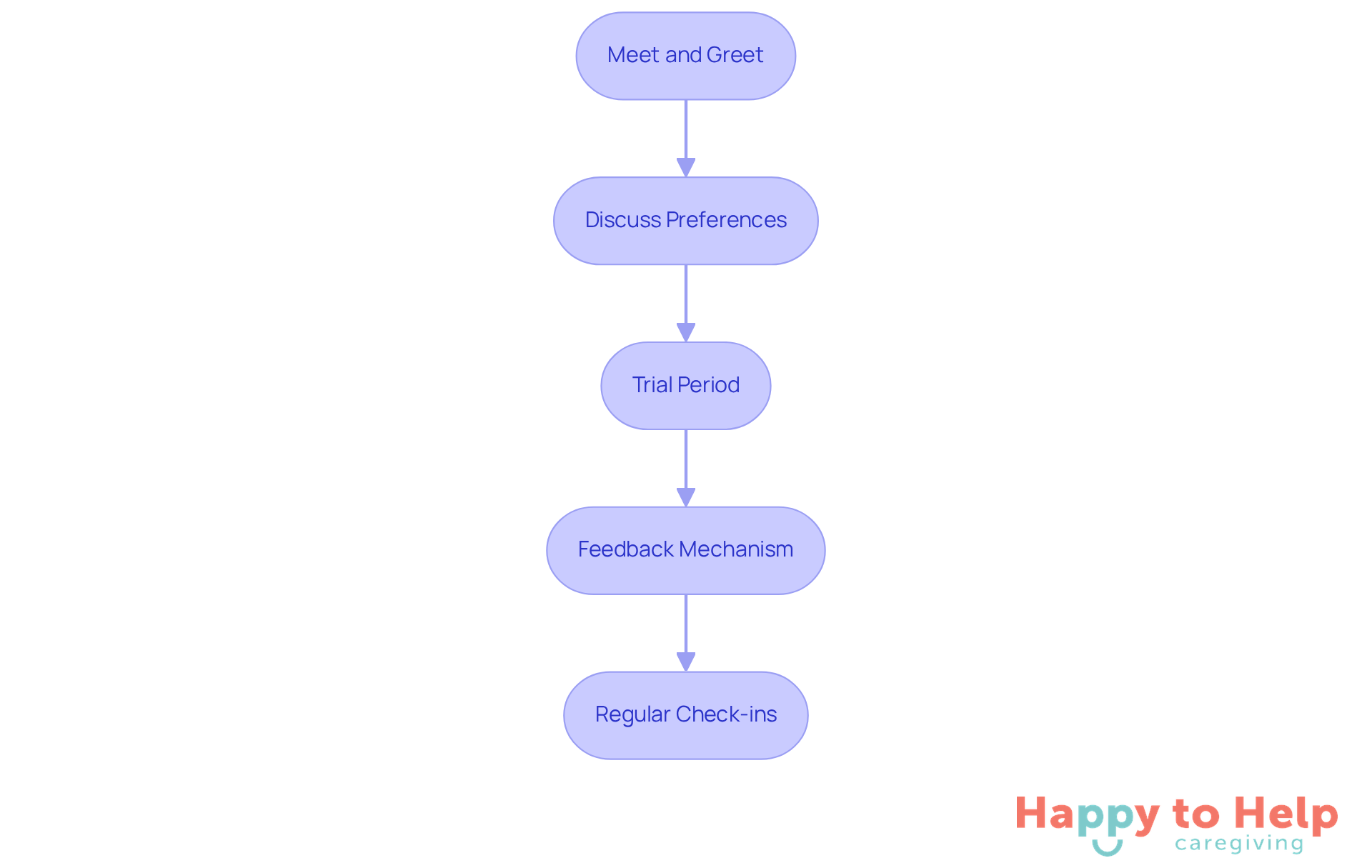
To ensure a successful match between your loved one and their caregiver, it’s essential to address the challenges that can arise in this process. Caregiver compatibility and effective communication are crucial for a positive caregiving experience. Without these elements, the emotional well-being of your family member may be compromised, leading to frustration and dissatisfaction.
-
Meet and Greet: Start with an introductory meeting between your loved one and the support worker. This initial interaction is vital for assessing comfort levels and establishing rapport. Cultural and linguistic compatibility should also be considered to foster a positive caregiving environment.
-
Discuss Preferences: Open dialogue about your family member's preferences, daily routines, and specific needs is essential. Effective communication strategies, such as active listening and empathetic responses, help support providers understand and respect these preferences. Be proactive in addressing potential communication barriers that may arise.
-
Trial Period: Implement a trial phase to evaluate how well the assistant and your family member engage. This allows both parties to adapt and ensures that the support provider can effectively meet your family member's needs.
-
Feedback Mechanism: Establish a structured system for providing feedback to the caregiving agency regarding the caregiver's performance. Regular feedback addresses concerns promptly and reinforces the importance of communication in maintaining a strong caregiver-client relationship. Technology solutions can streamline this process and enhance caregiver-client matching.
-
Regular Check-ins: Schedule consistent meetings with both the support person and your loved one. These meetings are crucial for keeping communication open, enabling prompt resolution of any issues, and strengthening the provider's role as a reliable companion. Ongoing training in communication techniques for caregivers can further enhance these interactions.
By emphasizing compatibility and communication, families can significantly improve the quality of support and emotional well-being for their loved ones.
Consider Costs and Scheduling Options
When it comes to managing costs and scheduling in caregiving, several challenges can arise that require careful consideration:
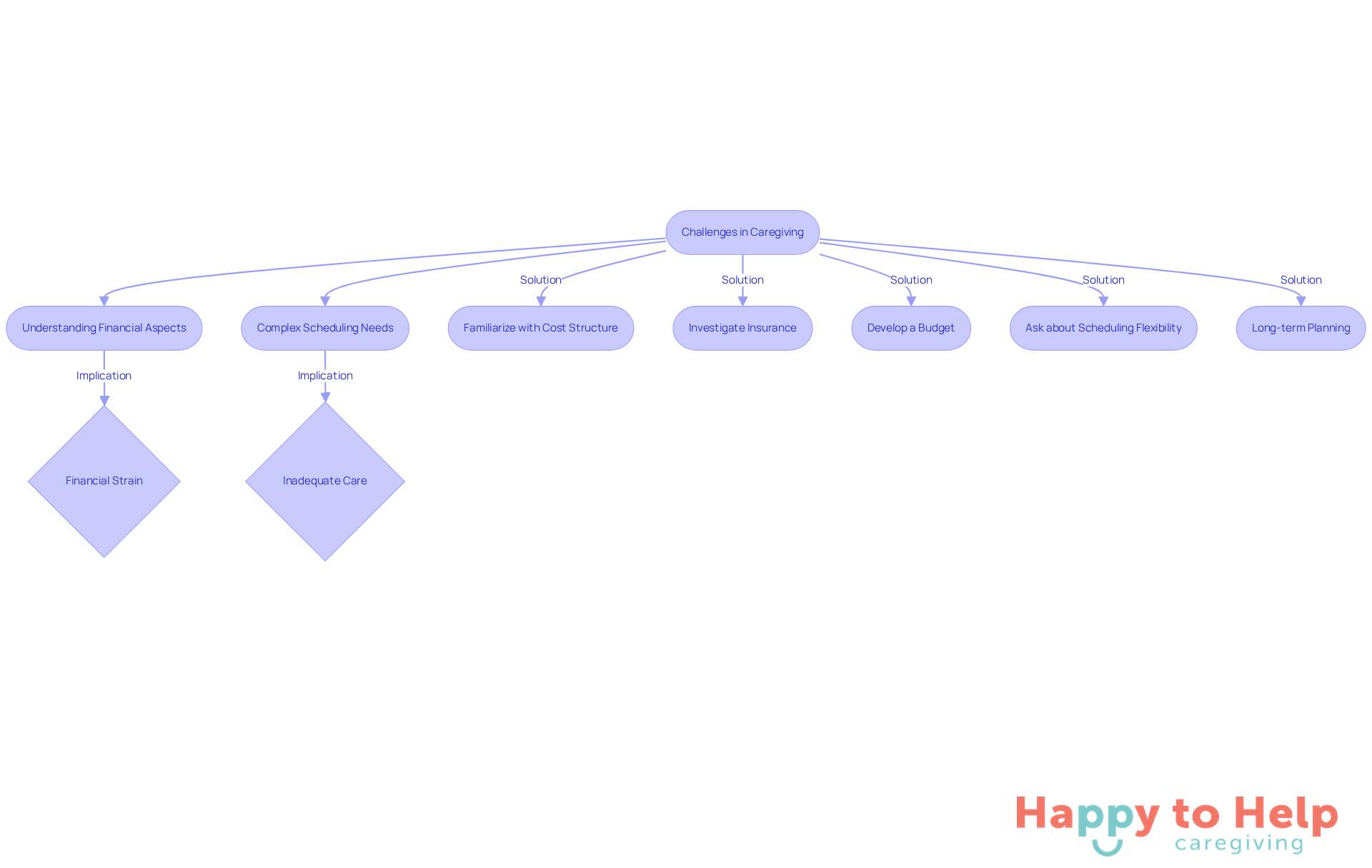
Problem: Understanding the financial aspects of caregiving can be overwhelming. Many families struggle with unexpected expenses and complex scheduling needs.
Agitate: Without a clear grasp of the cost structure, families may find themselves facing financial strain. Additionally, inflexible scheduling can lead to inadequate care, impacting the well-being of loved ones.
Solution: Here are some actionable steps to help navigate these challenges:
- Cost Structure: Familiarize yourself with the pricing model of the caregiving agency. This includes hourly rates, flat fees, and any additional costs for specialized services.
- Insurance and Financial Aid: Investigate whether your family member's insurance covers any caregiving costs or if financial aid programs are available.
- Budgeting: Develop a budget that outlines expected caregiving expenses. Explore options for managing costs effectively to avoid surprises.
- Flexible Scheduling: Ask about the agency's scheduling flexibility. Options for part-time, full-time, or live-in assistance can make a significant difference.
- Long-term Planning: Think about the long-term financial implications of in-home care. Discuss potential changes in care needs related to in home elder care near me as your loved one ages to ensure ongoing support.
Key Takeaways for Caregivers
Finding the right in-home elder care for loved ones presents a significant challenge for families. This multifaceted journey requires careful consideration of various factors, including the specific care needs of seniors - physical, emotional, and social. Without a thorough understanding of these needs, families may struggle to provide the necessary support to maintain their loved one's well-being and dignity.
The implications of inadequate care can be severe, affecting not only the seniors but also their families. Assessing available services, evaluating caregiver qualifications, ensuring compatibility, and managing costs are crucial aspects of this decision-making process. Families must familiarize themselves with the types of services offered, scrutinize caregiver credentials, and prioritize effective communication to foster a positive caregiving experience. Additionally, understanding the financial implications and exploring flexible scheduling options can alleviate the burdens associated with in-home care.
To address these challenges, families are encouraged to take proactive steps:
- Conduct thorough research
- Seek community resources
- Maintain open lines of communication with caregivers
By doing so, they can ensure that their loved ones receive the compassionate, personalized support they deserve. This approach not only enhances their quality of life but also preserves their independence, making the search for suitable in-home elder care a more manageable and rewarding endeavor.
https://iframe.tely.ai/cta/eyJhcnRpY2xlX2lkIjogIjY5MjY0MzZjZGUyNDgxZjQ1MzJkZTdhZSIsICJjb21wYW55X2lkIjogIjY4ZWU1ZGNhNzMxNzYyNTU3ZjNjOTVjMSIsICJpbmRleCI6IG51bGwsICJ0eXBlIjogImFydGljbGUifQ==Frequently Asked Questions
How can I assess my family member's care needs?
Begin by evaluating their daily living activities and health status. Identify which tasks they find difficult, such as bathing, dressing, meal preparation, or medication management. Consulting healthcare providers can also help address medical needs.
Why is it important to consult healthcare providers when assessing care needs?
Engaging with doctors or specialists provides valuable insights into the specific support required based on your family member's health condition. Many older adults feel the healthcare system is unprepared for their needs, making this consultation urgent.
What emotional and social needs should I consider for my loved one?
Assess their emotional well-being and determine if they need companionship or help with social activities. Emotional support is crucial as many seniors experience loneliness, which can negatively impact their health.
How should I document my family member's specific care requirements?
Create a comprehensive list of both physical and emotional support needs. This documentation will be essential for discussions with potential caregivers and organizations, ensuring all aspects of assistance are covered.
Should I involve my loved one in discussions about their care?
Yes, if possible, involve them in conversations about their preferences. This ensures their comfort and independence are prioritized, allowing them to express their needs and fostering a sense of control.
What types of in-home elder care services are available?
Common services include companionship support, personal assistance, respite services, and specialized medical assistance. Personal support assistance is vital for helping with daily activities, as many recipients require help with these tasks.
How can I find local caregiving agencies?
Research local caregiving agencies that provide in-home elder care. Organizations like Happy to Help Caregiving focus on creating customized support plans tailored to individual needs.
Why is service flexibility important in caregiving?
Assessing whether agencies offer flexible scheduling and customizable care plans is crucial, as many family support providers struggle to balance caregiving with their careers.
How can technology enhance in-home elder care services?
Investigate if agencies use technology for online scheduling and communication tools for family updates. These features can improve the caregiving experience by fostering better engagement and transparency.
What additional resources can help with in-home elder care?
Explore community resources and support groups that may offer additional services or information about local caregiving options. Engaging with these resources can help families navigate the complexities of in-home elder care.
List of Sources
- Understand Your Care Needs
- Warning From Older Adults: Care for Aging in America Needs Urgent Rethinking (https://johnahartford.org/newsroom/view/warning-from-older-adults-care-for-aging-in-america-needs-urgent-rethinking)
- Prevalence and Trends of Basic Activities of Daily Living Limitations in Middle-Aged and Older Adults in the United States - PMC (https://pmc.ncbi.nlm.nih.gov/articles/PMC10660458)
- Senior Living Statistics (https://rosewood-nursing.com/post/senior-living-statistics)
- Aurora releases study to address needs of older adults and caregivers (https://denver7.com/news/front-range/aurora/aurora-releases-study-to-address-needs-of-older-adults-and-caregivers)
- Two-thirds of seniors need help doing one or more daily activities - Harvard Health (https://health.harvard.edu/blog/two-thirds-of-seniors-need-help-doing-one-or-more-daily-activities-201312136942)
- Evaluate Available Services
- 2025 Home Care Statistics: Trends & Insights To Know (https://premierhcinc.com/blog/home-care-statistics)
- Types of Home Care Services in 2025 (https://websterhc.com/breaking-down-the-different-types-of-home-care-services-in-2025)
- State of home care in 2025 (https://mcknightshomecare.com/state-of-home-care-in-2025)
- 6 Home Care Companies To Watch In 2025 (https://homehealthcarenews.com/2025/07/6-home-care-companies-to-watch-in-2025)
- National Care at Home Month | Resources for All Providers (https://allianceforcareathome.org/newsroom/national-care-at-home-month)
- Assess Caregiver Qualifications
- Why Ongoing Caregiver Training Matters More Than Ever in 2025 – Professional Association of Caregivers (https://professionalassociationofcaregivers.org/2025/07/21/why-ongoing-caregiver-training-matters-more-than-ever-in-2025)
- Trusted Senior Care in Richmond - Assisting Hands (https://assistinghandsrichmond.com/the-importance-of-caregiver-certification-in-home-care-2024)
- National Alliance for Caregiving: Caregiving in the US 2025 Report (https://johnahartford.org/resources/view/national-alliance-for-caregiving-caregiving-in-the-us-2025-report)
- US News & World Report Highlights CCA's Caregiver Training (https://advancecaregivers.org/report-us-news-world-report-highlights-ccas-caregiver-training)
- New Research Highlights Critical Role of Training in Caregiver Retention (https://careacademy.com/blog/role-of-training-in-caregiver-retention)
- Ensure Compatibility and Communication
- Improving Caregiver Retention: Matching the Right Caregiver to the Right Client/Patient | Aaniie, formerly Smartcare Software (https://aaniie.com/news/improving-caregiver-retention-matching-the-right-caregiver-to-the-right-client-patient)
- The Importance of Caregiver-Client Relationships in Senior Well-Being (https://homeinstead.com/home-care/usa/in/goshen/588/news-and-media/the-importance-of-caregiver-client-relationships-in-senior-well-being)
- Perfect Pairings: Creating Personalized, Highly Compatible Caregiver-Client Matches to Boost Your Bottom Line | Aaniie, formerly Smartcare Software (https://aaniie.com/news/creating-personalized-highly-compatible-caregiver-client-matches-to-boost-bottom-line)
- Home Care Clients Like Their Caregivers More Than Their Provider, Data Shows (https://homehealthcarenews.com/2024/08/home-care-clients-like-their-caregivers-more-than-their-provider-data-shows)
- Caregiver Statistics: Demographics (https://caregiver.org/resource/caregiver-statistics-demographics)
- Consider Costs and Scheduling Options
- Cost Of Home-Based Care Services Spiked In 2024 (https://homehealthcarenews.com/2025/03/cost-of-home-based-care-services-spiked-in-2024)
- Home Care Costs in 2025: A State-by-State Guide (https://aplaceformom.com/caregiver-resources/articles/in-home-care-costs)
- Understanding the Cost and Value of Home Care in 2025 (https://assistinghands.com/135/texas/nesanantonio/blog/understanding-the-cost-and-value-of-home-care-in-2025)
- Home Care Cost (https://ltsschoices.aarp.org/scorecard-report/2023/dimensions-and-indicators/home-care-cost)
- Cost of In-Home Care in California (2025) + 11 Ways to Pay (https://lovinghomecareinc.com/blog/cost-of-in-home-care-california)