
For families in our service areas
For families in our service areas, this guide explains caregiving and how non-medical in-home caregiving can support care planning in East Idaho, Treasure Valley & Magic Valley, Northern Wasatch, North Central West Virginia, and Northeast Ohio.
The Importance of Find Quality Care
Finding quality care for seniors can often feel like navigating a complex maze. The stakes are high, and the choices can be overwhelming. As the population ages, the demand for tailored elder support services is surging. This makes it essential for caregivers to understand the various options available.
But how can one ensure that the chosen care aligns with the unique needs and preferences of their loved ones? This guide delves into the critical steps needed to identify, assess, and select the best senior care services. By following these steps, caregivers can pave the way for a compassionate and effective caregiving experience.
Identify Types of Senior Care Services
Understanding the various kinds of elder support services is crucial for caregivers seeking care for seniors near me while facing the challenges of providing care. Many caregivers struggle with balancing their loved ones' needs for support while respecting their desire for independence. This can lead to stress and burnout, making it essential to explore available options.
-
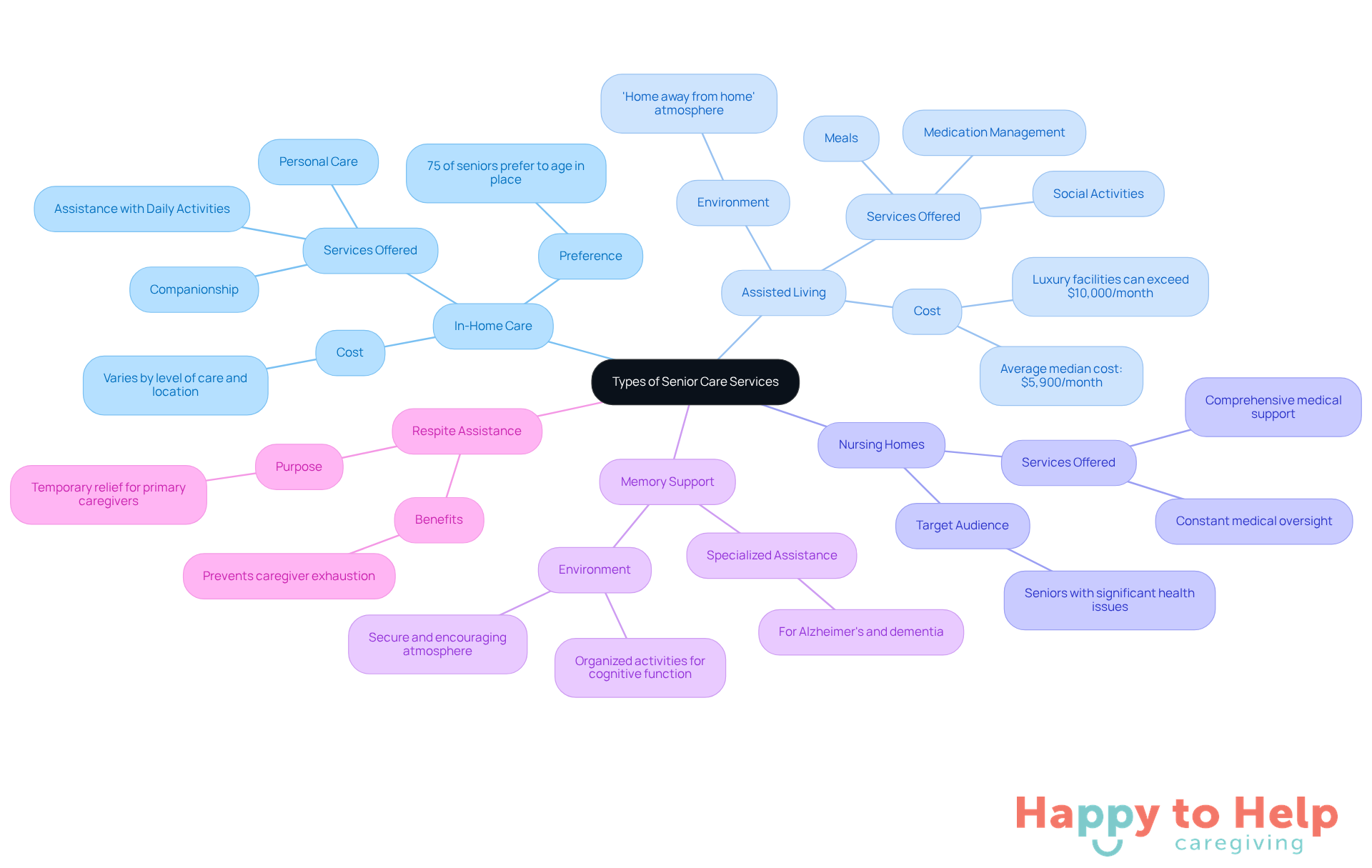
In-Home Care: Services provided in the comfort of the senior's home, including personal care, companionship, and assistance with daily activities. Grace Miller observes, "In-home assistance provides elderly individuals with help in their own residences, offering services that span from personal support to home health services by a visiting nursing service." Approximately 75% of older adults prefer to age in place, highlighting the growing demand for care for seniors near me that promotes independence and comfort.
-
Assisted Living: Facilities that provide housing and support services for older adults who require assistance with daily tasks but desire to uphold some independence. Grace Miller characterizes assisted living communities as providing a 'home away from home' for older adults. These communities typically provide meals, medication management, and social activities, creating a supportive environment. However, it's important to note that the average median cost of assisted living is around $5,900 per month, which can vary significantly based on location and services provided.
-
Nursing Homes: Offer comprehensive medical support and assistance for seniors with significant health issues. They are prepared to address more intricate health demands, rendering them appropriate for individuals needing constant medical oversight.
-
Memory Support: Specialized assistance for individuals with Alzheimer’s or other forms of dementia. Memory support units concentrate on establishing a secure and encouraging atmosphere that addresses the distinct requirements of residents, frequently including organized activities to improve cognitive function.
-
Respite Assistance: This choice offers temporary relief for primary supporters, enabling them to take a break while ensuring their loved ones receive quality support. Respite support can be vital in preventing caregiver exhaustion, which is a frequent problem among relatives offering assistance.
Grasping these options will assist you in recognizing what kind of care for seniors near me is most suitable for your loved one’s situation, balancing their requirements for support with their wish for independence.
Assess Individual Needs and Preferences
To effectively assess individual needs, caregivers face several challenges:
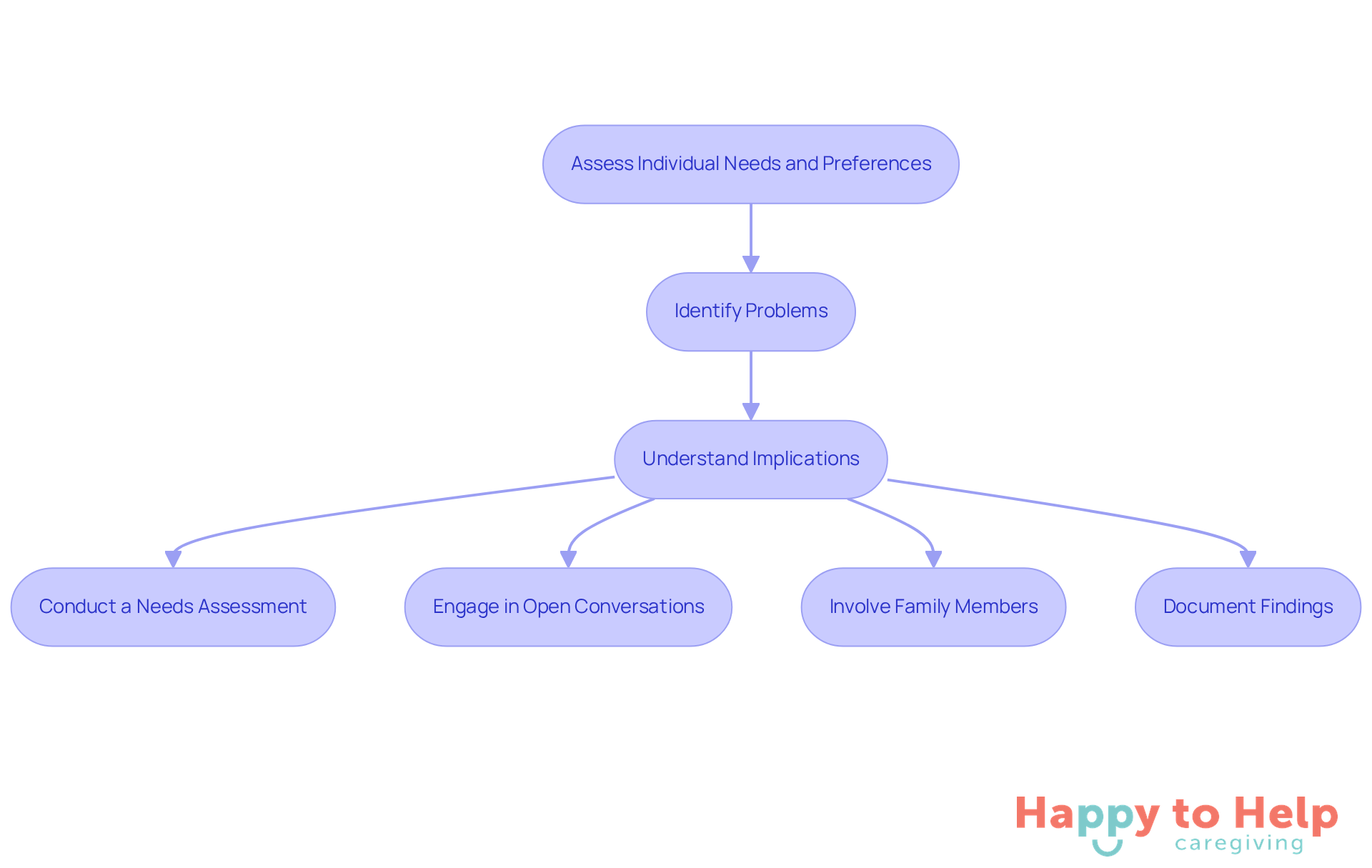
Problem: Evaluating the elder's physical health, cognitive abilities, and emotional well-being can be daunting. Signs that they may need care for seniors near me include difficulty with daily tasks, increased forgetfulness, or noticeable changes in mood. Statistics reveal that nearly 95% of seniors have at least one chronic condition, and around 80% deal with two or more chronic conditions, significantly impacting their daily functioning.
Agitate: The implications of neglecting these assessments can lead to increased risks for the elderly. Social isolation, for instance, can greatly affect older adults, making it crucial to engage in open conversations about their needs and preferences.
Solution: Here are actionable steps caregivers can implement:
-
Conduct a Needs Assessment: Look for signs of assistance needs and evaluate overall health.
-
Engage in Open Conversations: Discuss preferences regarding support and daily routines. This fosters trust and ensures that the care plan for seniors near me aligns with their desires, promoting autonomy and dignity.
-
Involve Family Members: Gather insights from family who may have observed changes in behavior or capabilities. This collective input can provide a more thorough understanding of the elder's requirements. Notably, 27% of older individuals live independently, increasing their risk of isolation, which underscores the importance of family participation.
-
Document Findings: Keep a record of assessment results to clarify the elder's needs when discussing options with health providers. This documentation simplifies creating a customized support plan that addresses their unique circumstances. As Dr. Anshu Banerjee states, "We all need assistance to look after ourselves at some point in our lives, but we are more likely to need help the longer we live.
Research Local Care Providers and Options
Begin your search for quality senior care by following these essential steps:
Problem: Finding quality senior care can be overwhelming, especially when considering the needs of your loved ones. With 83% of home support recipients requiring assistance with daily activities, the stakes are high.
Agitate: The implications of inadequate support are significant. A staggering 44% of home assistance recipients need help with at least one daily task, highlighting the critical role of in-home helpers.
Solution: Here are some actionable steps to guide your search:
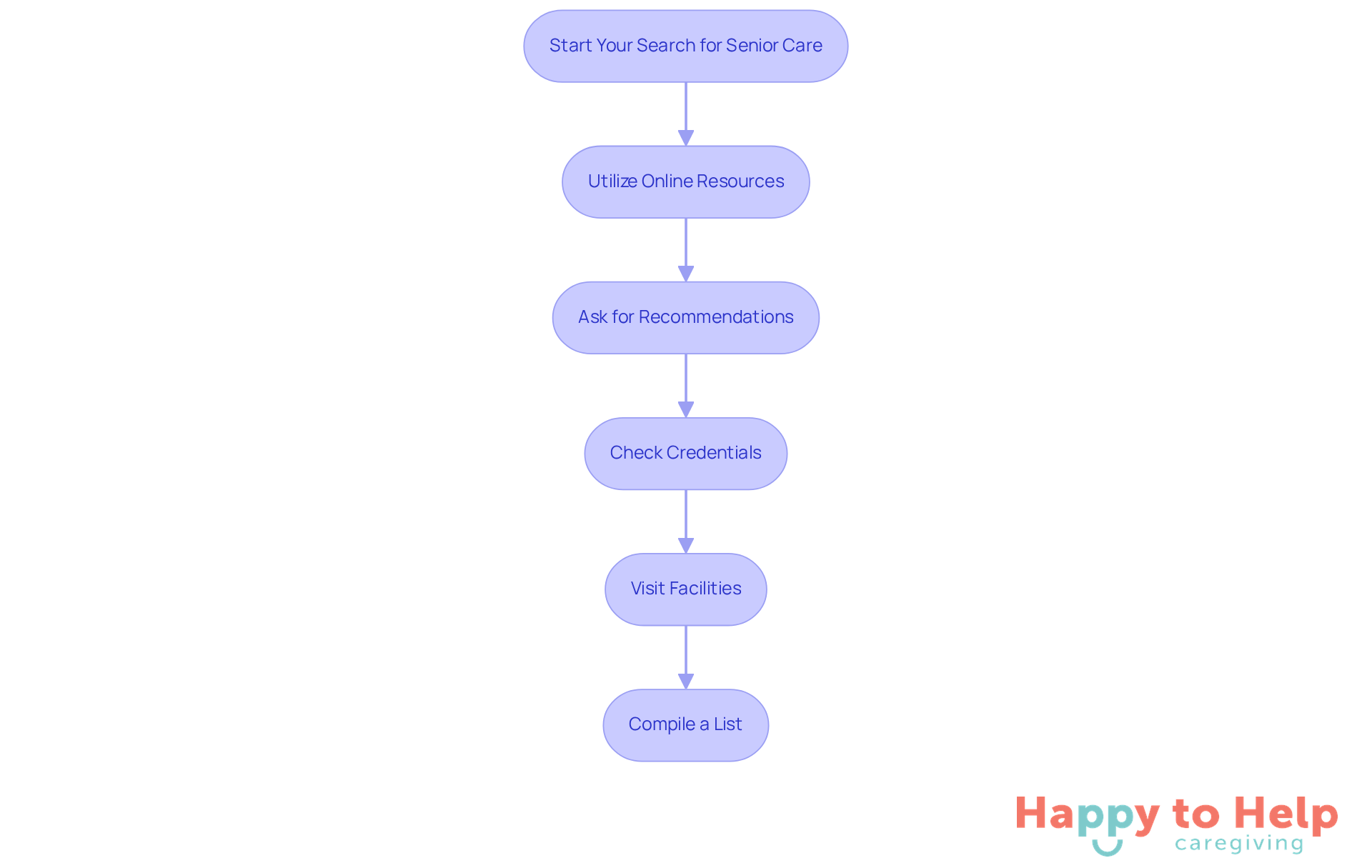
- Utilize online resources such as Care.com and local government websites to find comprehensive lists of care for seniors near me. Pay attention to reviews and ratings to ensure quality service.
- Ask for recommendations on care for seniors near me by connecting with friends, family, or healthcare professionals to gather insights based on their experiences with local providers. Personal insights can guide you toward trustworthy options.
- Check Credentials: Verify that the providers are licensed and accredited. This information is typically available on their websites or through state health departments, ensuring that you choose a reputable service.
- Visit Facilities: If considering assisted living or nursing homes, arrange visits to observe the environment and interact with staff. Look for indications of cleanliness, staff involvement, and resident contentment, as these elements greatly influence the quality of service. The national median rates for assisted living services are $5,350 monthly and $64,200 annually, which can help you gauge affordability.
- Compile a List: Create a detailed list of potential providers, noting their services, costs, and any unique features that may cater to your loved one's needs. With over 12 million individuals in the U.S. receiving home assistance, having a well-organized list will help you make informed decisions. It's also important to note that the number of people requiring assisted living services is expected to exceed two million by 2040, highlighting the growing demand for quality care.
Interview and Select the Right Caregiver
Finding the right aide for your loved one in need of care for seniors near me can be a daunting task. Families often face the challenge of ensuring that the caregiver they choose to care for seniors near me not only has the necessary skills but also fits well with the individual’s personality and needs. This process requires a methodical approach to ensure the best match for care for seniors near me.
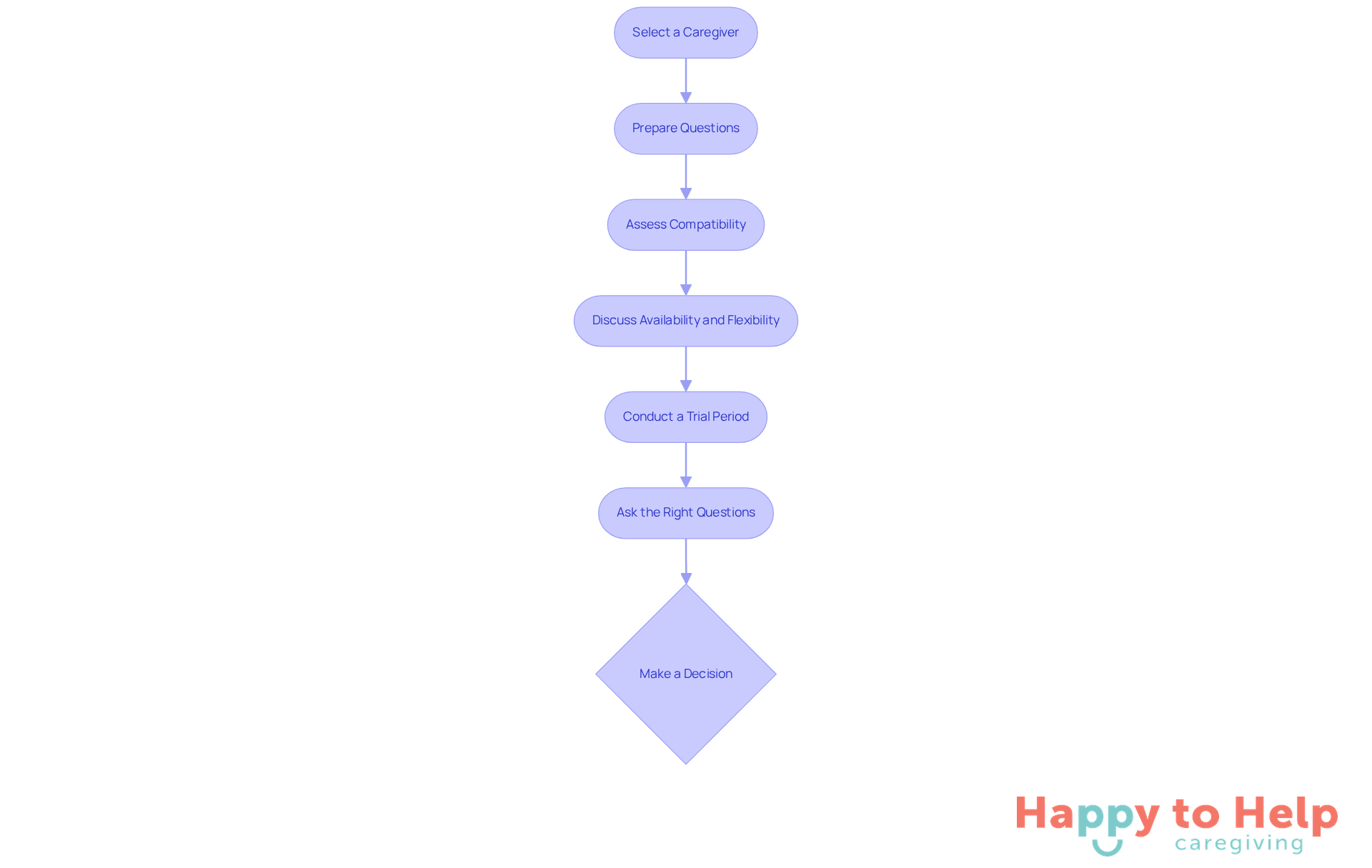
Prepare Questions: Start by creating a comprehensive list of inquiries that cover the provider's experience, training, and caregiving philosophy. Important questions might include:
- What experience do you have with seniors?
- How do you handle emergencies?
- Can you provide references?
Assess Compatibility: It's crucial to observe how the provider interacts with your loved one. Look for signs of empathy, patience, and understanding-qualities that are essential for a successful caregiving relationship. Remember, compatibility goes beyond skills; it hinges on trust and rapport, which significantly impact the quality of care.
Discuss Availability and Flexibility: Ensure that the provider’s schedule aligns with your needs. Discuss their ability to adapt to changes in care requirements, as flexibility is vital in meeting the evolving needs of older adults.
Conduct a Trial Period: If possible, arrange a trial phase to observe the caregiver and your loved one in a real-life setting. This allows both parties to assess comfort levels and compatibility before making a long-term commitment. A trial can reveal how well the aide can adjust to the elder's preferences and routines.
Ask the Right Questions: During the interview, inquire about their caregiving approach, including how they engage seniors in activities and manage daily tasks. Questions like "How do you encourage independence in your clients?" can provide valuable insight into their caregiving philosophy.
By following these steps, families can make informed decisions when selecting caregivers for care for seniors near me, ensuring that their loved ones receive compassionate and personalized support tailored to their unique needs.
Create a Personalized Care Plan
Creating a personalized care plan is essential for effective caregiving, yet many caregivers struggle with this task. Without a tailored approach, individuals may not receive the support they truly need, leading to decreased satisfaction and compliance with treatment. In fact, studies show that seniors with clear objectives in their care plans experience better outcomes, highlighting the importance of a well-structured plan.
To address this challenge, follow these actionable steps:
-
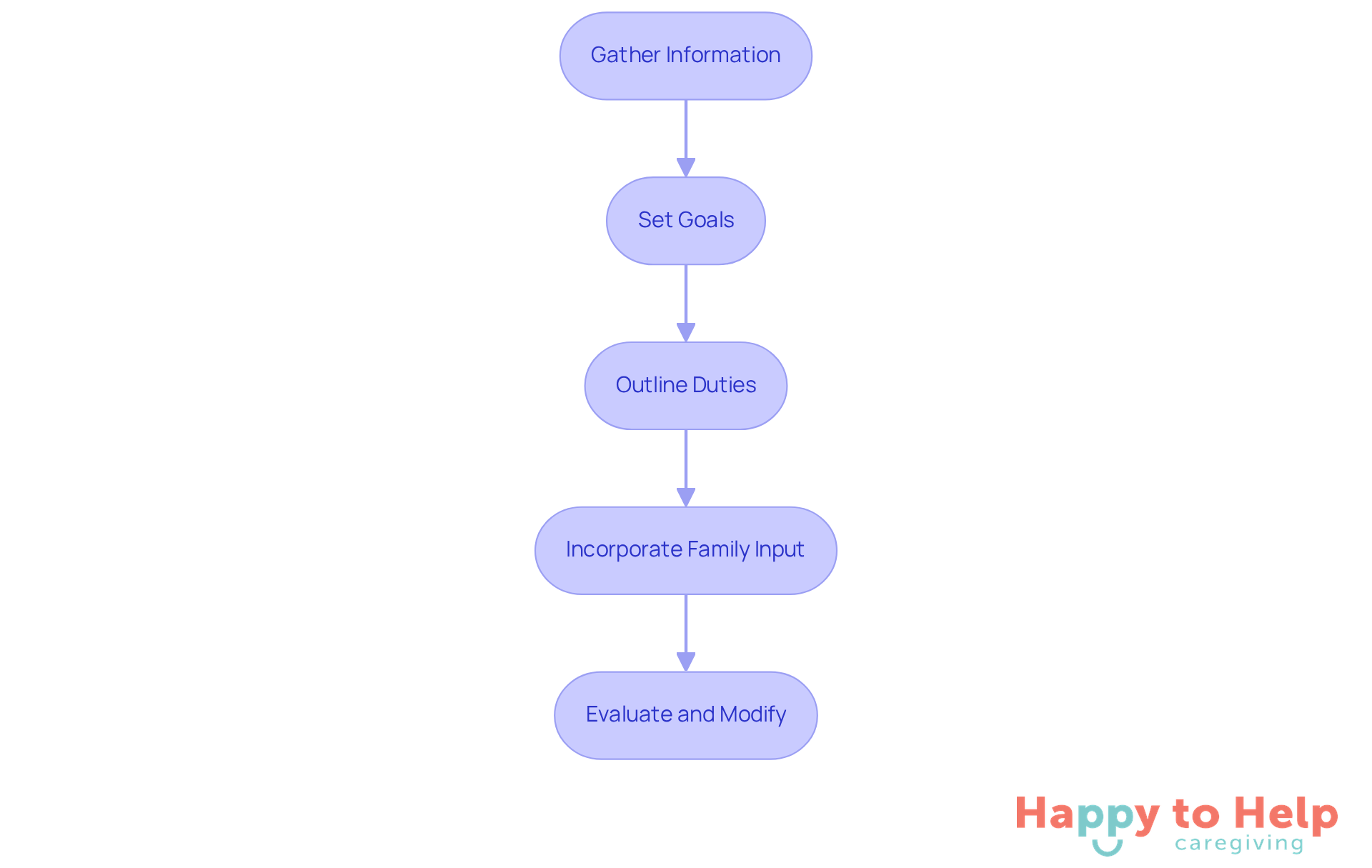
Gather Information: Compile all relevant details from the needs assessment, including medical history, daily routines, and personal preferences. This comprehensive approach ensures that the plan is customized to the individual's unique situation.
-
Set Goals: Define clear, achievable objectives for the plan. For example, goals may include improving mobility, enhancing social interaction, or effectively managing medications. Research indicates that individualized treatment plans can lead to a 30% increase in patient satisfaction and compliance with therapy.
-
Outline Duties: Specify the tasks caregivers will manage, such as personal assistance, meal preparation, and medication oversight. Clearly defining responsibilities promotes accountability and ensures that all aspects of support are addressed.
-
Incorporate Family Input: Involve family members in the planning process to ensure alignment and understanding of their roles. Studies suggest that family participation in treatment planning can elevate recovery rates by as much as 25%, fostering a supportive atmosphere and reducing feelings of isolation for older adults.
-
Evaluate and Modify: Regularly assess the support plan to determine its effectiveness and make necessary adjustments based on the senior’s evolving needs. Continuous evaluation is crucial, as it allows for timely modifications that reflect changing health and preferences, ultimately leading to improved quality of life.
With over 11,000 Americans becoming eligible for Medicare daily, the importance of efficient care management is underscored, especially in light of the projected shortfall of healthcare workers by 2026.
Making the Right Choice
Finding quality care for seniors presents a significant challenge for families and caregivers. This multifaceted journey requires careful consideration of various options and a personalized approach. The implications of not addressing this issue can lead to inadequate support for seniors, impacting their dignity and independence.
To navigate this complex landscape, caregivers must understand the different types of senior care services available. Assessing individual needs and preferences is crucial, as is researching local providers and interviewing potential caregivers. Each step in this process is vital to ensure that seniors receive the support they need.
Key insights emphasize the importance of recognizing the unique requirements of each senior. Whether it involves in-home care, assisted living, or specialized memory support, caregivers should engage in open conversations with their loved ones. Involving family members in the decision-making process can also provide valuable perspectives. Utilizing available resources to identify reputable care providers is essential.
When selecting caregivers, prioritizing compatibility and trust is critical. A positive caregiving relationship fosters better outcomes for seniors, enhancing their overall well-being. By taking proactive steps in finding quality care, individuals can ensure their loved ones receive the compassionate support necessary for a fulfilling life.
Ultimately, this guide empowers caregivers and families to make informed decisions. As the demand for senior care continues to grow, being equipped with the right knowledge and resources is essential for navigating this critical aspect of elder care. By addressing the challenges head-on and implementing practical solutions, caregivers can significantly improve the quality of life for seniors.
https://iframe.tely.ai/cta/eyJhcnRpY2xlX2lkIjogIjY5MjI0ZjZiZmViYTIxODdjZTM2NWJjYSIsICJjb21wYW55X2lkIjogIjY4ZWU1ZGNhNzMxNzYyNTU3ZjNjOTVjMSIsICJpbmRleCI6IG51bGwsICJ0eXBlIjogImFydGljbGUifQ==Frequently Asked Questions
What are the main types of senior care services available?
The main types of senior care services include in-home care, assisted living, nursing homes, memory support, and respite assistance.
What does in-home care involve?
In-home care provides services in the senior's home, including personal care, companionship, and assistance with daily activities, allowing elderly individuals to receive support while maintaining their independence.
What is assisted living and what services does it provide?
Assisted living refers to facilities that offer housing and support services for seniors who need help with daily tasks while still wanting some independence. Services typically include meals, medication management, and social activities.
How much does assisted living cost on average?
The average median cost of assisted living is around $5,900 per month, although this can vary based on location and the services provided.
What are nursing homes designed for?
Nursing homes provide comprehensive medical support and assistance for seniors with significant health issues, making them suitable for individuals requiring constant medical oversight.
What is memory support and who is it for?
Memory support is specialized care for individuals with Alzheimer’s or other forms of dementia, focusing on creating a secure environment that meets their unique needs, including organized activities to enhance cognitive function.
What is respite assistance and why is it important?
Respite assistance offers temporary relief for primary caregivers, allowing them to take a break while ensuring their loved ones receive quality care. It is vital in preventing caregiver burnout.
How can caregivers assess the individual needs of seniors?
Caregivers can assess individual needs by conducting a needs assessment, engaging in open conversations about preferences, involving family members for additional insights, and documenting findings for clarity.
Why is it important to evaluate the needs of seniors?
Evaluating the needs of seniors is crucial to prevent risks such as social isolation and to ensure that care plans align with their desires, promoting autonomy and dignity.
What percentage of seniors live independently and what risk does this pose?
Approximately 27% of older individuals live independently, which increases their risk of isolation, highlighting the importance of family involvement in their care.
List of Sources
- Identify Types of Senior Care Services
- Home Care vs. Assisted Living: Making the Right Choice (https://chapelpointe.org/News-Events/ArticleID/107/Home-Care-vs-Assisted-Living-Making-the-Right-Choice)
- Assisted Living vs. Home Care: What's the Difference? (https://health.usnews.com/best-assisted-living/articles/assisted-living-versus-senior-home-care)
- Seven trends in senior living that will define 2025 and beyond (https://mcknightsseniorliving.com/home/columns/guest-columns/seven-trends-in-senior-living-that-will-define-2025-and-beyond)
- Home Care Industry Trends to Watch in 2025 (https://firstlighthomecare.com/blog/home-care-industry-trends)
- What has 2025 got in store for Senior Care? - Compass Associates (https://compass-associates.com/us/what-has-2025-got-in-store-for-senior-care)
- Assess Individual Needs and Preferences
- Brief geriatric assessments feasible to spot major needs, report says (https://mcknights.com/news/brief-geriatric-assessments-feasible-to-spot-major-needs-report-says)
- Facts & Figures (https://ahcancal.org/Assisted-Living/Facts-and-Figures/Pages/default.aspx)
- WHO calls for urgent transformation of care and support systems for older people (https://who.int/news/item/01-10-2024-who-calls-for-urgent-transformation-of-care-and-support-systems-for-older-people)
- 52+ Senior Health Statistics, Facts & Trends (https://humancareny.com/blog/52-senior-health-statistics-facts-trends)
- Research Local Care Providers and Options
- Find Senior Care Near You - Senior Directory (https://seniordirectory.com)
- 2025 Home Care Statistics: Trends & Insights To Know (https://premierhcinc.com/blog/home-care-statistics)
- Facts & Figures (https://ahcancal.org/Assisted-Living/Facts-and-Figures/Pages/default.aspx)
- 28 Senior Care Statistics: In-Home & Assisted Living | Shortlister (https://myshortlister.com/insights/senior-care-statistics)
- Interview and Select the Right Caregiver
- Home care cooperatives may be key to addressing the critical shortage of caregivers for the elderly (https://uclahealth.org/news/release/home-care-cooperatives-may-be-key-addressing-critical)
- The senior population is booming. Caregiving is struggling to keep up (https://cnbc.com/2025/11/21/senior-caregiving-labor.html)
- Things to Consider When Interviewing Caregivers | Care Navigator | LTCFEDS (https://ltcfeds.gov/care-navigator/things-to-consider-when-interviewing-caregivers)
- Why younger caregivers may need to work 7-21 extra years (https://finance.yahoo.com/video/why-younger-caregivers-may-7-200018117.html)
- Caregiver Statistics: Demographics (https://caregiver.org/resource/caregiver-statistics-demographics)
- Create a Personalized Care Plan
- 2025: AI enhances personalized care; caregiver experience in the spotlight (https://healthcareitnews.com/news/2025-ai-enhances-personalized-care-caregiver-experience-spotlight)
- AI must optimize home care, continuity, and early detection for older adults (https://news-medical.net/news/20251007/AI-must-optimize-home-care-continuity-and-early-detection-for-older-adults.aspx)
- Creating Individualized Mental Health Care Plans for Seniors - Supportive Care (https://thesupportivecare.com/blog/creating-individualized-mental-health-care-plans-for-seniors)
- Novel Care Model May Improve Outcomes for Older Adults With Multiple Chronic Conditions (https://consultqd.clevelandclinic.org/novel-care-model-may-improve-outcomes-for-older-adults-with-multiple-chronic-conditions)
- Empowering aging: How AI and value-based care are making senior living more personalized and affordable (https://mcknights.com/marketplace/marketplace-experts/empowering-aging-how-ai-and-value-based-care-are-making-senior-living-more-personalized-and-affordable)