5 Steps to Find Senior Care in Home Near You for Your Loved One

For families in our service areas
For families in our service areas, this guide explains caregiving and how non-medical in-home caregiving can support care planning in East Idaho, Treasure Valley & Magic Valley, Northern Wasatch, North Central West Virginia, and Northeast Ohio.
Why Find Senior Care in Home Near Me Matters
Navigating the complexities of senior care can be a daunting task for families. The challenge lies in finding in-home services that cater to the unique needs of their loved ones. With so many options available, understanding the different types of care and assessing individual requirements is crucial for making informed decisions.
Families often struggle with ensuring they choose the right support that not only meets their loved one's health needs but also enhances their quality of life. This uncertainty can lead to stress and confusion, making the search for appropriate care even more overwhelming.
To simplify this process, this guide outlines five essential steps that empower families to find the best solutions tailored to their circumstances. By following these steps, caregivers can navigate the complexities of senior care with confidence.
Identify Types of In-Home Senior Care Services
When searching for senior care in home near me, it's essential to understand the various types of services available. Caregivers often face challenges in ensuring their loved ones receive the right support, which can lead to feelings of overwhelm and uncertainty. Familiarizing yourself with these options can help alleviate some of that stress.
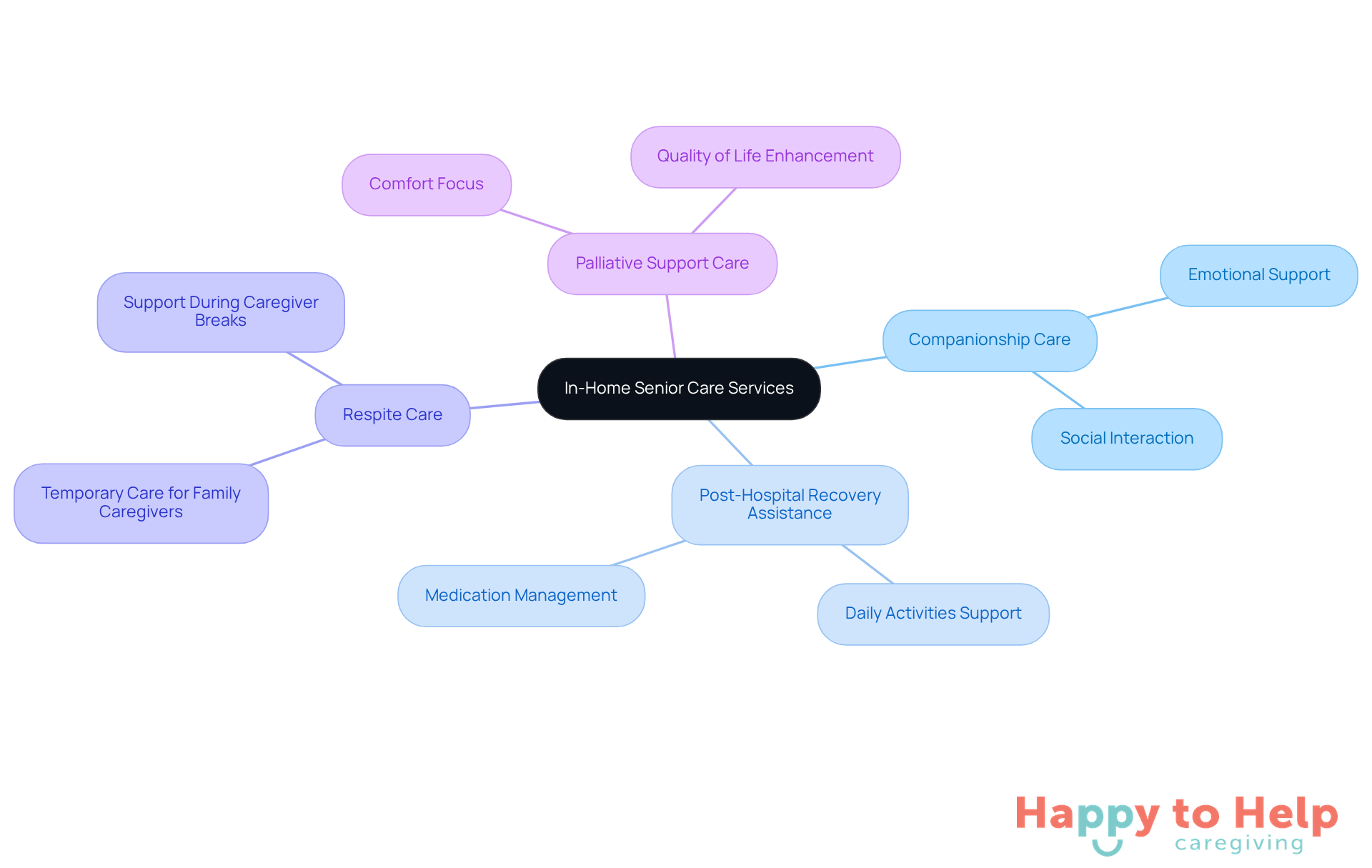
Here are some common categories of in-home senior care services:
- Companionship Care: This service provides emotional support and companionship to seniors, helping to alleviate feelings of loneliness.
- Post-Hospital Recovery Assistance: Ideal for individuals recovering from surgery or illness, this service includes help with daily activities and medication management.
- Respite Care: This temporary care option allows family caregivers to take a break while ensuring their relatives receive the necessary support.
- Palliative Support Care: Designed for individuals with serious illnesses, this service focuses on comfort and quality of life.
Understanding these options will assist you in identifying which services for senior care in home near me align most closely with your family member's needs.
Assess Individual Needs and Preferences
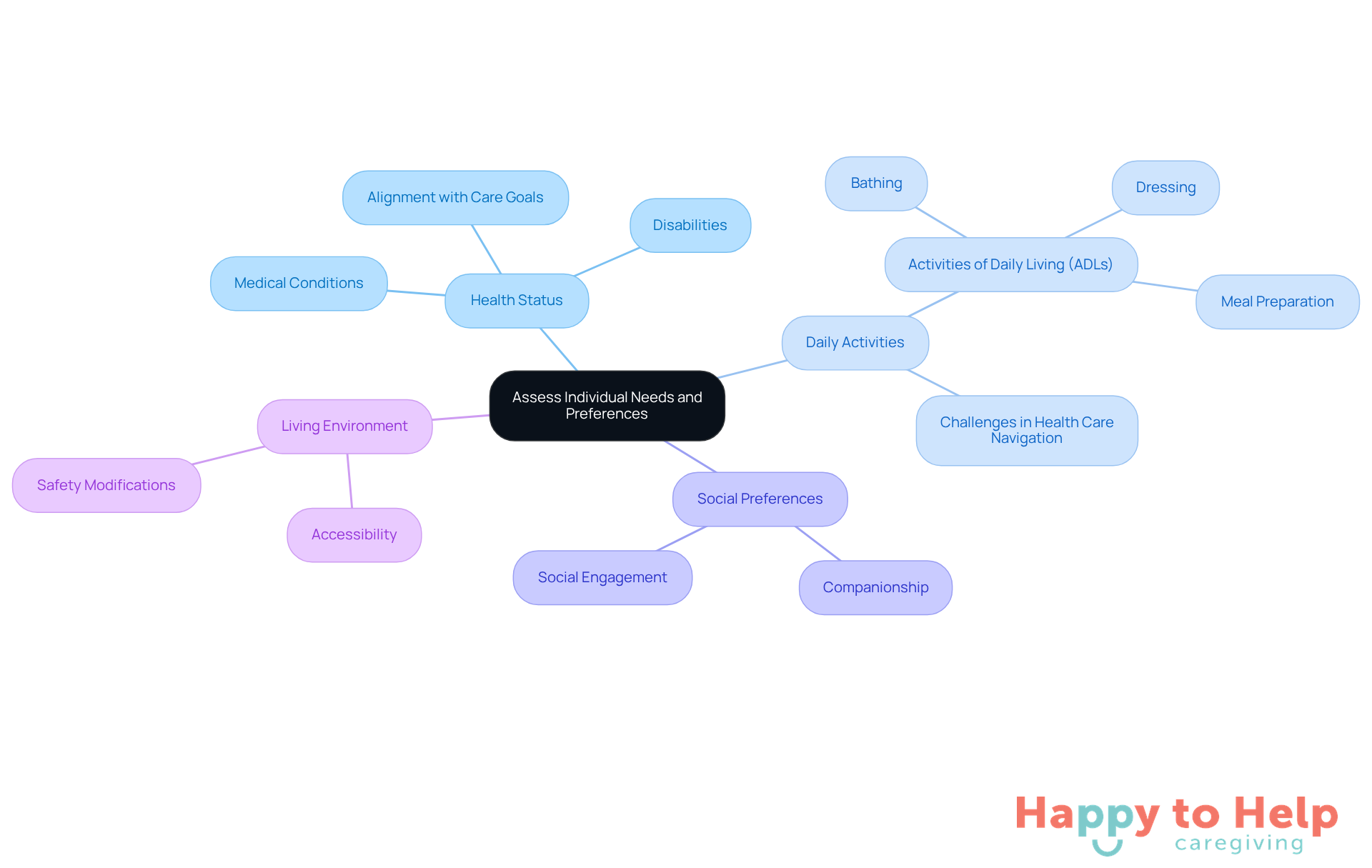
To successfully determine the appropriate senior care in home near me, it’s crucial to evaluate the specific requirements and preferences of your family member. Here are some key areas to consider:
-
Health Status: Start by assessing any medical conditions or disabilities that may require specialized care. This evaluation is vital, as older adults often face multiple health challenges that necessitate senior care in home near me for tailored support. As Terry Fulmer points out, many older adults find themselves in a health care system that doesn’t align with their goals and preferences.
-
Daily Activities: Identify which daily tasks your loved one struggles with, such as bathing, dressing, or meal preparation. Research indicates that many seniors encounter difficulties with Activities of Daily Living (ADLs), highlighting the need for senior care in home near me to assist them in these areas. Additionally, over half of older adults report that navigating the current health care system is challenging and stressful, complicating their access to necessary assistance.
-
Social Preferences: Understanding their social needs is essential. Companionship significantly enhances the quality of life for seniors, as feelings of loneliness and isolation can negatively impact their well-being.
-
Living Environment: Assess the safety and accessibility of their home. Modifications may be necessary to create a secure living space that accommodates their mobility and health requirements.
By gathering this information, you can develop a comprehensive understanding of the senior care in home near me that will best support your loved one. This approach leads to a personalized care plan that addresses their unique circumstances. Furthermore, with the new Minimum Needs Requirements for Medicaid home care assessments starting September 1, 2025, staying informed about eligibility criteria is essential, as it may affect your loved one’s access to care. Remember, 68% of older adults worry about affording future health and long-term care needs, underscoring the importance of accurately evaluating necessities.
Research Local Caregiving Agencies
Finding the right agency for senior care in home near me can be a daunting task for families. With so many options available, it’s crucial to ensure that you choose senior care in home near me that meets your loved one’s specific needs. The implications of selecting the wrong agency can lead to inadequate care, increased stress, and potential safety concerns.
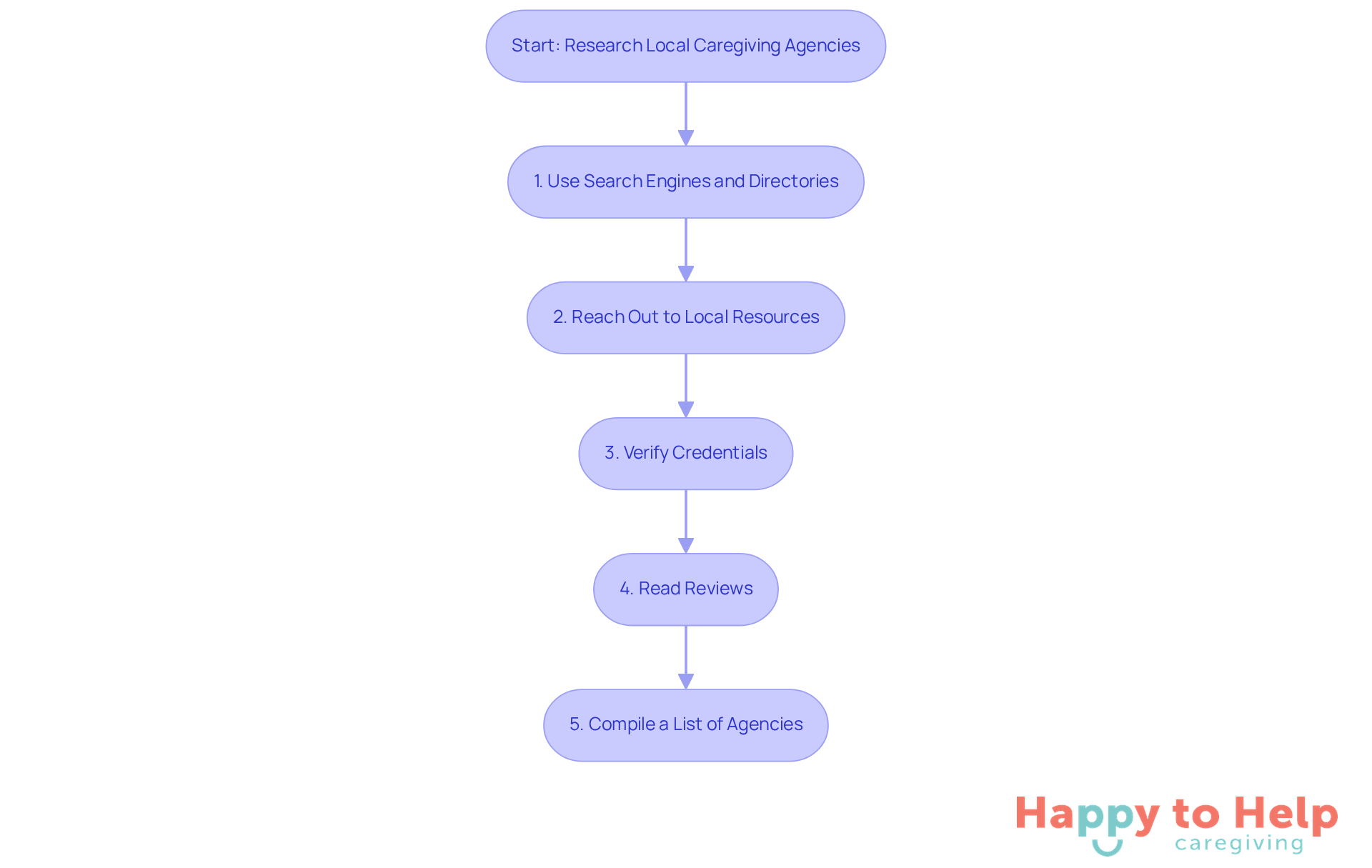
To help you navigate this process, follow these actionable steps:
- To find senior care in home near me, start by using search engines and caregiving directories to locate agencies in your area. Websites like Yelp and A Place for Mom offer valuable reviews and ratings that can guide your decision on senior care in home near me.
- I am looking for senior care in home near me. Local resources include reaching out to local aging offices or community centers for recommendations on reputable agencies providing senior care in home near me. They often have insights into which senior care in home near me services are trusted within your community.
- Verify Credentials: It’s essential to ensure that the agencies you consider are licensed and insured. Look for certifications that indicate adherence to quality standards, which can provide peace of mind.
- Read Reviews: Seek out testimonials from other families to gauge the quality of care provided by the agency. Real experiences can offer a clearer picture of what to expect.
By conducting thorough research, you can compile a list of potential agencies that provide senior care in home near me, ensuring your loved one receives the best possible care.
Interview Potential Caregivers
For families, finding the right caregiving provider for senior care in home near me can be a daunting task. Considering the emotional and practical implications of caregiving, it’s essential to ensure that the provider for senior care in home near me is not only qualified but also a good fit for your loved one. Here’s how to navigate this process effectively:
-
Prepare Questions: Start by creating a comprehensive list of inquiries that cover the provider's experience, training, and caregiving philosophy. Ask about their familiarity with specific conditions, such as Alzheimer's or dementia, if relevant. It’s also important to discuss their medical experience and approach to emotional support, as these factors are crucial for effective caregiving.
-
Evaluate Compatibility: During the interview, observe how the provider interacts with your family member. Compatibility is key; a positive rapport can significantly enhance the quality of care. Research shows that caregiver-client compatibility directly impacts emotional well-being and overall satisfaction. As Corinne Eldridge, president and CEO of the Center for Caregiver Advancement, notes, individuals who are comfortable inviting a support professional for senior care in home near me can benefit from a more personalized approach to care and increased independence.
-
Discuss Availability: Ensure that the provider's schedule aligns with your loved one's needs. Discuss specific instances when support is required, confirming that the provider can reliably commit to those hours. It's worth noting that 15% of caregivers take a leave of absence due to caregiving duties, highlighting the importance of clear communication regarding scheduling.
-
Check References: Request references from past clients to validate the provider's reliability and quality of care. This step is vital, as individuals who have demonstrated strong performance in previous roles are more likely to deliver excellent service.
-
Evaluate Communication Skills: Effective communication between providers and families is essential to minimize misunderstandings. Ask prospective providers about their methods for communicating with both clients and their families, ensuring they are open and responsive. Additionally, consider involving a professional geriatric care manager for an assessment of your family member's health and safety at home, which can help distinguish health needs from emotional considerations.
By conducting thorough interviews, you can find a provider who is not only qualified but also a good match for your loved one, fostering a supportive and nurturing environment at home.

Review Contracts and Understand Costs
Once you have chosen a provider, it’s crucial to review the contract and understand the associated costs. Failing to do so can lead to misunderstandings and disputes, complicating the caregiving experience. Here’s how to approach this process effectively:
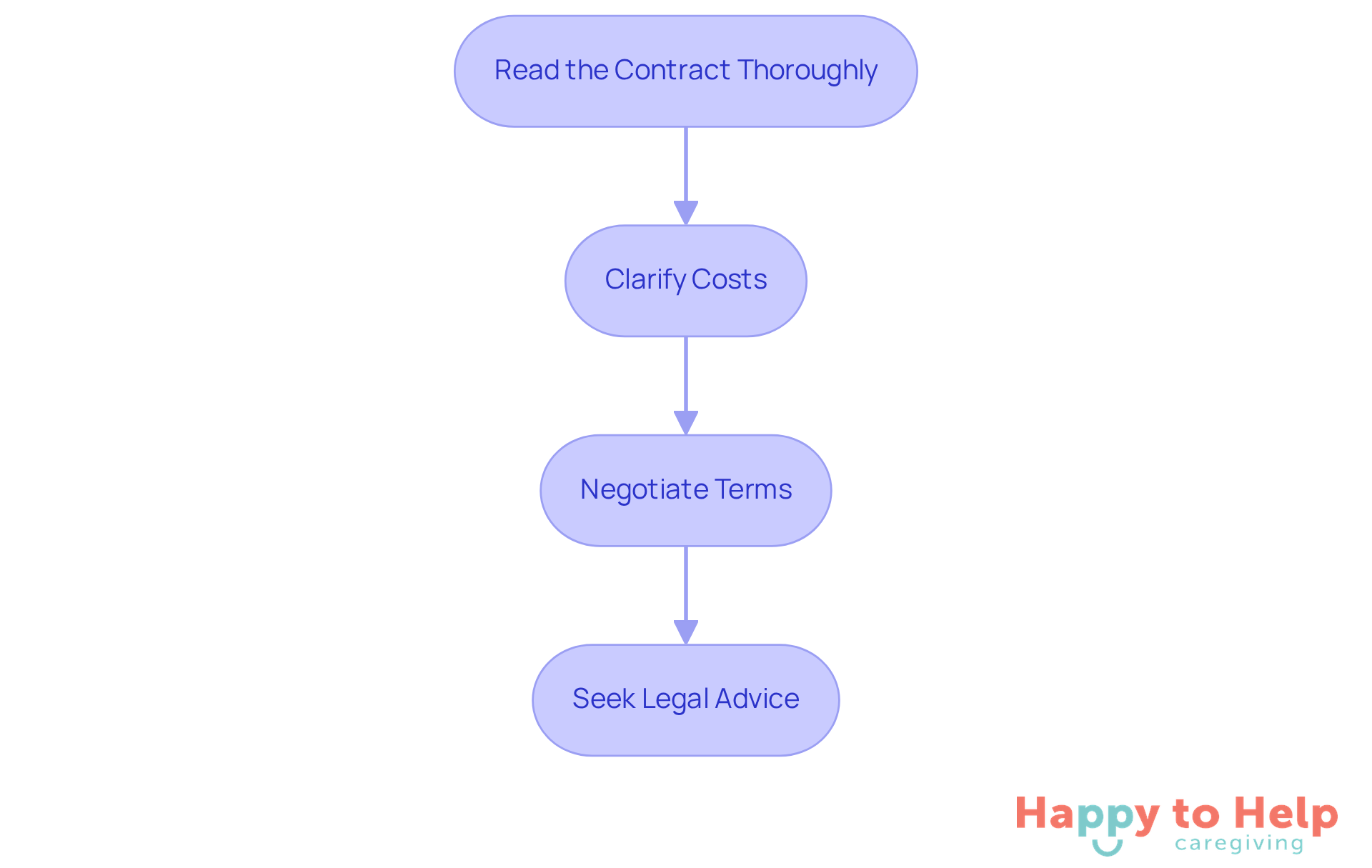
- Read the Contract Thoroughly: Carefully examine all terms and conditions, including the services provided, payment schedules, and cancellation policies. Understanding these details can prevent misunderstandings later.
- Clarify Costs: Inquire about all potential expenses, including hourly rates, overtime fees, and any additional charges for specialized services. The national average cost of in-home care is estimated to be between $25 and $35 per hour in 2025, with the national median projected to be around $33 per hour, varying based on location and caregiver qualifications.
- Negotiate Terms: Don’t hesitate to discuss and negotiate any terms that may be unclear or seem unfavorable. Many families find that open communication can lead to more favorable agreements. As Kamilah Williams-Kemp notes, proactive planning can help families manage the financial aspects of caregiving effectively.
- Seek Legal Advice: If necessary, consult with a legal professional to review the contract and ensure that your rights are protected. This step can provide peace of mind and clarity regarding your obligations.
Additionally, be aware that contract disputes can arise in caregiving agreements, making it even more crucial to review all terms carefully.
By carefully reviewing contracts and understanding costs, you can make informed decisions that align with your family's financial situation, ultimately ensuring a smoother caregiving experience.
Moving Forward with Find Senior Care in Home Near Me
Finding the right in-home senior care for a loved one can be a daunting task. Families often face the challenge of navigating various services and understanding individual needs. This journey requires careful consideration and informed decision-making to ensure that seniors receive the best possible support tailored to their unique circumstances.
The implications of not choosing the right care can be significant. Compatibility between caregivers and seniors is crucial, as is clear communication regarding costs and contractual obligations. Families must assess health and social needs, research local agencies, and conduct thorough interviews with potential caregivers. Each of these steps plays a vital role in creating a positive caregiving experience that prioritizes the well-being of the senior.
So, what can families do? Start by identifying the types of care services available and evaluating the specific needs of your loved one. Research local agencies and don’t hesitate to ask questions during caregiver interviews. By being proactive and informed, caregivers can foster a nurturing environment that respects the dignity and preferences of seniors.
Ultimately, finding senior care in-home is not just about meeting physical needs; it’s about enhancing quality of life and ensuring emotional support for those who may feel isolated or overwhelmed. The right care can significantly impact the health and happiness of loved ones, making it essential for families to take these steps seriously.
https://iframe.tely.ai/cta/eyJhcnRpY2xlX2lkIjogIjY5M2Y1MDg5Yjk3NTAxMmE2YWRmZmQwZiIsICJjb21wYW55X2lkIjogIjY4ZWU1ZGNhNzMxNzYyNTU3ZjNjOTVjMSIsICJpbmRleCI6IG51bGwsICJ0eXBlIjogImFydGljbGUifQ==Frequently Asked Questions
What are the types of in-home senior care services available?
The types of in-home senior care services include Companionship Care, Post-Hospital Recovery Assistance, Respite Care, and Palliative Support Care.
What is Companionship Care?
Companionship Care provides emotional support and companionship to seniors, helping to alleviate feelings of loneliness.
What does Post-Hospital Recovery Assistance entail?
Post-Hospital Recovery Assistance is ideal for individuals recovering from surgery or illness, and it includes help with daily activities and medication management.
What is Respite Care?
Respite Care is a temporary care option that allows family caregivers to take a break while ensuring their relatives receive necessary support.
What is Palliative Support Care?
Palliative Support Care is designed for individuals with serious illnesses, focusing on comfort and quality of life.
How can I assess the individual needs of my family member for in-home senior care?
To assess individual needs, consider their health status, daily activities, social preferences, and living environment.
Why is it important to evaluate health status?
Evaluating health status is vital because older adults often face multiple health challenges that may require specialized care.
What are Activities of Daily Living (ADLs)?
Activities of Daily Living (ADLs) refer to daily tasks such as bathing, dressing, and meal preparation that seniors may struggle with.
How do social preferences impact senior care?
Understanding social preferences is essential, as companionship can significantly enhance the quality of life for seniors and help reduce feelings of loneliness and isolation.
What should I consider regarding the living environment?
Assess the safety and accessibility of the home, as modifications may be necessary to create a secure living space that accommodates mobility and health requirements.
Why is it important to stay informed about Medicaid home care assessments?
Staying informed about the new Minimum Needs Requirements for Medicaid home care assessments, starting September 1, 2025, is essential as it may affect your loved one’s access to care.
What percentage of older adults worry about affording future health and long-term care needs?
68% of older adults worry about affording future health and long-term care needs, highlighting the importance of accurately evaluating their necessities.
List of Sources
- Identify Types of In-Home Senior Care Services
- Home Care Industry Trends to Watch in 2025 (https://firstlighthomecare.com/blog/home-care-industry-trends)
- How AI-Powered Companion Care Transforms Senior Support Services (https://allseniors.org/articles/how-ai-powered-companion-care-transforms-senior-support-services)
- Lonely Seniors Are Turning To AI Bots For Companionship (https://forbes.com/sites/rashishrivastava/2025/10/18/lonely-seniors-are-turning-to-ai-bots-for-companionship)
- A Better Solution Home Care (https://abs.care/blogs/How-Technology-Is-Revolutionizing-Companionship-Care-for-Seniors-in-the-US)
- Types of Home Care Services in 2025 (https://websterhc.com/breaking-down-the-different-types-of-home-care-services-in-2025)
- Assess Individual Needs and Preferences
- Elder Law Review July 2025: New Minimum Needs Requirements for Medicaid Home Care - WANT MORE? DEMAND BETTER! TALK TO US. (https://meltzerlippe.com/articles/elder-law-review-july-2025-new-minimum-needs-requirements-for-medicaid-home-care)
- What Older Adults and Caregivers in Our Region Are Saying: LifePath’s 2025 Needs Assessment - LifePath (https://lifepathma.org/stories/what-older-adults-and-caregivers-in-our-region-are-saying-lifepaths-2025-needs-assessment)
- Warning From Older Adults: Care for Aging in America Needs Urgent Rethinking (https://johnahartford.org/newsroom/view/warning-from-older-adults-care-for-aging-in-america-needs-urgent-rethinking)
- Caregiving Crisis: 45% Increase in Americans Providing Care (https://aarp.org/caregiving/basics/caregiving-in-us-survey-2025)
- New Study Explores the Need for Expanded Long-Term Care Services to Support Aging-in-Place | Johns Hopkins Bloomberg School of Public Health (https://publichealth.jhu.edu/2025/new-study-explores-the-need-for-expanded-long-term-care-services-to-support-aging-in-place)
- Research Local Caregiving Agencies
- The 8 Highest-Rated Companion Care Agencies for Aging at Home - (https://wecareonlineclasses.com/the-8-highest-rated-companion-care-agencies-for-aging-at-home)
- Amid National Caregiver Shortages, Electronic Caregiver Announces the Hybrid Home Care Model-A Scalable Solution to the Labor Crisis Threatening U.S. Aging and Chronic Care (https://news10.com/business/press-releases/accesswire/1115691/amid-national-caregiver-shortages-electronic-caregiver-announces-the-hybrid-home-care-model-a-scalable-solution-to-the-labor-crisis-threatening-u-s-aging-and-chronic-care)
- The business of caring for older Americans is in a deepening crisis (https://washingtonpost.com/business/2025/12/04/elder-care-home-health-shortage)
- The declining population will make it even harder to care for elders (https://npr.org/2025/11/02/nx-s1-5535648/population-elderly-caregivers)
- Caring Reveals "Caring Stars 2025" — Recognizing America’s Best Senior Care Agencies - Caring.com (https://caring.com/about/news/best-senior-care-2025)
- Interview Potential Caregivers
- Caregiver Statistics: Work and Caregiving (https://caregiver.org/resource/caregiver-statistics-work-and-caregiving)
- Hiring an In-Home Caregiver: What to Consider (https://health.usnews.com/senior-care/caregiving/articles/hiring-an-in-home-caregiver-what-to-consider)
- The senior population is booming. Caregiving is struggling to keep up (https://cnbc.com/2025/11/21/senior-caregiving-labor.html)
- Questions You Should Ask a Caregiver | Village Caregiving (https://villagecaregiving.com/blog/questions-to-ask-a-caregiver)
- Caregiving in the US 2025 (https://aarp.org/pri/topics/ltss/family-caregiving/caregiving-in-the-us-2025)
- Review Contracts and Understand Costs
- The Cost of In-Home Caregivers May Surprise You (https://health.usnews.com/senior-care/caregiving/articles/how-much-do-in-home-caregivers-cost)
- Most Americans expect to experience a long-term care event, and nearly 3 in 4 want in-home care if it happens to them - according to Northwestern Mutual Planning & Progress Study (https://news.northwesternmutual.com/2025-10-07-Most-Americans-expect-to-experience-a-long-term-care-event,-and-nearly-3-in-4-want-in-home-care-if-it-happens-to-them-according-to-Northwestern-Mutual-Planning-Progress-Study)
- 24/7 In-Home Care Costs in 2025 - Assisted Living Magazine (https://assistedlivingmagazine.com/24-7-in-home-care-costs-in-2025)
- Home Care Costs in 2025: A State-by-State Guide (https://aplaceformom.com/caregiver-resources/articles/in-home-care-costs)