
For families in our service areas
For families in our service areas, this guide explains home care and how non-medical in-home caregiving can support care planning in East Idaho, Treasure Valley & Magic Valley, Northern Wasatch, North Central West Virginia, and Northeast Ohio.
Why Find Senior Citizen Home Care Near You Matters
Finding the right home care for senior citizens can feel like navigating a complex maze. Caregivers face a pressing challenge: ensuring their loved ones receive tailored support that addresses not only physical health but also emotional and social well-being. With the demand for senior care services expected to rise dramatically in the coming years, caregivers must effectively assess individual needs and identify the most suitable providers.
This guide offers practical steps to streamline the process. By following these actionable solutions, families can make informed decisions that enhance the quality of life for their elderly loved ones. Let's explore how to tackle this challenge head-on.
Assess Individual Care Needs
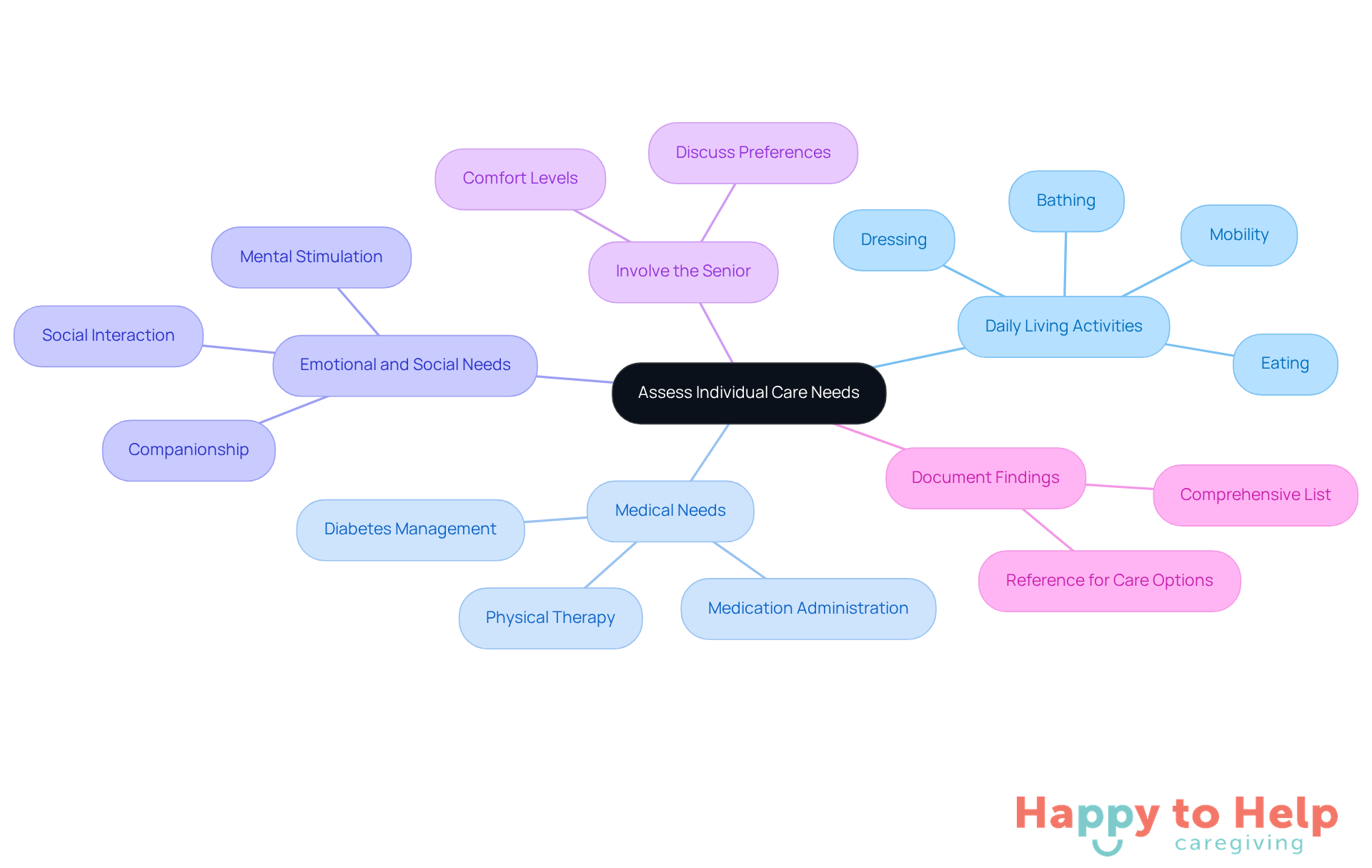
Identify Daily Living Activities: Caregivers often struggle to assess the daily living activities of seniors, which can lead to unmet needs. Start by evaluating the individual's ability to perform essential tasks such as bathing, dressing, eating, and mobility. Note any difficulties they face in these areas, as these challenges can significantly impact their quality of life.
Consider Medical Needs: Medical conditions can complicate caregiving. It's crucial to take into account any health issues that require attention, such as diabetes management, medication administration, or physical therapy. Addressing these needs is vital for the well-being of the individual.
Evaluate Emotional and Social Needs: Emotional well-being is just as important as physical health. Assess the individual's emotional state and consider their need for companionship, social interaction, and mental stimulation. Ignoring these aspects can lead to feelings of isolation and depression.
Involve the Senior: Engaging the senior in the assessment process can provide invaluable insights. If possible, involve them in discussions about their preferences and comfort levels. Their input can help tailor care to better meet their needs.
Document Findings: Finally, create a comprehensive list of the identified needs. This document will serve as a reference when exploring options for senior citizen home care near me and discussing care with potential providers. By systematically addressing these areas, caregivers can ensure a more holistic approach to senior care.
Explore Available Home Care Services
-
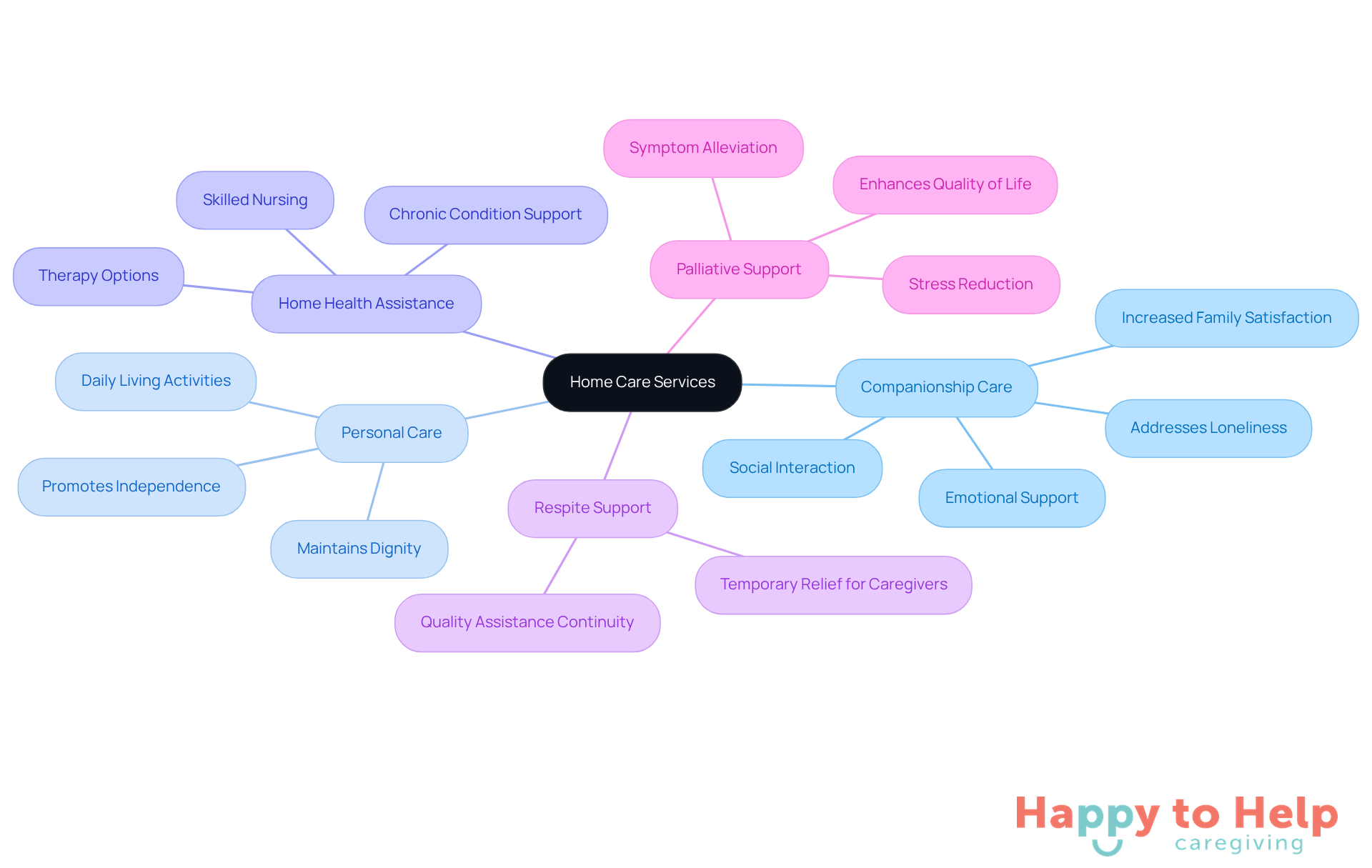
Types of Assistance: Understanding the various options for senior citizen home care near me is crucial for making informed decisions. Caregivers face the challenge of ensuring their loved ones receive the right support. Key options include:
- Companionship Care: This service focuses on providing social interaction and emotional support, which is vital for seniors' mental health. Research shows that approximately 75% of older adults prefer to age in place, highlighting the necessity for companionship to address loneliness and isolation. Additionally, the 2024 J.D. Power study indicates heightened family satisfaction with assisted living and memory support, emphasizing the significance of quality assistance.
- Personal Care: Assistance with daily living activities such as bathing, dressing, and meal preparation ensures that seniors maintain their dignity and independence.
- Home Health Assistance: Medical support offered by licensed professionals, including skilled nursing and therapy options, is essential for individuals with chronic conditions or recovering from surgery.
- Respite Support: This assistance provides temporary relief for primary caregivers, enabling them to recharge while ensuring their loved ones continue to receive quality assistance.
- Palliative Support: Focused on alleviating symptoms and stress associated with serious illnesses, this type of support enhances the quality of life for both patients and their families.
-
Caregivers often struggle to find the right senior citizen home care near me services in their area. Utilize online resources, community centers, and local agencies to gather information about the offerings available. This research is essential as the demand for home assistance is expected to grow considerably, with forecasts indicating a 22% rise by 2034. By 2029, around 71.4 million Americans aged 65 and above will need some type of support.
-
Check for Specializations: Some agencies may concentrate on particular conditions, such as dementia or post-operative assistance. Ensuring that the assistance corresponds with the individual's specific requirements is vital for efficient support.
-
Consider Flexibility: Seek options that provide adaptable scheduling to suit the elderly individual's routine and preferences. This flexibility is essential, as many seniors flourish in familiar surroundings and benefit from individualized support plans that suit their lifestyles.
Research Local Home Care Providers
Finding Reliable Home Assistance Agencies
Caregivers often struggle to locate trustworthy home assistance agencies, which can add stress to an already challenging situation. Without proper guidance, the search can feel overwhelming and lead to poor choices that affect the quality of care for loved ones.
To alleviate this burden, consider the following actionable steps:
-
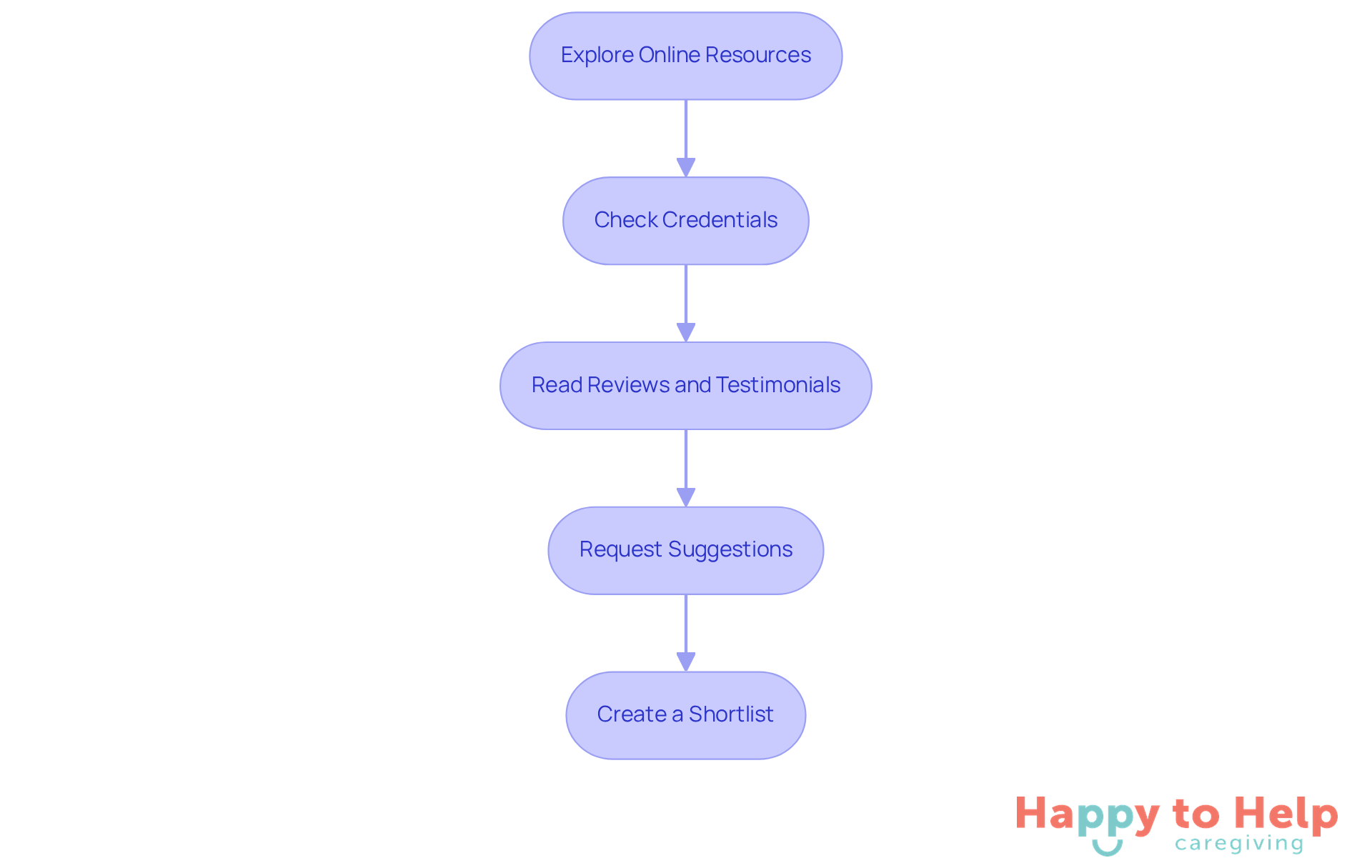
Explore Online Resources: Start by checking online directories and review platforms like Caring.com, Yelp, or local aging organizations' websites. These resources can help you identify agencies for senior citizen home care near me.
-
Check Credentials: It's crucial to verify that the agencies are licensed and accredited by relevant state and national organizations. Look for certifications that indicate adherence to quality standards.
-
Read Reviews and Testimonials: Gather feedback from families who have previously used the services. Pay attention to both positive and negative reviews to gain a balanced perspective.
-
Request Suggestions: Reach out to healthcare professionals, social workers, or friends who have experience with home support services. Their recommendations can provide valuable insights.
-
Create a Shortlist: After conducting your research, compile a list of potential providers that meet your criteria and align with your loved one's needs.
By following these steps, caregivers can make informed decisions and locate the best senior citizen home care near me for their loved ones.
Conduct Interviews with Care Providers
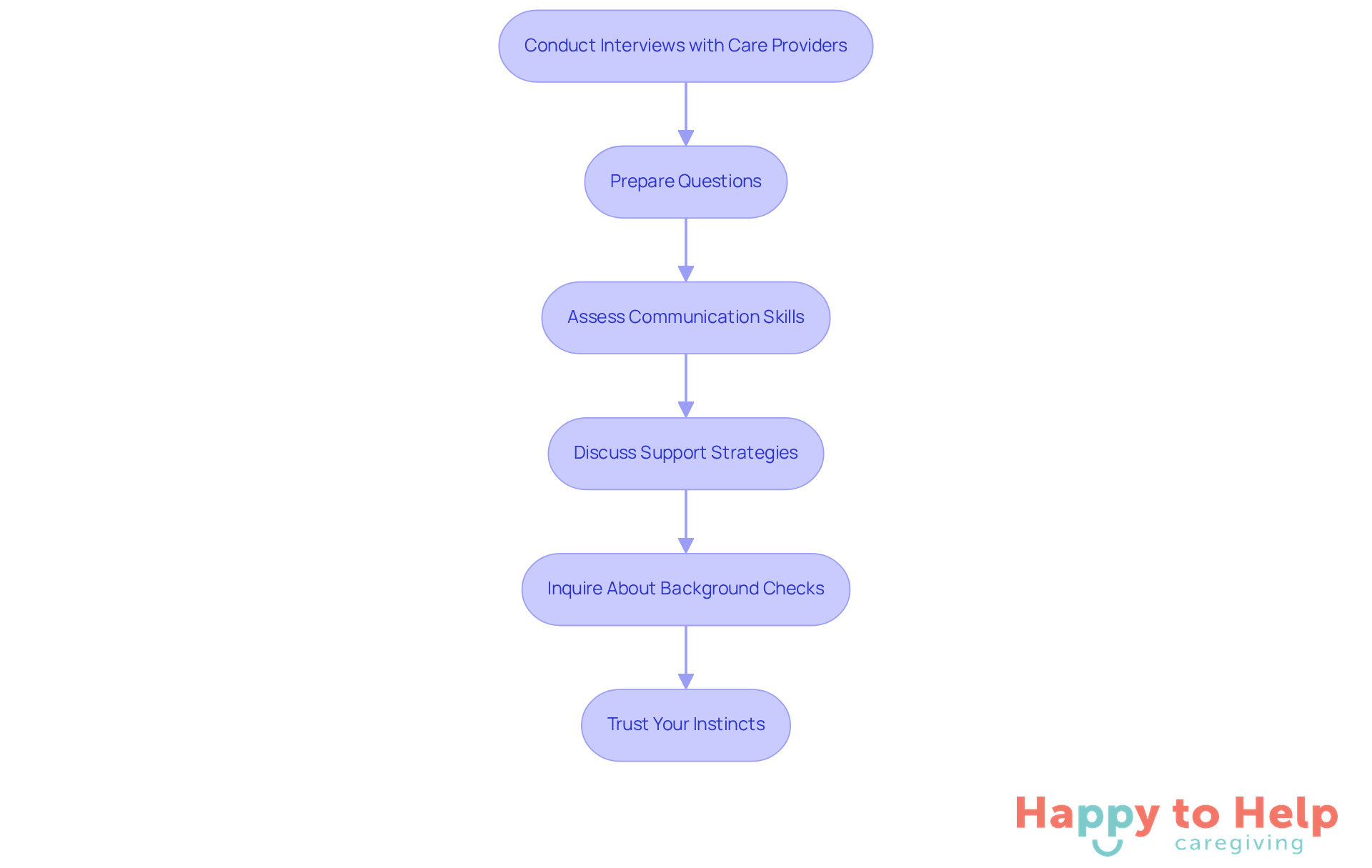
Prepare Questions: Finding the right caregiver can be daunting. To ease this process, develop a list of questions to ask during the interview. Consider asking about:
- Their experience and training in senior care.
- The specific services they offer and their methods of assistance, including how they adapt to your loved one's needs.
- Their availability and flexibility in scheduling.
- How they handle emergencies or unexpected situations.
Assess Communication Skills: Effective communication is crucial in caregiving. Pay attention to how well the caregiver communicates. They should clearly explain their services and actively listen to your concerns. This fosters trust and understanding, which are essential for a positive senior citizen home care near me relationship.
Discuss Support Strategies: Inquire about their approach to developing a customized care plan for your loved one. This will give you insight into their individualized approach and commitment to regularly revising plans to meet evolving needs.
Inquire About Background Checks: Safety and reliability are paramount. Ensure that the agency conducts thorough background checks on their caregivers. Additionally, confirm that caregivers are CPR and first-aid certified, which is vital for effectively handling emergencies.
Trust Your Instincts: After the interview, take a moment to reflect on your feelings about the caregiver. Trust your instincts regarding their suitability for your loved one. A caregiver who feels like family can significantly enhance the quality of care and emotional support.
Make an Informed Decision
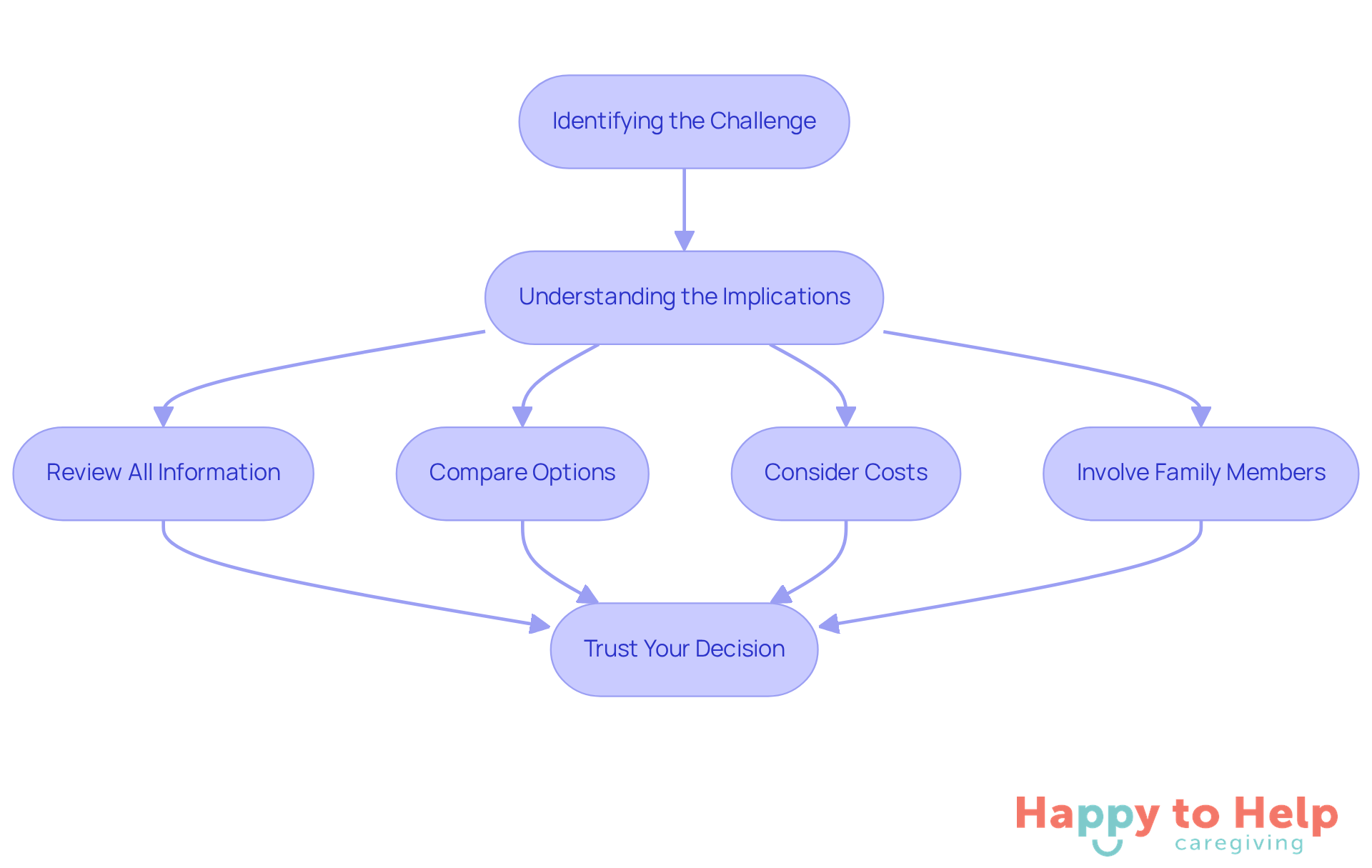
Identifying the Challenge: Caregivers often face the daunting task of selecting the right provider for their loved ones. With numerous options available, it can be overwhelming to determine which provider best meets specific needs.
Understanding the Implications: This decision is crucial, as the right choice can significantly impact the quality of care. Conversely, a poor selection may lead to dissatisfaction and unmet care requirements, adding stress to both caregivers and their loved ones.
Practical Solutions:
- Review All Information: Go through the notes and feedback collected from assessments, research, and interviews. Ensure you have a clear understanding of each provider's strengths and weaknesses.
- Compare Options: Create a comparison chart to assess the shortlisted providers based on key factors such as offerings, costs, caregiver qualifications, and compatibility with your loved one.
- Consider Costs: Discuss the financial aspects, including payment options and insurance coverage. Ensure that the chosen provider fits within your budget while meeting care needs.
- Involve Family Members: If applicable, involve other family members in the decision-making process to gather different perspectives and ensure everyone is aligned.
- Trust Your Decision: Once you have made a choice, trust your instincts and the research you have conducted. Communicate your decision to the chosen provider and set up a start date for services.
Your Path Forward
Finding the right senior citizen home care can be a daunting challenge. Caregivers often face the problem of understanding the unique needs and preferences of their loved ones. This complexity can lead to stress and uncertainty, making it crucial to approach the task with care and diligence.
To navigate this journey effectively, caregivers must first assess:
- Daily living activities
- Medical requirements
- Emotional well-being
By doing so, they can create a tailored care plan that enhances the quality of life for seniors. This foundational step is essential for exploring various home care services, ensuring that the chosen support aligns with specific needs.
Researching local home care providers is vital. Conducting interviews and verifying credentials can significantly impact the selection process. Gathering feedback from other families also contributes to making informed decisions. Each of these actions helps caregivers feel more confident in their choices, ultimately leading to a caregiver who meets practical requirements while fostering a trusting and compassionate relationship.
As the demand for senior home care continues to rise, it’s important for caregivers to utilize effective strategies. By following the guidance outlined in this article, individuals can navigate the complexities of senior care with greater ease. Taking proactive steps today can lead to a more fulfilling and secure tomorrow for seniors and their families alike.
https://iframe.tely.ai/cta/eyJhcnRpY2xlX2lkIjogIjY5M2Y3NWFkZTNhODcwNjBiZGIwNDBlNCIsICJjb21wYW55X2lkIjogIjY4ZWU1ZGNhNzMxNzYyNTU3ZjNjOTVjMSIsICJpbmRleCI6IG51bGwsICJ0eXBlIjogImFydGljbGUifQ==Frequently Asked Questions
How can caregivers assess the individual care needs of seniors?
Caregivers can assess individual care needs by evaluating the senior's ability to perform daily living activities such as bathing, dressing, eating, and mobility. They should also consider medical needs, emotional and social needs, involve the senior in the assessment process, and document their findings.
What types of daily living activities should be evaluated?
Key daily living activities to evaluate include bathing, dressing, eating, and mobility. Noting any difficulties faced in these areas is important as they can impact the senior's quality of life.
Why is it important to consider medical needs in caregiving?
Considering medical needs is crucial because health issues, such as diabetes management, medication administration, or physical therapy, can complicate caregiving. Addressing these needs is vital for the individual's well-being.
How do emotional and social needs affect seniors?
Emotional well-being is as important as physical health. Assessing a senior's emotional state and their need for companionship, social interaction, and mental stimulation is essential, as neglecting these aspects can lead to feelings of isolation and depression.
What role does the senior play in the assessment process?
Involving the senior in the assessment process can provide valuable insights into their preferences and comfort levels, helping to tailor care to better meet their needs.
What types of home care services are available for seniors?
Available home care services include companionship care, personal care, home health assistance, respite support, and palliative support. Each type addresses different aspects of senior care.
What is companionship care and why is it important?
Companionship care focuses on providing social interaction and emotional support, which is vital for seniors' mental health. It helps address loneliness and isolation, especially since many older adults prefer to age in place.
What does personal care involve?
Personal care involves assistance with daily living activities such as bathing, dressing, and meal preparation, ensuring that seniors maintain their dignity and independence.
What is home health assistance?
Home health assistance includes medical support provided by licensed professionals, such as skilled nursing and therapy options, which is essential for individuals with chronic conditions or those recovering from surgery.
Why is respite support important for caregivers?
Respite support provides temporary relief for primary caregivers, allowing them to recharge while ensuring their loved ones continue to receive quality assistance.
What is the focus of palliative support?
Palliative support focuses on alleviating symptoms and stress associated with serious illnesses, enhancing the quality of life for both patients and their families.
How can caregivers find appropriate home care services?
Caregivers can find appropriate home care services by utilizing online resources, community centers, and local agencies to gather information about the available offerings in their area.
Why is it important to check for specializations in home care agencies?
Some agencies may specialize in specific conditions, such as dementia or post-operative assistance. Ensuring that the assistance corresponds with the individual's specific requirements is vital for effective support.
What should caregivers consider regarding the flexibility of home care services?
Caregivers should seek options that provide adaptable scheduling to suit the elderly individual's routine and preferences, as many seniors thrive in familiar surroundings and benefit from personalized support plans.
List of Sources
- Assess Individual Care Needs
- Prevalence and Trends of Basic Activities of Daily Living Limitations in Middle-Aged and Older Adults in the United States - PMC (https://pmc.ncbi.nlm.nih.gov/articles/PMC10660458)
- New Report on Assessing Mobility Has Experts Moving Toward Consensus on Care We Need as We Age (https://americangeriatrics.org/media-center/news/new-report-assessing-mobility-has-experts-moving-toward-consensus-care-we-need-we)
- Older adults prioritize social activities, inclusiveness in massive survey assessing what matters most to them (https://mcknights.com/news/older-adults-prioritize-social-activities-inclusiveness-in-massive-survey-assessing-what-matters-most-to-them)
- Study Finds Many Seniors Unprepared for Favored In-Home Care (https://crosscountry.com/blog/new-study-find-while-aging-seniors-prefer-in-home-care)
- Warning From Older Adults: Care for Aging in America Needs Urgent Rethinking (https://johnahartford.org/newsroom/view/warning-from-older-adults-care-for-aging-in-america-needs-urgent-rethinking)
- Explore Available Home Care Services
- State of home care in 2025 (https://mcknightshomecare.com/state-of-home-care-in-2025)
- Home Care Industry Trends to Watch in 2025 (https://firstlighthomecare.com/blog/home-care-industry-trends)
- Understanding Home Health Care Options (https://health.usnews.com/best-senior-living/articles/understanding-home-health-care-service-options)
- In-Home Care for Seniors - Caregiving News and Tips (https://aarp.org/caregiving/home-care)
- Home (https://homehealthcarenews.com)
- Research Local Home Care Providers
- Topic: Home care in the U.S. (https://statista.com/topics/4049/home-care-in-the-us?srsltid=AfmBOoqd6o3aoBRGImHZBJod7wrthRB2nC6l\_tFPqwyiln4KWmbYjse4)
- ‘We Need To Try Different Things’: How 6 Home Care Providers Stand Out In A Crowded Market (https://homehealthcarenews.com/2024/06/we-need-to-try-different-things-how-6-home-care-providers-stand-out-in-a-crowded-market)
- State won’t release inspection records for home health agency (https://newsfromthestates.com/article/state-wont-release-inspection-records-home-health-agency)
- Home Health QRP Spotlight and Announcements | CMS (https://cms.gov/medicare/quality/home-health/home-health-qrp-spotlight-and-announcements)
- FastStats (https://cdc.gov/nchs/fastats/home-health-care.htm)
- Conduct Interviews with Care Providers
- 15 Essential Interview Questions to Ask Caregivers (https://4seasonscare.com/blog/15-essential-interview-questions-to-ask-caregivers)
- The Importance of Effective Communication in Caregiving (https://familycaregiversonline.net/the-importance-of-effective-communication-in-caregiving)
- Questions You Should Ask a Caregiver | Village Caregiving (https://villagecaregiving.com/blog/questions-to-ask-a-caregiver)
- 76 Best Caregiver Interview Questions for Agency Owners | CareAcademy (https://careacademy.com/blog/caregiver-interview-questions)
- Effective Communication as a Caregiver | Always Caring of CT (https://alwayscaringct.com/news/effective-communication-as-a-caregiver)
- Make an Informed Decision
- PDA Announces New Tool for Screening In-Home Care Workers (https://pa.gov/agencies/aging/newsroom/pda-announces-new-tool-for-screening-in-home-care-workers)
- Family caregivers prefer in-home care over senior living, new industry report finds (https://mcknightshomecare.com/news/family-caregivers-prefer-in-home-care-over-senior-living-new-industry-report-finds)
- Home Care Costs in 2025: A State-by-State Guide (https://aplaceformom.com/caregiver-resources/articles/in-home-care-costs)
- Genworth and CareScout Release Cost of Care Survey Results for 2024 (https://investor.genworth.com/news-events/press-releases/detail/982/genworth-and-carescout-release-cost-of-care-survey-results)
- Home Care Cost (https://ltsschoices.aarp.org/scorecard-report/2023/dimensions-and-indicators/home-care-cost)