

Active service-area notice
Happy to Help does not currently list Indianapolis as an active service area. This article is general educational information. For local care availability, browse our active service areas.
Browse active service areasFor families in our service areas
For families in our service areas, this guide explains caregiver support and how non-medical in-home caregiving can support care planning in East Idaho, Treasure Valley & Magic Valley, Northern Wasatch, North Central West Virginia, and Northeast Ohio.
Quick Guide to Find the Right Caregiver in Indianapolis
Finding the right caregiver in Indianapolis can feel overwhelming, but it doesn’t have to be. The journey begins with understanding your unique care needs, which is essential for ensuring the best possible support. Evaluating caregiver qualifications is the next crucial step; it’s important to find someone whose skills align with those needs.
As you move forward, conducting effective interviews allows you to connect on a personal level, helping you gauge not just qualifications but also the caregiver’s compassion and approach. Verifying references is equally vital, as it provides insight into the caregiver’s past experiences and reliability. Finally, making a decision alongside a care plan ensures that you feel confident in your choice, knowing that it’s tailored to your specific situation.
Throughout this process, remember that thorough assessment and open communication are key. They help ensure that the caregiver you select truly meets your needs, enhancing the quality of care and fostering a relationship built on trust. You are not alone in this journey; there are resources and support systems available to help you every step of the way.
Why Find the Right Caregiver in Indianapolis Matters
Navigating the complexities of finding the right caregiver can feel overwhelming, particularly in a vibrant city like Indianapolis. As the number of seniors needing personalized care continues to rise, it becomes essential to understand how to assess specific needs and qualifications. Families often face emotional challenges in matching a caregiver's skills with the unique demands of their elderly loved ones. How can they confidently make this important decision? This guide provides a structured approach to simplify the caregiver selection process, ensuring that families can secure compassionate and competent care for their loved ones.
Identify Your Care Needs
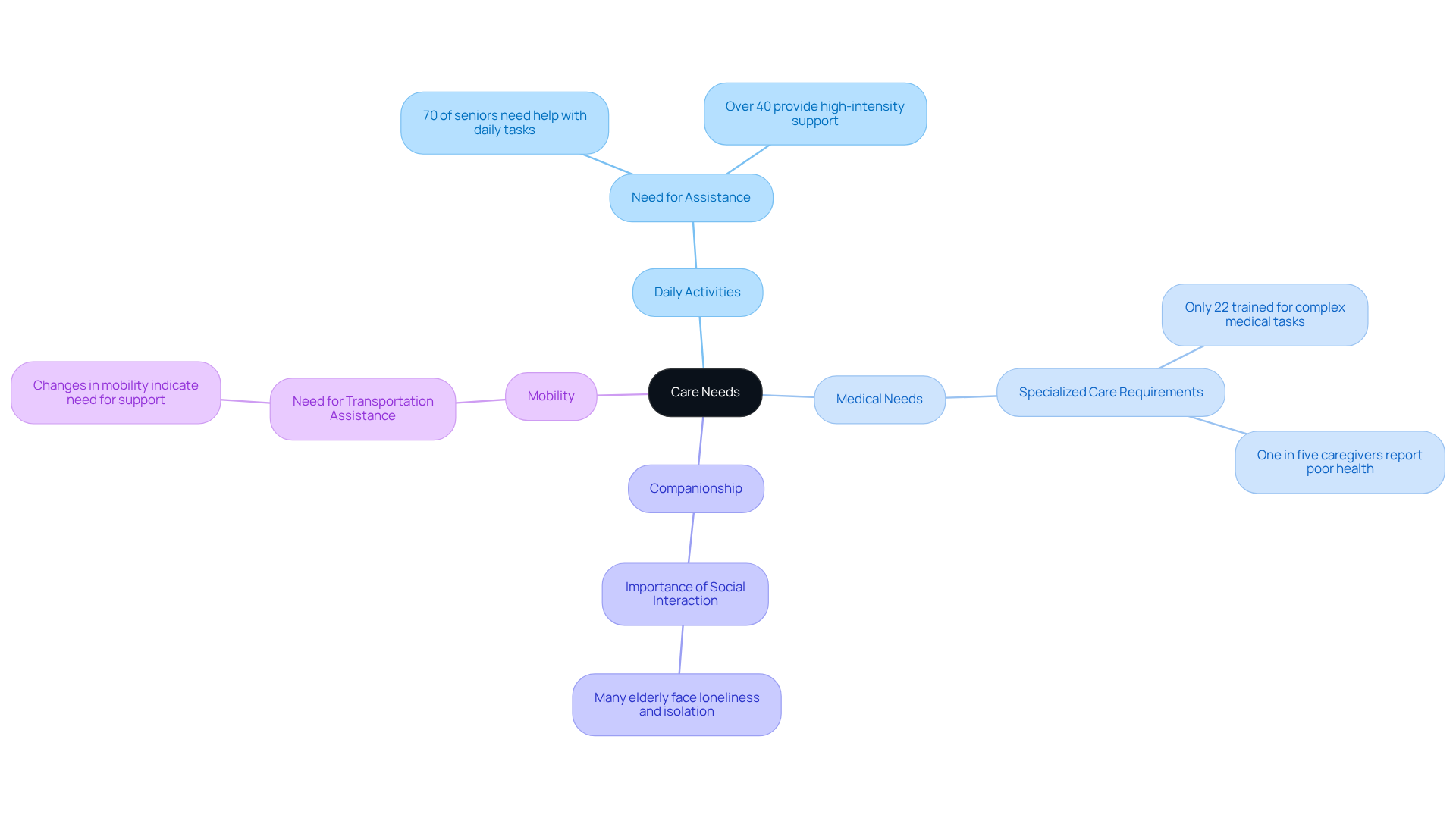
Begin by thoughtfully evaluating the unique needs of the individual seeking support. It’s important to consider several key factors:
- Daily Activities: A significant number of seniors, around 70%, find themselves needing help with everyday tasks like bathing, dressing, and preparing meals. Recognizing these needs is vital for effective caregiving. Notably, over 40% of caregivers provide high-intensity support, underscoring the level of assistance required.
- Medical Needs: It’s essential to identify any medical conditions that may require specialized care or monitoring. Alarmingly, only 22% of caregivers are trained for complex medical tasks, and one in five report their own health as poor. This highlights the necessity of pairing caregivers with appropriate expertise.
- Companionship: Consider the importance of social interaction and emotional support, as many elderly individuals face loneliness and isolation. Involving support providers who can offer companionship can significantly enhance their quality of life.
- Mobility: Assess whether the individual needs help with mobility or transportation. Observing changes in mobility can indicate a need for additional support, especially if there are signs of cognitive decline or physical weakness.
Creating a comprehensive list of these requirements will enable you to communicate them clearly when searching for a provider. This ensures that you find someone capable of delivering the right level of assistance tailored to the individual’s specific situation. As emphasized by the AARP & National Alliance for Caregiving, the growing demand for family support workers highlights the importance of understanding these needs.
Evaluate Caregiver Qualifications and Traits
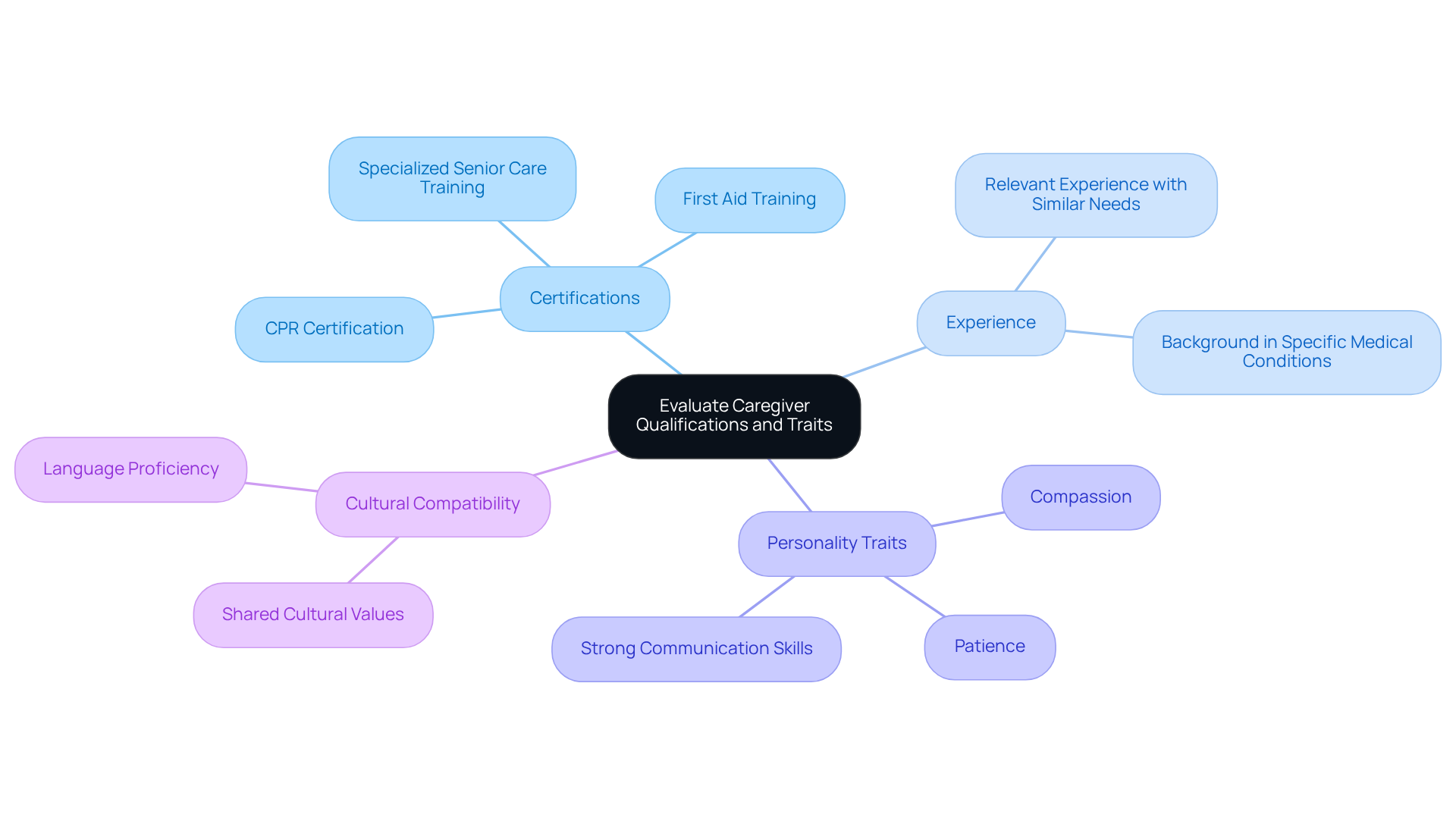
When evaluating potential caregiver Indianapolis options, it's essential to consider not just their qualifications but also the traits that can bring comfort and reassurance to those in need.
-
Certifications: Look for caregivers who hold relevant certifications, such as CPR and first aid training, or specialized training in senior care. These credentials can provide peace of mind.
-
Experience: Evaluate their experience level, particularly with patients who have similar needs or specific medical conditions. The background of a caregiver Indianapolis can significantly impact their ability to provide compassionate support.
-
Personality Traits: Seek individuals who are compassionate, patient, and possess strong communication skills. The character of a caregiver in Indianapolis can significantly influence the comfort level of the individual receiving care.
-
Cultural Compatibility: Consider whether the provider shares similar cultural values or speaks the same language as the individual. This connection can enhance communication and foster a sense of comfort, making the caregiver Indianapolis experience more meaningful.
Conduct Effective Caregiver Interviews
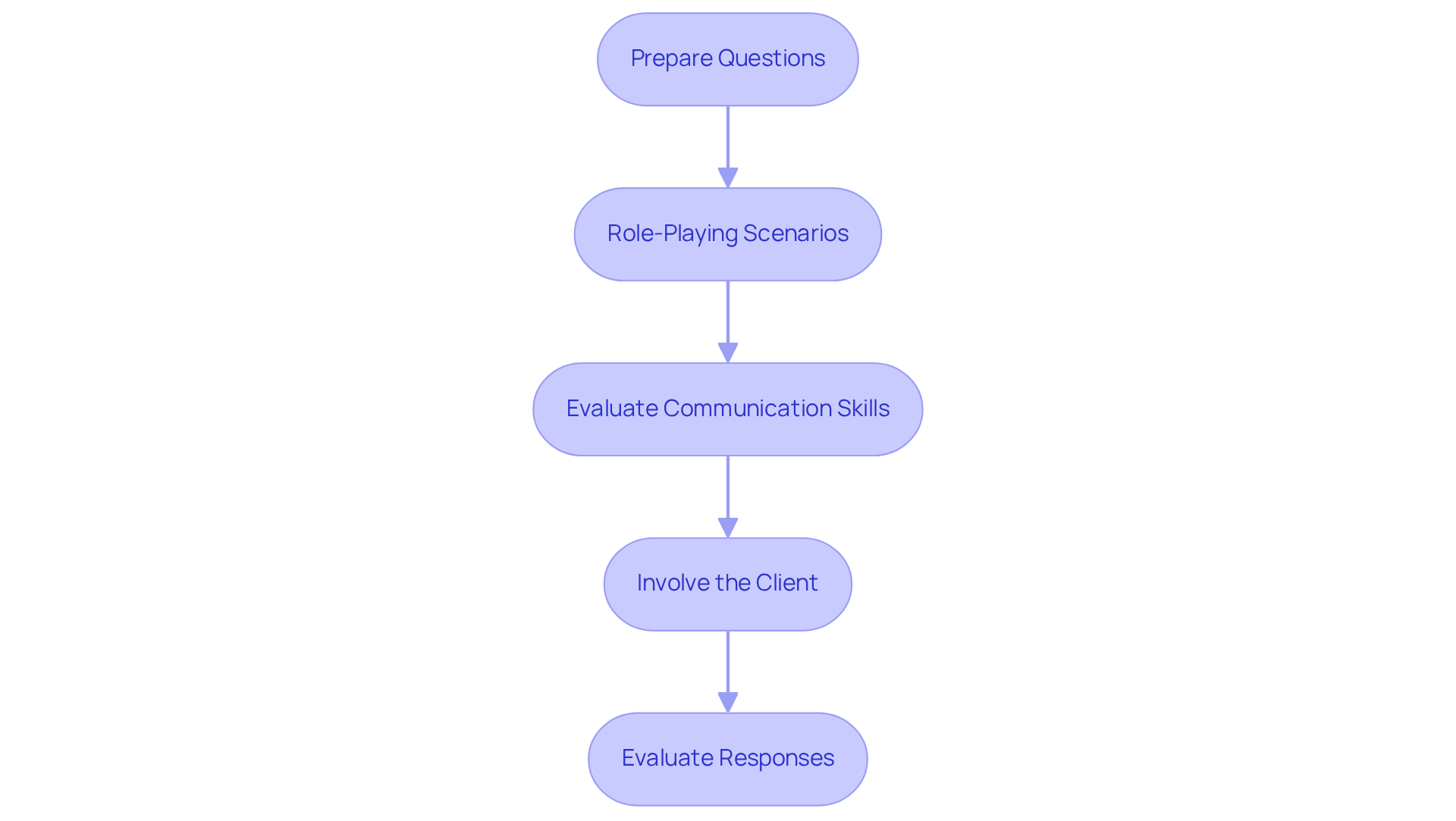
To conduct effective interviews, it’s important to approach the process with care and understanding. Here are some steps to consider:
-
Prepare Questions: Begin by crafting a thoughtful list of questions that explore the caregiver's experience, care philosophy, and problem-solving abilities. Key questions might include:
- How do you handle emergencies?
- Can you describe a challenging situation you faced and how you resolved it?
-
Role-Playing Scenarios: Introduce hypothetical situations, such as managing a difficult customer or demonstrating problem-solving skills. This can help you see how the provider might react in real-life contexts, revealing their critical thinking and adaptability.
-
Evaluate Communication Skills: Pay attention to how well the provider listens and articulates their thoughts during the interview. Strong communication is vital in caregiving, particularly for a caregiver in Indianapolis, as it fosters trust and understanding between the caregiver and client. As highlighted in the caregiving sector, effective communication is a cornerstone of quality support.
-
Involve the Client: If possible, include the individual receiving assistance in the interview process. This involvement can provide valuable insights into the provider’s compatibility with the individual and their ability to build rapport, which is essential for nurturing meaningful connections in home support.
-
Evaluate Responses: Listen closely to the caregiver's answers to common interview questions, particularly regarding client safety and their motivations for entering the caregiving field. Be vigilant for any red flags that might indicate a mismatch for your needs. Candidates who show genuine passion and understanding of caregiving are more likely to deliver high-quality care as a caregiver in Indianapolis.
By following these steps, you can ensure a thorough assessment of potential providers, leading to better matches for your loved one's needs. Remember, this process is not just about finding a caregiver; it’s about ensuring your loved one receives the compassionate support they deserve.
Verify References and Background Checks
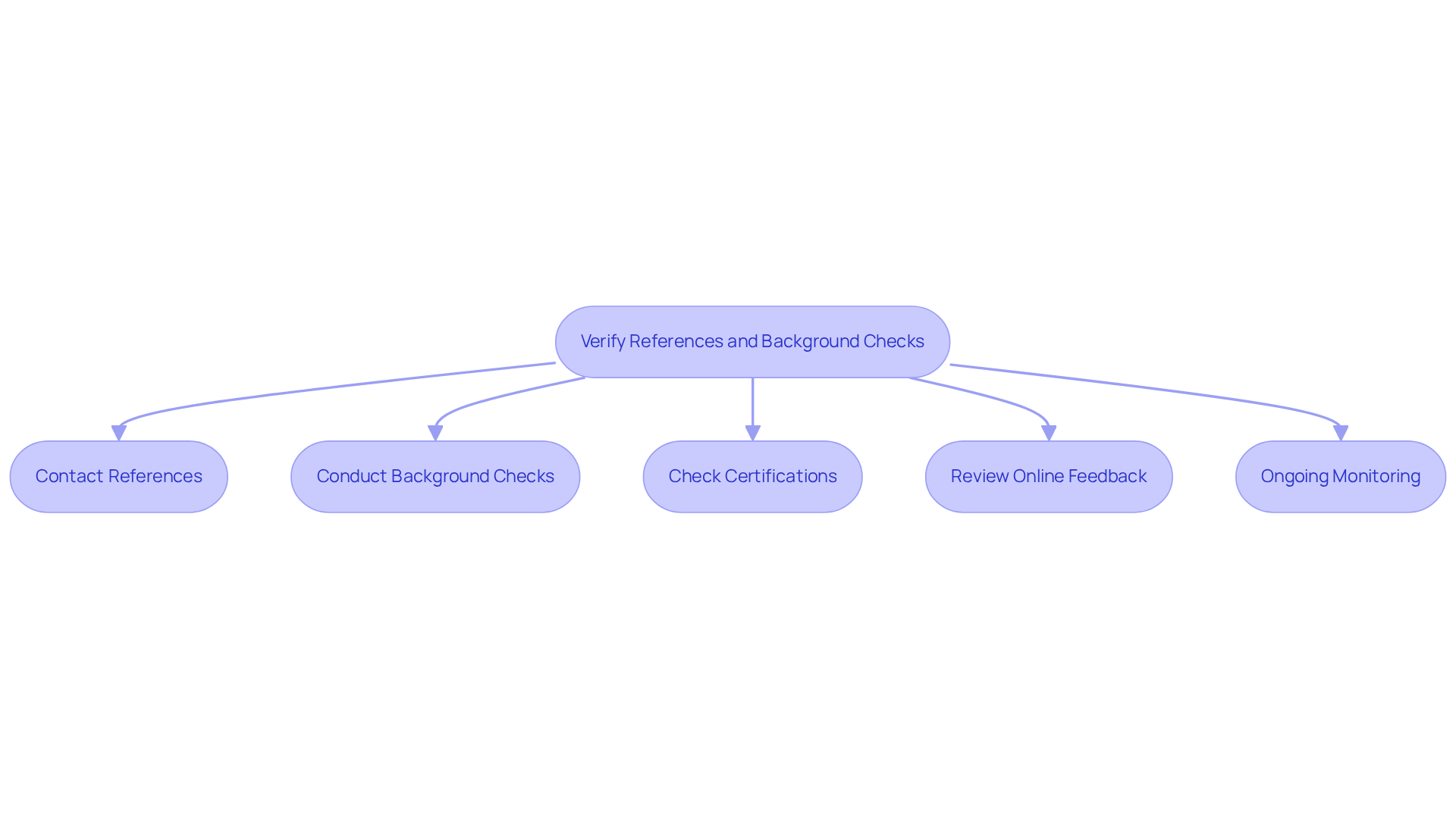
To ensure the safety and reliability of a caregiver before making a final decision, it’s important to take a few essential steps to verify their background. This process not only protects you but also provides peace of mind.
-
Contact References: Reach out to previous employers or clients. Their insights about the caregiver's performance, reliability, and interpersonal skills can be invaluable. Tailored questions can help uncover specific strengths and areas of concern, guiding you toward the right choice.
-
Conduct Background Checks: Engage professional services that specialize in personnel background checks. These checks typically include identity verification, employment history, education verification, criminal history searches, driving records, and verification of any abuse or neglect registries. This thorough approach ensures that no disqualifying issues exist, reinforcing your confidence in the caregiver.
-
Check Certifications: Confirm that any claimed certifications are valid and current. It’s worth noting that state board certification verification can add another week to the background check process, making this step essential for ensuring that the individual possesses the necessary qualifications to provide high-quality care.
-
Review Online Feedback: Investigate reviews or testimonials from other families who have used the provider's services. Positive feedback can provide reassurance, while negative reviews may highlight potential red flags. This emphasizes the importance of thorough research, allowing you to make an informed decision.
-
Ongoing Monitoring: Consider implementing a system for continuous monitoring of the individual's background. Routine inspections can assist in upholding compliance and guaranteeing continual safety for clients. This ongoing vigilance reinforces the reliability of the provider over time, ensuring that you feel secure in your choice.
Make Your Final Decision and Create a Care Plan
Once you have selected a caregiver, follow these steps to finalize the arrangement:
-
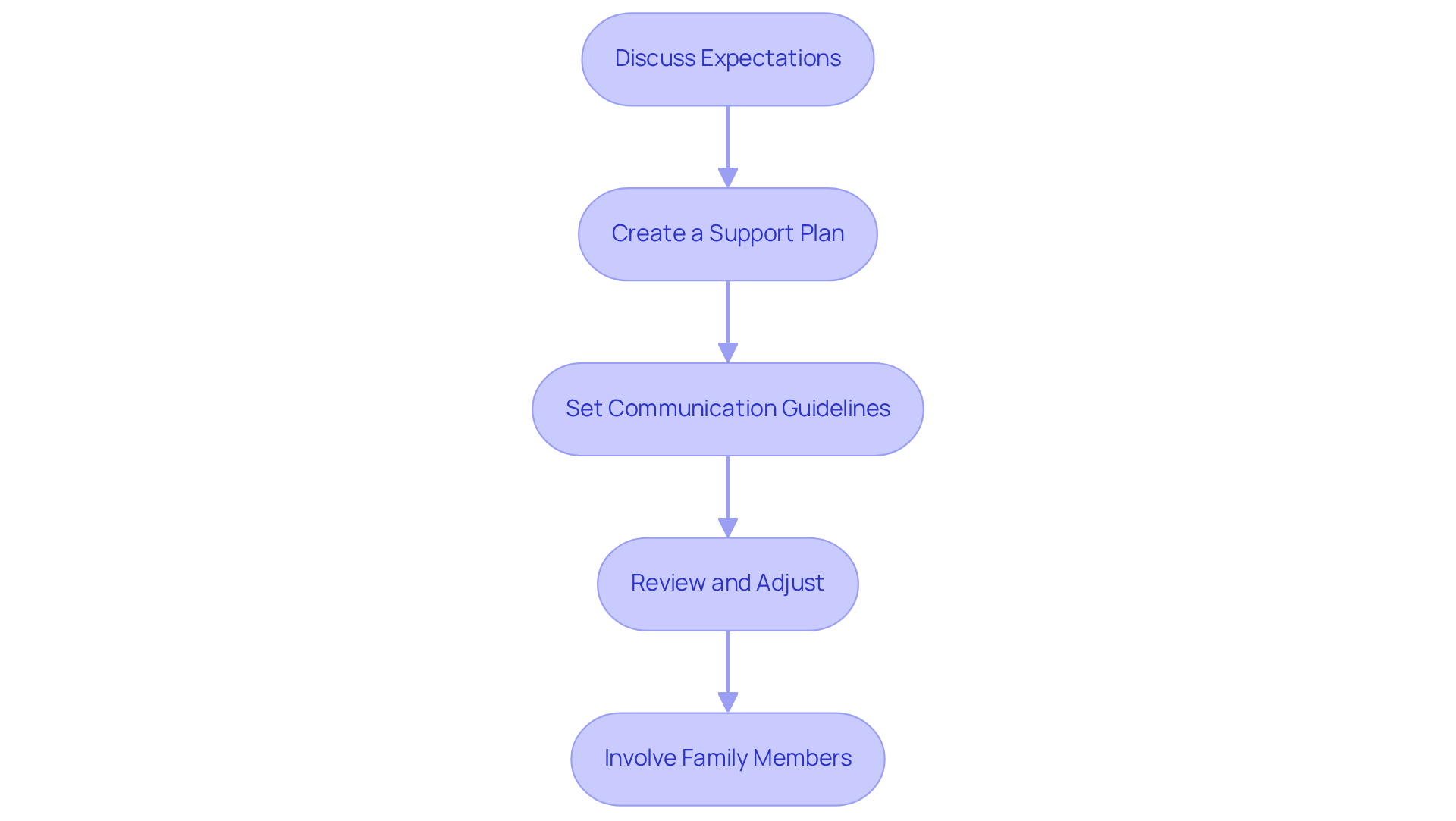
Discuss Expectations: Begin with an open dialogue about the caregiver’s role, responsibilities, and your specific expectations. This conversation is crucial. Nearly 1 in 4 caregivers report feeling socially isolated, highlighting the importance of clear communication in fostering a supportive environment.
-
Create a Support Plan: Develop a comprehensive support plan that a caregiver in Indianapolis can use, detailing the individual’s specific needs, including daily routines, medical requirements, and personal preferences. A well-organized caregiver Indianapolis care plan not only enhances the quality of care but also serves as a legal document, protecting both the caregiver and the individual receiving care. Remember to update it whenever there’s a change in medication or noticeable shifts in ability, ensuring it remains relevant and effective.
-
Set Communication Guidelines: Establish clear communication protocols with your caregiver in Indianapolis, such as how often you will check in with them and their preferred methods for sharing updates or concerns. For caregivers in Indianapolis, effective communication is vital for sustaining trust and addressing any changes in the individual’s condition promptly. Additionally, setting clear boundaries between family and caregiver responsibilities can help prevent confusion, maintaining meaningful family connections for seniors.
-
Review and Adjust: Schedule regular evaluations of the caregiver Indianapolis support plan to ensure it aligns with the client’s evolving needs. These evaluations should occur at least every three months, as regular reassessments by a caregiver in Indianapolis are essential for timely modifications based on changes in health or personal situations, ensuring that support remains effective and relevant.
-
Involve Family Members: Encourage family participation in the support process. This involvement can provide emotional backing and oversight. Engaging family members helps maintain meaningful connections and ensures that everyone is informed about the care plan and any necessary adjustments.
Key Takeaways for Caregivers
Finding the right caregiver in Indianapolis is a crucial process that can profoundly impact the quality of life for both the individual receiving care and their family. It’s essential to:
- Assess care needs thoroughly
- Evaluate caregiver qualifications
- Conduct effective interviews
- Verify references
- Create a comprehensive care plan
By doing so, families can ensure they select a caregiver who is not only qualified but also a good fit for their loved one’s unique situation.
Identifying specific care needs is the first step. These needs may include:
- Daily activities
- Medical requirements
- Companionship
- Mobility considerations
It’s important to evaluate caregiver qualifications and personality traits, such as compassion and communication skills, to foster a supportive relationship. Additionally, conducting thorough interviews and background checks is essential to ensure safety and reliability. Ongoing monitoring reinforces confidence in the caregiver's performance, creating a sense of security.
Ultimately, choosing a caregiver is not a decision to be taken lightly. This process is about more than just finding someone to provide assistance; it is about building a connection that enhances the quality of life for seniors. Families are encouraged to actively participate in this journey, ensuring that their loved ones receive the compassionate, personalized care they deserve. By taking these steps, families can pave the way for a positive caregiving experience, making a significant difference in the lives of those involved.
https://iframe.tely.ai/cta/eyJhcnRpY2xlX2lkIjogIjY4ZjZjZDJjMTdmYjYxMDU5OGZlZmVkNiIsICJjb21wYW55X2lkIjogIjY4ZWU1ZGNhNzMxNzYyNTU3ZjNjOTVjMSIsICJpbmRleCI6IG51bGwsICJ0eXBlIjogImFydGljbGUifQ==Frequently Asked Questions
What should I consider when identifying care needs for a senior?
When identifying care needs, consider daily activities, medical needs, companionship, and mobility. Many seniors require help with tasks like bathing and dressing, may have medical conditions needing monitoring, benefit from social interaction, and might need assistance with mobility or transportation.
What percentage of seniors need help with daily activities?
Approximately 70% of seniors find themselves needing help with everyday tasks such as bathing, dressing, and preparing meals.
How many caregivers are trained for complex medical tasks?
Only 22% of caregivers are trained for complex medical tasks, indicating a need for pairing caregivers with appropriate expertise.
Why is companionship important for seniors?
Companionship is crucial as many elderly individuals experience loneliness and isolation. Support providers who can offer companionship significantly enhance their quality of life.
What qualifications should I look for in a caregiver?
Look for caregivers with relevant certifications, such as CPR and first aid training, or specialized training in senior care, as these credentials provide peace of mind.
How important is a caregiver's experience?
A caregiver's experience, particularly with patients who have similar needs or specific medical conditions, is essential as it can significantly impact their ability to provide compassionate support.
What personality traits should I seek in a caregiver?
Seek caregivers who are compassionate, patient, and possess strong communication skills, as these traits greatly influence the comfort level of the individual receiving care.
How does cultural compatibility affect caregiver selection?
Cultural compatibility, including shared cultural values or language, can enhance communication and foster a sense of comfort, making the caregiving experience more meaningful.