
For families in our service areas
For families in our service areas, this guide explains home care and how non-medical in-home caregiving can support care planning in East Idaho, Treasure Valley & Magic Valley, Northern Wasatch, North Central West Virginia, and Northeast Ohio.
What You Need to Know About Find Personal Home Care Assistance Near
Finding the right personal home care assistance can feel like navigating a complex maze, especially when the well-being of a loved one is at stake. Families often face overwhelming choices, making it crucial to understand specific care needs.
This guide outlines essential steps to identify suitable home care services and delves into critical factors that significantly impact the quality of care. Families may encounter challenges such as misinformation, lack of resources, or emotional stress during their search. To ensure they choose a provider that truly meets their loved one's unique requirements, caregivers can follow these actionable steps:
- Assess Care Needs: Start by evaluating the specific needs of your loved one, including medical conditions, daily activities, and personal preferences.
- Research Options: Look into various home care services available in your area, comparing their offerings and reputations.
- Ask Questions: When interviewing potential providers, inquire about their qualifications, experience, and care plans.
- Check References: Request references from other families who have used the service to gauge satisfaction and reliability.
By taking these steps, families can navigate the complexities of home care assistance with greater confidence and ensure their loved ones receive the quality care they deserve.
Understand Your Care Needs
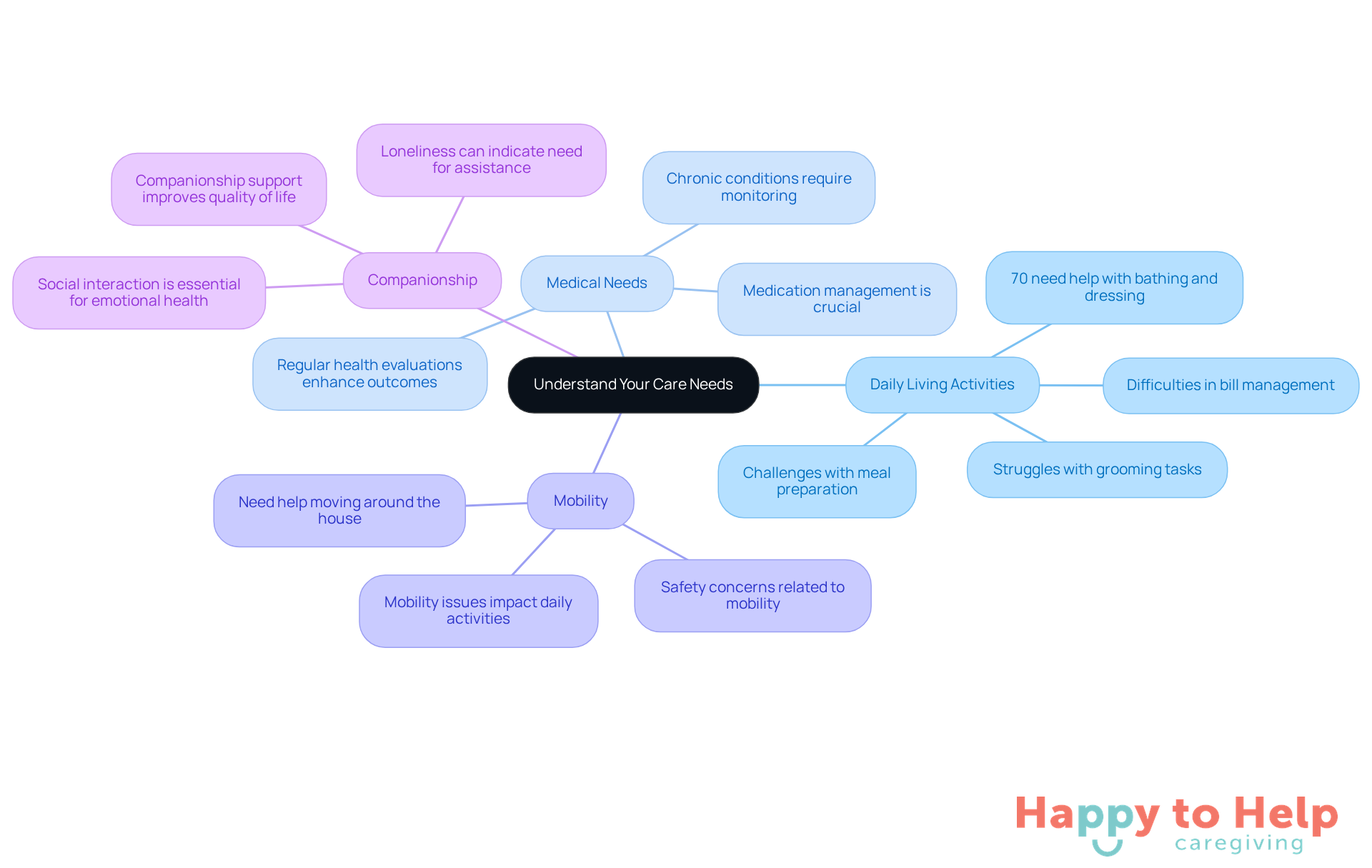
Assessing the specific needs of your loved one is crucial for finding the right personal home care assistance near me. Many seniors face challenges that require attention, including:
- Daily Living Activities: A significant number of seniors, about 70%, need help with essential tasks like bathing and dressing. Addressing these needs early is vital for their well-being.
- Medical Needs: Chronic conditions often require ongoing monitoring and medication management. Regular health evaluations can enhance outcomes by adapting support to the individual's health status.
- Mobility: Consider whether your family member needs help moving around the house or outdoors. Mobility issues can indicate a need for home assistance services, impacting daily activities and safety.
- Companionship: Social interaction is essential for emotional health. If loneliness is a concern, companionship support can greatly improve your loved one's quality of life.
Creating a comprehensive list of these needs will guide your search for personal home care assistance near me, ensuring you find a service that meets your loved one's specific requirements. Consulting with geriatric specialists can provide further insights into daily living activities and the assistance necessary to maintain independence and safety at home.
Research Local Home Care Providers
Finding reliable personal home care assistance near me can be a daunting task for caregivers. With so many options available, it’s easy to feel overwhelmed. However, there are effective ways to simplify this process and ensure you find the right personal home care assistance near me for your loved ones.
Here are some actionable solutions to help you compile a list of local home care providers:
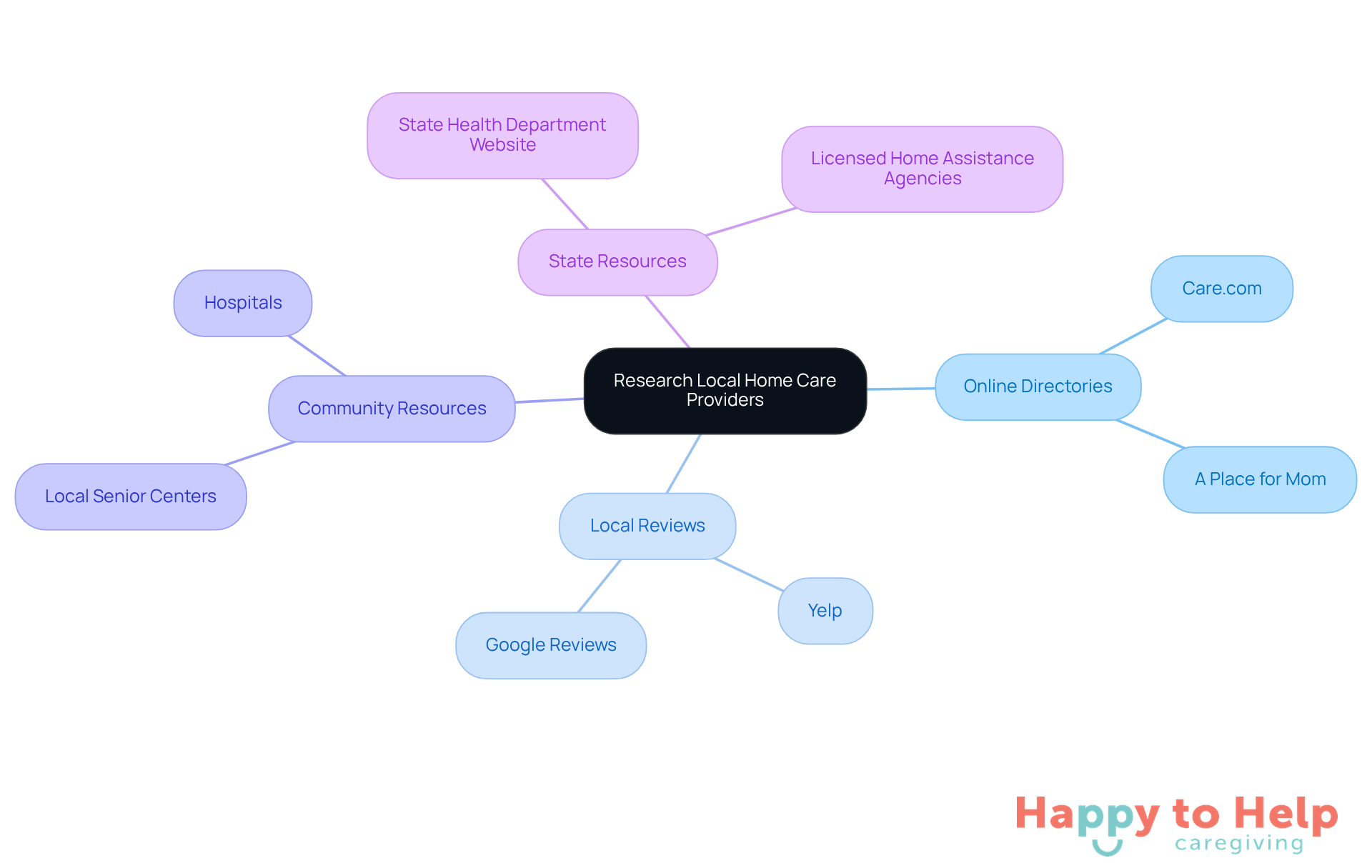
- Online Directories: Websites like Care.com or A Place for Mom can help you find agencies in your area.
- Local Reviews: Check platforms like Yelp or Google Reviews for feedback on providers.
- Community Resources: Reach out to local senior centers or hospitals for recommendations.
- State Resources: Visit your state’s health department website for licensed home assistance agencies.
By utilizing these resources, you can make informed decisions and discover the best options for personal home care assistance near me.
Evaluate Caregiver Qualifications and Experience
When evaluating caregivers, families often face the challenge of ensuring they find qualified individuals who can provide the necessary support. Without proper qualifications, the quality of care can suffer, impacting the well-being of loved ones.
To address this issue, consider the following qualifications:
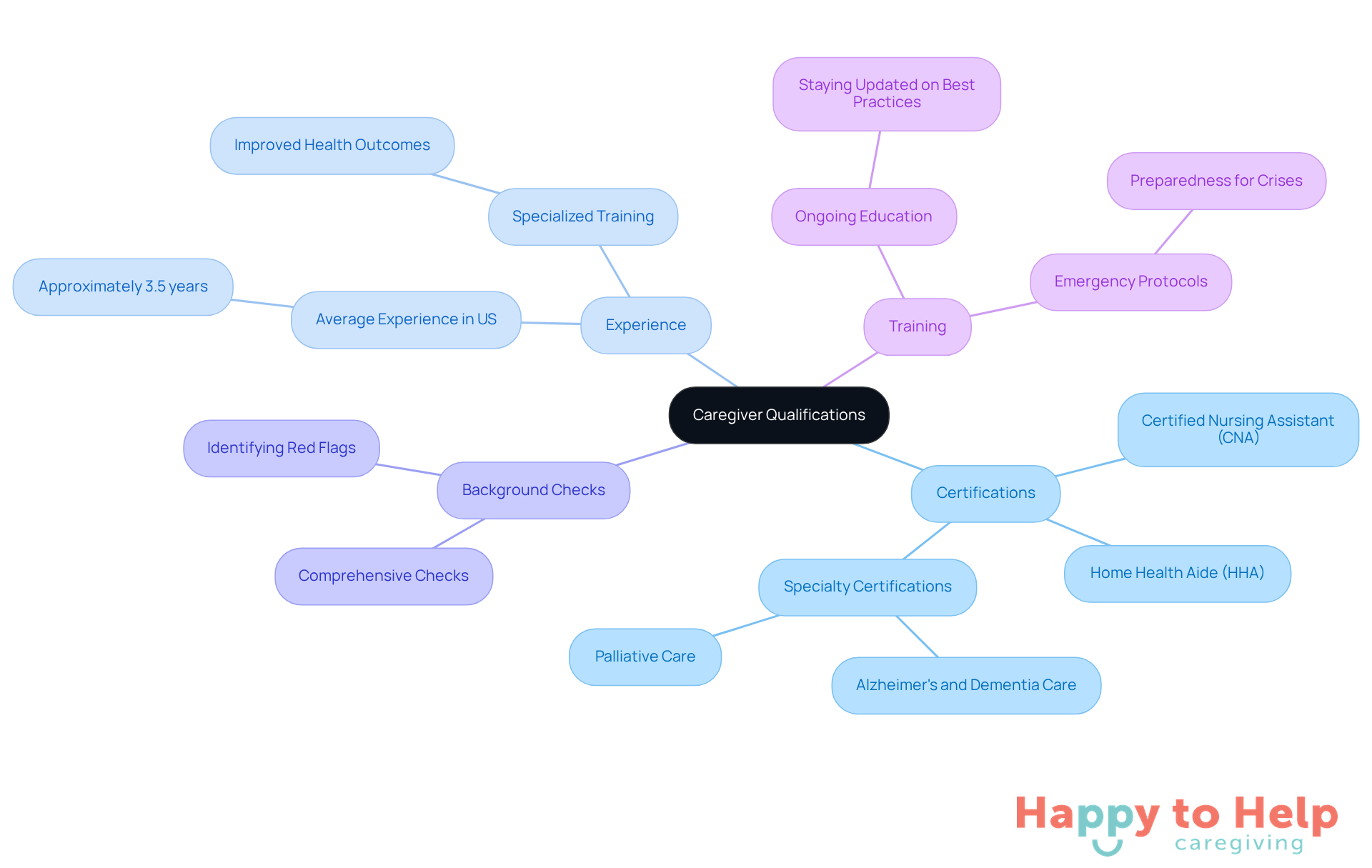
- Certifications: Look for certifications such as Certified Nursing Assistant (CNA) or Home Health Aide (HHA). These credentials indicate that providers have undergone formal training and possess essential skills for delivering quality care.
- Experience: Inquire about their experience with specific conditions relevant to your family member’s needs. Research indicates that individuals with specialized training often lead to improved health outcomes for clients. In fact, the average experience of home support providers in the US is approximately 3.5 years, which can significantly affect the quality of care delivered.
- Background Checks: Ensure that the agency performs comprehensive background checks on their staff. Effective background checks are crucial for ensuring the safety and security of your loved one, as they help identify any potential red flags in a support provider's history. As noted by healthcare professionals, "Reliable background checks are essential in establishing trust and safety in caregiving arrangements."
- Training: Inquire about ongoing training programs that support staff engage in to stay updated on best practices. Ongoing education is crucial in the changing home assistance environment, where caregivers must adjust to new challenges and methods to deliver the best support possible.
By concentrating on these essential aspects, families can make knowledgeable choices that improve the quality of support for their relatives.
Assess Services Offered and Flexibility
When evaluating personal home care assistance near me, families often face the challenge of ensuring that their loved one's needs are met effectively. This can be a daunting task, as the right support can significantly impact the quality of life for both the caregiver and the recipient.
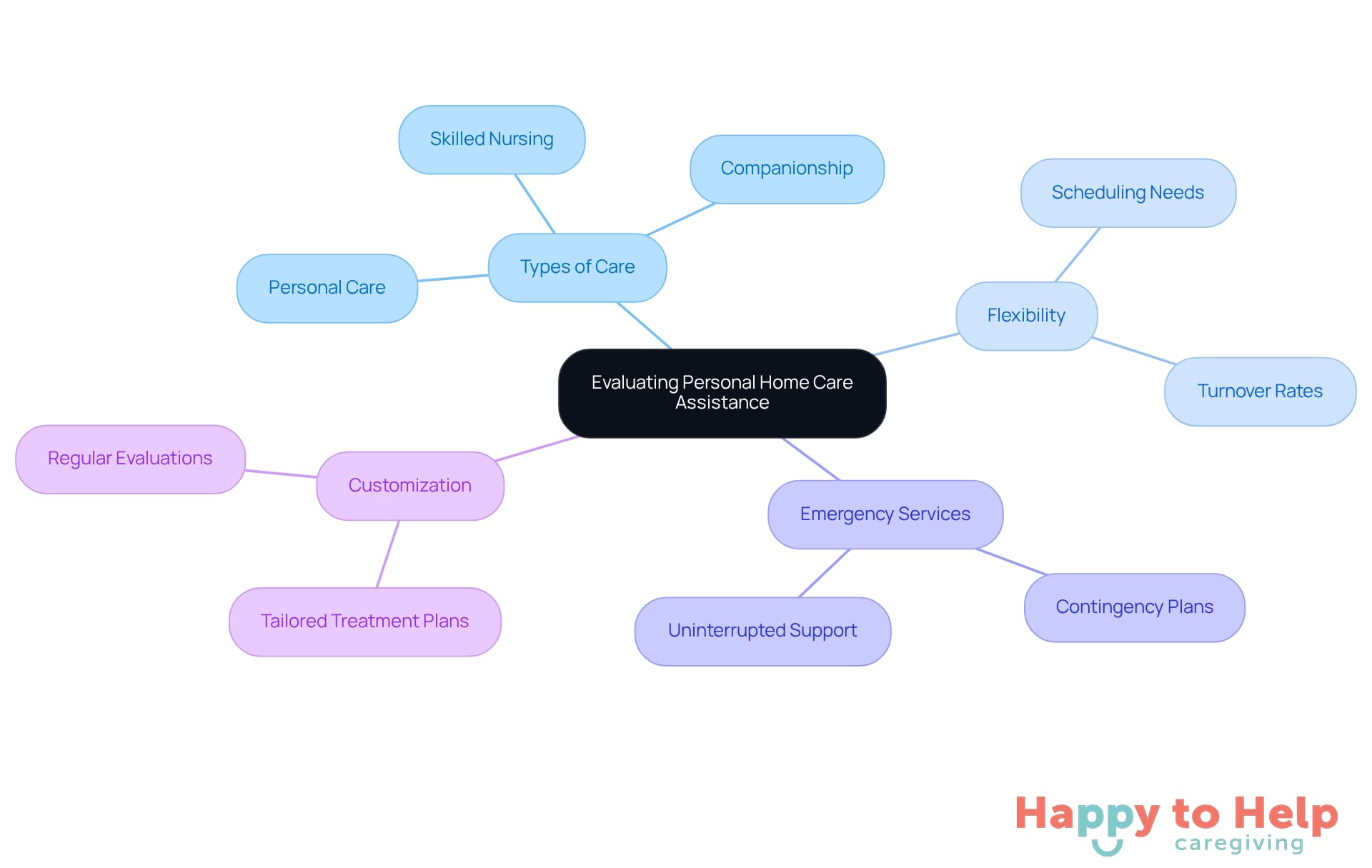
Types of Care: It's crucial to determine whether the agency provides personal care, companionship, or skilled nursing services. Each type of care plays a vital role in supporting different aspects of daily living, and understanding these options can help families make informed decisions.
Flexibility: One major concern is the need for flexibility in scheduling. Families should evaluate the agency's capacity to modify support worker schedules to align with their loved one’s routine. Flexible scheduling is essential, as it allows providers to offer support during peak times, such as mornings or evenings, when help is most required. Statistics show that flexible scheduling can significantly reduce family stress, allowing for a more manageable balance between caregiving and personal responsibilities. Moreover, highly variable schedules for home health nurses can increase turnover rates by up to 20%, highlighting the importance of consistent caregiver availability.
Emergency Services: Another critical aspect to consider is the agency's provisions for emergencies or last-minute changes. Dependable personal home care assistance near me should incorporate contingency plans to ensure that support continues without interruption, creating a stable environment for loved ones.
Customization: Lastly, families should assess whether treatment plans are tailored to personal requirements and how often they are evaluated. Personal home care assistance near me is essential for providing personalized support solutions that adapt to the evolving needs of each client. Agencies that develop personalized support plans frequently report increased satisfaction levels among families, with 91% of clients expressing happiness with their home health services overall. This modification not only improves the quality of support but also addresses the distinct challenges families encounter in balancing caregiving with personal responsibilities.
By focusing on these key aspects, families can select a caregiving service that not only meets immediate needs but also adapts to changing circumstances, fostering a supportive and nurturing environment at home.
Read Reviews and Testimonials
When searching for personal home care assistance near me, families often face the challenge of finding reliable agencies. This can be overwhelming, especially with so many options available. To make informed decisions, it’s essential to explore reviews across various platforms.
-
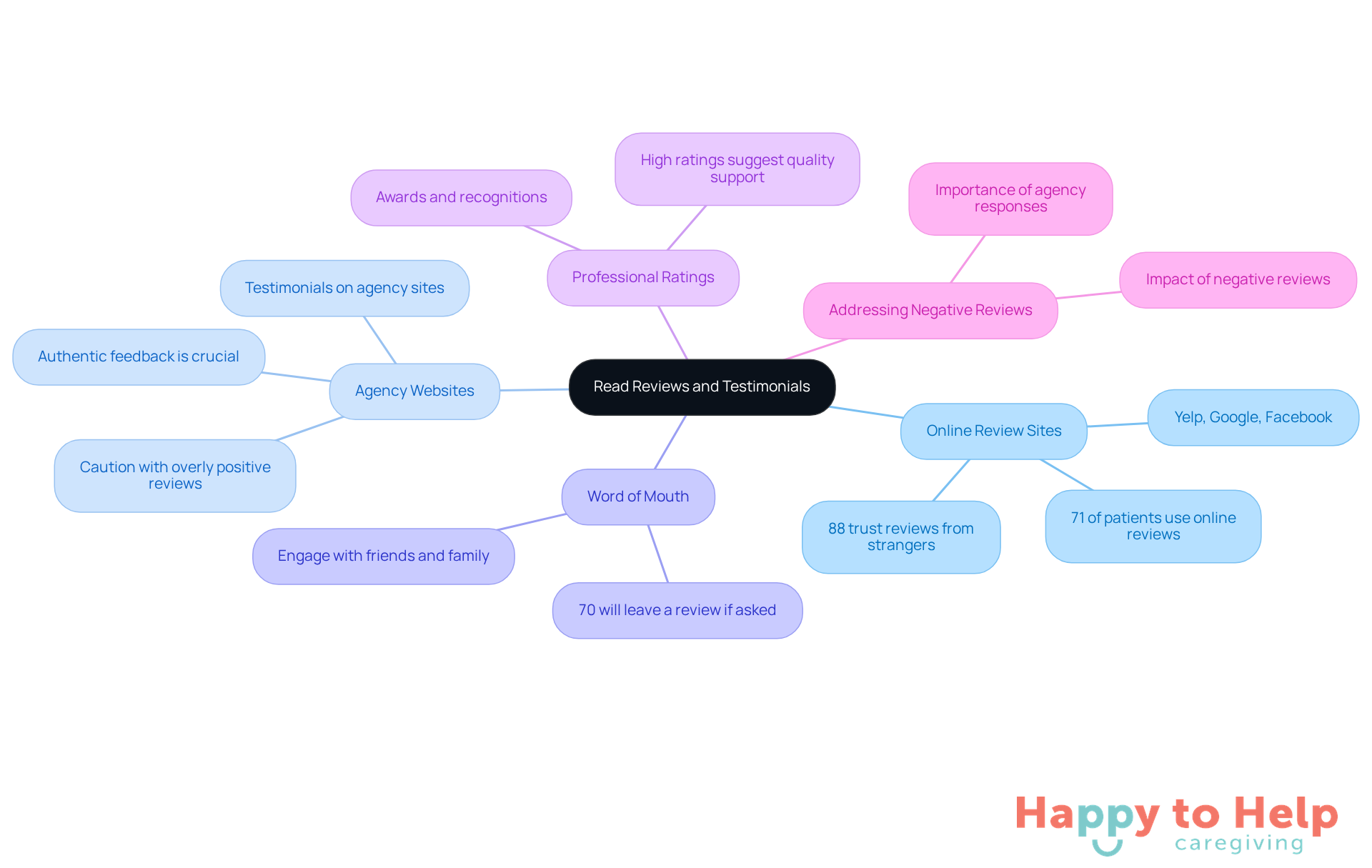
Online Review Sites: Start by utilizing platforms like Yelp, Google, and Facebook to gather client feedback. Statistics show that 71% of patients use online reviews to evaluate and select healthcare providers. This makes these sites invaluable resources. Additionally, 88% of people trust reviews from strangers as much as personal recommendations, highlighting the importance of diverse feedback sources.
-
Agency Websites: Many agencies feature testimonials on their own sites. While these can provide insight, approach them with caution; overly positive reviews may lack authenticity. Authentic feedback is crucial, as it helps families assess the actual standard of support.
-
Word of Mouth: Engage with friends, family, or local community members to learn about their experiences with specific agencies. Personal recommendations can often lead to trustworthy options. Remember, 70% of people will leave an online review if asked, so don’t hesitate to reach out for feedback.
-
Professional Ratings: Look for agencies that have received awards or recognitions from reputable organizations. High ratings on review platforms can suggest a commitment to quality support, with many agencies boasting client satisfaction ratings that reflect their dedication to service.
-
Addressing Negative Reviews: It’s important to consider how agencies respond to negative reviews. A single negative review can significantly impact a provider’s reputation, potentially costing them clients. Understanding how an agency addresses feedback can provide insight into their commitment to improvement.
By examining several review platforms and considering different sources of feedback, families can make informed choices regarding personal home care assistance near me that align with their loved ones' needs. This approach ensures a greater chance of locating a trustworthy and empathetic home assistance provider.
Conduct Interviews with Caregivers
When preparing for caregiver interviews, families often face the challenge of finding the right match for their loved ones, particularly in the context of seeking personal home care assistance near me. This process can be daunting, as the caregiver's compatibility can significantly impact the quality of care.
Key Areas to Consider:
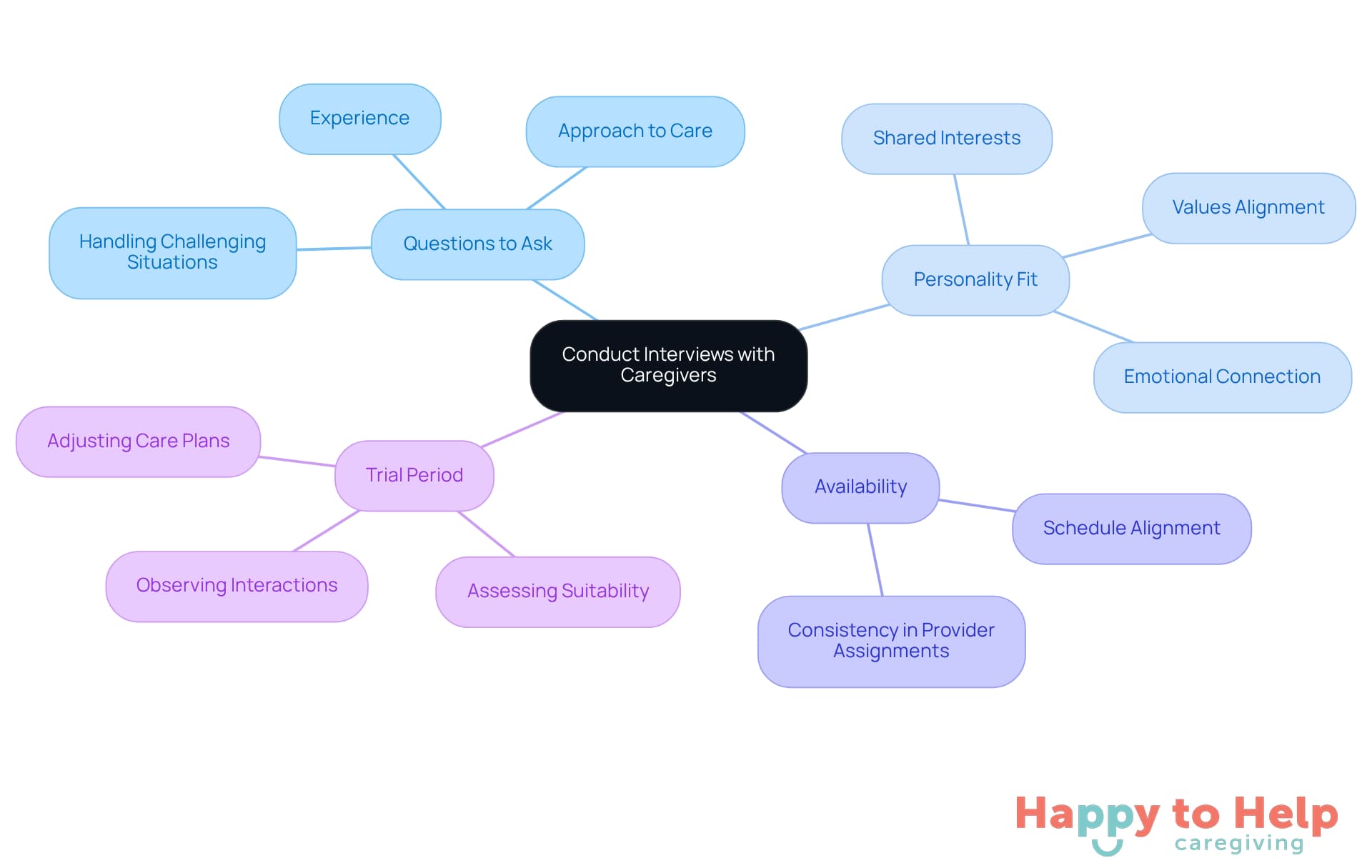
- Questions to Ask: Inquire about the caregiver's experience, their approach to care, and how they handle challenging situations. Understanding their background and methods can provide insight into their suitability for your loved one.
- Personality Fit: Evaluate if the individual’s personality matches your family member’s preferences. A strong connection can enhance the caregiving experience, transforming it from a series of tasks into a supportive friendship. Research indicates that individuals who share common interests and values with their clients foster greater engagement and emotional well-being.
- Availability: Confirm that the provider's availability aligns with your loved one’s schedule. Consistency in provider assignments is vital for establishing trust and familiarity, which can lead to enhanced care quality and satisfaction.
- Trial Period: Discuss the possibility of a trial period to assess the suitability of the provider before making a long-term commitment. This enables families to witness interactions and ensure that the assistant meets their loved one’s needs effectively. Input during this time can be invaluable in making necessary adjustments to the treatment plan.
By concentrating on these aspects, families can improve their chances of locating a provider who not only fulfills the technical criteria but also connects on a personal level. As the demand for personal home care assistance near me continues to grow in 2025, selecting the right provider has never been more essential. The Interactive Caregiving™ approach emphasizes emotional, mental, and social engagement during caregiver visits, further enhancing the caregiving experience. Families gain peace of mind knowing their loved ones are safe and appreciated for who they are.
Discuss Costs and Payment Options
When evaluating the costs associated with personal home care assistance near me, families often face significant challenges. Understanding these costs is crucial for making informed decisions about personal home care assistance near me for the care of loved ones.
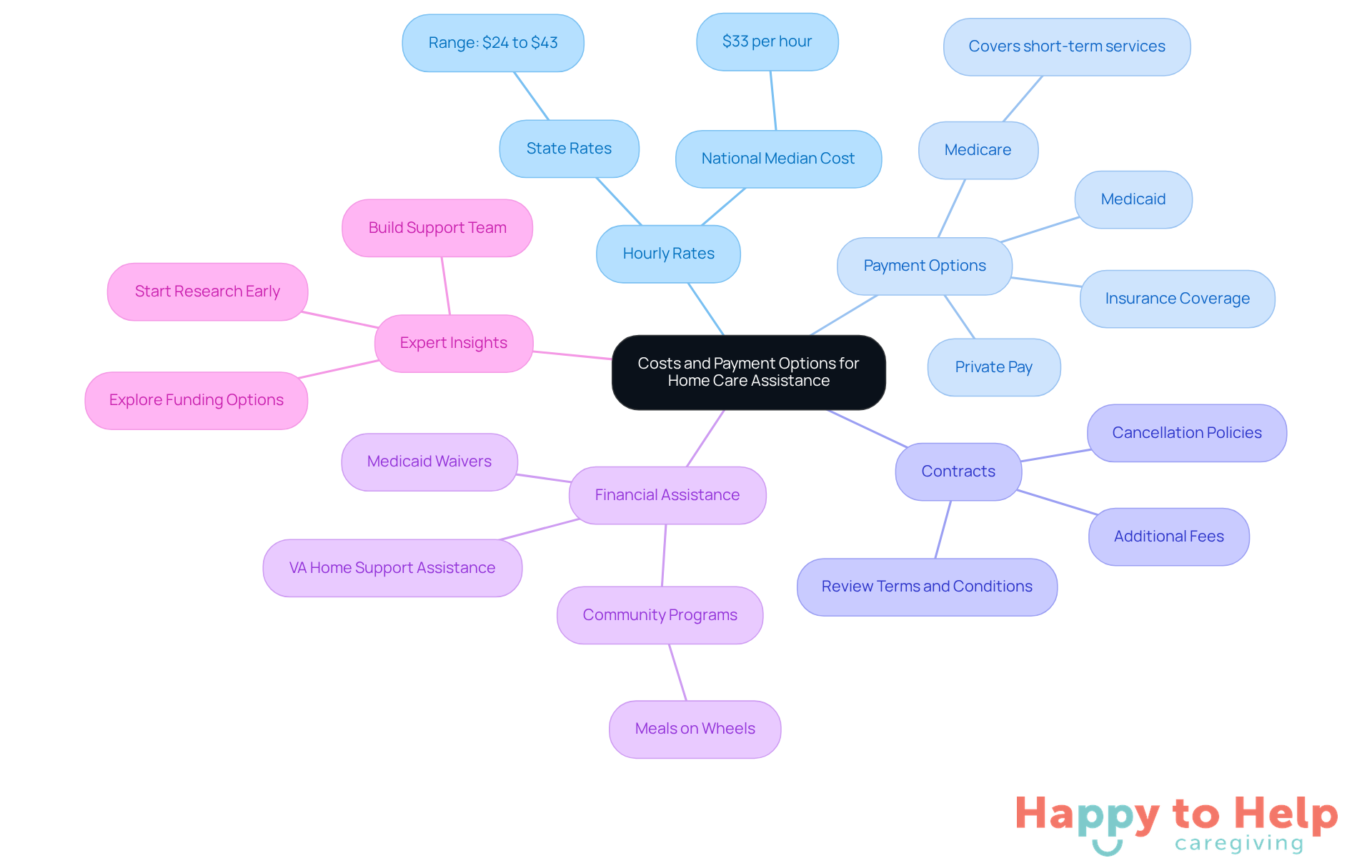
Hourly Rates: Familiarize yourself with the hourly rates for various types of care, which can vary significantly based on location and the level of care required. For instance, the national median cost for personal home care assistance near me is approximately $33 per hour, with state rates ranging from $24 to $43.
Payment Options: Explore the different payment methods available. Many families utilize a combination of insurance coverage, Medicaid, and private pay options. Medicare frequently covers short-term home health assistance services if prescribed by a physician, while Medicaid can provide support for low-income individuals needing personal home care assistance near me.
Contracts: Carefully review any contracts before signing. Understanding the terms and conditions, including cancellation policies and any additional fees, is crucial to avoid unexpected costs.
Financial Assistance: Investigate potential financial assistance programs that may be available. For example, Medicaid offers home and community-based services waivers that can help pay family caregivers. Furthermore, programs such as the VA home support assistance can offer help for eligible veterans and their families.
Statistics on Payment Options: A recent analysis indicates that many families pay for home assistance using personal funds, including retirement income and savings. Comprehending the financial landscape can assist families in budgeting efficiently for in-home assistance.
Expert Insights: Financial advisors suggest beginning research early, even before a family member is discharged from the hospital. This proactive strategy enables families to assemble the appropriate support team and investigate all available funding options, ensuring a smoother transition into at-home assistance.
By considering these aspects, families can make informed decisions about personal home care assistance near me, ensuring their loved ones receive necessary support while effectively managing costs.
Taking the Next Steps
Finding the right personal home care assistance can be a daunting challenge for families. The emotional and physical well-being of loved ones is at stake, making it crucial to navigate this journey with care. Without a clear understanding of their unique needs, families may struggle to find the right support, leading to stress and uncertainty.
To address this issue, families should take several essential steps:
- Assess the specific care needs of your loved one. This understanding will guide your search for suitable providers.
- Conduct thorough research on local options, focusing on caregiver qualifications and experience.
- Understand the costs involved, as it helps set realistic expectations.
Moreover, reading reviews and conducting interviews with potential caregivers is key. These actions foster trust and compatibility, which are essential for positive outcomes. By prioritizing these steps, families can ensure they select a service that meets both the emotional and physical requirements of their relatives.
In conclusion, finding personal home care assistance is not just about addressing immediate needs; it’s about creating a supportive environment that enhances the quality of life for your loved ones. By following these steps, families empower themselves to make informed choices, ensuring their relatives receive the compassionate care they deserve. As the demand for home care services continues to grow, prioritizing these considerations will lead to more satisfactory care experiences.
https://iframe.tely.ai/cta/eyJhcnRpY2xlX2lkIjogIjY5MjNiNTYzMTY0YjFjNGVjNjViZTdkNyIsICJjb21wYW55X2lkIjogIjY4ZWU1ZGNhNzMxNzYyNTU3ZjNjOTVjMSIsICJpbmRleCI6IG51bGwsICJ0eXBlIjogImFydGljbGUifQ==Frequently Asked Questions
Why is it important to assess the care needs of a loved one?
Assessing the specific needs of your loved one is crucial for finding the right personal home care assistance. It helps identify challenges they face, such as daily living activities, medical needs, mobility issues, and the need for companionship.
What are some common challenges seniors face that may require personal home care assistance?
Common challenges include difficulties with daily living activities (like bathing and dressing), managing chronic medical conditions, mobility issues, and the need for social interaction to combat loneliness.
How can I identify the daily living activities my loved one needs help with?
A significant number of seniors, about 70%, require assistance with essential tasks. Creating a comprehensive list of these needs will help guide your search for personal home care services.
What role do medical needs play in determining home care assistance?
Chronic conditions often require ongoing monitoring and medication management. Regular health evaluations can enhance outcomes by ensuring that support is tailored to the individual's health status.
How can mobility issues affect the need for home care services?
Mobility issues may indicate a need for assistance with moving around the house or outdoors, which can impact daily activities and safety.
Why is companionship important for seniors?
Social interaction is essential for emotional health, and companionship support can significantly improve the quality of life for seniors who may feel lonely.
What resources can I use to research local home care providers?
Useful resources include online directories like Care.com, local reviews on platforms like Yelp or Google Reviews, community resources such as senior centers or hospitals, and state health department websites for licensed agencies.
How can I simplify the process of finding personal home care assistance?
By utilizing online directories, checking local reviews, reaching out to community resources, and visiting state resources, you can compile a list of reliable local home care providers and make informed decisions.
List of Sources
- Understand Your Care Needs
- Modern Healthcare: Calls for family caregiver support escalate as home care grows – Contessa Health (https://contessahealth.com/modern-healthcare-calls-for-family-caregiver-support-escalate-as-home-care-grows)
- Evaluating Home Care Needs (https://comforcare.com/resources/evaluating-home-care-needs)
- The Importance of Regular Health Assessments in Home Care Plans (https://regencyhcs.com/blog/the-importance-of-regular-health-assessments-in-home-care-plans)
- Hospital at home saves lives and money: CMS report (https://ama-assn.org/public-health/population-health/hospital-home-saves-lives-and-money-cms-report)
- Why In-Home Care Assessment Is Important | Loving Homecare (https://lovinghomecareinc.com/blog/why-in-home-care-assessment)
- Evaluate Caregiver Qualifications and Experience
- 3 Benefits Of Home Care Training For Caregivers - NCCDP (https://nccdp.org/3-benefits-of-home-care-training-for-caregivers)
- How to Choose the Right In-Home Caregiver for Your Loved One (https://homeinstead.com/home-care/usa/tx/carrollton-coppell-irving/407/news-and-media/navigating-in-home-care-tips-for-choosing-the-right-caregiver-for-your-loved-one)
- US News & World Report Highlights CCA's Caregiver Training (https://advancecaregivers.org/report-us-news-world-report-highlights-ccas-caregiver-training)
- Trusted Senior Care in Richmond - Assisting Hands (https://assistinghandsrichmond.com/the-importance-of-caregiver-certification-in-home-care-2024)
- Why Specialty-Specific Training Matters in Home Care (https://learn2care.us/blog/specialty-specific-training-in-home-care)
- Assess Services Offered and Flexibility
- 9 Ways to Find Caregivers With Flexible Scheduling Options - MedCity News (https://medcitynews.com/2025/05/9-ways-to-find-caregivers-with-flexible-scheduling-options)
- 52 Eye-Opening Home Health Statistics: Insights for 2025 (https://boosthomehealth.com/home-health-statistics)
- Home Care Providers Aim For Big Wins By Introducing Shorter Care Models Bypassing Service Minimums (https://homehealthcarenews.com/2025/02/home-care-providers-aim-for-big-wins-by-introducing-shorter-care-models-bypassing-service-minimums)
- The Critical Role of Flexibility in Home Care Scheduling for Family Peace of Mind (https://relevar.com/the-critical-role-of-flexibility-in-home-care-scheduling-for-family-peace-of-mind)
- Read Reviews and Testimonials
- Must Read Statistics on Patient Reviews and Online Reputation (https://blog.quaintise.com/must-read-statistics-on-patient-reviews-and-online-reputation)
- Reasons Reviews Matter for Home Care Agencies (https://rosemarksystem.com/blog/three-reasons-reviews-matter-marketing-tips-for-home-care-agencies)
- Why Client Testimonials Matter in HealthCare | Data Soft Logic (https://datasoftlogic.com/news/why-client-testimonials-matter-in-healthcare)
- Why Care Operators Should Collect Positive Testimonials From Families - Care Home Marketing And PR - Springup PR (https://springup-pr.com/why-care-operators-should-collect-positive-testimonials-from-families)
- LEVO Health - Online Review Statistics: Why They Matter (https://levohealth.com/online-review-statistics-why-they-matter)
- Conduct Interviews with Caregivers
- Finding the Right Caregiver Match | Active Day (https://activeday.com/news/finding-the-right-caregiver-match)
- Find the Perfect Caregiver Match for Comfort and Connection (https://comfortkeepers.com/offices/florida/polk-county/resources/resources/caregiver-matchmaking-why-personality-fit-matters)
- Professional Caregiver 101: How to Find the Right Fit for Your Loved One (https://seniorlivingnearme.com/resources/professional-caregiver-101-how-to-find-the-right-fit-for-your-loved-one)
- Choosing the Right Caregivers | Visiting Angels (https://visitingangels.com/rochester/articles/choosing-the-right-caregivers-what-families-should-look-for/26613)
- Five-Factor Personality Traits and Subjective Health Among Caregivers: The Role of Caregiver Strain and Self-Efficacy - PMC (https://pmc.ncbi.nlm.nih.gov/articles/PMC3168724)
- Discuss Costs and Payment Options
- How to Pay for Senior Care | THCA/TNCAL (https://thca.org/for-consumers/resource-center/paying-for-care)
- Home Care Costs in 2025: A State-by-State Guide (https://aplaceformom.com/caregiver-resources/articles/in-home-care-costs)
- Home health aide hourly rates rising, cost survey finds (https://mcknightshomecare.com/news/home-health-aide-hourly-rates-rising-cost-survey-finds)
- Payment Rates for Medicaid Home Care: States’ Responses to Workforce Challenges | KFF (https://kff.org/medicaid/payment-rates-for-medicaid-home-care-states-responses-to-workforce-challenges)
- How to Pay for Home Care (https://aplaceformom.com/caregiver-resources/articles/pay-for-home-care)