For families in our service areas
For families in our service areas, this guide explains caregiving and how non-medical in-home caregiving can support care planning in East Idaho, Treasure Valley & Magic Valley, Northern Wasatch, North Central West Virginia & Southwestern Pennsylvania, and Northeast Ohio.
I. The Ultimate Guide to In-Home Care: Don't Just Glance, GET Savvy!
Your loved one deserves the best, but finding the right non-medical caregiving agency often feels like navigating a maze blindfolded. This guide is your flashlight, your Ariadne's thread in the labyrinth of elder care.
What is "non-medical caregiving" anyway? It's the daily support—bathing, meals, companionship, errands, medication reminders—that keeps people independent at home, without the doctor's orders. Think of it as life's helpful co-pilot, not a medical emergency squad. It's about preserving the everyday rhythms of life.
Who needs a co-pilot? Mostly seniors wanting to "age in place," of course. But also folks with disabilities, recovery warriors, even busy adult children needing a break for their aging parents. It's all about independence, dignity, and knowing help is there when it's needed. As our research indicates, the desire for autonomy remains a powerful motivator across diverse populations needing assistance.
II. From Family Favors to Formal Services: A Brief History of Home Help
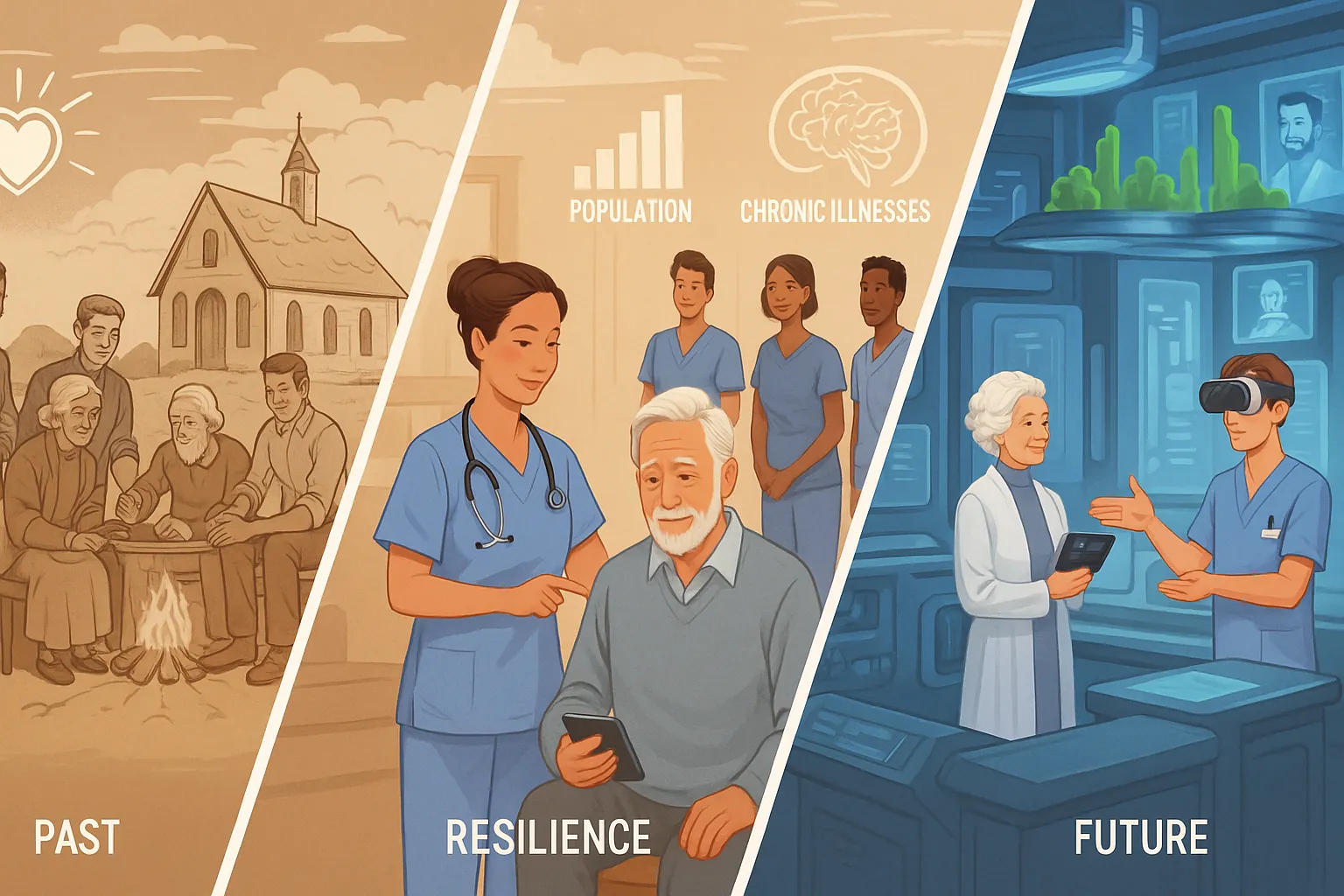
For centuries, family, neighbors, and local charities were the go-to home care providers. Think informal, community-driven help. The "village" raising not a child, but supporting its elders. These traditions, woven into the fabric of society, provided a safety net built on kinship and communal responsibility.
Then came the great shift. Urbanization, more women entering the workforce, and longer lifespans changed everything. Suddenly, traditional family support wasn't always enough. The safety net frayed, revealing gaps in the system.
Enter home care! The mid-20th century saw the rise of formalized "life assistance" services, clearly separated from medical care. Government policies even started encouraging care out of institutions and into homes, recognizing the importance of familiar environments in maintaining well-being. Now, it's a professional, essential industry, though perhaps still finding its footing.
III. The Wild West of Home Care: Why Choosing is Tricky (and Controversial!)
Here's the kicker – many states have surprisingly few rules for non-medical agencies. No mandatory licensing, no required caregiver training, weak background check standards. This can feel like a "Wild West" for vulnerable clients. It's a paradox: an industry dedicated to care operating with a surprising lack of oversight.
This regulatory gap often leads to headaches like:
- The "Revolving Door" of caregivers (high turnover, no consistency).
- Caregivers who aren't quite up to snuff (lacking training, glued to their phones).
- Communication black holes (who's doing what? When's the next visit?).
- Hidden fees and murky billing.
As our research highlights, high turnover rates aren't just inconvenient; they disrupt the continuity of care and erode the trust so crucial for vulnerable individuals.
Beyond practical issues, there are deep ethical questions about patient autonomy, privacy, dignity, and preventing neglect or abuse when oversight is loose. The potential for exploitation looms large, particularly when individuals are isolated and dependent on their caregivers.
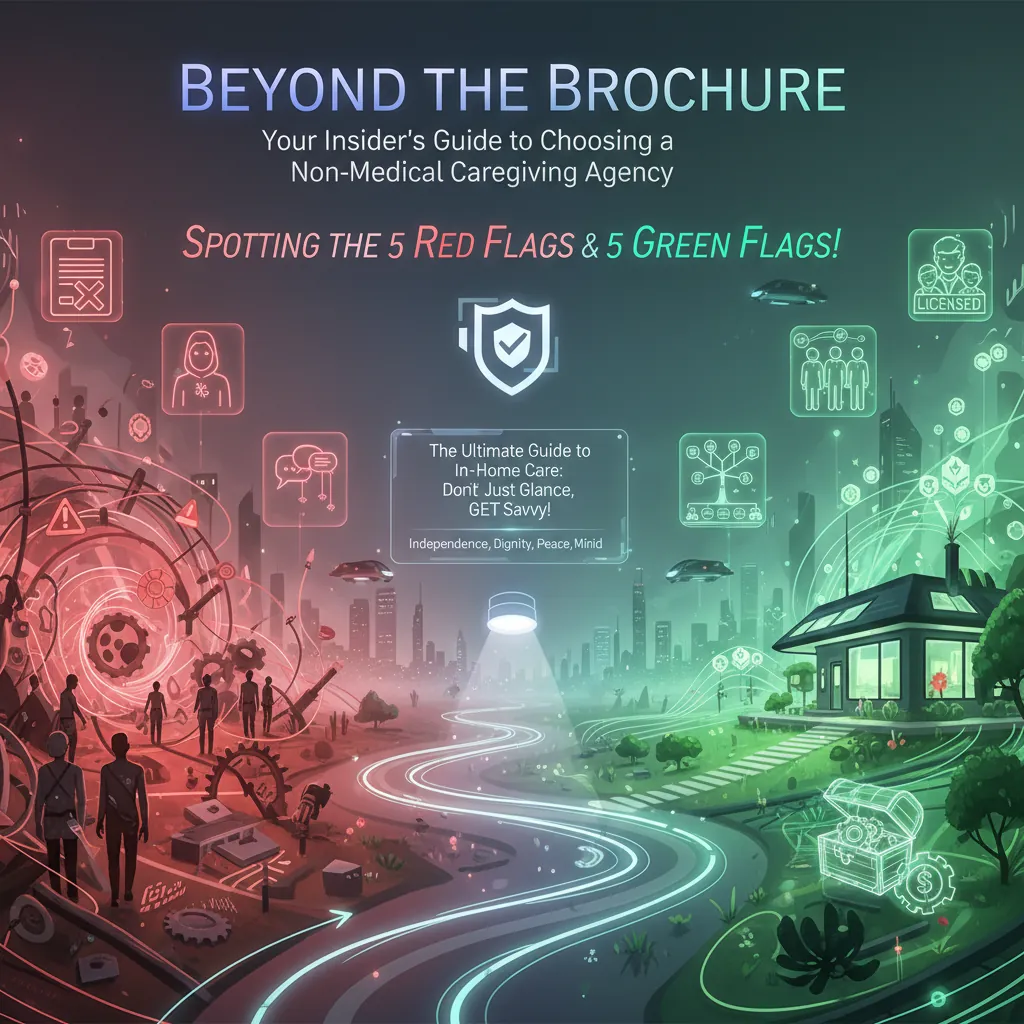
IV. Your Personal Detective Kit: 5 Red Flags to Watch Out For (Don't Get Fooled!)
Red Flag #1: The "What License?" Shuffle
If an agency can't quickly (and proudly!) show you their state licensing or certification, or acts vague about it, run. It means they might not meet even basic quality or safety standards. Transparency is paramount. There are some states that do not require licensing, these agencies should still have a trustworthy background.
Red Flag #2: The Mystery Caregiver
Vague answers about rigorous background checks, ongoing training, or how they vet their staff? Huge red flag. You need to know who's coming into your home and that they're qualified and trustworthy. As one study participant poignantly stated, "It's not just about skills; it's about character."
Red Flag #3: One-Size-Fits-All Care Plans
Your loved one is unique, and their care should be too. If an agency offers only generic plans or resists tailoring services to individual needs and preferences, they might be more interested in their bottom line than your family's well-being. Standardization, while efficient, can neglect the nuances of individual needs.
Red Flag #4: Communication Blackout
Are calls going unanswered? Emails ignored? No clear point of contact, even before you sign a contract? Poor communication is a strong predictor of bigger problems to come with scheduling, updates, and addressing concerns. Open lines of communication are not merely a convenience; they are a lifeline.
Red Flag #5: The "Contractor" Conundrum
If the agency classifies their caregivers as "independent contractors" (meaning you technically employ them), that's a major warning. It can mean less training, supervision, insurance coverage, and direct liability for you if something goes wrong. This classification often serves to shield the agency from responsibility, leaving families vulnerable.
V. The Gold Standard: 5 Green Flags That Signal Quality & Trust (Breathe Easy!)
Green Flag #1: Crystal Clear Credentials & Transparency
They're licensed, bonded, insured, and maybe even accredited by a national body (like Joint Commission). They proudly display these, and can explain what they mean for your safety and financial protection. They also clearly define themselves as an employer (HCO) not just a referral service.
Green Flag #2: Caregivers Who Are Vetted, Trained, & Valued
They boast rigorous background checks, ongoing training (CPR, first aid, specialized dementia care), and treat their staff fairly (good pay, benefits, reasonable hours). Happy, skilled caregivers lead to happy, well-cared-for clients! Our research consistently shows a direct correlation between caregiver job satisfaction and the quality of care provided.
Green Flag #3: Truly Personalized Care (and They Listen!)
They start with a detailed assessment, involve you in crafting a flexible, customized care plan, and regularly check in to adjust as needs evolve. They put your loved one's preferences and dignity first. This approach recognizes the individual as an active participant in their own care, not merely a passive recipient.
Green Flag #4: Open Lines, Always
Expect proactive updates, a clear contact person, and a solid plan for handling emergencies or unexpected caregiver absences. You'll feel informed, not in the dark, and they'll have clear complaint resolution processes.
Green Flag #5: Transparent Everything (Especially Money)
No hidden fees, clear hourly/package rates, and a contract that spells out every detail upfront. They'll walk you through payment options, including long-term care insurance or VA benefits, and their billing frequency. Clarity in financial matters is essential for building trust and avoiding misunderstandings.
VI. Beyond Today: The Future of Home Care (Smart Homes & AI Companions?)
The aging population and a strong preference to "age in place" means this industry is exploding. The need for compassionate caregivers will only continue to grow! We're on the cusp of a demographic shift that will reshape the landscape of elder care.
Get ready for AI-powered assistants, smart home devices (fall sensors, automated medication dispensers, voice-activated controls), wearable health trackers (real-time vitals!), and even caregiving robots. Technology aims to boost independence, safety, and streamline agency operations. The integration of technology promises to enhance efficiency and provide proactive monitoring.
Expect more focus on mental health support, emotional well-being, and non-traditional therapies (like art, music, or pet therapy) to provide truly comprehensive care. A whole-person approach recognizes that well-being encompasses more than just physical health; it includes emotional, social, and spiritual dimensions.
While technology helps, the industry still grapples with persistent caregiver shortages and rising operational costs. Innovation in recruitment, retention, and new payment models will be key. Plus, expect more robust regulation, like Electronic Visit Verification (EVV), to ensure accountability. Addressing these challenges will be crucial for ensuring the sustainability and accessibility of quality home care.
VII. Your Empowered Choice: Making the Right Call
Choosing a non-medical care agency is a big decision, but with these red and green flags, you're now an insider with the knowledge to make an informed choice. This isn't merely about selecting a service; it's about entrusting someone with the care and well-being of a loved one.
Do your homework, ask tough questions, trust your gut, and don't settle for anything less than exceptional, compassionate care. Your loved one deserves it. Knowing you've made the right choice is worth the effort.