Bridging Generations: Team Up with Care Agencies for the #1
For families in our service areas
For families in our service areas, this guide explains caregiving and how non-medical in-home caregiving can support care planning in East Idaho, Treasure Valley & Magic Valley, Northern Wasatch, North Central West Virginia & Southwestern Pennsylvania, and Northeast Ohio.
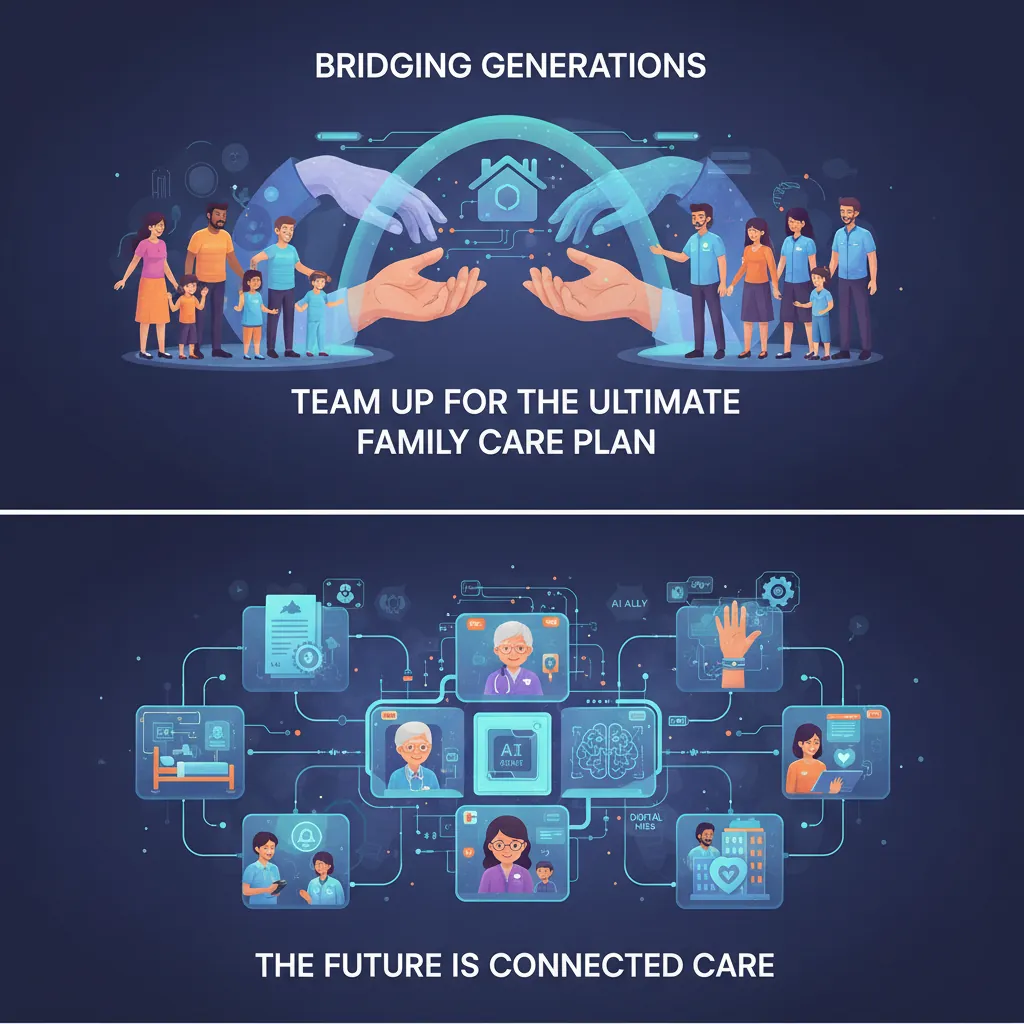
I. Introduction: The Modern Caregiving Conundrum
Is your family feeling the squeeze of caring for an aging loved one? You're not alone. Caregiving is deeply personal but often overwhelming. It feels like a constant balancing act, doesn't it? Trying to juggle work, family, and the increasing needs of someone you love is enough to leave anyone feeling stretched thin.
This isn't just about handing over duties; it's about smart teamwork. It's about recognizing the limitations of individual capacity and embracing the strength that comes from collaboration. We're talking about families and professional caregiving agencies joining forces, a deliberate and thoughtful orchestration of care.
We'll explore how this vital partnership came to be, what it looks like today (the good, the bad, and the sticky), and where it's headed with exciting new tech. Because understanding the historical context, the current challenges, and the potential future is key to making informed decisions for your family's well-being.
II. Once Upon a Time: How Caregiving Became a Profession
Before we had the structured systems we rely on today, caregiving was a wholly different landscape. Imagine a world where your neighbor was as likely to be your nurse as your friend.
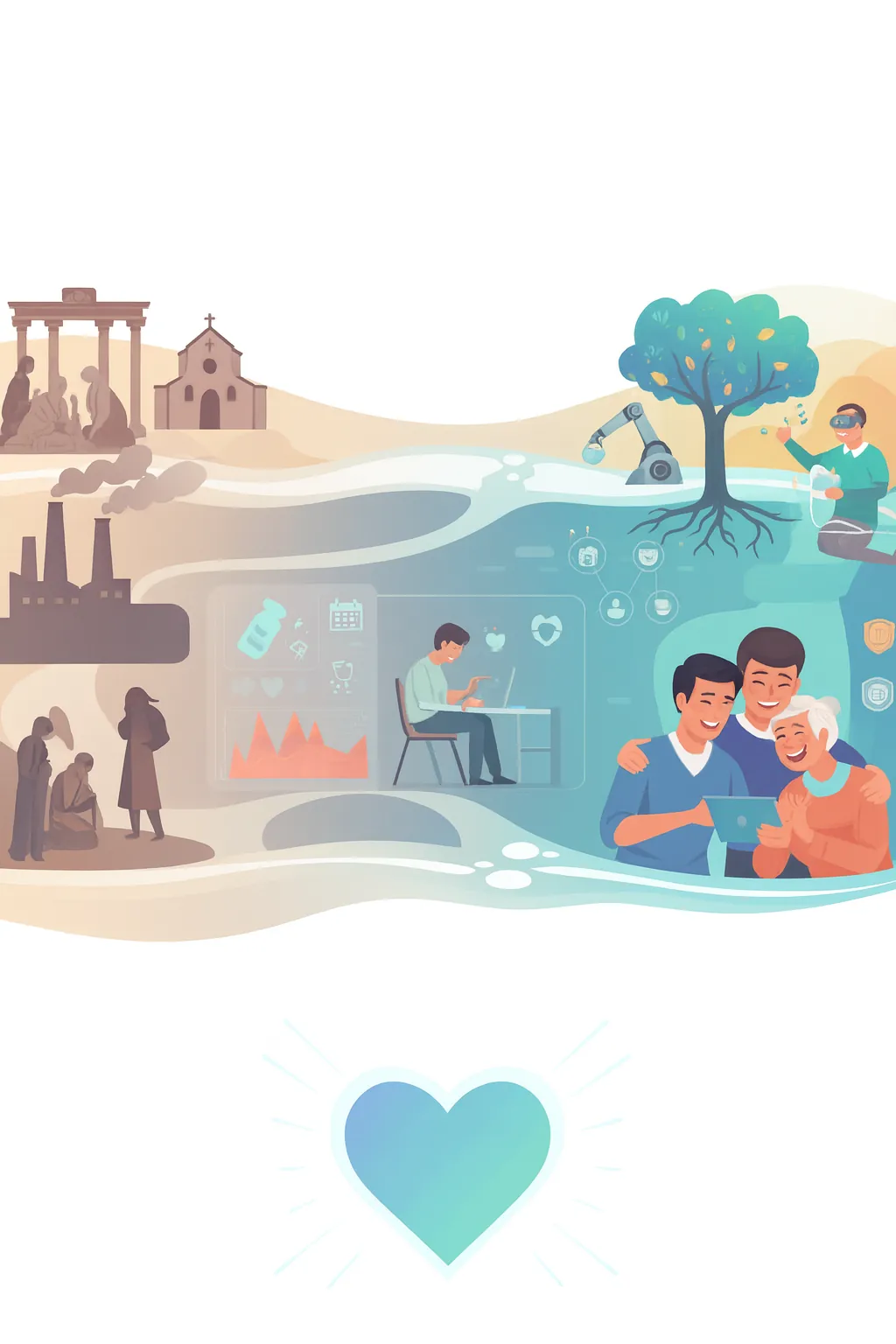
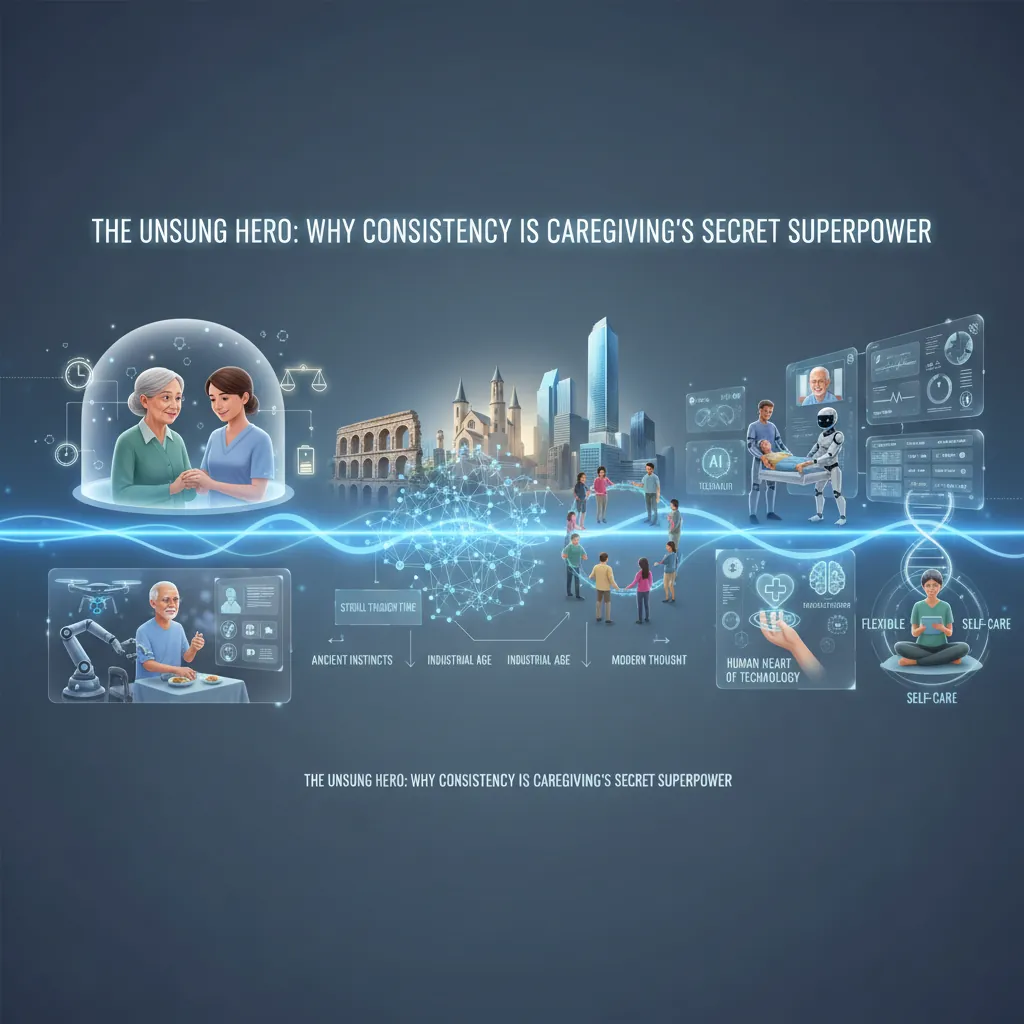
The Good Old Days (Pre-19th Century): Before agencies, it was all family, friends, and local communities. Think ancient traditions where care was woven into the fabric of daily life. Religious groups stepped in for the poor and sick, embodying a communal responsibility for well-being. The elderly were respected, their wisdom valued, and their care an inherent part of the family structure.
The Nightingale Era (19th Century): Enter Florence Nightingale and the birth of professional nursing! The industrial revolution reshaped society, families became more dispersed, and the need for formalized care grew. "Visiting nurses" began bringing medical expertise right to people's homes, marking the first steps towards professionalization. It was a shift from familial duty to specialized skill.
From Almshouses to Medicare (Early-Late 20th Century): The Great Depression and WWII disrupted societal norms, but the seeds of change had been sown. Then came the Social Security Act, Medicare, and Medicaid – suddenly, home care was a funded, viable option. "Caregiver" became a recognized role, advocacy groups emerged, and the concept of patient rights began to take hold.
The Tech Wave Hits (21st Century & Beyond): Fast forward to today, and caregiving is fully professionalized, embracing technology and a whole-person view of well-being. We see specialized training programs, certification standards, and a growing emphasis on ethical considerations. The field is continuously evolving, seeking to balance the human touch with technological advancements.
III. The Current Landscape: A Balancing Act of Support and Struggle
Today, the family-agency partnership is a complex dance of shared responsibilities and evolving expectations.
Why Families Call for Backup:
- Shared Know-How: Combining family insights with pro skills for truly personalized care. It’s about merging the intimate knowledge only a family possesses with the clinical expertise of trained professionals.
- Burnout Buster: Sharing the load to prevent family caregivers from becoming superheroes running on fumes. The reality is, prolonged caregiving can lead to emotional, physical, and financial exhaustion.
- Pro Power-Ups: Agencies bring trained experts for tough tasks (mobility, meds) and specialized needs (dementia). It's acknowledging that certain tasks require specialized skills and knowledge.
- Reassurance & Dignity: Knowing there’s consistent, reliable, and respectful care, allowing loved ones to maintain independence. The goal is to empower individuals to maintain control over their lives for as long as possible.
The "How-To" of Harmonious Hand-offs (Best Practices):
- Talk, Talk, Talk: Open, honest communication is the secret sauce – preferences, routines, medical needs, and regular check-ins.
- Who Does What?: Clear roles, responsibilities, and care plans upfront avoid awkward dances.
- Trust Building 101: It takes time, transparency, and feedback to build confidence in your agency and caregivers.
- Tools of the Trade: Apps and shared calendars aren't just for work anymore; they're for coordinating care!
When Things Get Dicey (Challenges & Controversies):
- The Money Talk: Let's be real, care is expensive. Debates over billing transparency, family caregiver compensation, and the sheer financial strain are constant.
- The Quality Question: Are caregivers properly trained? Are they reliable? The industry faces issues like high turnover and even exploitation concerns for low-wage workers.
- Communication Cues Missed: Language barriers, emotional stress, and privacy rules (like HIPAA) can make sharing vital info a minefield.
- Ethical Headaches: When a loved one's desire for independence clashes with their safety, or when family members can't agree on end-of-life care – it's tough territory.
- Family Feuds: Role reversals, unequal burdens, and old sibling rivalries can ignite under the pressure of caregiving.
IV. Glimpse into Tomorrow: The Future is Connected Care
Looking ahead, technology promises to revolutionize caregiving, but not without careful consideration of its implications.
Tech's Grand Entrance:
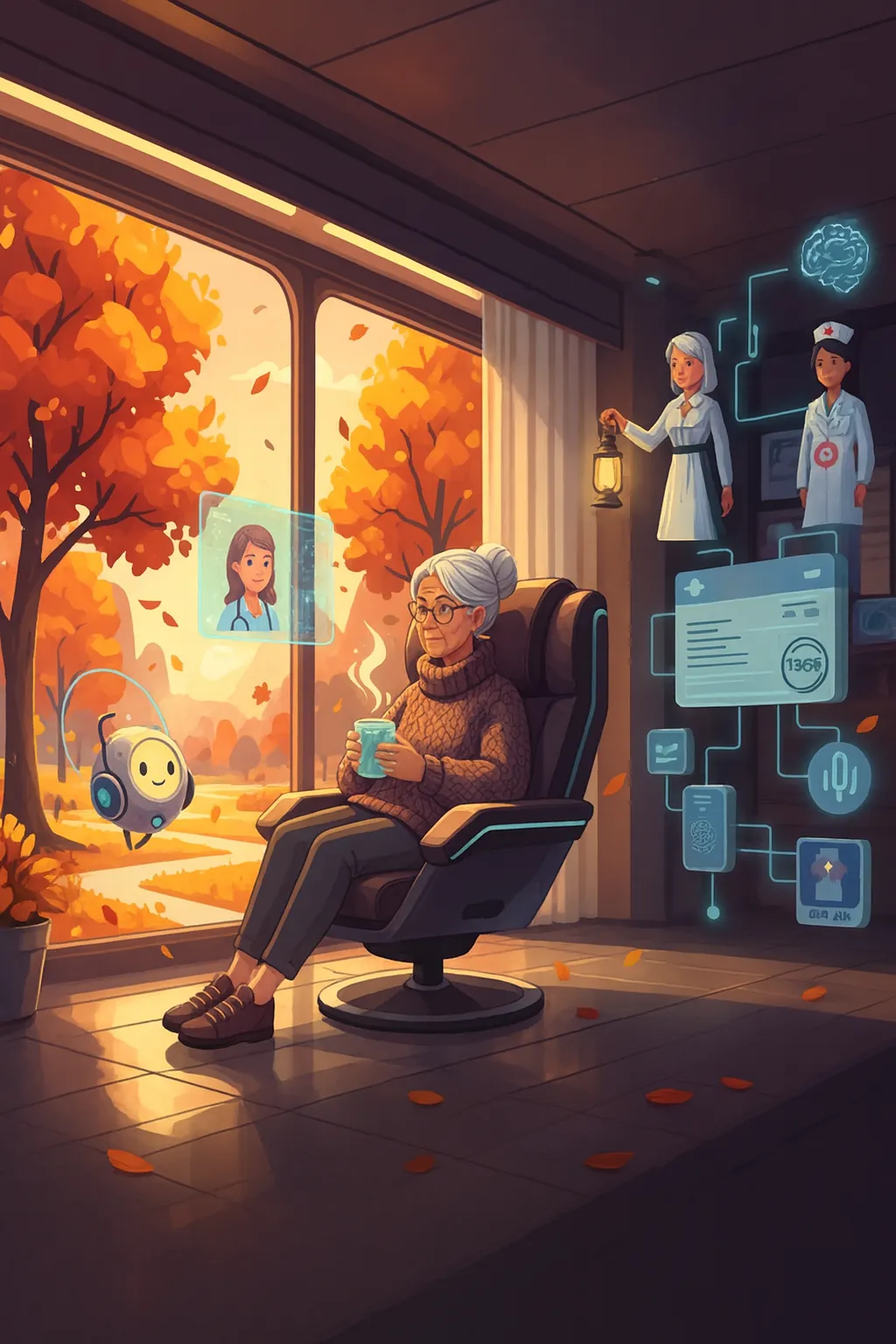
- Eyes & Ears Everywhere (but in a good way!): Remote Patient Monitoring (RPM) and telehealth mean virtual check-ups, wearable sensors, and smart home devices for fall detection and medication reminders.
- AI as Your Ally: Artificial Intelligence for predictive analytics, personalized care plans, streamlining schedules, and even flagging burnout risks for caregivers.
- Digital Hubs: Mobile apps and platforms for seamless coordination, health updates, and emergency alerts.
Beyond the Bits and Bytes:
- Whole-Person Harmony: An even deeper focus on personalized, "person-centered" care, recognizing emotional and mental well-being alongside physical health.
- Integrated Ecosystems: More "hospital-at-home" models and greater collaboration between all types of providers, public and private.
- Empowered Families: Family caregiving will become the expected norm, but with robust training, support, and policy changes (like the CARE Act) to ease the burden.
- Employers Stepping Up: Companies are realizing caregiving impacts their workforce and are starting to offer caregiving support and flexible benefits.
V. Conclusion: Your Family's Care, Amplified.
From informal neighborly help to a sophisticated, tech-driven partnership, caregiving has come a long way. It's a testament to our evolving understanding of human needs and our commitment to providing compassionate support.
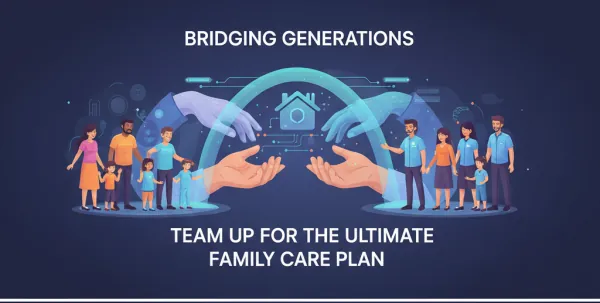
The Power of Partnership: When families and agencies work together, transparently and with clear communication, it's a win-win: better care for your loved one, and much-needed support for you. It's about recognizing that caregiving is not a solitary endeavor, but a shared effort.
Your Next Step: Don't go it alone. Explore these partnerships and find the right agency to help your family bridge the generations with care, dignity, and confidence. Because in the end, it's about ensuring that every individual receives the support they need to live a full and meaningful life, surrounded by love and respect.