
Understanding Find Adult Home Care Near Me: Steps
Caring for a loved one at home can be an emotionally taxing journey. Family caregivers often feel overwhelmed and uncertain about the best course of action. This emotional strain can lead to stress and burnout, making it crucial to seek support.
The landscape of adult home care services offers a beacon of hope. These services provide essential support, enabling individuals to maintain their independence while receiving tailored assistance in the comfort of their own homes. However, navigating the myriad options can be daunting. Caregivers may wonder:
- How can they ensure they choose the right services?
- What steps can they take to find reliable care providers that truly meet their family's needs?
To address these challenges, caregivers can start by assessing their loved one's specific needs. This involves understanding the level of care required and identifying any special considerations. Next, researching local home care services and reading reviews can help in finding trustworthy providers. Additionally, reaching out to healthcare professionals for recommendations can provide valuable insights.
By exploring these steps, caregivers can pave the way for more effective and compassionate caregiving, ensuring their loved ones receive the support they deserve.
Understand Adult Home Care Services
Caring for loved ones can be a daunting task, often leaving caregivers feeling overwhelmed and isolated. The challenges they face can lead to stress and burnout, impacting both their well-being and the quality of care provided.
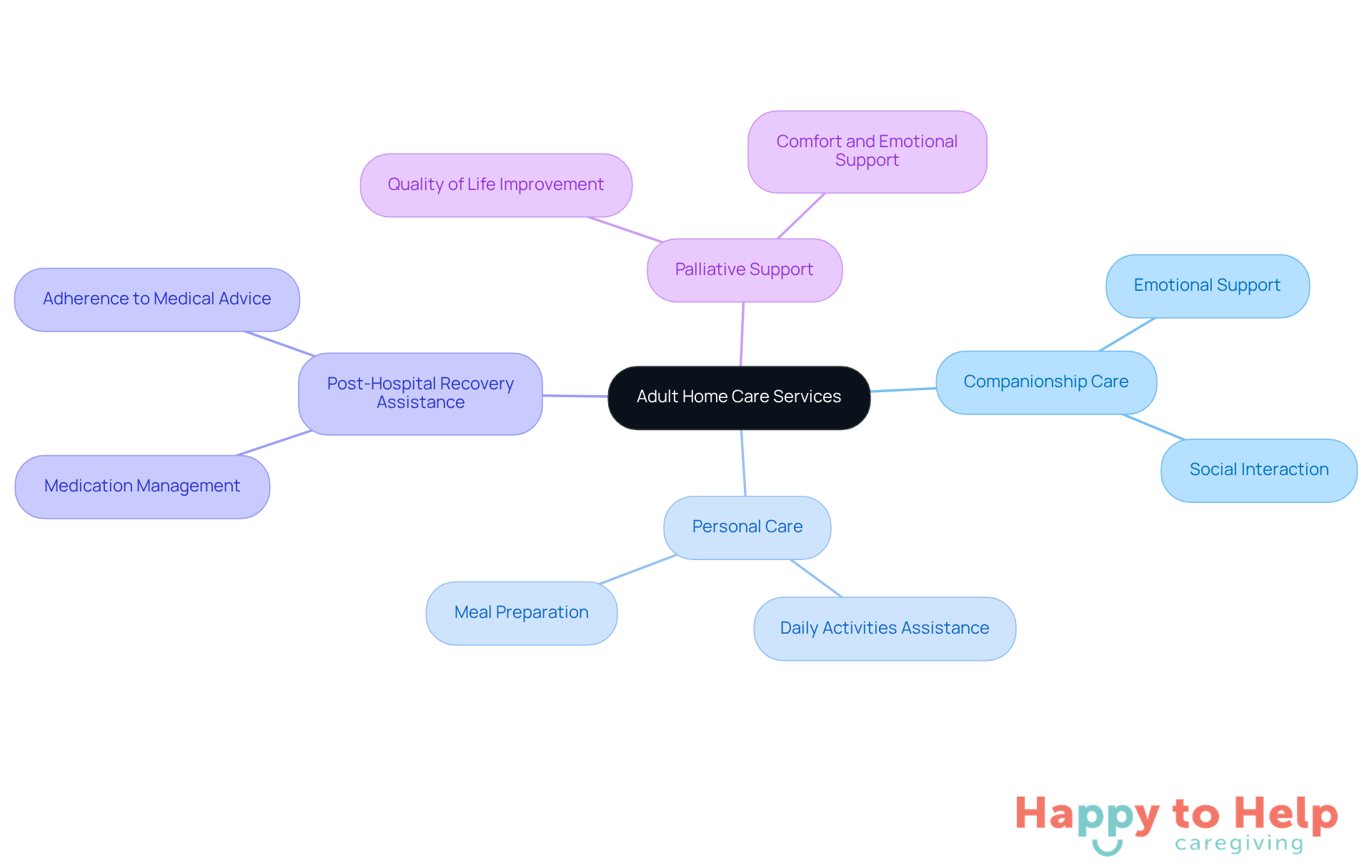
To address these issues, adult home care near me provides a range of assistance options designed to help individuals maintain their independence while receiving the care they need in the comfort of their own homes. Key services include:
- Companionship Care: This service provides emotional support and social interaction, helping to combat loneliness and enhance the quality of life.
- Personal Care: Caregivers assist with daily activities such as bathing, dressing, and meal preparation, ensuring that individuals receive the help they need.
- Post-Hospital Recovery Assistance: For those recovering from surgery or illness, this service ensures adherence to medical advice and proper medication management.
- Palliative Support: Specialized assistance focuses on improving the quality of life for individuals with serious illnesses, emphasizing comfort and emotional support.
Understanding adult home care near me can empower families to make informed decisions about the support that best meets their relatives' needs, ultimately enhancing their caregiving experience.
Assess Your Care Needs
To effectively assess your loved one's care needs, it's crucial to recognize the challenges caregivers face. Understanding these needs can be overwhelming, but breaking it down into manageable steps can make a significant difference.
-
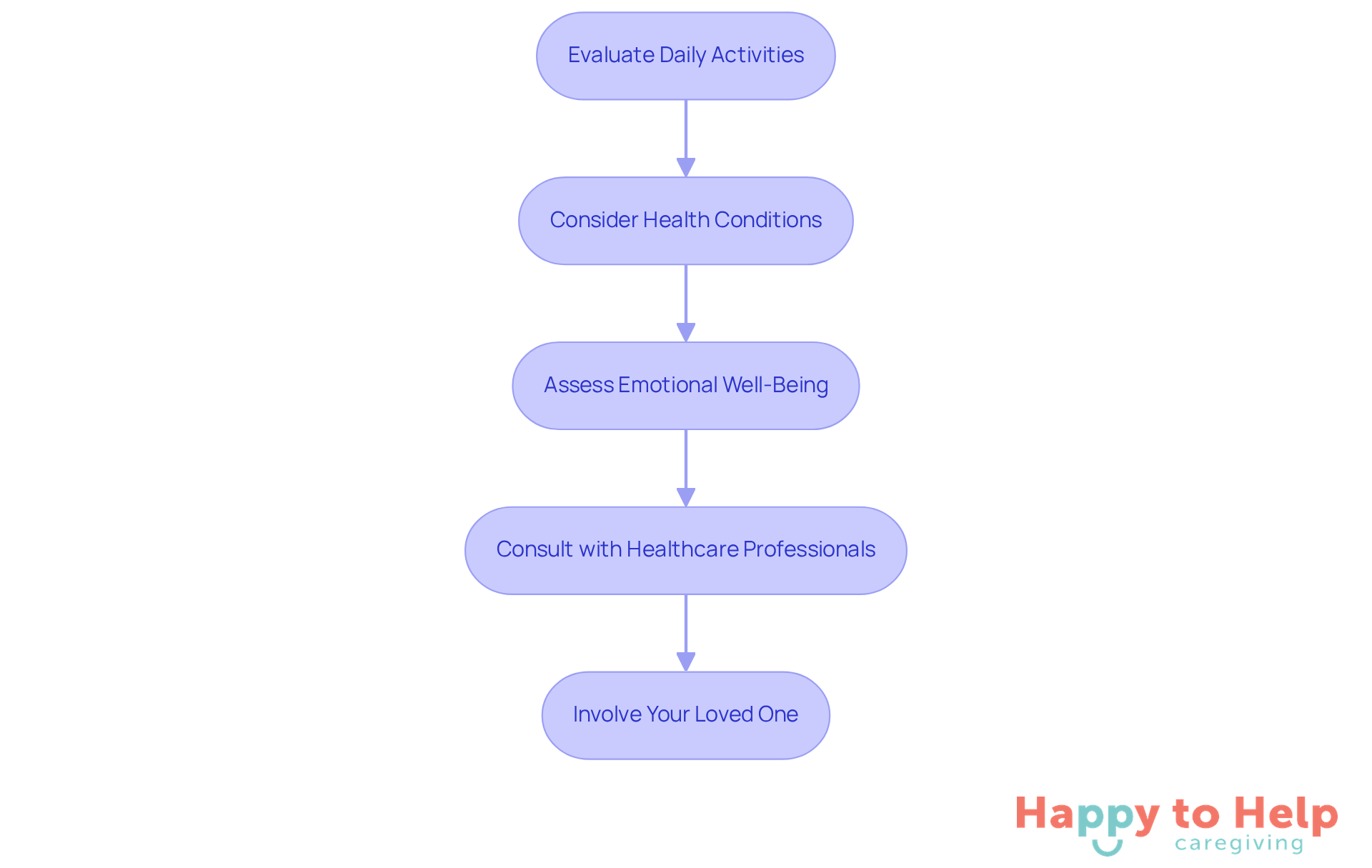
Evaluate Daily Activities: Start by observing how well your loved one manages daily tasks such as bathing, dressing, and meal preparation. Note any difficulties they may encounter, as this can highlight areas where support is needed.
-
Consider Health Conditions: It's essential to take into account any medical conditions that may require specialized support. For instance, managing diabetes or providing mobility assistance can be critical in ensuring their well-being.
-
Assess Emotional Well-Being: Don't overlook their emotional state. Are they experiencing feelings of loneliness or depression? Recognizing these signs may suggest a need for companionship assistance, which is vital for their mental health.
-
Consult with Healthcare Professionals: Engaging with physicians or specialists can provide valuable insights into your family member's health condition and support needs. Their expertise can guide you in making informed decisions.
-
Involve Your Loved One: If possible, include your loved one in discussions about their needs and preferences. This not only empowers them but also ensures that their voice is heard in the decision-making process.
Research and Compare Care Providers
When searching for care providers, caregivers often face the daunting task of finding the right fit for their loved ones. This challenge can lead to stress and uncertainty, making it crucial to approach the process methodically. Here are some actionable steps to help you navigate this important decision:
-
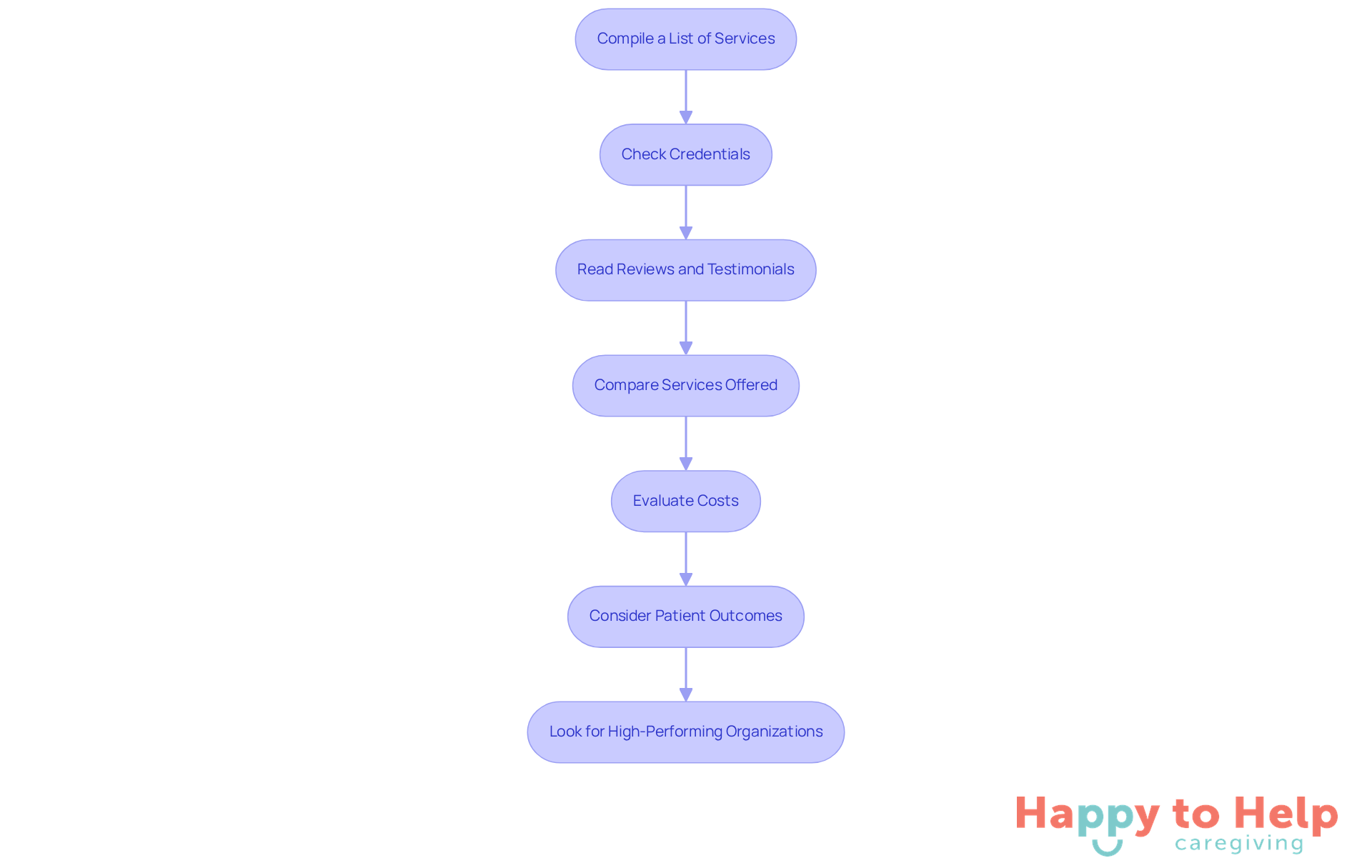
Compile a list of services that includes providers of adult home care near me. Use online resources, local directories, and recommendations from healthcare professionals to gather a diverse selection.
-
Check Credentials: Confirm that each organization is licensed and accredited. Look for certifications that demonstrate compliance with state regulations, as these credentials are essential indicators of quality care.
-
Read Reviews and Testimonials: Investigate online reviews and testimonials from other families. Platforms like Yelp and Caring.com can provide valuable insights into the experiences of others, helping you assess the reputation and service quality of the organization.
-
Compare Services Offered: Ensure that the organizations provide the specific services your loved one requires. Some may focus on areas like dementia support or post-operative assistance, so it’s important to match their services with your needs.
-
Evaluate Costs: Request detailed pricing information from each agency. The average annual cost of a home health aide is approximately $77,792. Compare rates and clarify what services are included in the fees to avoid unexpected costs. Understanding the financial aspects is vital for effective budget management.
-
Consider Patient Outcomes: Research statistics that highlight the effectiveness of home health services. For instance, patients receiving home health care showed an 80.2% improvement in daily living activities compared to those without help. This underscores the importance of choosing a reputable organization.
-
Look for High-Performing Organizations: Reference case studies or rankings of home health providers, such as those recognized for their quality and compassion in Florida. This can provide concrete examples of successful organization selection and reinforce the significance of thorough research.
By following these steps, you can make a well-informed choice regarding adult home care near me that prioritizes the well-being and comfort of your loved one.
Evaluate and Interview Care Agencies
To effectively evaluate and interview care agencies, it’s essential to address a significant problem: the qualifications of caregivers. More than 40% of caregivers manage complex medical tasks, yet only 11% have received training for daily living activities. This training gap can severely impact the quality of care your loved one receives.
-
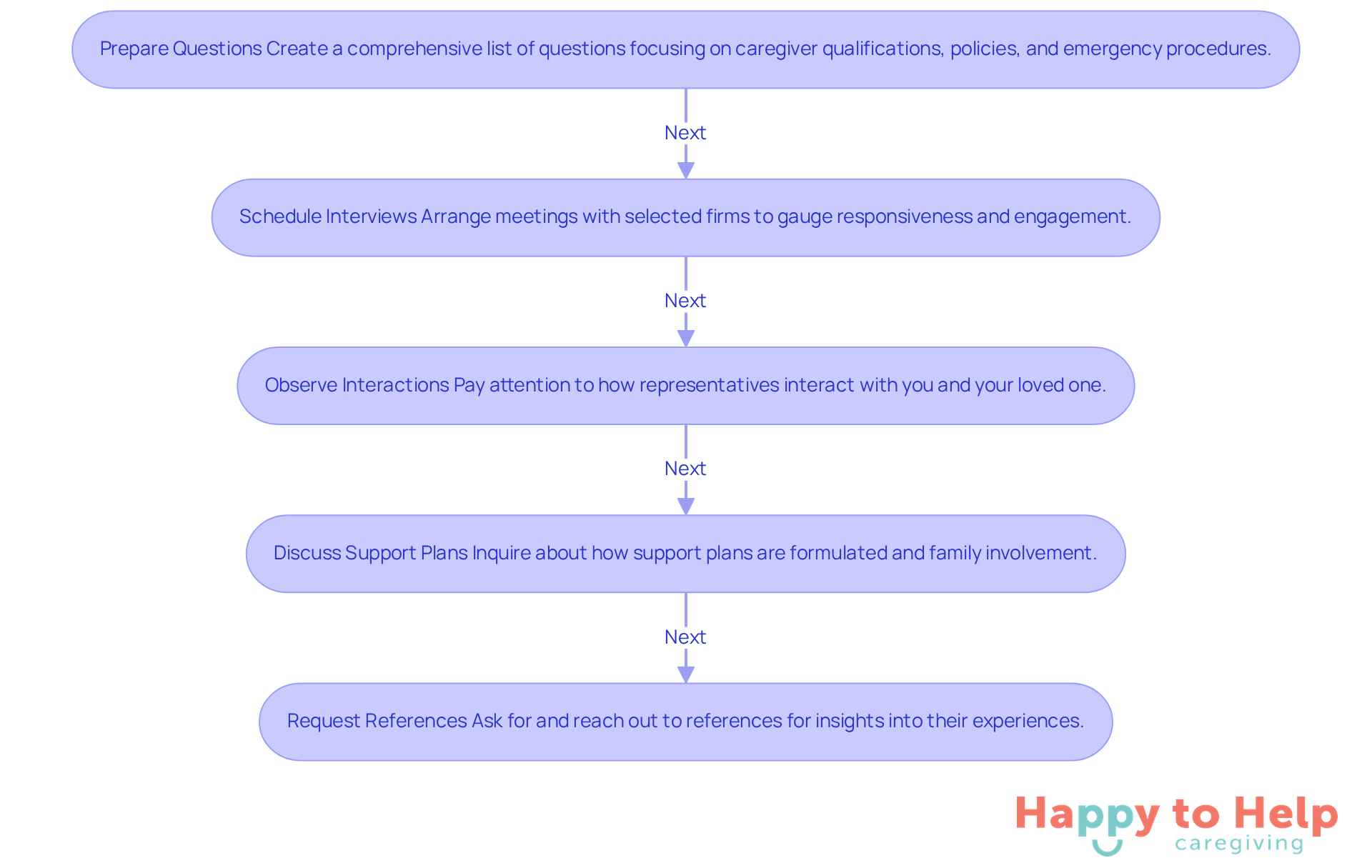
Prepare Questions: Start by creating a comprehensive list of questions to guide your interview. Focus on crucial subjects like caregiver qualifications, organization policies, and emergency procedures. Understanding these aspects is vital for ensuring quality care.
-
Schedule Interviews: Arrange meetings with your top selection of firms, either in person or via video calls. This allows you to gauge their responsiveness and willingness to engage with your concerns.
-
Observe Interactions: Pay close attention to how representatives interact with you and your loved one. Compassion and professionalism are essential signs of quality service. A positive interaction can reflect the organization’s overall approach to caregiving.
-
Discuss Support Plans: Inquire about how the agency formulates support plans and the extent to which they involve families in this process. Organizations that emphasize individualized attention often observe better results. Research indicates that family participation is associated with enhanced patient satisfaction and well-being, leading to improved health outcomes.
-
Request References: Ask for references from current or past clients. Reach out to these references to gain insights into their experiences with the organization. This step can offer important insights regarding the organization's trustworthiness and the standard of service delivered.
As Peter Ross, CEO and co-founder, pointed out, "In home assistance, you might be in the residence 25 or 30 hours a week. There are 168 hours in a week." This highlights the significance of choosing the appropriate organization to guarantee your cherished one receives the best possible assistance. By adhering to these steps, you can make a more informed choice when selecting a support organization, ensuring that your loved one receives the best possible care.
Review Contracts and Payment Options
Before signing a contract with a home care agency, caregivers often face the challenge of navigating complex agreements. Misunderstanding these contracts can lead to unexpected costs and inadequate care, making it crucial to approach this process with diligence.
To address these concerns, consider the following steps:
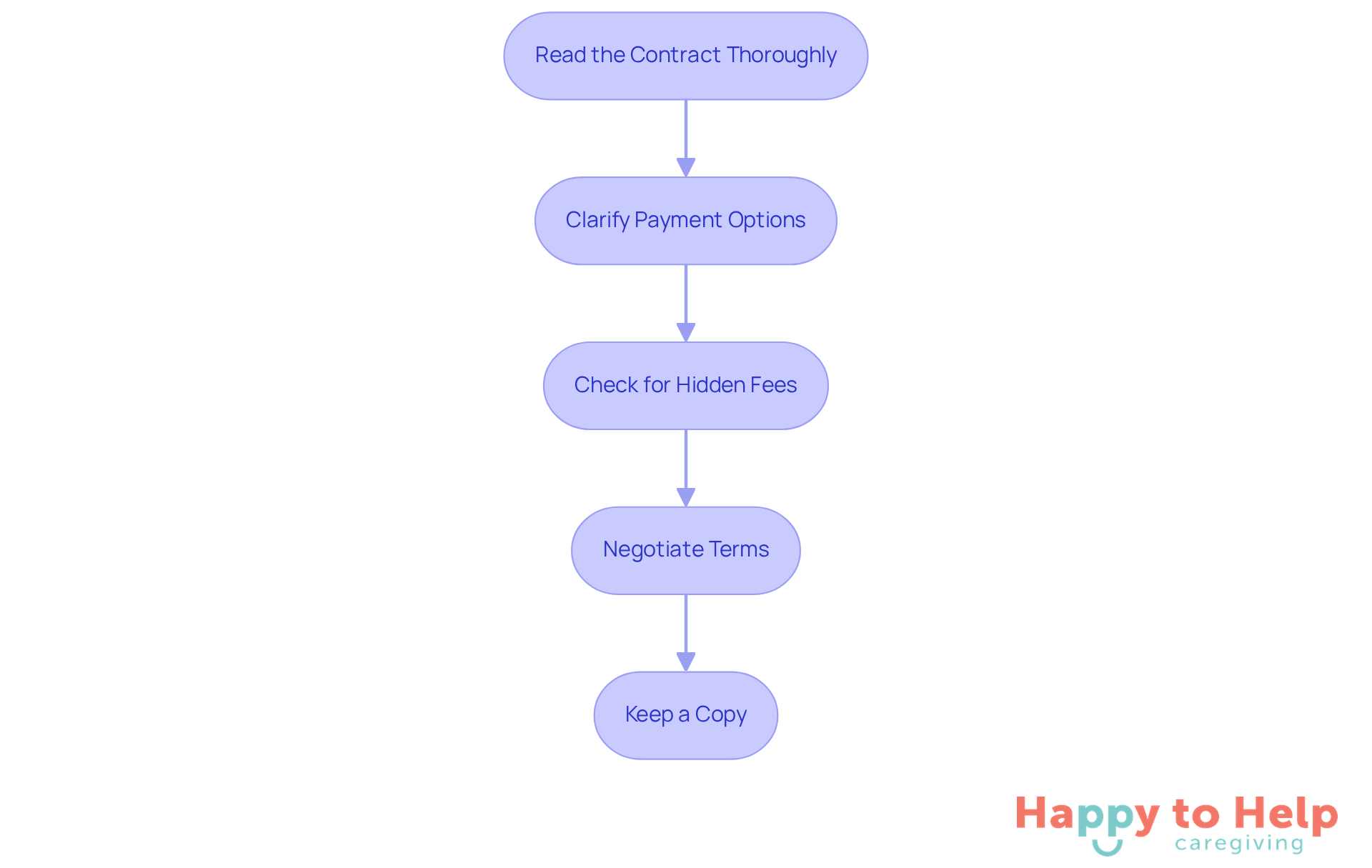
- Read the Contract Thoroughly: Ensure you understand all terms and conditions, including service descriptions, hours of care, and cancellation policies.
- Clarify Payment Options: Discuss payment methods accepted by the organization, including insurance, Medicaid, and private pay options. Understand any upfront fees or deposits required.
- Check for Hidden Fees: Inquire about any additional costs that may arise, such as travel fees or charges for extra services.
- Negotiate Terms: If necessary, discuss any terms that you feel need adjustment. A reputable agency will be open to negotiation.
- Keep a Copy: Once you agree to the terms, ensure you receive a signed copy of the contract for your records.
By following these steps, caregivers can ensure they are well-informed and protected when entering into agreements with home care agencies.
Monitor and Adjust Care as Needed
To ensure that your loved one's care remains effective, it's crucial to address the challenges caregivers face. Here are some guidelines to help navigate these issues:
-
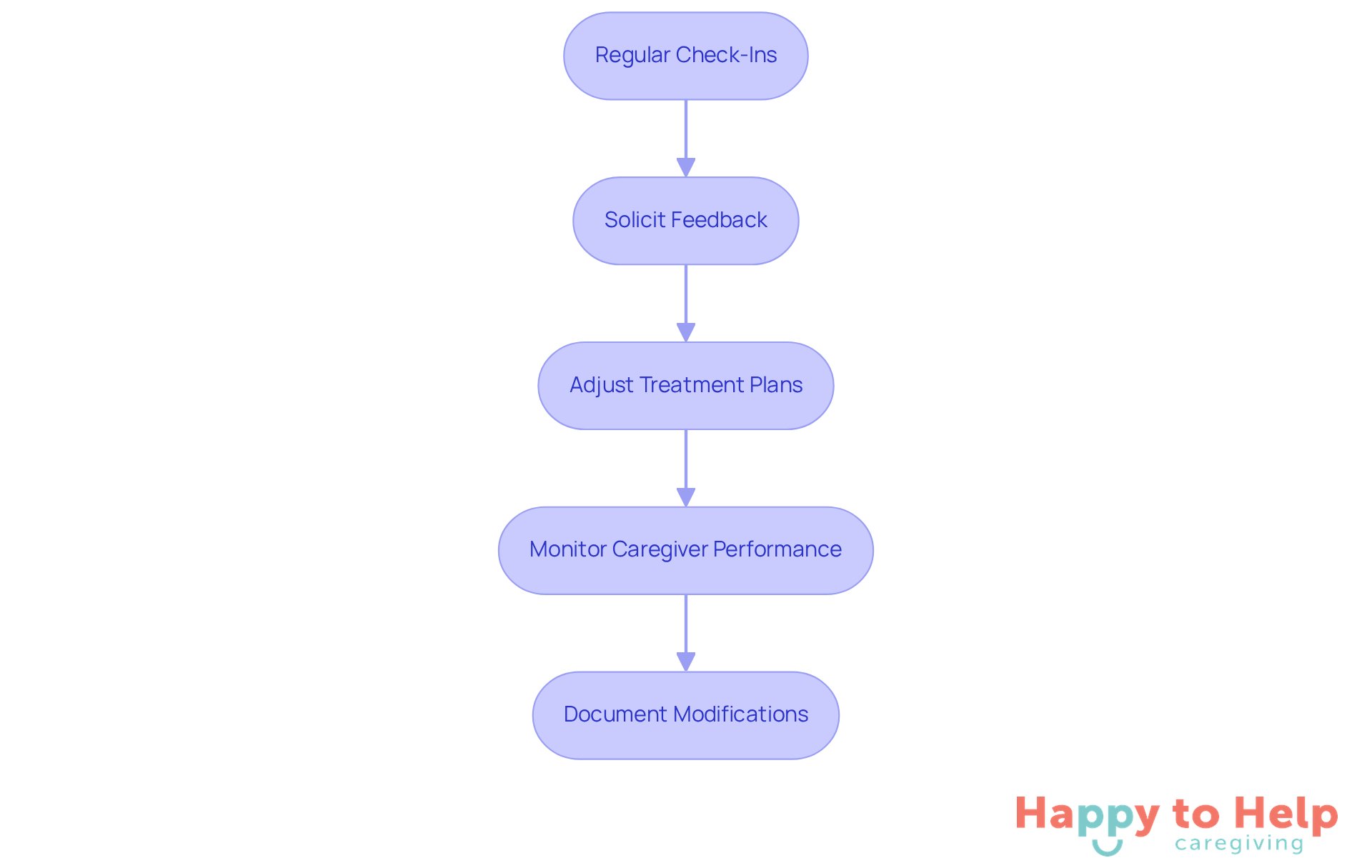
Regular Check-Ins: Caregivers often struggle with communication, which can lead to misunderstandings about a loved one's condition. Arrange regular meetings with caregivers to discuss your family member's progress and any changes in their condition. Regular communication fosters a collaborative environment and helps identify potential issues early.
-
Solicit Feedback: Open dialogue is essential for understanding the support experience. Encourage your loved one to share their thoughts. Studies show that 63% of caregivers interact with healthcare providers on behalf of the recipient, highlighting the importance of their input in evaluating service quality. Additionally, 71% of caregivers face financial struggles, underscoring the challenges they encounter. Their insights are invaluable for assessing the effectiveness of the services provided.
-
Adjust Treatment Plans: Needs can change, and caregivers must be adaptable. Be ready to alter treatment plans as necessary. If your loved one's needs change, promptly communicate these adjustments to the caregiving agency. Adaptability in support plans is essential for addressing evolving needs.
-
Monitor Caregiver Performance: Caregiver interactions significantly impact the quality of care. Observe how caregivers engage with your loved one. Ensure they are delivering the agreed-upon services while maintaining a respectful and compassionate demeanor. This oversight is crucial for ensuring quality support. Notably, 66% of caregivers indicate they possess considerable decision-making power regarding the recipient's condition, emphasizing the value of their perspectives.
-
Document Modifications: Keeping thorough records is vital. Maintain detailed documentation of any alterations in support requirements or caregiver performance. This information can be beneficial for future discussions with the agency, ensuring that all parties are aligned on care expectations and adjustments.
Moving Forward with Find Adult Home Care Near Me: Steps
Navigating adult home care can be a daunting challenge for family caregivers. The emotional weight and complexity of selecting the right care provider can leave many feeling overwhelmed. It’s crucial to understand the variety of services available and the steps involved in making informed decisions that ensure the well-being of loved ones.
Caregivers often face the problem of assessing individual care needs while also managing their own stress. This journey can feel isolating, but it doesn’t have to be. By recognizing the different types of services offered - such as companionship, personal care, and post-hospital recovery assistance - caregivers can better evaluate their options. Additionally, assessing caregiver qualifications and agency credentials is essential to ensure quality care.
To tackle these challenges, caregivers can adopt a structured approach:
- Assess needs
- Research and compare providers
- Maintain open communication throughout the caregiving process
- Monitor care and adjust plans as necessary
By following these steps, caregivers can enhance the quality of life for their loved ones while alleviating their own stress.
Ultimately, caregiving should not be a solitary endeavor. By leveraging available resources and support systems, caregivers can create an environment that prioritizes both the physical and emotional health of their family members. Taking proactive steps in finding adult home care services enriches the lives of those receiving care and empowers caregivers to navigate their roles with confidence and compassion.
https://iframe.tely.ai/cta/eyJhcnRpY2xlX2lkIjogIjY5Mjc5NTE1MDFkMWUzYmY0NmRiMjRhZSIsICJjb21wYW55X2lkIjogIjY4ZWU1ZGNhNzMxNzYyNTU3ZjNjOTVjMSIsICJpbmRleCI6IG51bGwsICJ0eXBlIjogImFydGljbGUifQ==Frequently Asked Questions
What are adult home care services?
Adult home care services provide assistance to individuals, helping them maintain their independence while receiving care in the comfort of their homes. Key services include companionship care, personal care, post-hospital recovery assistance, and palliative support.
What is companionship care?
Companionship care offers emotional support and social interaction, helping to combat loneliness and enhance the quality of life for individuals receiving care.
What does personal care involve?
Personal care involves caregivers assisting with daily activities such as bathing, dressing, and meal preparation to ensure that individuals receive the necessary help.
How does post-hospital recovery assistance work?
Post-hospital recovery assistance ensures that individuals recovering from surgery or illness adhere to medical advice and manage their medications properly.
What is palliative support?
Palliative support focuses on improving the quality of life for individuals with serious illnesses, emphasizing comfort and emotional support.
How can I assess my loved one's care needs?
To assess your loved one's care needs, evaluate their daily activities, consider any health conditions, assess their emotional well-being, consult with healthcare professionals, and involve your loved one in discussions about their needs and preferences.
Why is it important to evaluate daily activities?
Evaluating daily activities helps identify any difficulties your loved one may encounter, highlighting areas where support is needed for tasks like bathing, dressing, and meal preparation.
How can health conditions impact care needs?
Health conditions may require specialized support, such as managing diabetes or providing mobility assistance, which are critical for ensuring your loved one's well-being.
Why should emotional well-being be assessed?
Assessing emotional well-being is important because feelings of loneliness or depression may indicate a need for companionship assistance, which is vital for mental health.
How can healthcare professionals assist in the assessment process?
Consulting with healthcare professionals can provide valuable insights into your family member's health condition and support needs, guiding you in making informed decisions about their care.
List of Sources
- Understand Adult Home Care Services
- 5 Benefits of Senior In-Home Care in 2025 | Valley Home Care (https://valleyhca.com/the-top-5-benefits-of-in-home-senior-care-for-aging-loved-ones-in-2025)
- Home Care Industry Trends to Watch in 2025 (https://firstlighthomecare.com/blog/home-care-industry-trends)
- 13 Home Care Trends To Watch For in 2024 (And Thoughts From 11 Experts) | CareAcademy (https://careacademy.com/blog/home-care-trends)
- Family caregivers prefer in-home care over senior living, new industry report finds (https://mcknightshomecare.com/news/family-caregivers-prefer-in-home-care-over-senior-living-new-industry-report-finds)
- Assess Your Care Needs
- Seven Signs Elderly Parents Need More Support at Home | Arizona Department of Economic Security (https://des.az.gov/featured-story/seven-signs-elderly-parents-need-more-support-home)
- What to do when your aging parents need more care than you can provide (https://uchealth.org/today/aging-parents-what-to-do-when-parents-need-more-care-than-you-can-provide)
- Guide to Taking Care of Aging Parents and Family Members (https://arnothealth.org/news/guide-to-taking-care-of-aging-parents-and-family-members)
- Caring for an Aging Parent (https://urmc.rochester.edu/news/publications/health-matters/caring-for-an-aging-parent)
- Research and Compare Care Providers
- Florida Home Health Agencies Shine in Newsweek’s Inaugural National Ranking (https://members.homecarefla.org/news/Details/florida-home-health-agencies-shine-in-newsweek-s-inaugural-national-ranking-293636)
- FastStats (https://cdc.gov/nchs/fastats/home-health-care.htm)
- 52 Eye-Opening Home Health Statistics: Insights for 2025 (https://boosthomehealth.com/home-health-statistics)
- U.S. News to Debut Best Home Health Ratings in 2026 (https://usnews.com/info/blogs/press-room/articles/2025-11-03/u-s-news-to-debut-best-home-health-ratings-in-2026)
- US News to publish inaugural Best Home Health ratings next year (https://mcknightshomecare.com/news/us-news-to-publish-inaugural-best-home-health-ratings-next-year)
- Evaluate and Interview Care Agencies
- Home-Based Care Companies Improve Outcomes By Training Family Caregivers (https://homehealthcarenews.com/2025/10/home-based-care-companies-improve-outcomes-by-training-family-caregivers)
- Caregiving Statistics US 2025: Insights for Family Caregivers (https://zencaregiving.org/caregiving-statistics-us-2025)
- US News & World Report Highlights CCA's Caregiver Training (https://advancecaregivers.org/report-us-news-world-report-highlights-ccas-caregiver-training)
- Caregiving in the US 2025 (https://aarp.org/pri/topics/ltss/family-caregiving/caregiving-in-the-us-2025)
- What to expect when you become a caregiver– and how to cope with the challenges (https://heart.org/en/news/2025/11/20/what-to-expect-when-you-become-a-caregiver-and-how-to-cope-with-the-challenges)
- Review Contracts and Payment Options
- Home Care Industry Statistics: Key Facts and Trends (https://regencyhcs.com/blog/home-care-industry-statistics-key-facts-and-trends)
- 52 Eye-Opening Home Health Statistics: Insights for 2025 (https://boosthomehealth.com/home-health-statistics)
- Bipartisan Home Health Legislation Introduced to Protect Medicare Beneficiaries and Lower Medicare Costs (https://allianceforcareathome.org/bipartisan-home-health-legislation-introduced-to-protect-medicare-beneficiaries-and-lower-medicare-costs)
- Payment Rates for Medicaid Home Care: States’ Responses to Workforce Challenges | KFF (https://kff.org/medicaid/payment-rates-for-medicaid-home-care-states-responses-to-workforce-challenges)
- Monitor and Adjust Care as Needed
- News & Information (https://wellnessalliance.org/resources-and-tools/news-and-information/2025/11/10/national-family-caregivers-month--preventing-caregiver-burnout)
- Caregiver Statistics: Demographics (https://caregiver.org/resource/caregiver-statistics-demographics)
- The Caregiving Landscape: Data & Insights on the Caregiver Experience in the U.S. (https://caregiveraction.org/caregiver-statistics)
- The National Alliance for Caregiving and AARP Release Caregiving Report - CAPC - News Bites (https://capc.org/blog/new-data-on-family-caregivers-in-the-us)