

For families in our service areas
For families in our service areas, this guide explains home care and how non-medical in-home caregiving can support care planning in East Idaho, Treasure Valley & Magic Valley, Northern Wasatch, North Central West Virginia, and Northeast Ohio.
What You Need to Know About Find Home Care Around Me: A
Finding the right home care for loved ones can often feel overwhelming, especially as the need for support grows among aging populations. Families increasingly recognize the importance of tailored home care services that address not only physical needs but also emotional well-being.
However, the challenge remains: how can families effectively navigate the myriad of options available to ensure they choose the best care for their unique circumstances? This guide aims to illuminate essential steps to identify, evaluate, and select home care services that enhance the quality of life for seniors while empowering families in their decision-making process.
Understand Home Care Services
Home care around me is essential for individuals living at home, as it enables them to maintain independence while receiving necessary assistance. However, many families struggle to understand the range of services available, which can lead to inadequate support for their loved ones.
The Problem: Seniors often face challenges in daily living, which can impact their quality of life. Without proper assistance, they may experience feelings of isolation and neglect, leading to emotional distress.
The Implications: As more seniors choose to age in place, the demand for home care around me continues to increase. Families must recognize the importance of tailored support that not only meets physical needs but also enhances emotional well-being.
The Solution: Understanding the various types of home care around me can empower families to make informed decisions. Here are key aspects to consider:
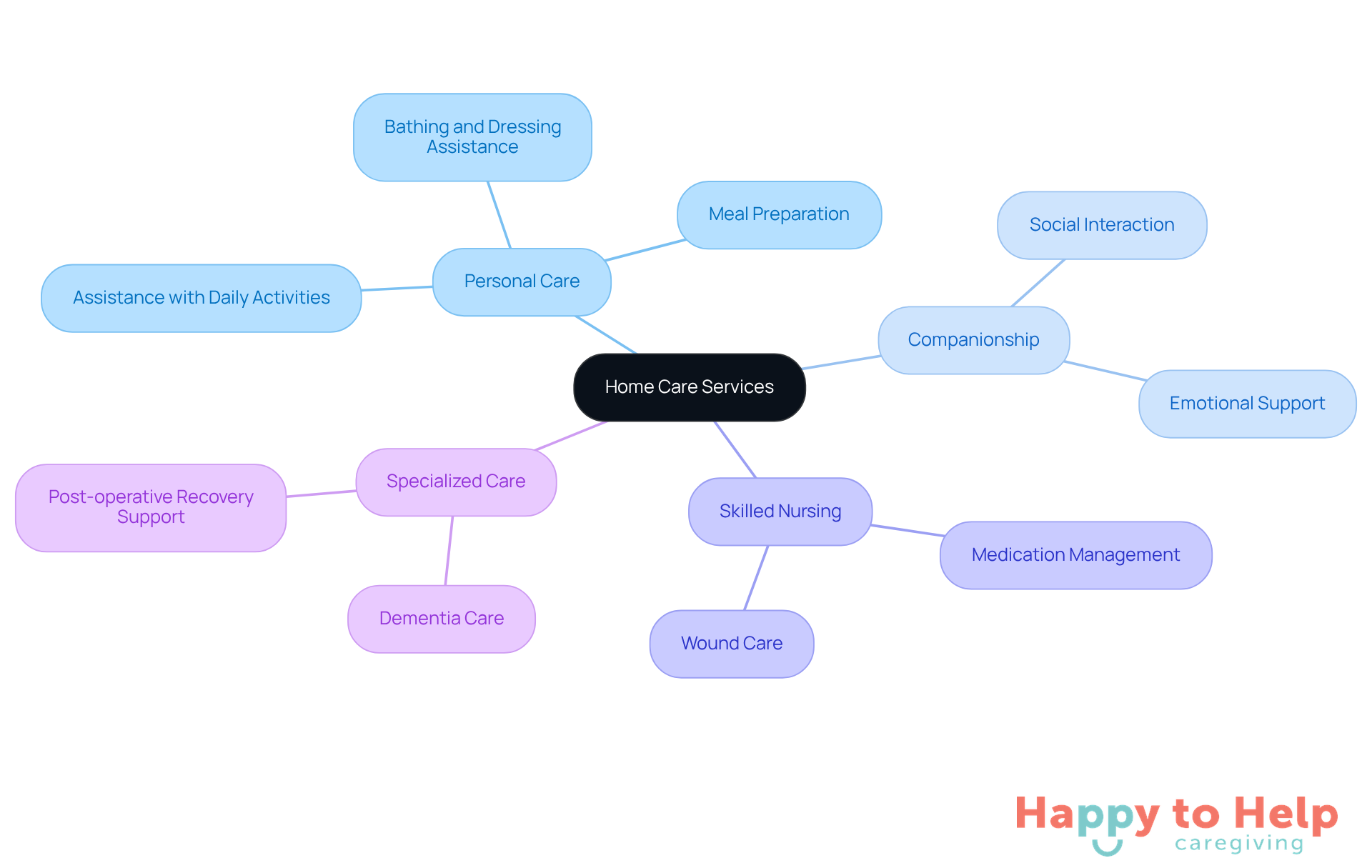
- Personal Care: Assistance with daily activities like bathing, dressing, and meal preparation helps seniors manage their routines comfortably.
- Companionship: Social interaction and emotional support can alleviate loneliness, which is crucial for seniors who may feel isolated.
- Skilled Nursing: Licensed professionals provide medical assistance, including medication management and wound care, ensuring health needs are effectively met.
- Specialized Care: Customized support for specific conditions, such as dementia or post-operative recovery, addresses unique challenges faced by seniors.
By identifying these classifications, families can better evaluate their loved one's needs and determine the appropriate level of home care around me. As healthcare experts emphasize, home care around me not only fosters independence but also significantly enhances emotional well-being.
Moreover, families should consider the cost-effectiveness of home assistance compared to institutional care and review providers' qualifications to ensure reliable support. The emotional and psychological benefits of aging at home further underscore the advantages of in-home support.
Explore Types of Home Care Services
Caring for a loved one at home can be a daunting task, often leaving caregivers feeling overwhelmed. The challenges of managing daily activities, ensuring emotional support, and providing medical care can create significant stress. Understanding the various types of home care around me can help alleviate some of this burden.
-
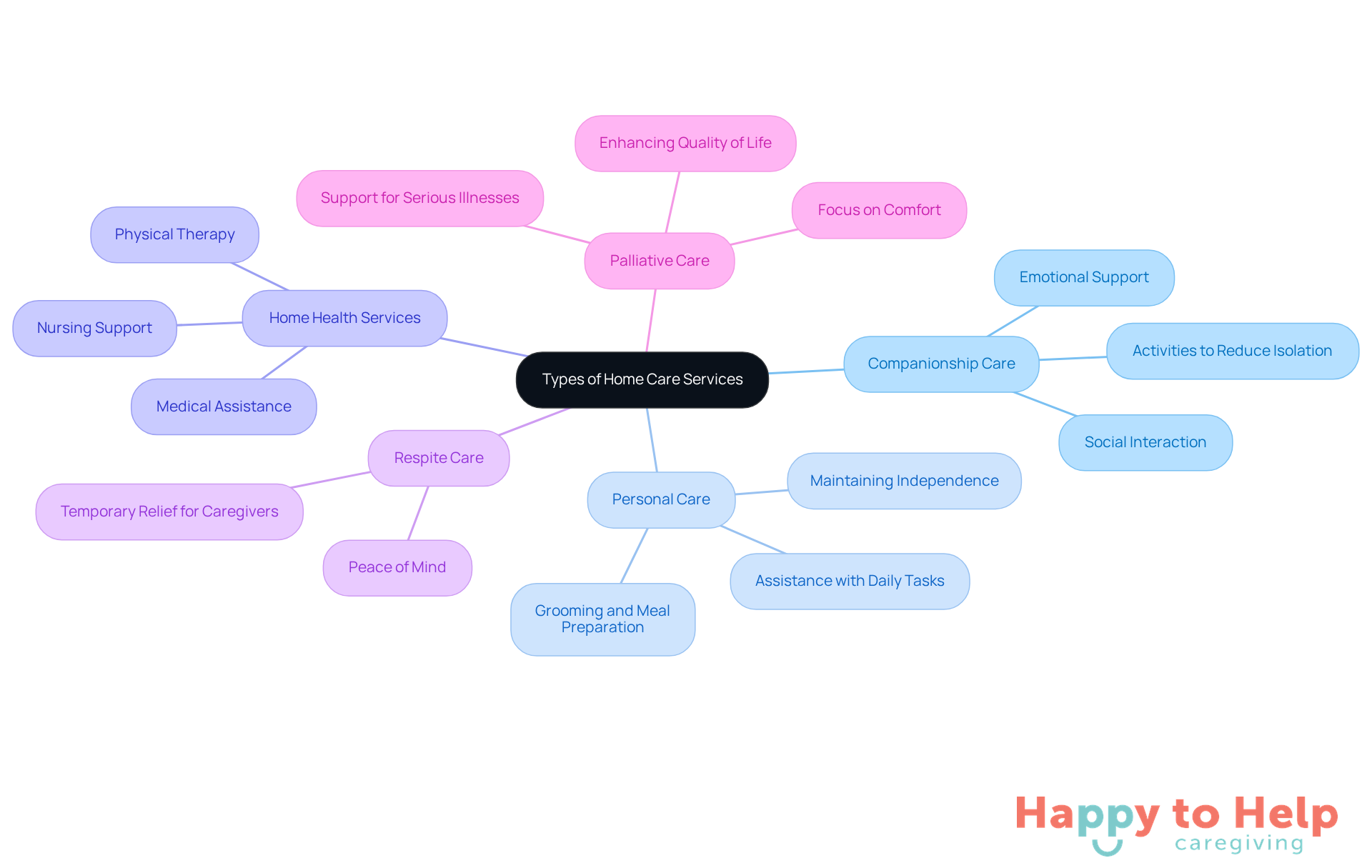
Companionship Care addresses the emotional needs of seniors, offering social interaction that helps reduce feelings of isolation. Engaging in friendly conversation and shared activities not only fosters mental well-being but also enhances overall quality of life.
-
Personal Care is crucial for seniors who wish to maintain their independence while needing assistance with daily tasks like bathing, grooming, and meal preparation. This type of support allows them to manage their routines efficiently without sacrificing their autonomy.
-
Home Health Services provide essential medical assistance, including nursing support, physical therapy, and medication management, typically delivered by licensed professionals. This service is particularly beneficial for seniors recovering from surgery or managing chronic health conditions, ensuring they receive comprehensive medical attention in the comfort of their homes.
-
Respite Care offers temporary relief for caregivers, allowing them to take a much-needed break while ensuring their loved one is well cared for. This service can be invaluable for households under stress, providing peace of mind during challenging times.
-
Palliative Care focuses on individuals with serious illnesses, prioritizing comfort and quality of life. It addresses both physical and emotional needs, offering support that enhances the overall well-being of clients and their families.
By understanding these categories, caregivers can tailor their search for home care around me to ensure their loved ones receive the appropriate support for their unique circumstances.
Evaluate Criteria for Choosing a Provider
Choosing a home care provider for home care around me can be a daunting task for families. With so many options available, it’s crucial to ensure that the selected agency meets specific criteria to provide the best care for loved ones.
-
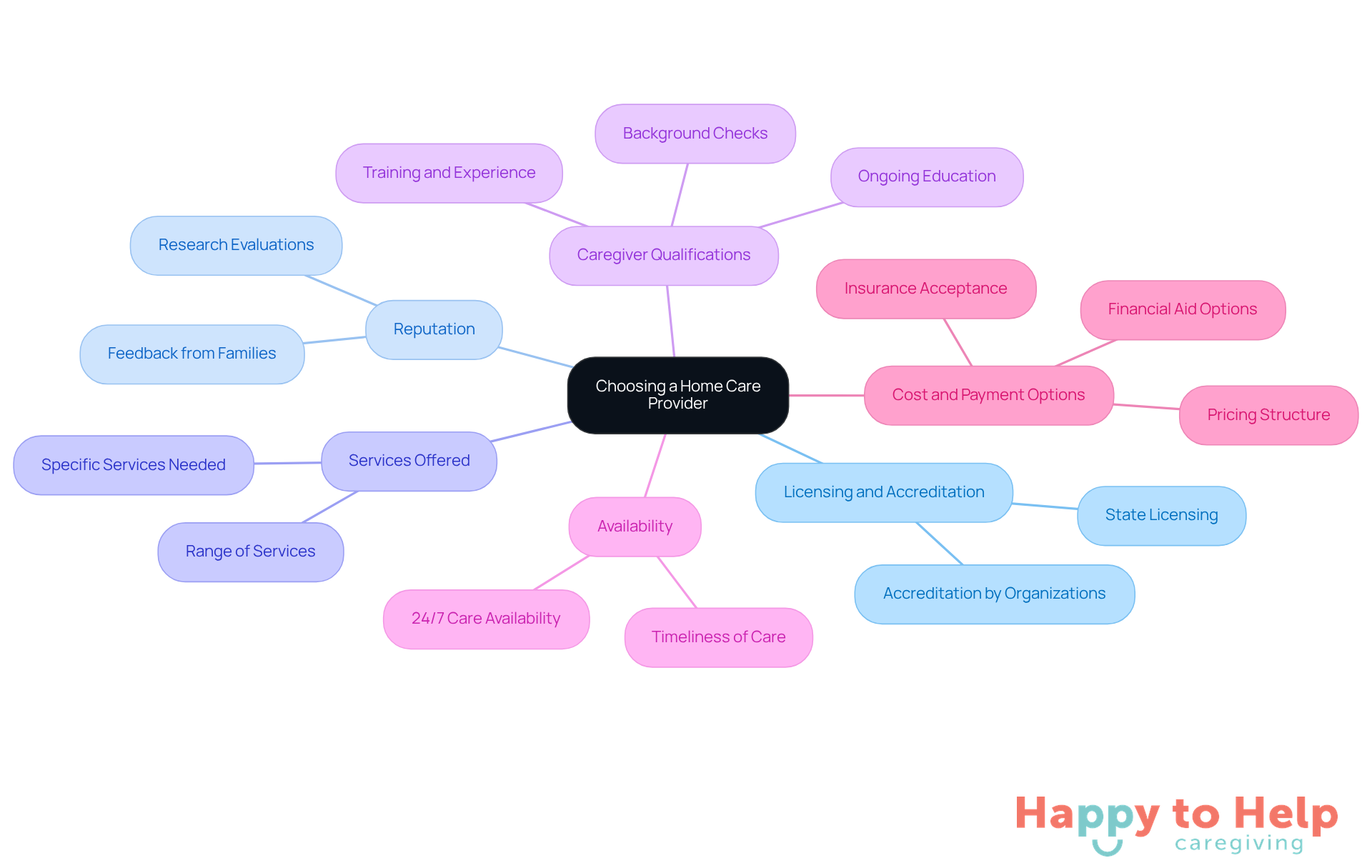
Licensing and Accreditation: First and foremost, confirm that the agency is licensed by the state and accredited by relevant organizations. This ensures that they meet established standards of care.
-
Reputation: Next, examine research evaluations and feedback from other families. This will help assess the organization’s dependability and quality of assistance.
-
Services Offered: It’s also important to verify that the organization provides the specific services your loved one needs. Not all agencies offer the same range of services.
-
Caregiver Qualifications: Inquire about the training and experience of caregivers. This includes background checks and ongoing education, which are vital for ensuring quality care.
-
Availability: Check if the organization can deliver care on the necessary timetable. If 24/7 availability is required, make sure they can accommodate that.
-
Cost and Payment Options: Finally, understand the pricing structure. Determine whether the organization accepts insurance or provides financial aid options.
By evaluating these criteria, families can narrow down their options and find home care around me that aligns with their needs and values.
Research and Compare Home Care Agencies
For families, finding the right home care around me can be a daunting task. With so many options available, it’s crucial to ensure that your loved one receives the best possible care. The implications of choosing the wrong agency can lead to inadequate support and increased stress for both caregivers and recipients.
To tackle this challenge, follow these actionable steps:
- Gather Information: Start by utilizing online platforms like Yelp, A Place for Mom, and local directories. Compile a comprehensive list of organizations in your area to have a solid foundation for your research.
- Read Reviews: Investigate reviews and ratings from other families. Consistent feedback regarding professionalism and compassion can indicate a reliable provider, helping you gauge the quality of care offered by each agency.
- Contact Agencies: Reach out to potential providers to inquire about their offerings, availability, and pricing. This interaction is also a chance to assess their responsiveness and customer service, which are vital for a positive caregiving experience.
- Schedule Consultations: Many organizations offer free consultations. Take advantage of this opportunity to connect with caregivers and discuss your loved one's specific requirements. During this process, interview potential caregivers or representative staff to evaluate their experience and approach to caregiving.
- Compare Choices: Create a comparison chart to assess each organization based on offerings, caregiver qualifications, costs, and family feedback. Ensure that the assistance plan details specific offerings and expectations, which is essential for understanding what each organization can deliver.
Additionally, consider the potential coverage of home care around me services by long-term care insurance or Medicaid, as this can greatly influence your decision. By systematically researching and comparing agencies, families can make informed choices that best suit their loved one's needs, ultimately enhancing their quality of life at home. Incorporating insights from families who have successfully navigated this process can also provide valuable perspectives.

Involve Family in the Decision-Making Process
Engaging relatives in the decision-making process is crucial for ensuring effective care for a loved one. Without proper involvement, caregivers may face challenges such as miscommunication and lack of support, which can lead to inadequate care and increased stress.
To address these issues, consider the following strategies:
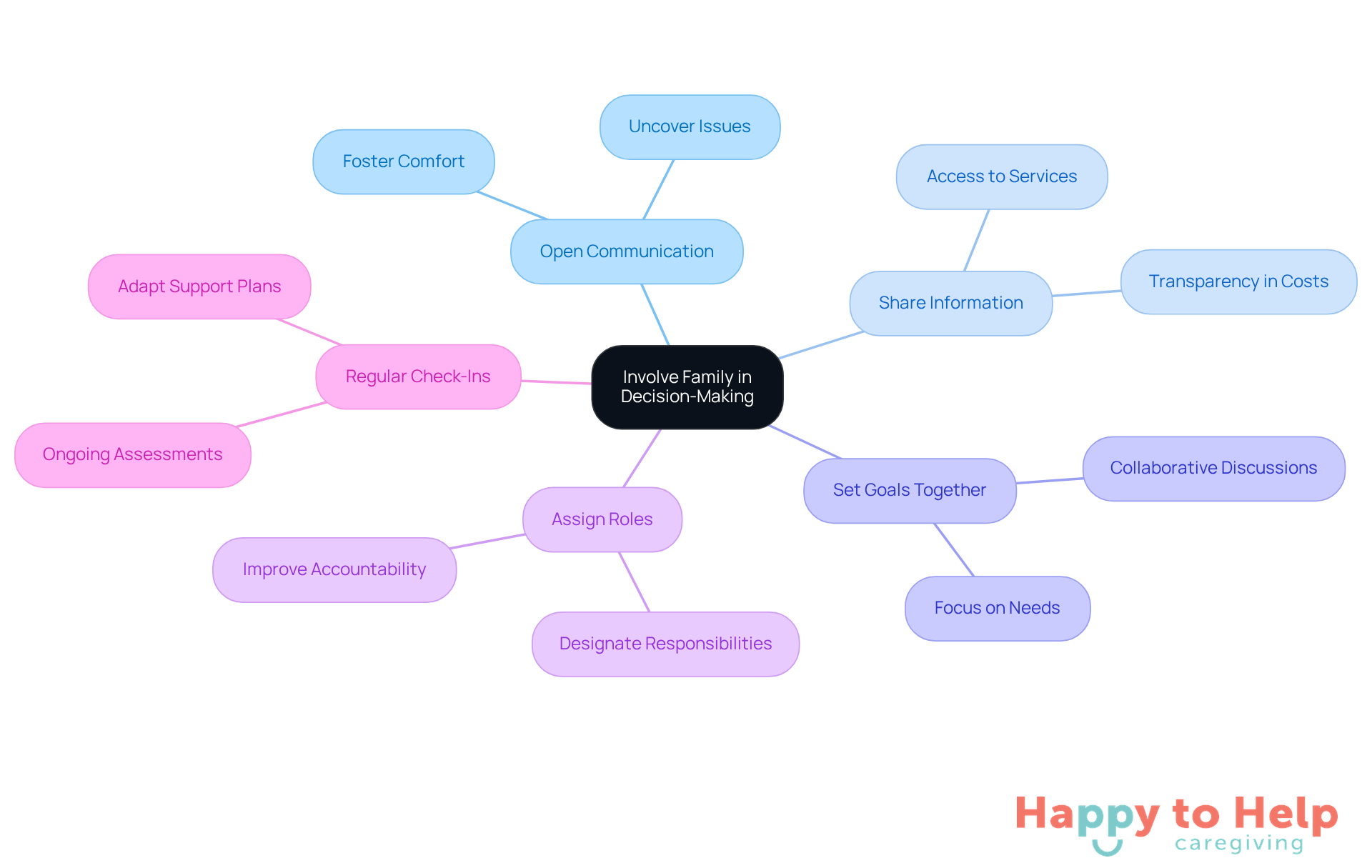
- Open Communication: Foster an environment where family members feel comfortable expressing their thoughts and concerns. This openness can uncover underlying issues and preferences that may otherwise go unaddressed.
- Share Information: Ensure that all family members have access to the same information regarding available services, costs, and potential providers. Transparency encourages informed discussions and decision-making, especially since 67% of respondents prioritize overall cost when choosing a home assistance agency.
- Set Goals Together: Collaboratively discuss and establish common goals for your loved one's care, focusing on their specific needs and preferences. This shared vision helps unify the efforts of relatives.
- Assign Roles: Designate specific responsibilities to household members to streamline the decision-making process. Well-defined roles improve accountability and ensure that all elements of support are addressed.
- Regular Check-Ins: Arrange ongoing gatherings to assess progress, tackle issues, and implement required modifications to the support plan. These check-ins reinforce communication and adaptability in caregiving.
By fostering a cooperative environment, relatives can significantly enhance the quality of care, ensuring that their loved one's needs are effectively addressed. Involved households not only improve communication and coordination with professionals but also cultivate a supportive atmosphere that encourages better health outcomes. As noted, "Active participation from relatives improves safety, enhances communication, and promotes better health and academic outcomes." Additionally, family members provide essential emotional support, which is vital for the well-being of older adults.
Key Takeaways for Caregivers
Finding the right home care services poses a significant challenge for families. They want to support their loved ones while ensuring their independence and emotional well-being. This guide highlights the essential components of home care, emphasizing the need to understand available services, evaluate providers, and involve family members in the decision-making process.
Families face various types of home care services, including:
- Personal care
- Companionship
- Skilled nursing
Each catering to different needs. It’s crucial to assess potential providers based on:
- Licensing
- Reputation
- Caregiver qualifications
This ensures that loved ones receive the highest quality of care. Open communication among family members can lead to more effective planning and support, enhancing the overall caregiving experience.
The importance of choosing the right home care cannot be overstated. With the growing demand for these services, families must take proactive steps to research, compare, and select agencies that align with their loved ones' unique needs. By doing so, they not only improve the quality of life for seniors but also foster a supportive environment that promotes health and happiness in the comfort of home.
https://iframe.tely.ai/cta/eyJhcnRpY2xlX2lkIjogIjY5MjdhNWRhYWYxNTM5YTI1OGI1M2I4NiIsICJjb21wYW55X2lkIjogIjY4ZWU1ZGNhNzMxNzYyNTU3ZjNjOTVjMSIsICJpbmRleCI6IG51bGwsICJ0eXBlIjogImFydGljbGUifQ==Frequently Asked Questions
What are home care services?
Home care services provide assistance to individuals living at home, enabling them to maintain independence while receiving necessary support for daily activities and emotional well-being.
Why is home care important for seniors?
Home care is important for seniors because it helps them manage daily living challenges, reduces feelings of isolation, and enhances their overall quality of life by providing both physical assistance and emotional support.
What types of home care services are available?
The main types of home care services include Personal Care, Companionship, Skilled Nursing, Specialized Care, Home Health Services, Respite Care, and Palliative Care.
What does Personal Care include?
Personal Care includes assistance with daily activities such as bathing, dressing, grooming, and meal preparation, allowing seniors to maintain their routines comfortably.
How does Companionship Care benefit seniors?
Companionship Care addresses the emotional needs of seniors by providing social interaction and support, which helps reduce feelings of loneliness and enhances their overall quality of life.
What is the role of Skilled Nursing in home care?
Skilled Nursing involves licensed professionals providing medical assistance, including medication management and wound care, to ensure the health needs of seniors are effectively met.
What is Specialized Care?
Specialized Care offers customized support for specific conditions, such as dementia or post-operative recovery, addressing the unique challenges faced by seniors.
What is Respite Care?
Respite Care provides temporary relief for caregivers, allowing them to take a break while ensuring their loved one is well cared for, which can alleviate stress in households.
What is Palliative Care?
Palliative Care focuses on individuals with serious illnesses, prioritizing comfort and quality of life by addressing both physical and emotional needs.
How can families evaluate their loved one's needs for home care?
Families can evaluate their loved one's needs by understanding the different types of home care services available and determining the appropriate level of support required for their unique circumstances.
List of Sources
- Understand Home Care Services
- Home-Based Care Companies Improve Outcomes By Training Family Caregivers (https://homehealthcarenews.com/2025/10/home-based-care-companies-improve-outcomes-by-training-family-caregivers)
- Senior Care in Philadelphia, PA: Key Trends for 2025 and Beyond - AmeriBest Home Care (https://ameribesthomecare.com/recent-news/senior-care-in-philadelphia-pa-key-trends-for-2025-and-beyond)
- Why more families are opting for aged care services at home for their loved ones - AZ Big Media (https://azbigmedia.com/business/health-care/why-more-families-are-opting-for-aged-care-services-at-home-for-their-loved-ones)
- How 3 Top Trends Have Shaped Home-Based Care This Year (https://homehealthcarenews.com/2025/08/how-3-top-trends-have-shaped-home-based-care-this-year)
- The Evolution of Home Care Services: Trends in the USA - Cottage Home Care (https://cottagehomecare.com/blog/trends-in-home-care-new-york)
- Explore Types of Home Care Services
- What’s Next For Home Health As The Industry Faces Its Biggest Test Yet (https://homehealthcarenews.com/2025/10/whats-next-for-home-health-as-the-industry-faces-its-biggest-test-yet)
- Home Care Industry Trends to Watch in 2025 (https://firstlighthomecare.com/blog/home-care-industry-trends)
- Understanding the Different Types of Home Care Services in 2025 (https://gallaghercares.com/blog/understanding-the-different-types-of-home-care-services)
- State of home care in 2025 (https://mcknightshomecare.com/state-of-home-care-in-2025)
- Types of Home Care Services in 2025 (https://websterhc.com/breaking-down-the-different-types-of-home-care-services-in-2025)
- Evaluate Criteria for Choosing a Provider
- Choosing a Provider (https://hcaoa.org/choosing-a-provider.html)
- 8 Tips for Choosing a Home Care Agency (https://careindeed.com/blogs/8-tips-for-choosing-a-home-care-agency)
- What to Look for in a Home Care Provider in 2025 | Everest Home Health Care (https://everesthhc.com/blog/what-to-look-for-in-a-home-care-provider-in-2025)
- 10 Tips for Finding the Right Home Care Agency | VirginiaNavigator (https://disabilitynavigator.org/article/93691/10-tips-finding-right-home-care-agency)
- How to Evaluate Home Care Agencies for Quality Services (https://ultimatecareny.com/resources/how-to-evaluate-home-care-agencies-for-quality-services)
- Research and Compare Home Care Agencies
- How to Choose the Best Home Care Agency in NYC: A Comprehensive Guide | Alliance Homecare (https://alliancehomecare.com/blog/how-to-choose-the-best-home-care-agency-in-nyc-a-comprehensive-guide)
- How Home Care Agencies Can Prepare Now to Secure a Strong Start in 2025 (https://aaniie.com/news/how-home-care-agencies-can-prepare-now-to-secure-a-strong-start-in-2025)
- How to Evaluate Home Care Agencies for Quality Services (https://ultimatecareny.com/resources/how-to-evaluate-home-care-agencies-for-quality-services)
- Comparing Care: Essential Guide to Choosing Providers (https://harmonyheartshomecare.net/2025/07/07/comparing-care-providers)
- Navigating In-Home Care: Strategies for Choosing and Optimizing Personal Care Services (https://at-home-care.com/navigating-in-home-care-strategies-for-choosing-and-optimizing-personal-care-services)
- Involve Family in the Decision-Making Process
- Number Of Family Caregivers Has Skyrocketed in The U.S. (https://usnews.com/news/health-news/articles/2025-07-25/number-of-family-caregivers-has-skyrocketed-in-the-u-s)
- Families Prefer In-Home Care To Senior Living – Yet Struggle To Identify Needed Support (https://homehealthcarenews.com/2025/11/families-prefer-in-home-care-to-senior-living-yet-struggle-to-identify-needed-support)
- Family Engagement in Senior Care | Sunrise Senior Living Blog (https://sunriseseniorliving.com/resources/caregivers-and-families/family-engagement-in-senior-care)
- Communication Tips for Caregivers (https://heart.org/en/health-topics/caregiver-support/communication-tips-for-caregivers)
- How Family Involvement Enhances the Success of Personalized Support Plans (https://heartwisesupport.org/post/how-family-involvement-enhances-the-success-of-personalized-support-plans)