
Why Find Home Care Assistance Near Me: A Matters
Navigating home care services presents a significant challenge for caregivers. They often face emotional and practical hurdles while trying to find the best support for their loved ones. This situation can lead to feelings of overwhelm and uncertainty.
Understanding the various types of home care assistance available is essential. It empowers caregivers to make informed decisions tailored to their family member's unique needs. However, with numerous options and considerations, how can caregivers ensure they choose the right provider and develop an effective care plan?
This guide offers a step-by-step approach to finding reliable home care assistance. It will help you evaluate local providers and craft a personalized care plan that enhances quality of life. By following these actionable steps, caregivers can navigate the complexities of home care with confidence.
Understand Home Care Services Available
Home care services can present significant challenges for caregivers, particularly when it comes to understanding the various types available. Caregivers often face emotional and practical burdens, such as feelings of isolation and the stress of managing daily activities for their loved ones.
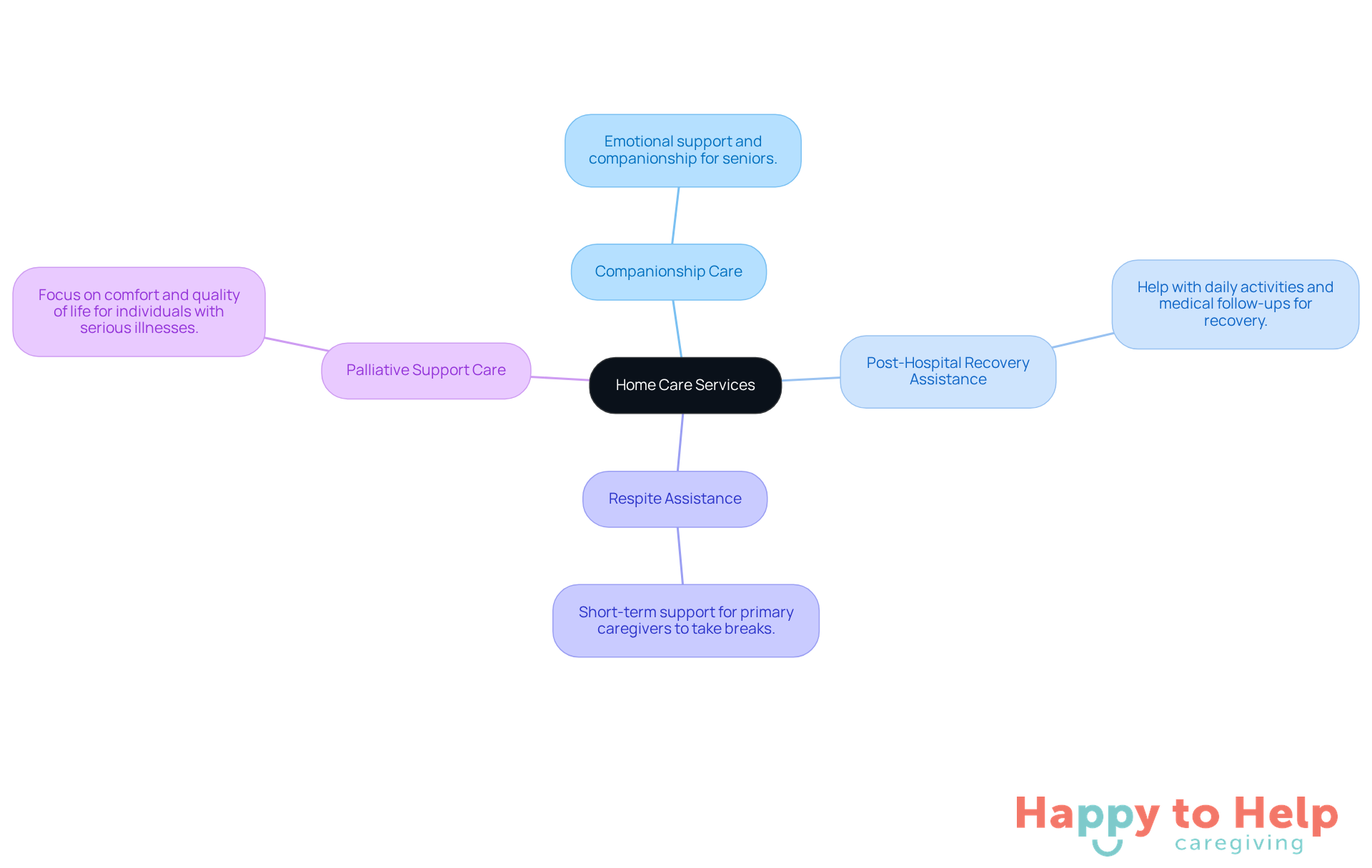
To address these challenges, it’s essential to comprehend the different types of home care services designed to meet specific needs:
- Companionship Care: This service provides emotional support and companionship to seniors, helping to alleviate feelings of loneliness and isolation.
- Post-Hospital Recovery Assistance: Tailored for individuals recovering from surgery or illness, this service includes help with daily activities and medical follow-ups.
- Respite Assistance: This short-term support option enables primary caregivers to take a break while ensuring their family members receive the necessary assistance.
- Palliative Support Care: Aimed at individuals with serious illnesses, this service focuses on providing comfort and improving quality of life.
Understanding home care assistance near me can empower caregivers to make informed decisions about the support that best suits their family member’s situation.
Assess Your Care Needs and Preferences
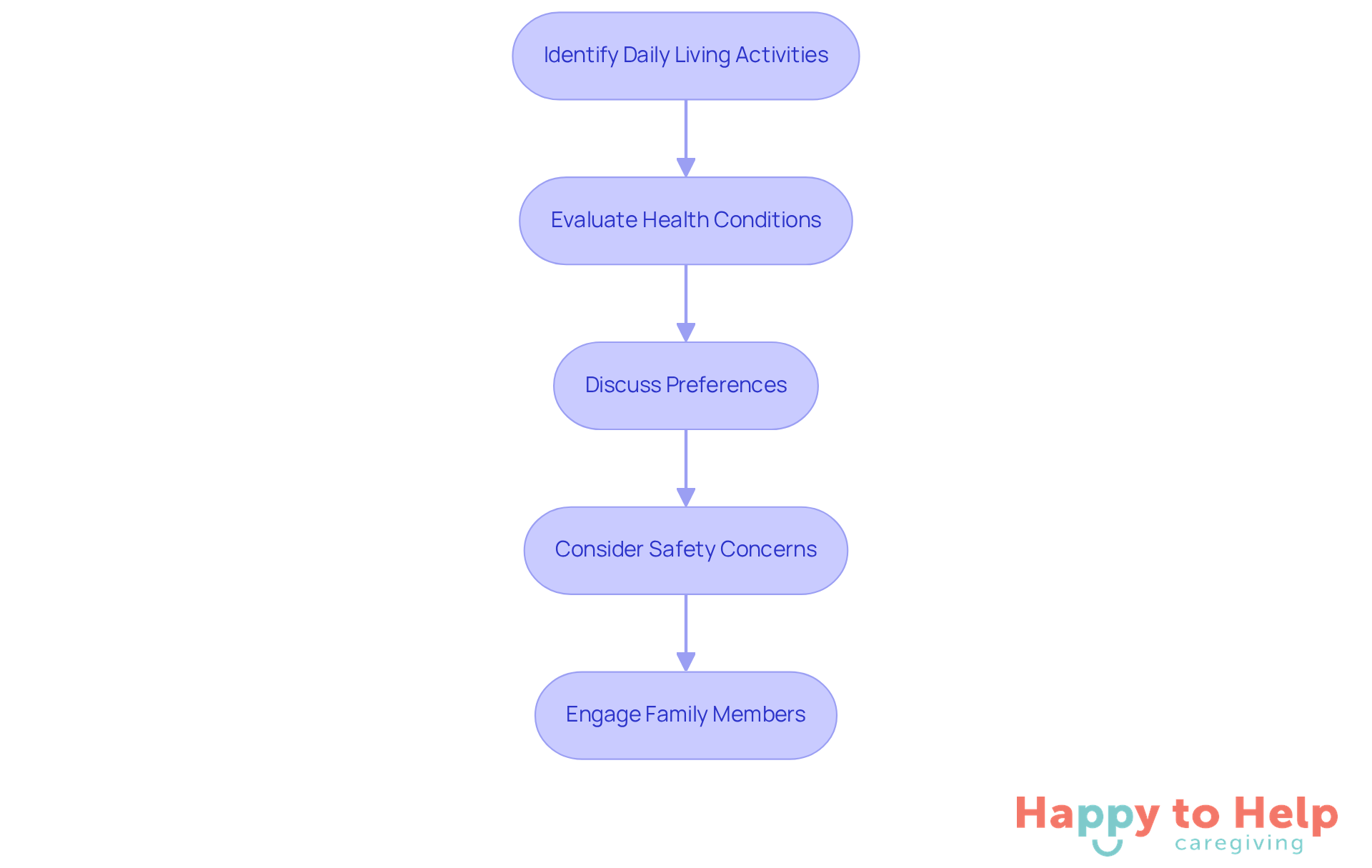
Assessing care needs and preferences can be challenging for caregivers. Without a clear understanding of what your loved one requires, it can lead to inadequate support and increased stress for both parties. To effectively address these challenges, consider the following steps:
- Identify Daily Living Activities: List the daily tasks your family member struggles with, such as bathing, dressing, meal preparation, and medication management.
- Evaluate Health Conditions: Take note of any medical conditions that require specialized attention or monitoring.
- Discuss Preferences: Engage your loved one in conversations about their preferences regarding caregivers, routines, and activities they enjoy.
- Consider Safety Concerns: Identify any safety issues in the home environment that may need to be addressed, such as fall risks or accessibility challenges.
- Engage Family Members: Work together with family members to collect insights and ensure a thorough understanding of support needs.
This evaluation will serve as a solid foundation for choosing the most appropriate home care assistance near me.
Locate and Evaluate Local Home Care Providers
For caregivers, finding reliable home care assistance near me can be a daunting task. With so many options available, it’s crucial to ensure that your loved one receives the best possible support. The implications of choosing the wrong provider can be significant, affecting both the quality of care and peace of mind for families.
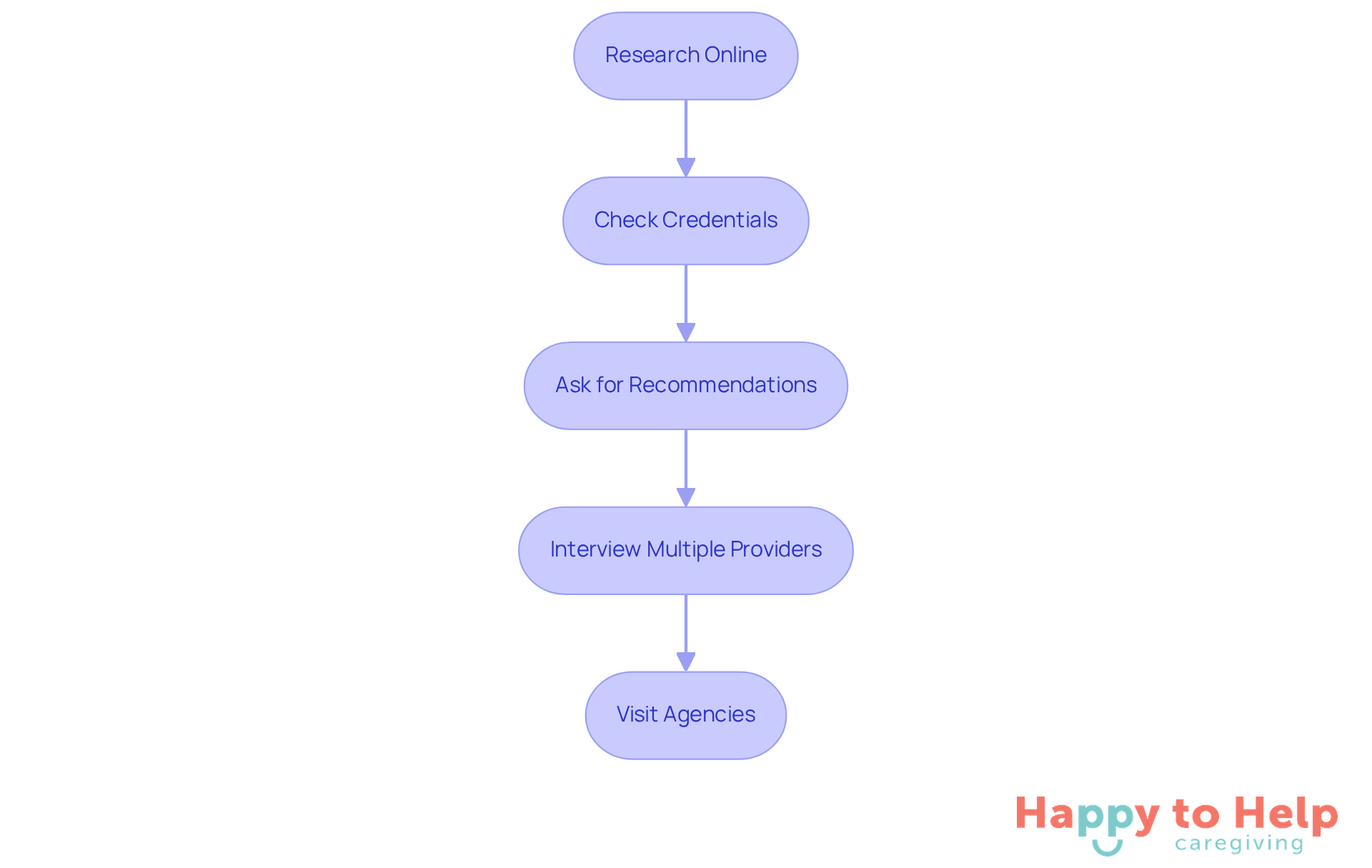
To tackle this challenge, consider these actionable steps:
- Research online by utilizing platforms like Care.com, Yelp, and Medicare’s Compare tool to identify home care assistance near me. Pay close attention to reviews and ratings from other families, as these insights can reveal the quality of service provided.
- Check Credentials: It’s essential to confirm that the agencies are licensed and accredited. Examine their certifications and any awards they may have received, as these demonstrate their commitment to quality service. As noted by Cottage Home Care Services, "The best agencies are upfront and transparent about all costs."
- Ask for Recommendations: Reach out to healthcare professionals, friends, or family members who have experience with home care services. Personal referrals can lead you to trustworthy providers.
- Interview Multiple Providers: Engage with several agencies to discuss your loved one's specific needs. Inquire about their services, caregiver qualifications, and availability to ensure they align with your expectations. Always Best Care emphasizes that "they provide clear pricing without hidden charges, allowing households to budget efficiently for assistance."
- Visit Agencies: If feasible, visit the agencies in person. This allows you to observe their activities and interact with staff members, giving you a better understanding of their atmosphere and support methods.
By conducting thorough research and evaluation, you can identify a suitable match for your loved one’s support needs, ensuring they receive the compassionate and personalized assistance they deserve. Additionally, with the U.S. residential health market projected to grow significantly, understanding the costs associated with home care services-expected to average around $25 to $35 per hour in 2025-is crucial for informed decision-making.
Interview and Select the Right Caregiver
To effectively interview and select the right caregiver, it’s essential to address a significant challenge: finding home care assistance near me that truly meets your loved one’s needs. This process can be daunting, but with the right approach, you can ensure a supportive and nurturing atmosphere for your family member.
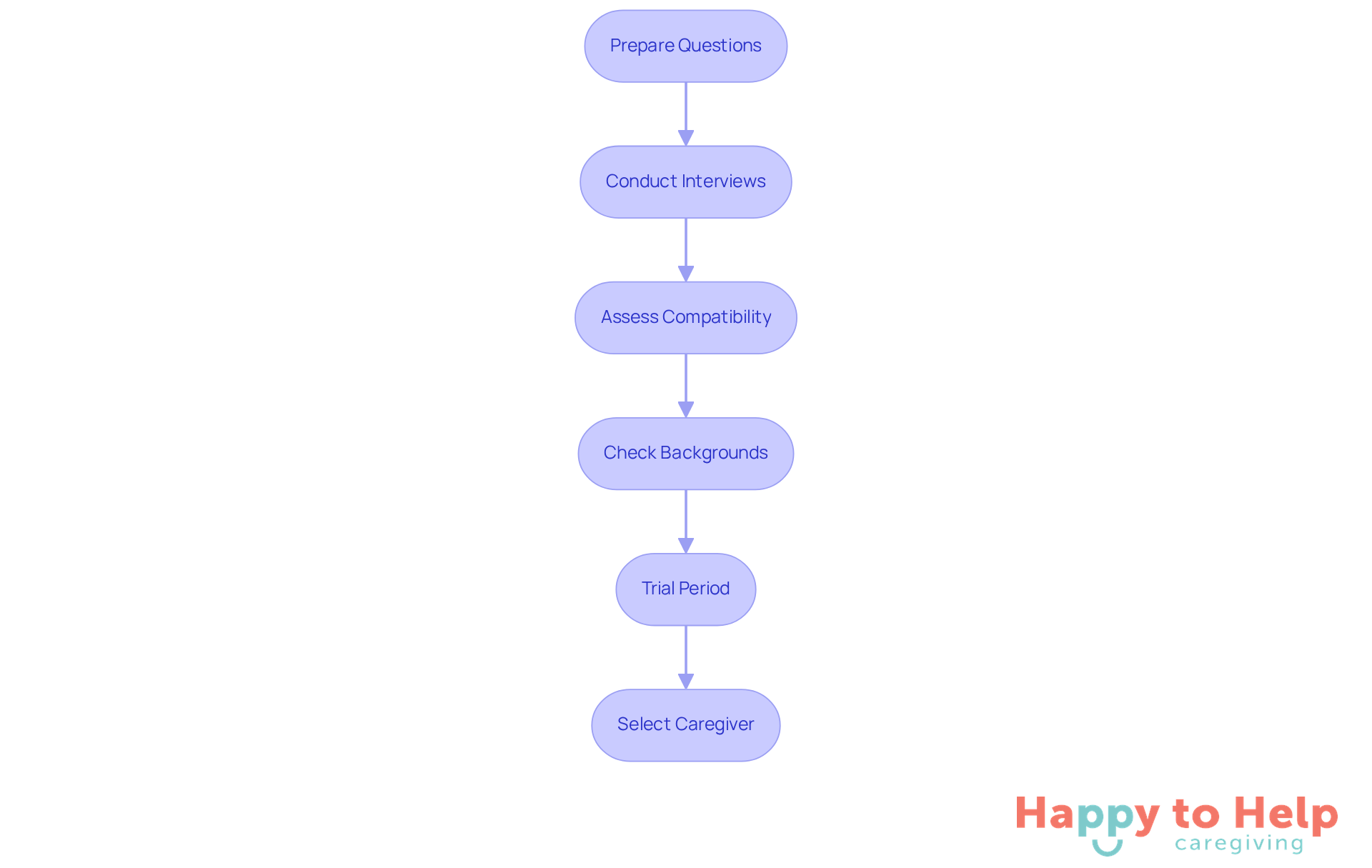
Prepare Questions: Start by creating a list of targeted questions that focus on the caregiver's experience, training, and caregiving philosophy. Key inquiries might include:
- What specific experience do you have with my loved one's needs?
- How do you respond to emergencies?
- Can you share references from previous clients?
Conduct Interviews: Arrange interviews with your top candidates. Pay attention to their communication style and how they engage with your loved one, as this interaction is crucial for establishing rapport.
Assess Compatibility: Evaluate the provider's personality and approach to ensure they align with your family member's preferences. A compatible match can significantly enhance the caregiving experience, fostering trust and comfort. As caregiving expert Lindsey Copeland notes, strong caregiver-member relationships can enhance comfort and reduce anxiety, which is essential for your family member's well-being.
Check Backgrounds: Conduct comprehensive background checks to verify the provider's reliability and trustworthiness. This step is vital for ensuring peace of mind for your family.
Trial Period: Establish a trial phase to evaluate how effectively the caregiver fits into your family member's daily routine and lifestyle. This allows for adjustments if necessary, ensuring a smoother transition.
With around 63 million Americans providing continuous assistance for family members, selecting the right home care assistance near me is crucial. This decision ultimately improves the quality of life for your loved one, making it essential to approach the selection process thoughtfully.
Create a Personalized Care Plan
Creating a personalized care plan can be challenging for caregivers, especially when trying to ensure that their loved ones receive the best possible support. Without a tailored approach, individuals may not get the care they truly need, which can lead to decreased quality of life and dissatisfaction.
To address this issue, follow these steps to develop an effective care plan:
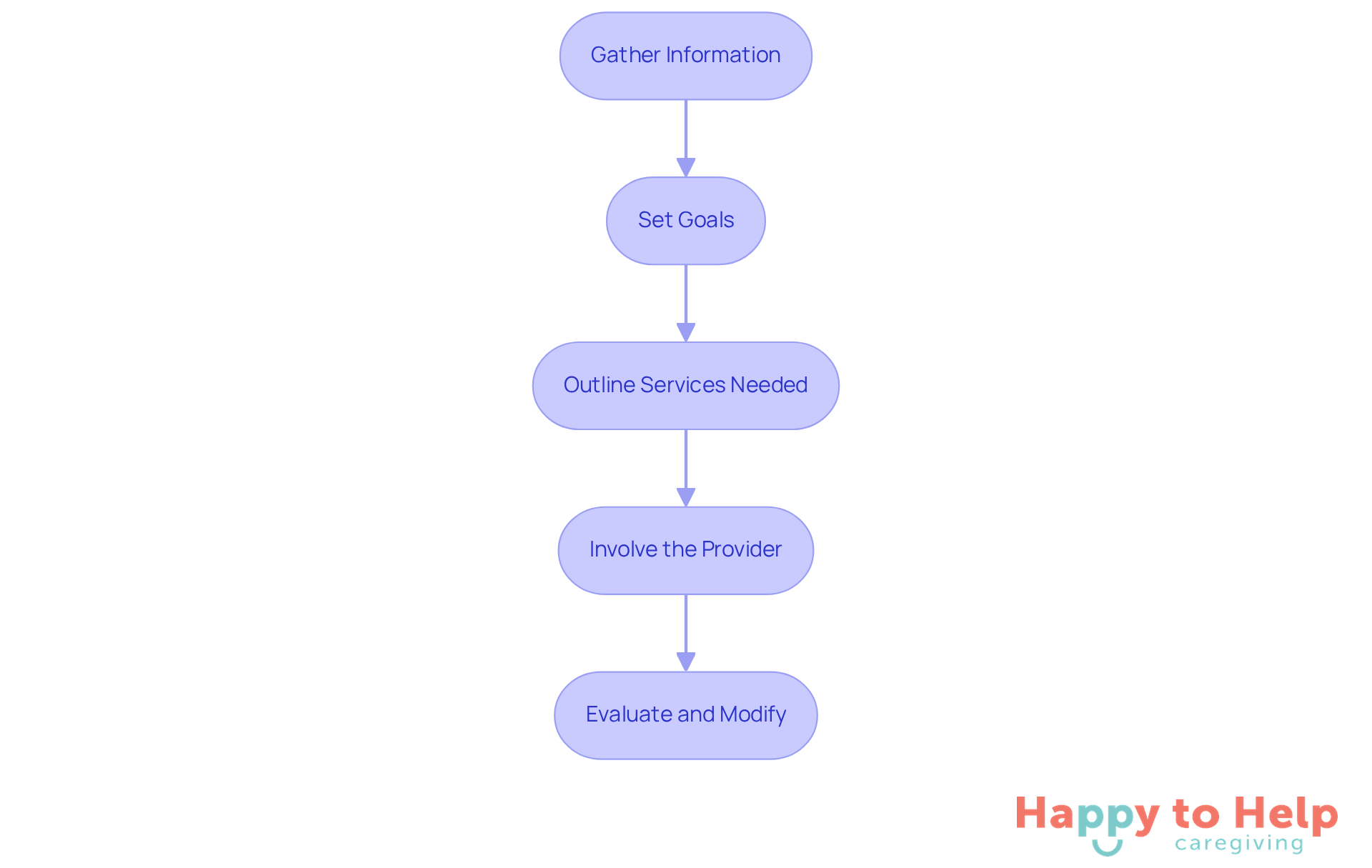
- Gather Information: Compile all relevant details about your loved one's health, preferences, and daily routines. This essential step guarantees that the support plan is customized to their individual requirements.
- Set Goals: Establish clear, achievable objectives for the support plan, focusing on enhancing quality of life and promoting independence. Research indicates that personalized treatment plans significantly enhance residents' overall health and satisfaction. As stated by Haven Health, tailored support plans enhance residents’ quality of life as they can focus on activities they find appealing rather than feeling compelled to participate in those they dislike.
- Outline Services Needed: Specify the types of services required, such as personal assistance, companionship, or medical support. This clarity assists in aligning the support plan with the individual's specific requirements.
- Involve the Provider: Collaborate with the chosen provider to ensure they comprehend the plan and can offer insights based on their expertise. Involving caregivers in the goal-setting process promotes a sense of collaboration and improves the efficiency of the support offered.
- Evaluate and Modify: Regularly evaluate the support plan to assess its effectiveness and make modifications as necessary based on your loved one's changing needs. Personalized health plans are dynamic and should evolve to reflect any new health challenges or goals. As highlighted in the case study on revising service plans, regular updates guarantee that the assistance provided stays pertinent and efficient in meeting the evolving needs of residents.
A well-structured personalized care plan is essential for ensuring that your loved one receives the best possible support and care, ultimately leading to improved health outcomes and greater satisfaction.
Your Path Forward
Navigating the complexities of home care assistance presents a significant challenge for caregivers. They often struggle to find the best support for their loved ones, which can lead to emotional and practical burdens. Understanding the various types of services available - ranging from companionship care to palliative support - is essential for making informed decisions that enhance the quality of life for family members.
To address this issue, caregivers should take proactive steps:
- Start by evaluating local providers and conducting thorough interviews.
- Creating personalized care plans is crucial, as it fosters a supportive environment tailored to the specific needs of those receiving care.
- Collaboration with caregivers and regular evaluations of care plans ensure that the assistance provided remains relevant and effective.
In conclusion, prioritizing the selection of appropriate home care assistance alleviates the burdens faced by caregivers and significantly improves the overall well-being of their loved ones. By understanding, assessing, and choosing the right support, caregivers can transform their experience into a more manageable and fulfilling journey. Embracing these strategies is essential for ensuring that every individual receives the compassionate care they deserve.
https://iframe.tely.ai/cta/eyJhcnRpY2xlX2lkIjogIjY5NDBhMjA2OTc5ZjhiMGM0MmQzYjU1OSIsICJjb21wYW55X2lkIjogIjY4ZWU1ZGNhNzMxNzYyNTU3ZjNjOTVjMSIsICJpbmRleCI6IG51bGwsICJ0eXBlIjogImFydGljbGUifQ==Frequently Asked Questions
What are the main types of home care services available?
The main types of home care services include Companionship Care, Post-Hospital Recovery Assistance, Respite Assistance, and Palliative Support Care.
What is Companionship Care?
Companionship Care provides emotional support and companionship to seniors, helping to alleviate feelings of loneliness and isolation.
Who is Post-Hospital Recovery Assistance for?
Post-Hospital Recovery Assistance is tailored for individuals recovering from surgery or illness and includes help with daily activities and medical follow-ups.
What is Respite Assistance?
Respite Assistance is a short-term support option that enables primary caregivers to take a break while ensuring their family members receive necessary assistance.
What does Palliative Support Care focus on?
Palliative Support Care is aimed at individuals with serious illnesses and focuses on providing comfort and improving quality of life.
How can caregivers assess their loved one's care needs and preferences?
Caregivers can assess care needs by identifying daily living activities their loved one struggles with, evaluating health conditions, discussing preferences, considering safety concerns, and engaging family members for insights.
Why is it important to assess care needs and preferences?
Assessing care needs and preferences is important to ensure adequate support for the loved one and to reduce stress for both the caregiver and the individual receiving care.
List of Sources
- Understand Home Care Services Available
- The Top 10 Home Health Care News Stories Of 2025 (https://homehealthcarenews.com/2025/12/the-top-10-home-health-care-news-stories-of-2025)
- Home Health Care Trends for 2025 (https://carevoyant.com/home-health-blog/home-health-care-trends-2025)
- Home Care Industry Trends to Look Out for in 2025 (https://axiscare.com/blog/home-care-industry-trends)
- In-Home Care for Seniors - Caregiving News and Tips (https://aarp.org/caregiving/home-care)
- Understanding Home Health Care Options (https://health.usnews.com/best-senior-living/articles/understanding-home-health-care-service-options)
- Assess Your Care Needs and Preferences
- U.S. News to Debut Best Home Health Ratings in 2026 (https://usnews.com/info/blogs/press-room/articles/2025-11-03/u-s-news-to-debut-best-home-health-ratings-in-2026)
- What’s Next For Home Health As The Industry Faces Its Biggest Test Yet (https://homehealthcarenews.com/2025/10/whats-next-for-home-health-as-the-industry-faces-its-biggest-test-yet)
- Caregiving Crisis: 45% Increase in Americans Providing Care (https://aarp.org/caregiving/basics/caregiving-in-us-survey-2025)
- American Health Care Association Releases 2025 Policy Priorities For A Better Way (https://ahcancal.org/News-and-Communications/Press-Releases/Pages/AHCA-Releases-2025-Policy-Priorities-For-A-Better-Way.aspx)
- Locate and Evaluate Local Home Care Providers
- Finding Quality Home Health Care Providers in New Jersey - Cottage Home Care (https://cottagehomecare.com/blog/best-home-health-care-nj-2025)
- Evaluate the Best Home Health Services for Your Loved Ones - Happy To Help (https://happytohelpcaregiving.com/evaluate-the-best-home-health-services-for-your-loved-ones)
- US News to publish inaugural Best Home Health ratings next year (https://mcknightshomecare.com/news/us-news-to-publish-inaugural-best-home-health-ratings-next-year)
- FastStats (https://cdc.gov/nchs/fastats/home-health-care.htm)
- U.S. News to Debut Best Home Health Ratings in 2026 (https://usnews.com/info/blogs/press-room/articles/2025-11-03/u-s-news-to-debut-best-home-health-ratings-in-2026)
- Interview and Select the Right Caregiver
- As Family Caregiving Grows, So Does the Need for Reform - Medicare Rights Center (https://medicarerights.org/medicare-watch/2025/08/14/as-family-caregiving-grows-so-does-the-need-for-reform)
- New State-by-State Data Expose the Crushing Financial Strain of Family Caregiving — and Call for Immediate Federal and State Action (https://press.aarp.org/2025-10-28-New-Data-Expose-Financial-Strain-of-Family-Caregiving)
- NASHP Brief: State Strategies and New Resources to Advance Family Caregiver Assessments (https://johnahartford.org/resources/view/nashp-brief-state-strategies-and-new-resources-to-advance-family-caregiver-assessments)
- Finding the Right Caregiver Match | Active Day (https://activeday.com/news/finding-the-right-caregiver-match)
- Family Caregiver Support, Education Needs Growing (https://hospicenews.com/2025/11/11/family-caregiver-support-education-needs-growing)
- Create a Personalized Care Plan
- The Future of Home Health Care: Trends to Watch in 2025 (https://synchronyfl.com/the-future-of-home-health-care-trends-to-watch-in-2025)
- Benefits of Personalized Care Plans in Nursing Homes (https://havenhealthaz.com/blog/benefits-of-personalized-care-plans-in-nursing-homes)
- How Personalized Care Models Are Transforming Senior Living in 2025 (https://stpetersassistedliving.com/blog/how-personalized-care-models-are-revolutionizing-senior-living-in-2025)
- Customized Care at Home: The Benefits of Personalized Care Plans - VNA Health Group (https://vnahg.org/customized-care-at-home-the-benefits-of-personalized-care-plans)
- How Home Care Agencies Can Prepare Now to Secure a Strong Start in 2025 (https://aaniie.com/news/how-home-care-agencies-can-prepare-now-to-secure-a-strong-start-in-2025)