

For families in our service areas
For families in our service areas, this guide explains in-home care and how non-medical in-home caregiving can support care planning in East Idaho, Treasure Valley & Magic Valley, Northern Wasatch, North Central West Virginia, and Northeast Ohio.
What You Need to Know About Find Live-In Home Care Near Me: A
Navigating the complexities of live-in home care can be overwhelming for families seeking the best support for their loved ones. Millions of older adults face safety concerns and isolation, making the search for reliable live-in caregivers crucial. This guide provides a comprehensive approach to understanding the benefits of live-in care, key factors to consider when selecting a provider, and practical steps for researching local options.
How can families ensure they choose the right caregiver? It's essential to find someone who not only meets their loved one's needs but also enhances their quality of life. By addressing these challenges head-on, families can make informed decisions that lead to better care outcomes.
Understand Live-In Home Care and Its Benefits
The need for continuous support is significantly addressed by live in home care near me for seniors and individuals with special needs. Many struggle with daily activities, which can lead to safety concerns and feelings of isolation. With around 3 million older adults visiting the emergency room each year due to fall-related injuries, the implications of inadequate assistance are serious.
-
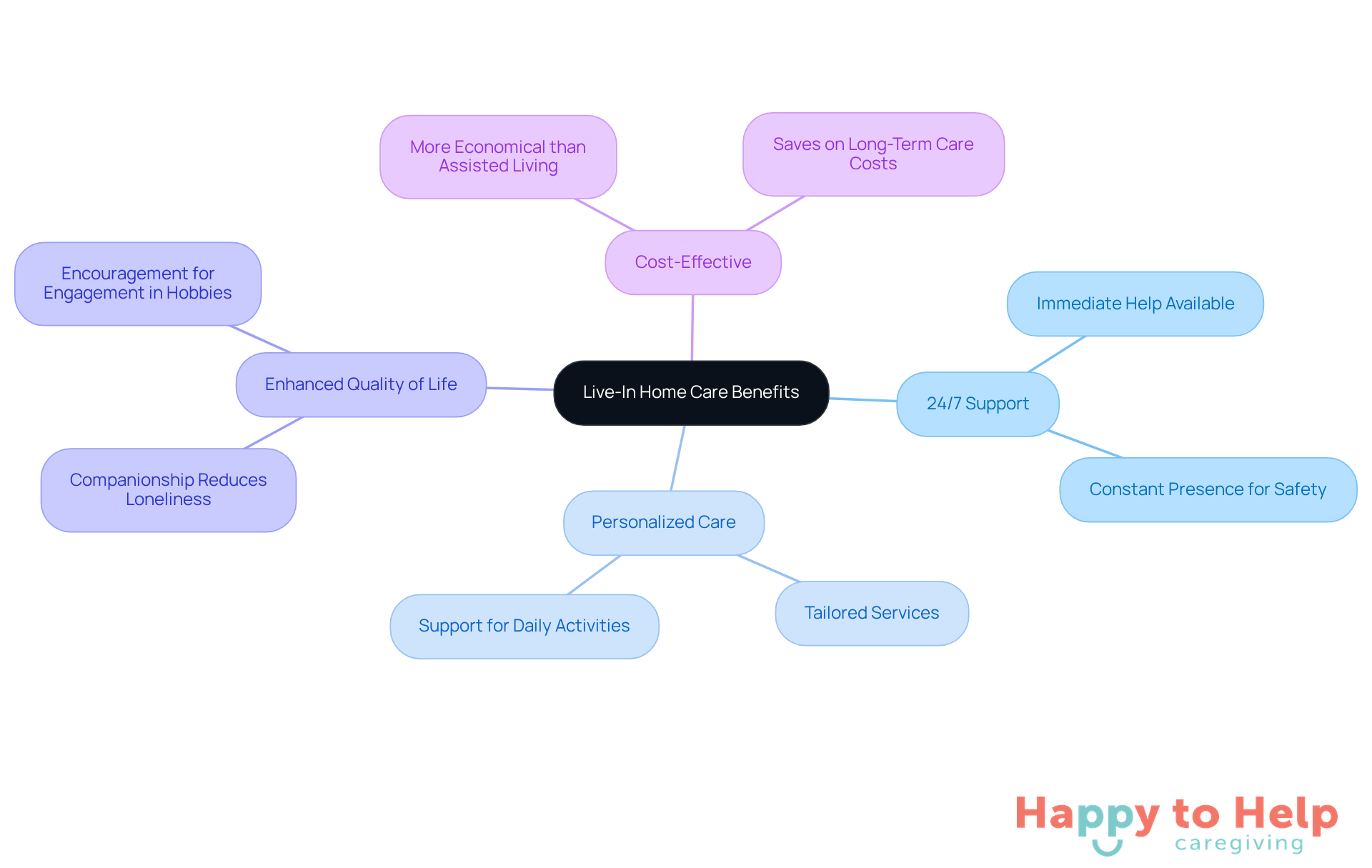
24/7 Support: A live-in support provider offers around-the-clock assistance, ensuring immediate help is available when needed. This constant presence can be crucial for safety and peace of mind, significantly reducing the risk of accidents for seniors prone to falls.
-
Personalized Care: Caregivers can tailor their services to meet the unique needs and preferences of each client. This personalized approach fosters a comfortable environment, allowing seniors to maintain their routines and engage in activities they enjoy, ultimately enhancing their quality of life.
-
Enhanced Quality of Life: The companionship provided by live-in caregivers can greatly improve emotional well-being. Many seniors experience loneliness, with studies showing that about 5% feel lonely often. As geriatric support specialist Vanessa Valerio notes, "A live-in caregiver offers devoted, individualized attention, adjusting the assistance to your requirements."
-
Cost-Effective: Compared to assisted living facilities, live-in support can be a more economical choice for families needing extensive assistance. With the number of individuals requiring assisted living services expected to reach approximately two million by 2040, families can save on costs while ensuring their loved ones receive dedicated care.
In summary, live in home care near me not only provides essential support but also fosters emotional connections that enhance seniors' quality of life. The commitment of support providers to their clients' well-being creates a nurturing atmosphere that encourages independence and happiness at home.
Identify Key Factors for Choosing a Care Provider
Selecting a live-in caregiver can be a daunting task, and several key factors must be considered to ensure a successful match:
-
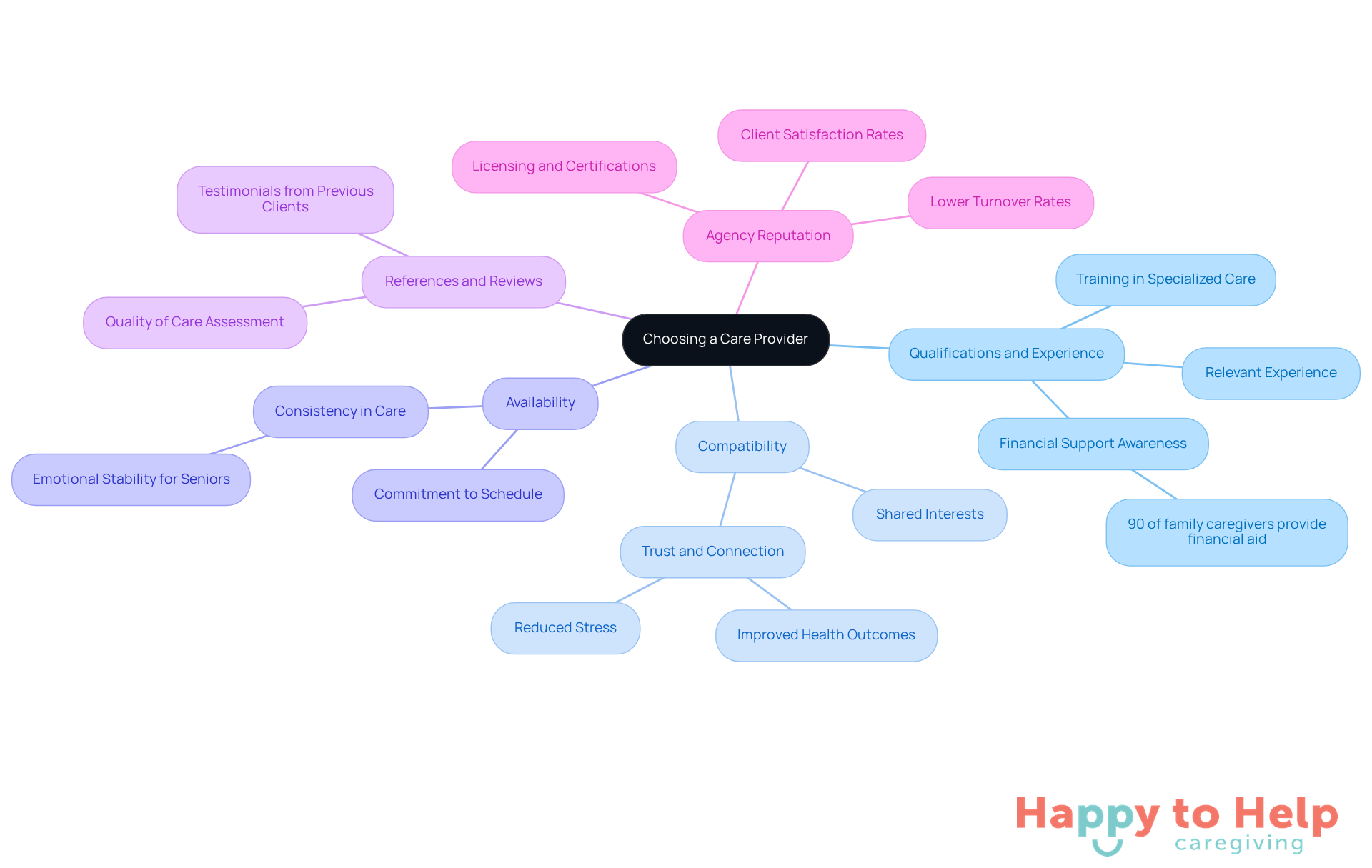
Qualifications and Experience: It's crucial to ensure that the caregiver has the necessary training and experience tailored to specific needs, such as dementia support or mobility assistance. This expertise is vital for providing effective care. In fact, 90% of family supporters offer some form of financial aid for their loved ones' needs, highlighting the importance of a careful selection process.
-
Compatibility: The caregiver's personality and approach should align with the individual's preferences. Research indicates that strong relationships between caregivers and clients lead to better adherence to care routines and improved health outcomes. When caregivers and clients share interests, it fosters enthusiasm for activities, enhancing overall engagement. Trust and connection in caregiving relationships significantly boost health outcomes, reducing stress and promoting well-being.
-
Availability: Confirm that the caregiver can commit to the required schedule, including any overnight or weekend needs. Consistency in support assignments is essential, as it nurtures familiarity and emotional stability, particularly for seniors facing cognitive challenges.
-
References and Reviews: Seek testimonials or referrals from previous clients to assess the caregiver's reliability and quality of care. Positive feedback often reflects the caregiver's ability to forge meaningful connections, which is crucial for emotional support and alleviating feelings of isolation.
-
Agency Reputation: If hiring through an agency, investigate its reputation, licensing, and certifications to ensure it meets industry standards. Agencies that prioritize compatibility between caregivers and clients often experience lower turnover rates and higher satisfaction for both parties. Additionally, consider pairing at least two caregivers with each client for consistent support, which can enhance the overall experience.
Integrating these elements not only increases the likelihood of a thriving caregiver-client relationship but also contributes to the overall well-being of those receiving assistance.
Research and Compare Local Home Care Services
To effectively research and compare local home care services, caregivers often face the challenge of finding reliable options for live in home care near me that meet their loved ones' needs. This can be overwhelming, especially with the multitude of choices available. However, by following a structured approach, caregivers can simplify the process and make informed decisions.
-
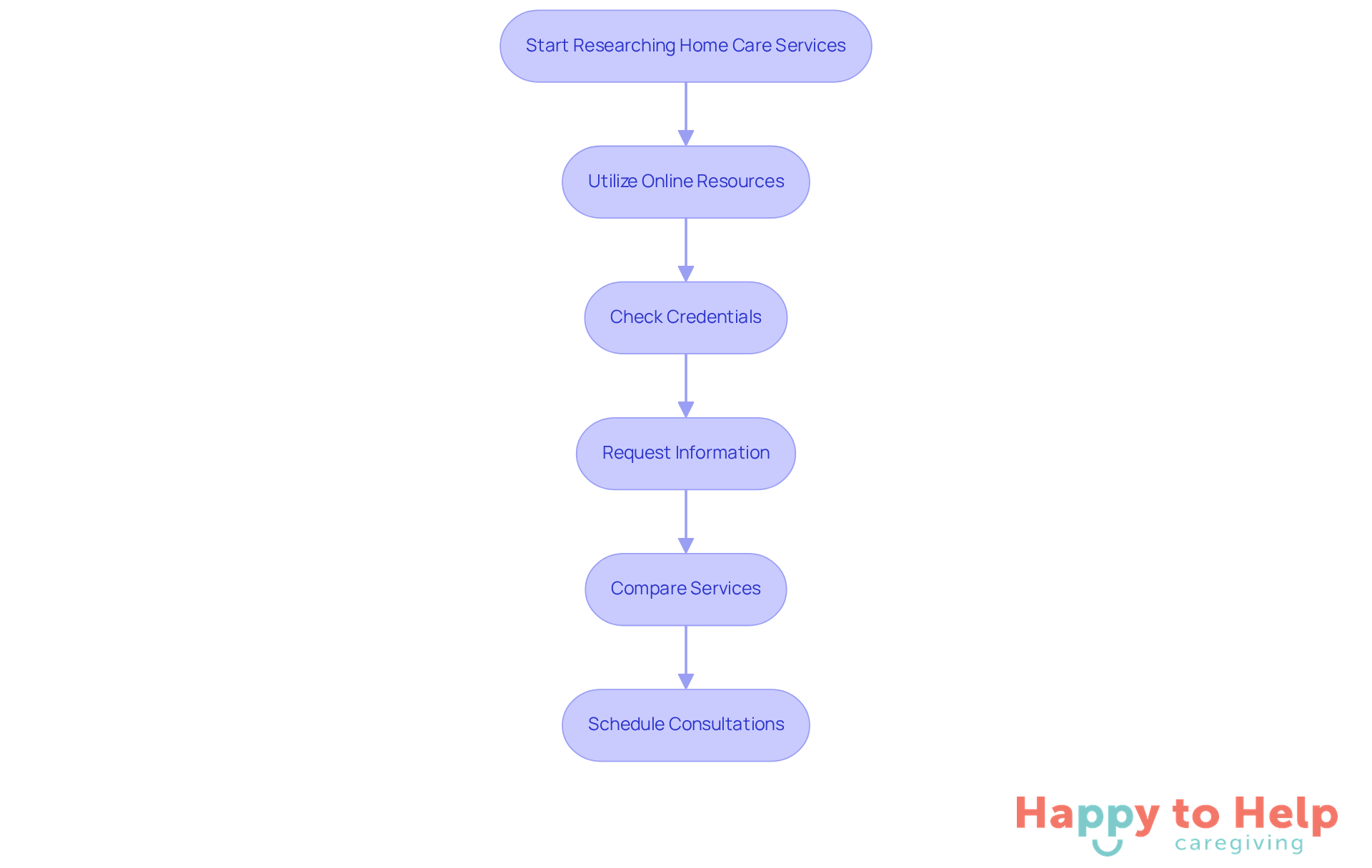
Utilize Online Resources: Start by exploring websites like Yelp, Care.com, and A Place for Mom. These platforms provide lists of local agencies for live in home care near me, complete with reviews and ratings from other families, helping you gauge the quality of services available.
-
Check Credentials: It's crucial to verify that the agencies are licensed and accredited by relevant state or national organizations. This ensures that they meet established quality standards, giving you peace of mind.
-
Request Information: Don’t hesitate to contact multiple agencies to request brochures, service descriptions, and pricing information. This will help you understand what each agency offers and how they align with your needs.
-
Compare Services: Look for differences in the services offered. For instance, some agencies may provide specialized assistance for conditions like Alzheimer’s or post-operative recovery. Assess which agency best meets your loved one's specific needs.
-
Schedule Consultations: Finally, arrange for in-home assessments or consultations with potential providers. This allows you to discuss care plans and get a feel for their approach and compatibility with your family.
Conduct Interviews with Potential Caregivers
Finding the right caregiver for your loved one can be a daunting task. The implications of this challenge can affect not only the quality of care but also the well-being of your family member. To help you navigate this process, consider the following steps:
-
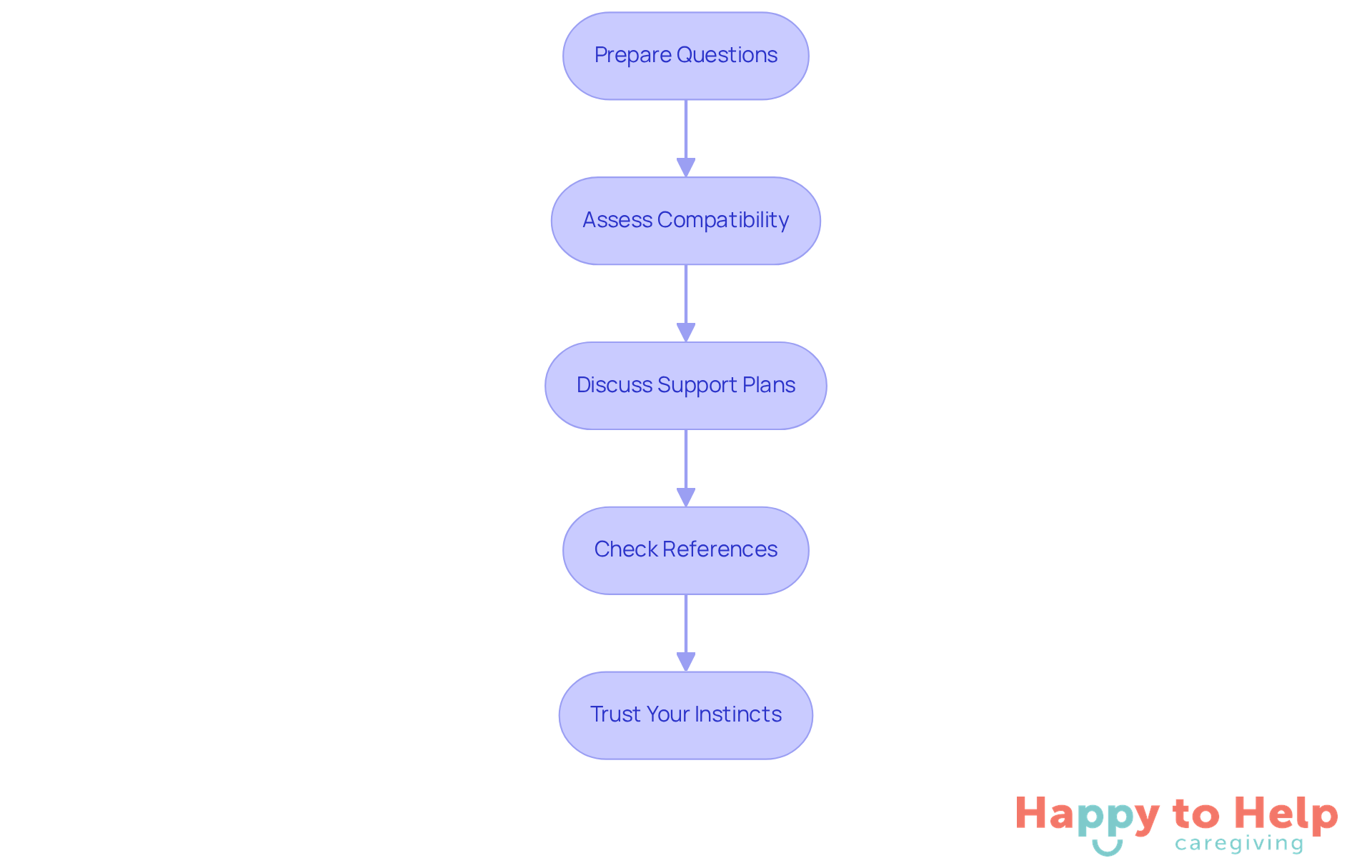
Prepare Questions: Develop a list of questions that cover their experience, training, and approach to caregiving. Examples include:
- What motivated you to become a caregiver?
- Can you describe your experience with clients who have similar requirements?
- How do you handle emergencies or challenging situations?
-
Assess Compatibility: Pay attention to how the provider interacts with your loved one during the interview. Their ability to engage and communicate effectively is crucial.
-
Discuss Support Plans: Inquire how they would go about developing a support plan customized to your loved one's requirements, including daily routines and activities.
-
Check References: After the interview, follow up with references to gain insights into the individual's reliability and quality of care.
-
Trust Your Instincts: Ultimately, choose a caregiver who not only meets the qualifications but also feels like a good fit for your family.
By following these steps, you can ensure that you find a caregiver who provides the best possible support for your loved one.
Your Path Forward
Finding live-in home care services can be a daunting challenge for families. The need for reliable support is crucial for loved ones to thrive at home. Without proper assistance, families may struggle to ensure their relatives receive the care they deserve, impacting their safety and emotional well-being.
This guide highlights the essential aspects of live-in care, emphasizing benefits like continuous support and personalized attention. By understanding these key elements, families can make informed decisions that prioritize their loved ones' needs. It’s vital to consider factors such as caregiver qualifications, compatibility, and agency reputation when selecting the right provider.
To empower families, practical steps for researching local home care services and conducting effective interviews with potential caregivers have been provided. These insights help families find the right match that meets their specific needs and preferences.
Ultimately, the significance of choosing the right live-in home care provider cannot be overstated. This decision impacts not only the quality of care but also the emotional health of seniors and individuals with special needs. By taking the time to evaluate options and engage in thoughtful discussions, families can foster a nurturing environment that enhances independence and joy for their loved ones at home.
https://iframe.tely.ai/cta/eyJhcnRpY2xlX2lkIjogIjY5MjNiNTZmODU4ZTE0MmJhNzFkNjljMCIsICJjb21wYW55X2lkIjogIjY4ZWU1ZGNhNzMxNzYyNTU3ZjNjOTVjMSIsICJpbmRleCI6IG51bGwsICJ0eXBlIjogImFydGljbGUifQ==Frequently Asked Questions
What is live-in home care?
Live-in home care provides continuous support for seniors and individuals with special needs, addressing their daily activity struggles and safety concerns.
What are the benefits of having a live-in caregiver?
Benefits include 24/7 support for immediate assistance, personalized care tailored to individual needs, enhanced emotional well-being through companionship, and a cost-effective alternative to assisted living facilities.
How does live-in care improve safety for seniors?
Live-in support providers are present around the clock, significantly reducing the risk of accidents and providing immediate help when needed, which is crucial for seniors prone to falls.
In what ways can caregivers personalize their services?
Caregivers can adjust their assistance based on the unique needs and preferences of each client, helping seniors maintain their routines and engage in activities they enjoy.
How does companionship from live-in caregivers impact seniors?
The companionship offered by live-in caregivers can greatly improve emotional well-being, reducing feelings of loneliness that many seniors experience.
Is live-in home care a cost-effective option?
Yes, live-in support can be more economical compared to assisted living facilities, allowing families to save on costs while ensuring their loved ones receive dedicated care.
What is the overall impact of live-in home care on seniors' quality of life?
Live-in home care fosters emotional connections and enhances quality of life by providing essential support, encouraging independence, and creating a nurturing atmosphere at home.
List of Sources
- Understand Live-In Home Care and Its Benefits
- Home Care News Brief: September 17, 2025 (https://members.homecarefla.org/news/Details/home-care-news-brief-september-17-2025-289036)
- Benefits of Live-In Care for Seniors (https://careindeed.com/blogs/benefits-of-live-in-care-for-seniors)
- 2025 Home Care Statistics: Trends & Insights To Know (https://premierhcinc.com/blog/home-care-statistics)
- Care to Stay Home Highlights Live-In Caregivers Improving Daily Life in Spokane, WA (https://cbs42.com/business/press-releases/ein-presswire/866934068/care-to-stay-home-highlights-live-in-caregivers-improving-daily-life-in-spokane-wa)
- 52 Eye-Opening Home Health Statistics: Insights for 2025 (https://boosthomehealth.com/home-health-statistics)
- Identify Key Factors for Choosing a Care Provider
- Finding the Right Caregiver Match | Active Day (https://activeday.com/news/finding-the-right-caregiver-match)
- The Importance of Caregiver-Client Relationships in Senior Well-Being (https://homeinstead.com/home-care/usa/in/goshen/588/news-and-media/the-importance-of-caregiver-client-relationships-in-senior-well-being)
- The Caregiving Landscape: Data & Insights on the Caregiver Experience in the U.S. (https://caregiveraction.org/caregiver-statistics)
- Perfect Pairings: Creating Personalized, Highly Compatible Caregiver-Client Matches to Boost Your Bottom Line | Aaniie, formerly Smartcare Software (https://aaniie.com/news/creating-personalized-highly-compatible-caregiver-client-matches-to-boost-bottom-line)
- Caregiver Statistics: Demographics (https://caregiver.org/resource/caregiver-statistics-demographics)
- Research and Compare Local Home Care Services
- 10 Must-Know U.S. Home Care Industry Stats for 2025 - North American Community Hub (https://nchstats.com/us-home-care-industry-stats)
- White Paper: The Future of Home Care: A 2025 Survey of the Home Care Industry & Future Trends (https://axiscare.com/white-papers/access-home-care-industry-survey-and-trends-report)
- Top 5 Home Care Trends of 2025 - Family & Nursing Care (https://familynursingcare.com/top-5-home-care-trends-of-2025)
- From facility to home: How healthcare could shift by 2025 (https://mckinsey.com/industries/healthcare/our-insights/from-facility-to-home-how-healthcare-could-shift-by-2025)
- Home Health Care Trends for 2025 (https://carevoyant.com/home-health-blog/home-health-care-trends-2025)
- Conduct Interviews with Potential Caregivers
- Choosing the Right Senior Caregiver in San Antonio, TX (https://cbs42.com/business/press-releases/ein-presswire/866933575/choosing-the-right-senior-caregiver-in-san-antonio-tx)
- The demand for skilled caregivers and navigating senior care options - AZ Big Media (https://azbigmedia.com/lifestyle/the-demand-for-skilled-caregivers-and-navigating-senior-care-options)
- Finding the Right Caregiver Match | Active Day (https://activeday.com/news/finding-the-right-caregiver-match)
- Caregivers are in crisis. How bad it is depends on where you live, new data shows. (https://ca.news.yahoo.com/caregivers-crisis-bad-depends-where-090225123.html)
- Perfect Pairings: Creating Personalized, Highly Compatible Caregiver-Client Matches to Boost Your Bottom Line | Aaniie, formerly Smartcare Software (https://aaniie.com/news/creating-personalized-highly-compatible-caregiver-client-matches-to-boost-bottom-line)