Find Private In-Home Care Near You: A Step-by-Step Approach

For families in our service areas
For families in our service areas, this guide explains in-home care and how non-medical in-home caregiving can support care planning in East Idaho, Treasure Valley & Magic Valley, Northern Wasatch, North Central West Virginia & Southwestern Pennsylvania, and Northeast Ohio.
The Importance of Find Private In-Home Care Near Me: A
Finding the right private in-home care can be a daunting task. Families face the challenge of ensuring their loved ones receive appropriate care tailored to specific needs, especially as the demand for personalized support services continues to rise. With more seniors wishing to age in place, the implications of inadequate care can be significant, leading to stress and uncertainty for families.
To navigate these complexities, families need a clear approach. This guide offers a step-by-step method to assess care needs effectively and identify the best options available in their area. By empowering families with the right information, we can enhance the quality of life for aging relatives.
How can families effectively assess care needs and identify the best options available in their area? Let's explore practical solutions that can help.
Understand Private In-Home Care Services
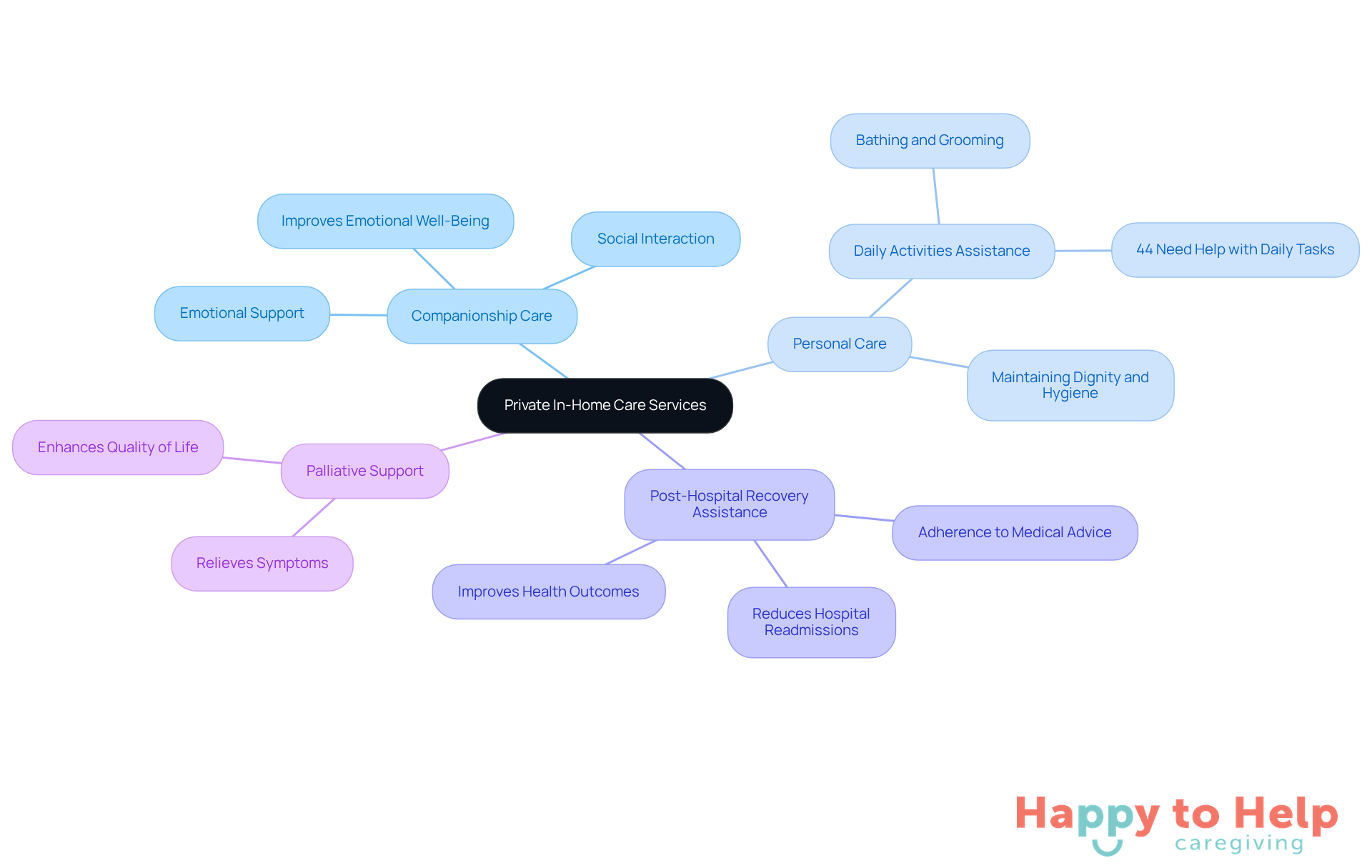
The significant problem of addressing the unique needs of individuals requiring support is tackled by private in-home care near me. Many seniors face feelings of loneliness and a lack of personal care, which can lead to emotional distress and diminished quality of life. In fact, research indicates that companionship support can significantly improve emotional well-being, with numerous seniors reporting increased happiness and reduced feelings of isolation.
To tackle these challenges, various support options are available:
- Companionship Care: This service provides emotional support and social interaction, helping to alleviate loneliness.
- Personal Care: Assistance with daily activities like bathing, dressing, and grooming ensures individuals maintain their dignity and hygiene. Notably, 44% of home support recipients require help with at least one daily task, underscoring the importance of these services.
- Post-Hospital Recovery Assistance: This support is crucial for individuals recovering from surgery or illness, ensuring they adhere to medical advice and manage their recovery effectively. Proper follow-up can reduce hospital readmissions and improve health outcomes.
- Palliative Support: Specialized assistance aimed at relieving symptoms and stress associated with serious illnesses enhances the quality of life for patients and their families.
As of 2025, around 82% of seniors wish to remain in their current residence for as long as possible, highlighting the growing reliance on private in-home care near me. Clients express high satisfaction with their home health services, with 91% reporting contentment with the emotional and physical assistance provided. The benefits of companionship support extend beyond mere social interaction; it plays a vital role in enhancing mental well-being and fostering a sense of belonging among seniors.
By understanding these categories, families can more effectively determine which services align with their loved ones' needs, ensuring a tailored and efficient approach to support.
Assess Your Care Needs and Preferences
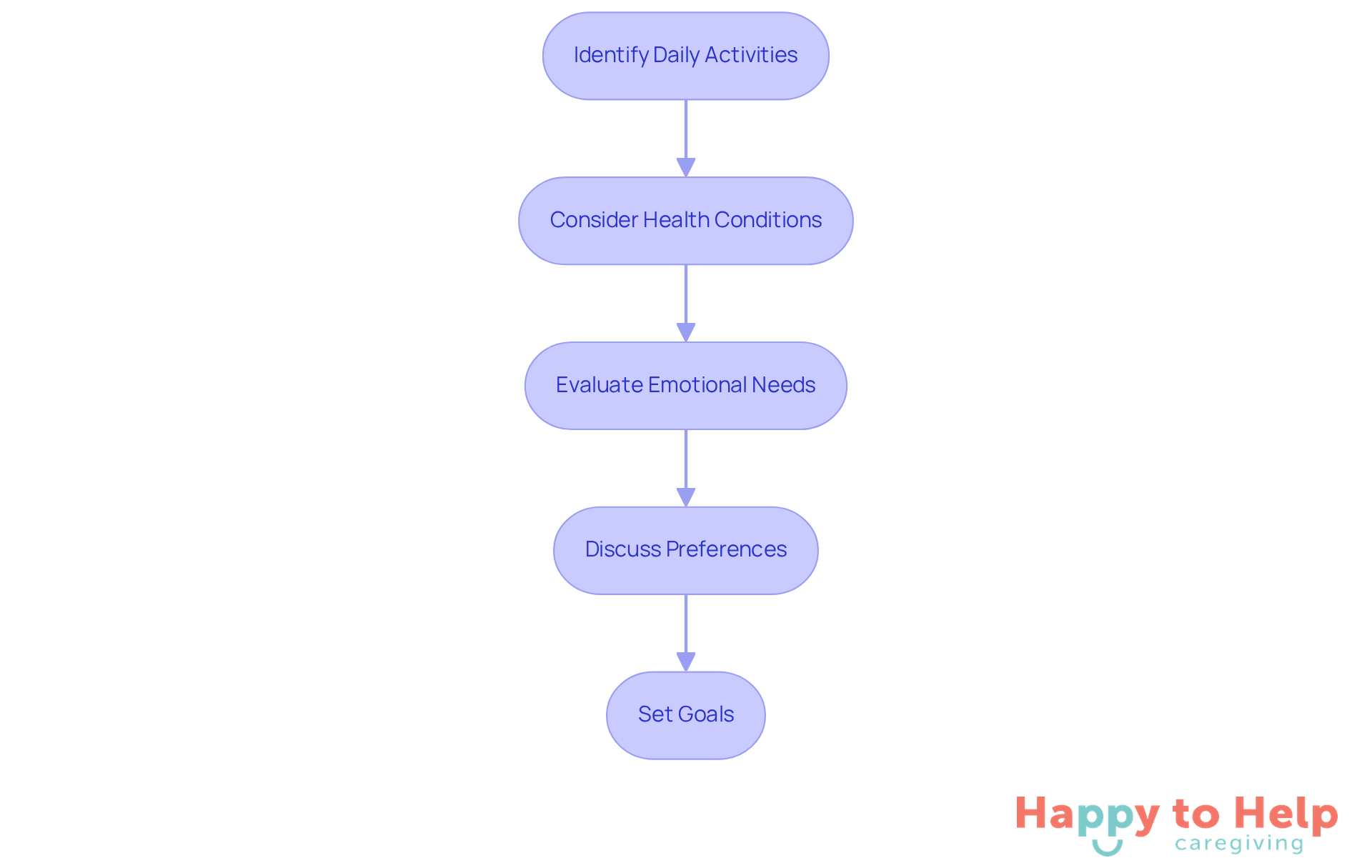
To effectively assess your loved one's care needs and preferences, it's crucial to follow these essential steps:
-
Identify Daily Activities: Start by listing the daily tasks your loved one struggles with, such as bathing, meal preparation, or medication management. This helps pinpoint specific areas where assistance is needed.
-
Consider Health Conditions: Take into account any medical conditions that may require specialized attention, like dementia, mobility issues, or chronic illnesses. Understanding these needs is vital for developing an appropriate care plan. Recent statistics reveal that nearly half of older adults worldwide struggle with daily tasks, underscoring the importance of this assessment.
-
Evaluate Emotional Needs: Reflect on the emotional support your loved one may require. Companionship and social interaction are essential for mental well-being, and recognizing these needs can significantly enhance their quality of life. Notably, social withdrawal can signal cognitive decline, making it crucial to address these emotional aspects.
-
Discuss Preferences: Engage your loved one in conversations about their preferences regarding caregivers. Consider factors such as gender, personality traits, and specific interests to ensure a comfortable and trusting relationship.
-
Set Goals: Establish clear objectives for what you hope to achieve with in-home support. Whether it's improving independence, enhancing quality of life, or ensuring safety, having defined goals will guide the support process. As Steve Barlam, a social worker with extensive experience in geriatric support, notes, family members often wait for significant problems to arise before seeking assistance, highlighting the urgency of this evaluation.
This thorough evaluation provides a clear understanding of the type of support needed, which facilitates effective communication of these requirements to potential providers of private in-home care near me. Addressing both physical and emotional needs is essential for fostering a supportive environment that promotes well-being and independence.
Research and Evaluate Caregiving Options
When exploring caregiving options, it’s essential to navigate the challenges effectively to find the right support for your loved one. Many families struggle with this process, often feeling overwhelmed by the choices available. With around 75% of seniors wishing to age in place, the need for tailored home assistance services is more pressing than ever. Additionally, a projected 22% increase in demand for home care services by 2034 highlights the urgency of making informed decisions.
-
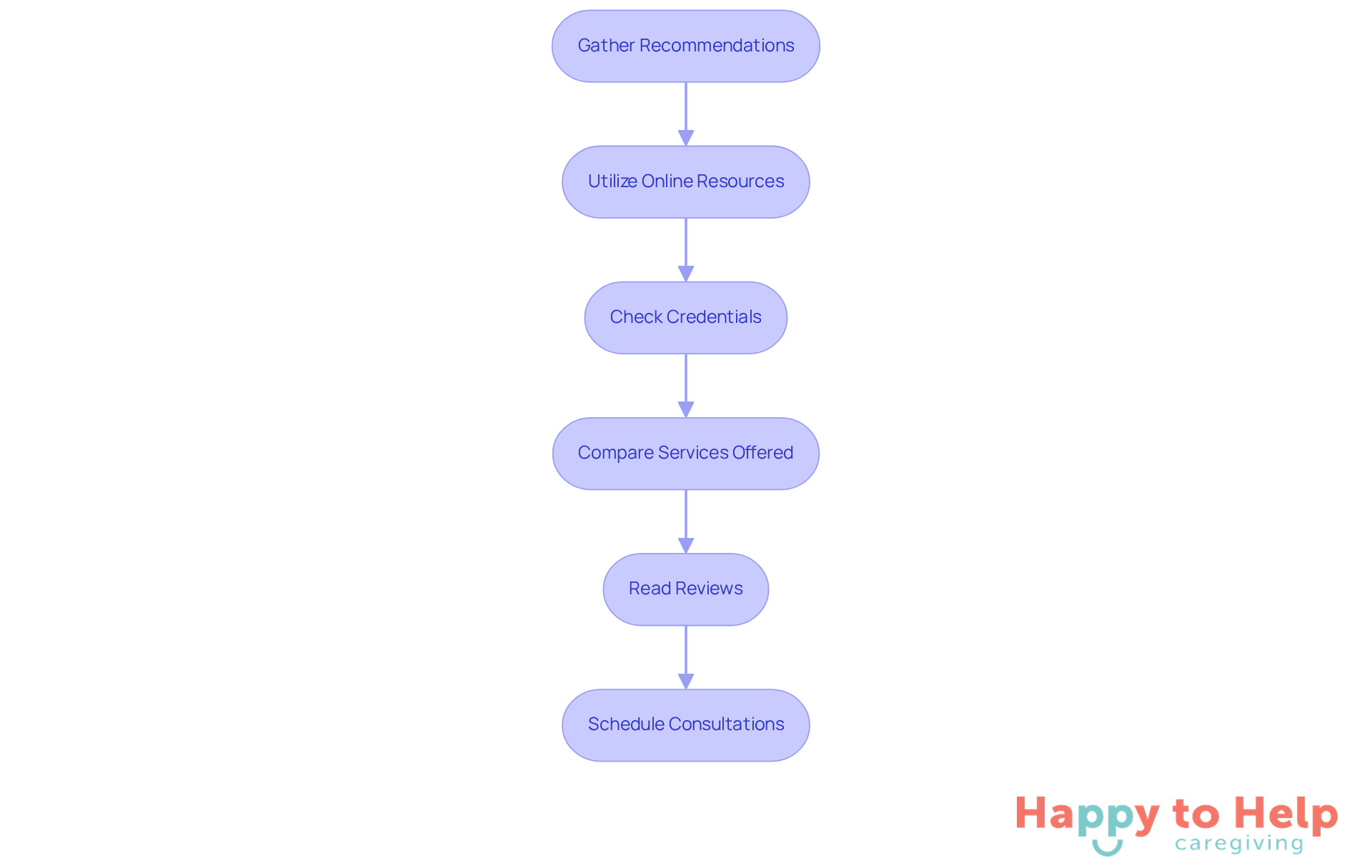
Gather Recommendations: Start by consulting friends, family, or healthcare professionals for trusted suggestions on reputable agencies or support providers. Personal insights can guide you toward reliable options.
-
Utilize Online Resources: Leverage platforms like Care.com and Yelp, which offer comprehensive lists of local agencies along with reviews and ratings from other families. Keep an eye on the forthcoming U.S. News Best Home Health ratings launching in 2026, which will provide families with data-supported advice for choosing support providers.
-
Check Credentials: Ensure that any agency or caregiver you consider is licensed, insured, and has undergone thorough background checks. This step is crucial for ensuring safety and professionalism in assistance.
-
Compare Services Offered: Look for agencies that provide the specific services your loved one needs, such as specialized assistance for chronic conditions. Customized services can greatly improve the quality of support.
-
Read Reviews: Pay close attention to testimonials and reviews from other families. These insights can provide a clearer picture of the quality of care and the experiences of others.
-
Schedule Consultations: After narrowing down your options, arrange consultations with potential caregivers or agencies. This allows you to discuss your loved one's needs and assess compatibility, ensuring a good fit.
By following these steps, you can confidently choose a provider who meets your expectations and offers the necessary support.
Conduct Interviews and Select the Right Caregiver
To effectively interview and select the right caregiver, families often face significant challenges. Finding a caregiver through private in-home care near me who not only meets the practical needs of a loved one but also fosters a meaningful connection can be daunting. This is crucial, as positive caregiver-client relationships significantly enhance emotional, mental, and physical health outcomes for seniors.
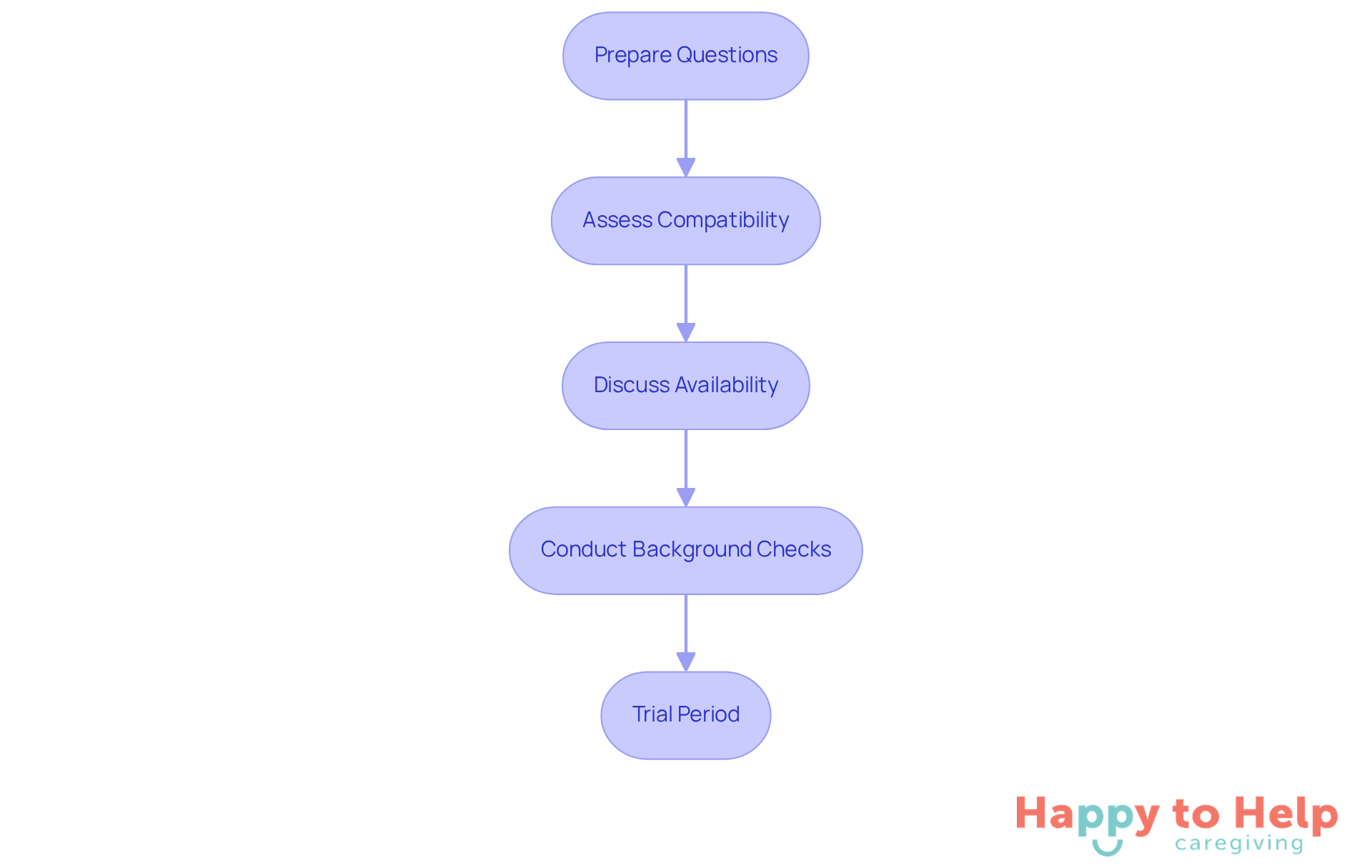
Steps to Select the Right Caregiver:
-
Prepare Questions: Create a comprehensive list of inquiries that focus on the provider's experience, training, and care philosophy. Essential inquiries might include:
- What experience do you have with clients who have similar needs?
- How do you handle emergencies or unexpected situations?
- Can you provide references from previous clients?
-
Assess Compatibility: During the interview, observe the attendant's demeanor and communication style. A strong bond with your significant other is crucial. As noted, "the quality of caregiver-client relationships significantly impacts seniors' emotional, mental, and physical health."
-
Discuss Availability: Confirm that the provider's schedule aligns with your loved one's needs. Consistency in care allows for the development of routines, which are vital for effective caregiving. This consistency fosters familiarity and comfort for the senior.
-
Conduct Background Checks: If hiring independently, perform thorough background checks to verify the qualifications and reliability of the provider. This step is essential for ensuring safety and trust.
-
Trial Period: Implement a trial period to evaluate how well the assistant integrates into your loved one's daily routine and whether they meet expectations. This approach allows for adjustments based on real-world interactions. It is important to ensure that the supporter creates an emotionally safe environment, allowing seniors to express their thoughts without judgment.
By following these steps, families can confidently choose a provider for private in-home care near me, who not only offers necessary support but also nurtures a meaningful connection, enhancing the overall caregiving experience. As caregiving professionals emphasize, "positive caregiver-client relationships contribute to better emotional resilience and can slow dementia progression.
Create a Care Plan and Maintain Communication
Creating an effective care plan is crucial for caregivers, yet many face challenges in maintaining clear communication and organization. Without a structured approach, caregivers may struggle to meet the needs of their loved ones, leading to confusion and inadequate support.
To address these issues, consider the following actionable steps:
-
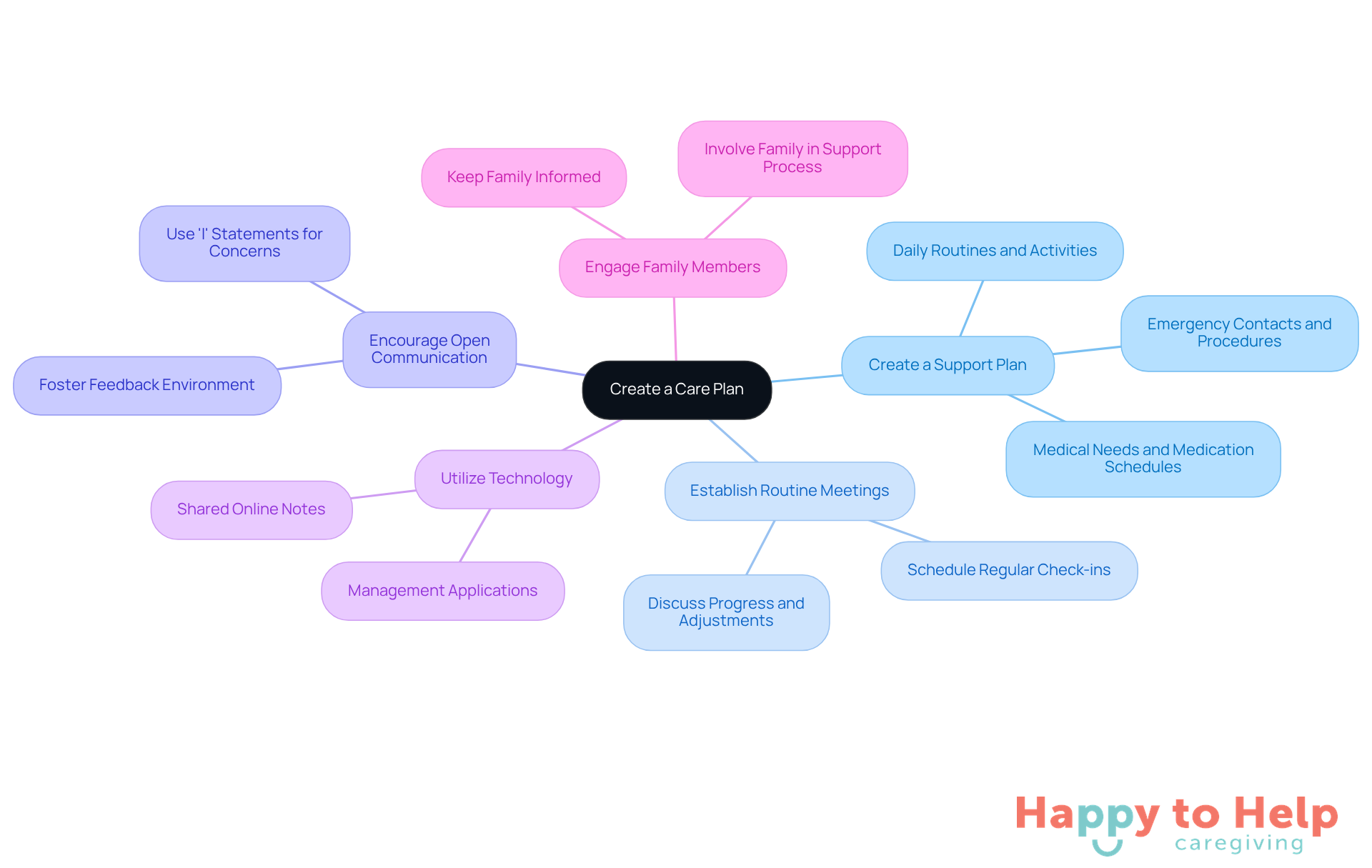
Create a Support Plan: Collaborate with the person providing assistance to develop a comprehensive support plan. This plan should specify particular tasks, timelines, and objectives, including:
- Daily routines and activities
- Medical needs and medication schedules
- Emergency contacts and procedures
-
Establish Routine Meetings: Schedule regular meetings with the support provider to discuss progress, address any issues, and adjust the assistance plan as necessary.
-
Encourage Open Communication: Foster an environment where both the caregiver and your loved one feel comfortable sharing feedback and concerns. This openness can significantly enhance the quality of assistance provided.
-
Utilize Technology: Leverage technology, such as management applications or shared online notes, to keep track of assistance activities and updates.
-
Engage Family Members: Keep family members informed and involved in the support process. This ensures everyone is aligned and can contribute effectively.
By establishing a clear care plan and maintaining open lines of communication, families can ensure that their loved one receives the best possible care.
Taking the Next Steps
Finding the right private in-home care services can be a daunting challenge for families. The well-being and happiness of loved ones who require support hinge on this crucial decision. Without proper guidance, families may struggle to navigate the complexities of selecting appropriate care options, leading to stress and uncertainty.
To address this issue, it’s essential to understand the various types of in-home care services available. Assessing specific care requirements is a vital step in this process. Families should engage in meaningful conversations with their loved ones to identify preferences and establish clear goals for care. This not only fosters a sense of involvement but also ensures that the care provided aligns with individual needs.
Building strong caregiver-client relationships is another key aspect that can significantly enhance emotional and physical health outcomes. When caregivers and clients connect on a personal level, it creates a nurturing environment that promotes well-being.
Ultimately, the journey to find suitable in-home care should be approached with diligence and compassion. By following these outlined steps, families can ensure their loved ones receive the necessary support while fostering a nurturing environment. Taking action now can lead to improved quality of life for seniors and peace of mind for families, reinforcing the vital role that private in-home care plays in maintaining independence and emotional well-being.
https://iframe.tely.ai/cta/eyJhcnRpY2xlX2lkIjogIjY5M2Y3NWFhNDg1MDUzNmE1M2JjNDRjNCIsICJjb21wYW55X2lkIjogIjY4ZWU1ZGNhNzMxNzYyNTU3ZjNjOTVjMSIsICJpbmRleCI6IG51bGwsICJ0eXBlIjogImFydGljbGUifQ==Frequently Asked Questions
What are private in-home care services?
Private in-home care services provide support to individuals, particularly seniors, addressing their unique needs for companionship, personal care, recovery assistance, and palliative support.
How does companionship care benefit seniors?
Companionship care offers emotional support and social interaction, helping to alleviate feelings of loneliness and significantly improving seniors' emotional well-being.
What kind of personal care services are available?
Personal care services assist with daily activities such as bathing, dressing, and grooming, ensuring individuals maintain their dignity and hygiene.
Why is post-hospital recovery assistance important?
Post-hospital recovery assistance helps individuals adhere to medical advice and manage their recovery effectively, which can reduce hospital readmissions and improve overall health outcomes.
What is palliative support?
Palliative support provides specialized assistance aimed at relieving symptoms and stress associated with serious illnesses, enhancing the quality of life for both patients and their families.
What do statistics say about seniors' preferences for in-home care?
As of 2025, around 82% of seniors wish to remain in their current residence for as long as possible, indicating a growing reliance on private in-home care services.
How satisfied are clients with home health services?
Clients express high satisfaction with home health services, with 91% reporting contentment with the emotional and physical assistance provided.
What steps should be taken to assess a loved one's care needs?
To assess care needs, identify daily activities your loved one struggles with, consider any health conditions, evaluate emotional needs, discuss preferences regarding caregivers, and set clear goals for in-home support.
Why is it important to consider emotional needs in care assessments?
Recognizing emotional needs is crucial for enhancing the quality of life, as companionship and social interaction are essential for mental well-being, and social withdrawal can indicate cognitive decline.
What role do family members play in evaluating care needs?
Family members should engage in conversations with their loved ones about their care preferences and needs, and establish clear objectives for the support they hope to achieve.
List of Sources
- Understand Private In-Home Care Services
- Home Care Industry Trends to Watch in 2025 (https://firstlighthomecare.com/blog/home-care-industry-trends)
- 52 Eye-Opening Home Health Statistics: Insights for 2025 (https://boosthomehealth.com/home-health-statistics)
- Home Care’s ‘Game Changer’: Expanding Into Complex Care Service Lines (https://homehealthcarenews.com/2025/11/home-cares-game-changer-expanding-into-complex-care-service-lines)
- 2025 Home Care Statistics: Trends & Insights To Know (https://premierhcinc.com/blog/home-care-statistics)
- What's Next and Why Should You Care: The Future of Private Pay Home Care (https://activatedinsights.com/articles/future-of-home-care)
- Assess Your Care Needs and Preferences
- Guide to Taking Care of Aging Parents and Family Members (https://arnothealth.org/news/guide-to-taking-care-of-aging-parents-and-family-members)
- How to Assess if an Older Adult Needs Caregiving Help (https://aarp.org/caregiving/home-care/assessing-need-for-caregiver)
- Aging in Place: Growing Older at Home (https://nia.nih.gov/health/aging-place/aging-place-growing-older-home)
- Caring for an Aging Parent (https://urmc.rochester.edu/news/publications/health-matters/caring-for-an-aging-parent)
- Nearly half of older adults worldwide struggle with daily tasks, study reveals (https://mcknights.com/news/nearly-half-of-older-adults-worldwide-struggle-with-daily-living-activities-study-reveals)
- Research and Evaluate Caregiving Options
- Home Care Industry Trends to Watch in 2025 (https://firstlighthomecare.com/blog/home-care-industry-trends)
- The National Alliance for Caregiving and AARP Release Caregiving Report - CAPC - News Bites (https://capc.org/blog/new-data-on-family-caregivers-in-the-us)
- U.S. News to Debut Best Home Health Ratings in 2026 (https://usnews.com/info/blogs/press-room/articles/2025-11-03/u-s-news-to-debut-best-home-health-ratings-in-2026)
- In-Home Care for Seniors - Caregiving News and Tips (https://aarp.org/caregiving/home-care)
- Conduct Interviews and Select the Right Caregiver
- Caregiver Statistics: Demographics (https://caregiver.org/resource/caregiver-statistics-demographics)
- The Importance of Caregiver-Client Relationships in Senior Well-Being (https://homeinstead.com/home-care/usa/in/goshen/588/news-and-media/the-importance-of-caregiver-client-relationships-in-senior-well-being)
- Number of family caregivers helping older adults with dementia surged over 11-year span: study (https://mcknights.com/news/number-of-family-caregivers-helping-older-adults-with-dementia-surged-over-11-year-span-study)
- Number of Family Caregivers Supporting Older Adults Increased Nearly One-Third Between 2011 and 2022 | Johns Hopkins Bloomberg School of Public Health (https://publichealth.jhu.edu/2025/number-of-family-caregivers-supporting-older-adults-increased-nearly-one-third-between-2011-and-2022)
- Create a Care Plan and Maintain Communication
- Caregiver Statistics: Demographics (https://caregiver.org/resource/caregiver-statistics-demographics)
- Essential Guide For Creating Effective Senior Care Plans - Purview Life (https://purviewlife.com/essential-guide-for-creating-effective-senior-care-plans)
- The Importance of Effective Communication in Caregiving (https://familycaregiversonline.net/the-importance-of-effective-communication-in-caregiving)
- The Importance of Effective Communication in Home Care (https://blog.nevvon.com/the-importance-of-effective-communication-in-home-care)