
What to Expect
Finding the right senior caregiver for your loved one can feel overwhelming. It’s essential to start by understanding their specific care needs and preferences. This journey begins with a heartfelt assessment of what they truly require.
Next, take the time to research local caregiver services. Look for providers who resonate with your loved one’s needs. Interviewing potential caregivers is a crucial step. It’s not just about qualifications; it’s about finding someone who connects with your family member on a personal level.
This article offers a systematic approach to help you through this process. It emphasizes evaluating health conditions and exploring online resources. Most importantly, it highlights the significance of ensuring compatibility through interviews. This thoughtful approach will empower you to make informed decisions, leading to a suitable caregiver selection.
Remember, you’re not alone in this journey. Many families face similar challenges, and there are compassionate caregivers ready to support you and your loved one. Take a deep breath, and know that with the right steps, you can find the care that brings peace of mind.
What You Need to Know About Find Senior Caregivers Near Me: Steps
Finding the right caregiver for a loved one can feel like an emotional journey, filled with both heartwarming moments and practical challenges. The well-being of seniors often depends on the quality of care they receive, making it essential to navigate this process with care and thoughtfulness. This guide offers vital steps to help you:
- Identify specific care needs
- Research local services
- Select the most suitable caregiver
Our goal is to ensure that families can provide the support their loved ones truly deserve.
But how do you balance personal preferences with professional qualifications? It’s a question many face, and it’s important to remember that you’re not alone in this journey. The emotional weight of finding the right fit can be overwhelming, but there are compassionate solutions available to help ease your concerns.
Assess Care Needs and Preferences
-
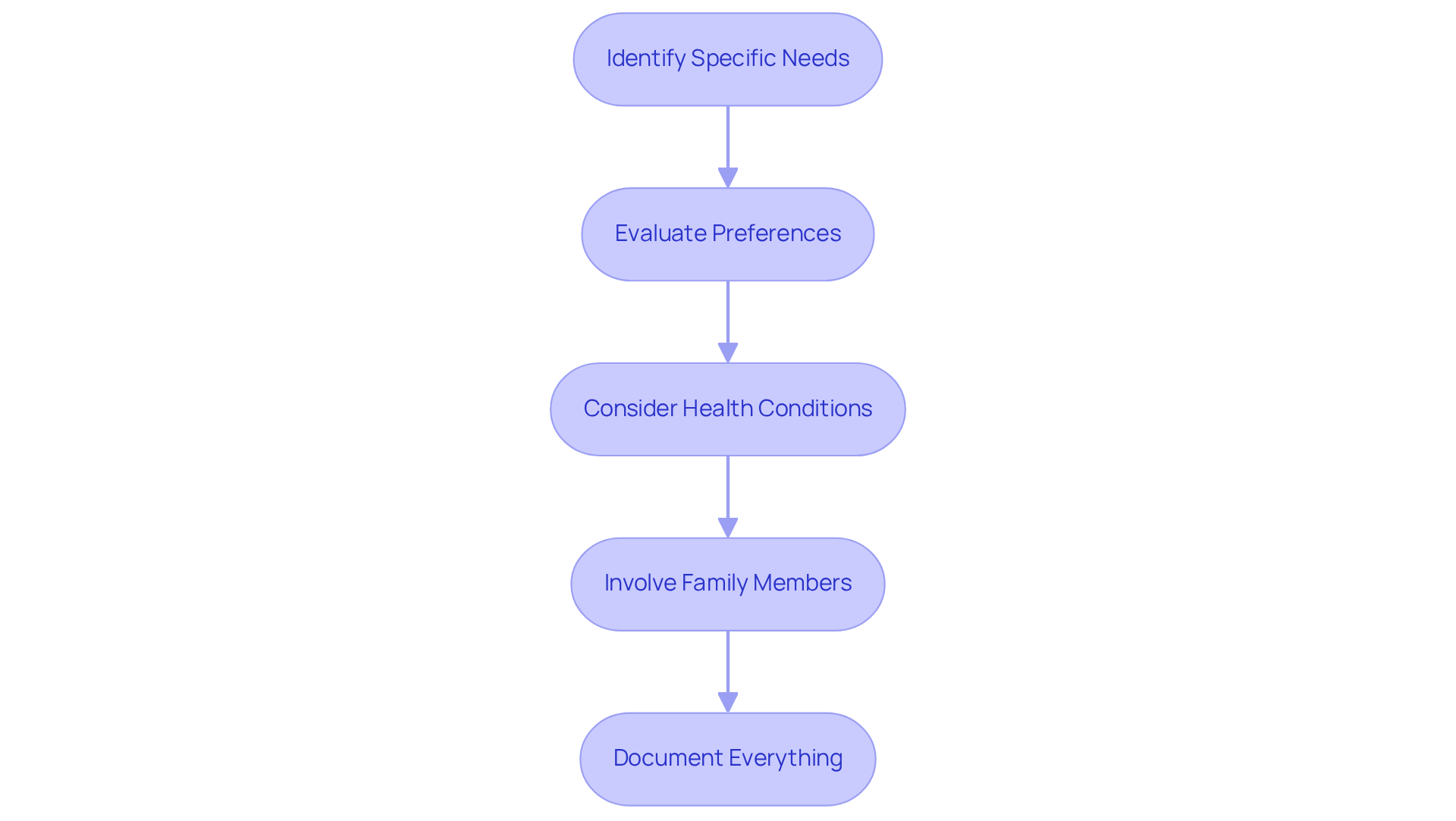
Identify Specific Needs: Start by taking a moment to list the daily activities and medical requirements of your loved one. Think about their mobility, medication management, personal hygiene, and the companionship they might need. A checklist can be a helpful tool to ensure that no area is overlooked, providing peace of mind.
-
Evaluate Preferences: Have an open conversation with your family member about their preferences for support providers. Discuss aspects like gender, age, and personality traits that make them feel comfortable. It’s essential to understand their social and emotional needs, as this can significantly impact their well-being.
-
Consider Health Conditions: Be mindful of any specific health conditions that may require specialized attention, such as dementia, diabetes, or mobility issues. This awareness will guide you in finding individuals who possess the right qualifications and experience to provide the care they need.
-
Involve Family Members: Bring family members into the conversation to gather various perspectives. This collaborative approach ensures that everyone shares the same understanding of care expectations, fostering a supportive environment.
-
Document Everything: Keep a detailed record of the needs and preferences identified during this assessment. This documentation will be invaluable when discussing options with potential providers or agencies, ensuring that your loved one’s unique needs are met.
Research Local Caregiver Services
-
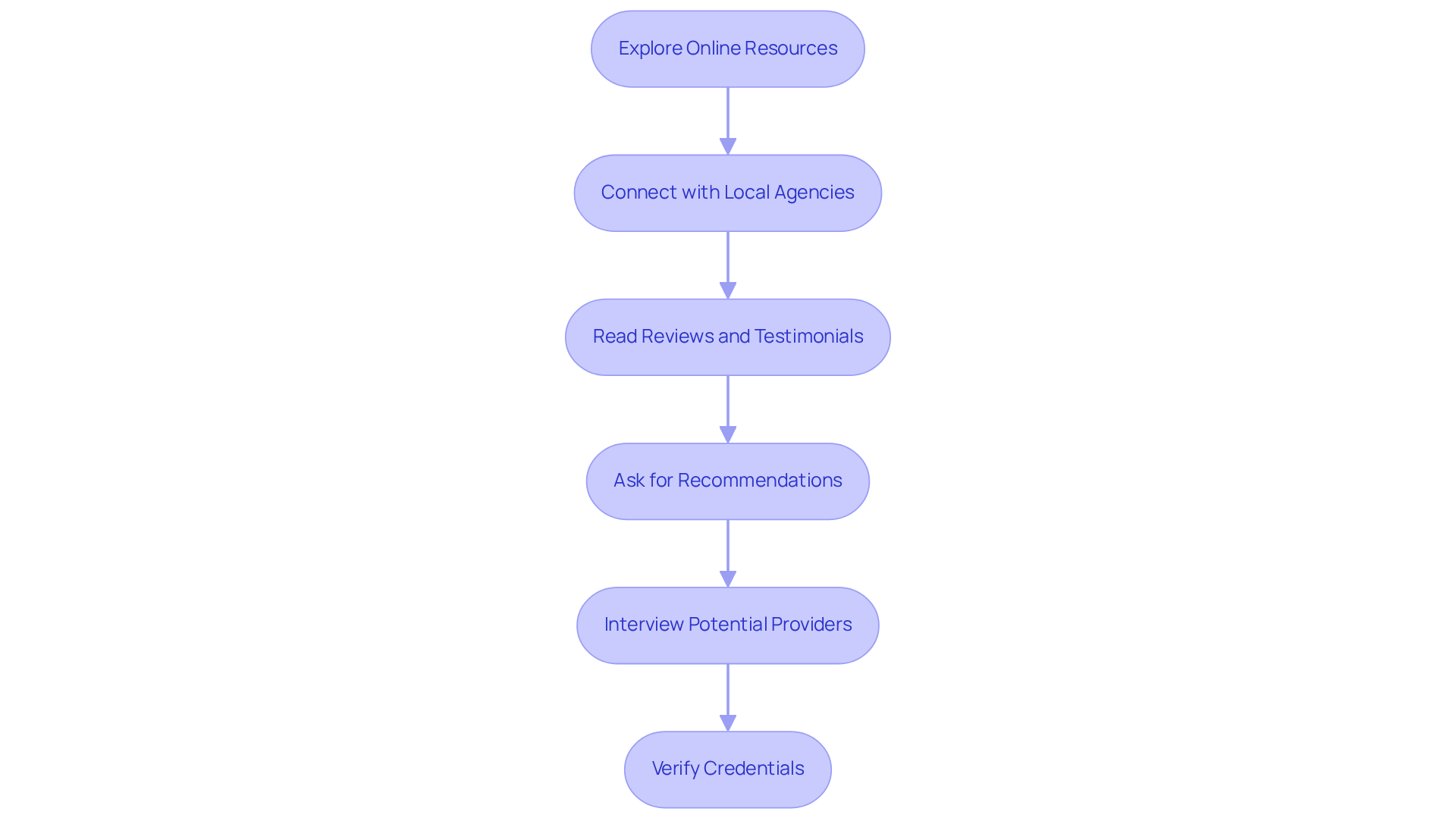
Explore Online Resources: Start your journey by looking into online directories and support platforms like Care.com or A Place for Mom. These resources allow you to filter providers, such as senior caregivers near me, based on your location, the services they offer, and feedback from other families, making it easier to find the right fit for your loved one.
-
Connect with local agencies, such as senior caregivers near me, and don’t hesitate to reach out to nearby home assistance organizations like Happy to Help Caregiving. They specialize in personalized in-home support. Inquire about their services, the qualifications of their staff, and their availability to ensure they can meet your needs.
-
Read Reviews and Testimonials: Take some time to look for reviews on platforms like Yelp or Google. Hearing about the experiences of other families can provide valuable insights. Pay close attention to comments about provider reliability, professionalism, and the quality of care they deliver.
-
Ask for Recommendations: Turn to friends, family, or healthcare professionals for their recommendations. Personal suggestions often lead to discovering senior caregivers near me who can provide the care your loved one deserves.
-
Interview Potential Providers: After creating a shortlist, arrange interviews with potential providers or agency representatives. Prepare a thoughtful list of questions that address your loved one's specific needs and preferences. This will help you assess compatibility and experience, ensuring a good match.
-
Verify Credentials: It’s essential to confirm that the individuals you consider have the necessary certifications and background checks. This step is crucial for ensuring the safety and quality of care your loved one will receive.
Interview and Evaluate Caregivers
-
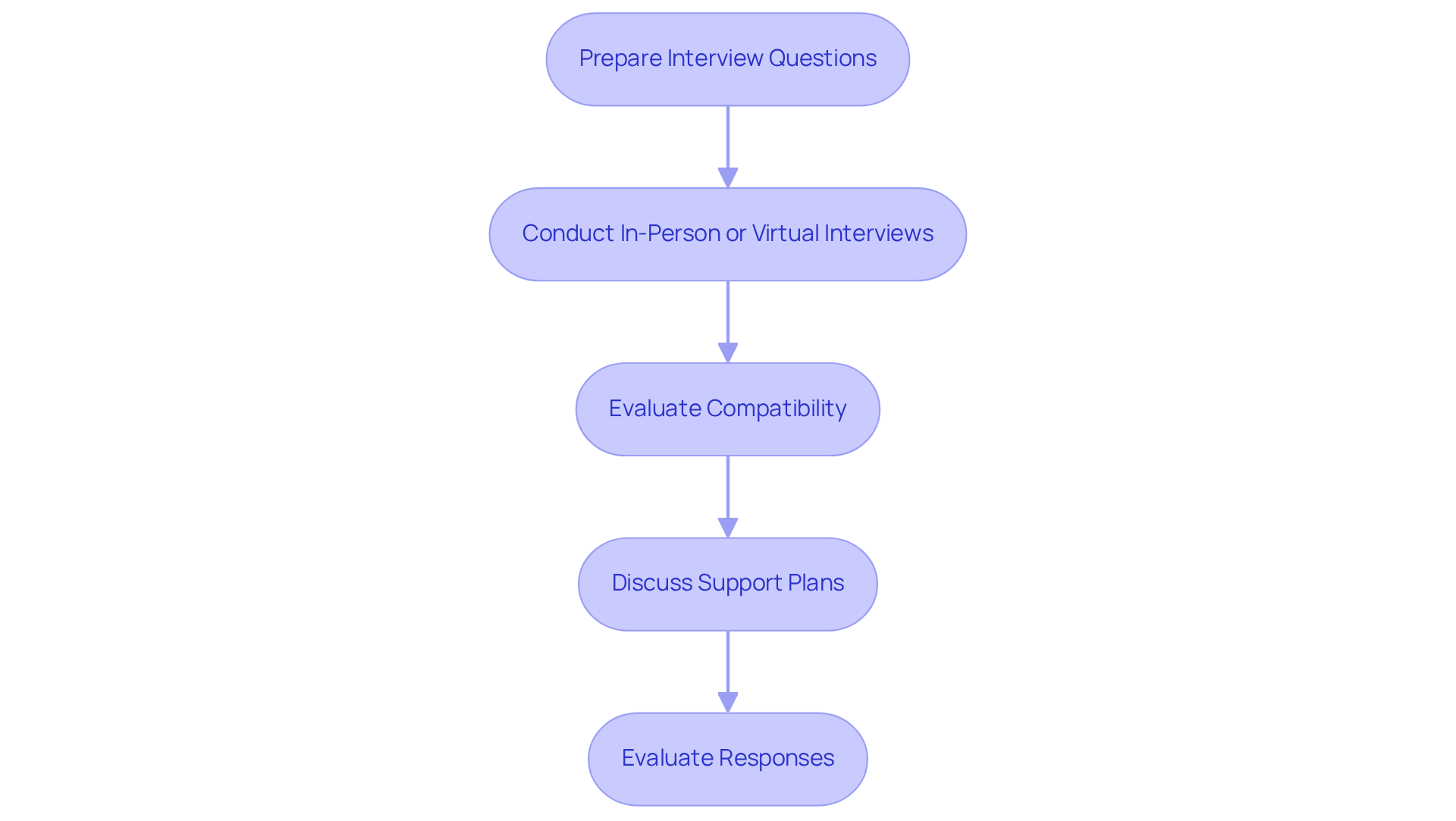
Prepare Interview Questions: Start by crafting a thoughtful list of questions that touch on vital topics like experience, training, availability, and caregiving approach. Consider asking:
- What experience do you have with clients who share similar needs?
- How do you manage challenging situations or emergencies?
- Can you share references from previous clients?
-
Conduct In-Person or Virtual Interviews: Set up interviews to take place either in person or through a video call. This personal touch fosters a deeper connection and helps you assess the provider's demeanor and communication style.
-
Evaluate Compatibility: During the interview, observe how the provider interacts with your family member. Look for signs of empathy, patience, and understanding. Finding the right fit is essential for a successful caregiving relationship.
-
Discuss Support Plans: Engage prospective providers in a conversation about how they would create a support plan tailored to your family member’s unique needs. This dialogue can shed light on their grasp of personalized care and their readiness to adapt to specific requirements.
-
Evaluate Responses: After the interviews, gather feedback from family members and your loved one (if possible) about their impressions of each support worker. This collaborative approach can be invaluable in making the final decision.
Finalize Caregiver Selection and Agreement
-
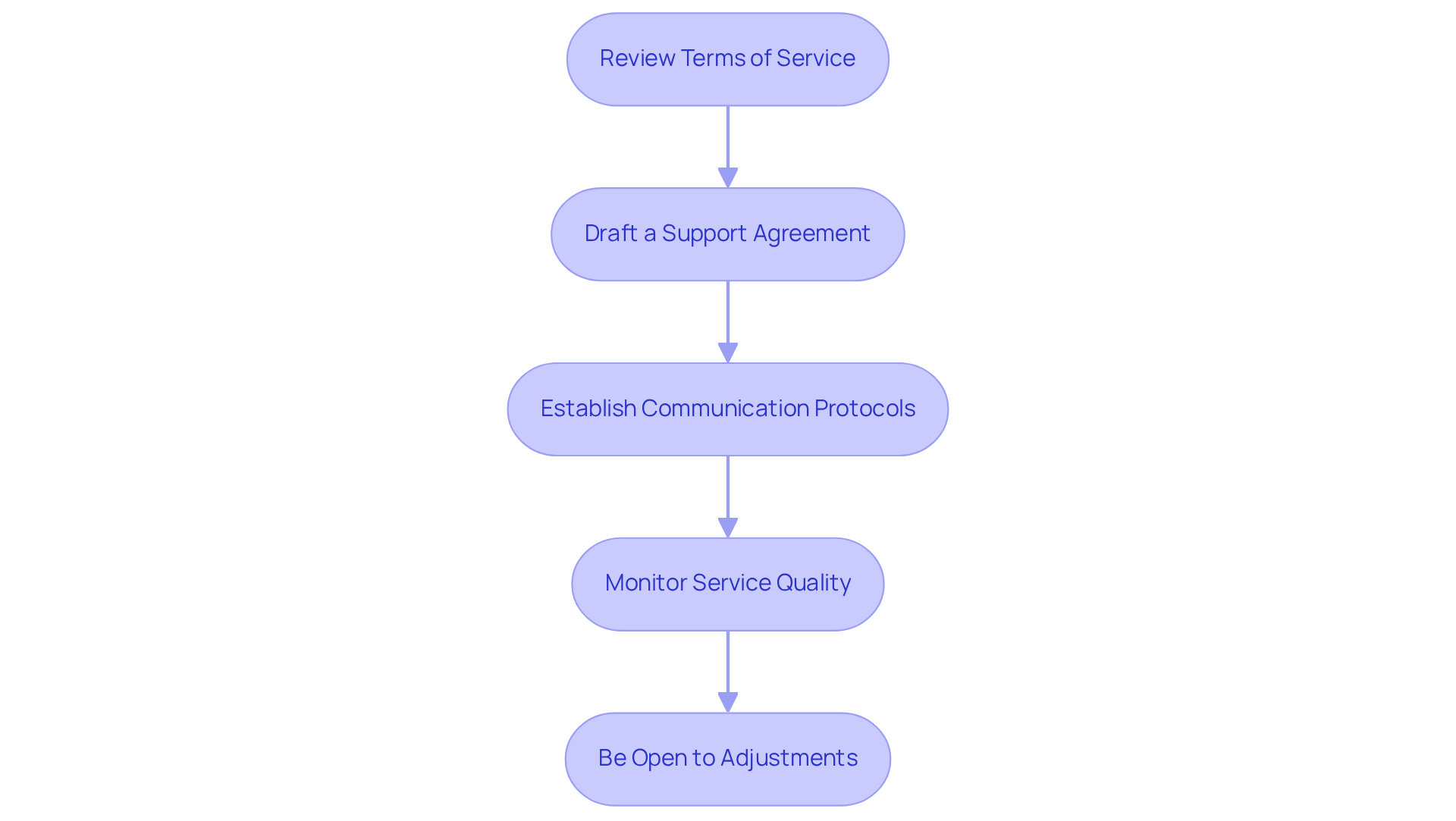
Review Terms of Service: It’s important to sit down and discuss the terms of service with your chosen provider or agency. Make sure that everything is clearly defined—like hours, duties, and payment—so there are no surprises down the road.
-
Draft a Support Agreement: Creating a written contract can really help clarify things. Detail the attendant's responsibilities, payment rates, and any specific assistance instructions. Having both parties sign this document formalizes the arrangement and brings peace of mind.
-
Establish Communication Protocols: Setting up regular check-ins and communication methods is essential. This way, you can discuss progress and any concerns that may come up. Keeping everyone informed helps everyone feel involved in the caregiving process.
-
Monitor Service Quality: Once the provider starts working, it’s crucial to regularly evaluate the quality of assistance being offered. Encourage open dialogue with both the helper and your family member to address any concerns quickly and effectively.
-
Be Open to Adjustments: Flexibility is key. Be ready to make changes to the support plan or caregiver setup as needed. This openness ensures that your loved one receives the best possible care, tailored to their evolving needs.
Taking the Next Steps
Finding the right senior caregiver is more than just a task; it’s a heartfelt journey to ensure that your loved ones receive the support they truly need. This process starts with a thoughtful assessment of their care needs, preferences, and health conditions. It’s essential to involve family members and document vital information, creating a comprehensive approach to selecting a caregiver who not only meets practical requirements but also resonates with the emotional and social needs of the individual.
Key steps like exploring online resources, reading reviews, and conducting thorough interviews are crucial in narrowing down your options. Evaluating compatibility and establishing clear communication protocols can significantly enhance the caregiver selection process. When you finalize the agreement with a detailed support plan, it ensures that everyone is aligned, paving the way for a nurturing caregiving relationship.
Ultimately, the journey to find a senior caregiver is about fostering dignity, respect, and companionship for those who require assistance. It’s about making informed decisions and being open to adjustments as needs evolve, which can greatly improve the quality of care. Taking the time to follow these steps not only benefits the elderly but also brings peace of mind to families, reinforcing the importance of compassionate and personalized care. Remember, you’re not alone in this journey; there are resources and support systems available to help you every step of the way.
https://iframe.tely.ai/cta/eyJhcnRpY2xlX2lkIjogIjY5MTEyYjEyNjVjODdiODNkNDg4MjdmMCIsICJjb21wYW55X2lkIjogIjY4ZWU1ZGNhNzMxNzYyNTU3ZjNjOTVjMSIsICJpbmRleCI6IG51bGwsICJ0eXBlIjogImFydGljbGUifQ==Frequently Asked Questions
What is the first step in assessing care needs for a loved one?
The first step is to identify specific needs by listing daily activities and medical requirements, such as mobility, medication management, personal hygiene, and companionship.
How can I evaluate my loved one's preferences for support providers?
Have an open conversation with your family member about their preferences regarding support providers, including aspects like gender, age, and personality traits that make them feel comfortable.
Why is it important to consider health conditions when assessing care needs?
Considering health conditions is crucial because specific conditions, such as dementia, diabetes, or mobility issues, may require specialized attention and guide you in finding qualified individuals to provide the necessary care.
Should I involve other family members in the assessment process?
Yes, involving family members is important as it gathers various perspectives and ensures that everyone has a shared understanding of care expectations, fostering a supportive environment.
What should I do with the information gathered during the assessment?
It is important to document everything, keeping a detailed record of the identified needs and preferences, which will be invaluable when discussing options with potential providers or agencies.