
The Importance of Find the Best Domiciliary Care
As the demand for in-home support rises, families face a pressing challenge: finding reliable domiciliary care companies. This search is critical for those wanting to maintain the independence and well-being of their loved ones. The implications of this challenge can be significant, as inadequate care can lead to increased stress and anxiety for both caregivers and recipients.
To navigate this complex landscape, this guide offers a comprehensive approach. It highlights essential steps to identify, evaluate, and select the best services tailored to individual needs. With numerous options available, families must ensure they choose a provider that not only meets practical requirements but also fosters a genuine connection with their loved ones. By following the actionable tips outlined here, caregivers can make informed decisions that enhance the quality of care.
Understand Domiciliary Care and Its Importance
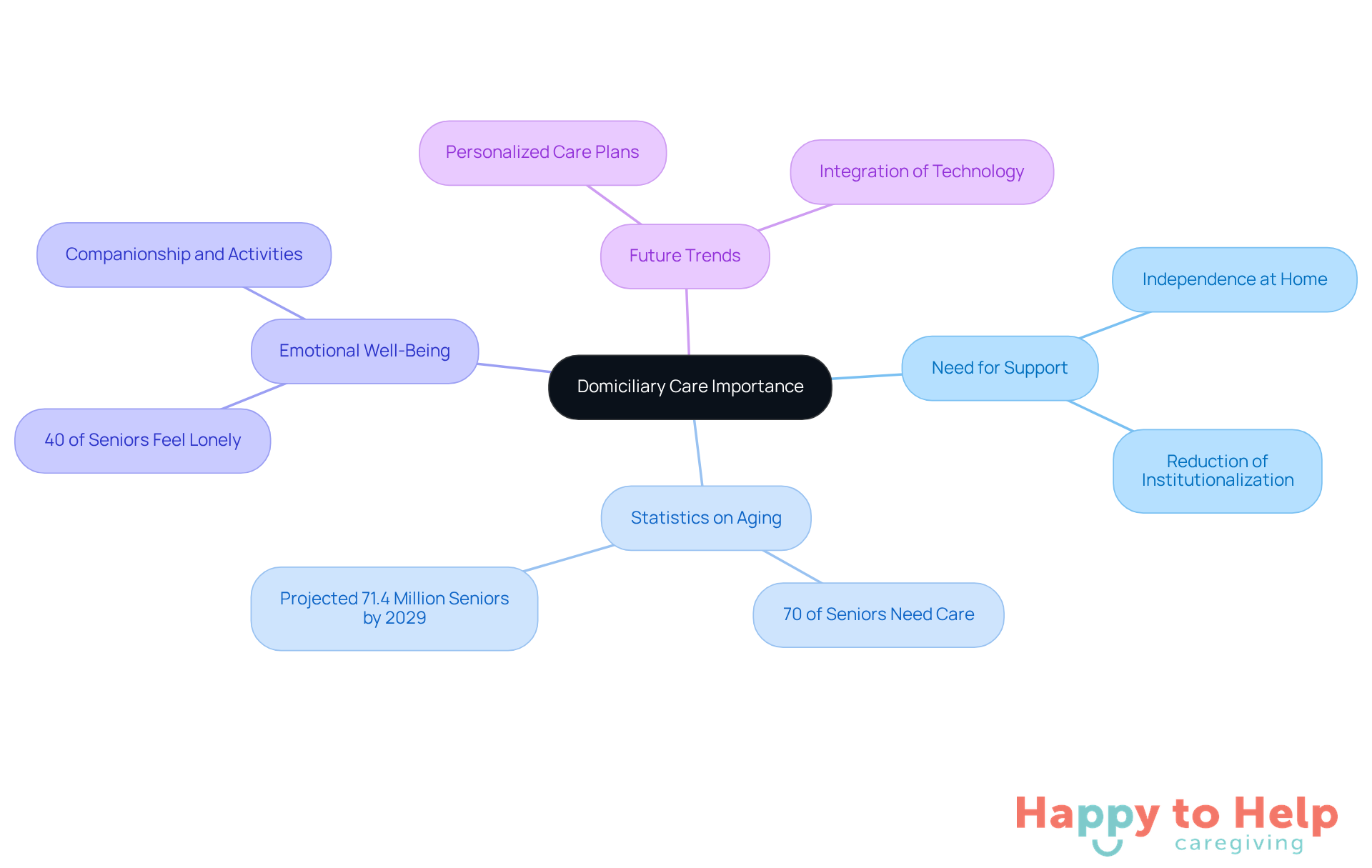
Domiciliary care companies near me provide assistance to address a pressing problem: many individuals, particularly seniors and those with special needs, require support to maintain their independence at home. This need is critical, as it allows them to thrive in familiar surroundings while receiving essential help.
The implications of this issue are significant. Statistics reveal that nearly 70% of individuals aged 65 and older will need some form of long-term support at different stages of their lives. In-home assistance from domiciliary care companies near me not only meets these needs but also reduces the likelihood of institutionalization, which can be both disruptive and distressing for clients.
Moreover, emotional well-being is a crucial aspect of home support. Research indicates that over 40% of seniors experience regular feelings of loneliness, which can hasten cognitive decline and elevate the risk of dementia. By providing companionship and engaging clients in enjoyable activities, domiciliary care companies near me foster a sense of security and belonging that is vital for emotional health.
As we look toward 2025, the landscape of in-home support is evolving. There's a growing emphasis on personalized plans that leverage technology to enhance service delivery. This shift not only addresses the immediate needs of clients but also promotes their long-term health outcomes, making home support an invaluable option for families committed to the well-being of their loved ones.
Identify Your Loved One's Care Needs
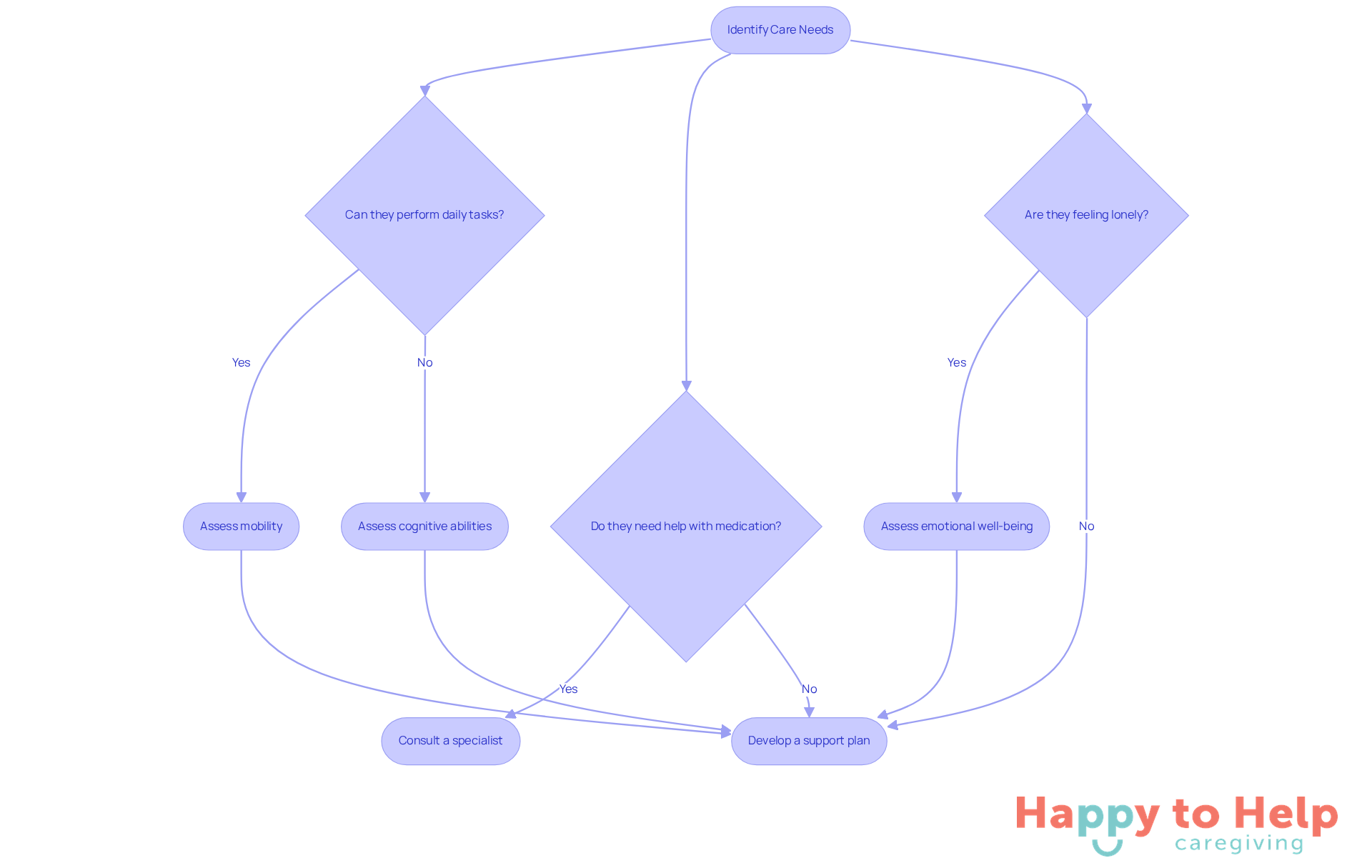
Begin by observing your loved one's daily routines to identify any challenges they may face. Caregivers often struggle with understanding the specific needs of their loved ones, which can lead to inadequate support. Critical factors to consider include mobility, cognitive abilities, and emotional well-being.
Ask yourself the following questions to guide your assessment:
- Are they able to perform daily tasks such as bathing, dressing, and cooking?
- Do they require assistance with medication management?
- Are they experiencing feelings of loneliness or isolation?
Performing a comprehensive evaluation is crucial for identifying the type and extent of support required. Research shows that almost 70% of supporters report challenges locating affordable services for those they assist. This highlights the significance of having a clearly outlined support plan.
Interacting with geriatric support specialists can offer valuable insights into identifying specific requirements. Specialists emphasize that understanding the nuances of daily living activities is essential. In fact, two-thirds of caregivers assist with at least one activity of daily living (ADL), such as eating or bathing.
By systematically assessing these aspects, you can ensure that the domiciliary care companies near me are equipped to meet your loved one's unique needs. This approach ultimately enhances their quality of life and well-being.
Research and Compare Local Domiciliary Care Companies
Finding the right domiciliary support can be a daunting task for caregivers. With 7.0% of non-institutionalized seniors needing help with personal needs, the stakes are high. It’s crucial to choose a trustworthy service that meets your loved one's specific requirements.
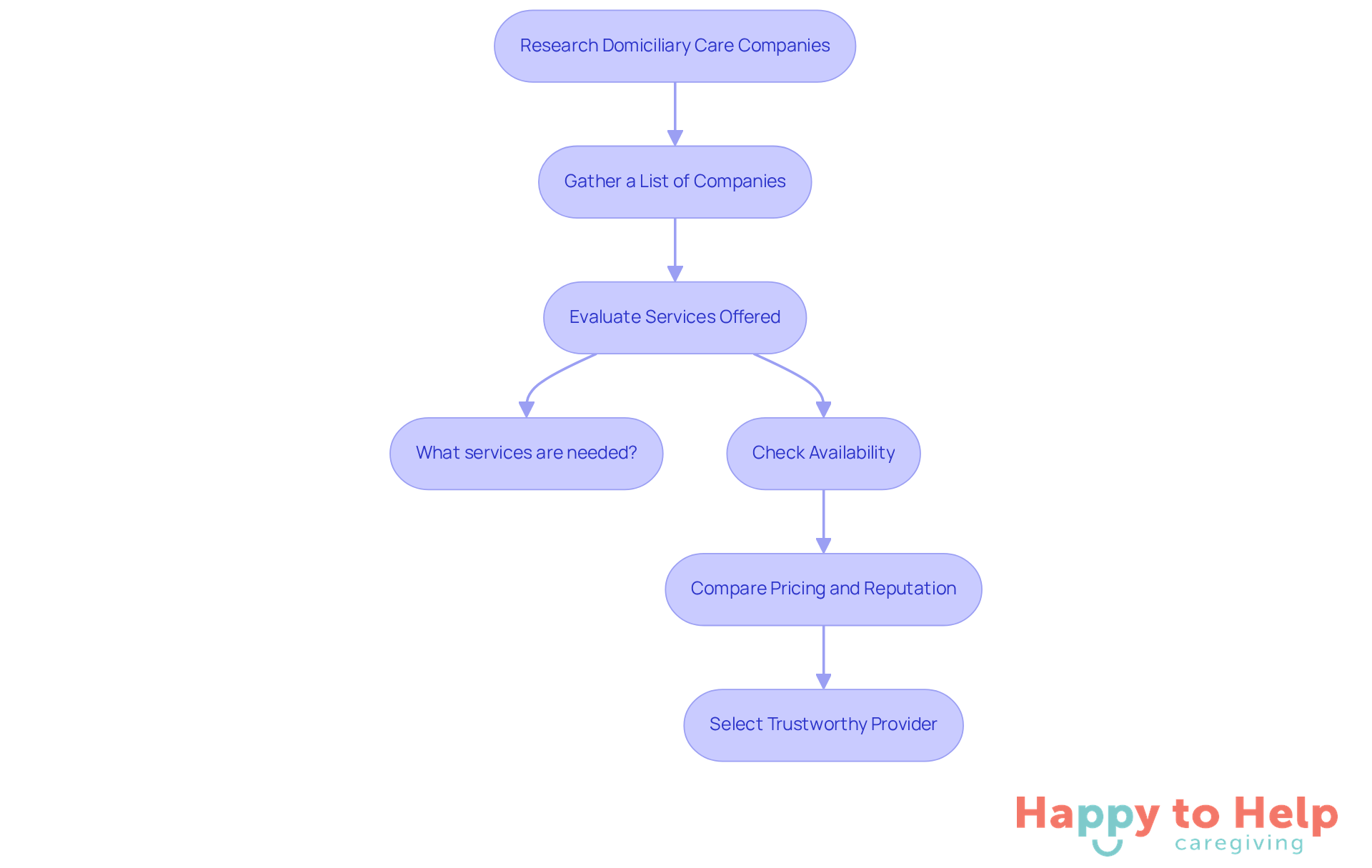
To tackle this challenge, start by gathering a list of domiciliary care companies near me. Utilize reputable online resources like Yelp, Caring.com, and A Place for Mom to access reviews and ratings. Focus on these key aspects:
- Services Offered: Ensure that the services align with your loved one's specific needs, whether it's companionship, post-hospital recovery, or specialized care. The increasing focus on customized plans designed for individual needs is essential in this selection process.
- Availability: Check if the company offers 24/7 support or flexible scheduling options to meet your family's needs.
- Pricing: Compare costs among different providers and inquire about payment options, including insurance coverage and any available financial assistance.
- Reputation: Look for testimonials and feedback from other families to evaluate the quality of service provided.
Integrating insights from industry leaders can also improve your understanding of the service landscape. For instance, a statement from a home assistance CEO about the significance of individualized support could offer valuable insight. Additionally, consider how some innovative home care providers are adapting to challenges through inventive strategies, which may influence your choice.
By following these steps, you can narrow down your options to a select number of trustworthy firms, ensuring that you choose a provider that efficiently meets your family's needs.
Evaluate Caregiver Qualifications and Company Reputation
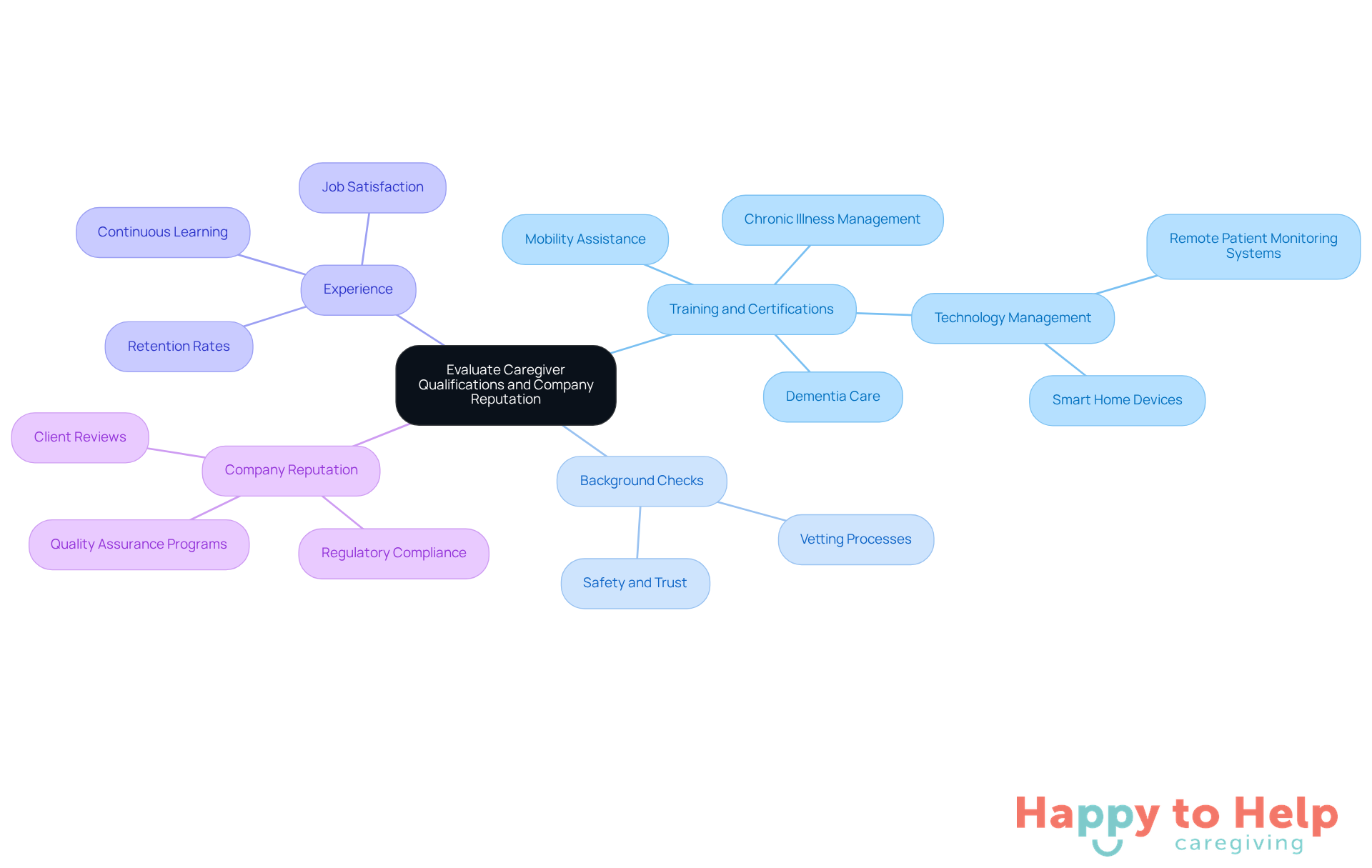
When selecting a caregiving company, one major problem is ensuring that their staff is adequately qualified. This concern is heightened by the increasing complexity of care needs, particularly as we approach 2025. Caregivers must possess specialized training in areas such as dementia care, chronic illness management, and mobility assistance. Moreover, with the rise of technology in caregiving, training in managing devices like remote patient monitoring systems is becoming essential.
To address this issue, caregivers should inquire about the training and certifications of potential staff. Confirm that caregivers have the necessary qualifications relevant to your loved one's needs. As the demand for specialized training grows, organizations are prioritizing certifications in geriatric care and elder care management.
Another critical aspect is background checks. It's vital to ensure that the company conducts thorough vetting of all personnel. This step is crucial for maintaining safety and trust, as reputable caregiving agencies typically adhere to rigorous background check processes.
Additionally, consider the experience level of the support staff. Organizations that emphasize continuous learning and training often enjoy higher staff retention rates and improved job satisfaction, which translates to better service for clients. It's worth noting that 21% of caregivers report poor mental health, underscoring the need for mental health support in their training.
Finally, research the company's reputation by checking for complaints or accolades from regulatory bodies or industry organizations. A reputable company will not only have positive reviews but also demonstrate a commitment to high service standards, including adherence to Quality Assurance and Performance Improvement (QAPI) programs. This commitment is increasingly essential as the home care environment evolves, with compliance and staff well-being becoming paramount. Furthermore, by 2025, nearly half of all elderly individuals are expected to use at least one smart home device, making technology management training crucial.
Assess Compatibility with Your Loved One's Preferences
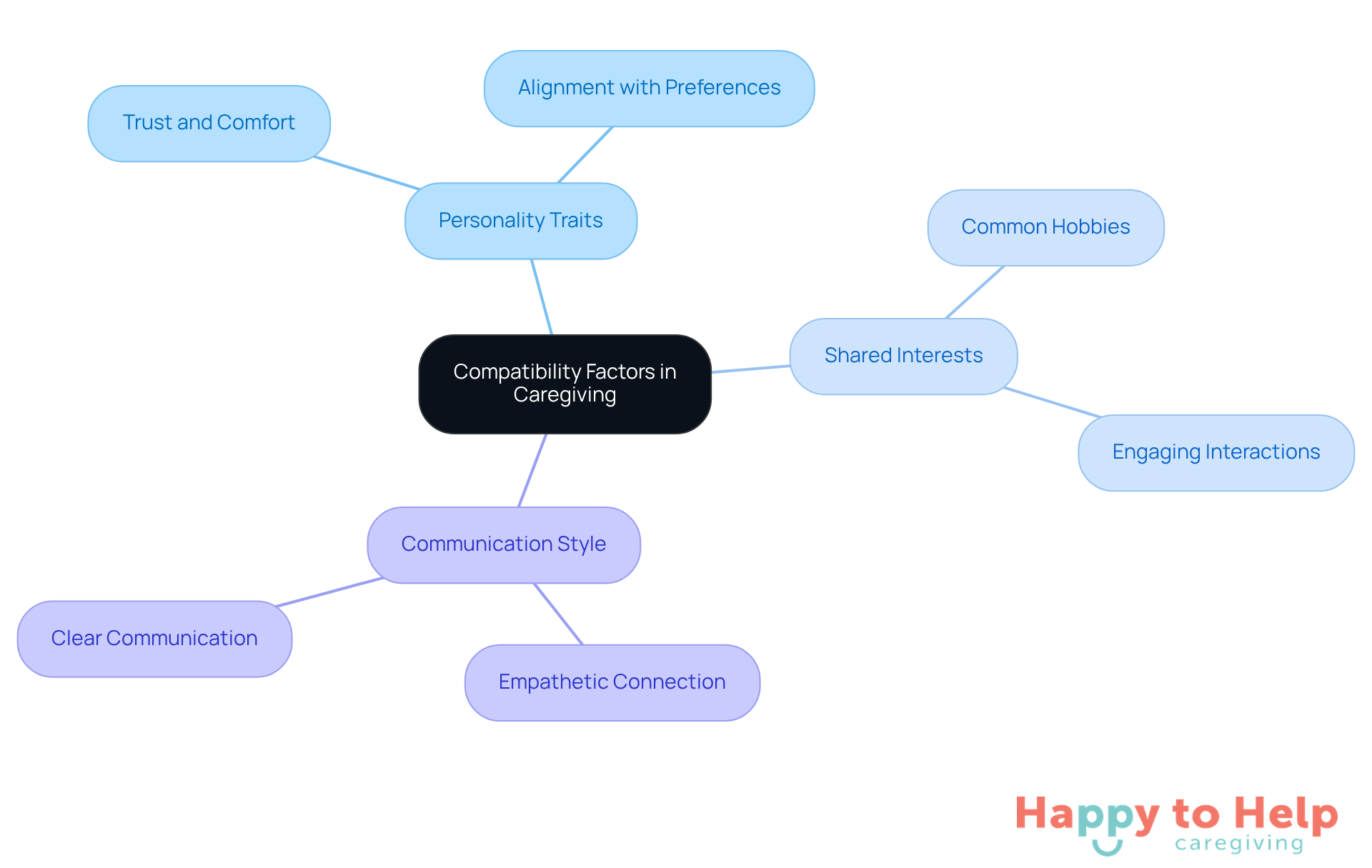
To ensure the best fit for your loved one, assessing support provider compatibility is crucial. The challenge lies in finding a caregiver who truly aligns with your loved one's needs and preferences. Without this alignment, the caregiving experience can fall short, leading to discomfort and dissatisfaction.
-
Personality Traits: Consider whether the caregiver's demeanor matches your loved one's preferences. Compatibility in personality can significantly enhance trust and comfort, leading to improved results. Studies show that trust and connection in caregiving improve health outcomes, reduce stress, and enhance overall well-being.
-
Shared Interests: Identify any common interests that could help foster a stronger relationship. Caregivers who share hobbies or passions with clients often create more engaging and enjoyable interactions. Shared interests strengthen bonds, turning routine care into meaningful interaction.
-
Communication Style: Effective communication is essential. Ensure that the caregiver can connect empathetically and clearly with your loved one, as this can alleviate feelings of anxiety and enhance overall well-being. Families gain peace of mind knowing their loved ones are understood and respected.
By prioritizing these compatibility factors, you not only enrich the caregiving experience but also promote a supportive environment where your loved one can thrive. Strong caregiver-client relationships, built on trust and shared interests, lead to improved health outcomes and greater satisfaction for both parties.
Taking the Next Steps
Selecting the right domiciliary care company presents a significant challenge for families. This decision is crucial for ensuring that loved ones receive the necessary support to maintain their independence and well-being at home. Without proper guidance, families may struggle to find the right fit, which can lead to inadequate care and increased stress for both caregivers and recipients.
To address this issue, families must first assess the specific care needs of their elderly or special needs relatives. Researching local providers is essential, as it allows caregivers to evaluate options based on qualifications and compatibility. Each step in this process is vital for finding a suitable match that prioritizes the health and happiness of those receiving care.
Moreover, personalized care plans and the integration of technology into service delivery are critical components of effective domiciliary care. These elements not only enhance the quality of care but also ensure adaptability in an ever-changing environment. By embracing these strategies, caregivers can foster a nurturing atmosphere where loved ones can truly thrive.
Ultimately, the journey to find the best domiciliary care companies is about more than just meeting basic needs; it’s about enhancing the quality of life for those we support. By taking the time to thoroughly assess options and prioritize compatibility, caregivers can make informed decisions that act in the best interest of their loved ones. Acting with intention and care is essential in this process.
https://iframe.tely.ai/cta/eyJhcnRpY2xlX2lkIjogIjY5MjY0Mzg0YmE1MjYxOTlhNjlhODMxNCIsICJjb21wYW55X2lkIjogIjY4ZWU1ZGNhNzMxNzYyNTU3ZjNjOTVjMSIsICJpbmRleCI6IG51bGwsICJ0eXBlIjogImFydGljbGUifQ==Frequently Asked Questions
What is domiciliary care and why is it important?
Domiciliary care provides assistance to individuals, particularly seniors and those with special needs, allowing them to maintain their independence at home. It meets essential support needs and reduces the likelihood of institutionalization, which can be disruptive and distressing.
How prevalent is the need for domiciliary care among seniors?
Statistics indicate that nearly 70% of individuals aged 65 and older will require some form of long-term support at various stages of their lives.
What role does emotional well-being play in domiciliary care?
Emotional well-being is crucial as over 40% of seniors experience regular feelings of loneliness, which can hasten cognitive decline and increase the risk of dementia. Domiciliary care companies provide companionship and engaging activities that foster a sense of security and belonging.
How is the landscape of in-home support expected to change by 2025?
By 2025, there is a growing emphasis on personalized care plans that utilize technology to enhance service delivery, addressing immediate client needs while promoting long-term health outcomes.
How can I identify my loved one's care needs?
Begin by observing their daily routines to identify challenges. Consider factors such as mobility, cognitive abilities, and emotional well-being. Asking specific questions about their ability to perform daily tasks, medication management, and feelings of loneliness can help guide your assessment.
Why is it important to perform a comprehensive evaluation of care needs?
A comprehensive evaluation ensures that the correct type and extent of support is identified, enhancing the quality of life for the individual. It also helps in outlining a clear support plan, which is essential given that nearly 70% of caregivers report challenges in finding affordable services.
What are Activities of Daily Living (ADLs) and why are they significant?
Activities of Daily Living (ADLs) include essential tasks such as bathing, dressing, and eating. Understanding these activities is vital as two-thirds of caregivers assist with at least one ADL, highlighting the need for tailored support from domiciliary care companies.
List of Sources
- Understand Domiciliary Care and Its Importance
- 5 Benefits of Senior In-Home Care in 2025 | Valley Home Care (https://valleyhca.com/the-top-5-benefits-of-in-home-senior-care-for-aging-loved-ones-in-2025)
- State of home care in 2025 (https://mcknightshomecare.com/state-of-home-care-in-2025)
- Families Prefer In-Home Care To Senior Living – Yet Struggle To Identify Needed Support (https://homehealthcarenews.com/2025/11/families-prefer-in-home-care-to-senior-living-yet-struggle-to-identify-needed-support)
- 3 in 4 Americans prefer receiving long-term care at home (https://insurancenewsnet.com/oarticle/3-in-4-americans-prefer-receiving-long-term-care-at-home)
- The Future of Aging: Is In-Home Care the New Standard? - WorldHealth.net (https://worldhealth.net/news/future-of-aging-is-in-home-care-new-standard)
- Identify Your Loved One's Care Needs
- As Family Caregiving Grows, So Does the Need for Reform - Medicare Rights Center (https://medicarerights.org/medicare-watch/2025/08/14/as-family-caregiving-grows-so-does-the-need-for-reform)
- 'More pressure on families.' Nearly half of US states are on the brink of a caregiving emergency (https://usatoday.com/story/news/health/2025/05/21/columbia-university-state-caregiving-study/83651201007)
- Family Caregiver Support, Education Needs Growing (https://hospicenews.com/2025/11/11/family-caregiver-support-education-needs-growing)
- What Is the Caregiver Crisis? | Johns Hopkins Bloomberg School of Public Health (https://publichealth.jhu.edu/2025/what-is-the-caregiver-crisis)
- Caregiving in the US 2025 (https://aarp.org/pri/topics/ltss/family-caregiving/caregiving-in-the-us-2025)
- Research and Compare Local Domiciliary Care Companies
- Caring Reveals "Caring Stars 2025" — Recognizing America’s Best Senior Care Agencies - Caring.com (https://caring.com/about/news/best-senior-care-2025)
- FastStats (https://cdc.gov/nchs/fastats/home-health-care.htm)
- 6 Home Care Companies To Watch In 2025 (https://homehealthcarenews.com/2025/07/6-home-care-companies-to-watch-in-2025)
- Home Care Business Growth Statistics | Aaniie Formerly Smartcare Software (https://aaniie.com/resources/home-care-business-growth-statistics)
- Evaluate Caregiver Qualifications and Company Reputation
- Changes to Medicare in 2025: Support for caregivers and more (https://medicalnewstoday.com/articles/changes-to-medicare-in-2025)
- Key Trends in 2025 & the Future of Caregiver Training (https://blog.nevvon.com/key-trends-in-2025-the-future-of-caregiver-training)
- 2025 home care trends include tightened EVV oversight, investments in caregiver training (https://mcknightshomecare.com/2025-home-care-trends-include-tightened-evv-oversight-investments-in-caregiver-training)
- Home-Based Care Companies Improve Outcomes By Training Family Caregivers (https://homehealthcarenews.com/2025/10/home-based-care-companies-improve-outcomes-by-training-family-caregivers)
- Why Ongoing Caregiver Training Matters More Than Ever in 2025 – Professional Association of Caregivers (https://professionalassociationofcaregivers.org/2025/07/21/why-ongoing-caregiver-training-matters-more-than-ever-in-2025)
- Assess Compatibility with Your Loved One's Preferences
- Home Care Clients Like Their Caregivers More Than Their Provider, Data Shows (https://homehealthcarenews.com/2024/08/home-care-clients-like-their-caregivers-more-than-their-provider-data-shows)
- Finding the Right Caregiver Match | Active Day (https://activeday.com/news/finding-the-right-caregiver-match)
- Caregiver-Patient Matching in Home Care (https://carevoyant.com/home-health-blog/caregiver-patient-matching-home-care)
- Perfect Pairings: Creating Personalized, Highly Compatible Caregiver-Client Matches to Boost Your Bottom Line | Aaniie, formerly Smartcare Software (https://aaniie.com/news/creating-personalized-highly-compatible-caregiver-client-matches-to-boost-bottom-line)
- The Importance of Caregiver-Client Relationships in Senior Well-Being (https://homeinstead.com/home-care/usa/in/goshen/588/news-and-media/the-importance-of-caregiver-client-relationships-in-senior-well-being)