Find the Right Home Care Office Near You: A Step-by-Step Guide

For families in our service areas
For families in our service areas, this guide explains home care and how non-medical in-home caregiving can support care planning in East Idaho, Treasure Valley & Magic Valley, Northern Wasatch, North Central West Virginia, and Northeast Ohio.
The Importance of Find the Right Home Care Office Near
Finding the right home care office can feel overwhelming. Families often face the daunting task of ensuring the well-being of a loved one, especially as more seniors experience isolation and require personalized support. This situation highlights the importance of understanding the nuances of home care services.
The implications of this challenge are significant. Families may struggle with uncertainty and anxiety about making the right choice, which can affect their loved one's quality of care. Therefore, it’s essential to have a clear understanding of what to look for in a home care provider.
This guide not only illuminates the benefits of home care but also equips families with the necessary criteria and steps to effectively navigate the selection process. By following these guidelines, families can ensure they choose a provider that meets their unique needs while fostering a supportive environment.
Understand Home Care Services and Their Benefits
Residential support services address a significant problem: many seniors experience loneliness, with over 40% reporting frequent feelings of isolation. This loneliness can adversely affect their mental well-being, leading to cognitive decline and emotional distress. As caregivers, it’s essential to recognize the implications of this issue and seek effective solutions.
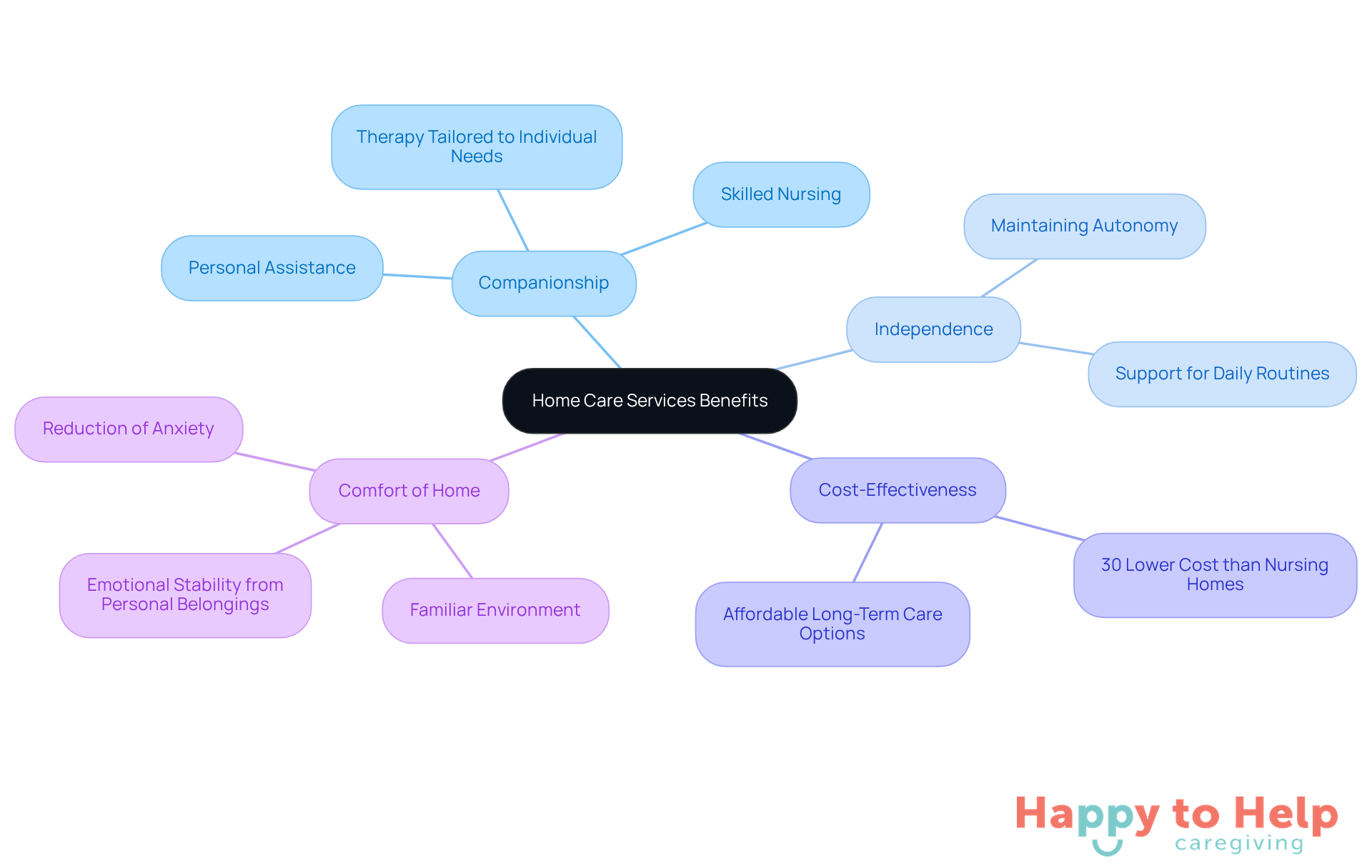
One effective solution is personalized care. Residential support services offer:
- Companionship
- Personal assistance
- Skilled nursing
- Therapy tailored to the unique needs of each individual
This customized approach fosters a sense of comfort and familiarity, which is crucial for enhancing mental health. Regular social interaction and emotional support can significantly improve cognitive function, making companionship a vital component of care.
Another key benefit is the independence these services provide. Clients can maintain their autonomy while receiving essential support, which is crucial for their quality of life. Nearly 70% of individuals aged 65 and above will require some form of long-term support, and many prefer to receive this assistance through a home care office near me, where they feel safest.
Cost-effectiveness is also a significant advantage. Home assistance from a home care office near me is often more economical than institutional care, with the typical yearly expense of home healthcare being over 30% lower than that of a shared room in a nursing facility. This financial benefit allows families to allocate resources more effectively while ensuring their loved ones receive quality support.
Lastly, the comfort of home plays a vital role in reducing anxiety and enhancing overall well-being. Being surrounded by personal belongings and cherished memories contributes to emotional stability, making the transition to receiving assistance smoother.
Recognizing these advantages is crucial for families as they navigate the process of selecting the right support services. By understanding the benefits of residential support, caregivers can make informed decisions that best meet their loved ones' needs.
Identify Key Criteria for Selecting a Home Care Office
Choosing a home care office near me can be a daunting task, especially when trying to find the right fit for your loved one's needs. With so many options available, it’s crucial to consider several key criteria to ensure you choose the best home care office near me.
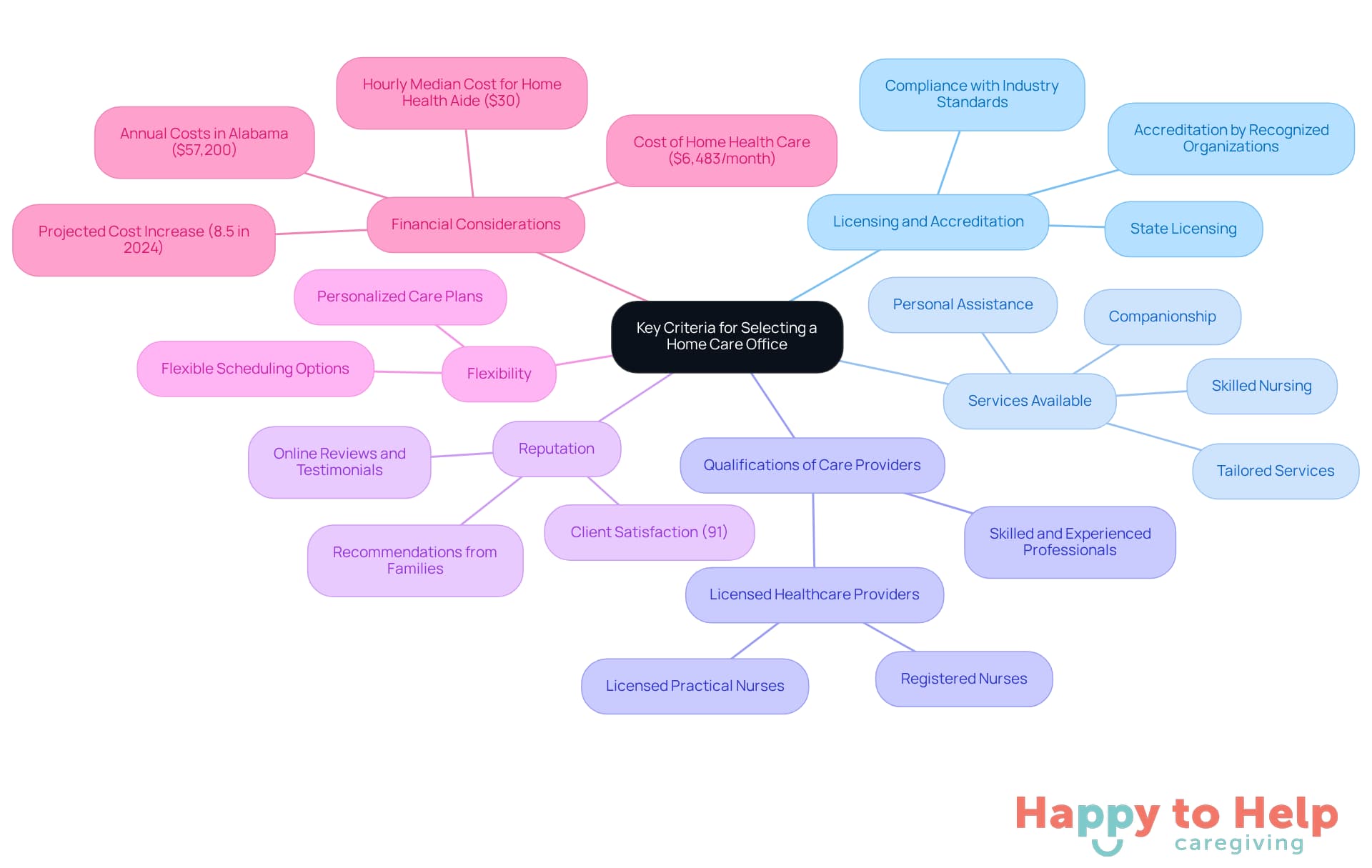
- Licensing and Accreditation: Start by verifying that the agency is licensed by the state and accredited by recognized organizations. This accreditation indicates compliance with industry standards and quality performance metrics, which can significantly influence the level of service provided.
- Services Available: Next, assess whether the organization offers the specific services your loved one requires, such as companionship, personal assistance, or skilled nursing. Tailored services are essential for effectively meeting individual needs.
- Qualifications of Care Providers: It’s important to prioritize agencies that employ skilled and experienced support professionals. The credentials of caregivers directly impact the quality of assistance. Agencies that hire licensed healthcare providers, like registered nurses or licensed practical nurses, can offer more comprehensive medical support at a home care office near me. As Mary Ann Morse emphasizes, choosing organizations that hire skilled caregivers is vital for ensuring quality support.
- Reputation: Investigate the agency's reputation through online reviews, testimonials, and recommendations from other families. A strong reputation often reflects reliable quality and client satisfaction, with research indicating that 91% of clients report satisfaction with their health services.
- Flexibility: Finally, consider whether the agency provides flexible scheduling options to accommodate your loved one's routine and preferences. Flexibility can greatly enhance the caregiving experience, allowing for a more personalized approach.
Additionally, it’s important to factor in the financial aspects when choosing a home care office near me. For instance, Alabama's annual cost for residential health services is approximately $57,200, while the national monthly average is around $6,483. With domestic health service expenses projected to rise by as much as 8.5% in 2024, establishing these criteria can help families create a targeted list of potential support organizations that align with their specific needs, ensuring a confident decision in this critical choice.
Research and Compare Local Home Care Providers
Finding the right home care provider can be a daunting task for families. With so many options available, it’s crucial to ensure that your loved one receives the best possible care tailored to their needs.
To tackle this challenge, follow these actionable steps:
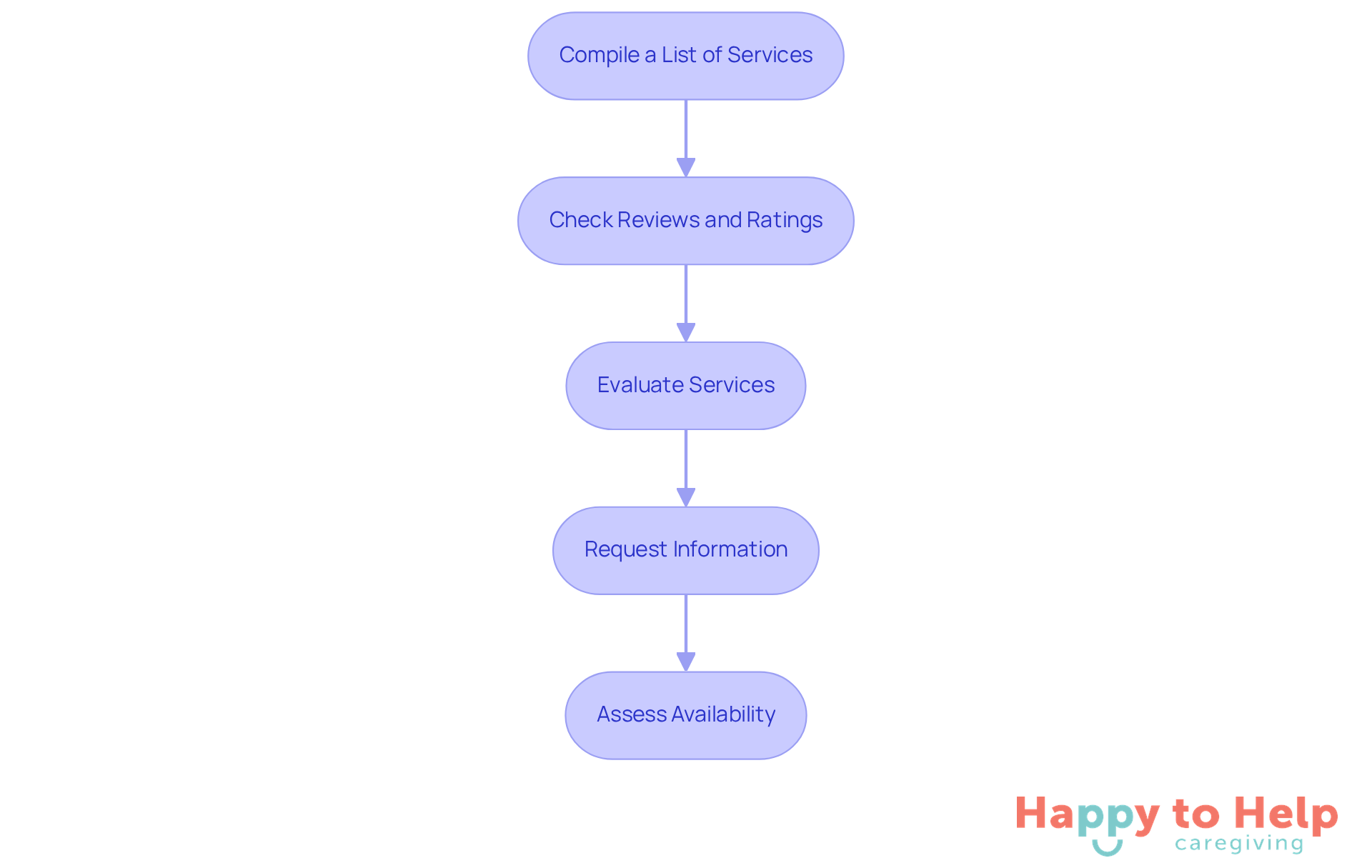
- Compile a list of home care services, especially focusing on a home care office near me, in your area. Utilize online resources, local directories, and recommendations from healthcare professionals to gather comprehensive information.
- Check Reviews and Ratings: Look for reviews on platforms like Yelp, Google, and specialized caregiving websites. Pay attention to both positive and negative feedback to get a balanced view of each provider.
- Evaluate Services: Compare the services offered by each organization. Make sure they align with your loved one's specific needs, as this is essential for their well-being.
- Request Information: Contact agencies directly to request brochures, service descriptions, and pricing information. This will give you a clearer understanding of their offerings and help you make an informed decision.
- Assess Availability: Inquire about the availability of support providers and whether they can accommodate your loved one's schedule. Flexibility is key in ensuring consistent care.
By conducting thorough research, families can identify the most suitable home care office near me that provides the assistance they need.
Conduct Interviews and Assess Compatibility with Caregivers
Finding the right caregiver for your loved one can be a daunting task. Many families struggle with the challenge of ensuring compatibility, which is crucial for effective caregiving. A mismatch can lead to stress, reduced trust, and ultimately, poorer health outcomes.
To tackle this issue, here are some practical steps to assess compatibility:
-
Prepare Questions: Start by creating a list of inquiries that focus on the provider's experience, support methods, and availability. Consider asking:
- What experience do you have with clients who have similar needs?
- How do you handle emergencies or challenging situations?
- What activities do you enjoy doing with clients?
-
Observe Interaction: During the interview, pay close attention to how the support person interacts with your loved one. Look for signs of empathy, patience, and effective communication. Research indicates that trust and connection in caregiving can significantly improve health outcomes and reduce stress.
-
Discuss Support Plans: Engage in a conversation about specific support needs and preferences. Ensure the provider is willing and able to accommodate these requirements. A strong bond between caregiver and client often leads to better adherence to treatment routines and health plans.
-
Trust Your Instincts: Your gut feelings about the provider's demeanor and compatibility with your loved one are important. A positive relationship is essential for effective caregiving, as compatibility can greatly influence the quality of assistance provided.
-
Trial Period: If possible, arrange a trial period where the caregiver can work with your loved one. This allows both parties to assess compatibility in a real-world setting. Active Day emphasizes that when caregivers and clients 'click,' the results are lasting: clients are more likely to stick to care routines and health plans.
By following these steps, families can ensure they choose a caregiver who not only meets their loved one's needs but also fosters a supportive and trusting relationship. This ultimately enhances the quality of life for both the caregiver and the client.

Your Path Forward
Finding the right home care office poses a significant challenge for seniors and their families. This task can feel overwhelming, as the quality of care directly impacts the well-being and dignity of those in need. Without proper guidance, families may struggle to navigate the myriad of options available, leading to stress and uncertainty.
To address this issue, it’s crucial to understand the array of services offered by home care providers. Personalized care not only meets the emotional and physical needs of seniors but also promotes independence, which is vital for their dignity. By prioritizing these aspects, caregivers can make informed decisions that enhance the quality of life for their loved ones.
When selecting a home care provider, consider key factors such as:
- Licensing
- Services
- Caregiver qualifications
Engaging in meaningful conversations with potential caregivers is essential. This approach fosters a supportive and trusting relationship, which is paramount for effective care. Conducting thorough research will empower families to choose an agency that aligns with their loved one’s specific needs.
Ultimately, the journey to finding the right home care office requires diligence and empathy. By exploring options and focusing on the unique needs of seniors, families can create a nurturing environment that alleviates feelings of isolation and enhances overall well-being. This proactive approach is vital in fostering a fulfilling and healthy life for those who require assistance.
https://iframe.tely.ai/cta/eyJhcnRpY2xlX2lkIjogIjY5MjNiNTY3YzVlZWQyYmRiNTU3YmY0OCIsICJjb21wYW55X2lkIjogIjY4ZWU1ZGNhNzMxNzYyNTU3ZjNjOTVjMSIsICJpbmRleCI6IG51bGwsICJ0eXBlIjogImFydGljbGUifQ==Frequently Asked Questions
What are the main problems that home care services address for seniors?
Home care services address loneliness and isolation, which over 40% of seniors report experiencing frequently. This loneliness can negatively impact their mental well-being, leading to cognitive decline and emotional distress.
What types of services do residential support services offer?
Residential support services offer companionship, personal assistance, skilled nursing, and therapy tailored to the unique needs of each individual.
How does personalized care benefit seniors?
Personalized care fosters a sense of comfort and familiarity, enhances mental health, and improves cognitive function through regular social interaction and emotional support.
How do home care services support seniors' independence?
Home care services allow clients to maintain their autonomy while receiving essential support, which is crucial for their quality of life.
What percentage of individuals aged 65 and above will require long-term support?
Nearly 70% of individuals aged 65 and above will require some form of long-term support.
Why is home care often more cost-effective than institutional care?
Home care is typically over 30% less expensive than a shared room in a nursing facility, allowing families to allocate their resources more effectively while ensuring quality support for their loved ones.
How does the comfort of home contribute to seniors' well-being?
Being in a familiar environment surrounded by personal belongings and cherished memories helps reduce anxiety and enhances overall well-being, making the transition to receiving assistance smoother.
Why is it important for families to understand the benefits of residential support services?
Understanding the benefits of residential support helps families make informed decisions that best meet their loved ones' needs as they navigate the process of selecting the right support services.
List of Sources
- Understand Home Care Services and Their Benefits
- 5 Benefits of Senior In-Home Care in 2025 | Valley Home Care (https://valleyhca.com/the-top-5-benefits-of-in-home-senior-care-for-aging-loved-ones-in-2025)
- Home Care Services for Seniors in 2025: The All Seniors Foundation Advantage (https://allseniors.org/articles/home-care-services-for-seniors-in-2025-the-all-seniors-foundation-advantage)
- The Future of Senior Care: What to Expect in 2025 and Beyond (https://arhomecare.com/the-future-of-senior-care-what-to-expect-in-2025-and-beyond)
- Daytona Beach News-Journal: Local News, Politics & Sports in Daytona Beach, FL (https://news-journalonline.com/press-release/story/13076/webster-home-care-emphasizes-how-personalized-support-helps-adults-thrive-safely-in-their-own-homes)
- Place-Agnostic Models Signal New Era For Home-Based Care, Senior Living (https://homehealthcarenews.com/2025/11/place-agnostic-models-signal-new-era-for-home-based-care-senior-living)
- Identify Key Criteria for Selecting a Home Care Office
- Tips for Choosing a Senior In-Home Care Agency: 10 Things to Consider - Mary Ann Morse Home Care (https://maryannmorse.org/2023/07/28/tips-for-choosing-a-senior-in-home-care-agency-ten-things-to-consider)
- Choosing a Provider (https://hcaoa.org/choosing-a-provider.html)
- Home health agency accreditation linked to quality of care | NYU Rory Meyers College of Nursing (https://nursing.nyu.edu/w/news/press-release/home-health-agency-accreditation-linked-quality-care)
- 52 Eye-Opening Home Health Statistics: Insights for 2025 (https://boosthomehealth.com/home-health-statistics)
- How to Choose the Best Home Care Agency | New York Home Health Care (https://allheartcare.com/how-to-choose-the-best-home-care-agency-for-you)
- Conduct Interviews and Assess Compatibility with Caregivers
- Choosing the Right Senior Caregiver in San Antonio, TX (https://fox4kc.com/business/press-releases/ein-presswire/866933575/choosing-the-right-senior-caregiver-in-san-antonio-tx)
- How to Choose the Right Caregiver for Your Family in 2025 (https://homewatchcaregivers.com/ellicott-city/about-us/blog/how-to-choose-the-right-caregiver-for-your-famil)
- Finding the Right Caregiver Match | Active Day (https://activeday.com/news/finding-the-right-caregiver-match)
- The Caregiving Landscape: Data & Insights on the Caregiver Experience in the U.S. (https://caregiveraction.org/caregiver-statistics)
- Caregiver Statistics: Demographics (https://caregiver.org/resource/caregiver-statistics-demographics)