
Navigate Caregiver Referral Agencies: Key Steps for Families

For families in our service areas
For families in our service areas, this guide explains caregiver support and how non-medical in-home caregiving can support care planning in East Idaho, Treasure Valley & Magic Valley, Northern Wasatch, North Central West Virginia, and Northeast Ohio.
Understanding Navigate Caregiver Referral Agencies:
Finding the right caregiver can be a daunting challenge for many families. As the demand for personalized care solutions rises, navigating this complex landscape often feels like wandering through a labyrinth. Millions of families are in search of reliable support, making it essential to understand the role of caregiver referral agencies.
This guide will outline the critical steps families can take to connect with qualified caregivers while highlighting the key qualities to look for in these agencies. As families embark on this journey, they may face various challenges. What are these challenges, and how can families ensure they make the best choices for their loved ones?
Understand Caregiver Referral Agencies
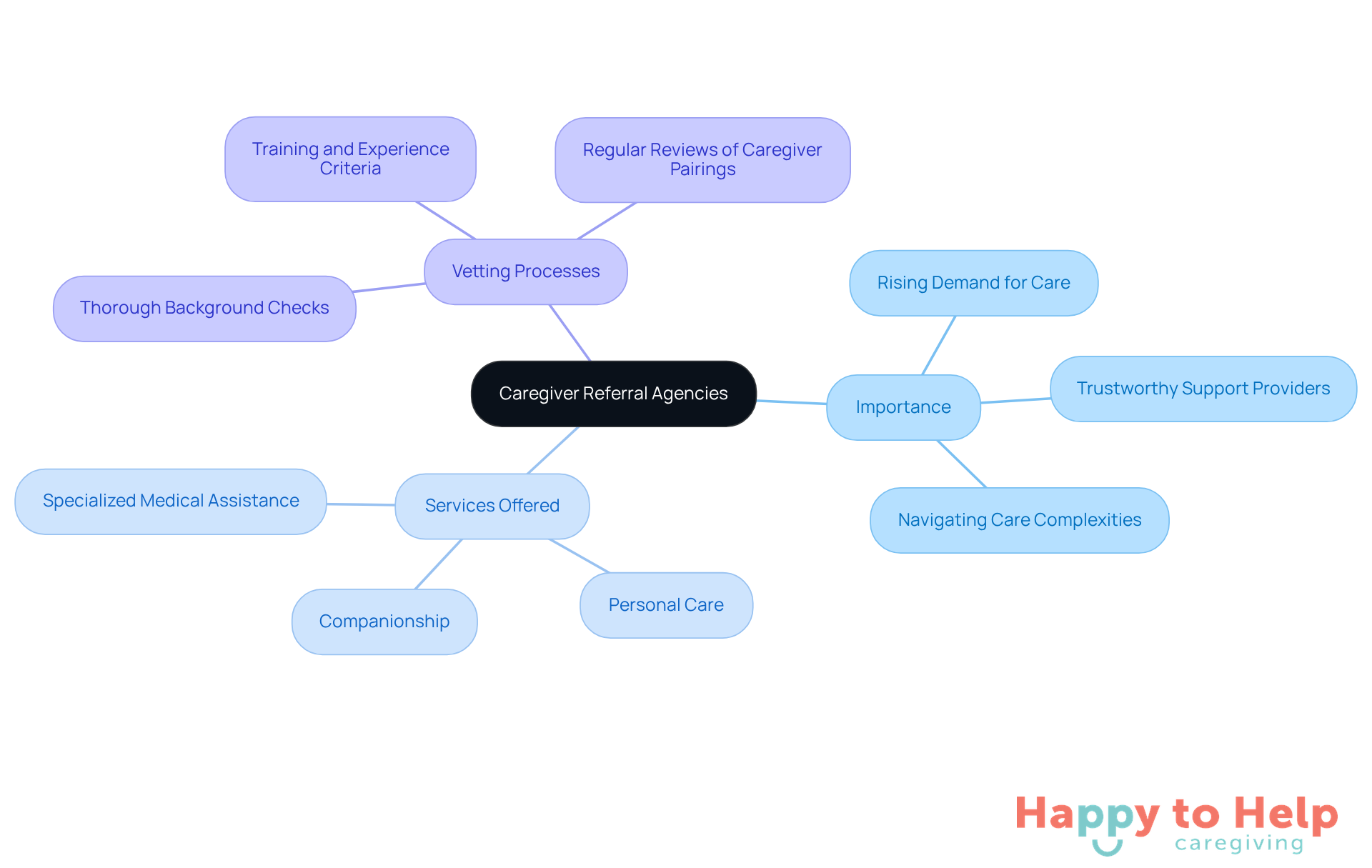
Finding qualified caregivers can be a significant challenge for families seeking personalized care solutions. With an estimated 15 million Americans expected to utilize these services by 2025, the demand for trustworthy support providers is on the rise. Referral organizations, such as caregiver referral agencies, play a vital role in this landscape, acting as intermediaries that connect households with caregivers who have undergone thorough vetting processes.
These organizations ensure that caregivers meet specific training and experience criteria, providing families with access to a reliable group of professionals. Understanding how these agencies operate - whether on a referral-only basis or by directly employing caregivers - can greatly impact the quality of care received. Families should also familiarize themselves with the range of services available, such as:
- Companionship
- Personal care
- Specialized medical assistance
The emphasis on rigorous vetting processes cannot be overstated. Industry leaders highlight that comprehensive background checks and assessments are essential for maintaining high standards of care and ensuring the safety and well-being of clients. By leveraging the expertise of a caregiver referral agency, families can navigate the complexities of caregiving with greater confidence.
Identify Key Qualities of a Good Referral Agency
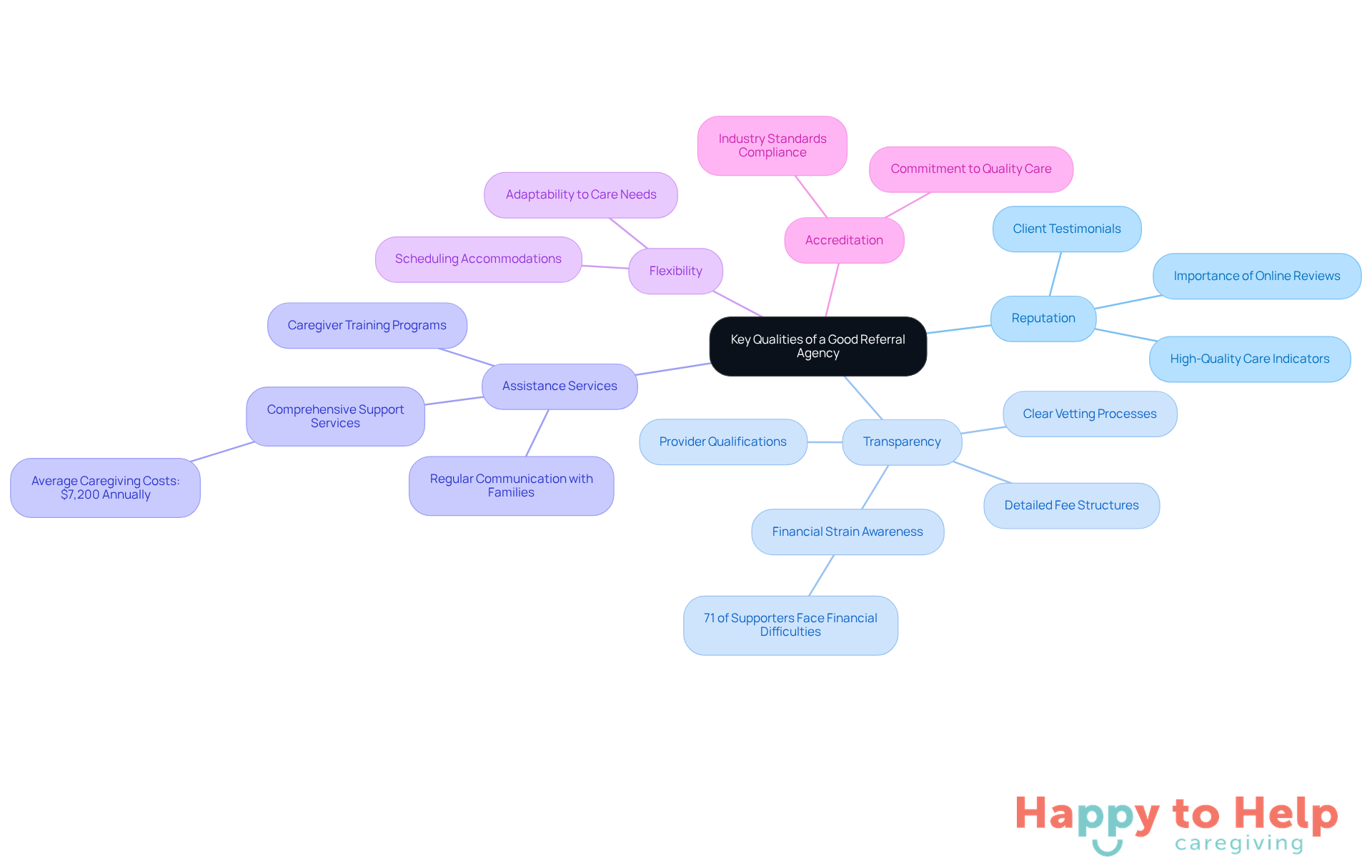
When families evaluate a caregiver referral agency, they often encounter significant challenges. Reputation is a primary concern; families need to investigate online reviews and testimonials to assess the reliability and quality of service. A strong reputation typically indicates consistent, high-quality care, which is essential for peace of mind. With 90% of household supporters providing some form of financial assistance for their loved one’s care, selecting a reputable service becomes crucial.
Another pressing issue is transparency. Families should seek organizations that clearly outline their vetting processes, fees, and provider qualifications. Transparency builds trust and helps families make informed decisions. Given that 71% of supporters face financial difficulties, understanding service fees is vital to avoid unexpected financial strains.
Additionally, families should consider assistance services. Organizations that offer extra support, such as training for caregivers and regular communication with relatives, can significantly enhance the caregiving experience. With caregivers typically spending around $7,200 annually on caregiving costs, it’s important to choose organizations that provide comprehensive support services.
Flexibility is another key quality. The organization should adapt to varying schedules and care needs, allowing families to find the right match for their loved ones. This adaptability is essential for addressing the unique situations each family faces.
Lastly, families should verify accreditation. Ensuring that the organization is accredited by relevant professional bodies can indicate adherence to industry standards and a commitment to quality care.
By focusing on these essential qualities, families can select a caregiver referral agency that aligns with their expectations and caregiving needs, fostering a supportive and efficient care environment. As the older demographic is projected to reach approximately 71.4 million Americans aged 65 and above by 2029, the demand for reliable support services will continue to grow.
Engage with Agencies and Ask the Right Questions
Once families identify potential caregiver referral agencies, engaging effectively with them becomes crucial for making informed decisions. Families often face challenges in understanding the quality of care provided, which can lead to uncertainty in their choices. Here are essential questions to consider during initial consultations:
-
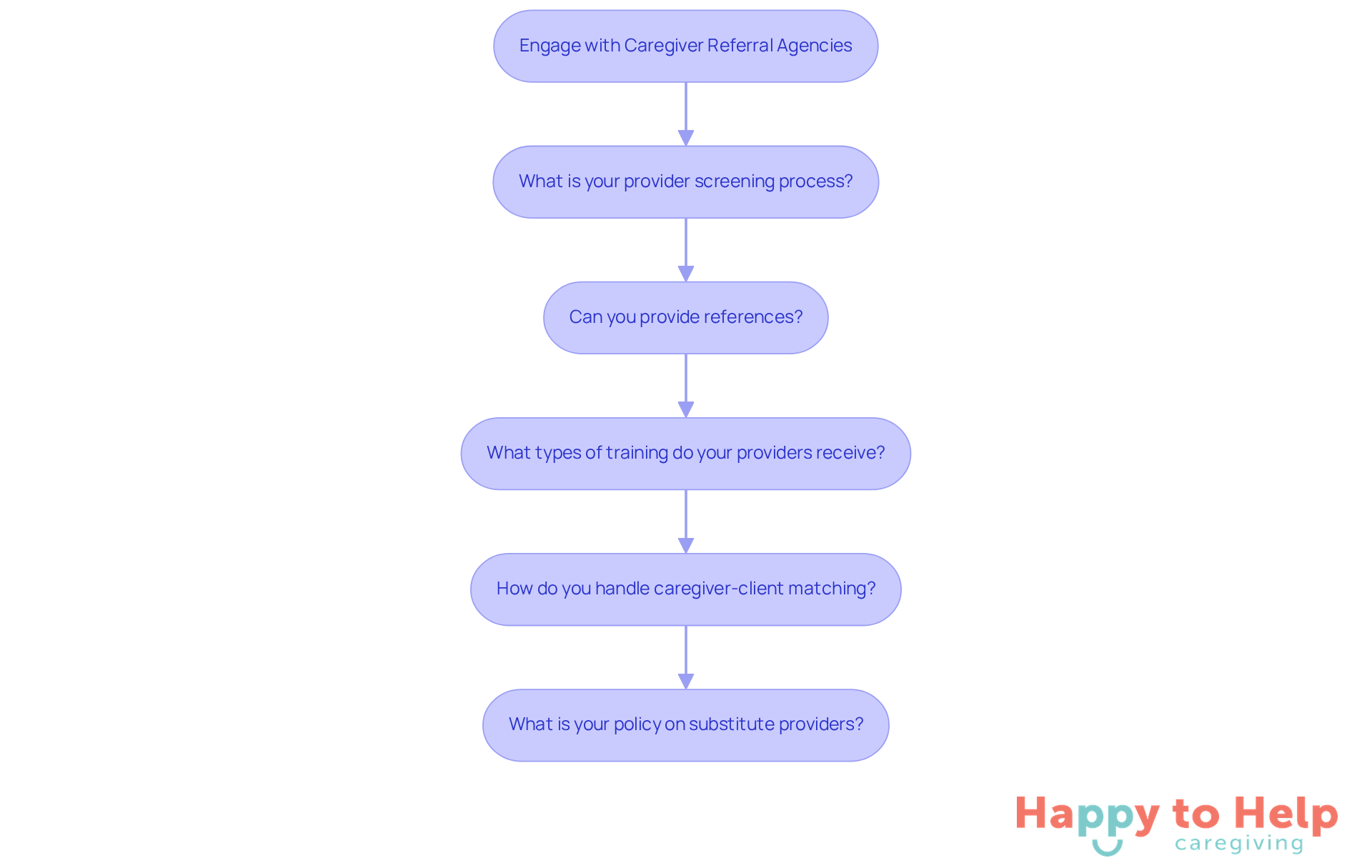
What is your provider screening process? Understanding the vetting procedures reveals the agency's commitment to quality care. A strong screening process ensures that caregivers are not only qualified but also suitable for addressing clients' specific needs. As HHS Secretary Robert F. Kennedy, Jr. stated, "America’s caregivers carry our nation’s most vulnerable on their shoulders, and they do it with a strength and devotion that rarely gets the recognition it deserves."
-
Can you provide references from households you have collaborated with? Speaking with other households offers valuable insights into satisfaction levels and the overall experience with the agency.
-
What types of training do your providers receive? Knowing the average training hours and types of training informs families about providers' preparedness for various needs. Agencies that emphasize thorough training often report greater staff effectiveness and client satisfaction. In fact, 70% of employed individuals providing care experience work-related difficulties due to their dual roles, underscoring the importance of effective training.
-
How do you handle caregiver-client matching? Understanding the agency's method of matching support providers with clients is essential for ensuring compatibility. Effective matching can significantly enhance the caregiving experience, fostering trust and rapport between the provider and the client. The economic impact of caregiving is significant, with an estimated $25.2 billion cost of absenteeism to the U.S. economy, emphasizing the need for effective matching.
-
What is your policy on substitute providers? Families should be clear on the process for replacing support providers if issues arise, as this can affect the continuity of care.
By posing these inquiries, households can gain a thorough understanding of the caregiver referral agency's operations, ensuring they select a service that aligns with their loved one's needs and preferences. The increasing demand for resources and initiatives focused on supporting relatives who provide care further highlights the significance of these investigations.
Utilize Resources for Additional Support
Families often face significant challenges when seeking support from a caregiver referral agency, leading to feelings of overwhelm and uncertainty. The complexities of finding the right resources can add stress to an already demanding situation. However, a caregiver referral agency provides various resources that can help families navigate these challenges effectively.
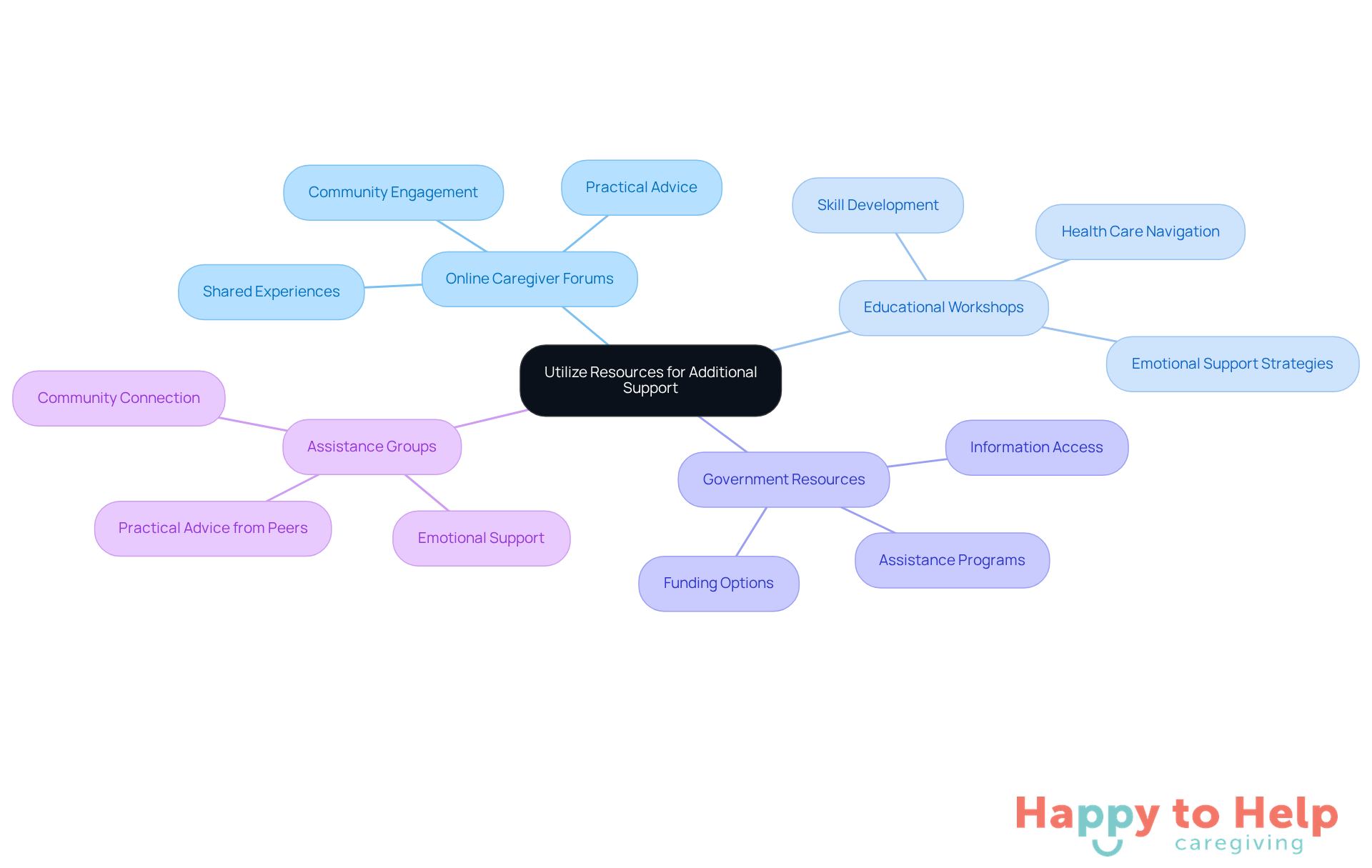
Many communities offer aging services that include a caregiver referral agency to assist families in locating caregivers and accessing additional support. Recent funding increases, including a $9.3 million investment by NYC Aging, have expanded these services, allowing more families to benefit from essential resources.
-
Online Caregiver Forums: Engaging in online communities provides families with a platform to share experiences and gain insights from others facing similar challenges. Participation in these forums has surged, with many families finding comfort and practical advice through shared narratives.
-
Educational Workshops: Attending workshops focused on caregiving topics can equip families with the skills and knowledge necessary for effective care management. These workshops often cover vital areas such as health care navigation and emotional support strategies.
-
Government Resources: Websites like the Administration for Community Living offer extensive information on assistance programs for caregivers and funding options, helping families understand their entitlements and available support.
-
Assistance Groups: Connecting with local or online assistance groups can provide invaluable emotional support and practical advice from peers who understand the caregiving journey. Although the use of assistance groups has declined from 4.1% in 2011 to 2.5% in 2022, these groups foster a sense of community and shared understanding, which is crucial for caregiver well-being.
By utilizing these resources, families can navigate the complexities of caregiving more effectively with the help of a caregiver referral agency, ensuring they receive the support needed to thrive during this challenging time. As Mayor Eric Adams stated, "Caregiving is a fundamental part of being a New Yorker, and this investment ensures even more people who do this informal but essential work have the support they need to care for the people they love.
Moving Forward with Navigate Caregiver Referral Agencies:
Navigating the complex world of caregiver referral agencies presents a significant challenge for families seeking reliable and personalized care solutions. Without a clear understanding of the role these agencies play, families may struggle to find the right fit for their loved ones, leading to increased stress and uncertainty.
To address this issue, families must prioritize agencies that demonstrate strong vetting processes, transparency, and flexibility. Engaging with agencies that have solid reputations and clear communication can significantly enhance the caregiving experience. Families should ask targeted questions to clarify agency operations, ensuring that the selected caregiver meets their specific needs.
Leveraging the resources available through caregiver referral agencies can alleviate the burden of finding suitable care. Families are encouraged to explore community offerings, online forums, and educational workshops for additional support. By taking these proactive steps, they can create a nurturing environment for their loved ones, reinforcing the critical role of effective caregiving in enhancing quality of life.
https://iframe.tely.ai/cta/eyJhcnRpY2xlX2lkIjogIjY5Mjc5NGUxNmFmMzU5NTU2OTU3ODdiZiIsICJjb21wYW55X2lkIjogIjY4ZWU1ZGNhNzMxNzYyNTU3ZjNjOTVjMSIsICJpbmRleCI6IG51bGwsICJ0eXBlIjogImFydGljbGUifQ==Frequently Asked Questions
What is the role of caregiver referral agencies?
Caregiver referral agencies act as intermediaries that connect families seeking personalized care solutions with qualified caregivers who have undergone thorough vetting processes.
Why is there an increasing demand for caregiver services?
An estimated 15 million Americans are expected to utilize caregiver services by 2025, indicating a rising need for trustworthy support providers.
What criteria do caregiver referral agencies use to vet caregivers?
Caregiver referral agencies ensure that caregivers meet specific training and experience criteria, which includes conducting comprehensive background checks and assessments.
What types of services do caregiver referral agencies offer?
The services available through caregiver referral agencies may include companionship, personal care, and specialized medical assistance.
How do caregiver referral agencies operate?
Caregiver referral agencies can operate on a referral-only basis or by directly employing caregivers, which can impact the quality of care received by families.
How can families benefit from using a caregiver referral agency?
By leveraging the expertise of a caregiver referral agency, families can navigate the complexities of caregiving with greater confidence and access a reliable group of professionals.
List of Sources
- Understand Caregiver Referral Agencies
- Caregiver Statistics: Demographics (https://caregiver.org/resource/caregiver-statistics-demographics)
- Caregiving in the US 2025: A Comprehensive Overview (https://retirementlivingsourcebook.com/proagingnews/caregiving-in-the-us-2025-a-comprehensive-overview)
- Home Care Statistics In 2025: Key Insights In Home Care (https://sagapixel.com/marketing/home-care-statistics)
- Booker Introduces Legislation to Support Unpaid Family Caregivers | U.S. Senator Cory Booker of New Jersey (https://booker.senate.gov/news/press/-booker-introduces-legislation-to-support-unpaid-family-caregivers)
- How Home Care Agencies Can Prepare Now to Secure a Strong Start in 2025 (https://aaniie.com/news/how-home-care-agencies-can-prepare-now-to-secure-a-strong-start-in-2025)
- Identify Key Qualities of a Good Referral Agency
- Caregiver Statistics: Demographics (https://caregiver.org/resource/caregiver-statistics-demographics)
- State of home care in 2025 (https://mcknightshomecare.com/state-of-home-care-in-2025)
- The Caregiving Landscape: Data & Insights on the Caregiver Experience in the U.S. (https://caregiveraction.org/caregiver-statistics)
- Home Health Providers Rethink Referral Strategies Amid Access Barriers, The Rise Of Medicare Advantage (https://homehealthcarenews.com/2025/11/home-health-providers-rethink-referral-strategies-amid-access-barriers-the-rise-of-medicare-advantage)
- What Makes a Trusted Senior Home Care Agency Stand Out in 2025? - Home Care Assistance oF Jefferson County (https://homecareassistanceofjefferson.com/what-makes-a-trusted-senior-home-care-agency-stand-out-in-2025)
- Engage with Agencies and Ask the Right Questions
- HHS Launches New Caregiving AI Initiative to 'Spark Innovative Support' (https://hospicenews.com/2025/11/18/hhs-launches-new-caregiving-ai-initiative-to-spark-innovative-support)
- Caregiver Statistics: Work and Caregiving (https://caregiver.org/resource/caregiver-statistics-work-and-caregiving)
- HHS Launches $2M AI Initiative To ‘Transform’ Caregiving, Address Staffing Challenges (https://homehealthcarenews.com/2025/11/hhs-launches-2m-ai-initiative-to-transform-caregiving-address-staffing-challenges)
- Caregiver Statistics: Health, Technology, and Caregiving Resources (https://caregiver.org/resource/caregiver-statistics-health-technology-and-caregiving-resources)
- HHS Backs AI Innovation for America’s Caregivers | HHS.gov (https://hhs.gov/press-room/hhs-backs-ai-innovation-for-americas-caregivers.html)
- Utilize Resources for Additional Support
- Fact Sheet: Trends in Family Care for Older Americans (https://prb.org/resources/fact-sheet-trends-in-family-care-for-older-americans)
- Caregiver Action Network (https://caregiveraction.org)
- Summary - Families Caring for an Aging America - NCBI Bookshelf (https://ncbi.nlm.nih.gov/books/NBK396392)
- National Strategy to Support Family Caregivers | ACL Administration for Community Living (https://acl.gov/CaregiverStrategy)
- pr-over-9-million-in-new-caregiver-support (https://nyc.gov/site/dfta/news-reports/press-releases/pr-over-9-million-in-new-caregiver-support.page)