
Prevent Falls in Bathroom: Essential Safety Steps for Caregivers
For families in our service areas
For families in our service areas, this guide explains caregiver support and how non-medical in-home caregiving can support care planning in East Idaho, Treasure Valley & Magic Valley, Northern Wasatch, North Central West Virginia, and Northeast Ohio.
Prevent Falls in Bathroom: Essential at a Glance
To prevent falls in the bathroom, it's essential for caregivers to embrace vital safety measures. Installing grab bars, using non-slip mats, and ensuring adequate lighting can make a significant difference. These modifications not only enhance safety but also offer peace of mind.
Statistics reveal that homes equipped with grab bars can decrease fall-related injuries by up to 30%. This underscores the importance of taking a proactive approach to bathroom safety, allowing caregivers to feel more secure in their environment and care for their loved ones.
Understanding Prevent Falls in Bathroom: Essential
Bathroom safety is often overlooked, yet it poses significant risks, particularly for the elderly and individuals with disabilities. With alarming statistics revealing that falls account for a staggering percentage of injuries in this seemingly innocuous space, the need for vigilance and preventive measures becomes paramount. Caregivers often feel the weight of this responsibility, grappling with stress and burnout as they seek to ensure the safety of their loved ones.
This article delves into essential safety steps caregivers can implement to create a secure bathroom environment, ultimately enhancing the quality of life for those they support. Simple modifications can transform a high-risk area into a sanctuary of safety. By understanding these challenges and taking proactive measures, caregivers can foster a sense of security and peace of mind, both for themselves and those they care for.
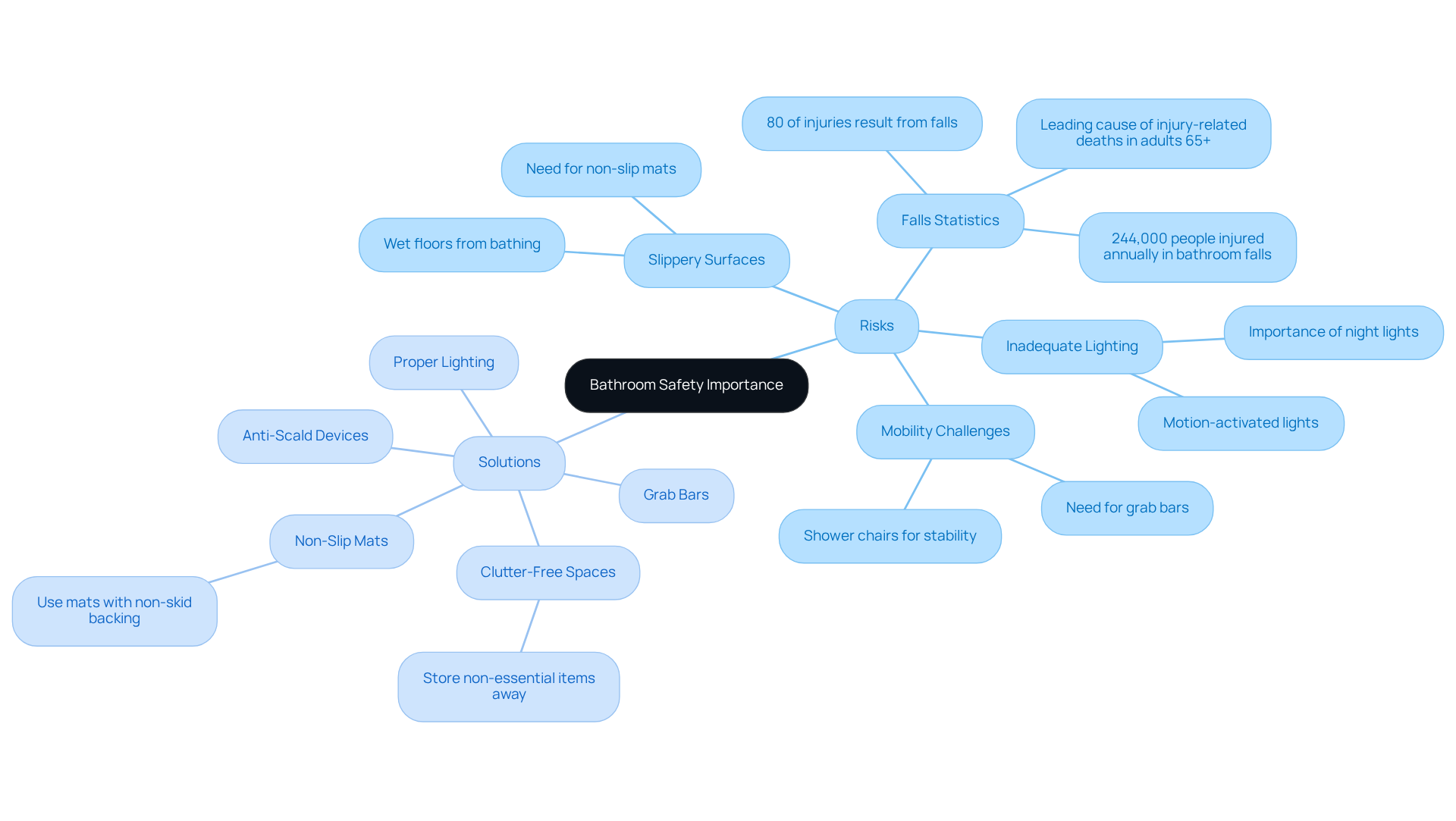
Understand the Importance of Bathroom Safety
, particularly for our elderly loved ones and individuals with disabilities. , are unfortunately common, and the statistics can be alarming. The CDC reports that about 80% of all injuries in the bathroom result from falling in bathroom slips, marking this area as one of the most perilous in our homes. For adults aged 65 and older, is the leading cause of injury-related deaths, highlighting the seriousness of this issue.
We must recognize that factors like , inadequate lighting, and mobility challenges significantly heighten these risks. For example, falling in the bathroom accounts for 14.1% of injuries that occur while using the toilet, which underscores the need for constant vigilance in this high-risk area. Adequate lighting, especially at night, is vital to prevent accidents and ensure safety.
By understanding these dangers, to create a safer environment. Simple modifications can make a world of difference:
- Installing grab bars
- Ensuring proper lighting
- Keeping spaces clutter-free
- Using non-slip mats
- Adding anti-scald devices
These changes can dramatically lower the risk of accidents. This essential knowledge empowers caregivers to prioritize safety and recognize that regular restroom evaluations are necessary. Ultimately, these efforts contribute to enhancing the for those we support, bringing peace of mind to caregivers and their loved ones.
Implement Essential Safety Measures
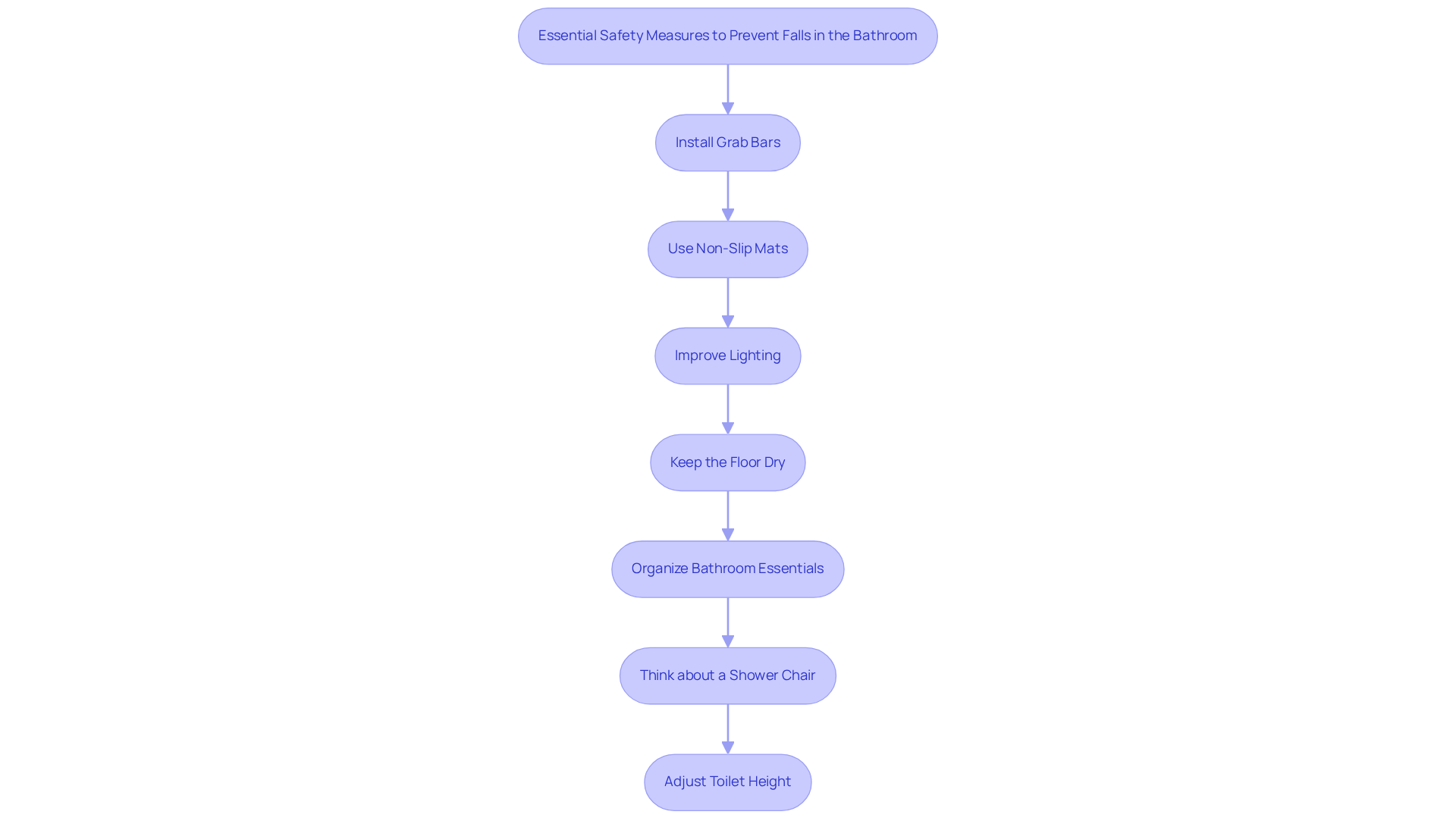
To effectively prevent falls in the bathroom, caregivers are encouraged to implement essential safety measures with compassion and care:
- : Secure grab bars near the toilet and inside the shower or bathtub to provide support when standing or sitting. Proper installation at the correct height is crucial, as studies show that homes equipped with grab bars can reduce injuries from falling in the bathroom by up to 30% (Levine IC, JMIR Rehabil Assist Technol). Grab bars not only improve security but also empower individuals to carry out daily tasks with greater confidence.
- : Place inside and outside the shower or bathtub to minimize the risk of slipping on wet surfaces. These mats should be securely fastened to the floor to ensure stability. Real-world examples indicate that the use of non-slip mats significantly reduces the risk of falling in bathroom areas, making them a vital addition to any safety plan. A case study demonstrated that eliminating loose rugs and utilizing non-slip mats can create a safer washroom setting and reduce the risk of falling in the bathroom.
- Improve Lighting: Brighten the space with adequate illumination to enhance visibility. Setting up night lights can illuminate pathways during evening visits, decreasing the chances of accidents. Well-lit environments are particularly essential for older adults, who may need to navigate the bathroom more frequently at night.
- Keep the Floor Dry: Regularly check for spills and promptly clean them to prevent slipping hazards and . Consider using absorbent mats that can soak up water to help prevent falling in the bathroom by further minimizing the risk of slips.
- Organize Bathroom Essentials: Keep toiletries and other commonly used items readily accessible to reduce stretching or bending, which can lead to accidents. A tidy environment is vital for ensuring well-being and reducing the risk of falling in the bathroom.
- Think about a Shower Chair: For those with mobility challenges, a shower chair can offer a secure spot to sit during bathing, greatly lowering the chance of slipping. This simple addition can enhance comfort and safety during bathing.
- Adjust Toilet Height: Elevated toilet seats can raise height by 2 to 6 inches, making it easier for individuals to sit and stand, thereby reducing strain and the risk of falls. This modification is particularly beneficial for seniors and those with mobility challenges to prevent falling in bathroom.
Address Special Considerations for Seniors and Individuals with Disabilities
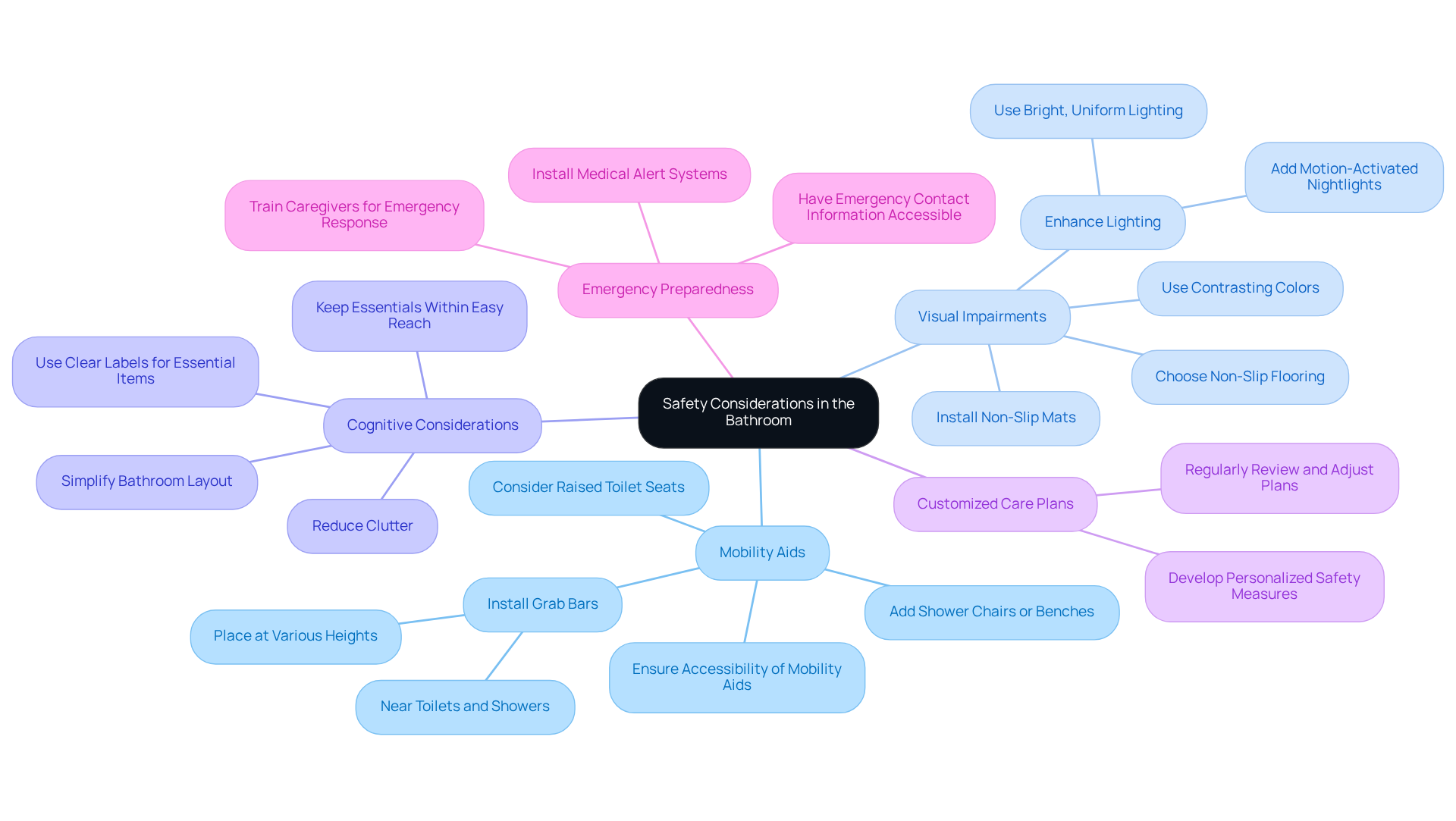
When caring for seniors and individuals with disabilities, recognizing their unique needs is essential to and .
Mobility Aids: It’s vital to ensure that mobility aids, like walkers or canes, are readily accessible in the restroom. This helps individuals maintain their while ensuring their safety. Installing grab bars at various heights near toilets and showers offers stability and support. It’s concerning that only 59% of older adults using a walker indoors have shower grab bars and a bath seat, underscoring the necessity of these aids.
: For clients with visual impairments, using contrasting colors for bathroom fixtures and non-slip mats can significantly assist navigation. Proper illumination is crucial; bright, uniform lighting paired with motion-activated nightlights can greatly reduce accident risks, particularly the risk of falling in the bathroom during nighttime outings. Additionally, consider non-slip vinyl or rubber flooring, which plays a vital role in preventing falling in the bathroom.
Cognitive Considerations: Simplifying the bathroom layout for individuals with cognitive impairments is important. Reducing clutter and using clear labels for essential items can help them find what they need without confusion, fostering a sense of independence. Keeping only essential items within easy reach while storing less frequently used items away helps maintain a tidy environment.
Customized Care Plans: Developing that incorporate specific tailored to an individual's mobility, strength, and cognitive abilities is essential. Regularly reviewing and adjusting these plans ensures they remain effective and relevant as needs change.
Emergency Preparedness: It’s crucial to have emergency contact information readily available and for caregivers to be trained to respond effectively in case of a fall or injury. Installing a can provide immediate assistance when needed.
By addressing these important considerations, caregivers can create a safer and more supportive bathroom environment, reducing the risk of falling in the bathroom. This not only promotes independence but also significantly reduces the risk of falls, allowing for a more comforting experience.
Taking the Next Steps
Ensuring bathroom safety is paramount for caregivers, especially when it comes to protecting elderly loved ones and individuals with disabilities. The risks associated with bathroom falls are significant, and the statistics highlight the alarming frequency of injuries in these spaces. By taking proactive measures, caregivers can create a safer environment that not only reduces the likelihood of accidents but also enhances the overall quality of life for those they support.
Key strategies to prevent falls include:
- Installing grab bars
- Using non-slip mats
- Improving lighting
- Maintaining a clutter-free space
Additionally, addressing the unique needs of seniors and individuals with disabilities through tailored safety measures, such as mobility aids and cognitive-friendly layouts, can make a substantial difference. These modifications are essential in fostering independence while minimizing risks.
Ultimately, the importance of bathroom safety cannot be overstated. Caregivers are encouraged to implement these practical safety measures and continuously assess the bathroom environment. By doing so, they not only protect their loved ones from potential harm but also create a reassuring atmosphere that promotes confidence and well-being. Taking action today can lead to a safer tomorrow, ensuring that everyone can navigate their bathrooms with peace of mind.
https://iframe.tely.ai/cta/eyJhcnRpY2xlX2lkIjogIjY4ZWU3Zjg3OGNkMDQ3ODlhMTJjODVhMSIsICJjb21wYW55X2lkIjogIjY4ZWU1ZGNhNzMxNzYyNTU3ZjNjOTVjMSIsICJpbmRleCI6IG51bGwsICJ0eXBlIjogImFydGljbGUifQ==Frequently Asked Questions
Why is bathroom safety important?
Bathroom safety is crucial, especially for the elderly and individuals with disabilities, as falls in bathrooms are common and can lead to serious injuries. The CDC reports that around 80% of bathroom injuries are due to falls, making it one of the most dangerous areas in the home.
What are the statistics regarding falls in the bathroom for older adults?
For adults aged 65 and older, falls in the bathroom are the leading cause of injury-related deaths, highlighting the severity of the risks involved.
What factors contribute to the high risk of falls in the bathroom?
Factors such as slippery surfaces, inadequate lighting, and mobility challenges significantly increase the risk of falls in the bathroom.
What percentage of injuries occur while using the toilet in the bathroom?
Falling in the bathroom accounts for 14.1% of injuries that occur while using the toilet.
What modifications can be made to improve bathroom safety?
Simple modifications include installing grab bars, ensuring proper lighting, keeping spaces clutter-free, using non-slip mats, and adding anti-scald devices.
How can caregivers help prevent accidents in the bathroom?
Caregivers can take proactive steps by making necessary modifications, regularly evaluating restroom safety, and prioritizing the safety of those they support, which ultimately enhances their quality of life.