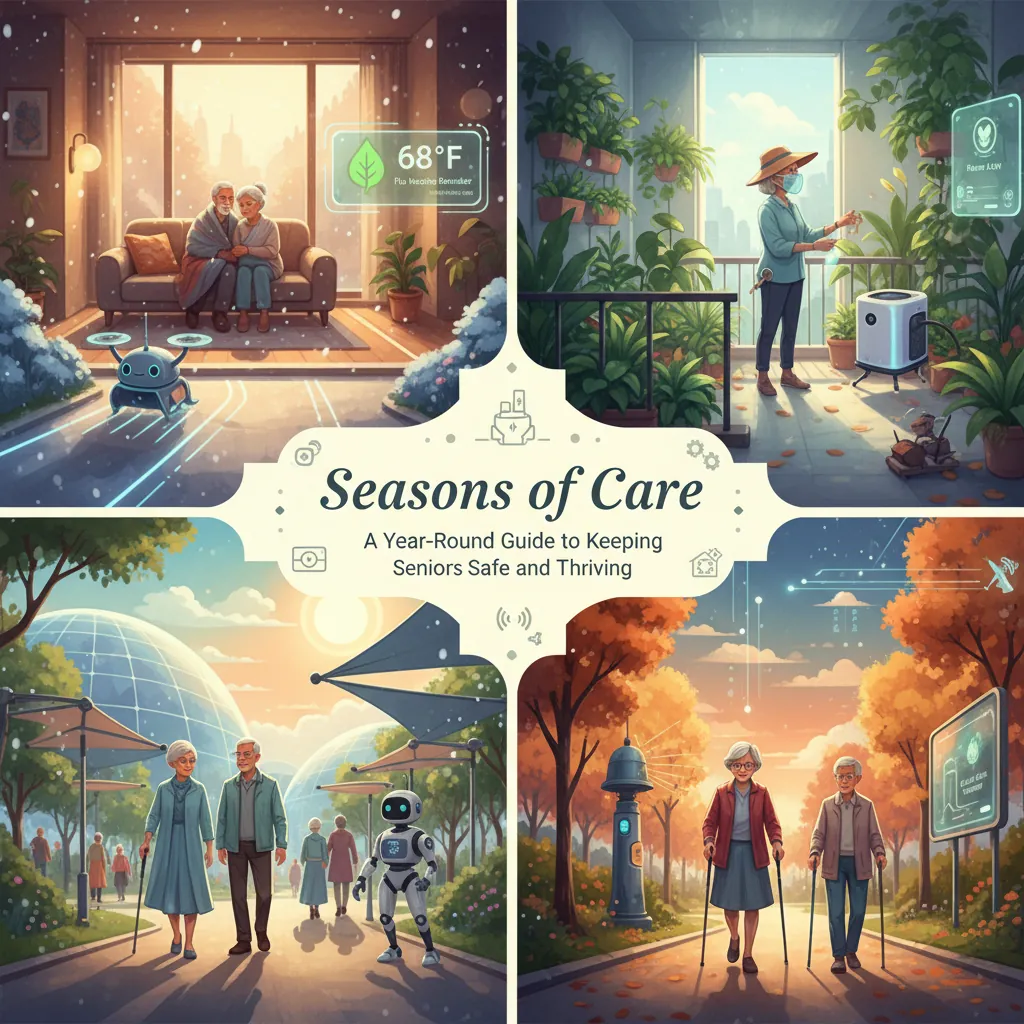
Seasons of Care: A Year-Round Guide to Keeping Seniors Safe
For families in our service areas
For families in our service areas, this guide explains caregiving and how non-medical in-home caregiving can support care planning in East Idaho, Treasure Valley & Magic Valley, Northern Wasatch, North Central West Virginia & Southwestern Pennsylvania, and Northeast Ohio.
Introduction: More Than Just Weather – Why Every Season Matters for Seniors
Forget the fleeting charm of pumpkin spice lattes or the Instagram-worthy hues of autumn foliage. For our elders, the shift in seasons signifies something far more profound than just a change in wardrobe or décor. It's a symphony of potential challenges and untapped opportunities, each season presenting its own distinct melody. We often consider the obvious – shielding them from winter's icy grip or summer's sweltering embrace. But true senior care transcends mere temperature control. It requires a nuanced understanding of the 365-day spectrum of needs: the winter's isolating chill, the spring allergies that tickle and torment, the summer heat that saps strength, and the autumn evenings that whisper of reflection and, perhaps, loneliness.
This isn't a sterile medical report filled with jargon and detached statistics. Think of this as a conversation, a friendly guide brimming with practical advice and heartfelt empathy, designed to help us navigate the ever-changing landscape of senior care. It's about understanding that caregiving is not a task, but a year-round commitment, a dance of attentiveness choreographed to the rhythm of the seasons.
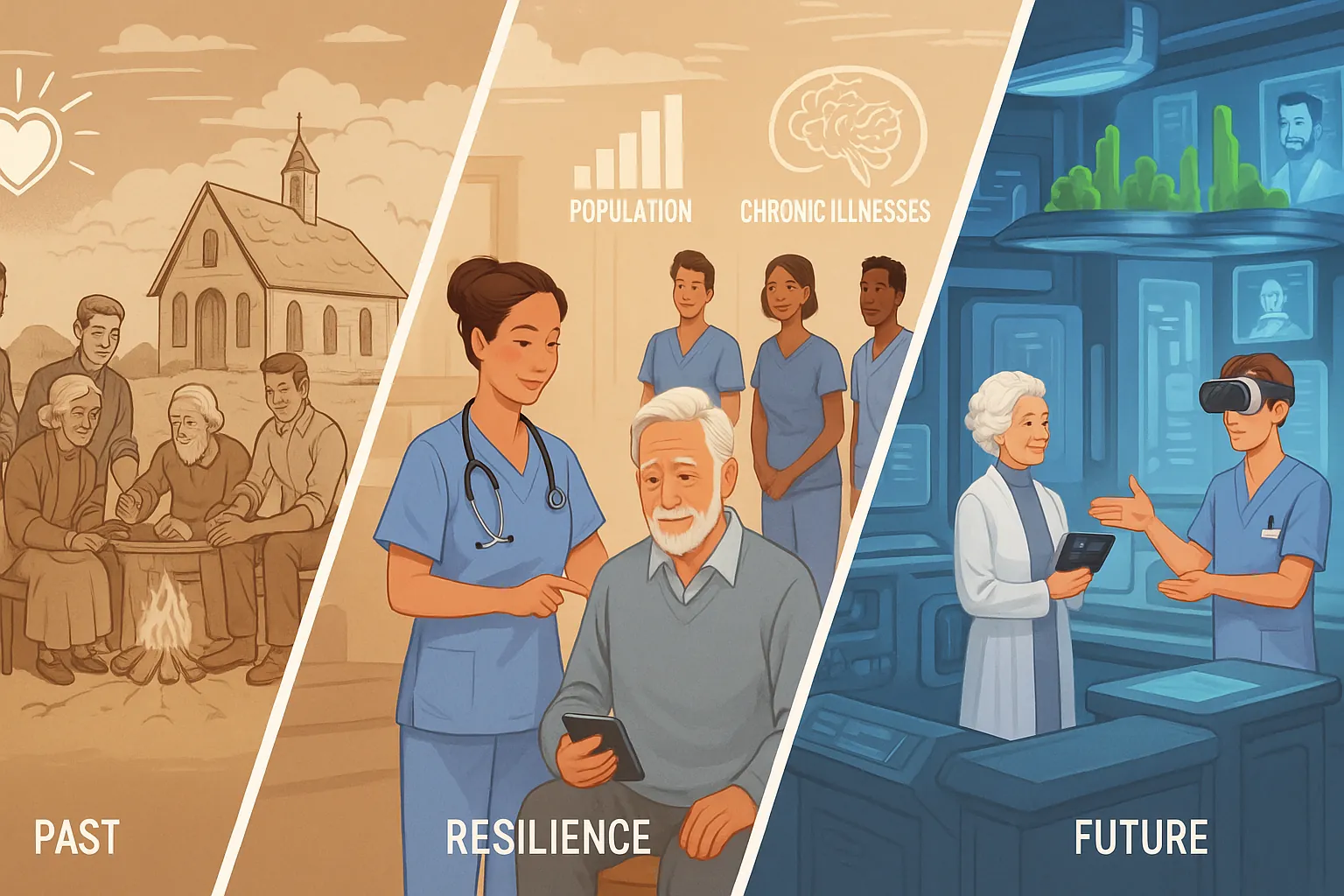
A Walk Through Time: How We Used to Care (and How Far We've Come)
Before the gleaming chrome of modern hospitals and the gentle hum of climate control, how did societies care for their aging members? Was it a simpler, perhaps even a better, time?
- The "Good Old Days" (Spoiler: They weren't always better for seniors): Nostalgia often paints a rosy picture of the past, envisioning multi-generational homes brimming with familial warmth and the revered wisdom of elders. While such idyllic scenarios undoubtedly existed, the reality was often far more precarious. Without the shield of modern medicine, winter posed a stark threat. Simple respiratory infections, like pneumonia or influenza, now often easily managed, were then potential death sentences. The research report indicates a significant increase in mortality rates for seniors during winter months due to respiratory illnesses before the advent of vaccines and antibiotics. Homes heated by fireplaces or wood stoves offered little respite from the biting cold, while summer brought its own torments: heatstroke, dehydration, and the ever-present risk of food spoilage. The quiet tragedy of social isolation, compounded by impassable roads and brutal weather, was a constant companion for many.
- The Dawn of Institutions (and their grim reality): The 18th and 19th centuries witnessed the rise of workhouses and infirmaries, often portrayed in literature as havens for the destitute. In reality, they frequently served as a last resort, offering meager comfort and often appalling conditions. While burgeoning public health initiatives began addressing infectious diseases, these efforts only indirectly benefited the elderly.
- The 20th Century Leap: Modern Medicine Takes Over: The 20th century heralded a paradigm shift, moving elder care from the exclusive domain of family to the realm of specialized institutions and trained professionals. Nursing homes, assisted living facilities, and home healthcare agencies became increasingly prevalent. The development and widespread adoption of vaccines for influenza, pneumonia, and, more recently, COVID-19, have dramatically reduced mortality rates among seniors. The advent of climate-controlled homes, combined with a growing awareness of the importance of fall prevention and the recognition of conditions like Seasonal Affective Disorder (SAD), further revolutionized senior care. We began to understand that caring for our elders meant more than just tending to their physical ailments; it demanded a whole-person approach that addressed their mental and emotional well-being.
Winter Wonderland? More Like Winter Worry-Land for Seniors
The pristine beauty of a snow-covered landscape often masks the very real dangers it poses to our senior loved ones.
The Big Chill: Safety Threats When Temperatures Drop
- Falls on Ice: Ice-slicked pathways become treacherous minefields, increasing the risk of debilitating fractures and head injuries. The natural decline in balance, the slowing of gait, and the potential side effects of medications can all exacerbate this risk.
- Hypothermia & Frostbite: Seniors are particularly vulnerable to hypothermia, as their bodies often struggle to regulate temperature effectively. They may not even recognize the early warning signs, making them especially susceptible even in relatively mild indoor temperatures (as low as 60-65°F).
- Heating Hazards: While space heaters and fireplaces offer comforting warmth, they also present significant fire and carbon monoxide risks.
- Flu Season's Fury: Influenza poses a major threat to seniors, often leading to severe complications like pneumonia.
- Medication Mix-ups: Inclement weather can disrupt routines, leading to missed pharmacy trips and potential medication mismanagement.
- Home Maintenance Headaches: Shoveling snow, a seemingly innocuous task, can place undue strain on seniors' bodies.
Comfort Killers: Why Winter Can Feel So Lonely
- Social Isolation & SAD: Shortened daylight hours, fear of falling, and generally unpleasant weather can lead to prolonged periods of indoor confinement, fostering loneliness and triggering Seasonal Affective Disorder (SAD).
- Keeping Warm: Many seniors live in drafty homes and may be reluctant to raise the thermostat due to financial constraints, leaving them perpetually cold.
- Stiff Joints & Low Energy: The cold can exacerbate arthritic pain and stiffness, while inactivity can further drain energy levels and negatively impact mood.
Expert Advice: Winterizing Your Care Plan
- Maintain indoor temperatures between 68-70°F. Encourage layering of clothing.
- Invest in non-slip footwear and ensure pathways are clear of ice and snow. Consider ice-grips for walkers or canes.
- Annual flu shots are a necessity. Emphasize frequent handwashing.
- Regularly inspect heating systems and carbon monoxide detectors.
- Combat isolation through video calls, light therapy, and engaging indoor activities.
Spring Awakening: New Joys, New Jitters
Spring, a season of rebirth and renewal, also brings its own unique set of challenges.
Safety Sprouts: Risks in the Season of Renewal
- Slippery Surfaces: Spring showers transform sidewalks and patios into treacherous skating rinks, making falls a persistent concern.
- Allergy Attack! Pollen, dust, and mold spores proliferate, triggering allergic reactions that can cause sneezing, itching, congestion, and breathing difficulties, particularly for those with asthma or COPD.
- Sun & Dehydration: Rising temperatures increase the risk of dehydration and sunburn, even on overcast days.
- Unpredictable Weather: Rapid shifts in temperature and sudden downpours can catch seniors off guard.
Comfort Blooms: Making Spring Enjoyable
- Effectively manage allergy symptoms through medication and environmental control.
- Dress in layers to accommodate fluctuating temperatures.
- Encourage gentle outdoor activities, such as adapted gardening or leisurely strolls.
Expert Advice: Spring into Action
- Monitor pollen counts and limit outdoor exposure on high-pollen days. Keep windows closed and utilize air purifiers.
- Apply sunscreen liberally, wear hats and sunglasses, and seek shade whenever possible. Emphasize the importance of staying adequately hydrated.
- Maintain fall prevention strategies, including wearing sturdy shoes and keeping outdoor areas clear of obstacles.
- Stay informed about weather forecasts and dress appropriately in layers.
Summer Sun: Fun in the Sun, or Danger Zone?
The long, sun-drenched days of summer can be a source of joy, but for seniors, they also present a number of serious health risks.
Heatwave Hazards: Summer's Serious Safety Threats
- Heat Exhaustion & Heat Stroke: Seniors are less efficient at regulating their body temperature and may sweat less, making them particularly vulnerable to heat-related illnesses. Certain medications can also increase sun sensitivity. Symptoms like confusion and high fever require immediate medical attention.
- Dehydration: The Silent Threat: A diminished sense of thirst, coupled with the effects of certain medications, can lead to rapid dehydration. Dizziness resulting from dehydration increases the risk of falls.
- Sunburn & Skin Damage: Seniors often have thinner, more fragile skin that burns easily, increasing their risk of skin cancer.
- Mobility & Isolation: Extreme heat can make it difficult for seniors to leave their homes, leading to loneliness and social isolation.
Cool Comfort: Enjoying the Warmth Safely
- Seek refuge in air-conditioned environments, such as malls, libraries, or senior centers.
- Wear light, breathable clothing.
- Schedule outdoor activities for early mornings or late evenings to avoid the hottest part of the day.
- Pay attention to skin sensitivities, such as heat rash and dryness.
Expert Advice: Staying Chill When It's Hot
- Drink water frequently throughout the day, even if not thirsty. Avoid caffeine and alcohol, which can contribute to dehydration.
- Air conditioning is essential. If unable to cool their home adequately, seek out a designated cooling center.
- Wear loose-fitting, light-colored clothing. Apply sunscreen (SPF 30 or higher), wear hats, and use sunglasses.
- Check on seniors at least twice a day to monitor for signs of heat-related illness.
Autumn Glow: Preparing for the Chill Ahead
As the leaves turn vibrant shades of red and gold, it's time to prepare for the transition to cooler weather and the challenges that lie ahead.
Falling Leaves, Falling Risks: Autumn's Specific Dangers
- Return of the Cold: Hypothermia remains a risk, even before the onset of deep winter.
- Flu Season Begins Anew: Encourage seniors to get their annual flu shot.
- Leafy Labyrinth: Wet, fallen leaves create slippery and often hidden hazards.
- Heating Up Risks: As furnaces are switched on for the first time, ensure they are functioning safely and that carbon monoxide detectors are in place.
- Daylight Savings Drift: Shorter days can affect driving safety and increase the risk of falls due to reduced visibility.
Comfort in Transition: Embracing the Cozy Season
- Dress in layers to accommodate fluctuating temperatures.
- Enjoy warm, nutritious meals.
- Address early signs of seasonal depression through social engagement and light therapy.
Expert Advice: Fall into Safety
- Schedule a flu shot appointment.
- Rake leaves and clear pathways to prevent falls. Ensure adequate lighting both indoors and outdoors.
- Dress in layers. Have heating systems inspected and serviced.
- Stay hydrated, even in cooler weather.
The Bigger Picture: Controversies & the Human Touch in Caregiving
Beyond the practical considerations of seasonal safety, lie deeper, more complex issues surrounding senior care.
The Great Debate: Safety vs. Independence
Striking a balance between ensuring the safety of our elders and respecting their autonomy is a constant challenge. Seniors often crave independence, while caregivers understandably worry about falls, medication adherence, and self-neglect. Over-protection, while well-intentioned, can negatively impact mental health and diminish quality of life. The report highlights that different cultures often hold varying perspectives on this balance, with some prioritizing protection while others place a greater emphasis on independence. The ideal solution lies in personalized care plans, inclusive decision-making, and open communication.
The Money Talk: Financial Strain and Access to Care
The high cost of quality senior care can place a significant financial burden on families. Debates rage over the adequacy of Medicaid and Medicare funding, and allegations of overbilling are not uncommon. Resource shortages, particularly a lack of quality services and facilities, further exacerbate the problem.
The Unsung Heroes: Caregiver Burden & Staffing Crisis
Family caregivers often face immense stress, leading to depression, anxiety, and burnout. The senior care industry struggles to attract and retain qualified staff, which can result in potential neglect. Ethical dilemmas arise when staff feel overwhelmed and responsible beyond their capacity.
Quality & Ethics: Ensuring Dignity and Preventing Harm
Navigating complex family dynamics, honoring end-of-life wishes, and preserving dignity are paramount. Controversies surrounding issues such as cannabis use for seniors, the exorbitant costs of Alzheimer's treatment, and self-neglect raise difficult ethical questions. Sadly, neglect and abuse remain real concerns, often fueled by ageism.
Looking Ahead: The Future is Smart (and Sustainable!)
The future of senior care is being shaped by technology and a growing awareness of environmental sustainability.
Tech to the Rescue: Smart Tools for Senior Care
- AI & Predictive Power: Artificial intelligence can analyze health data to identify potential problems early, personalize care plans, and even provide cognitive support.
- Smart Homes: Voice assistants, automated lighting, motion sensors, smart thermostats, and fall detection systems are making aging in place safer and easier.
- Wearables: Smartwatches can track vital signs, activity levels, and sleep patterns, as well as detect falls in real-time.
- Telehealth & Remote Monitoring: Virtual doctor visits and remote health tracking by healthcare professionals offer convenience and improved access to care.
- Robots (Yes, Robots!): While still in their early stages, robots are poised to assist with daily tasks and even provide companionship.
- VR/AR: Virtual reality and augmented reality can offer virtual travel experiences, mental stimulation, and combat social isolation.
Beyond the Home: Climate Change and Senior Vulnerability
Climate change will exacerbate seasonal risks for seniors, leading to more frequent and intense heat waves and altered disease patterns. However, climate monitoring technology (satellites, AI, IoT) can help us predict and prepare for these challenges. Senior communities are increasingly adopting eco-friendly practices and embracing sustainable living.
The Golden Age of Aging in Place:
The trend is clear: more seniors desire to remain in their own homes, supported by a combination of human care and advanced technology. Traditional nursing homes are evolving to meet this demand.
Conclusion: A Call to Action – Caregiving is a Year-Round Commitment
As we've explored, each season brings its own unique set of challenges and opportunities for seniors. Armed with knowledge and the right strategies, we can empower them to live comfortably, safely, and with dignity throughout the year.
It's not just about mitigating risks; it's about embracing the possibilities for joyful, engaged senior living, year-round. It's about recognizing that caregiving is not a seasonal chore, but a perpetual act of love, respect, and unwavering commitment.