The Invisible Thread: Why a Caregiver's Well-being is the #1

For families in our service areas
For families in our service areas, this guide explains caregiver support and how non-medical in-home caregiving can support care planning in East Idaho, Treasure Valley & Magic Valley, Northern Wasatch, North Central West Virginia & Southwestern Pennsylvania, and Northeast Ohio.
I. Intro: More Than Just a Helping Hand - It's a Partnership!
Ever thought about who takes care of the people who take care of everyone else? The answer, frustratingly, is often: not enough people, not enough resources, and not enough focused attention.
The big idea, the linchpin of effective and ethical care, is this: caregiver well-being isn't just a nice-to-have; it's the bedrock of quality client care. When caregivers thrive, so do their clients - it's an unbreakable, two-way street. To diminish one is to invariably diminish the other.
What do we even mean by "caregiver well-being" and "client care"? Caregiver well-being is a tapestry woven from physical health, mental resilience, and emotional equilibrium. Client care, meanwhile, encompasses not just meeting basic needs but also building trust, fostering autonomy, and cultivating genuine human connection.
Here's the spoiler: Neglect one, and the other suffers. Support one, and both flourish. The equation is elegantly simple, even if the execution is anything but.
II. Once Upon a Time in Caregiving: A Brief History
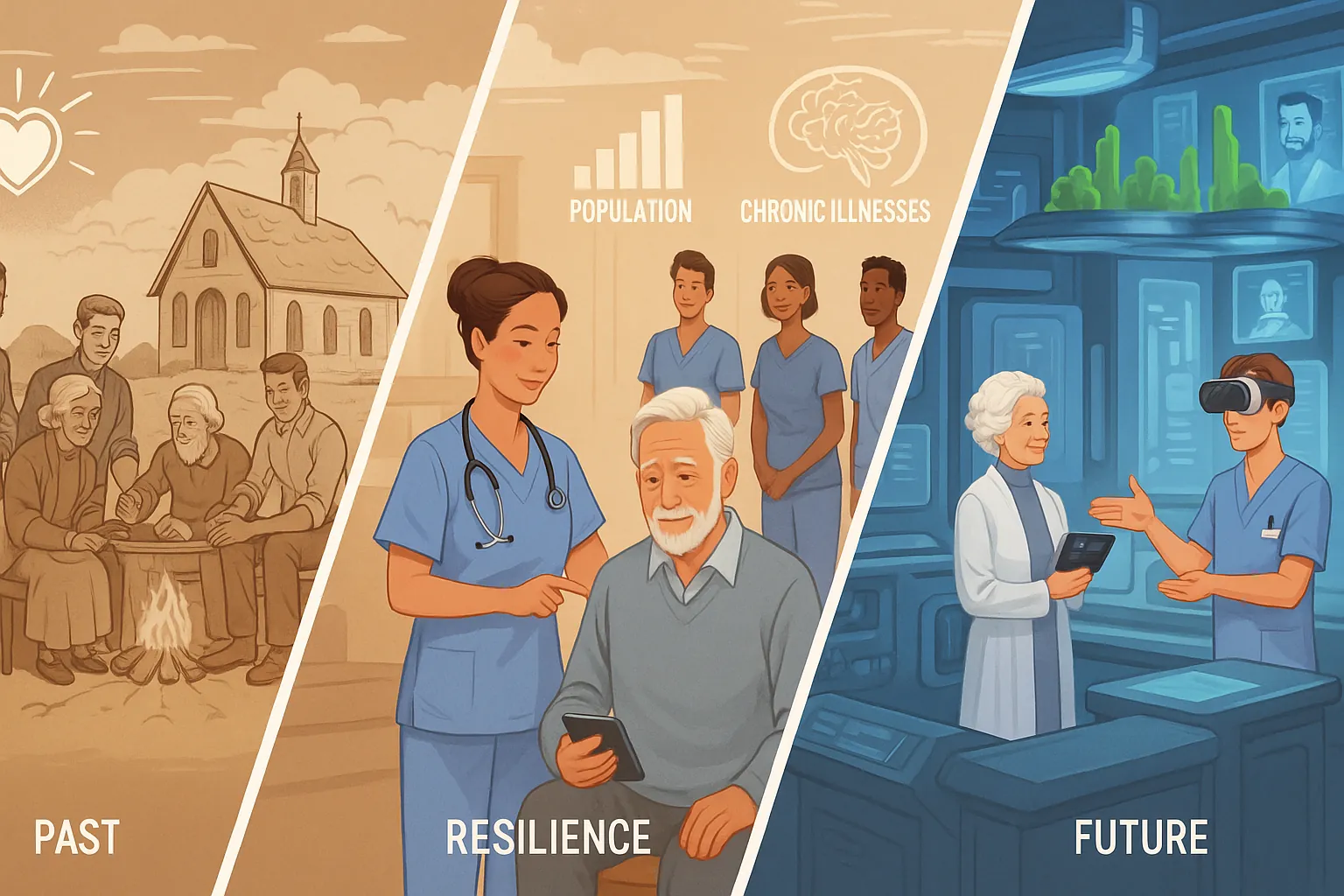
Caregiving, in its essence, is as old as humanity itself. From the healing oaths of Hippocrates to the compassionate revolution of Florence Nightingale, the desire to alleviate suffering has been a recurring theme in our collective story. Compassion, empathy, the drive to nurture - these are not modern inventions.
What is relatively new, however, is the formal study of caregiver well-being. Surprisingly, systematic research only began in the late 20th century. Early investigations, often tinged with a somewhat bleak outlook, focused on "caregiver burden" - the stress, depression, physical toll, and social isolation that can plague those in caring roles. Ouch, indeed.
Do you remember when caregivers were largely unseen, unheard, and unrecognized? A quiet army toiling away in the shadows? The public outcry in the 1980s, spurred by burgeoning awareness of elder abuse and the growing AIDS crisis, started to change that. It forced a reckoning, a reluctant acknowledgement of the sacrifices being made behind closed doors.
But perhaps the most profound shift has been the realization that caregiving is not just a one-way burden, but a bidirectional relationship. It can bring joy, purpose, profound connection, and a sense of meaning that transcends the everyday. It's a complex interplay of giving and receiving, not a simple act of selfless sacrifice.
III. Today's Snapshot: What Everyone's Saying (and Doing) About Caregiving
Today, there is a near-universal consensus: caregiver well-being is a huge deal. It is a public health imperative, a mental health priority, and an economic necessity. To ignore it is to invite a cascade of negative consequences.
Caregivers are increasingly recognised as MVPs, as integral members of the healthcare ecosystem. They're not just helpers; they're often an "extension of the healthcare team," providing invaluable insights and continuity of care.
Yet, the ugly truth persists: many caregivers are thrust into demanding roles with minimal training or support, performing billions of dollars worth of unpaid labor. The result? Widespread burnout, emotional exhaustion, and a system on the brink of collapse.
The prevailing answer is a strong push for whole-person support for both caregivers and clients. This means systematic screenings for caregiver stress, readily accessible self-care resources, robust support groups, and timely access to professional mental health services.
Moreover, client-centered care is paramount. Respect, clear communication, shared decision-making - it's all about tailoring care to the individual, not imposing a rigid, cookie-cutter approach. It's about empowering clients to maintain autonomy and dignity, even in the face of vulnerability.
IV. Navigating the Minefield: Controversies and Ethical Tightropes
The terrain of caregiving is often riddled with ethical landmines and fraught with difficult decisions. One of the most persistent challenges revolves around conflicting wishes: what the patient wants versus what the family/caregiver believes is best, especially in the context of end-of-life care.
When a client lacks the capacity to advocate for themselves, caregivers bear the immense burden of making life-altering choices. The weight of this responsibility can be crushing, leading to significant emotional distress and moral fatigue.
Furthermore, the specter of limited resources and inadequate insurance coverage casts a long shadow. Providing quality care can be a huge ethical and financial strain, sometimes forcing caregivers to sacrifice their own health and well-being to meet the needs of their loved ones.
The delicate balance between a client's privacy and the need to involve family members also presents a persistent dilemma. And what about the burgeoning realm of assistive technologies?
Digital tools offer tremendous potential, but they can also feel as though they "steal" time from genuine human connection. Surveillance technologies, in particular, raise profound questions about autonomy, dignity, and the very nature of care.
Finally, there is the insidious phenomenon of moral distress. When caregivers feel compelled to act in ways that violate their own values - whether due to institutional pressures, financial constraints, or conflicting directives - the emotional toll can be devastating.
V. Crystal Ball Gazing: The Future of Caregiving
Looking ahead, one thing is clear: the demand for caregivers is poised to skyrocket, driven by an aging population and a growing preference for home-based care.
This demographic tsunami presents both opportunities and challenges. It will undoubtedly fuel a booming business, but we must ensure that this growth is accompanied by ethical practices, fair wages, and robust support systems.
More and more people want to age in place, driving a shift toward more comprehensive care at home. This will require innovative approaches to service delivery, seamless integration of technology, and a greater emphasis on preventative care.
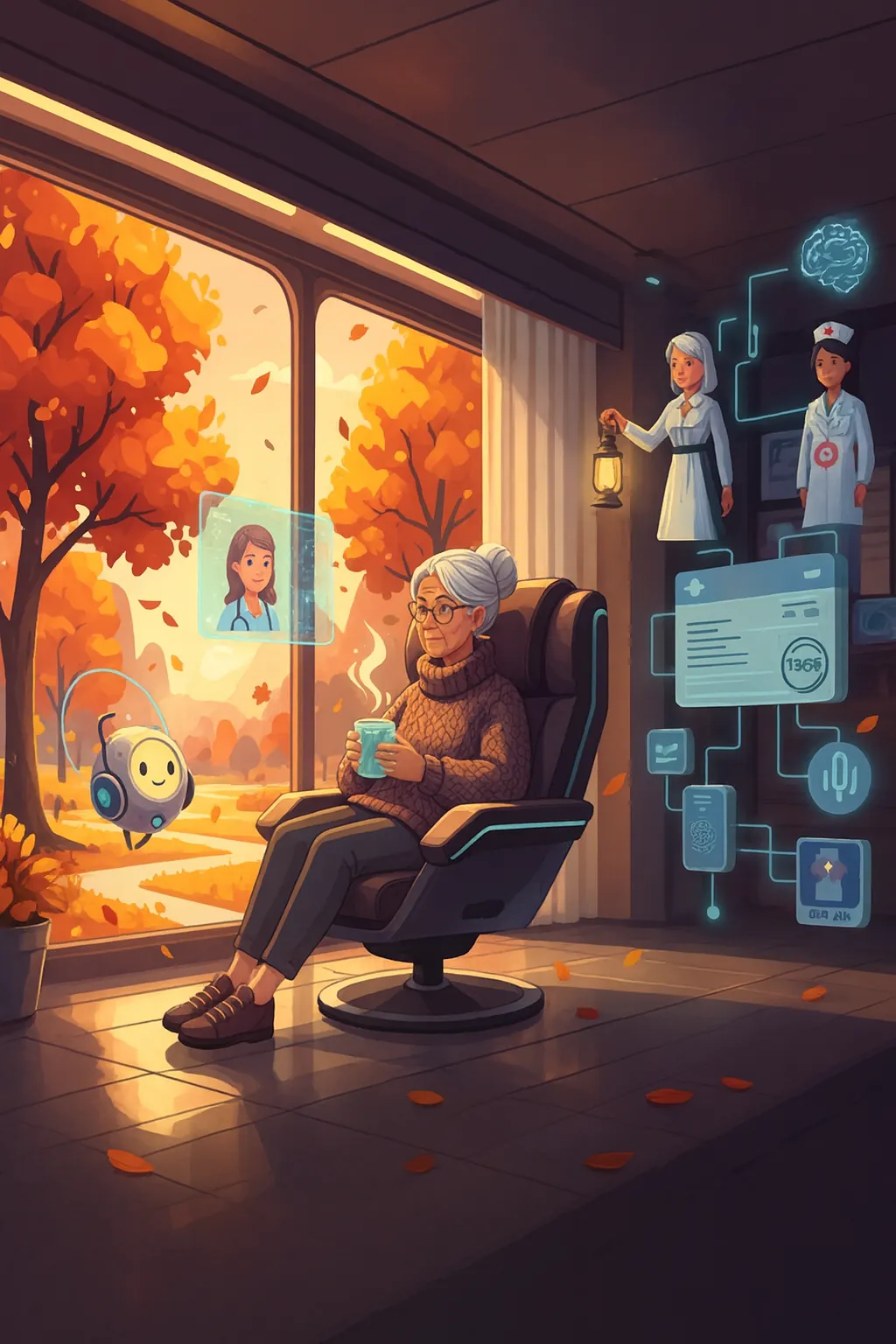
Technology offers a glimmer of hope, but it must be implemented thoughtfully and ethically. Imagine smart homes that anticipate needs, wearable sensors that detect early warning signs, and AI-powered tools that personalize care plans.
Telehealth and virtual reality could also play a significant role, enabling remote check-ups, virtual support groups, and even immersive experiences that promote client engagement and caregiver stress relief.
But the big dream is user-friendly tech that simplifies care, not complicates it. We must avoid the trap of technological determinism, ensuring that technology serves human needs, rather than the other way around.
On the policy front, legislation like the RAISE Act and BOLD Act are laying the groundwork for national strategies and infrastructure. There's also growing momentum for national paid family leave and increased funding for home-based services.
The ultimate goal is to move beyond simply "reducing burden" to "enabling flourishing" - empowering both caregivers and clients to thrive.
This will require smarter research, better data, and a deeper understanding of the complex factors that influence caregiver well-being. We need to focus on multi-component interventions, address the unique needs of underserved caregiver groups, and optimize technology to provide meaningful support, especially for isolated caregivers.
Finally, the looming "care gap" - the projected shortfall in available caregivers - poses a significant challenge. With fewer informal caregivers available, we will need to rely increasingly on formal care systems, which will require substantial investment and new approaches.
The future of care is whole-person, hyper-personalized, and data-driven. It will integrate health and social services, leverage the power of AI to create tailored care plans, and empower individuals to live their lives to the fullest, regardless of their age or ability.
VI. The Bottom Line: Care for the Carers, Care for All
A thriving caregiver means a thriving client. It's truly that simple (and yet, infinitely complex).
So, what can we do - as individuals, as communities, as policymakers - to support the unsung heroes who make quality care possible? How can we create a culture that values caregiving, that recognizes its inherent worth, and that provides the resources and support needed to ensure that both caregivers and clients can flourish? This is the question that we must grapple with, the challenge that we must embrace, if we are to build a more just and compassionate society.