For families in our service areas
For families in our service areas, this guide explains caregiver support and how non-medical in-home caregiving can support care planning in East Idaho, Treasure Valley & Magic Valley, Northern Wasatch, North Central West Virginia & Southwestern Pennsylvania, and Northeast Ohio.
I. Introduction: The Unsung Heroes Who Deserve a Break
You're a caregiver. A silent guardian, a tireless advocate, a wellspring of empathy. You give your all, every single day, navigating a labyrinth of needs and emotions. But what happens when "all" starts to feel like "empty?" When the well runs dry, and you're left staring into the abyss of exhaustion?
Caregiver burnout is real, an insidious thief that steals your energy, your joy, and ultimately, your ability to care effectively. And the idea of taking a break? Often, it comes with a hefty side of guilt, a bitter pill that leaves you feeling even more depleted. This post is about changing that narrative, about dismantling the myth that self-care is selfish.
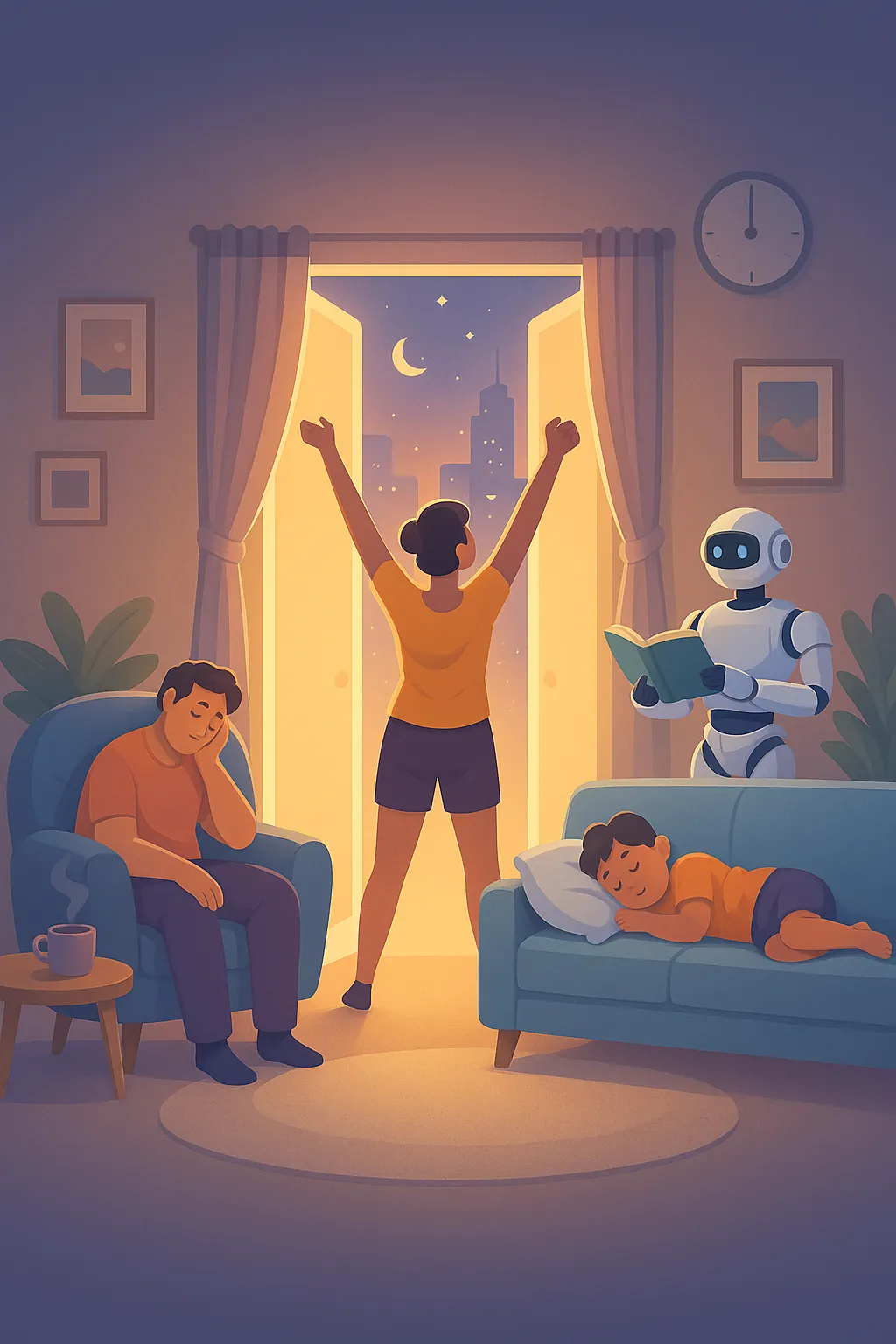
A "Weekend Reset" isn't a luxury; it's a vital necessity for your well-being and, paradoxically, the quality of care you provide. It's about recognizing that you, too, are a human being with needs, deserving of rest and rejuvenation. And yes, you can recharge without guilt. In the words of Audre Lorde, "Caring for myself is not self-indulgence, it is self-preservation, and that is an act of political warfare."
We'll delve into the multifaceted challenges of caregiving, explore the historical context that has shaped our understanding of it, confront the insidious enemy of guilt, offer expert tips for recharging your mind, body, and spirit, and even peek into the promising future of innovative support systems designed to lighten the load.
II. The Heavy Load: Understanding Caregiver Burnout
What is caregiving, really? Is it merely a series of tasks: administering medication, preparing meals, assisting with mobility? It's so much more. It's a constant emotional, physical, and mental investment. It's witnessing vulnerability, managing complex medical needs, and carrying the weight of responsibility on your shoulders.
Burnout, then, is not just "being tired." It's not a fleeting moment of fatigue after a long day. It's a profound exhaustion that seeps into your bones, saps your ability to function, and erodes your sense of self. It's a state of emotional, physical, and mental depletion brought on by prolonged or excessive stress.
The culprits are many, a perfect storm of overwhelming demands: the relentless 24/7 grind, the emotional strain from witnessing suffering, the physical demands of lifting and moving, the crushing social isolation that whispers loneliness, the ever-present financial pressures, and the dreaded self-neglect that becomes a twisted form of martyrdom.
The warning signs are often subtle, easily dismissed as "just a bad day." Persistent tiredness that no amount of sleep can cure. Uncharacteristic irritability, a short fuse that ignites at the slightest provocation. Anxiety that clings like a shadow, depression that dims the light within. Withdrawal from social activities, a shrinking world of isolation. Getting sick more often, a body weakened by stress. Even anger towards the care recipient, a feeling laced with guilt and shame. These are NOT signs of weakness, but rather, stark indicators of an unsustainable situation. They are flares signaling that you need to recalibrate, to seek support, to prioritize your own well-being.
III. From Duty to Demand: A Historical Spin on Caregiving & Self-Care
To understand the complexities of modern caregiving, we must cast our gaze backward, tracing the historical threads that have woven its intricate tapestry.
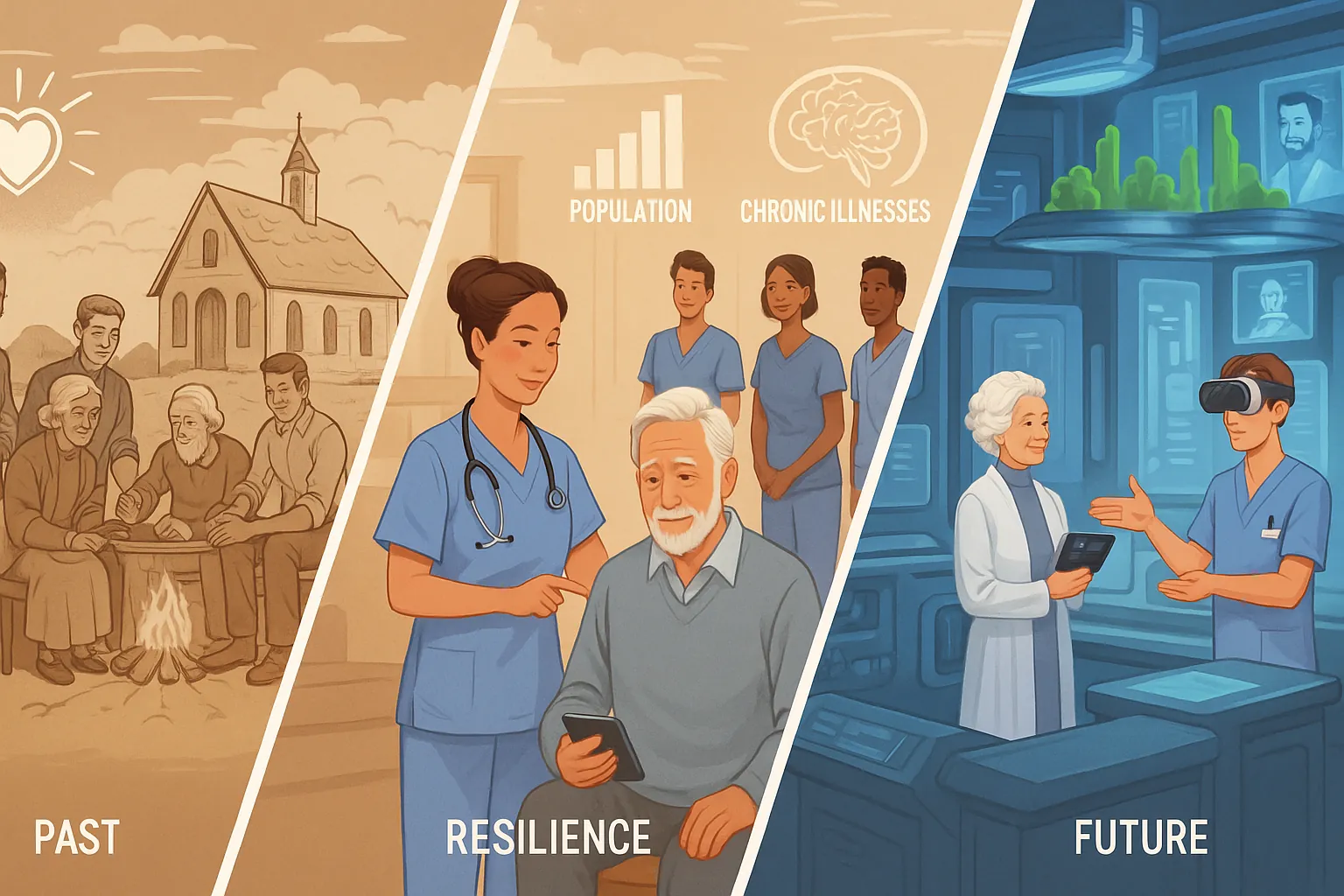
In eras past, caregiving was often an assumed family duty, particularly for women. Multi-generational households provided a natural support system, children pitching in to care for elders, siblings sharing the burden. Community support, too, played a vital role. Yet, formal "breaks" were virtually nonexistent. Caregivers simply persevered, fueled by a sense of obligation and a deep-seated belief that family took care of its own.
The shifting tides of the 20th century brought profound changes. The Industrial Revolution fragmented family structures, drawing individuals away from rural communities and into urban centers. The rise of modern medicine and the advent of social welfare programs gradually altered perceptions of care.
Notably, the 1970s "deinstitutionalization" movement, while well-intentioned, inadvertently shifted the burden of care from institutions to families, shining a harsh spotlight on caregiver burdens. This era witnessed the emergence of "respite care" as a nascent concept, a lifeline for those drowning in the demands of constant care.
Self-care, too, has a rich and evolving history. From ancient philosophical concepts of "care of the self", a whole-life pursuit of wisdom and virtue, to 1950s medical advice promoting proper nutrition and exercise, the notion of self-preservation has taken many forms. The social movements of the 1960s and 70s, women's liberation, civil rights, further emphasized the importance of individual well-being and challenged traditional gender roles.
The modern era has witnessed caregiving become increasingly complex, involving intricate medical tasks, navigation of labyrinthine healthcare systems, and the emotional toll of chronic illness. The establishment of the Family Caregiver Alliance in 1977 marked a monumental step towards formal recognition and support for caregivers, acknowledging the vital role they play in society.
The key takeaway is clear: society is finally catching up to what caregivers have known for centuries that this is arduous work, demanding not only time and energy, but also specialized skills and unwavering dedication. Support is not a luxury; it is a fundamental requirement for sustainable caregiving.
IV. The Guilt Trap & Other Hurdles: Why Recharging Feels Like Mission Impossible
Perhaps the most formidable obstacle in the path of caregiver well-being is the insidious enemy of guilt.
"I'm selfish for wanting a break." "What if something bad happens when I'm gone?" "I should be able to handle this on my own." These are the insidious whispers of caregiver guilt, a chorus of self-doubt that erodes self-worth and perpetuates the cycle of burnout. This guilt is often amplified by societal pressures and unrealistic self-expectations, the pervasive belief that caregivers must be selfless saints, sacrificing their own needs for the sake of their loved ones.
Beyond the emotional barriers, practical roadblocks loom large.
- Money, as always, talks. Respite care isn't cheap, and insurance coverage is often a bewildering maze, leaving many caregivers struggling to afford the support they desperately need.
- Finding the right fit for respite care can be another challenge. Limited availability of qualified services, long waitlists, particularly in rural areas, and the daunting task of vetting potential caregivers can feel overwhelming.
- "They Won't Let Me!" Resistance from the care recipient, fear of abandonment, discomfort with new people, a stubborn refusal to accept help can further complicate the situation.
- The knowledge gap is another significant hurdle. Many caregivers are thrust into complex medical tasks with little or no training, forced to learn on the fly, often at the expense of their own well-being.
- Isolation Station: Feeling alone, unsupported, unable or unwilling to ask for help, can create a sense of profound isolation, trapping caregivers in a cycle of exhaustion and despair.
- The Identity Crisis: Some may not even identify as a "caregiver". This prevents them from seeking support because they don't recognize the need for help.
V. Permission Granted! Your Guide to a Guilt-Free Weekend Reset
The time has come to dismantle the barriers, to shatter the guilt, and to reclaim your right to well-being.
The Golden Rule is simple: self-care is NOT selfish. It's foundational. You cannot pour from an empty cup. Prioritizing your own needs is not an act of indulgence; it's an act of self-preservation, essential for your own health and for the quality of care you provide.
Begin by recharging your body and mind.
Physical Power-Ups:
- Prioritize sleep. Aim for 7-9 hours of restorative slumber each night.
- Nourish your body with wholesome, nutritious food.
- Stay hydrated, replenishing the fluids lost through exertion and stress.
- Move your body, even short walks count!.
- Attend your own doctor appointments.
Mental Tune-Ups:
- Deep breathing exercises, meditation, yoga, mindfulness even a few minutes each day can reset your nervous system and calm the racing thoughts.
- Rediscover forgotten hobbies, lose yourself in a captivating book, indulge in a warm bath.
Emotional Regulation:
- Journaling to process complex emotions, practicing gratitude for the small joys in life, setting realistic expectations, replacing "I should" with "I can." For example, instead of "I should visit every day," try "I can visit twice a week."
Mastering the art of respite is crucial.
Ask and Accept Help:
- Make a list of tasks, both big and small.
- Let friends and family choose how they can contribute.
- Delegate, delegate, delegate!
Formal Respite Care:
- Explore in-home services, adult day centers, short-term residential stays.
Communication is Key:
- Talk to your loved one about your need for a break, explain how respite works, and reassure them of your continued love and support.
- Thoroughly brief respite providers on your loved one's needs, preferences, and routines.
Flip the Script on Guilt:
- Focus on the positive outcome, that you'll come back more patient, energized, and a better caregiver for it.
- You are doing a good job.
VI. The Future Is Now: Innovations to Support Caregivers
The future of caregiving is unfolding before our eyes, powered by technological innovation and a growing recognition of the profound challenges faced by caregivers.
Imagine a world where technology genuinely helps lighten the load.
Tech to the Rescue!
- AI & Machine Learning: Predictive health monitoring (wearables detecting issues before they're emergencies), automated scheduling, smart reminders, personalized care plans, even emotional state detection.
- Robotics: Assisting with physical tasks, fetching items, or even offering companionship (robotic pets for those with dementia!).
- Telehealth & Remote Monitoring: Virtual doctor visits, devices tracking vitals, offering reassurance when you're not physically there.
- Smart Home Tech: Voice assistants, automated lighting, motion sensors for safety alerts.
Evolving Respite Options:
- Virtual Reality (VR) Therapy: Immersive escapes for both caregivers (stress relief) and care recipients (calming agitation, engagement).
- More Flexible & Personalized: Expanded community services, self-direction programs that formalize help from family/friends.
- Addressing Barriers: Federal and state programs working to improve accessibility and affordability of respite.
The vision is clear: a future where caregiving is more sustainable, efficient, and deeply supportive, where caregivers are empowered to thrive, not just survive.
VII. Conclusion: Go On, You've Earned It!
Caregiving is immensely challenging, demanding work that requires unwavering dedication and boundless compassion. But prioritizing your own well-being is not just allowed; it's essential.
Historical perspectives, current experts, and future innovations all point to the same undeniable truth: a recharged caregiver is a better caregiver.
Your next step is simple: Start small. Give yourself permission to rest, to recharge, to reclaim your life. Embrace that "Weekend Reset" guilt-free. You and your loved one deserve it.