

For families in our service areas
For families in our service areas, this guide explains alzheimer's care and how non-medical in-home caregiving can support care planning in East Idaho, Treasure Valley & Magic Valley, Northern Wasatch, North Central West Virginia, and Northeast Ohio.
What You Need to Know About Alzheimer
Appetite loss in individuals with Alzheimer's disease presents a significant challenge that can adversely affect their health and well-being. Nearly half of dementia patients struggle with eating, placing a heavy burden on caregivers who must ensure proper nutrition while navigating cognitive decline and emotional distress.
This issue not only impacts the physical health of those affected but also their overall quality of life. Caregivers often find themselves in a difficult position, trying to encourage eating habits in an environment fraught with challenges.
To address these complexities, caregivers can implement practical strategies to enhance mealtime experiences. By fostering a supportive environment, they can encourage eating and improve the quality of life for those affected.
How can caregivers effectively navigate these challenges? Here are some actionable tips to consider:
- Create a calm and inviting mealtime atmosphere.
- Offer small, frequent meals instead of large ones.
- Involve individuals in meal preparation to increase interest.
- Provide a variety of foods to cater to different tastes.
- Use adaptive utensils to make eating easier.
- Encourage social interaction during meals to make it enjoyable.
- Monitor hydration and encourage fluid intake.
- Be patient and understanding of their needs and preferences.
Explore Causes of Appetite Loss in Alzheimer's Patients
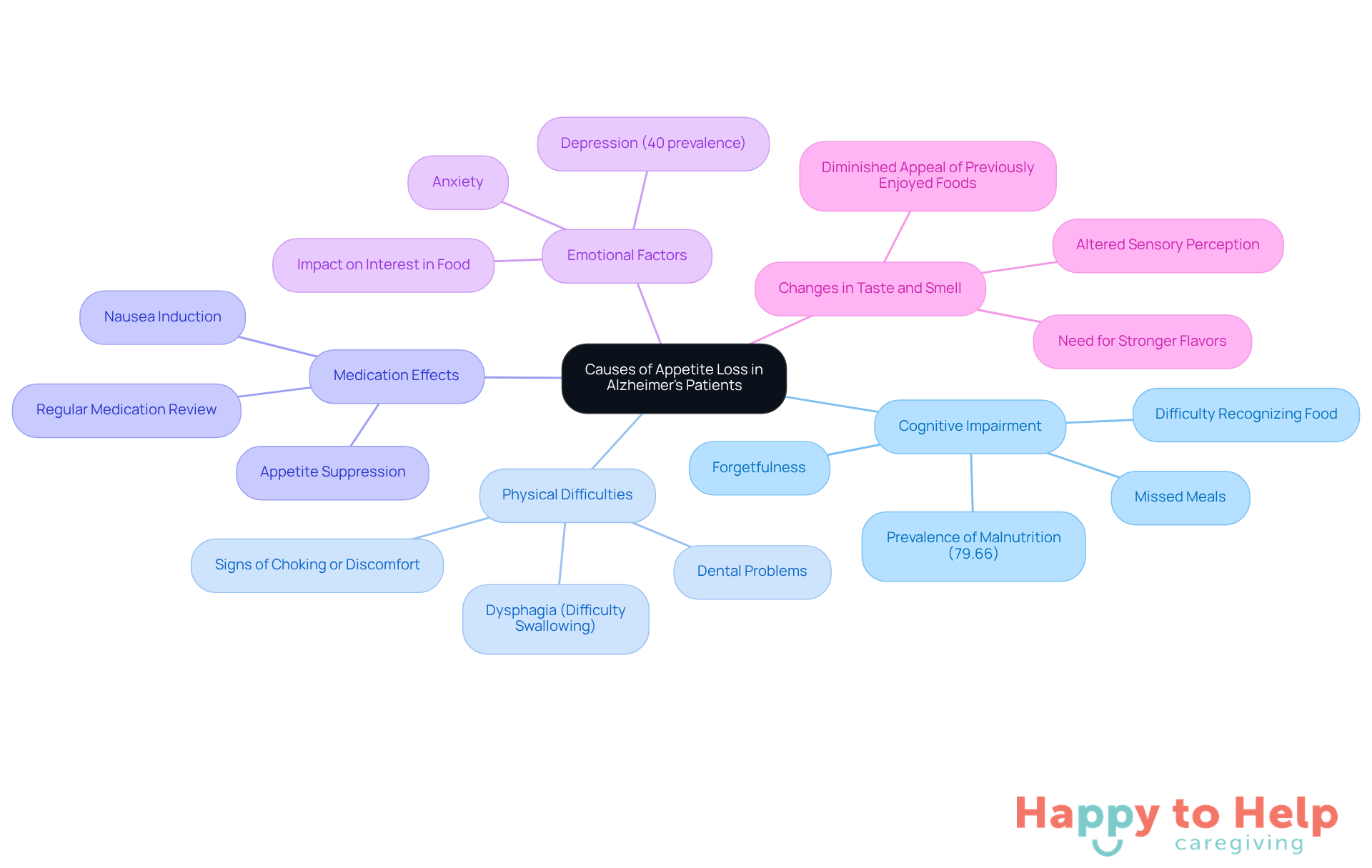
Appetite loss in Alzheimer's patients presents a significant challenge for caregivers, stemming from several interconnected factors:
-
Cognitive Impairment: Many patients may forget to eat or struggle to recognize food, leading to missed meals and inadequate nutrition. Research indicates that up to 50% of individuals with dementia in care settings face the problem of Alzheimer's not eating, highlighting the seriousness of this issue. Furthermore, the prevalence of malnutrition among patients with cognitive decline, especially those experiencing Alzheimer's not eating, is alarming, with studies showing a rate of 79.66%.
-
Physical Difficulties: Conditions such as dysphagia (difficulty swallowing) and dental problems can make eating uncomfortable or painful, further discouraging food intake. Caregivers should be vigilant for signs of choking or discomfort during meals.
-
Certain medications prescribed for dementia can lead to Alzheimer's not eating by suppressing appetite or inducing nausea, complicating the eating experience. Regularly reviewing medications with healthcare providers can help identify potential side effects affecting appetite.
-
Emotional Factors: Depression and anxiety are common among individuals with dementia, impacting their interest in food. Approximately 40% of individuals with dementia experience depression, which can significantly affect Alzheimer's not eating. As noted by C.-L. Chen, "Depression may affect around 40% of people living with Alzheimer’s disease."
-
Changes in Taste and Smell: Alterations in sensory perception often lead to shifts in culinary preferences, making previously enjoyed dishes less appealing. Diminished taste and smell are common in dementia due to neuron degeneration in the brain. Caregivers can enhance food appeal by serving items with stronger flavors and using contrasting dish colors to improve visibility.
Identifying these factors is essential for caregivers in creating effective methods to promote eating and address issues such as Alzheimer's not eating, thereby enhancing the overall well-being of people with dementia.
Solutions for Caregivers:
- Establish Consistent Dining Times: Setting regular meal times can help minimize confusion and anxiety for individuals with memory challenges.
- Monitor for Physical Difficulties: Be attentive to any signs of discomfort during meals and consult healthcare providers for solutions.
- Review Medications Regularly: Work with healthcare professionals to ensure that medications do not adversely affect appetite.
- Enhance Food Appeal: Use stronger flavors and visually appealing presentations to make meals more enticing.
By addressing these interconnected factors, caregivers can significantly improve the eating experience for individuals, particularly those with Alzheimer's not eating, and enhance their overall quality of life.
Implement Strategies to Encourage Eating
Eating difficulties among Alzheimer's not eating patients can pose significant challenges for caregivers. These individuals often struggle with cognitive decline, which can result in Alzheimer's not eating and decreased nutritional intake. This situation not only affects their physical health but can also impact their overall well-being and quality of life.
To address these challenges, caregivers can implement several effective strategies:
- Offer Smaller, Frequent Meals: Instead of three large meals, providing five to six smaller meals throughout the day can make eating less overwhelming and more manageable for individuals with cognitive decline.
- Include Preferred Dishes: Offering familiar and enjoyable items can significantly stimulate appetite, making mealtimes more appealing.
- Use Visual Contrast: Presenting dishes on plates that contrast with the colors enhances visibility and can make dining experiences more enticing for those with cognitive impairments.
- Limit Distractions: Establishing a serene dining atmosphere by reducing noise and interruptions, like switching off the TV, assists people in concentrating more effectively on their food.
- Encourage Independence: Allowing patients to eat at their own pace and providing finger snacks can promote a sense of autonomy and comfort during mealtimes.
- Provide Nutrient-Dense Snacks: Offering high-calorie snacks between meals helps maintain energy levels and supports overall nutritional intake, which is essential for people facing appetite challenges.
- Monitor for Swallowing Issues: Caregivers should examine the individual's mouth to ensure food has been swallowed and be vigilant for signs of choking, as swallowing difficulties are prevalent in later stages of dementia.
- Comprehend the Neurological Foundation: Acknowledging that cognitive impairments can influence hunger and thirst signals aids caregivers in customizing their strategies to address the nutritional requirements of people with dementia.

Create a Supportive Mealtime Environment
Establishing a supportive mealtime atmosphere is crucial for those experiencing Alzheimer's not eating, as it can greatly impact their eating patterns and overall wellness. Caregivers often face challenges in ensuring that individuals with cognitive decline, particularly when it comes to Alzheimer's not eating well, receive proper nutrition, which can lead to nutritional deficiencies and increased anxiety.
To address these issues, here are several actionable strategies to enhance the mealtime experience:
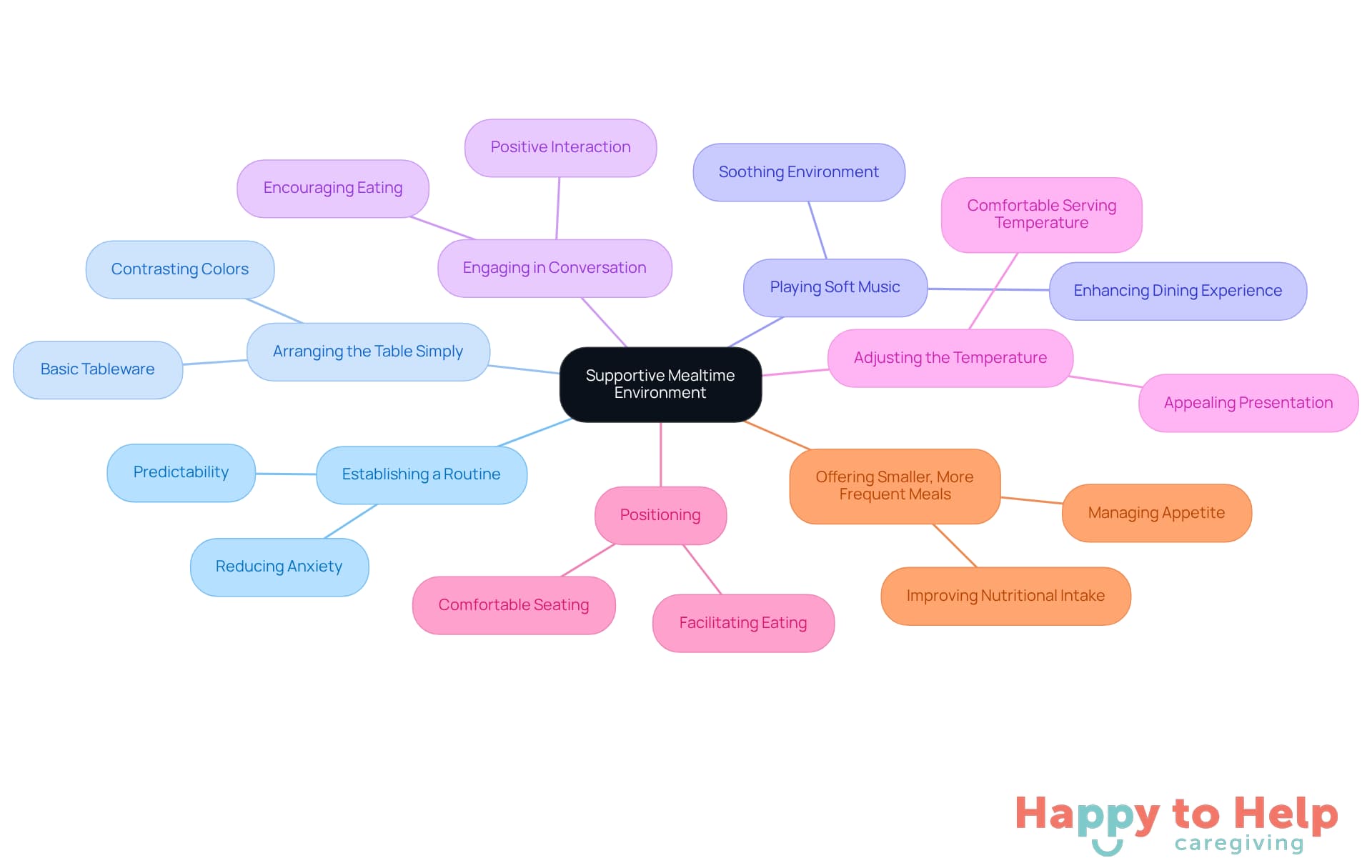
- Establishing a Routine: Serving meals at the same time each day fosters predictability, which is essential for individuals with cognitive decline. A consistent schedule can help reduce anxiety and improve appetite.
- Arranging the Table Simply: Utilizing basic tableware and reducing clutter on the table enables the patient to concentrate on the food itself. Avoiding patterned tablecloths or napkins can prevent distractions that may hinder their ability to eat. Furthermore, using contrasting colors for plates can enhance visibility and attractiveness for people with cognitive impairments.
- Playing Soft Music: Gentle background melodies can create a soothing environment, encouraging individuals to unwind and savor their food. This sensory engagement can enhance their overall dining experience.
- Engaging in Conversation: Mealtime should be an opportunity for social interaction. Discussing pleasant topics can create a positive environment, making the experience more enjoyable and encouraging eating.
- Adjusting the Temperature: Serving dishes at a comfortable temperature is vital, as extreme heat or cold can deter individuals from eating. Ensuring that food is appealing and safe to consume is essential.
- Positioning: Ensuring that the patient is seated comfortably and upright facilitates easier eating. Proper positioning can help prevent choking and make the mealtime experience more pleasant.
- Offering Smaller, More Frequent Meals: Providing smaller, more frequent meals can improve nutritional intake for those with dementia, making it easier for them to manage their appetite and enjoy their food.
By implementing these strategies, caregivers can create a nurturing mealtime environment that supports the nutritional needs and emotional well-being of individuals with Alzheimer's not eating.
Recognize When to Seek Professional Help
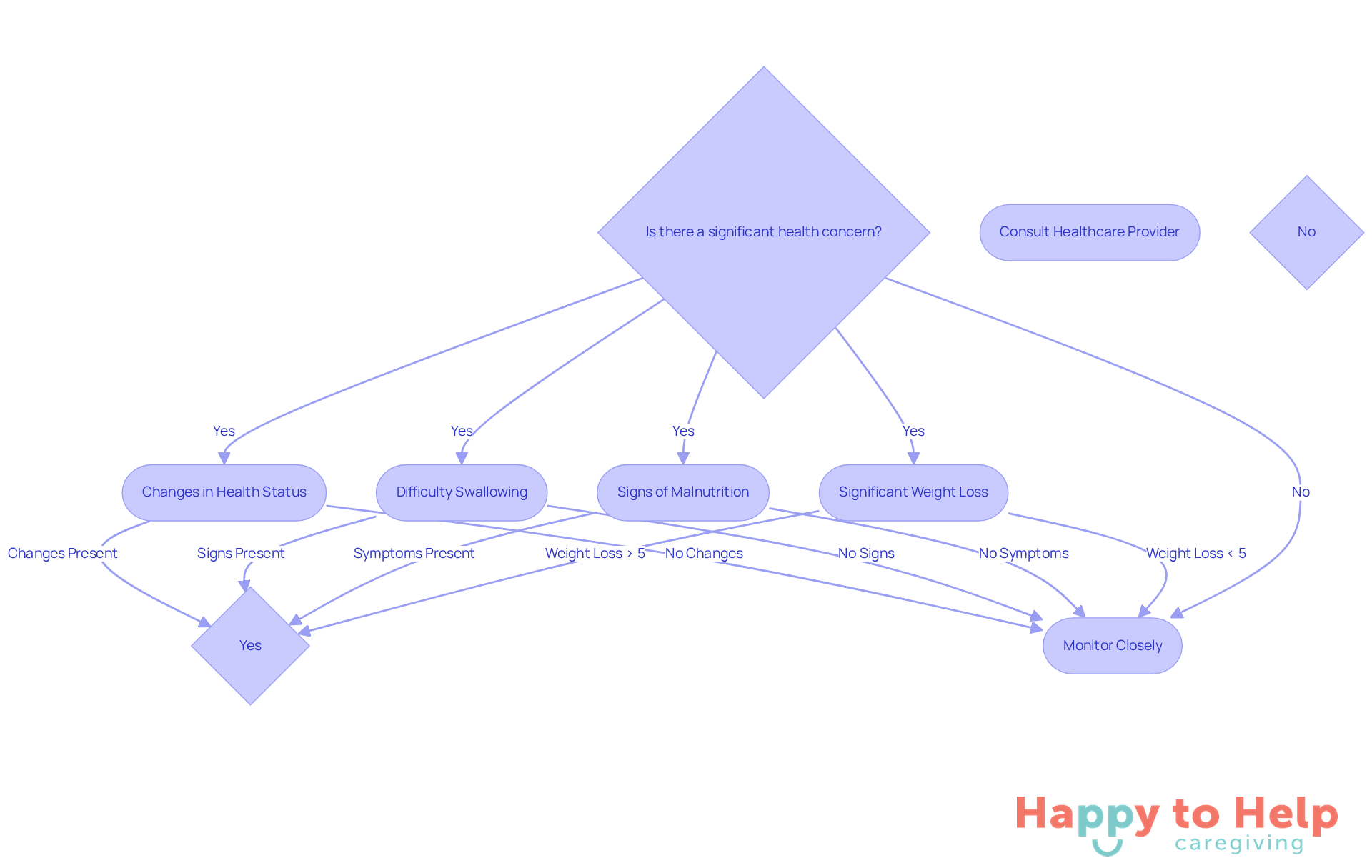
Significant Weight Loss: A weight loss exceeding 5% of body weight within a month can signal serious health concerns. This can lead to accelerated disease progression and increased mortality risk. Caregivers should monitor weight closely and consult healthcare providers if this occurs.
A consistent pattern of Alzheimer's not eating over several days is a critical indicator that warrants immediate consultation with a healthcare provider. The behavior of Alzheimer's not eating may lead to malnutrition and further health complications, making timely intervention essential.
Signs of Malnutrition: Caregivers should be vigilant for symptoms such as fatigue, weakness, and changes in skin condition. These can indicate nutritional deficiencies that require professional intervention. Regular assessments can help catch these signs early.
Difficulty Swallowing: If the patient exhibits signs of choking or struggles with swallowing, it is crucial to seek immediate medical advice. This can prevent aspiration and other serious complications, ensuring the patient's safety.
Changes in Health Status: Any new or worsening health issues, including infections or gastrointestinal problems, should prompt caregivers to consult healthcare professionals. This ensures comprehensive care and support, addressing any emerging concerns promptly.
Key Takeaways for Caregivers
Understanding the complexities of appetite loss in individuals with Alzheimer's presents a significant challenge for caregivers. This issue not only affects the nutritional intake of their loved ones but also impacts their overall quality of life. The interplay of cognitive impairment, physical difficulties, emotional factors, and sensory changes complicates efforts to ensure adequate nutrition.
Recognizing these challenges is essential for caregivers. By understanding the factors at play, they can implement targeted strategies to facilitate eating and promote better health outcomes. Establishing consistent routines, creating a supportive mealtime environment, and being attentive to the unique needs of those with Alzheimer's are crucial steps.
To address appetite loss effectively, caregivers can adopt several practical solutions:
- Offer smaller, frequent meals to make eating less overwhelming.
- Enhance food appeal through presentation and variety.
- Monitor for swallowing difficulties to ensure safety during meals.
Additionally, caregivers should remain vigilant for signs that indicate the need for professional intervention. This proactive approach ensures that nutritional needs are met and health concerns are addressed promptly.
Ultimately, the well-being of individuals with Alzheimer's hinges on the dedication and resourcefulness of their caregivers. By employing these strategies and fostering a nurturing mealtime atmosphere, caregivers can significantly improve the eating experience. This not only makes mealtimes more enjoyable but also vital for maintaining health and dignity. The journey may be challenging, but with the right approach, caregivers can make a meaningful difference in the lives of those they care for, ensuring that no one faces the struggle of Alzheimer's without support.
https://iframe.tely.ai/cta/eyJhcnRpY2xlX2lkIjogIjY5Mjc5NGU5MjI0NDc2YzA3YjhmODlhZSIsICJjb21wYW55X2lkIjogIjY4ZWU1ZGNhNzMxNzYyNTU3ZjNjOTVjMSIsICJpbmRleCI6IG51bGwsICJ0eXBlIjogImFydGljbGUifQ==Frequently Asked Questions
What are the main causes of appetite loss in Alzheimer's patients?
Appetite loss in Alzheimer's patients can be attributed to cognitive impairment, physical difficulties, certain medications, emotional factors, and changes in taste and smell.
How does cognitive impairment affect eating in Alzheimer's patients?
Cognitive impairment can lead to forgetfulness regarding meals and difficulties in recognizing food, resulting in missed meals and inadequate nutrition.
What physical difficulties might contribute to appetite loss?
Conditions like dysphagia (difficulty swallowing) and dental problems can make eating uncomfortable or painful, discouraging food intake.
Can medications influence appetite in Alzheimer's patients?
Yes, certain medications prescribed for dementia can suppress appetite or induce nausea, complicating the eating experience.
What emotional factors are associated with appetite loss in these patients?
Depression and anxiety are common in individuals with dementia, affecting their interest in food. Approximately 40% of individuals with dementia experience depression.
How do changes in taste and smell impact food preferences?
Alterations in sensory perception can lead to shifts in culinary preferences, making previously enjoyed dishes less appealing due to diminished taste and smell.
What strategies can caregivers use to help improve eating in Alzheimer's patients?
Caregivers can establish consistent dining times, monitor for physical difficulties, review medications regularly, and enhance food appeal by using stronger flavors and visually appealing presentations.
List of Sources
- Explore Causes of Appetite Loss in Alzheimer's Patients
- Why Do People with Dementia Stop Eating? Understanding the Causes - Happy To Help (https://happytohelpcaregiving.com/why-do-people-with-dementia-stop-eating-understanding-the-causes)
- Dementia and appetite loss: Causes and management (https://medicalnewstoday.com/articles/dementia-patient-not-eating)
- Appetite Loss in Memory Care: Warning Signs & Solutions (https://irisseniorliving.com/senior-living/tx/dallas/dickason-ave/blog/appetite-loss-in-memory-care-warning-signs-solutions?article=what-is-dementia-anyway)
- What to Do When Someone With Alzheimer’s Won’t Eat or Drink (https://webmd.com/alzheimers/not-eating-drinking-alzheimers)
- The relationship of weight change trajectory with medial temporal lobe atrophy in patients with mild Alzheimer’s disease: results from a cohort study - PMC (https://pmc.ncbi.nlm.nih.gov/articles/PMC4386098)
- Implement Strategies to Encourage Eating
- Food & Eating | Alzheimer's Association (https://alz.org/help-support/caregiving/daily-care/food-eating)
- Appetite and dementia (https://alzheimers.org.uk/get-support/living-with-dementia/poor-appetite-dementia)
- Understanding Dementia and Eating: Strategies for Caregivers - Happy To Help (https://happytohelpcaregiving.com/understanding-dementia-and-eating-strategies-for-caregivers)
- Factors associated with eating performance in nursing home residents living with dementia and other comorbidities - BMC Geriatrics (https://bmcgeriatr.biomedcentral.com/articles/10.1186/s12877-024-05540-x)
- Create a Supportive Mealtime Environment
- Researchers Pinpoint Strategies to Make Mealtime Easier for Dementia Patients and Caregivers | GreaterGood (https://greatergood.com/blogs/news/mealtime-strategies-dementia-patients)
- Helping caregivers help people with dementia eat at home (https://news.osu.edu/helping-caregivers-help-people-with-dementia-eat-at-home)
- Supporting someone with dementia to eat and drink (https://alzheimers.org.uk/get-support/living-with-dementia/improving-eating-experience-dementia)
- Understanding Dementia and Eating: Strategies for Caregivers - Happy To Help (https://happytohelpcaregiving.com/understanding-dementia-and-eating-strategies-for-caregivers)
- Supporting Mealtime Participation Among People Living With Dementia at Home: Challenges and Strategies for Caregivers - PMC (https://pmc.ncbi.nlm.nih.gov/articles/PMC11194633)
- Recognize When to Seek Professional Help
- When Is It Time To Hire Dementia Care Help? (https://ilcorp.org/time-hire-dementia-care-help)
- 9 Signs It's Time for Memory Care (https://health.usnews.com/senior-care/articles/signs-its-time-for-memory-care)
- ADI - Up to 85% of people living with dementia may not receive post-diagnosis care – World Alzheimer Report reveals (https://alzint.org/news-events/news/up-to-85-of-people-living-with-dementia-may-not-receive-post-diagnosis-care-world-alzheimer-report-reveals)
- The relationship of weight change trajectory with medial temporal lobe atrophy in patients with mild Alzheimer’s disease: results from a cohort study - PMC (https://pmc.ncbi.nlm.nih.gov/articles/PMC4386098)
- Weight loss in Alzheimer disease (https://sciencedirect.com/science/article/pii/S000291652307034X)