
Why Find the Best Senior Home Care Near Matters
Navigating the complex landscape of senior home care presents a significant challenge for families. With numerous options available, ensuring the well-being of loved ones can feel overwhelming. The emotional weight of caregiving adds to this difficulty, making it crucial for families to find the right support.
This guide aims to clarify the various types of senior care services, from in-home assistance to specialized facilities. By empowering families with knowledge, we help them make informed decisions that enhance their loved one's quality of life. However, with so many choices, how can families ensure they select the best care that aligns with their loved one's needs and preferences?
In the following sections, we will explore practical solutions to navigate these challenges effectively.
Understand Senior Home Care Options
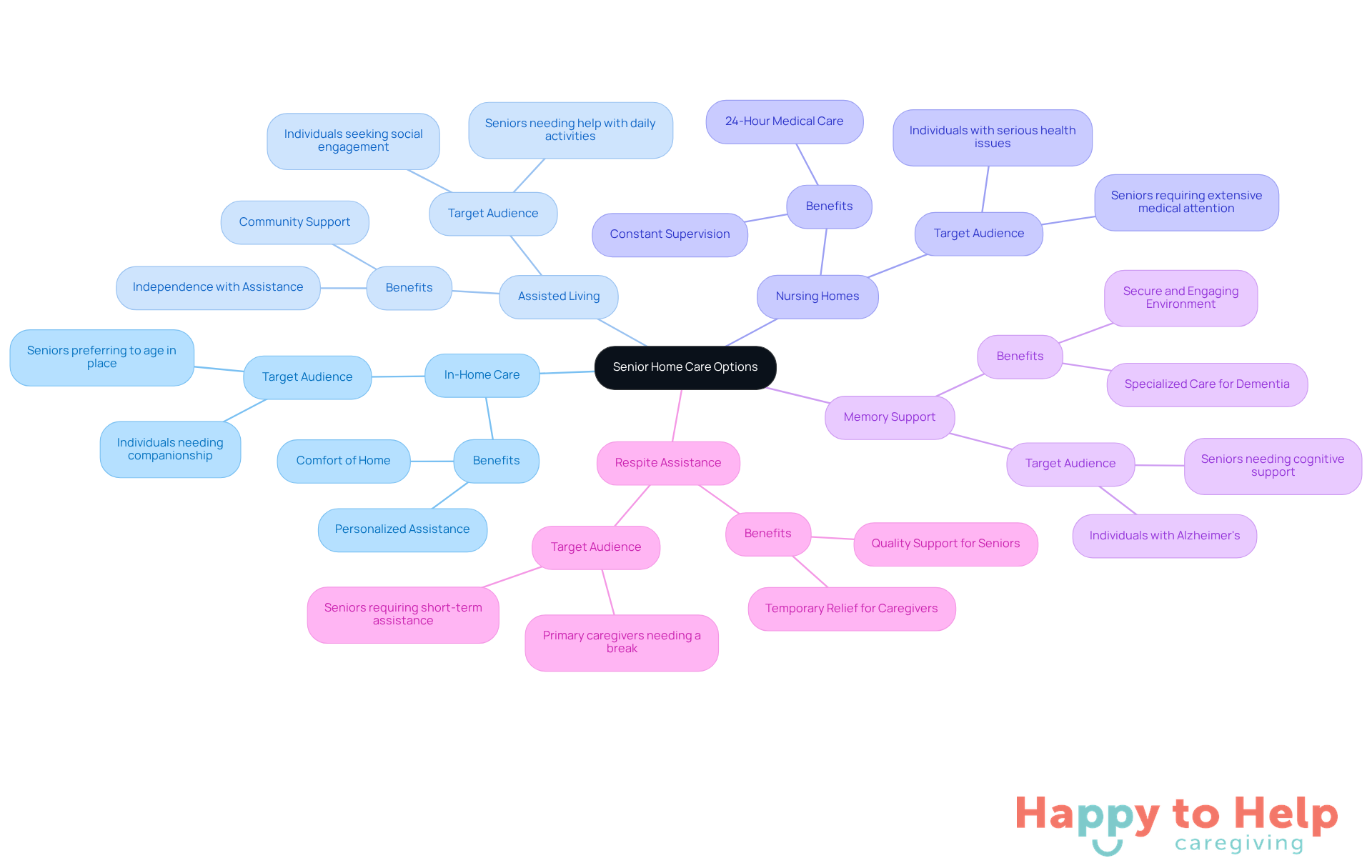
For families, navigating options for the best senior home care near me can be challenging. With a variety of services available, understanding these choices is crucial to ensuring the well-being of older adults.
-
In-Home Care: This service allows seniors to receive assistance in the comfort of their own homes, covering companionship, personal care, and skilled nursing. Approximately 70% of Americans aged 65 and older will require some type of assistance during their lifetime, with many opting to age in place instead of moving to facilities.
-
Assisted Living: These facilities provide housing and support services for seniors who need help with daily activities while still wishing to maintain a degree of independence. Assisted living fosters a sense of community and support, making it a popular choice for many families.
-
Nursing Homes: Providing 24-hour medical assistance, nursing homes serve individuals with serious health issues who require constant supervision and medical attention. This option is frequently regarded when a higher level of medical assistance is necessary.
-
Memory Support: Specialized assistance for individuals with Alzheimer’s or other types of dementia, memory support facilities concentrate on creating a secure and engaging atmosphere that meets the distinct needs of these individuals.
-
Respite Assistance: This service offers temporary relief for primary caregivers, enabling them to take a break while ensuring their loved ones receive quality support.
With a growing preference for in-home care-75% of seniors express a desire to remain at home if possible-families are increasingly seeking the best senior home care near me that promotes independence and well-being. By considering the particular requirements and preferences of their loved ones, families can make informed choices that enhance the quality of life for seniors.
Assess Your Care Needs and Preferences
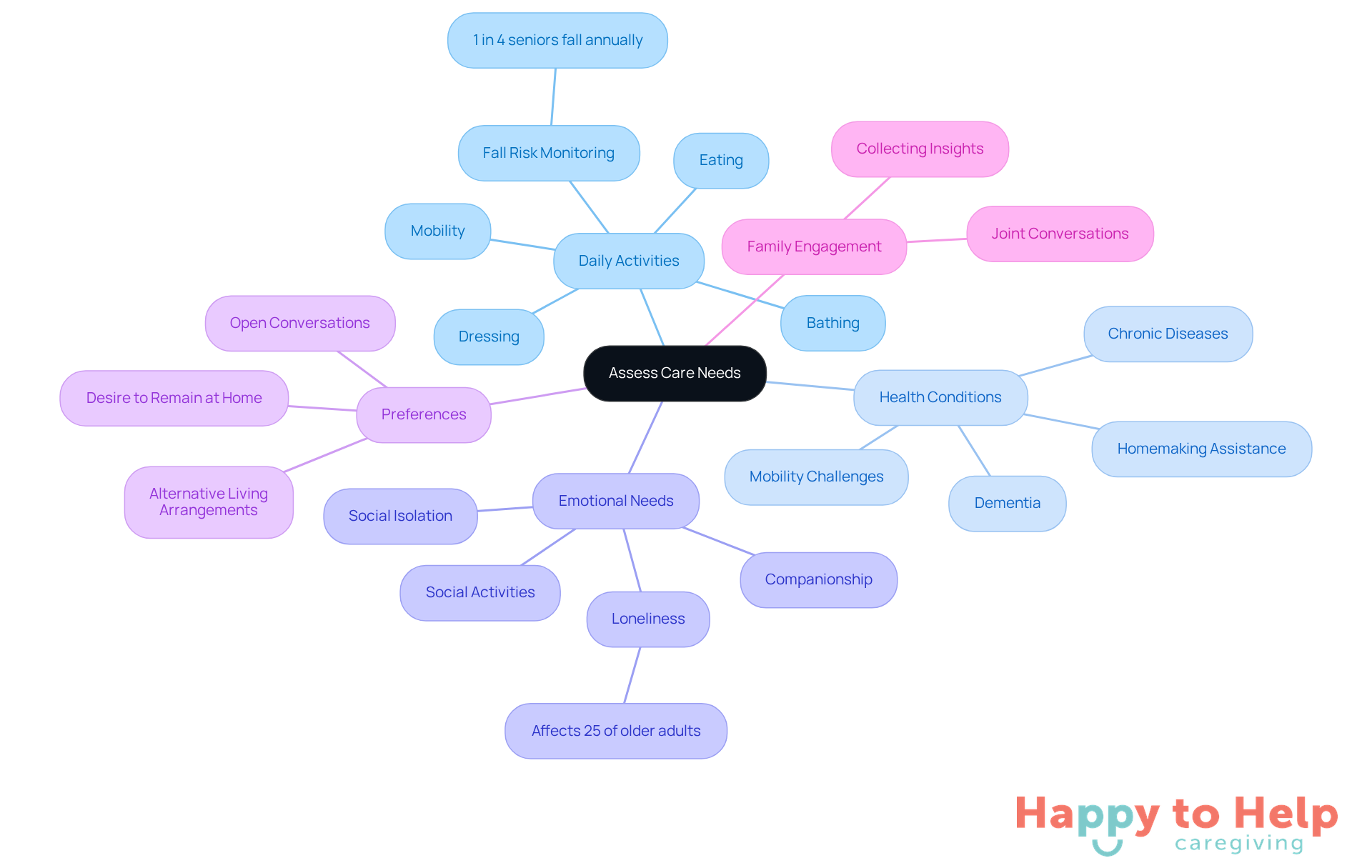
To effectively assess care needs for your loved one, caregivers face several challenges that require careful consideration.
-
Evaluate Daily Activities: One major concern is how well your loved one manages daily tasks such as bathing, dressing, eating, and mobility. Nearly one in four seniors aged 65 and older experiences falls each year, underscoring the importance of monitoring their physical capabilities. Vigilance in their daily activities is crucial to prevent accidents and ensure safety.
-
Identify Health Conditions: Another challenge is recognizing any medical issues that may require specialized attention. Conditions like dementia, chronic diseases, or mobility challenges often necessitate tailored support. Addressing these specific health requirements is vital for ensuring safety and well-being, especially for elderly individuals with chronic illnesses who may need homemaking assistance.
-
Consider Emotional Needs: Emotional well-being is equally important. Loneliness and social isolation affect about a quarter of older adults, increasing the risk of mental health issues. Assessing whether companionship or social activities are necessary can significantly enhance their quality of life, making it essential to address these emotional needs.
-
Discuss Preferences: Engaging in open conversations with your loved one about their preferences for support is crucial. Understanding their desire to remain at home or consider alternative living arrangements fosters a sense of autonomy and comfort, which is vital for their overall happiness.
-
Engage Family Members: Finally, collecting insights from family members can provide valuable perspectives on the individual's requirements and preferences. Joint conversations can lead to a more thorough understanding of the support needed, ensuring that all facets of their well-being are taken into account.
This thorough evaluation will enable the development of a personalized support plan that addresses all aspects of your loved one's well-being, ensuring they receive the assistance they need to thrive.
Research Local Senior Care Providers
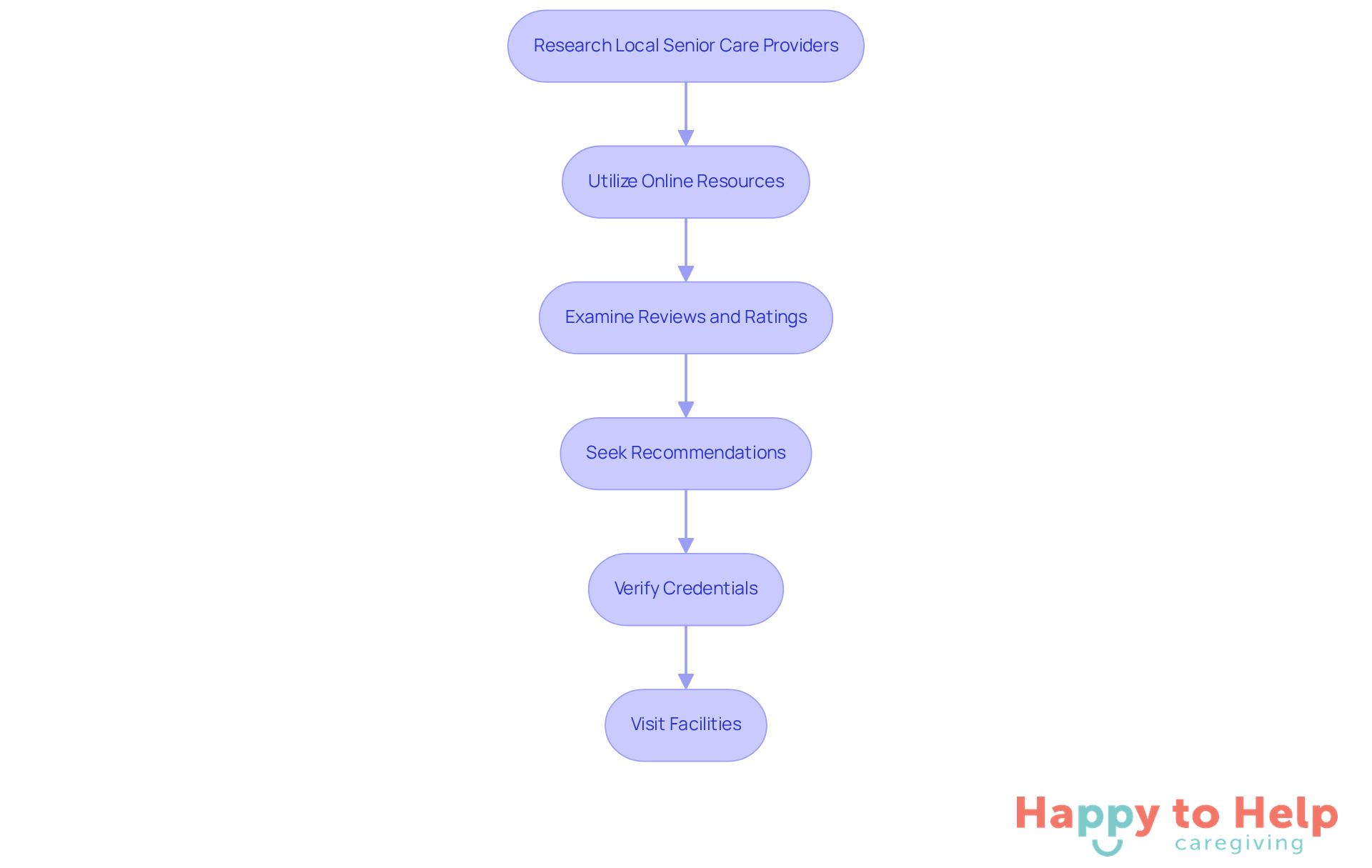
To effectively research local senior care providers, caregivers often face the challenge of finding the best senior home care near me. This can be overwhelming, especially when considering the emotional and financial implications of caregiving. However, by following a structured approach, you can simplify the process and make informed decisions.
-
Utilize Online Resources: Websites such as A Place for Mom, Care.com, and local aging services directories are invaluable for identifying the best senior home care near me. These platforms serve as a starting point for your search.
-
Examine Reviews and Ratings: Platforms like Yelp, Google, and Facebook offer insights into the experiences of other families. Research shows that 62% of caregivers wish to connect with others who understand their experiences, highlighting the importance of shared feedback in decision-making. As Taylor Shuman notes, "The financial impact of caregiving was one of the challenges most commonly cited by family caregivers in our survey," underscoring the need for reliable information.
-
Seek Recommendations: To find the best senior home care near me, seek recommendations from friends, family, or healthcare professionals for trustworthy insights into local services. These connections often lead to valuable information that online resources may not capture.
-
Verify Credentials: It’s crucial to confirm that providers are licensed and insured. Examine any complaints or violations to ensure quality service. This step protects both the caregiver and the recipient.
-
Visit Facilities: For those considering assisted living or nursing homes, visiting the facilities allows you to observe the environment and interact with staff. This firsthand experience is essential for ensuring a good fit for your loved one.
By following these steps, you can compile a comprehensive list of potential providers, making an informed choice that prioritizes the well-being of your loved one. Remember, the influence of online reviews on the choice of senior service providers cannot be overstated, as they often indicate the quality of assistance and service families can anticipate. Moreover, with 36% of those who provide assistance reporting depression, choosing the appropriate provider is essential for both the provider's and the recipient's well-being.
Interview and Evaluate Caregivers
Finding the right caregiver for your loved one can be a daunting task. The challenge lies not just in identifying qualified candidates, but also in ensuring compatibility and quality care. Without a thorough evaluation, you risk mismatches that can lead to dissatisfaction and inadequate support.
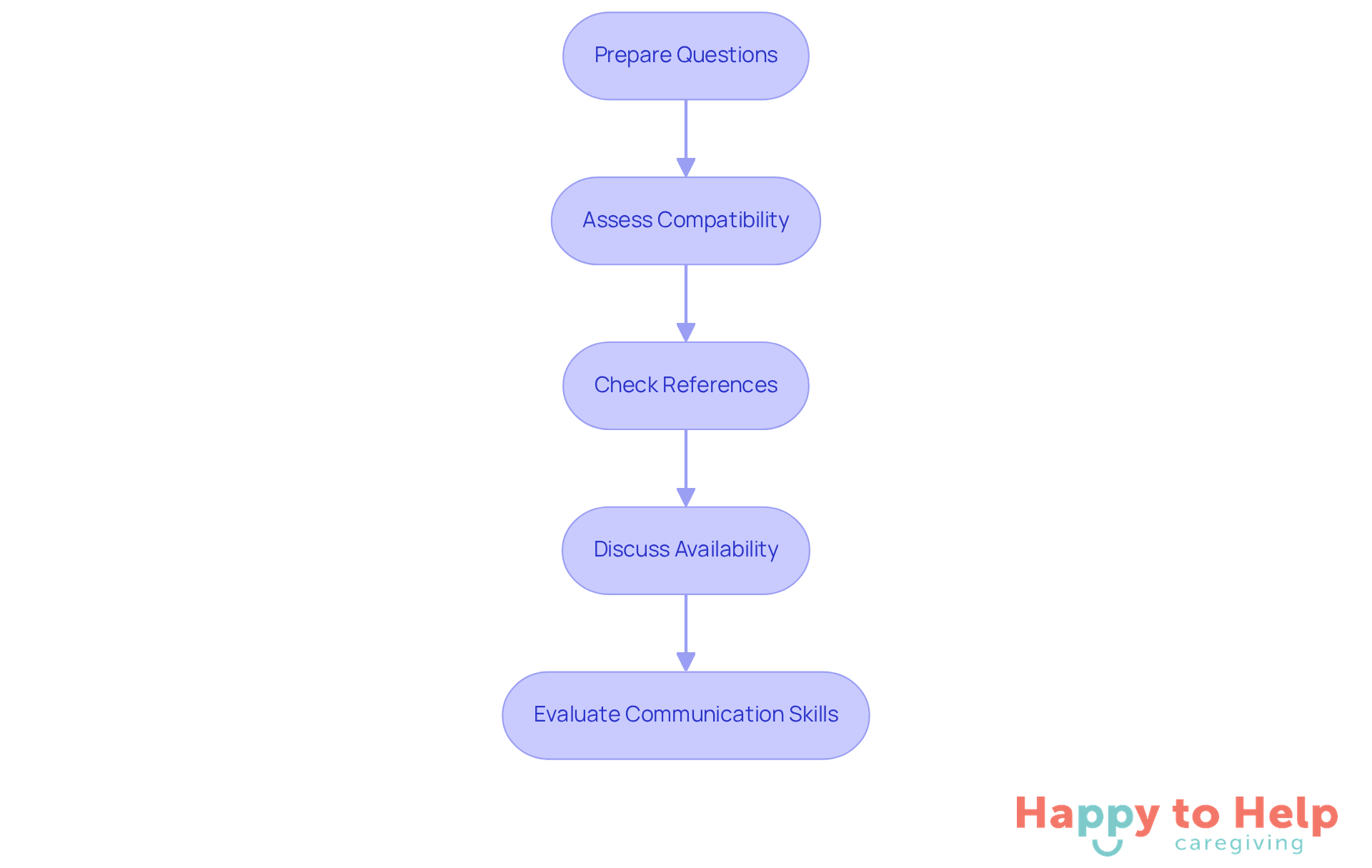
To tackle this issue, consider these essential steps:
-
Prepare Questions: Develop a list of questions that explore the caregiver's experience, training, and caregiving philosophy. Key inquiries might include:
- What inspired you to pursue a career in caregiving?
- Can you share your experiences with clients who have similar needs to my loved one?
- How do you handle challenging situations that may arise during assistance?
-
Assess Compatibility: Observe how the provider interacts with your loved one during the interview. Compatibility is crucial; studies indicate that strong caregiver-client chemistry can significantly enhance care quality and overall satisfaction. A well-matched support provider can transform daily life, fostering emotional support and engagement.
-
Check References: Request and contact references to gain insights into the provider's reliability and past performance. This step is vital, as caregivers with positive feedback often demonstrate better compatibility with clients.
-
Discuss Availability: Ensure that the provider's schedule aligns with your loved one's needs. Flexibility in planning can greatly impact the effectiveness of assistance, especially considering that nearly 1 in 4 individuals offering support dedicates 41 hours or more each week to caregiving.
-
Evaluate Communication Skills: Effective communication is fundamental to successful caregiving. Assess how well the provider listens and responds during the interview, as strong communication fosters trust and satisfaction in the caregiver-client relationship. Ongoing support and communication are essential for maintaining successful partnerships.
By following this comprehensive assessment procedure, you not only choose a qualified caregiver but also ensure a suitable match for your loved one. This ultimately leads to better outcomes and an improved quality of life.
Understand Costs and Payment Options
Navigating the costs and payment options for senior care can be challenging for families. Understanding these financial factors is crucial for making informed choices regarding their loved ones' well-being.
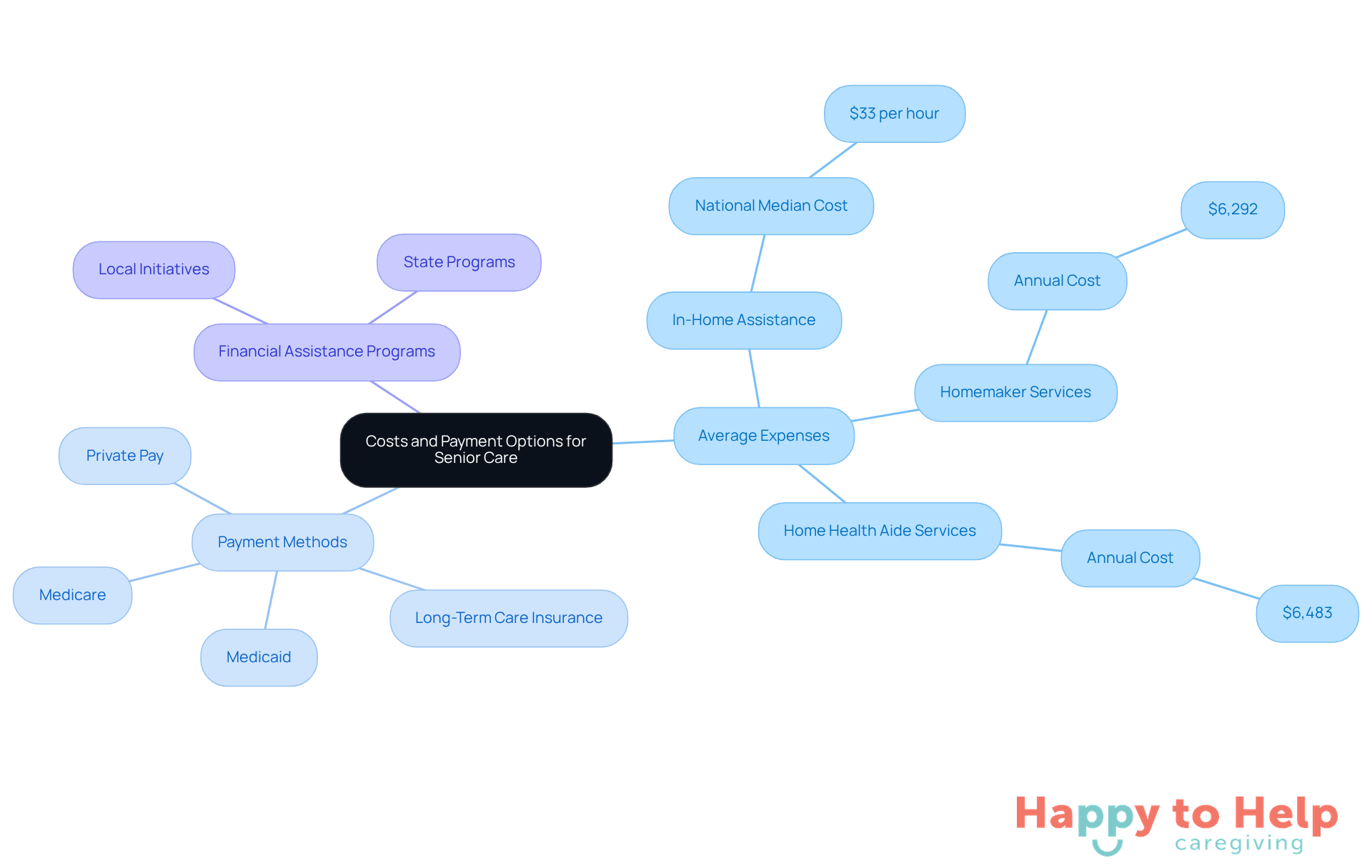
Research Average Expenses: As of 2025, the national median cost for in-home assistance is approximately $33 per hour, varying by location and specific services. For example, homemaker services average around $6,292 annually, while home health aide services can reach $6,483. Knowing these figures helps families anticipate expenses.
Explore Payment Options: Families have several payment methods available:
- Private Pay: Out-of-pocket payments for services can be straightforward for many.
- Long-Term Care Insurance: These policies cover various assistance types, providing financial relief.
- Medicare: While limited, Medicare can assist with specific home health services for eligible individuals.
- Medicaid: State programs may cover costs for those who qualify, making it a vital resource.
Ask Providers About Fees: It’s essential to inquire about any additional charges that may apply, such as transportation or specialized services, to avoid unexpected costs.
Explore Financial Assistance Programs: Research local and state initiatives that offer financial support for senior services. Understanding eligibility criteria and benefits can significantly ease the financial burden on families.
By comprehending these financial aspects, families can ensure they obtain the necessary assistance while managing expenses efficiently.
Finalize Your Caregiver Selection and Start Care
To finalize your caregiver selection and initiate care effectively, it’s essential to address some common challenges:
Problem: Many families struggle with the complexities of starting in-home care, which can lead to confusion and stress.
Agitate: Without a clear plan, caregivers may feel overwhelmed, and loved ones might not receive the personalized support they need. In fact, 44 percent of those providing support report delivering high-intensity assistance, highlighting the necessity for a tailored approach.
Solution: Consider the following steps to ensure a smooth transition:
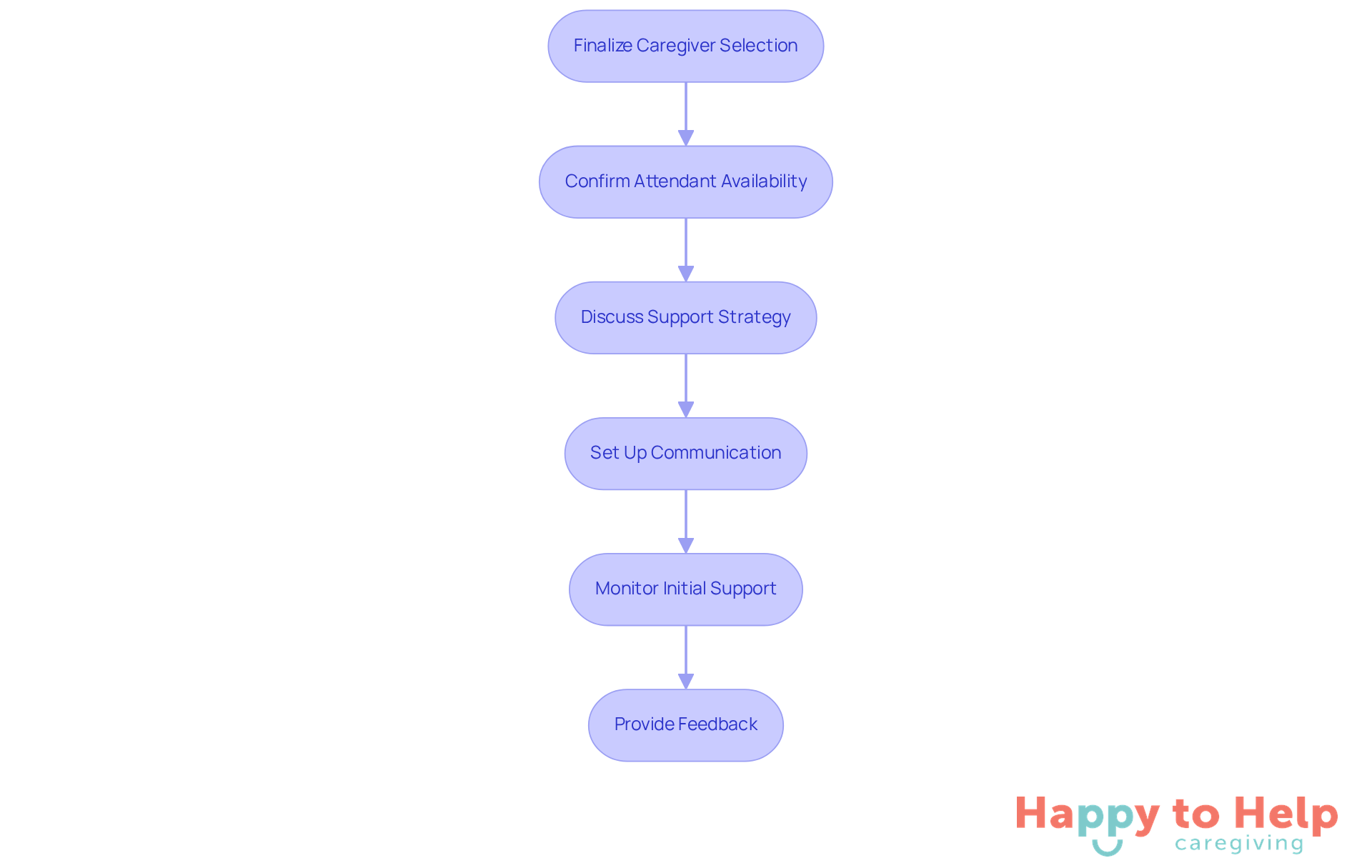
- Confirm Attendant Availability: Verify that the chosen attendant can start on the agreed date and time, ensuring a seamless transition.
- Discuss Support Strategy: Engage in a thorough evaluation of the support strategy with the caregiver. This discussion should clarify the specific needs and preferences of your loved one, fostering a personalized approach to support.
- Set Up Communication: Establish a robust communication plan that includes the provider, family members, and any other relevant parties. Effective communication is crucial for maintaining transparency and ensuring everyone is informed about updates and changes in services. As Jennifer L. Wolff, PhD, states, "family supporters are critical to our care-delivery system," underscoring the importance of these discussions.
- Monitor Initial Support: During the initial weeks, closely assess the provider's performance and your loved one's adjustment to the new support arrangement. This period is vital for identifying any necessary adjustments in the support approach.
- Provide Feedback: Keep open lines of communication with the caregiver. Consistent feedback is essential for addressing issues swiftly and improving service quality. Given the financial strain many caregivers face, a solid communication plan can alleviate some of the stress associated with caregiving responsibilities.
By following these steps, families can lay the groundwork for a successful in-home care experience by choosing the best senior home care near me, ensuring that their loved ones receive the compassionate support they need.
Key Takeaways for Caregivers
Finding the best senior home care can be a daunting task for families, presenting a significant challenge that requires thoughtful consideration. The well-being of older adults hinges on understanding the various types of care available, assessing individual needs, and selecting the right caregiver. Each step in this process is crucial for creating a supportive environment that fosters independence and enhances the quality of life for seniors.
Families face the problem of navigating a complex landscape of care options, from in-home assistance to nursing homes and memory support. Evaluating daily activities, health conditions, and emotional needs is essential, yet many caregivers feel overwhelmed. This emotional burden can lead to stress and uncertainty, impacting both the caregiver and the senior in need of support.
To address these challenges, families should take a comprehensive approach. Start by prioritizing the preferences and needs of your loved ones. Research local providers thoroughly, and don’t hesitate to interview multiple caregivers to find the right fit. Understanding the financial implications and exploring payment options are also vital steps that can alleviate some of the stress associated with caregiving.
By taking proactive measures today, families can pave the way for a more comfortable and fulfilling tomorrow for their loved ones. The significance of finding the right support cannot be overstated; it not only enhances the well-being of seniors but also eases the emotional and financial burdens on caregivers. Making informed decisions leads to better outcomes, ensuring that seniors receive the care they deserve.
https://iframe.tely.ai/cta/eyJhcnRpY2xlX2lkIjogIjY5MjEwYWJjOTkzNGY1N2M4NjJjMTA5YSIsICJjb21wYW55X2lkIjogIjY4ZWU1ZGNhNzMxNzYyNTU3ZjNjOTVjMSIsICJpbmRleCI6IG51bGwsICJ0eXBlIjogImFydGljbGUifQ==Frequently Asked Questions
What are the main options for senior home care?
The main options for senior home care include in-home care, assisted living, nursing homes, memory support facilities, and respite assistance.
What does in-home care provide?
In-home care allows seniors to receive assistance in their own homes, covering companionship, personal care, and skilled nursing.
What is assisted living?
Assisted living provides housing and support services for seniors who need help with daily activities while still wishing to maintain some independence, fostering a sense of community.
When should nursing homes be considered?
Nursing homes should be considered for individuals with serious health issues who require constant supervision and medical attention, as they provide 24-hour medical assistance.
What is memory support, and who is it for?
Memory support is specialized assistance for individuals with Alzheimer’s or other types of dementia, focusing on creating a secure and engaging environment that meets their distinct needs.
What is respite assistance?
Respite assistance offers temporary relief for primary caregivers, allowing them to take a break while ensuring their loved ones receive quality support.
How can families assess the care needs of their loved ones?
Families can assess care needs by evaluating daily activities, identifying health conditions, considering emotional needs, discussing preferences with their loved ones, and engaging family members for insights.
Why is it important to evaluate daily activities for seniors?
Evaluating daily activities is important because nearly one in four seniors aged 65 and older experiences falls each year, making it crucial to monitor their physical capabilities to prevent accidents and ensure safety.
How do emotional needs affect seniors?
Emotional needs are significant as loneliness and social isolation affect about a quarter of older adults, increasing the risk of mental health issues. Addressing these needs can enhance their quality of life.
Why should families involve their loved ones in discussions about care preferences?
Engaging in open conversations about care preferences fosters a sense of autonomy and comfort for seniors, which is vital for their overall happiness and well-being.
List of Sources
- Understand Senior Home Care Options
- Home Care Industry Trends to Watch in 2025 (https://firstlighthomecare.com/blog/home-care-industry-trends)
- Senior Living Trends in 2025 | Juniper (https://junipercommunities.com/senior-living-trends-in-2025)
- 2025 Home Care Statistics: Trends & Insights To Know (https://premierhcinc.com/blog/home-care-statistics)
- Place-Agnostic Models Signal New Era For Home-Based Care, Senior Living (https://homehealthcarenews.com/2025/11/place-agnostic-models-signal-new-era-for-home-based-care-senior-living)
- The Future of Private Home Care: What to Expect in 2025 (https://anodyne-services.com/2024/08/14/the-future-of-private-home-care-what-to-expect-in-2025)
- Assess Your Care Needs and Preferences
- The Future of Senior Care: What to Expect in 2025 and Beyond (https://arhomecare.com/the-future-of-senior-care-what-to-expect-in-2025-and-beyond)
- Older adults prioritize social activities, inclusiveness in massive survey assessing what matters most to them (https://mcknights.com/news/older-adults-prioritize-social-activities-inclusiveness-in-massive-survey-assessing-what-matters-most-to-them)
- 52+ Senior Health Statistics, Facts & Trends (https://humancareny.com/blog/52-senior-health-statistics-facts-trends)
- WHO calls for urgent transformation of care and support systems for older people (https://who.int/news/item/01-10-2024-who-calls-for-urgent-transformation-of-care-and-support-systems-for-older-people)
- Trends in Senior Care: What to Expect in 2025 (https://agingconnections.org/blog/trends-in-senior-care-what-to-expect-in-2025)
- Research Local Senior Care Providers
- Improving the diagnosis of dementia in care homes with DeAR-GP - The Health Innovation Network (https://thehealthinnovationnetwork.co.uk/case\_studies/improving-the-diagnosis-of-dementia-in-care-homes-with-dear-gp)
- Caregiver Statistics: Health, Technology, and Caregiving Resources (https://caregiver.org/resource/caregiver-statistics-health-technology-and-caregiving-resources)
- Family Caregiver Annual Report and Statistics | SeniorLiving.org (https://seniorliving.org/research/family-caregiver-report-statistics)
- Interview and Evaluate Caregivers
- Family Caregiver Annual Report and Statistics | SeniorLiving.org (https://seniorliving.org/research/family-caregiver-report-statistics)
- New Report Reveals Crisis Point for America’s 63 million Family Caregivers (https://press.aarp.org/2025-07-24-New-Report-Reveals-Crisis-Point-for-Americas-63-million-Family-Caregivers)
- Caregiver Statistics: Demographics (https://caregiver.org/resource/caregiver-statistics-demographics)
- Perfect Pairings: Creating Personalized, Highly Compatible Caregiver-Client Matches to Boost Your Bottom Line | Aaniie, formerly Smartcare Software (https://aaniie.com/news/creating-personalized-highly-compatible-caregiver-client-matches-to-boost-bottom-line)
- Finding the Right Caregiver Match | Active Day (https://activeday.com/news/finding-the-right-caregiver-match)
- Understand Costs and Payment Options
- The Cost of Dignity: A Guide to In-Home Care Costs and Happier Aging in 2025 | Nurse Next Door (https://nursenextdoor.com/blog/how-much-does-senior-home-care-cost)
- Cost of Long Term Care by State | Cost of Care Report | Carescout (https://carescout.com/cost-of-care)
- How Much Do In-Home Caregivers Cost? - WTOP News (https://wtop.com/news/2025/11/how-much-do-in-home-caregivers-cost)
- Home Care Costs in 2025: A State-by-State Guide (https://aplaceformom.com/caregiver-resources/articles/in-home-care-costs)
- Finalize Your Caregiver Selection and Start Care
- Caregiving Crisis: 45% Increase in Americans Providing Care (https://aarp.org/caregiving/basics/caregiving-in-us-survey-2025)
- National Alliance for Caregiving: Caregiving in the US 2025 Report (https://johnahartford.org/resources/view/national-alliance-for-caregiving-caregiving-in-the-us-2025-report)
- Effective Communication as a Caregiver | Always Caring of CT (https://alwayscaringct.com/news/effective-communication-as-a-caregiver)
- Number of Family Caregivers Supporting Older Adults Increased Nearly One-Third Between 2011 and 2022 | Johns Hopkins Bloomberg School of Public Health (https://publichealth.jhu.edu/2025/number-of-family-caregivers-supporting-older-adults-increased-nearly-one-third-between-2011-and-2022)