
What You Need to Know About Find the Right Senior Care Service Near
Navigating the landscape of senior care services can feel overwhelming. Families often face the daunting task of ensuring the well-being of a loved one while sifting through a myriad of options, from in-home support to specialized facilities. Understanding the specific needs and preferences of seniors is essential for making informed decisions.
What challenges arise when trying to find the right care service? Families may struggle with identifying the best fit for their loved one's unique requirements, leading to stress and uncertainty. This guide delves into the critical steps for assessing care needs, exploring service types, and evaluating local providers.
By following these steps, families can empower themselves to make confident choices in senior care. With the right information and resources, navigating this complex landscape becomes a manageable task.
Assess Personal Care Needs and Preferences
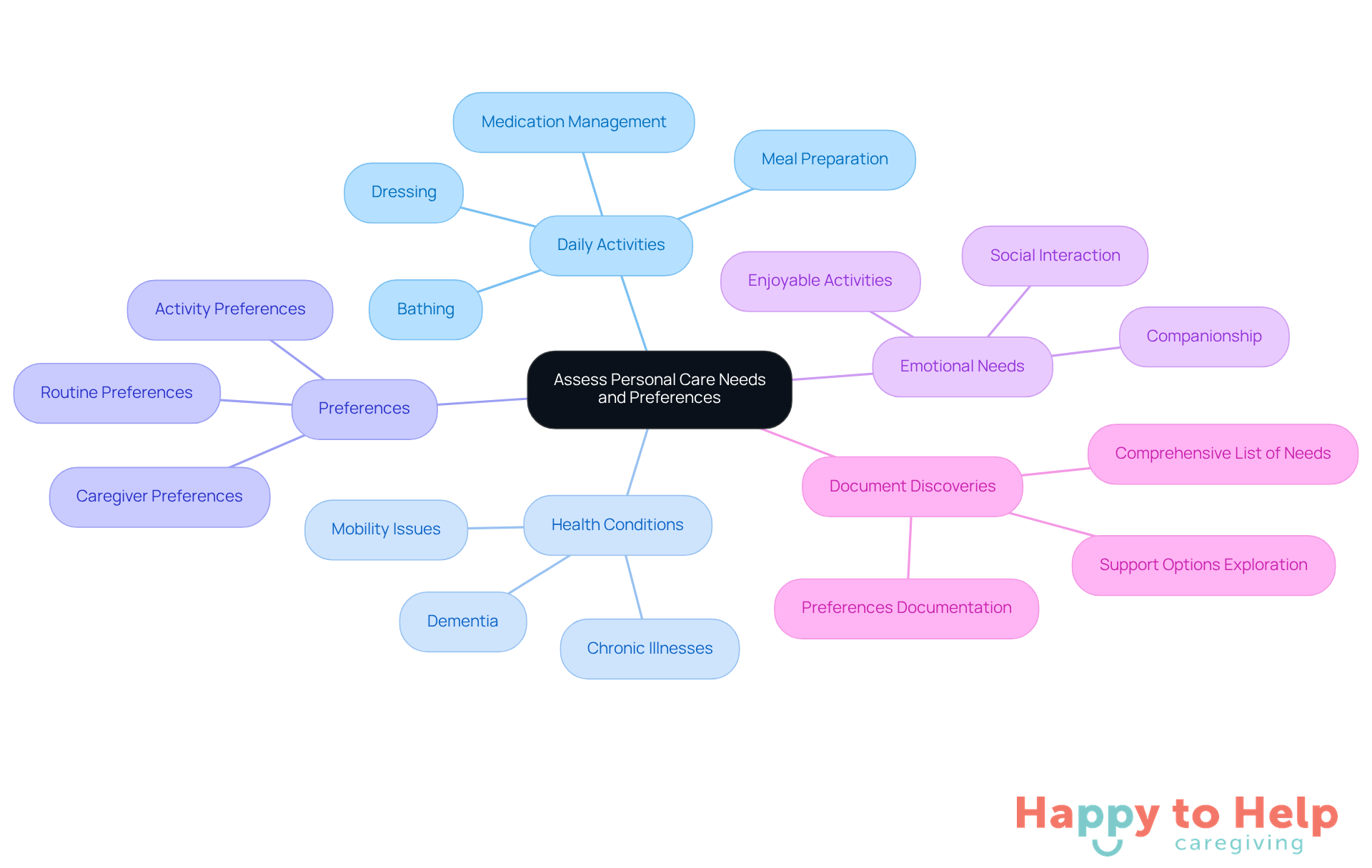
Identify Daily Activities: Caregivers often struggle to pinpoint the daily activities their loved ones need help with. This can include essential tasks like bathing, dressing, meal preparation, and medication management. Understanding these needs is crucial for determining the level of support required.
Consider Health Conditions: Medical conditions can significantly impact the support needed. Conditions such as dementia, mobility issues, or chronic illnesses must be taken into account. This information is vital for selecting a senior care service near me that can effectively address these specific health requirements.
Discuss Preferences: Engaging your loved one in discussions about their preferences regarding caregivers, routines, and activities is essential. Knowing their likes and dislikes helps create a comfortable and valued environment for them.
Evaluate Emotional Needs: Emotional support is just as important as physical assistance. Companionship often plays a critical role in caregiving. Consider how much social interaction your loved one needs and what activities they enjoy to enhance their emotional well-being.
Document Discoveries: Compile a comprehensive list of your loved one’s requirements and preferences. This document will serve as a valuable reference as you explore various support options, including senior care service near me, guiding you through the selection process.
Explore Different Types of Senior Care Services
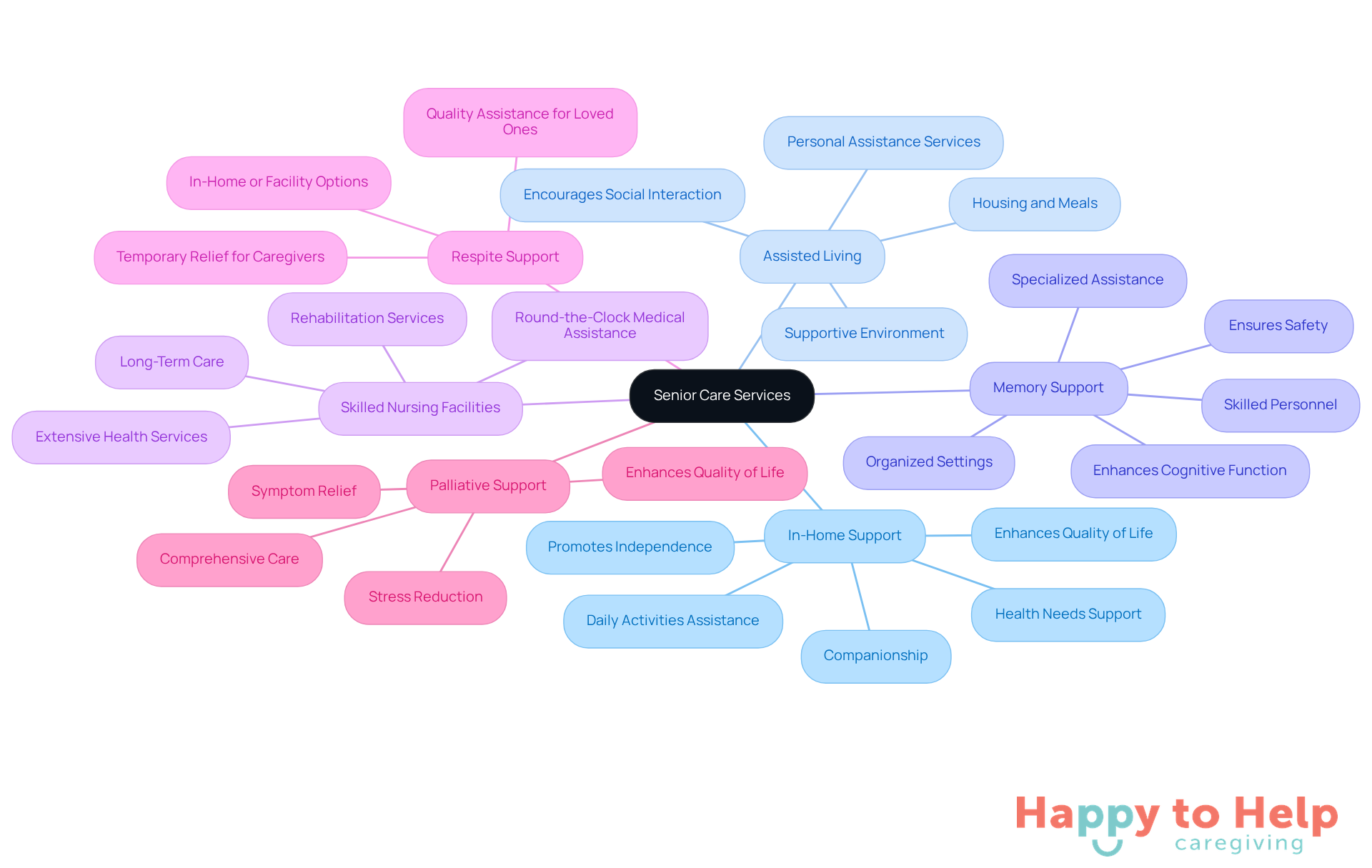
In-Home Support: Many seniors struggle with daily tasks, leading to feelings of isolation and dependence. Senior care service near me provides in-home support services that address this issue by allowing seniors to receive assistance in the comfort of their own homes. Caregivers provide help with daily activities, companionship, and health needs, promoting independence and enhancing quality of life.
Assisted Living: For elderly individuals who require help with everyday tasks but do not need constant medical attention, assisted living facilities offer a viable solution. These communities provide housing, meals, and personal assistance services, fostering a supportive environment that encourages social interaction and well-being.
Memory Support: Individuals with Alzheimer’s or other forms of dementia face unique challenges that can impact their safety and cognitive function. Memory support facilities offer specialized assistance, providing organized settings and skilled personnel to enhance cognitive function and ensure safety for residents.
Skilled Nursing Facilities: Seniors needing round-the-clock medical assistance often find themselves in skilled nursing facilities. These centers provide extensive health services, including rehabilitation and long-term care, ensuring that residents receive the medical attention they require.
Respite Support: Primary caregivers often experience burnout due to the demands of caregiving. Respite support, which is a senior care service near me, offers temporary relief, allowing caregivers to take a break while ensuring their loved ones receive quality assistance. This service can be arranged in-home or at a facility, providing peace of mind for caregivers.
Palliative Support: Serious illnesses can bring significant stress and discomfort. Palliative support focuses on relieving symptoms and stress, enhancing the quality of life for patients. This type of assistance can be provided alongside curative treatment, ensuring comprehensive care.
Evaluate Local Care Providers and Their Offerings
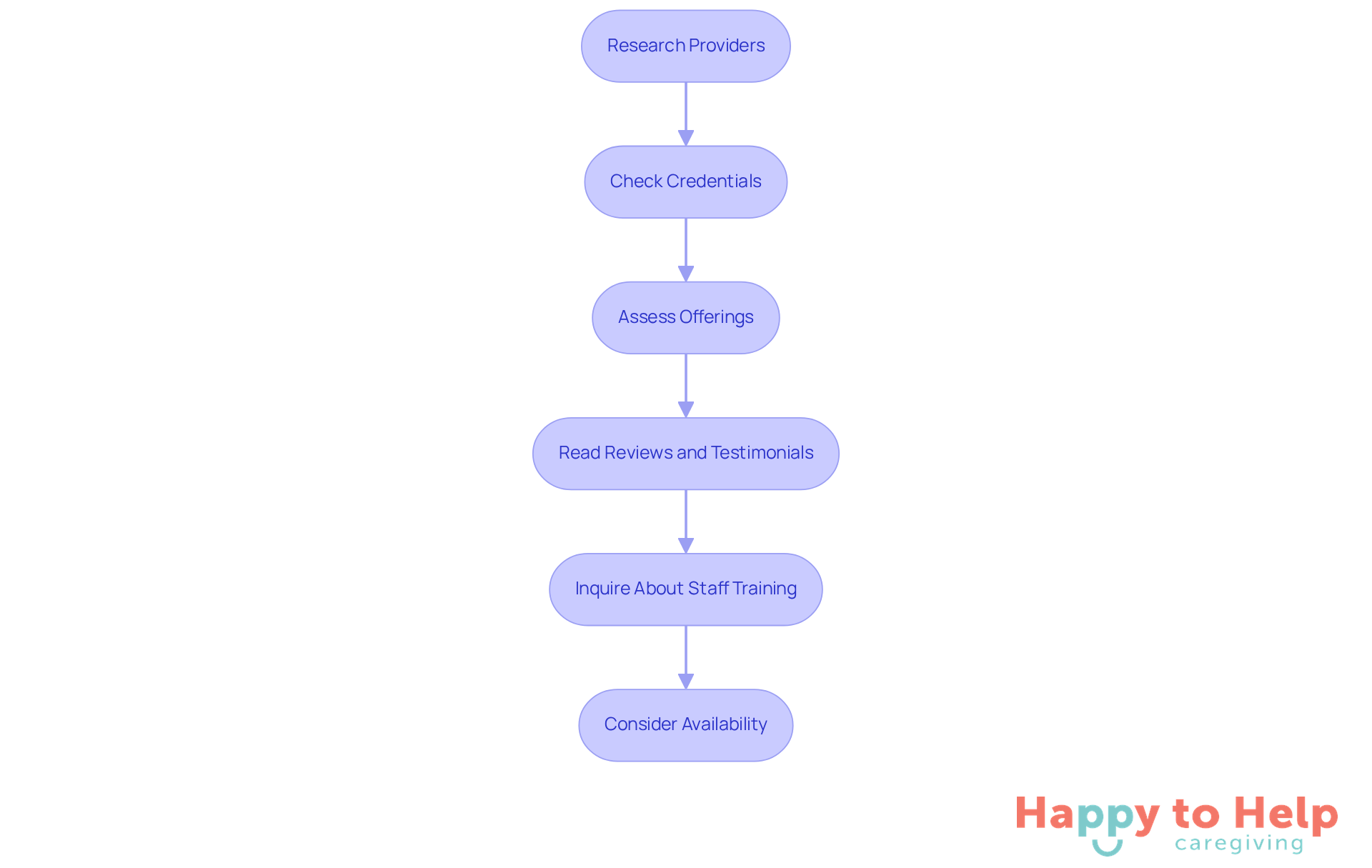
Research Providers: Finding the right senior assistance provider can be daunting. With around 11,400 home health agencies in the U.S. as of 2020, it’s crucial to conduct thorough research. Utilize online platforms like Care.com or local directories to compile a comprehensive list of senior care service near me. Pay attention to reviews and ratings; they can provide valuable insights into the providers' reputations and service quality.
Check Credentials: Once you have a list, confirm that each provider holds the necessary licenses and accreditations. This step is vital as it ensures compliance with state regulations and standards for support, safeguarding your loved one's well-being. As Esther Cromwell, founder and CEO of Avendelle Assisted Living, states, "Thorough research helps identify facilities with high standards of service, qualified staff, and a positive environment."
Assess Offerings: Next, evaluate the variety of services each agency provides. Make sure their offerings align with your loved one's specific needs, whether that includes companionship, medical assistance, or specialized care for conditions like dementia. With nearly 80% of individuals over 60 managing two or more chronic conditions, customized support is essential.
Read Reviews and Testimonials: Seek feedback from families who have previously used the services. Positive reviews can shed light on the quality of support and the nature of caregiver interactions, helping you gauge overall client satisfaction. Engaging with residents or their families during tours can also provide valuable insights into the care provided.
Inquire About Staff Training: It’s important to ask about the training and qualifications of caregivers. Well-trained staff are crucial for delivering high-quality support and ensuring resident safety, especially for those with complex health needs. Understanding the staff-to-resident ratios and any specialized training for memory care is equally important.
Consider Availability: Finally, investigate the availability of services, including flexible scheduling and 24/7 support options. This ensures that the agency can meet your loved one's needs effectively by offering a senior care service near me, providing peace of mind for you and your family. Additionally, during your evaluation, check for cleanliness and maintenance of facilities to ensure a safe and comfortable environment.
Conduct Visits and Interviews with Care Services
Schedule Visits: Organizing visits to potential support providers is crucial. This allows you to observe the surroundings and the interactions between caregivers and clients, which are essential for evaluating the quality of senior care service near me. Studies indicate that the average duration of home assistance before placement is about 53.52 months, highlighting the importance of thorough assessments when selecting support services.
Prepare Questions: Before your visit, compile a list of essential questions for the interview. Inquire about caregiver qualifications, the development of support plans, and emergency management procedures. This preparation ensures you gather comprehensive information.
Observe Interactions: Pay close attention to how caregivers engage with clients. Look for signs of compassion, patience, and professionalism - qualities vital for fostering a positive caregiving relationship. As elder support expert Ken Poirot states, "No one shows concern until someone does; be that individual!"
Assess the Environment: Evaluate the cleanliness, safety, and overall atmosphere of the facility or home. A welcoming and well-maintained environment is essential for the comfort and well-being of your loved one when selecting a senior care service near me.
Discuss Support Plans: Inquire about how support plans are created and tailored to meet individual needs. Ensure that the provider is open to collaborating with you and your loved one, as personalized support is crucial for enhancing quality of life. Research shows that involving two or more family members in the decision-making process leads to greater satisfaction with support options.
Trust Your Instincts: After your visit, take time to reflect on your impressions. Trust your instincts about whether the provider feels like a suitable match for your loved one; this intuition can be a valuable guide in your decision-making process.

Review Contracts and Understand Pricing Structures
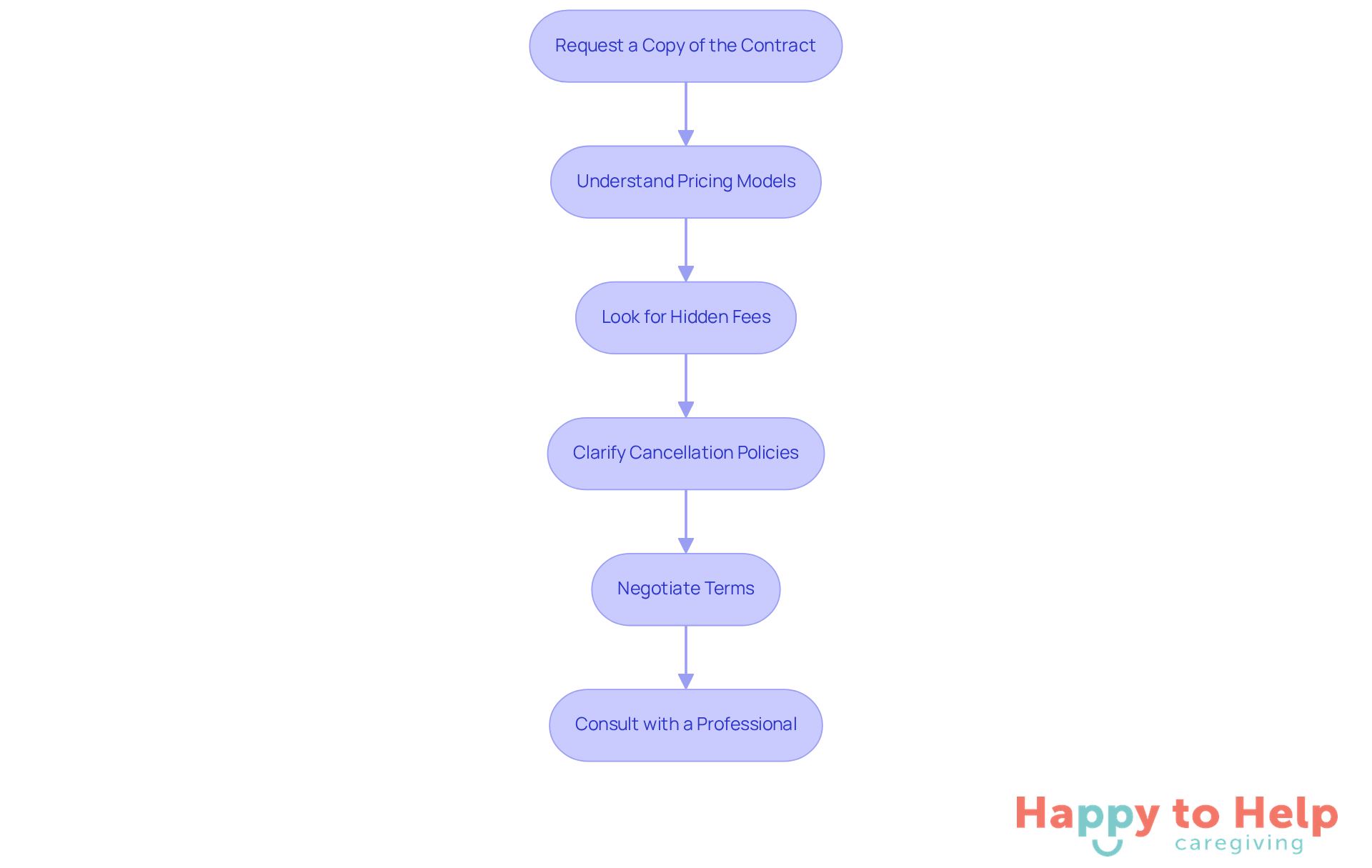
Request a Copy of the Contract: Caregivers often face uncertainty when signing contracts for home assistance. Before committing, it’s crucial to request a detailed copy of the contract. Review it thoroughly to understand the terms and conditions, ensuring there are no surprises later.
Understand Pricing Models: One common challenge is navigating the pricing structure. Agencies may charge hourly rates, flat fees, or offer packages. In 2025, the national median expense for home assistance is projected at $33 per hour, with average monthly costs for in-home senior support ranging from $3,000 to $5,000. Knowing what’s included in the price can help avoid unexpected expenses.
Look for Hidden Fees: Hidden costs can significantly impact your budget. Be vigilant about additional charges that may not be included in the base price, such as transportation, supplies, or extra assistance. Also, consider potential hidden costs like increased energy bills and necessary home modifications that may arise from in-home care.
Clarify Cancellation Policies: Understanding cancellation and refund policies is essential. If your loved one's needs change or if you must discontinue services, knowing the agency's policies can save you from financial loss.
Negotiate Terms: Contracts aren’t set in stone. If something doesn’t seem right, don’t hesitate to negotiate terms. Many agencies are open to discussions and adjustments to better meet your needs.
Consult with a Professional: If you have concerns about the contract, consulting with a legal professional specializing in elder law can provide peace of mind. They can help ensure you fully understand your rights and obligations. Additionally, explore financial resources like the Aid and Attendance Benefit for senior veterans, which can offer extra support.
Your Path Forward
Finding the right senior care service can be a daunting challenge for families. The stakes are high, as loved ones deserve support that respects their dignity and independence. Without a thorough understanding of personal care needs, families may struggle to find the best fit, leading to stress and uncertainty.
To navigate this complex landscape, it’s crucial to assess daily activities, health conditions, and emotional needs. Families should explore various options, including:
- in-home support
- assisted living
- specialized memory care
Engaging with potential providers through visits and interviews, reviewing contracts, and clarifying pricing structures can help ensure transparency and satisfaction in the caregiving arrangement.
By taking the time to carefully evaluate these factors, families not only enhance the quality of life for seniors but also gain peace of mind. Prioritizing comprehensive assessments and informed choices fosters a supportive environment that honors the unique needs and preferences of loved ones. In this way, families can confidently navigate the senior care selection process.
https://iframe.tely.ai/cta/eyJhcnRpY2xlX2lkIjogIjY5NDBhMjI5M2RiOWY3ZmNiNDY0N2VjYSIsICJjb21wYW55X2lkIjogIjY4ZWU1ZGNhNzMxNzYyNTU3ZjNjOTVjMSIsICJpbmRleCI6IG51bGwsICJ0eXBlIjogImFydGljbGUifQ==Frequently Asked Questions
What should I assess when determining personal care needs for a loved one?
You should assess daily activities that require assistance, consider any health conditions, discuss preferences with your loved one, evaluate their emotional needs, and document all findings for reference.
Why is it important to consider health conditions when assessing care needs?
Health conditions like dementia, mobility issues, or chronic illnesses significantly impact the level of support required, making it essential for selecting appropriate senior care services.
How can I engage my loved one in discussions about their care preferences?
You can engage them by discussing their preferences regarding caregivers, routines, and activities, which helps create a comfortable environment that respects their likes and dislikes.
What role does emotional support play in caregiving?
Emotional support is crucial as it enhances the emotional well-being of the individual, providing companionship and social interaction that can improve their overall quality of life.
What types of senior care services are available?
Available senior care services include in-home support, assisted living, memory support, skilled nursing facilities, respite support, and palliative support.
What is in-home support, and how does it benefit seniors?
In-home support allows seniors to receive assistance with daily activities, companionship, and health needs in the comfort of their own homes, promoting independence and enhancing quality of life.
What is assisted living, and who is it suitable for?
Assisted living is suitable for elderly individuals who need help with everyday tasks but do not require constant medical attention. It provides housing, meals, and personal assistance in a supportive community.
What specialized assistance do memory support facilities offer?
Memory support facilities provide organized settings and skilled personnel to assist individuals with Alzheimer’s or dementia, focusing on enhancing cognitive function and ensuring safety.
When might a senior need to consider a skilled nursing facility?
Seniors requiring round-the-clock medical assistance should consider skilled nursing facilities, which offer extensive health services, including rehabilitation and long-term care.
What is respite support, and why is it important for primary caregivers?
Respite support offers temporary relief to primary caregivers, allowing them to take breaks while ensuring their loved ones receive quality assistance, helping to prevent caregiver burnout.
How does palliative support enhance the quality of life for patients?
Palliative support focuses on relieving symptoms and stress associated with serious illnesses, enhancing the quality of life for patients while potentially being provided alongside curative treatments.
List of Sources
- Assess Personal Care Needs and Preferences
- New data detail which older adults are more likely to need help with ADLs (https://mcknightsseniorliving.com/news/new-data-detail-which-older-adults-are-more-likely-to-need-help-with-adls)
- Two-thirds of seniors need help doing one or more daily activities - Harvard Health (https://health.harvard.edu/blog/two-thirds-of-seniors-need-help-doing-one-or-more-daily-activities-201312136942)
- Disability and Care Needs Among Older Americans - PMC (https://pmc.ncbi.nlm.nih.gov/articles/PMC4221755)
- 11 Signs Your Aging Parent Needs Senior Care (https://health.usnews.com/senior-care/caregiving/articles/identifying-the-right-time-for-senior-care)
- Explore Different Types of Senior Care Services
- Senior Care: Know Your Options | Homeland Security (https://dhs.gov/employee-resources/news/2023/12/13/senior-care-know-your-options)
- The Benefits of In-Home Care for Seniors - Consumer Directed Choices (https://cdchoices.org/2023/11/27/the-benefits-of-in-home-care-for-seniors)
- Understanding the Different Eldercare Options (https://health.usnews.com/senior-care/articles/understanding-the-different-senior-care-options)
- 52 Eye-Opening Home Health Statistics: Insights for 2025 (https://boosthomehealth.com/home-health-statistics)
- Top Benefits of In-Home Care for Seniors | AccuCare Home Health (https://accucare.com/2025/01/17/top-benefits-of-care-at-home-for-seniors)
- Evaluate Local Care Providers and Their Offerings
- FastStats (https://cdc.gov/nchs/fastats/home-health-care.htm)
- 52 Eye-Opening Home Health Statistics: Insights for 2025 (https://boosthomehealth.com/home-health-statistics)
- Facts & Figures (https://ahcancal.org/Assisted-Living/Facts-and-Figures/Pages/default.aspx)
- How to evaluate senior living facilities: Expert tips and advice (https://care.com/c/how-to-evaluate-senior-living-facilities)
- Ensuring Quality Care in Long-Term Care Facilities: The Importance of Professional Management (https://ltcnews.com/articles/ensuring-quality-care-long-term-care-facilities-professional-management)
- Conduct Visits and Interviews with Care Services
- Family Satisfaction With Nursing Home Care: The Role of Facility Characteristics and Resident Quality-of-Life Scores - PMC (https://pmc.ncbi.nlm.nih.gov/articles/PMC5777240)
- CMS Updates Nursing Home Guidance with Revised Visitation Recommendations | CMS (https://cms.gov/newsroom/fact-sheets/cms-updates-nursing-home-guidance-revised-visitation-recommendations)
- Predictors of Satisfaction with Care Services among Family Members of Older Adult Residents of Long-Term Care Facilities (https://mdpi.com/1660-4601/17/9/3298)
- 20 Inspirational Senior Care Quotes (https://1plus1cares.com/20-inspirational-senior-care-quotes)
- Association Between Nursing Home Five-Star Ratings and Consumer Satisfaction (https://jamda.com/article/S1525-8610(24)00744-8/fulltext)
- Review Contracts and Understand Pricing Structures
- New guidance strips nursing homes of ability to seek voluntary payments from resident reps, families (https://mcknights.com/news/new-guidance-strips-nursing-homes-of-ability-to-seek-voluntary-payments-from-resident-reps-families)
- Home Care Costs in 2025: A State-by-State Guide (https://aplaceformom.com/caregiver-resources/articles/in-home-care-costs)
- Pricing transparency, local metrics, value now driving senior living rate trends (https://mcknightsseniorliving.com/news/pricing-transparency-local-metrics-value-now-driving-senior-living-rate-trends)
- How Much Does In-Home Senior Care Cost? (https://seniorservicesofamerica.com/blog/how-much-does-in-home-senior-care-cost-senior-services-of-america)
- Average Senior In-Home Care Costs in 2025 (https://seniorliving.org/home-care/costs)