
For families in our service areas
For families in our service areas, this guide explains caregiving and how non-medical in-home caregiving can support care planning in East Idaho, Treasure Valley & Magic Valley, Northern Wasatch, North Central West Virginia, and Northeast Ohio.
What You Need to Know About You Might Not Want to Care for Your
Caring for elderly parents presents a significant emotional challenge, often complicated by complex family dynamics and societal expectations. Many individuals feel a strong obligation to provide care, yet they may struggle with the reality of their limitations and the impact on their own well-being.
This article explores the reasons some people hesitate or refuse to take on caregiving responsibilities. It examines the emotional, physical, and social challenges that accompany this role. What occurs when the desire to care conflicts with personal boundaries and mental health? Understanding this tension can provide critical insights for caregivers, empowering them to make informed decisions about their responsibilities.
Happy to Help Caregiving: Compassionate In-Home Support for Elderly Parents
For many families, caring for elderly parents can be a daunting challenge, particularly when I don't want to care for my elderly parents. The emotional and logistical demands of ensuring proper care for loved ones can lead to stress and uncertainty, particularly when I don't want to care for my elderly parents. Caregivers often find themselves overwhelmed, particularly when they feel that they don't want to care for their elderly parents while navigating complex decisions about health and well-being.
Happy to Help Caregiving addresses these challenges by providing tailored in-home assistance that allows elderly parents to receive compassionate attention in the comfort of their own homes. Their services include:
- Companionship
- Post-hospital recovery aid
- Respite support
- Palliative assistance
All designed to enhance independence and well-being.
By emphasizing empathy and communication, Happy to Help Caregiving stands out as a trustworthy ally for families facing the complexities of elder care. With their support, caregivers can feel more confident and less isolated, knowing that their loved ones are receiving the care they deserve.
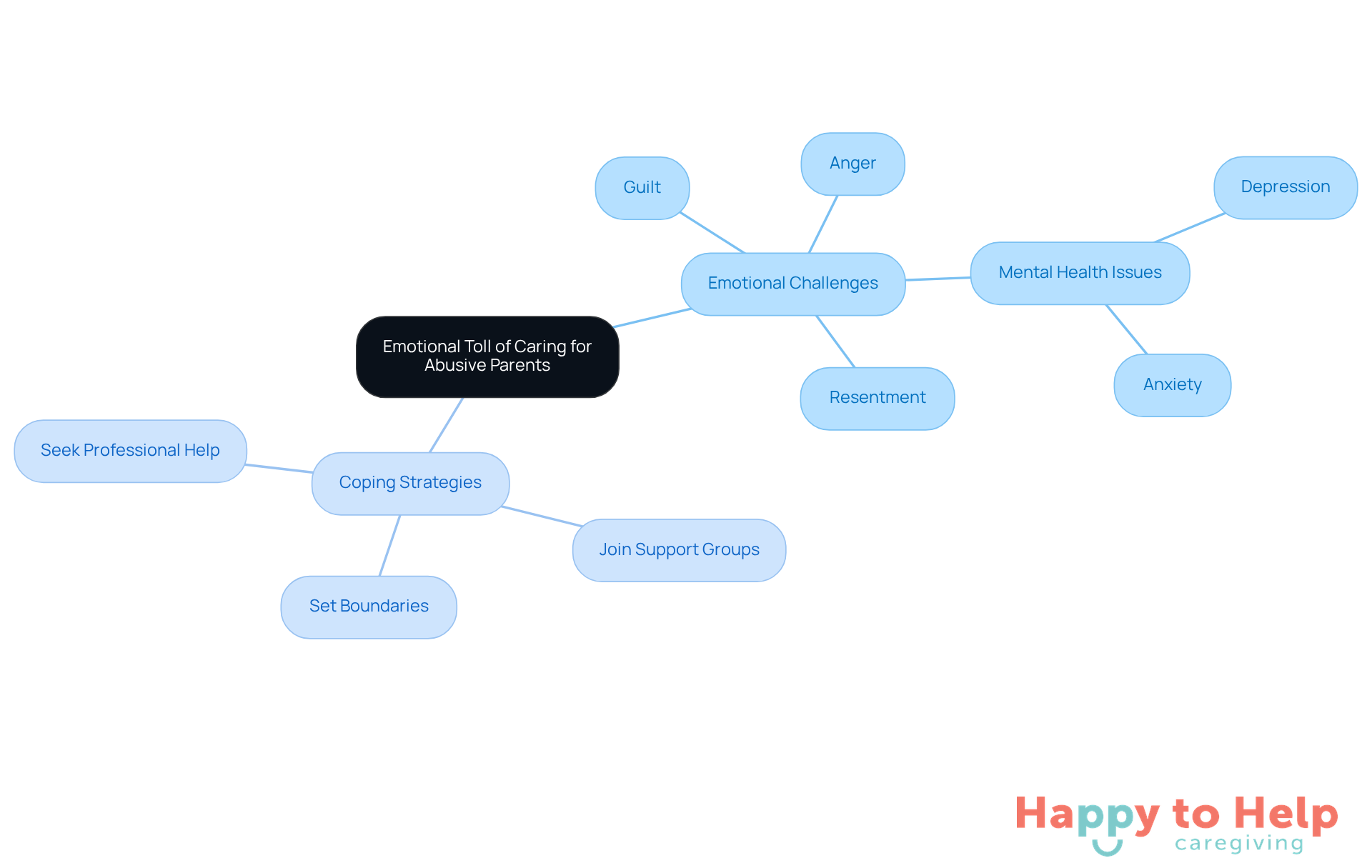
Emotional Toll: The Impact of Caring for Abusive Parents
Caring for abusive parents presents a significant emotional challenge for caregivers, particularly for those who feel, 'I don't want to care for my elderly parents'. Many experience feelings of guilt, anger, and resentment, especially when I don't want to care for my elderly parents, which can worsen mental health issues like depression and anxiety. This emotional burden is intensified by the need to navigate complex family dynamics, often reopening old wounds from childhood.
To address these challenges, it’s essential for caregivers to seek support. Establishing clear boundaries is crucial for protecting one’s mental well-being. Here are some actionable tips:
- Seek Professional Help: Consider talking to a therapist who specializes in family dynamics.
- Join Support Groups: Connecting with others in similar situations can provide comfort and understanding.
- Set Boundaries: Clearly define what behaviors you will and will not tolerate.
By taking these steps, caregivers can better manage their emotional health while providing support.
Complex Care Needs: Navigating the Challenges of Unsupportive Parents
For caregivers, the challenge of caring for parents who exhibit unsupportive behavior is compounded by the feeling that I don't want to care for my elderly parents. This situation complicates the management of complex care needs, including chronic illnesses, cognitive decline, and mobility issues. Caregivers often find themselves advocating for their parents' health while facing resistance, and in some cases, they may feel that they don't want to care for my elderly parents, which can lead to emotional distress and burnout.
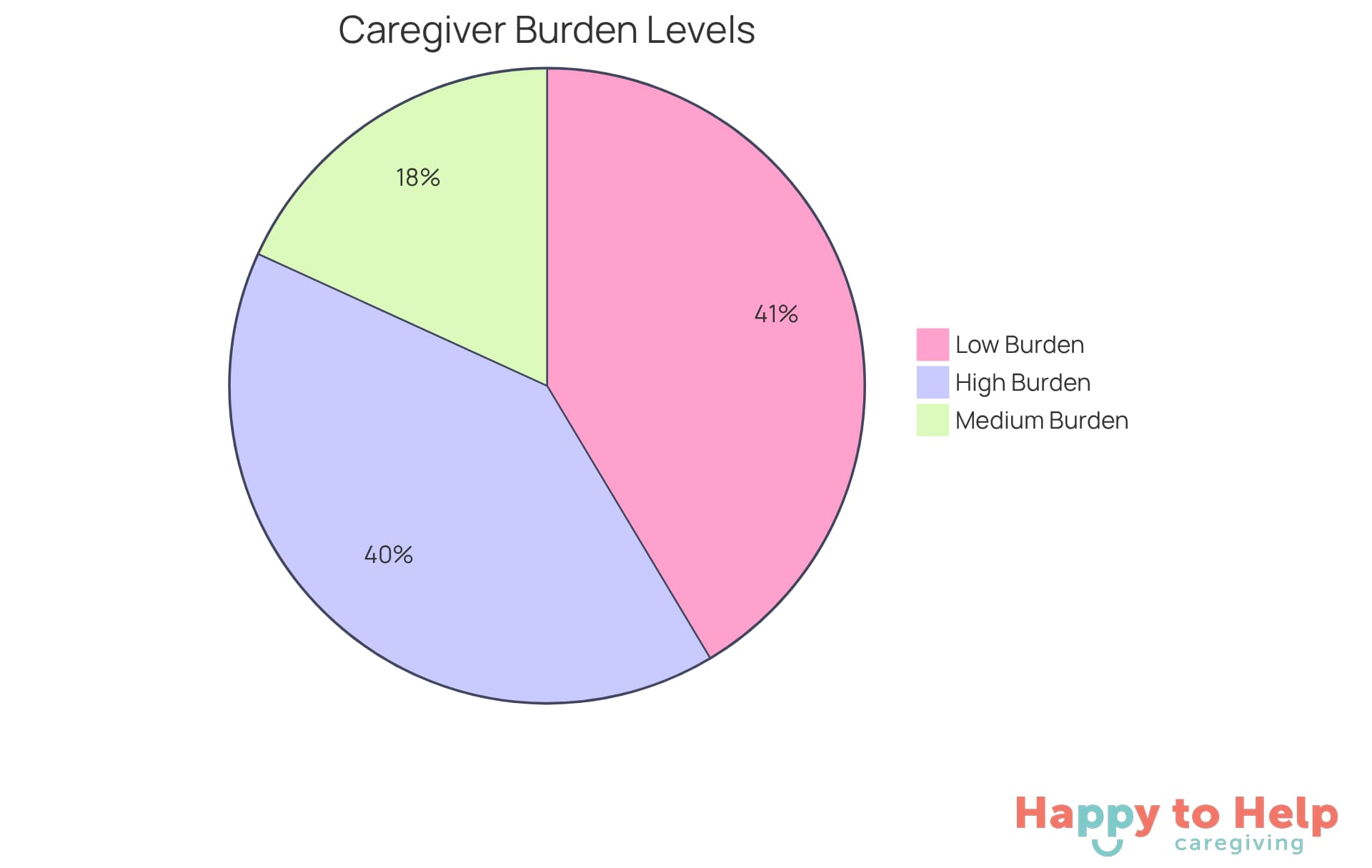
Statistics reveal that:
- 40% of caregivers are in high-burden situations
- 18% in medium burden
- 41% in low burden
according to the Level of Care Index. These figures highlight the emotional toll caregiving can take. In these circumstances, patience is crucial.
One effective solution is to involve skilled professionals who can provide essential assistance. These specialists are trained to navigate the complexities of support, ensuring that parents receive the necessary care while allowing caregivers to maintain their well-being. By acknowledging the importance of outside assistance, caregivers can more effectively manage their responsibilities and foster healthier relationships with their parents.
Additionally, caregivers are encouraged to seek local resources or support groups. Connecting with others facing similar challenges can offer valuable emotional and practical support, making the caregiving journey more manageable.
Burnout Risk: The Physical and Emotional Strain of Caregiving
Caregiver burnout is a significant problem, marked by physical, emotional, and mental exhaustion due to the relentless demands of caregiving. Approximately 24% of U.S. adults provide care, and nearly half report negative financial impacts from their responsibilities. On average, caregivers spend about $7,200 a year out-of-pocket on caregiving expenses.
The implications of caregiver burnout are serious. Symptoms can manifest as exhaustion, irritability, and feelings of helplessness, with 1 in 5 caregivers reporting they are in fair or poor health. This situation highlights the urgent need for caregivers to prioritize self-care.
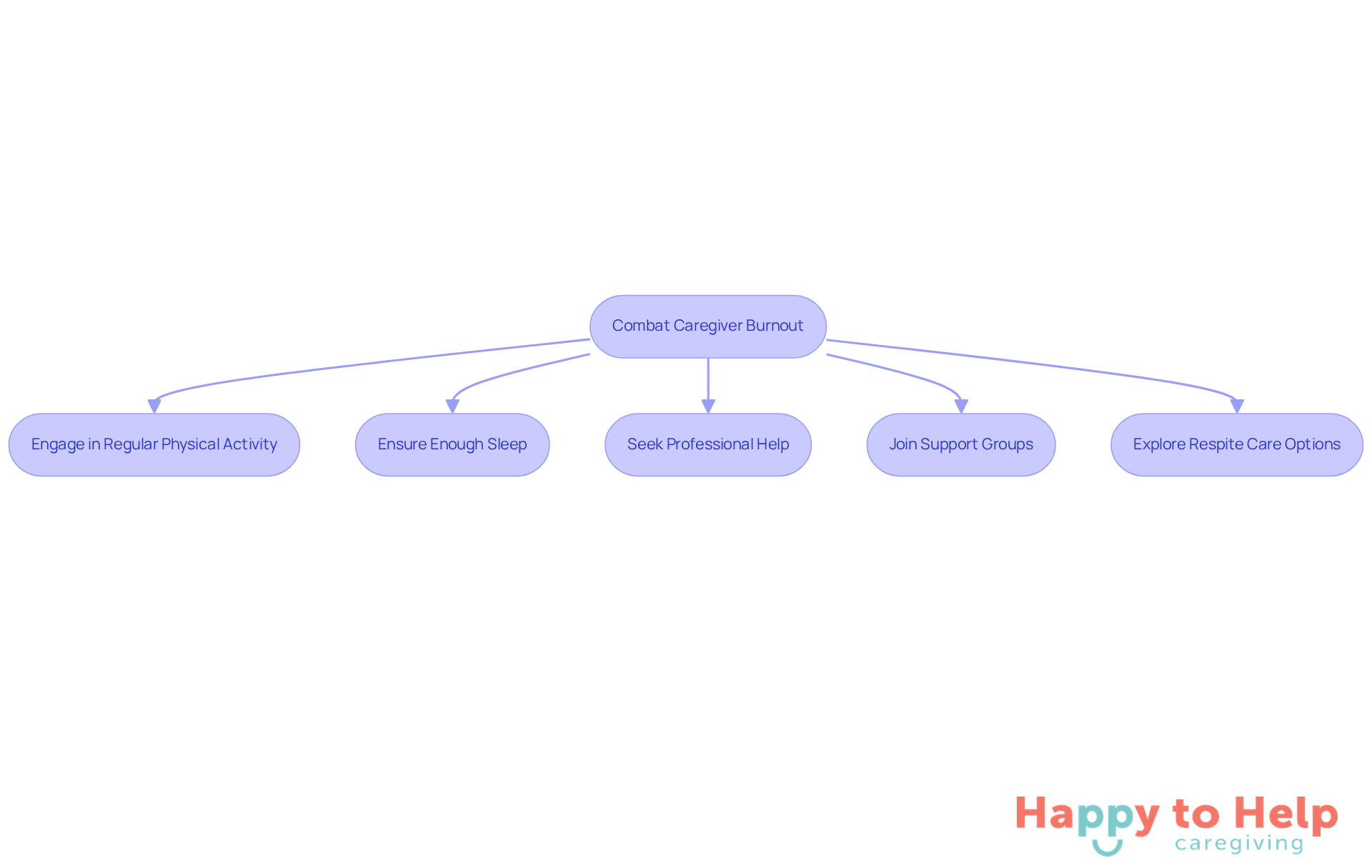
To combat these challenges, caregivers should:
- Engage in regular physical activity
- Ensure they get enough sleep
- Seek professional help when necessary
Joining support groups can also provide a vital outlet for sharing experiences and receiving encouragement. Additionally, exploring respite care options allows caregivers to take essential breaks, reinforcing the idea that asking for help is not only acceptable but necessary.
November is National Caregivers Month, a time to recognize the contributions of over 53 million family caregivers in the U.S. By fostering a supportive environment and emphasizing the importance of mental health, caregivers can sustain their efforts and maintain their well-being.
Life Balance: Struggling to Manage Personal Responsibilities While Caring
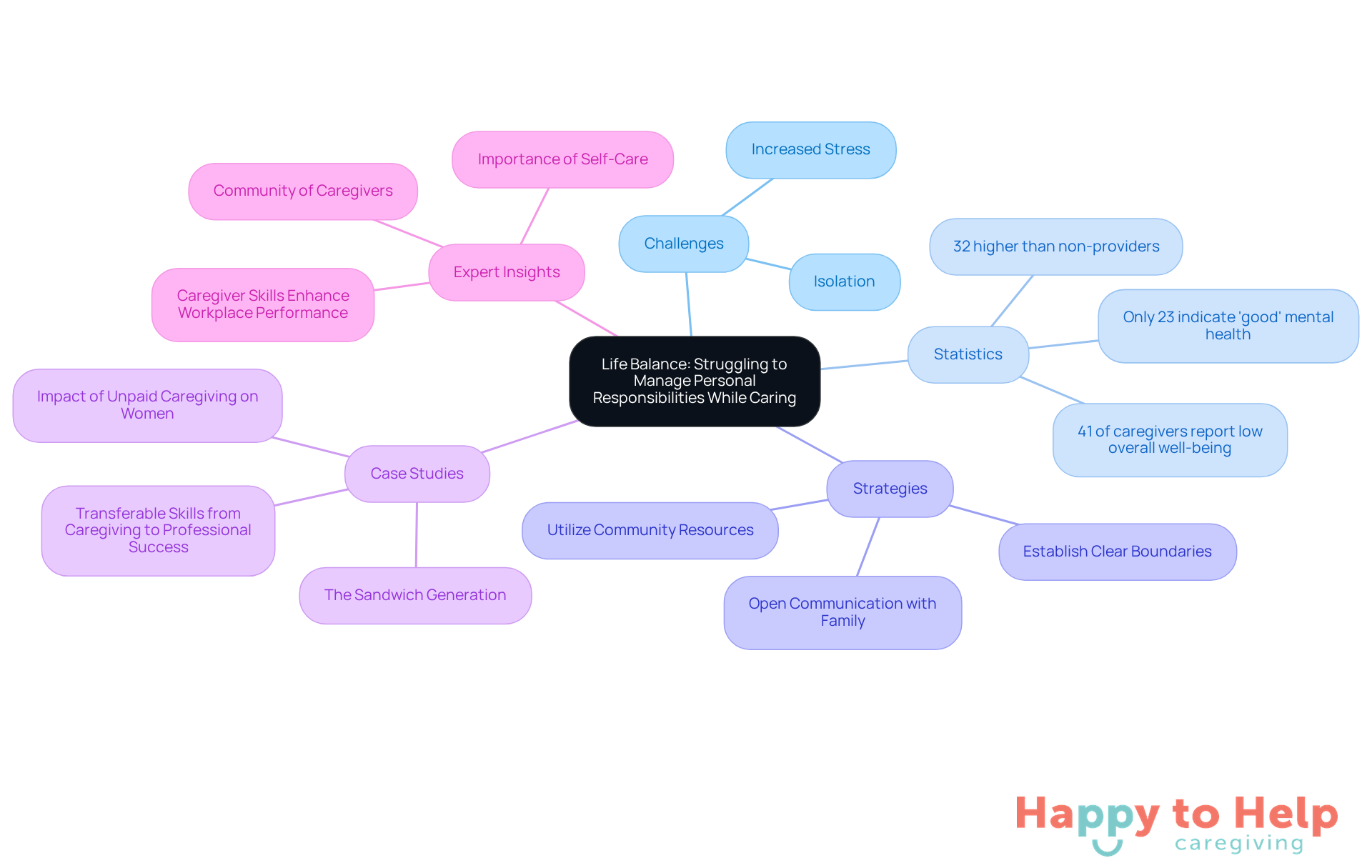
Balancing personal responsibilities, such as work and family, with the demands of caregiving, particularly when I don't want to care for my elderly parents, can be a significant challenge. This struggle often leads to feelings of isolation and increased stress. In fact, statistics reveal that 41% of caregivers report low overall well-being, which is 32% higher than non-providers, and only 23% indicate 'good' mental health.
To address these challenges, caregivers can adopt several practical strategies:
- Establishing clear boundaries and assigning tasks when possible can help manage time more efficiently.
- Utilizing community resources, such as HR support for dependent care assistance and flexible work arrangements, is also beneficial.
- Open communication with family members about individual needs and expectations can alleviate some of the pressure.
Case studies indicate that caregivers who actively seek support and share responsibilities experience lower stress levels and improved mental health outcomes. Family therapists emphasize the importance of recognizing these challenges and encourage caregivers to prioritize self-care to maintain their well-being. As Eileen Lawless states, "Sustainable caregiving requires intentional self-care practices."
By implementing these strategies, caregivers can create a more manageable balance between their personal and caregiving duties. Additionally, many individuals in the 'sandwich generation' face the added complexity of supporting both children and aging parents, leading them to feel that they don't want to care for their elderly parents, which further complicates their responsibilities.
Therapy Support: Seeking Professional Help to Cope with Caregiving Stress
Caregivers often face significant emotional challenges while supporting others, particularly those dealing with stress and mental health issues. This burden can lead to feelings of overwhelm and burnout, making it crucial for caregivers to prioritize their own mental well-being.
To address these challenges, seeking professional assistance can be invaluable. Therapy can help caregivers process their emotions, develop effective coping strategies, and ultimately enhance their overall mental health. Options for support include:
- Individual therapy
- Support groups
- Counseling for family members
Participating in therapy not only benefits the caregiver but also improves the quality of care provided to their elderly parents. By investing in their own mental health, caregivers can offer more compassionate and effective support.

Hiring Help: Utilizing Professional Caregivers to Alleviate Burden
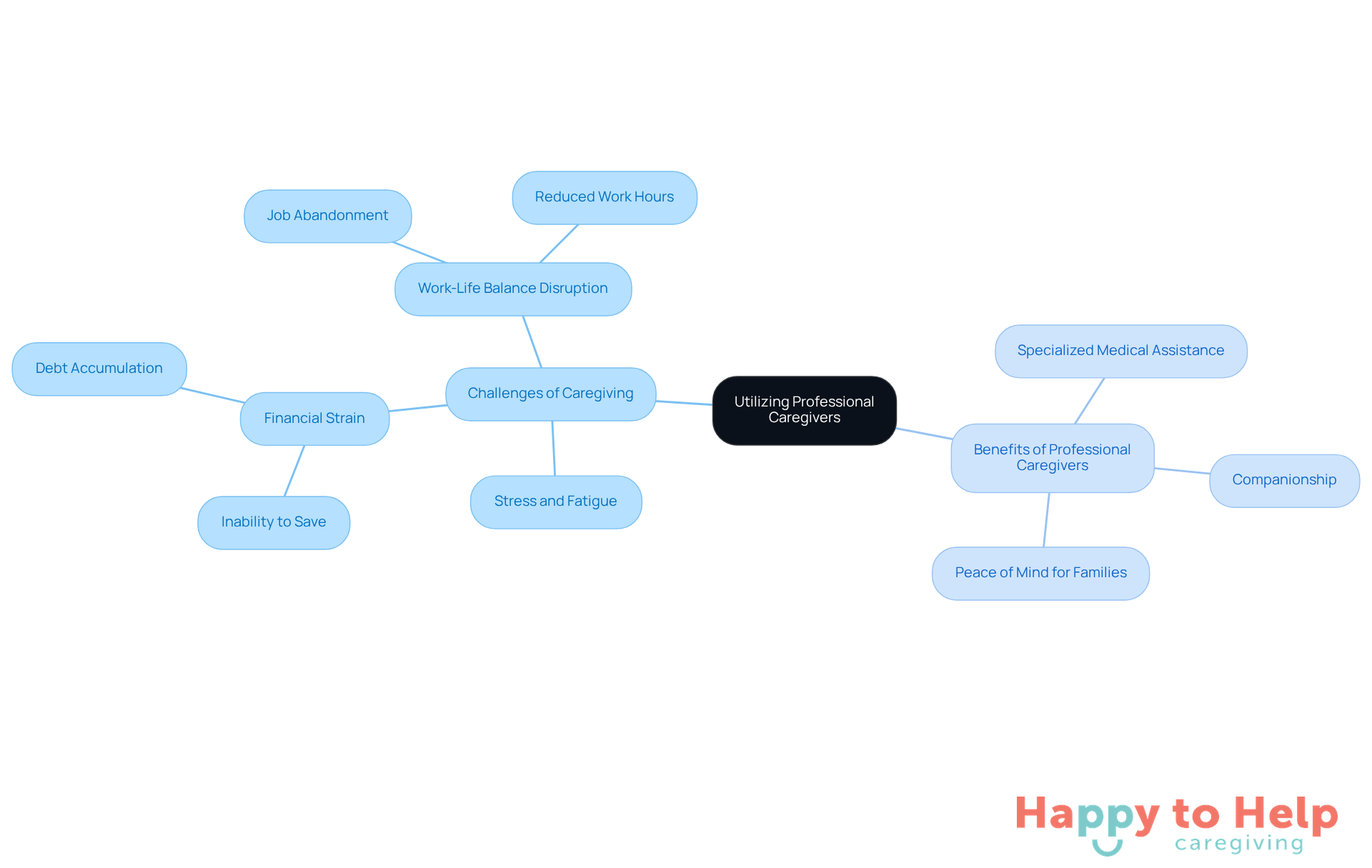
For many relatives, the responsibility of caring for elderly parents can be a heavy burden, especially for those who feel that they don't want to care for their elderly parents, often leading to stress and fatigue. This challenge not only affects the well-being of caregivers who say 'I don't want to care for my elderly parents' but can also impact the quality of care provided to the elderly.
Employing skilled attendants can significantly ease this load. Professional caregivers bring valuable knowledge and experience, allowing relatives to focus on their own health and happiness. Services range from:
- Companionship
- Specialized medical assistance
This solution not only enhances the quality of care but also offers peace of mind to loved ones. By choosing professional help, families can ensure their elderly parents receive the support they need while maintaining their own well-being.
Guardianship Considerations: When Caregiving Isn't Feasible
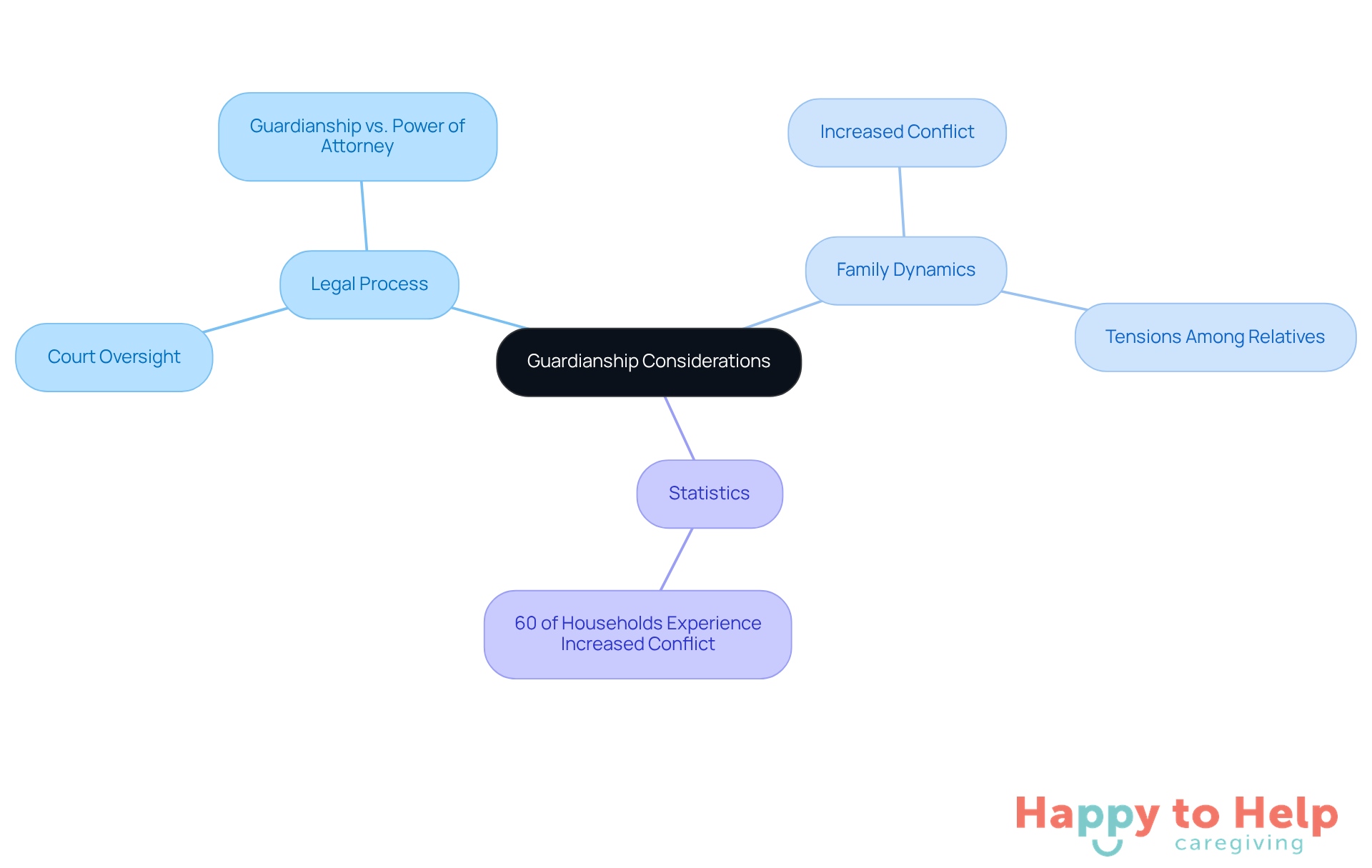
When caregiving becomes unmanageable due to an elderly parent's condition or their refusal of assistance, I don't want to care for my elderly parents, making guardianship a vital option. This legal process appoints a guardian to make decisions on behalf of the elderly individual, ensuring their needs are adequately addressed.
Engaging with legal professionals is crucial, as they can provide clarity on the guardianship process and its implications. Statistics indicate that guardianship can significantly change domestic dynamics, often leading to tensions and misunderstandings among relatives. For instance, nearly 60% of households experience increased conflict when a guardian is appointed.
Legal implications include the necessity for court oversight, which ensures that the guardian acts in the best interest of the ward. As legal experts state, "Court oversight is required for all legal guardianship arrangements to ensure the ward’s well-being and protection." Families must navigate complex legal frameworks, including understanding the differences between guardianship and Power of Attorney. The latter allows individuals to designate someone to manage their affairs without court involvement.
Comprehending these factors is crucial for households contemplating guardianship, as it can significantly influence both the support given and the connections within the household.
Societal Pressure: The Burden of Expectations in Caregiving Roles
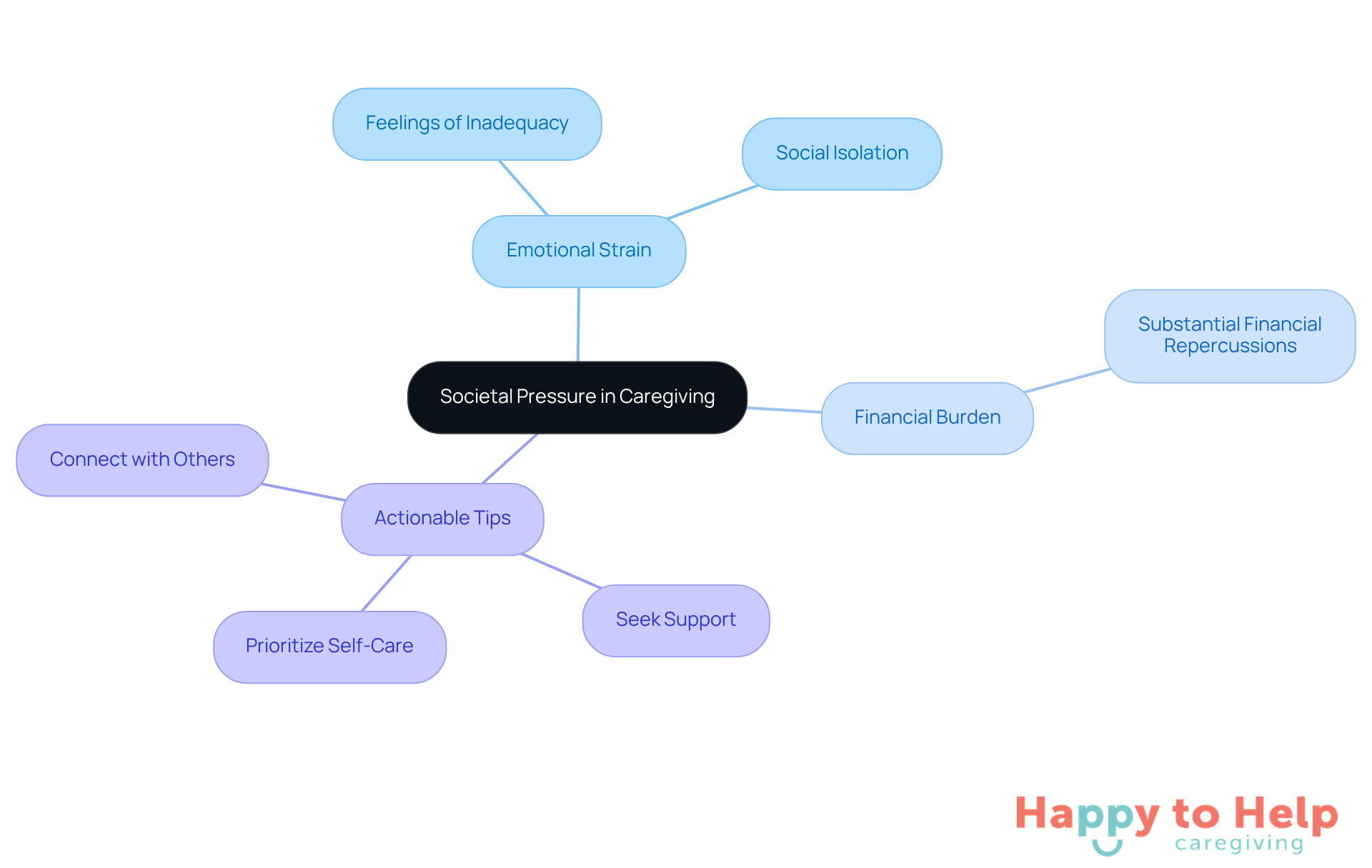
Caregivers often face significant societal pressures that push them into caregiving roles, leading to feelings of inadequacy and increased stress. Cultural norms frequently create an expectation that family members should provide care independently, even for those who feel, 'I don't want to care for my elderly parents,' without seeking help from others. This sense of obligation can intensify stress, especially for those who feel that 'I don't want to care for my elderly parents,' with nearly 1 in 4 caregivers reporting feelings of social isolation and struggling to maintain their own health due to these responsibilities.
Research shows that those who adhere to these cultural expectations may experience heightened emotional strain, especially if they feel compelled to fulfill these roles perfectly, even when they feel like saying, 'I don't want to care for my elderly parents'. Furthermore, almost half of caregivers encounter substantial financial repercussions, adding to their emotional burden. Recognizing these pressures is crucial for caregivers; asking for help is not a sign of defeat but a responsible choice that can enhance the well-being of both the caregiver and the elderly parent, particularly when I don't want to care for my elderly parents.
Accepting assistance can alleviate some burdens associated with caregiving, allowing for a healthier balance between personal needs and caregiving duties. With 63 million Americans providing continuous support to someone with a complex medical condition or disability in the past year, it’s evident that robust support systems are vital for those navigating these challenging roles.
Actionable Tips for Caregivers:
- Seek Support: Don’t hesitate to ask for help from family, friends, or professional services.
- Prioritize Self-Care: Make time for your own health and well-being.
- Connect with Others: Join support groups to share experiences and gain insights.
By implementing these strategies, caregivers can better manage their responsibilities while maintaining their own health.
Personal Choice: Acknowledging the Right to Decline Caregiving Responsibilities
Caregivers often face the significant challenge of feeling overwhelmed or unprepared for their duties. This situation can lead to neglecting their own health and wellness, which is a serious concern. Mental health experts, including Dr. Taylor Rush, emphasize that ignoring personal needs can escalate stress and health issues, ultimately affecting the quality of care provided.
Statistics reveal that 41% of caregivers report low overall well-being, a staggering 32% higher than non-care providers. This highlights the urgent need for self-care and support. Families should consider various assistance options, such as professional caregiving services, to ensure their loved ones receive the necessary help without compromising the caregiver's mental and physical health.
With 53 million unpaid caregivers in the U.S., it's crucial for them to acknowledge their limits and seek help. By prioritizing their own well-being, caregivers can foster a healthier environment for both themselves and those they care for.

Taking the Next Steps
Caring for elderly parents presents a significant challenge, often accompanied by emotional strain and societal pressures. Many individuals grapple with feelings of reluctance, which can stem from the complex care needs of their parents and the emotional toll it takes on them. Recognizing these challenges is essential for understanding the multifaceted nature of caregiving.
The emotional burdens of caregiving can be particularly heavy, especially in situations involving abusive or unsupportive parents. Statistics reveal a concerning prevalence of caregiver burnout, highlighting the critical need for self-care. Caregivers should not hesitate to seek professional help or utilize in-home support services. By establishing clear boundaries and prioritizing their own well-being, caregivers can enhance their effectiveness and foster healthier relationships with their loved ones.
Acknowledging the challenges of caregiving is vital, and embracing the option to seek assistance can make a significant difference. Caregivers are encouraged to explore available resources, whether through professional services or community support networks, to alleviate their burdens. By prioritizing personal health and well-being, caregivers can create a more sustainable and compassionate caregiving experience, benefiting both themselves and the elderly individuals they support.
https://iframe.tely.ai/cta/eyJhcnRpY2xlX2lkIjogIjY5MjNhMGJlMjcyNDliYTNkMmMzZTYxYiIsICJjb21wYW55X2lkIjogIjY4ZWU1ZGNhNzMxNzYyNTU3ZjNjOTVjMSIsICJpbmRleCI6IG51bGwsICJ0eXBlIjogImFydGljbGUifQ==Frequently Asked Questions
What challenges do families face when caring for elderly parents?
Families often encounter emotional and logistical demands that can lead to stress and uncertainty, particularly when caregivers feel overwhelmed or reluctant to provide care.
What services does Happy to Help Caregiving offer?
Happy to Help Caregiving provides tailored in-home assistance, including companionship, post-hospital recovery aid, respite support, and palliative assistance, all designed to enhance independence and well-being.
How does Happy to Help Caregiving support caregivers?
They emphasize empathy and communication, helping caregivers feel more confident and less isolated, knowing their loved ones are receiving compassionate care.
What emotional challenges do caregivers face when caring for abusive parents?
Caregivers may experience feelings of guilt, anger, and resentment, which can exacerbate mental health issues like depression and anxiety, especially when navigating complex family dynamics.
What strategies can caregivers use to manage their emotional health?
Caregivers can seek professional help, join support groups, and set clear boundaries to protect their mental well-being.
What are the complexities involved in caring for unsupportive parents?
Caregivers may face challenges in managing complex care needs, such as chronic illnesses and cognitive decline, while dealing with resistance from their parents, leading to emotional distress and burnout.
What statistics highlight the burden on caregivers?
According to the Level of Care Index, 40% of caregivers are in high-burden situations, 18% in medium burden, and 41% in low burden.
How can caregivers effectively manage their responsibilities?
Involving skilled professionals can help navigate care complexities, allowing caregivers to maintain their well-being and foster healthier relationships with their parents.
What resources are available for caregivers?
Caregivers are encouraged to seek local resources or support groups to connect with others facing similar challenges, providing valuable emotional and practical support.
List of Sources
- Happy to Help Caregiving: Compassionate In-Home Support for Elderly Parents
- Caregiver Statistics: Demographics (https://caregiver.org/resource/caregiver-statistics-demographics)
- Top Trends in Senior Care Services for 2024 (https://westmontliving.com/blog/assisted-living/top-10-trends-in-senior-care-services-for-2024)
- She cares for her aging parents full time. That requires taking care of herself, too (https://wgbh.org/news/2025-11-20/she-cares-for-her-aging-parents-full-time-that-requires-taking-care-of-herself-too)
- Expensive and exhausting: Why caregivers need to care for themselves, too : Consider This from NPR (https://npr.org/2025/11/20/nx-s1-5615163/expensive-and-exhausting-why-caregivers-need-to-care-for-themselves-too)
- Executive Home Care Honors Family Caregivers During National Family Caregivers Month (https://kfor.com/business/press-releases/cision/20251117LA25356/executive-home-care-honors-family-caregivers-during-national-family-caregivers-month)
- Emotional Toll: The Impact of Caring for Abusive Parents
- New Report Reveals Crisis Point for America’s 63 million Family Caregivers (https://press.aarp.org/2025-07-24-New-Report-Reveals-Crisis-Point-for-Americas-63-million-Family-Caregivers)
- Experts alarmed by large number of teens experiencing emotional abuse (https://nbcnews.com/news/us-news/not-surprising-see-sad-experts-alarmed-large-number-teens-experiencing-rcna22377)
- 85+ Childhood Abuse & Trauma Quotes for Your Healing Journey (https://hopefulpanda.com/abuse-and-trauma-healing-quotes)
- 25 Best Childhood Trauma Quotes (https://mentalhealthcenterkids.com/blogs/articles/childhood-trauma-quotes)
- Caregiving is taking a toll on the mental health of millions of Americans (https://npr.org/2025/01/26/nx-s1-5271537/caregiving-is-taking-a-toll-on-the-mental-health-of-millions-of-americans)
- Complex Care Needs: Navigating the Challenges of Unsupportive Parents
- Caregiving Crisis: Nearly 1 in 4 US adults serve as caregivers for relatives with complex needs (https://investigatetv.com/2025/11/04/caregiving-crisis-nearly-1-4-us-adults-serve-caregivers-relatives-with-complex-needs)
- Caregiving in the US 2025 (https://aarp.org/pri/topics/ltss/family-caregiving/caregiving-in-the-us-2025)
- Elderly Care Statistics (https://rosewood-nursing.com/post/elderly-care-statistics)
- Caregiver Statistics: Demographics (https://caregiver.org/resource/caregiver-statistics-demographics)
- Caring for Aging Parents Who Didn’t Care for You (https://agingcare.com/articles/caring-for-aging-parents-who-didn-t-care-for-you-127206.htm)
- Burnout Risk: The Physical and Emotional Strain of Caregiving
- New Report Reveals Crisis Point for America’s 63 million Family Caregivers (https://press.aarp.org/2025-07-24-New-Report-Reveals-Crisis-Point-for-Americas-63-million-Family-Caregivers)
- Relief for caregiver burnout - Harvard Health (https://health.harvard.edu/staying-healthy/relief-for-caregiver-burnout)
- News & Information (https://wellnessalliance.org/resources-and-tools/news-and-information/2025/11/10/national-family-caregivers-month--preventing-caregiver-burnout)
- The National Alliance for Caregiving and AARP Release Caregiving Report - CAPC - News Bites (https://capc.org/blog/new-data-on-family-caregivers-in-the-us)
- Caregiving’s Mental Health Crisis (https://forbes.com/sites/otsuka/2025/10/02/caregivings-mental-health-crisis)
- Life Balance: Struggling to Manage Personal Responsibilities While Caring
- New U.S. Workforce Report: Nearly 70% of Family Caregivers Report Difficulty Balancing Career and Caregiving Responsibilities, Spurring Long-Term Impacts to U.S. Economy (https://press.aarp.org/2024-5-16-US-Workforce-Report-70-Caregivers-Difficulty-Balancing-Career-Caregiving-Responsibilities)
- Simple & Easy Occupational Health - NMS Health (https://nmshealth.com/?p=3891)
- Your Working Caregiver Experience Matters: What Every Working Caregiver Should Know (https://lifework.arizona.edu/news/2025/your-working-caregiver-experience-matters-what-every-working-caregiver-should-know)
- 2023 Study — Caregiving in America, Statistics on Family Caregivers and Beyond | Guardian (https://guardianlife.com/reports/caregiving-in-america)
- Therapy Support: Seeking Professional Help to Cope with Caregiving Stress
- Caregiver Statistics: Health, Technology, and Caregiving Resources (https://caregiver.org/resource/caregiver-statistics-health-technology-and-caregiving-resources)
- How Support Groups for Caregivers Help Navigate Stress & Burnout (https://oriolhealthcare.com/support-groups-for-caregivers-navigate-stress-burnout)
- Therapy for Caregivers: What It Is and Why It Matters - GoodRx (https://goodrx.com/health-topic/caregiving/therapy-for-caregivers?srsltid=AfmBOopM6q4QLgpIRyHr4UBY3N8dAxmX1DJFR4t6J9tvRyF8NQKlOo7\_)
- Prevalence of depression, anxiety, burden, burnout, and stress in informal caregivers: An umbrella review of meta-analyses (https://sciencedirect.com/science/article/pii/S2950307825000785)
- 2023 Study — Caregiving in America, Statistics on Family Caregivers and Beyond | Guardian (https://guardianlife.com/reports/caregiving-in-america)
- Hiring Help: Utilizing Professional Caregivers to Alleviate Burden
- Home Health and Personal Care Aides (https://bls.gov/ooh/healthcare/home-health-aides-and-personal-care-aides.htm)
- Caregiving Crisis: 45% Increase in Americans Providing Care (https://aarp.org/caregiving/basics/caregiving-in-us-survey-2025)
- Caregiver Statistics: Work and Caregiving (https://caregiver.org/resource/caregiver-statistics-work-and-caregiving)
- New Report Reveals Crisis Point for America’s 63 million Family Caregivers (https://press.aarp.org/2025-07-24-New-Report-Reveals-Crisis-Point-for-Americas-63-million-Family-Caregivers)
- National Report Stresses Impact of Family Caregiving | AFTD (https://theaftd.org/posts/news/national-report-stresses-impact-of-family-caregiving)
- Guardianship Considerations: When Caregiving Isn't Feasible
- Guardianship: 10 FAQs We Can Answer For You - Sequoia Financial Group (https://sequoia-financial.com/guardianship-10-faqs-we-can-answer-for-you)
- Guardianship vs Power of Attorney: Key Differences Explained (https://meltzerandbell.com/news/guardianship-vs-power-of-attorney-key-differences-explained)
- State’s Guardianship System in Crisis, Says Legal Expert — Calls for Urgent Legislative Action - Tanya Hobson-Williams (https://nyguardian.com/states-guardianship-system-in-crisis-says-legal-expert-calls-for-urgent-legislative-action)
- Societal Pressure: The Burden of Expectations in Caregiving Roles
- Caregiving Crisis: Nearly 1 in 4 US adults serve as caregivers for relatives with complex needs (https://whsv.com/2025/11/04/caregiving-crisis-nearly-1-4-us-adults-serve-caregivers-relatives-with-complex-needs)
- More Americans are family caregivers; states struggle to help them, report finds • Stateline (https://stateline.org/2025/07/25/more-americans-are-family-caregivers-states-struggle-to-help-them-report-finds)
- New Report Reveals Crisis Point for America’s 63 million Family Caregivers (https://states.aarp.org/maryland/caregiving-report)
- Caregiver Statistics: Demographics (https://caregiver.org/resource/caregiver-statistics-demographics)
- Caregivers across U.S. are under increasing pressure, report finds (https://philanthropynewsdigest.org/news/caregivers-across-u.s.-are-under-increasing-pressure-report-finds)
- Personal Choice: Acknowledging the Right to Decline Caregiving Responsibilities
- Facebook (https://newsroom.clevelandclinic.org/2025/11/19/importance-of-self-care-for-family-caregivers)
- New U.S. Workforce Report: Nearly 70% of Family Caregivers Report Difficulty Balancing Career and Caregiving Responsibilities, Spurring Long-Term Impacts to U.S. Economy (https://press.aarp.org/2024-5-16-US-Workforce-Report-70-Caregivers-Difficulty-Balancing-Career-Caregiving-Responsibilities)
- The Caregiving Landscape: Data & Insights on the Caregiver Experience in the U.S. (https://caregiveraction.org/caregiver-statistics)
- Caregiver Statistics: Work and Caregiving (https://caregiver.org/resource/caregiver-statistics-work-and-caregiving)
- What to expect when you become a caregiver– and how to cope with the challenges (https://heart.org/en/news/2025/11/20/what-to-expect-when-you-become-a-caregiver-and-how-to-cope-with-the-challenges)