

For families in our service areas
For families in our service areas, this guide explains caregiving and how non-medical in-home caregiving can support care planning in East Idaho, Treasure Valley & Magic Valley, Northern Wasatch, North Central West Virginia, and Northeast Ohio.
Why Deal with Aging Parents Who Refuse Matters
Navigating the complex emotions of aging parents who resist help presents a significant challenge for caregivers. Many elderly individuals equate accepting assistance with losing their independence. This belief creates a delicate emotional landscape that caregivers must navigate with care and understanding.
The implications of this resistance can be profound. Caregivers often feel frustrated and helpless, caught between the desire to support their loved ones and the need to respect their autonomy. This tension can lead to strained relationships and increased stress for both parties.
To address this issue, caregivers can employ several actionable strategies:
- Approaching sensitive conversations with empathy is crucial.
- Gradually introducing support options can help ease the transition.
- Exploring professional assistance can provide the necessary help while preserving the dignity of aging parents.
How can caregivers effectively bridge the gap between the desire to maintain independence and the need for assistance? By employing these strategies, caregivers can foster open communication and create a supportive environment that respects their loved ones' wishes.
Understand the Emotional Landscape of Aging Parents
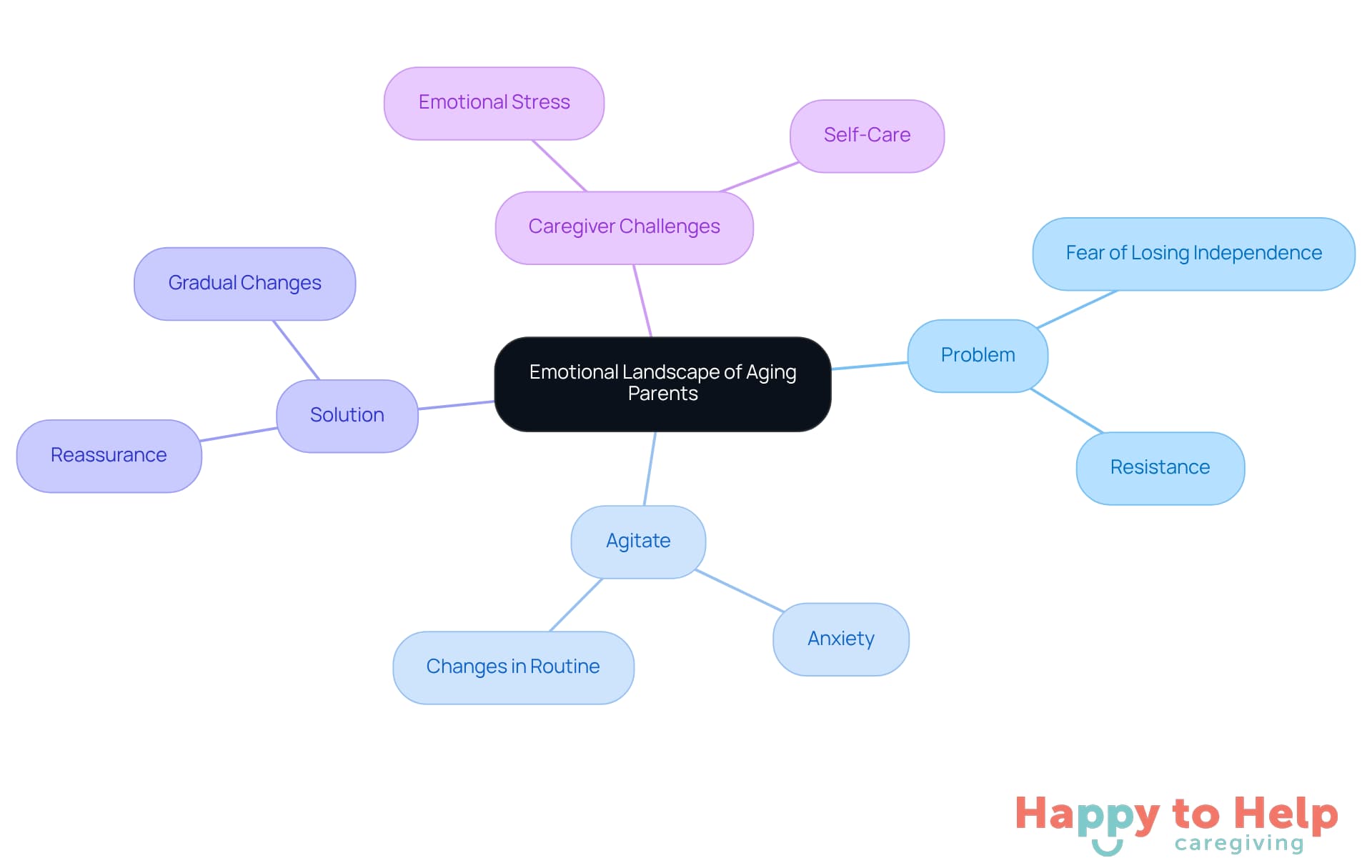
Understanding their emotional landscape is crucial when learning how to deal with aging parents who refuse help. Caregivers face significant challenges, especially in knowing how to deal with aging parents who refuse help, which primarily stems from the emotions of their loved ones.
Problem: Many elderly individuals grapple with a fear of losing their independence. They often believe that accepting help equates to a loss of autonomy. Barry J. Jacobs notes, "Pride plus minimization leads to resistance," highlighting the emotional complexity behind this fear. This concern is prevalent among seniors, making it essential for caregivers to learn how to deal with aging parents who refuse help.
Agitate: The anxiety surrounding the fear of how to deal with aging parents who refuse help can lead to resistance, complicating the caregiving process. Additionally, changes in routine or living arrangements can be daunting for elderly relatives. Acknowledging their feelings is vital, as it helps caregivers understand the emotional weight of these transitions. Furthermore, some parents may experience guilt or shame about needing assistance. Validating these feelings emphasizes that understanding how to deal with aging parents who refuse help is a sign of strength, not weakness.
Solution: Caregivers can reassure their loved ones that support is intended to enhance their independence, not diminish it. Discussing gradual changes can ease anxiety and make transitions feel less overwhelming. Encouraging seniors to view help as a means to maintain their quality of life can foster a more positive outlook.
It's also important for caregivers to recognize their own emotional challenges. Approximately 60% of caregivers report experiencing moderate to high emotional stress. By prioritizing their well-being, caregivers can learn how to deal with aging parents who refuse help, allowing them to approach conversations with greater sensitivity and compassion, which paves the way for more productive discussions about care needs.
Initiate Respectful Conversations About Care Needs
When discussing care needs with elderly relatives, it’s essential to approach the conversation with respect and empathy. Caregivers often face the challenge of navigating sensitive discussions about how to deal with aging parents who refuse help, which can be emotionally charged for both parties.
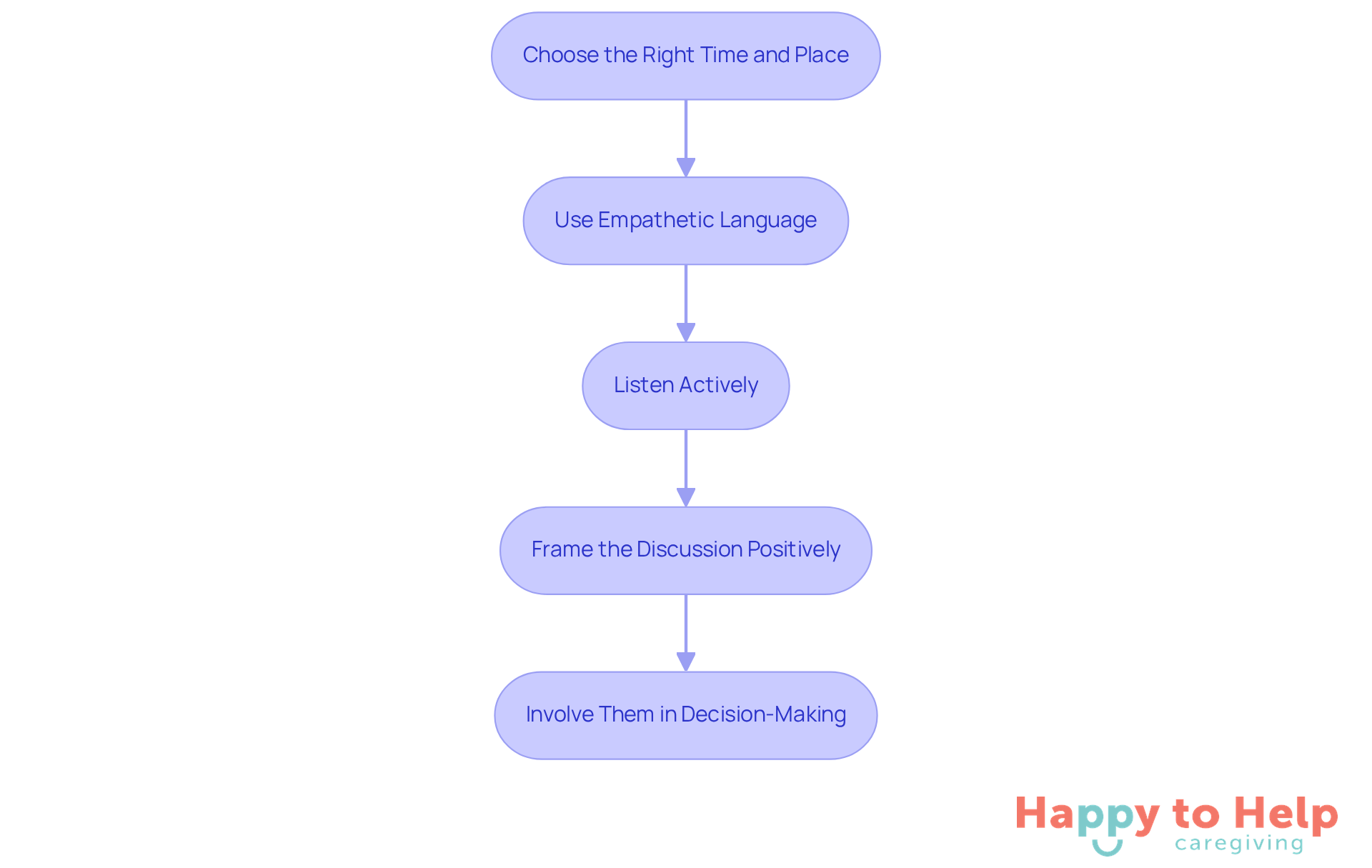
To address this, consider the following steps:
-
Choose the right time and place.
Find a comfortable and private setting where your guardian feels safe to express their thoughts. This creates an environment conducive to open dialogue. -
Use empathetic language.
Begin the conversation by expressing your concern for their well-being. Phrases like, "I’ve noticed you’ve been struggling with..." can show that you genuinely care about their feelings and experiences. -
Listen actively.
Allow your guardian to share their feelings without interruption. Acknowledge their concerns and validate their emotions, which helps build trust and understanding. -
Frame the discussion positively.
Emphasize that the goal is to enhance their quality of life and maintain their independence. Discuss how help can be tailored to their preferences, reinforcing that their needs are a priority. -
Involve them in decision-making.
Encourage your guardian to participate in discussions about their care options. This involvement empowers them, making them feel in control rather than overwhelmed.
By fostering an open dialogue, you can help alleviate fears and build trust, which is crucial when learning how to deal with aging parents who refuse help, ultimately leading to a more supportive caregiving relationship.
Introduce Help Gradually and Respectfully
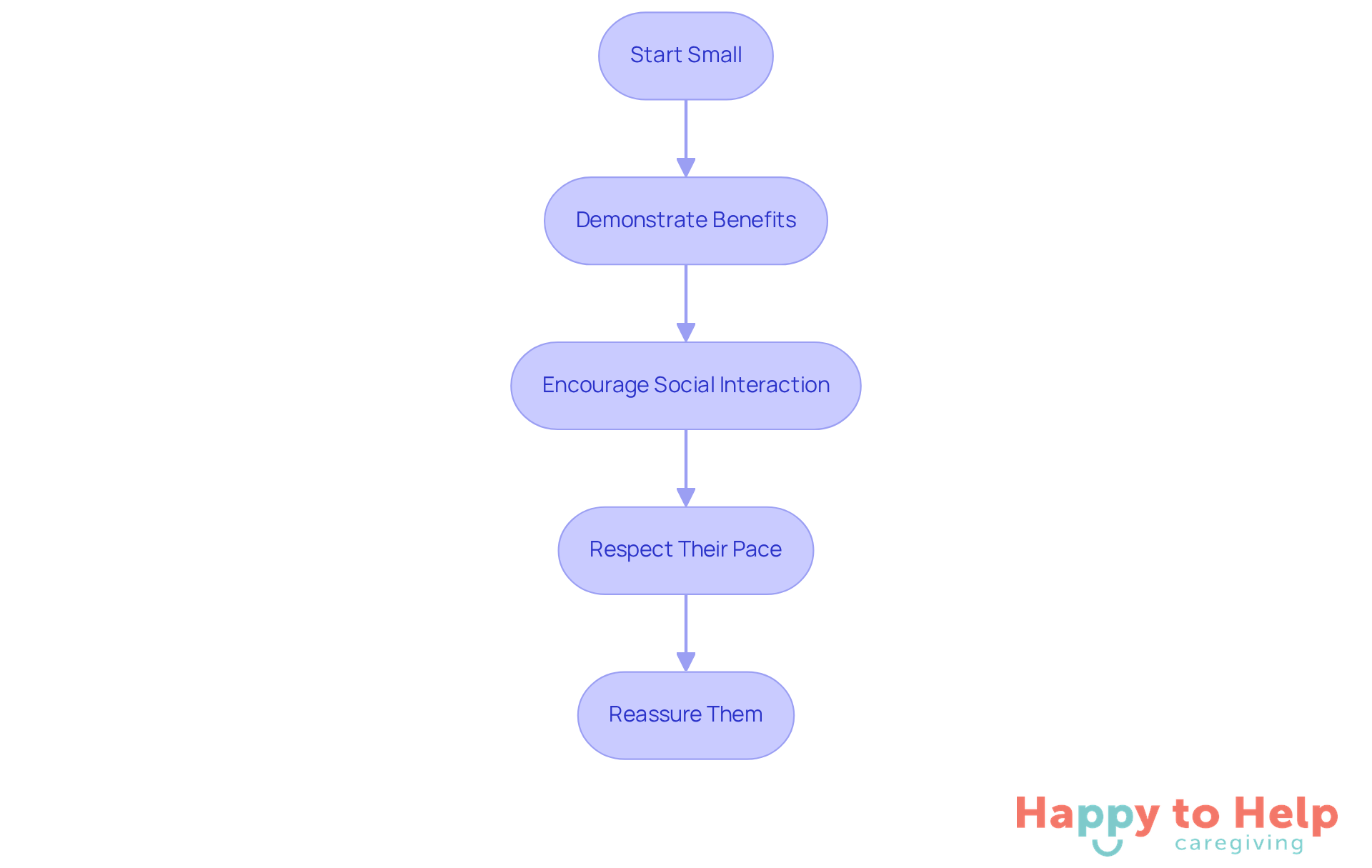
To help aging parents embrace support, it's essential to introduce help gradually. Many caregivers are challenged with understanding how to deal with aging parents who refuse help, which can be a sensitive transition. This reluctance can lead to feelings of isolation and increased stress for both parties. Here’s how to approach this situation thoughtfully:
-
Start Small: Initiate with minor tasks that require minimal commitment, such as scheduling a weekly visit from a support person for companionship or light housekeeping. This low-pressure introduction can ease them into the idea of receiving help.
-
Demonstrate Benefits: Illustrate how assistance can enhance their daily life. For instance, a support person can manage grocery shopping, allowing your parent to savor their favorite meals without the burden of errands. This practical support can significantly improve their quality of life.
-
Encourage Social Interaction: Foster social engagement by introducing activities with caregivers, such as games or outings. These interactions can help your guardian recognize the positive aspects of companionship, reducing feelings of isolation and loneliness.
-
Respect Their Pace: Allow your guardian to set the pace for introducing assistance. If they express discomfort, pause and revisit the conversation later. This respect for their autonomy can foster trust and openness to future support.
-
Reassure Them: Continuously reassure your guardian that accepting help does not equate to losing control over their life. Emphasize that they retain the ability to make decisions about their care, which can alleviate fears of dependency.
By taking these thoughtful steps, you can learn how to deal with aging parents who refuse help, helping your family member feel more comfortable with the idea of receiving assistance and ultimately enhancing their well-being and independence.
Explore Professional Caregiving Options for Support
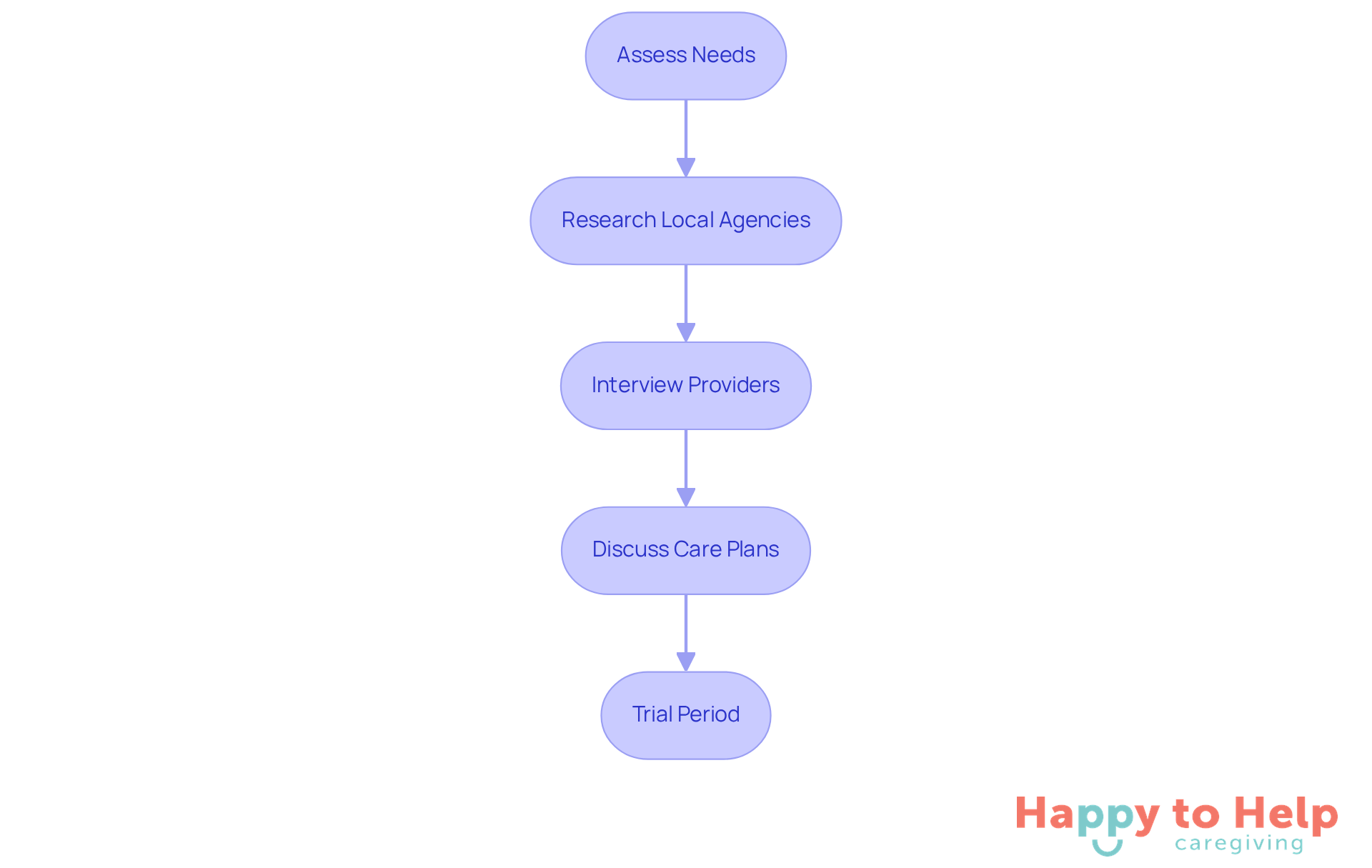
When family support falls short, it becomes evident how to deal with aging parents who refuse help in ensuring adequate care. This situation can lead to stress and uncertainty for families, making it crucial to explore professional caregiving options. Here’s how to navigate this process effectively:
-
Assess Needs: Start by pinpointing the specific needs of your aging parent. This could involve assistance with daily activities, companionship, medication management, or specialized medical care. Understanding these requirements is vital for selecting the right type of support.
-
Research Local Agencies: Look into reputable caregiving agencies in your area. Check reviews, ratings, and testimonials from other families to evaluate the quality of care offered. Resources like the CareScout Quality network can help you find vetted providers that meet strict standards. Additionally, recommendations from trusted sources, such as healthcare providers, can enhance your search.
-
Interview Providers: Once you have a shortlist of potential agencies, interview support workers to gauge their experience, training, and compatibility with your loved one. Ask about their approach to care and how they handle emergencies, ensuring their methods align with your expectations. As Mary Ann Morse emphasizes, effective communication is key in any caregiving relationship.
-
Discuss Care Plans: Ensure that the agency can develop a personalized care plan tailored to your loved one’s preferences and needs. This plan should encompass daily living activities, social engagement, and any medical requirements, promoting a holistic approach to care. Flexibility in these plans is essential to adapt to changing needs over time.
-
Trial Period: Consider initiating a trial phase with the caregiver to assess the interaction and compatibility with your loved one. This allows for adjustments based on feedback, ensuring both parties feel comfortable with the arrangement.
Families can explore professional caregiving options as a way of learning how to deal with aging parents who refuse help while securing the necessary support and preserving their dignity and independence. In 2024, the national median monthly cost for in-home care was reported as $6,292 for homemaker services and $6,483 for home health aides, an important consideration for families planning for care.
Taking the Next Steps
Supporting aging parents who resist help can be a challenging emotional journey for caregivers. The problem lies in the complex feelings that arise when elderly parents refuse assistance, often stemming from fears of losing independence. This situation can create tension and frustration for both parties, making it crucial to approach the topic with empathy and respect.
To address these challenges, caregivers should focus on initiating respectful conversations that validate their parents' emotions. Involving them in decision-making can empower aging parents, making them feel valued and respected. Caregivers can enhance the quality of life for their loved ones while maintaining their independence by thoughtfully discussing care needs and options.
Here are some actionable strategies:
- Initiate conversations with empathy, acknowledging their fears.
- Validate emotions to foster trust and openness.
- Explore professional caregiving options that respect their dignity.
Ultimately, the journey of assisting aging parents who refuse help requires patience and understanding. By employing effective communication strategies and gradually introducing support, caregivers can help their loved ones see assistance as a means of empowerment rather than a loss of autonomy. This approach not only enriches the lives of aging parents but also alleviates the emotional burden on caregivers, fostering a healthier dynamic for everyone involved.
https://iframe.tely.ai/cta/eyJhcnRpY2xlX2lkIjogIjY5M2Y3NWFlMWU0MWI2MGE1NDk3OGJkMyIsICJjb21wYW55X2lkIjogIjY4ZWU1ZGNhNzMxNzYyNTU3ZjNjOTVjMSIsICJpbmRleCI6IG51bGwsICJ0eXBlIjogImFydGljbGUifQ==Frequently Asked Questions
Why do aging parents often refuse help from caregivers?
Aging parents often refuse help due to a fear of losing their independence, as accepting assistance can feel like a loss of autonomy. Emotional factors such as pride and minimization contribute to this resistance.
What emotional challenges do elderly individuals face when accepting help?
Elderly individuals may experience anxiety about changes in routine or living arrangements, guilt, or shame about needing assistance. These feelings can complicate the caregiving process and lead to resistance.
How can caregivers support aging parents who refuse help?
Caregivers can reassure their loved ones that support is meant to enhance their independence rather than diminish it. Discussing gradual changes and encouraging seniors to view help as a way to maintain quality of life can also be beneficial.
What is the importance of acknowledging the emotions of aging parents?
Acknowledging the emotions of aging parents is vital as it helps caregivers understand the emotional weight of transitions and fosters a supportive environment for discussions about care needs.
What should caregivers do to manage their own emotional challenges?
Caregivers should prioritize their own well-being, as approximately 60% report experiencing moderate to high emotional stress. By managing their emotions, caregivers can approach conversations with greater sensitivity and compassion.
How can understanding the emotional landscape of aging parents improve caregiving?
Understanding the emotional landscape allows caregivers to navigate conversations about care needs more effectively, leading to more productive discussions and a better overall caregiving experience.
List of Sources
- Understand the Emotional Landscape of Aging Parents
- Number of Family Caregivers Supporting Older Adults Increased Nearly One-Third Between 2011 and 2022 | Johns Hopkins Bloomberg School of Public Health (https://publichealth.jhu.edu/2025/number-of-family-caregivers-supporting-older-adults-increased-nearly-one-third-between-2011-and-2022)
- The Alarming Statistics About Caregiving Stress And Burnout (https://rightaccordhealth.com/blog/caregiving-stress-and-burnout-statistics)
- Caregiver Burnout: Statistics and Trends (https://ourparents.com/senior-health/caregiver-burnout-statistics)
- How do you care for an ageing parent – when they want none of it? | Barry J Jacobs (https://theguardian.com/commentisfree/2025/nov/11/care-ageing-parent-relationship)
- Anxiety of Older Persons Living Alone in the Community - PMC (https://pmc.ncbi.nlm.nih.gov/articles/PMC7551571)
- Initiate Respectful Conversations About Care Needs
- Family Caregiver Annual Report and Statistics | SeniorLiving.org (https://seniorliving.org/research/family-caregiver-report-statistics)
- Caregiving in the US 2025 (https://aarp.org/pri/topics/ltss/family-caregiving/caregiving-in-the-us-2025)
- National Alliance for Caregiving: Caregiving in the US 2025 Report (https://johnahartford.org/resources/view/national-alliance-for-caregiving-caregiving-in-the-us-2025-report)
- Caregiver Statistics: Demographics (https://caregiver.org/resource/caregiver-statistics-demographics)
- The Caregiving Landscape: Data & Insights on the Caregiver Experience in the U.S. (https://caregiveraction.org/caregiver-statistics)
- Introduce Help Gradually and Respectfully
- Family Caregiver Annual Report and Statistics | SeniorLiving.org (https://seniorliving.org/research/family-caregiver-report-statistics)
- She cares for her aging parents full time. That requires taking care of herself, too (https://npr.org/2025/11/20/nx-s1-5522341/unpaid-caregivers-elderly-support)
- Fact Sheet: Trends in Family Care for Older Americans (https://prb.org/resources/fact-sheet-trends-in-family-care-for-older-americans)
- Number of Family Caregivers Supporting Older Adults Increased Nearly One-Third Between 2011 and 2022 | Johns Hopkins Bloomberg School of Public Health (https://publichealth.jhu.edu/2025/number-of-family-caregivers-supporting-older-adults-increased-nearly-one-third-between-2011-and-2022)
- National Alliance for Caregiving: Caregiving in the US 2025 Report (https://johnahartford.org/resources/view/national-alliance-for-caregiving-caregiving-in-the-us-2025-report)
- Explore Professional Caregiving Options for Support
- In-Home Care for Seniors - Caregiving News and Tips (https://aarp.org/caregiving/home-care)
- What to do when your aging parents need more care than you can provide (https://uchealth.org/today/aging-parents-what-to-do-when-parents-need-more-care-than-you-can-provide)
- Guide to Taking Care of Aging Parents and Family Members (https://arnothealth.org/news/guide-to-taking-care-of-aging-parents-and-family-members)
- How to choose a home care agency in 8 Steps (https://carescout.com/resources/how-to-choose-a-home-care-agency-8-steps)
- Tips for Choosing a Senior In-Home Care Agency: 10 Things to Consider - Mary Ann Morse Home Care (https://maryannmorse.org/2023/07/28/tips-for-choosing-a-senior-in-home-care-agency-ten-things-to-consider)