
4 Steps to Effectively Care for Parents at Home

For families in our service areas
For families in our service areas, this guide explains caregiving and how non-medical in-home caregiving can support care planning in East Idaho, Treasure Valley & Magic Valley, Northern Wasatch, North Central West Virginia, and Northeast Ohio.
Why Effectively Care for Parents at Home Matters
Caring for aging parents presents a significant challenge for many family caregivers. The emotional and physical demands of this role can lead to stress and feelings of overwhelm. Understanding these complexities is crucial for providing effective support.
Caregivers often struggle to balance their parents' needs with their own mental health. This dual pressure can create a cycle of stress that impacts both the caregiver and the care recipient. It’s essential to recognize these challenges and their implications for overall well-being.
To navigate this journey successfully, caregivers can implement key strategies that enhance the quality of care while also prioritizing their own health. Here are some actionable tips:
- Set Boundaries: Clearly define your limits to prevent burnout.
- Seek Support: Connect with other caregivers or support groups for shared experiences and advice.
- Practice Self-Care: Make time for activities that rejuvenate you, whether it’s exercise, hobbies, or relaxation.
By adopting these strategies, caregivers can create a more balanced approach to their responsibilities, ensuring they meet their parents' needs without sacrificing their own well-being.
Understand Your Role as a Family Caregiver
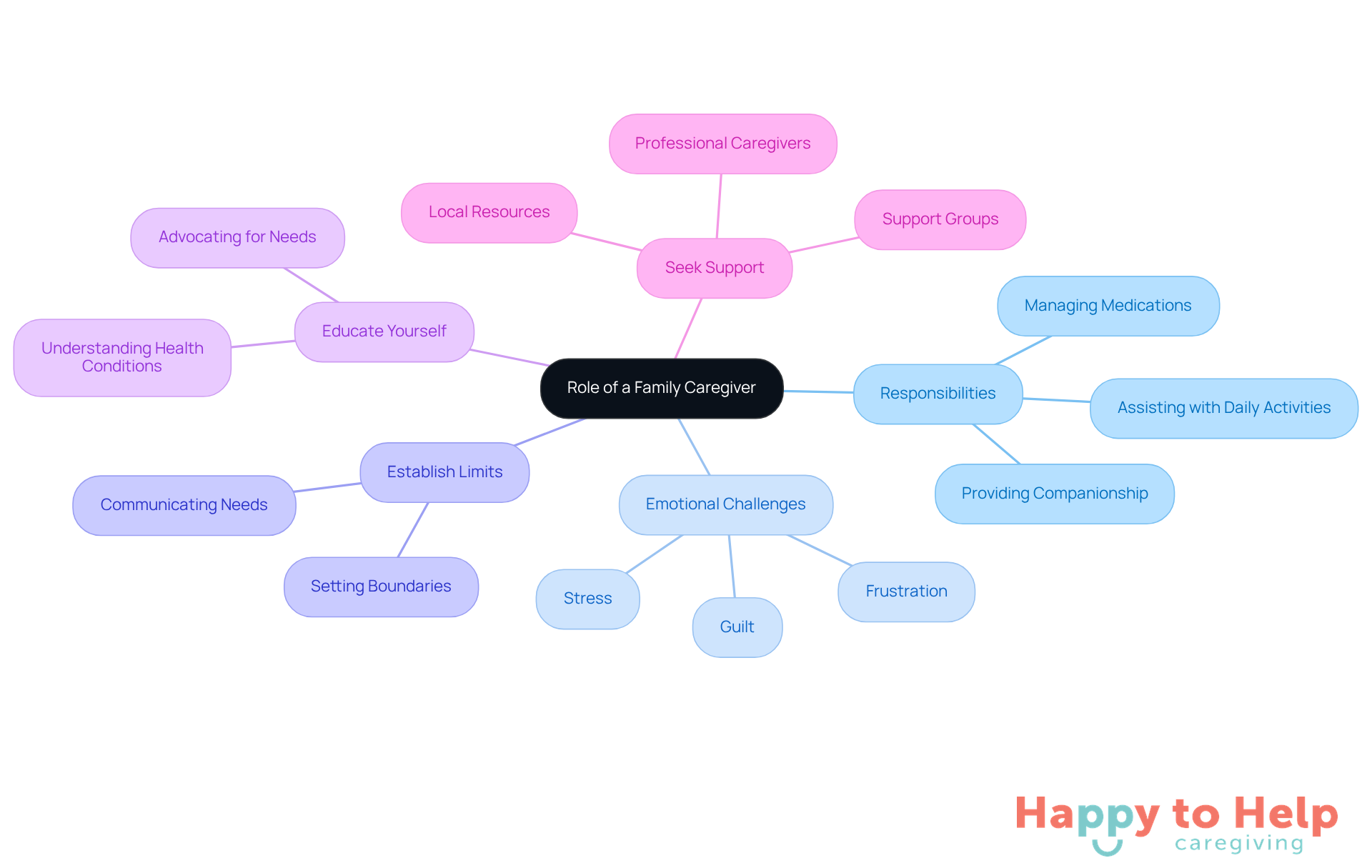
As a family caregiver, the responsibilities you face in the care for parents can be overwhelming. These include emotional encouragement, physical assistance, and coordination of care. Understanding the challenges is the first step toward effective caregiving.
-
Recognize Your Responsibilities: Caregiving involves managing medications, assisting with daily activities, and providing companionship. Familiarize yourself with the specific needs of your guardians to effectively care for parents.
-
Acknowledge Emotional Challenges: Caregiving can be emotionally taxing. You may experience stress, frustration, and even guilt. Recognizing these emotions is crucial, and seeking support when needed can make a significant difference.
-
Establish Limits: While being present for your guardians is important, setting boundaries is vital for your well-being. Determine what you can realistically handle and communicate this to your family to avoid burnout.
-
Educate yourself: Learning about the specific health conditions your guardians may have empowers you to provide better care for parents. This knowledge enables you to advocate for their needs effectively.
-
Seek Support: Don’t hesitate to reach out to local resources, support groups, or professional caregivers for assistance. Sharing experiences with others can provide valuable insights and emotional relief.
Communicate with Your Parents About Their Care Needs
Initiating conversations about the care for parents can be challenging for caregivers, yet it is crucial for effective caregiving. The difficulty often stems from the emotional weight of these discussions, which can leave caregivers feeling overwhelmed and unsure of how to proceed. However, addressing these needs is essential for ensuring that loved ones receive the appropriate care for parents that they deserve.
To facilitate these important discussions, consider the following steps:
-
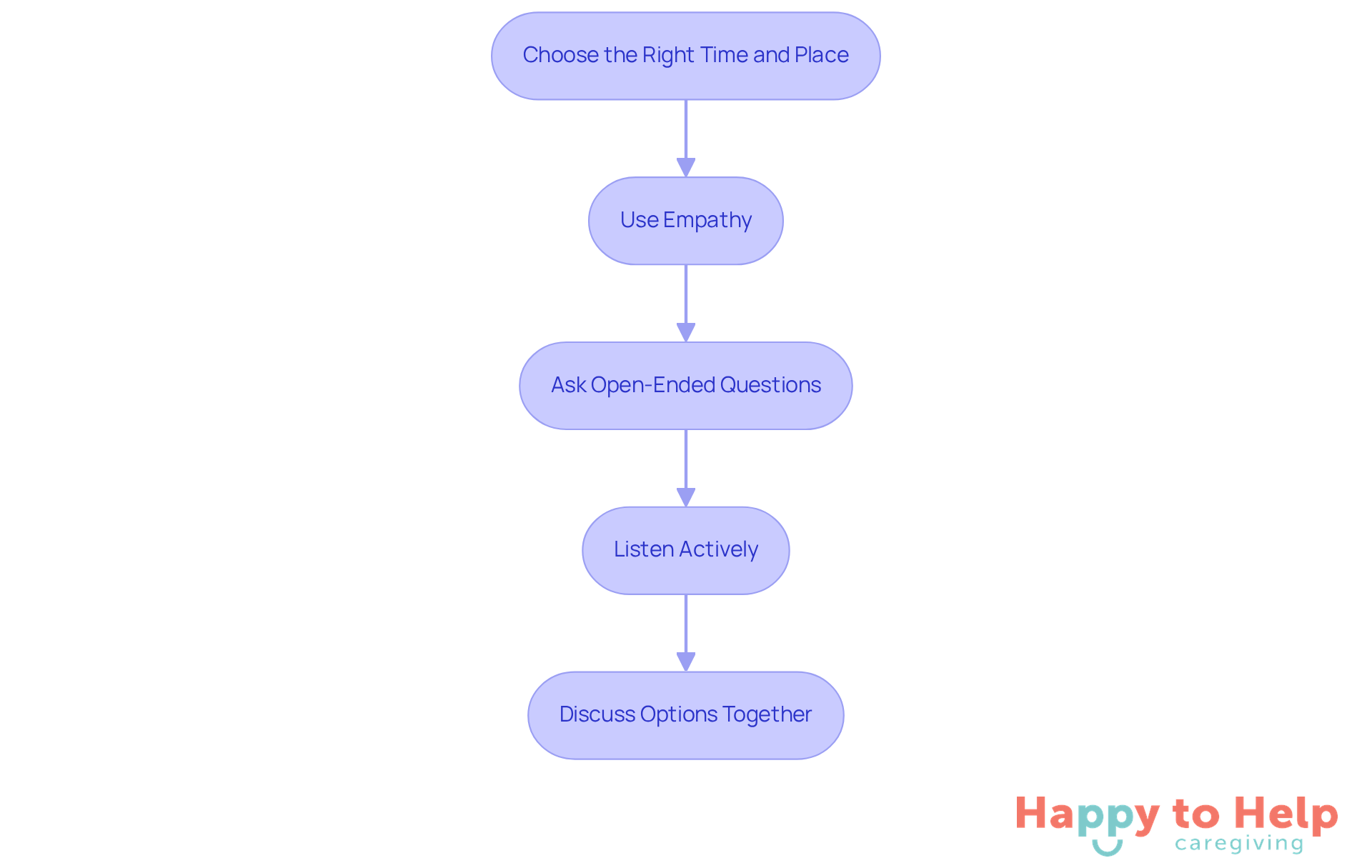
Choose the Right Time and Place: Select a comfortable and private setting to discuss care needs. Ensure that both you and your guardians are relaxed and free from distractions, creating an environment conducive to open dialogue.
-
Use Empathy: Approach the conversation with empathy. Acknowledge their feelings about aging and the changes they are experiencing. This recognition can help them feel understood and valued, fostering a supportive atmosphere. As Kimberly Whiter, CEO of Elder Care Solutions, observes, "When guardians are care recipients, a common fear is that they will lose control of decisions that affect their lives." Expressing love and support can significantly ease these discussions.
-
Ask Open-Ended Questions: Encourage your guardians to express their thoughts and feelings by asking open-ended questions. For instance, you might ask, "How do you feel about the changes in your daily routine?" This invites dialogue and helps you gain insight into their perspective, which is essential for effective care planning.
-
Listen Actively: Pay close attention to their responses. Validate their feelings and concerns, and avoid interrupting. This demonstrates respect for their opinions and shows that you are genuinely interested in their well-being. Studies show that those who actively listen can greatly enhance their connection with their mothers and fathers.
-
Discuss Options Together: Present various care options and involve them in the decision-making process. This collaborative approach fosters a sense of control and dignity for your loved ones, which is vital as they navigate their care for parents. Engaging them in these discussions can alleviate fears of losing autonomy over their lives.
By prioritizing empathy and open dialogue, caregivers can establish a supportive atmosphere that honors their loved ones' wishes and improves their overall quality of life. With roughly 63 million U.S. adults acting as support providers, these discussions are crucial for ensuring that care needs are addressed effectively. Furthermore, as the 2025 report shows, 29 percent of caregivers belong to the sandwich generation category, managing duties for both children and elderly relatives, which highlights the significance of these discussions.
Implement Daily Care Strategies for Your Parents
To care for parents effectively on a daily basis, caregivers often face several challenges. Here are some strategies to address these issues:
-
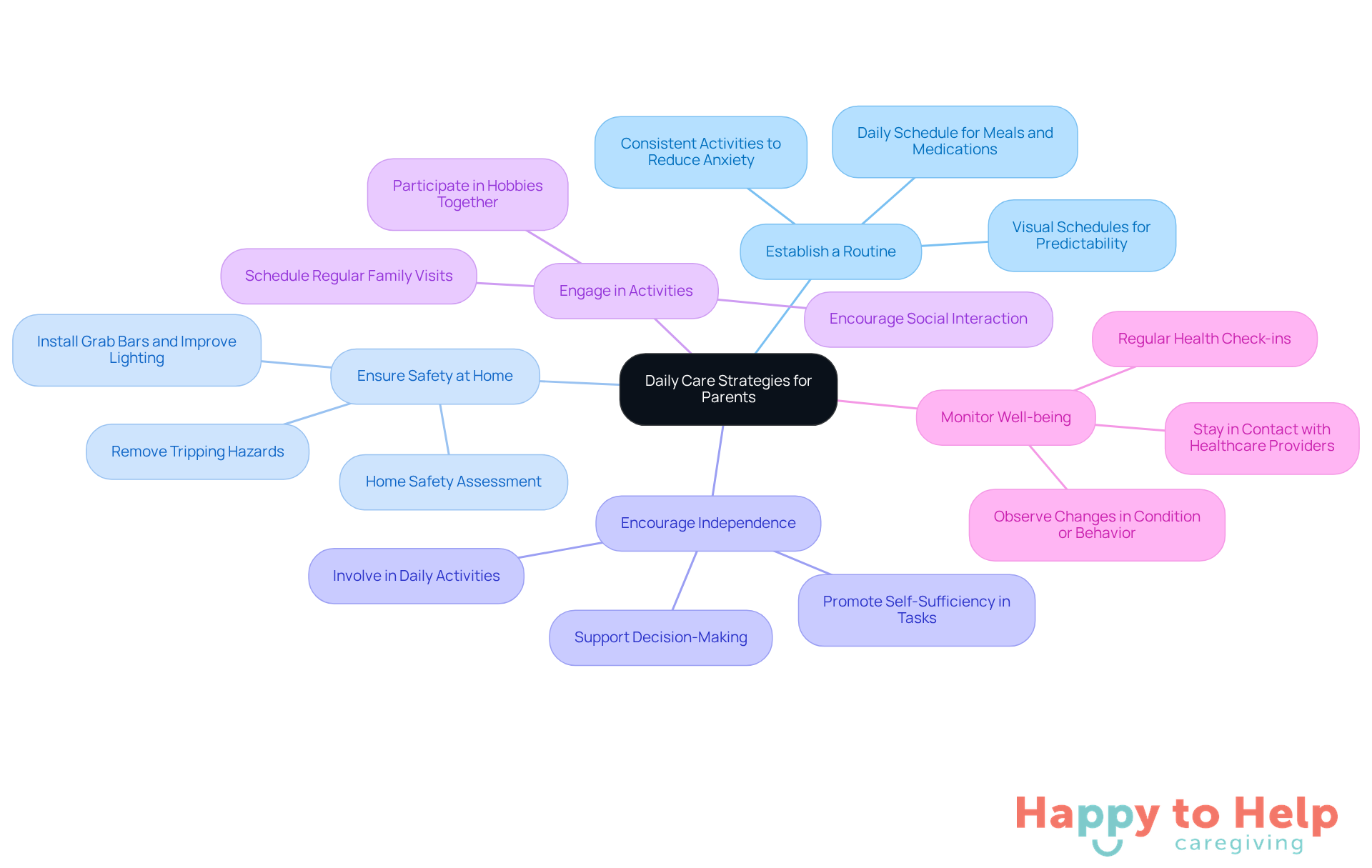
Establish a Routine: A daily schedule that includes meals, medications, and activities can be a game changer. Consistent routines not only offer structure but also enhance mental well-being by providing predictability, which is particularly comforting for seniors experiencing cognitive decline. As Maryam Nasir notes, structured routines help minimize anxiety by making the environment more predictable.
-
Ensure Safety at Home: Conducting a thorough home safety assessment is crucial. Identify potential hazards and make necessary modifications. Installing grab bars in bathrooms, improving lighting, and removing tripping hazards like loose rugs can significantly reduce the risk of falls, a leading cause of injury among older adults. According to wellness sources, falls are a significant issue for seniors, making safety modifications essential.
-
Encouraging independence is vital in the care for parents' autonomy. Involve them in daily activities as much as possible, whether it’s meal preparation or minor housekeeping duties. This not only fosters a sense of normalcy but also enhances their self-esteem and mental well-being.
-
Engage in Activities: Encourage social interaction and activities that your parents enjoy. Simple pastimes, like watching a favorite show together or participating in hobbies, can stimulate their minds and combat feelings of loneliness, which are common among seniors.
-
Monitor Well-being: Regularly observe any changes in their condition or behavior. Stay in close contact with healthcare providers to ensure medications are taken as prescribed and to address any emerging health concerns promptly.
Prioritize Your Well-Being as a Caregiver
Taking care of yourself is just as important as caring for parents. Many caregivers who care for parents face significant challenges, including stress and feelings of isolation. These issues can lead to burnout and negatively impact both the caregiver and the person receiving care, especially when it comes to the need to care for parents. Here are some strategies to prioritize your well-being:
-
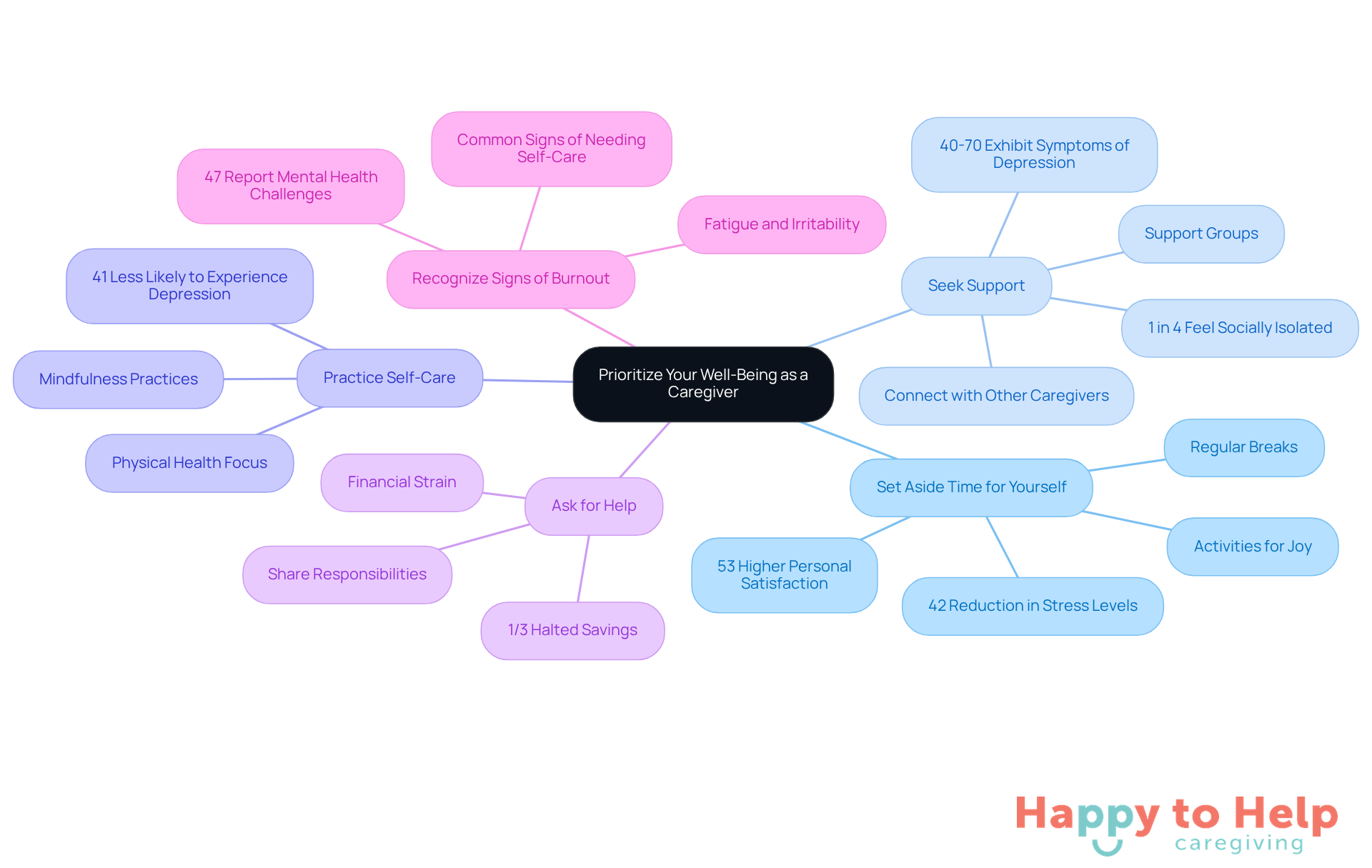
Set Aside Time for Yourself: Schedule regular breaks to recharge. Whether it’s a short walk, reading a book, or enjoying a hobby, make time for activities that bring you joy. Caregivers who take regular self-care breaks to care for parents report a 53% higher level of personal satisfaction and a 42% reduction in stress levels. Furthermore, individuals who engage in regular self-care are better equipped to care for parents, delivering a quality of assistance that is 37% higher.
-
Seek Support: Connect with other individuals providing care or support groups. Sharing experiences and advice can provide emotional relief and practical tips. Nearly 1 in 4 caregivers feel socially isolated, and 40 to 70% exhibit symptoms of depression, making the need to care for parents essential for emotional well-being.
-
Practice Self-Care: Focus on your physical health by eating well, exercising, and getting enough sleep. Mindfulness practices such as meditation or yoga can significantly reduce stress. Caregivers who engage in regular self-care are 41% less likely to experience depression, which is essential for those who care for parents.
-
Ask for Help: Don’t hesitate to ask family members or friends for assistance. Sharing responsibilities can lighten your load and provide you with much-needed support. Many individuals who care for parents report financial strain, with over one-third halting their savings due to caregiving expenses, emphasizing the significance of shared responsibilities.
-
Recognize Signs of Burnout: Be aware of the signs of burnout in those who provide care, such as fatigue, irritability, or feelings of hopelessness. If you notice these signs, take action to address them, whether through self-care or seeking professional help. Approximately 47% of family caregivers reported mental health challenges in the past year, underscoring the urgency of prioritizing your well-being to effectively care for parents.
Your Path Forward
Caring for aging parents at home presents significant challenges that require a thoughtful approach and a clear understanding of the caregiver's role. This responsibility encompasses not only the physical aspects of caregiving but also the emotional and mental hurdles that come with it. Recognizing these dimensions is crucial for creating a supportive environment that enhances the quality of life for both caregivers and their parents.
The complexities of caregiving can be overwhelming. Caregivers often face stress, burnout, and the emotional toll of their responsibilities. To navigate these challenges effectively, it’s essential to understand one’s responsibilities, foster open communication, and implement daily care strategies. Prioritizing personal well-being is critical. Establishing routines, engaging in meaningful conversations, and seeking support can significantly mitigate stress and prevent burnout.
Here are some actionable tips for caregivers:
- Establish routines to create a sense of stability.
- Engage in meaningful conversations to strengthen emotional connections.
- Seek support from friends, family, or support groups to share experiences and reduce feelings of isolation.
Ultimately, the significance of effective caregiving cannot be overstated. It is a rewarding yet challenging endeavor that demands patience, empathy, and resilience. By embracing these strategies and prioritizing self-care, family caregivers can provide the love and support their parents need while safeguarding their own well-being. Taking action today can lead to a more balanced and fulfilling caregiving experience for everyone involved.
https://iframe.tely.ai/cta/eyJhcnRpY2xlX2lkIjogIjY5M2Y1MDg0Yjk3NTAxMmE2YWRmZmQwYyIsICJjb21wYW55X2lkIjogIjY4ZWU1ZGNhNzMxNzYyNTU3ZjNjOTVjMSIsICJpbmRleCI6IG51bGwsICJ0eXBlIjogImFydGljbGUifQ==Frequently Asked Questions
What are the main responsibilities of a family caregiver?
Family caregivers are responsible for managing medications, assisting with daily activities, providing companionship, and coordinating care for their parents.
What emotional challenges might a family caregiver face?
Caregivers may experience stress, frustration, and guilt. Recognizing these emotions is crucial for managing the emotional toll of caregiving.
Why is it important for caregivers to establish limits?
Setting boundaries is vital for a caregiver's well-being. It helps prevent burnout by allowing caregivers to determine what they can realistically handle.
How can educating oneself about health conditions help a caregiver?
Learning about the specific health conditions of their guardians empowers caregivers to provide better care and effectively advocate for their needs.
What types of support can family caregivers seek?
Caregivers can reach out to local resources, support groups, or professional caregivers for assistance and to share experiences for emotional relief.
List of Sources
- Understand Your Role as a Family Caregiver
- Caregiver Statistics: Demographics (https://caregiver.org/resource/caregiver-statistics-demographics)
- Opinion | America’s Caregivers Are in Crisis (https://nytimes.com/2025/11/24/opinion/caregiving-crisis.html)
- New Report Reveals Crisis Point for America’s 63 million Family Caregivers (https://states.aarp.org/maryland/caregiving-report)
- Honoring America’s Family Caregivers, the Unseen Workforce Behind Our Health System - Medicare Rights Center (https://medicarerights.org/medicare-watch/2025/11/25/honoring-americas-family-caregivers-the-unseen-workforce-behind-our-health-system)
- Communicate with Your Parents About Their Care Needs
- Caregiving Crisis: 45% Increase in Americans Providing Care (https://aarp.org/caregiving/basics/caregiving-in-us-survey-2025)
- Family Caregiver Annual Report and Statistics | SeniorLiving.org (https://seniorliving.org/research/family-caregiver-report-statistics)
- Communication tips for caregivers of elders (https://uhc.com/news-articles/healthy-living/communication-tips-for-caregivers-of-elderly-parents)
- Communication is key when dealing with aging parents | Penn State University (https://psu.edu/news/research/story/communication-key-when-dealing-aging-parents)
- The Caregiving Landscape: Data & Insights on the Caregiver Experience in the U.S. (https://caregiveraction.org/caregiver-statistics)
- Implement Daily Care Strategies for Your Parents
- Practical Tips for Creating a Daily Routine that Benefits Your Aging Parents (https://considracare.com/practical-tips-for-creating-a-daily-routine-that-benefits-your-aging-parents)
- What to do when your aging parents need more care than you can provide (https://uchealth.org/today/aging-parents-what-to-do-when-parents-need-more-care-than-you-can-provide)
- 11 Tips to Help You Care for Elderly Parents at Home (https://georgetownhomecare.com/11-tips-on-caring-for-elderly-parents-at-home)
- Fact Sheet: Trends in Family Care for Older Americans (https://prb.org/resources/fact-sheet-trends-in-family-care-for-older-americans)
- 9 Tips to Help You Care for Aging Parents | Atlantic Health (https://ahs.atlantichealth.org/about-us/stay-connected/news/content-central/2023/9-tips-to-help-you-care-for-aging-parents.html)
- Prioritize Your Well-Being as a Caregiver
- Caregiving Statistics US 2025: Insights for Family Caregivers (https://zencaregiving.org/caregiving-statistics-us-2025)
- Caregiver Self-Care: Essential Strategies for Maintaining Your Well-Being While Caring for Others - Buckeye Home Medical (https://whybuckeye.com/2025/04/23/caregiver-self-care-essential-strategies)
- Caregiving’s Mental Health Crisis (https://forbes.com/sites/otsuka/2025/10/02/caregivings-mental-health-crisis)
- Caregiving Crisis: 45% Increase in Americans Providing Care (https://aarp.org/caregiving/basics/caregiving-in-us-survey-2025)
- Caregiving can test you, body and soul. It can also unlock a new sense of self (https://npr.org/2025/04/01/nx-s1-5336314/caregiver-caregiving-identity-family-support-burnout)