
4 Steps to Care for Elderly Parents Effectively

For families in our service areas
For families in our service areas, this guide explains caregiving and how non-medical in-home caregiving can support care planning in East Idaho, Treasure Valley & Magic Valley, Northern Wasatch, North Central West Virginia & Southwestern Pennsylvania, and Northeast Ohio.
Understanding Care for Elderly Parents Effectively
Caring for elderly parents presents a unique set of challenges that can be both rewarding and overwhelming. As family dynamics shift and the need for support grows, understanding how to effectively assess and meet the care needs of aging loved ones becomes essential.
The problem is clear: caregivers often struggle with the complexities of communication, safety, and emotional well-being. These challenges can lead to stress and uncertainty, making it difficult to provide the nurturing environment that aging parents deserve.
To address these issues, caregivers can take practical steps to ensure their parents receive the right support while maintaining their dignity and independence. This article explores actionable solutions that can help navigate these complexities effectively.
How can caregivers foster a nurturing environment for their parents? By focusing on clear communication, prioritizing safety, and supporting emotional well-being, caregivers can create a positive atmosphere that benefits everyone involved.
Assess Care Needs and Preferences
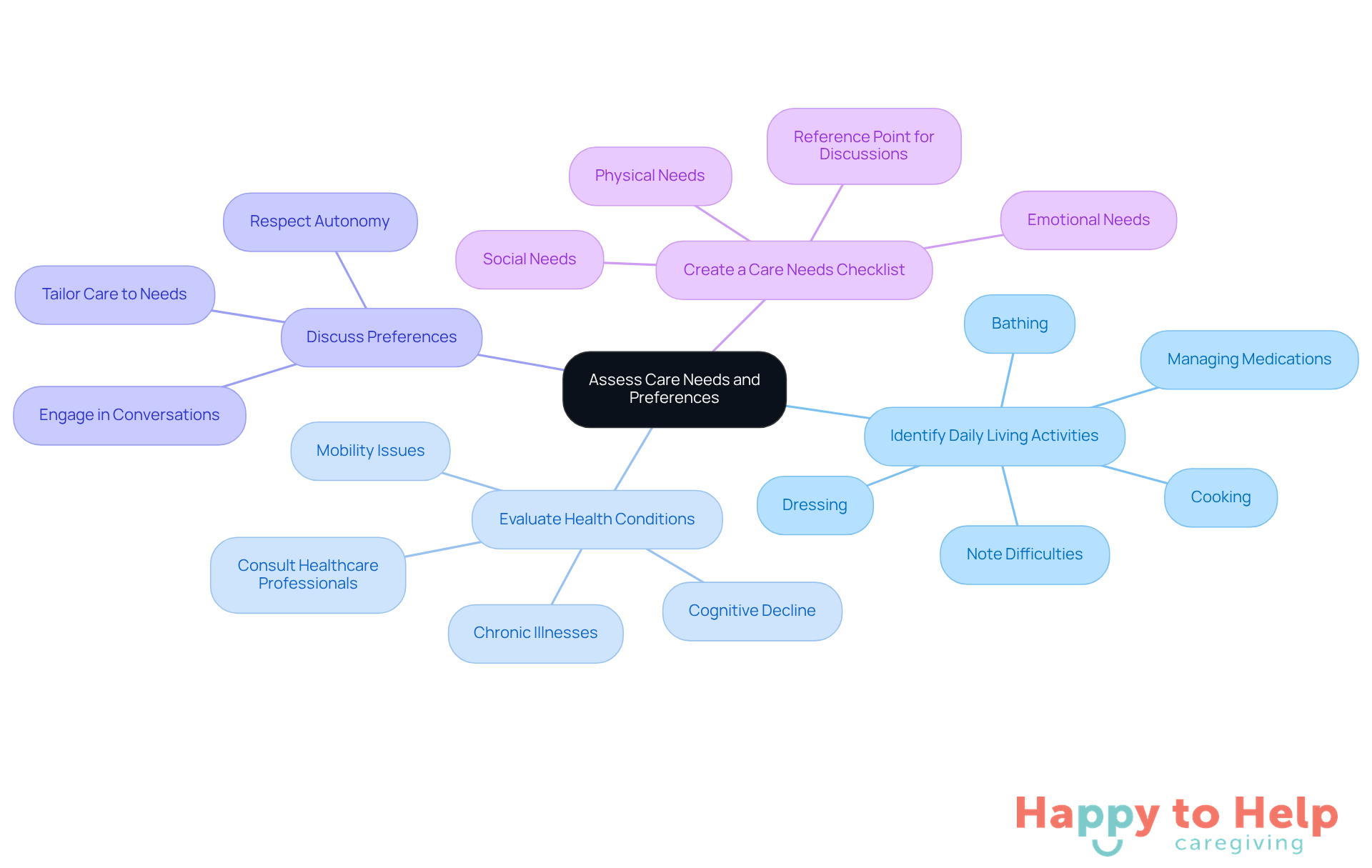
Identify Daily Living Activities: Caregivers often face the challenge of assessing their guardians' ability to perform essential daily tasks. Observing activities such as bathing, dressing, cooking, and managing medications is crucial. Note any difficulties they encounter, as these can indicate a need for additional support.
Evaluate Health Conditions: Medical conditions can significantly influence care requirements. Mobility issues, cognitive decline, and chronic illnesses are common factors that caregivers must consider. Consulting with healthcare professionals can provide valuable insights into the specific needs of your guardians.
Discuss Preferences: Engaging your parents in conversations about their care preferences is vital. Ask them how they feel about receiving help and what aspects of their daily routine matter most to them. This dialogue not only respects their autonomy but also helps tailor care to their needs.
Create a Care Needs Checklist: To streamline the caregiving process, compile a checklist that encompasses their physical, emotional, and social needs. This checklist will serve as a reference point for future discussions and planning, ensuring that all aspects of their care are addressed.
Initiate Open Conversations About Care
Choose the Right Time and Place: Selecting a comfortable, quiet setting for conversations about care options is crucial. A relaxed environment helps both you and your guardians feel at ease, free from distractions, which can facilitate a more open dialogue.
Express Your Concerns: Start the conversation by sharing your love and concern for their well-being. Use 'I' statements to express your observations without sounding accusatory, such as 'I’ve noticed you seem to struggle with...'. This approach frames the conversation positively and reduces defensiveness.
Listen Actively: Encourage your guardians to share their feelings and concerns. Practice active listening by allowing them to speak without interruption and validating their emotions. As noted by the Gerontological Society of America, "Effective communication improves understanding, adherence to treatment, and overall patient satisfaction." This creates a supportive environment where they feel heard and respected.
Discuss options together for how to care for elderly parents by presenting various care options, including in-home assistance, and collaborating on the pros and cons. Involving them in the decision-making process empowers them and reinforces their autonomy, which is vital for maintaining dignity during this transition. Remember, nearly 1 in 4 Americans is a family caregiver, highlighting the importance of these conversations. Additionally, be aware that 47% of long-distance caregivers report emotional distress, emphasizing the emotional stakes involved in these discussions.

Establish a Safe and Supportive Home Environment
Use english for answers
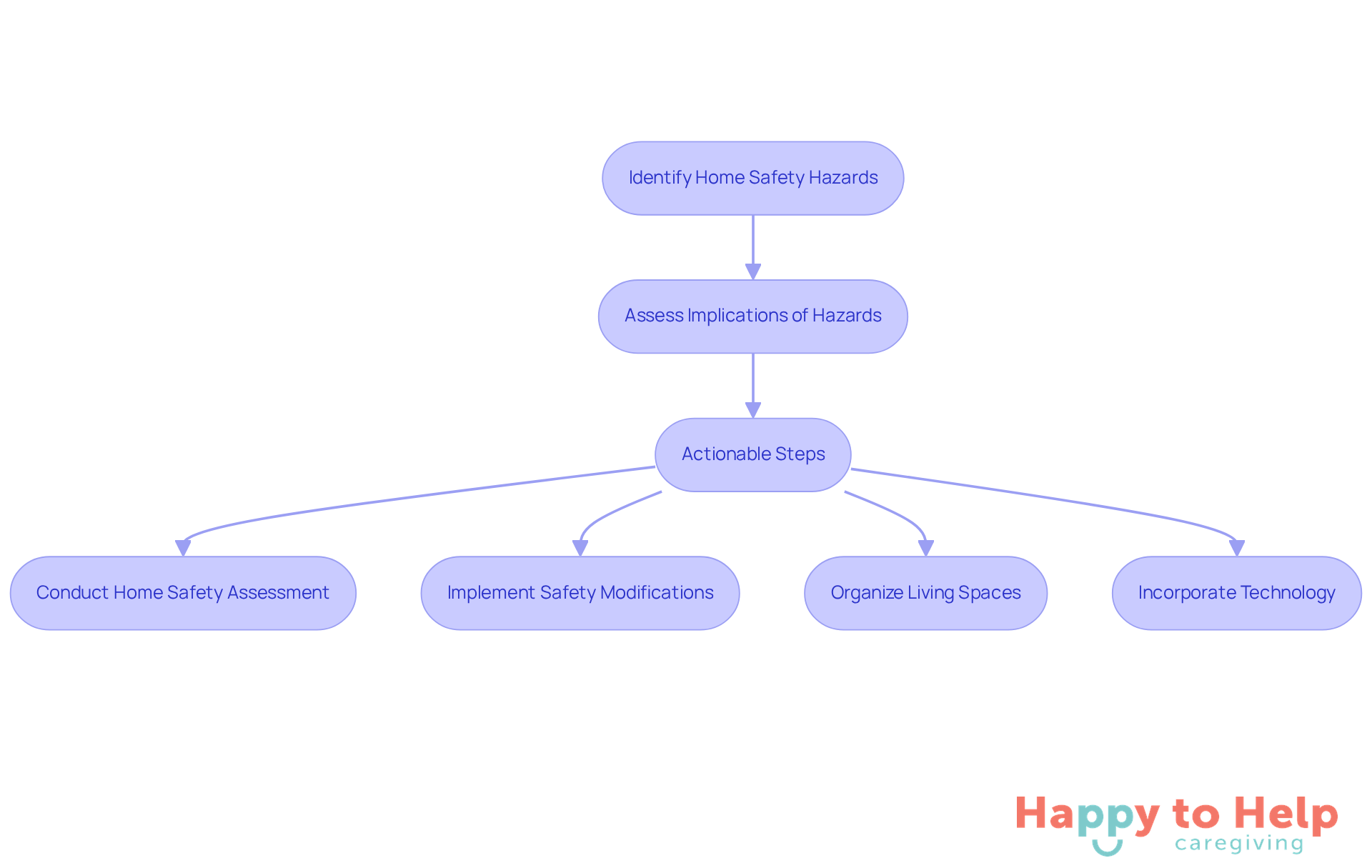
Problem: Home Safety Hazards
Caregivers often face the challenge of ensuring a safe living environment for their loved ones. Hazards such as loose rugs, poor lighting, and cluttered walkways can lead to accidents and injuries. Identifying these risks is the first step in creating a safer home.
Agitate: The Implications
Neglecting these hazards can have serious consequences, including falls and other injuries that may require medical attention. This not only affects the well-being of those in the home but also adds stress and responsibility to caregivers.
Solution: Actionable Steps
- Conduct a Home Safety Assessment: Walk through your family's residence to identify potential hazards. Create a list of areas that require enhancement, focusing on loose rugs, poor lighting, and cluttered walkways.
- Implement Safety Modifications: Consider installing grab bars in bathrooms, ensuring adequate lighting, and removing tripping hazards. Use non-slip mats and consider a medical alert system for emergencies.
- Organize Living Spaces: Help your parents declutter their living areas to create a more navigable environment. Ensure that frequently used items are within easy reach to minimize the need for stretching or bending.
- Incorporate Technology: Explore technology solutions that can enhance safety, such as smart home devices that allow for remote monitoring and communication.
Manage Daily Health and Emotional Well-Being
Use english for answers
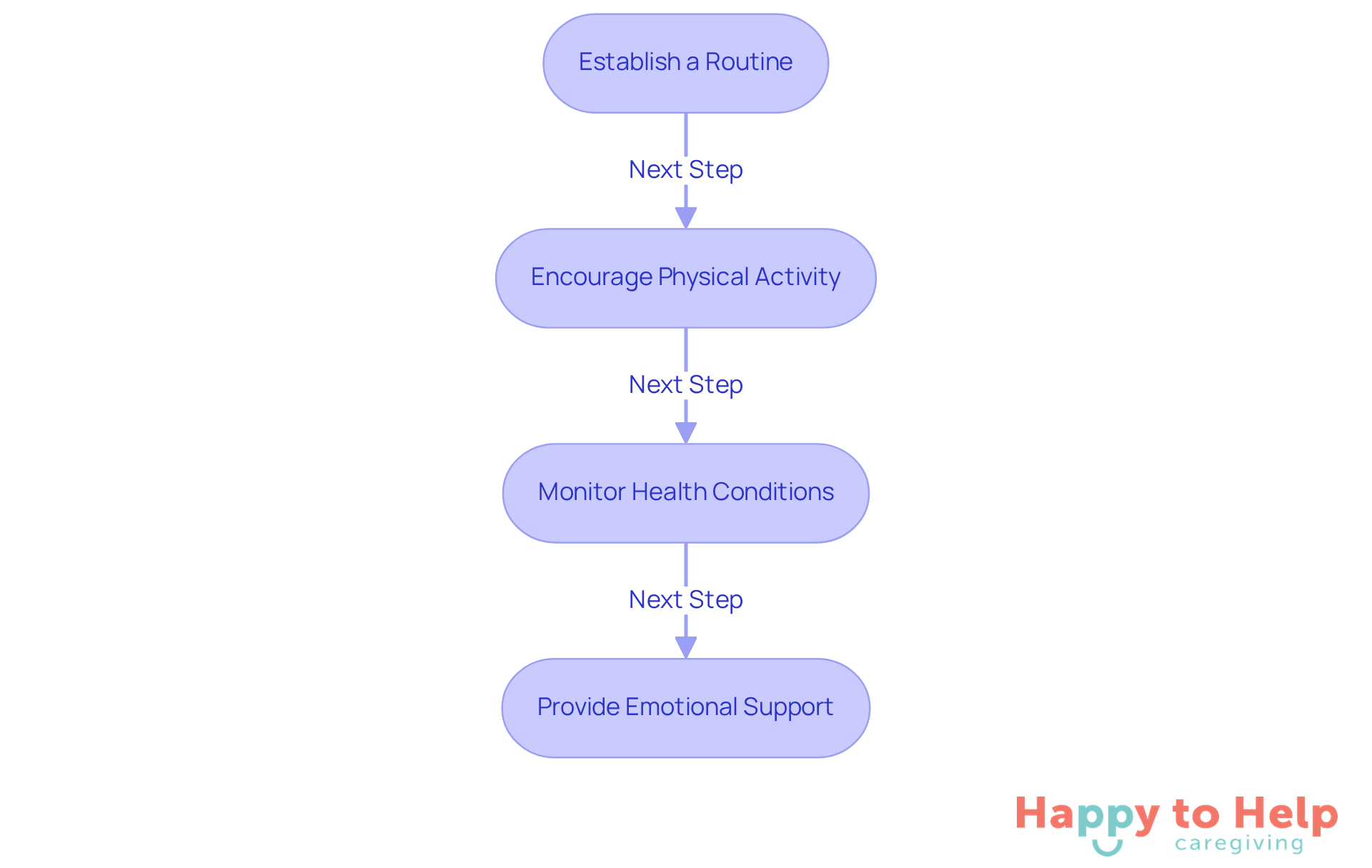
Establish a Routine: Caregivers often struggle with the unpredictability of their loved ones' needs. This inconsistency can lead to increased anxiety for both parties. To combat this, create a daily schedule that includes time for meals, health management, physical activity, and social interactions. Consistency can help reduce anxiety and promote stability.
Encourage Physical Activity: One common challenge caregivers face is ensuring their parents remain active. Lack of physical activity can lead to decreased mobility and health issues. Engage your parents in light exercises or activities they enjoy, such as walking or gardening. Physical activity is essential for maintaining mobility and overall health.
Monitor Health Conditions: Caregivers often find it difficult to keep track of multiple health appointments and treatments. This can lead to missed medications or appointments, worsening health conditions. Keep track of any medical appointments, treatments, and changes in health status. Use a medication organizer to help manage prescriptions effectively.
Provide Emotional Support: Loneliness can be a significant issue for elderly parents, impacting their mental health. Regularly check in with your parents about their feelings and encourage them to express any concerns. Consider involving them in social activities or support groups to combat loneliness.
Key Takeaways for Caregivers
Caring for elderly parents presents a significant challenge that requires a thoughtful approach to address their physical, emotional, and social needs. Caregivers often struggle with assessing these needs, which can lead to feelings of frustration and helplessness. Without proper support, both caregivers and their loved ones may experience diminished quality of life.
To tackle these challenges, caregivers can implement several key strategies:
- Identifying daily living activities and health conditions is crucial.
- Open dialogues about care preferences can foster understanding and respect for the elderly parents' autonomy.
- Making safety modifications within the home can prevent accidents and promote independence.
- Establishing routines and encouraging physical activity are also vital.
These practices not only enhance mental and physical health but also create a sense of normalcy and stability. By addressing immediate care needs through these strategies, caregivers can significantly improve the overall quality of life for their elderly parents.
Ultimately, the journey of caring for aging parents is a shared experience that requires patience, understanding, and effective communication. By actively engaging with their loved ones and tailoring care to their unique requirements, caregivers can ensure that they feel valued and supported. Embracing these steps is essential in fostering a nurturing environment that prioritizes the well-being of elderly parents, reminding us that effective care is rooted in love and respect.
https://iframe.tely.ai/cta/eyJhcnRpY2xlX2lkIjogIjY5MmY5MThmZGM0MTVjZWNlZTQ2NmM0MSIsICJjb21wYW55X2lkIjogIjY4ZWU1ZGNhNzMxNzYyNTU3ZjNjOTVjMSIsICJpbmRleCI6IG51bGwsICJ0eXBlIjogImFydGljbGUifQ==Frequently Asked Questions
What are the key daily living activities to assess for caregivers?
Caregivers should assess their guardians' ability to perform essential daily tasks such as bathing, dressing, cooking, and managing medications. Observing any difficulties in these activities can indicate a need for additional support.
How do health conditions influence care requirements?
Medical conditions, including mobility issues, cognitive decline, and chronic illnesses, can significantly affect the level of care needed. Consulting healthcare professionals can provide valuable insights into the specific needs of guardians based on their health conditions.
Why is it important to discuss care preferences with parents?
Engaging parents in conversations about their care preferences is vital as it respects their autonomy and helps tailor care to their needs. Understanding how they feel about receiving help and which aspects of their daily routine matter most to them is essential.
What is a care needs checklist and why is it useful?
A care needs checklist is a compiled list that encompasses a guardian's physical, emotional, and social needs. It serves as a reference point for future discussions and planning, ensuring that all aspects of their care are addressed effectively.
List of Sources
- Assess Care Needs and Preferences
- More workers caring for aging parents than those caring for preschool children, survey finds (https://mcknightsseniorliving.com/news/more-workers-caring-for-aging-parents-than-those-caring-for-preschool-children-survey-finds)
- What Is the Caregiver Crisis? | Johns Hopkins Bloomberg School of Public Health (https://publichealth.jhu.edu/2025/what-is-the-caregiver-crisis)
- Caregiving Crisis: 45% Increase in Americans Providing Care (https://aarp.org/caregiving/basics/caregiving-in-us-survey-2025)
- Initiate Open Conversations About Care
- National Alliance for Caregiving: Caregiving in the US 2025 Report (https://johnahartford.org/resources/view/national-alliance-for-caregiving-caregiving-in-the-us-2025-report)
- Caregiver Statistics: Demographics (https://caregiver.org/resource/caregiver-statistics-demographics)
- Number of Family Caregivers Supporting Older Adults Increased Nearly One-Third Between 2011 and 2022 | Johns Hopkins Bloomberg School of Public Health (https://publichealth.jhu.edu/2025/number-of-family-caregivers-supporting-older-adults-increased-nearly-one-third-between-2011-and-2022)
- New report gives healthcare providers fresh guidance on communicating with older adults (https://mcknights.com/news/new-report-gives-healthcare-providers-fresh-guidance-on-communicating-with-older-adults)
- Clearer Conversations, Better Care: New Guide Highlights Best Practices for Communicating with Older Adults (https://geron.org/News-Events/GSA-News/Press-Room/Press-Releases/clearer-conversations-better-care-new-guide-highlights-best-practices-for-communicating-with-older-adults)
- Establish a Safe and Supportive Home Environment
- Home Safety for Seniors: Statistics & Proven Safety Solutions (https://agesafeamerica.com/home-safety-hub/articles/home-safety-seniors-statistics-solutions)
- 8 Ways to Help Seniors Live At Home Safely in 2025 - VNA & Hospice Monterey, CA (https://ccvna.com/help-seniors-live-at-home-safely)
- Facts About Falls (https://cdc.gov/falls/data-research/facts-stats)
- The Best Smart Home Devices to Help Aging in Place (https://nytimes.com/wirecutter/reviews/smart-home-for-seniors)
- Home Safety Modifications to Promote Senior Independence (https://ohioanshhc.com/news/home-safety-modifications-to-promote-senior-independence)
- Manage Daily Health and Emotional Well-Being
- Report: Adults 50 and Older Need More Physical Activity (https://cdc.gov/physical-activity/php/reports/adults-50-and-older.html)
- How Daily Routines Improve Mental Health for Seniors (https://bluemoonseniorcounseling.com/how-daily-routines-improve-mental-health-for-seniors)
- Elderly Care Statistics (https://rosewood-nursing.com/post/elderly-care-statistics)
- Daily Routine: Associations With Health Status and Urgent Health Care Utilization Among Older Adults - PMC (https://pmc.ncbi.nlm.nih.gov/articles/PMC6857682)
- What doctors wish older adults knew about physical activity (https://ama-assn.org/public-health/prevention-wellness/what-doctors-wish-older-adults-knew-about-physical-activity)