
4 Steps to Take Care of Your Parents Effectively

For families in our service areas
For families in our service areas, this guide explains caregiving and how non-medical in-home caregiving can support care planning in East Idaho, Treasure Valley & Magic Valley, Northern Wasatch, North Central West Virginia & Southwestern Pennsylvania, and Northeast Ohio.
Why Take Care of Your Parents Effectively Matters
Caring for aging parents presents a significant challenge for many, as it requires balancing their needs with personal responsibilities. This complexity can lead to feelings of overwhelm and uncertainty for caregivers. How can they ensure they are not only meeting physical needs but also nurturing emotional well-being?
To address these challenges, caregivers can take a structured approach. First, it's essential to assess their parents' requirements thoroughly. This involves understanding both physical and emotional needs, which can vary greatly from one individual to another. Next, creating adaptable care plans is crucial. These plans should be flexible enough to accommodate changing circumstances and preferences.
Additionally, fostering a safe living environment is vital. This includes making necessary modifications to the home and ensuring that caregivers are equipped with the right resources and support. By exploring these essential steps, families can empower themselves to provide the best possible support for their loved ones.
Assess Your Parents' Needs and Preferences
It is crucial to take care of your parents by engaging in open and sincere discussions with them about their everyday activities, wellness issues, and any difficulties they encounter. Without these conversations, caregivers may overlook significant challenges that could affect their ability to take care of your parents' health and happiness.
-
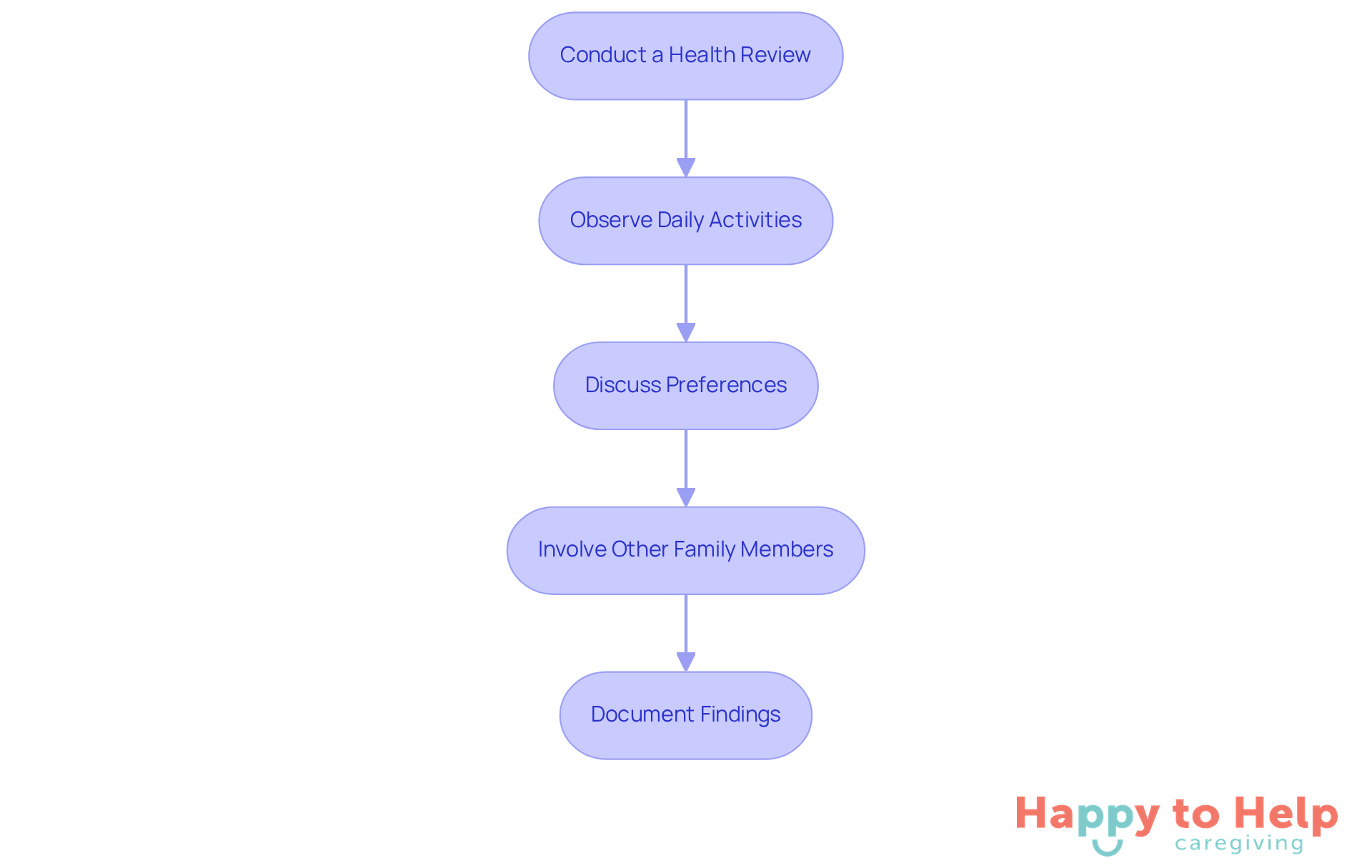
Conduct a Health Review: Schedule a visit to their healthcare provider to discuss their medical history, current medications, and any recent changes in health. This step is vital to ensure that any underlying health issues are addressed promptly.
-
Observe Daily Activities: Pay attention to how they manage daily tasks such as cooking, cleaning, and personal hygiene. Noting any difficulties they may have can help identify areas where assistance is needed.
-
Discuss preferences by inquiring with your guardians about how to take care of your parents. Do they prefer to stay at home, or are they open to assisted living? Understanding their desires can significantly influence how you take care of your parents and their overall satisfaction.
-
Involve Other Family Members: Engage siblings or other relatives in the discussion to gather different perspectives. This collaborative approach ensures a comprehensive understanding of your guardians' needs and fosters a supportive environment.
-
Document Findings: Keep a record of your observations and discussions. This documentation will be invaluable when developing a care plan that truly reflects their needs and preferences.
Develop a Flexible Care Plan
To develop a flexible care plan, caregivers often face significant challenges. Many struggle with setting clear goals for their parents' care, which can lead to feelings of uncertainty and overwhelm. Research shows that personalized care planning not only improves the lives of seniors but also enhances job satisfaction for care providers. This highlights the need for a structured approach that promotes autonomy and dignity.
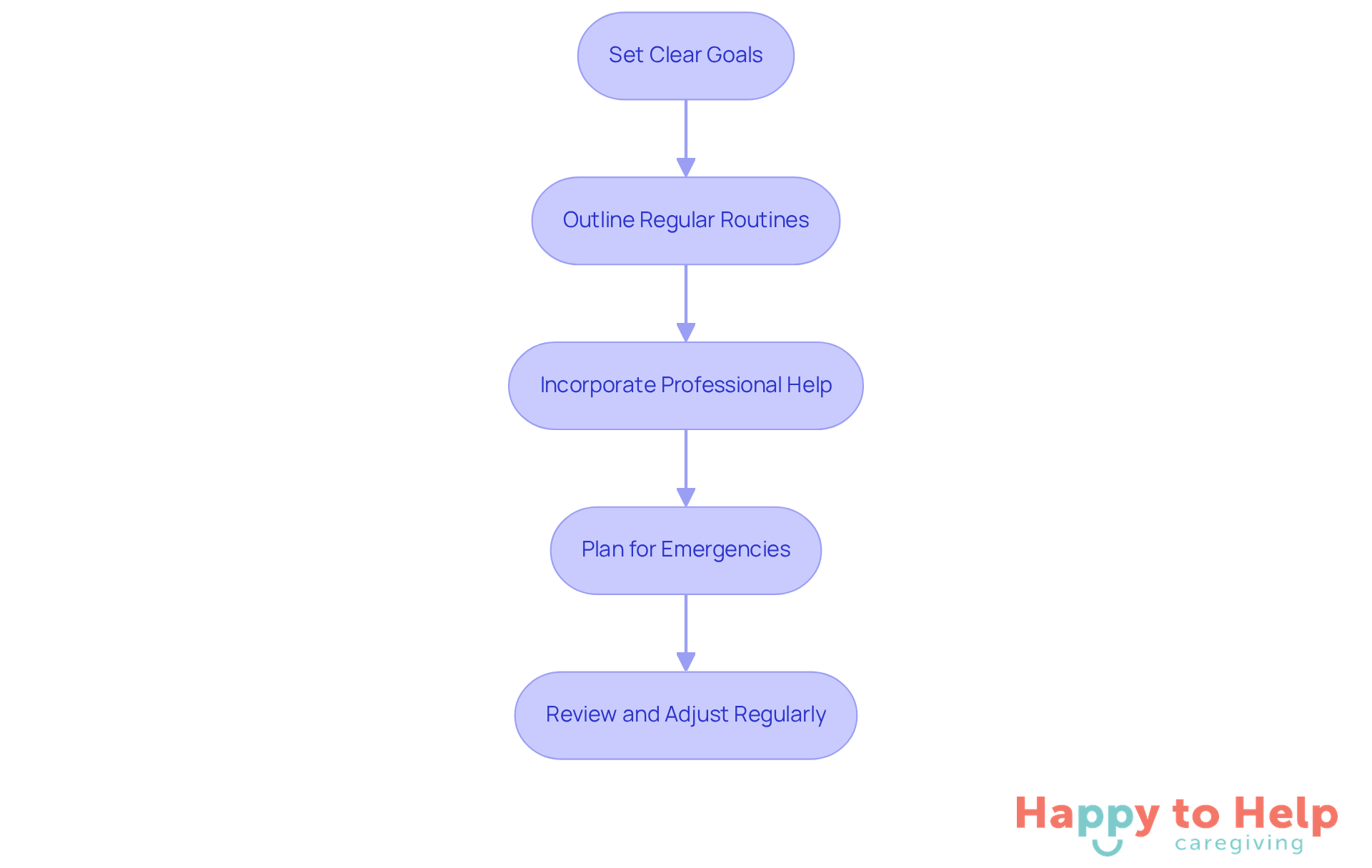
Set clear goals to take care of your parents by establishing specific objectives, focusing on areas such as improving mobility, enhancing social interaction, and effectively managing chronic conditions. Personalized care planning is essential for enhancing quality of life.
-
Outline Regular Routines: Create a schedule that includes medication management, meal preparation, and engaging activities. This structure supports physical wellness and promotes mental well-being. Regular companionship can reduce feelings of isolation, which affect 25% of older adults, while 30% lack regular companionship.
-
Incorporate Professional Help: Assess the need for additional support, such as hiring a caregiver from Happy to Help Caregiving. Professional caregivers are essential when you want to take care of your parents, providing companionship and assistance with daily activities to ensure they receive the personalized care they deserve. Home care services have saved the U.S. over $25 billion in hospital expenses, emphasizing their financial and wellness advantages.
-
Plan for Emergencies: Include emergency contacts and procedures in the care plan. Ensure that all family members are informed of their roles in case of a crisis, which can help mitigate stress during unexpected situations.
-
Review and Adjust Regularly: Schedule consistent check-ins to evaluate the care plan's effectiveness. Regular evaluations allow for modifications according to your guardians' changing needs, ensuring that the care delivered remains relevant and efficient. This continuous dedication to assessment is crucial for aligning care with best practices and enhancing overall wellness outcomes.
Ensure a Safe Living Environment
Creating a safe living environment is crucial for caregivers. Home safety hazards can pose significant risks, especially for vulnerable family members. Identifying these hazards is the first step in ensuring their well-being.
-
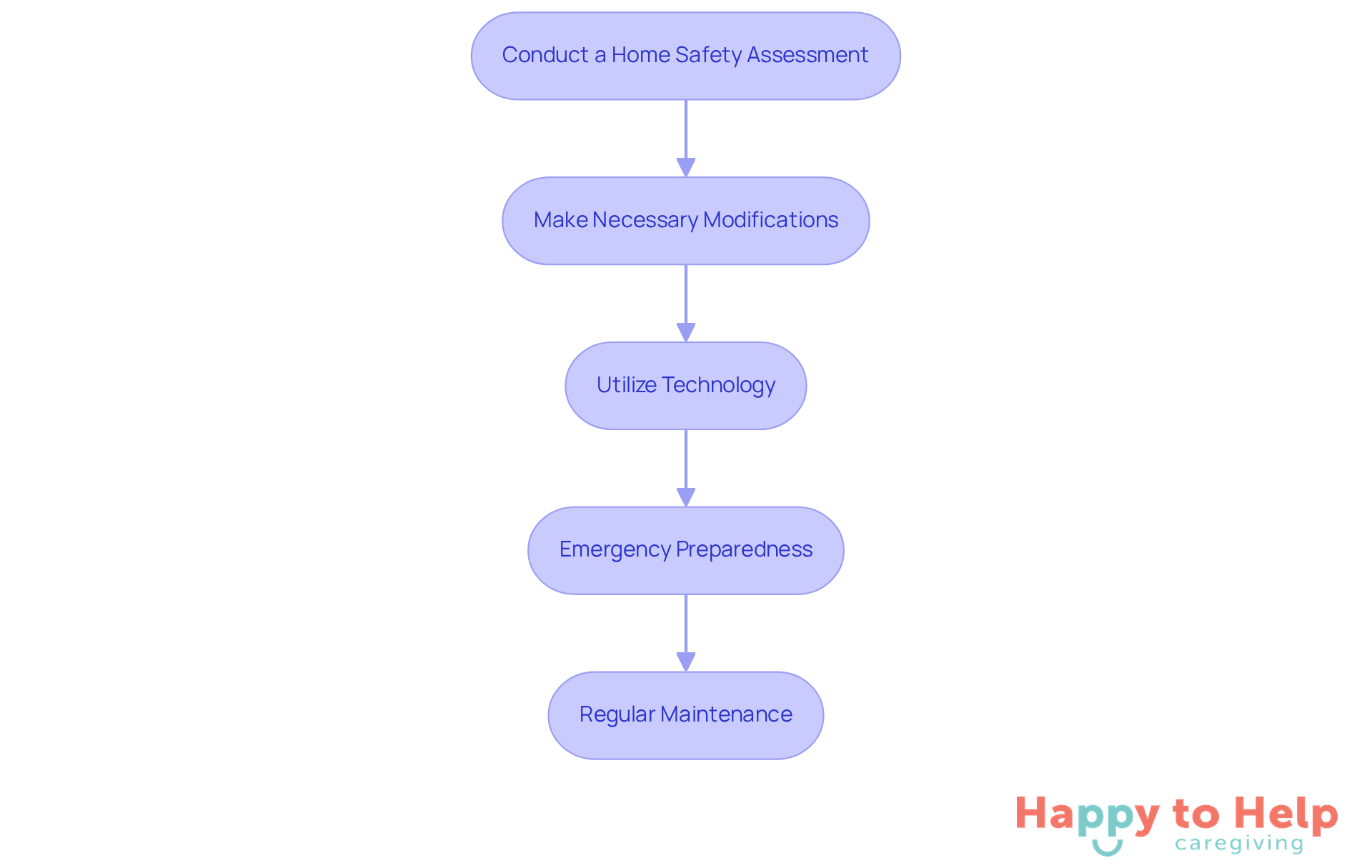
Conduct a Home Safety Assessment: Walk through your family's residence to pinpoint potential dangers like loose rugs, poor lighting, and cluttered pathways. These seemingly minor issues can lead to serious accidents.
-
Make Necessary Modifications: Install grab bars in bathrooms, ensure adequate lighting in hallways and staircases, and remove tripping hazards. These modifications can significantly reduce the risk of falls and injuries.
-
Utilize Technology: Consider using medical alert systems or smart home devices that assist in monitoring your loved ones' safety and health. These tools can provide peace of mind for both caregivers and family members.
-
Emergency Preparedness: Ensure that emergency numbers are easily accessible and that your guardians know how to use any safety devices installed in their home. Being prepared can make all the difference in a crisis.
-
Regular Maintenance: Schedule regular maintenance checks for home appliances and safety equipment to ensure everything is functioning properly. This proactive approach helps prevent accidents before they occur.
Prioritize Emotional and Physical Well-Being
To prioritize your parents' emotional and physical well-being, consider the following strategies:
Problem: Many older adults face loneliness and a decline in mental health, which can lead to serious issues like depression. In fact, one in three older adults report a lack of companionship, highlighting the urgent need for connection.
Agitate: This isolation can significantly impact their quality of life, making it crucial for caregivers to take proactive steps to foster social engagement and emotional support.
Solution: Here are some actionable strategies:
-
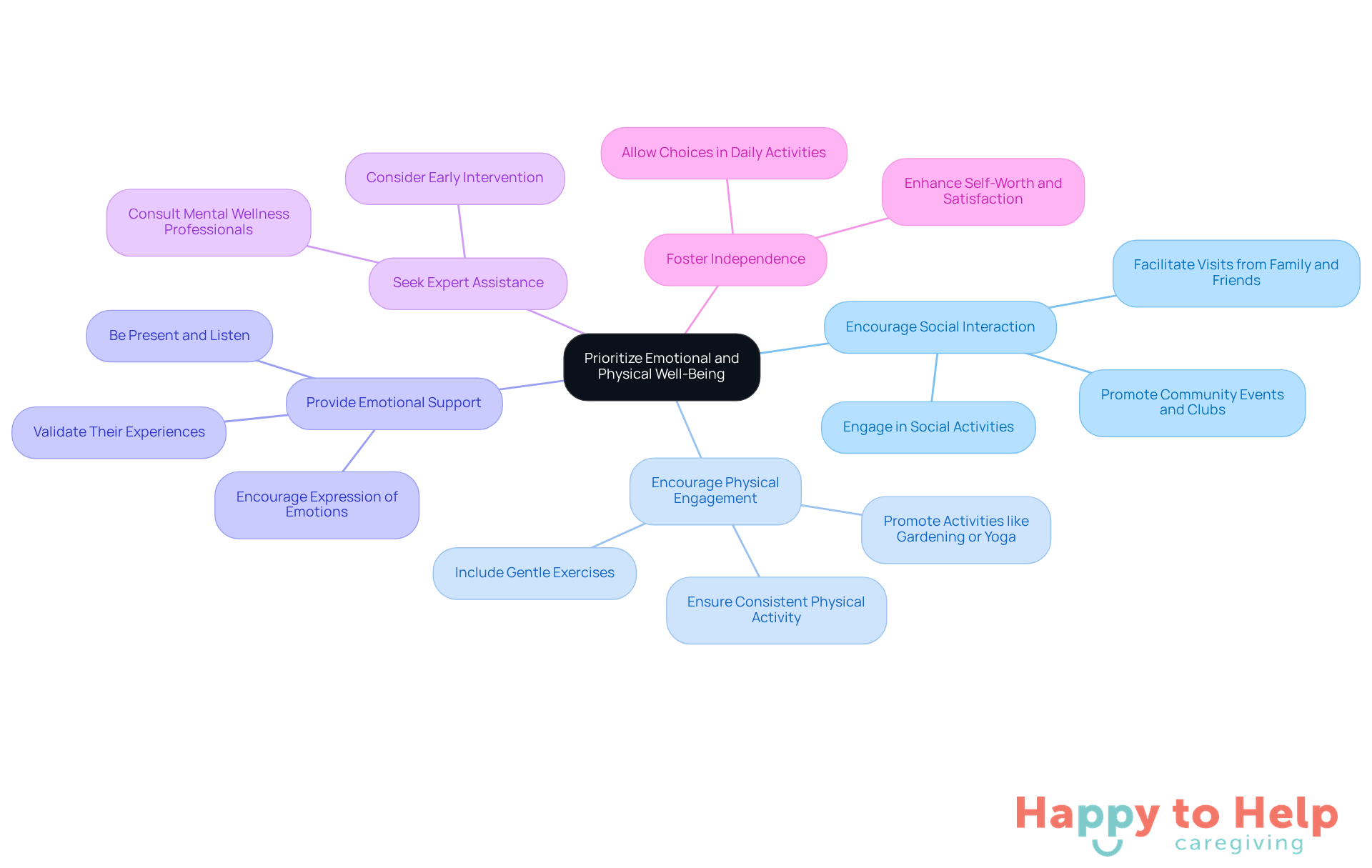
Encourage Social Interaction: Facilitate regular visits from family and friends, and promote involvement in community events or clubs that resonate with their interests. Engaging socially can significantly reduce feelings of loneliness.
-
Encourage Physical Engagement: Include gentle exercises or pursuits that your parents appreciate, such as walking, gardening, or yoga. Consistent physical activity not only promotes physical wellness but also boosts mental well-being, lowering the risk of cognitive decline and enhancing mood.
-
Provide Emotional Support: Be present and listen to your parents' concerns and feelings. Encourage them to express their emotions and validate their experiences. Strong emotional bonds can cultivate a sense of belonging and purpose, essential for mental well-being.
-
Seek Expert Assistance if Required: If your parents show signs of depression or anxiety, consider consulting a mental wellness professional for extra support. Early intervention can prevent further decline in their quality of life.
-
Foster Independence: Allow your parents to make choices about their daily activities and care. This autonomy can enhance their self-worth and overall satisfaction with life, contributing positively to their emotional health.
Your Path Forward
Caring for aging parents presents a significant challenge that demands careful planning and genuine involvement. The emotional and physical aspects of this responsibility can weigh heavily on caregivers, making it essential to prioritize their parents' needs and preferences. Without a thoughtful approach, caregivers may struggle to create a nurturing environment that respects their parents' autonomy while ensuring their well-being.
To address these challenges, open communication is crucial. Assessing individual needs allows caregivers to develop a flexible care plan that includes both medical and emotional support. Additionally, ensuring a safe living environment free from hazards is vital. Regularly reviewing and adjusting this plan helps caregivers adapt to changing circumstances, keeping care relevant and effective.
The importance of emotional and physical well-being cannot be overstated. Encouraging social interaction, fostering independence, and providing consistent emotional support can significantly enhance the quality of life for elderly parents. By implementing these best practices, families can establish a supportive framework that honors their parents' dignity and enriches their lives, ultimately fostering a more compassionate and connected family dynamic.
https://iframe.tely.ai/cta/eyJhcnRpY2xlX2lkIjogIjY5MmY5MWJhY2E4MDg5MWIwMmZiMDEwYyIsICJjb21wYW55X2lkIjogIjY4ZWU1ZGNhNzMxNzYyNTU3ZjNjOTVjMSIsICJpbmRleCI6IG51bGwsICJ0eXBlIjogImFydGljbGUifQ==Frequently Asked Questions
Why is it important to engage in discussions with my parents about their needs?
Engaging in open and sincere discussions with your parents about their everyday activities, wellness issues, and difficulties helps caregivers identify significant challenges that could affect their health and happiness.
What should I do to assess my parents' health?
Schedule a visit to their healthcare provider to discuss their medical history, current medications, and any recent changes in health. This step is vital for addressing any underlying health issues promptly.
How can I observe my parents' daily activities effectively?
Pay attention to how they manage daily tasks such as cooking, cleaning, and personal hygiene. Noting any difficulties they may have can help identify areas where assistance is needed.
How can I understand my parents' preferences regarding their care?
Inquire with your parents about their preferences for care, such as whether they prefer to stay at home or are open to assisted living. Understanding their desires can significantly influence their care and overall satisfaction.
Should I involve other family members in the discussion about my parents' care?
Yes, engaging siblings or other relatives in the discussion can provide different perspectives, ensuring a comprehensive understanding of your parents' needs and fostering a supportive environment.
Why is it important to document findings during the assessment process?
Keeping a record of your observations and discussions is invaluable when developing a care plan that truly reflects your parents' needs and preferences.
List of Sources
- Assess Your Parents' Needs and Preferences
- Older adults prioritize social activities, inclusiveness in massive survey assessing what matters most to them (https://mcknights.com/news/older-adults-prioritize-social-activities-inclusiveness-in-massive-survey-assessing-what-matters-most-to-them)
- Aurora releases study to address needs of older adults and caregivers (https://denver7.com/news/front-range/aurora/aurora-releases-study-to-address-needs-of-older-adults-and-caregivers)
- Warning From Older Adults: Care for Aging in America Needs Urgent Rethinking (https://johnahartford.org/newsroom/view/warning-from-older-adults-care-for-aging-in-america-needs-urgent-rethinking)
- Older adults’ care preferences honored, but inequities apparent, analysts find (https://mcknights.com/news/older-adults-care-preferences-honored-but-inequities-apparent-analysts-find)
- Families Prefer In-Home Care To Senior Living – Yet Struggle To Identify Needed Support (https://homehealthcarenews.com/2025/11/families-prefer-in-home-care-to-senior-living-yet-struggle-to-identify-needed-support)
- Develop a Flexible Care Plan
- Senior Care Planning: A Step-By-Step Guide (https://aplaceformom.com/caregiver-resources/articles/elder-care-planning)
- The Incredible Benefits of Home Care, in 7 Amazing Stats - Companions For Seniors (https://companionsforseniors.com/2019/08/benefits-home-care-amazing-stats-trends-reports)
- Caregiving in the US 2025 (https://aarp.org/pri/topics/ltss/family-caregiving/caregiving-in-the-us-2025)
- Personalizing Care Plans for Seniors: Why One Size Doesn't Fit All (https://promedcareinc.com/personalizing-care-plans-for-seniors-why-one-size-doesnt-fit-all)
- Families urged to plan ahead for elderly parent care before a crisis hits (https://fox8live.com/2025/11/26/families-urged-plan-ahead-elderly-parent-care-before-crisis-hits)
- Ensure a Safe Living Environment
- Facts About Falls (https://cdc.gov/falls/data-research/facts-stats)
- Older Americans Are More Likely to Suffer Fatalities from Falls and Fire; CPSC Report Highlights Hidden Hazards Around the Home (https://cpsc.gov/Newsroom/News-Releases/2022/Older-Americans-Are-More-Likely-to-Suffer-Fatalities-from-Falls-and-Fire-CPSC-Report-Highlights-Hidden-Hazards-Around-the-Home)
- Home Safety for Seniors: Statistics & Proven Safety Solutions (https://agesafeamerica.com/home-safety-hub/articles/home-safety-seniors-statistics-solutions)
- DwellSafe says it’s bringing clinical-level home-safety assessments into every home (https://hmenews.com/article/dwellsafe-says-it-s-bringing-clinical-level-home-safety-assessments-into-every-home)
- Prioritize Emotional and Physical Well-Being
- Why Socialization is Important for Older Adults (https://newsroom.clevelandclinic.org/2022/12/09/why-socialization-is-important-for-older-adults)
- Friendships Are Especially Powerful Late in Life, Poll Says (https://usnews.com/news/health-news/articles/2024-12-16/friendships-are-especially-powerful-late-in-life-poll-says)
- Medflyt at Home | Elderly Mental Health Statistics: What You Need To Know (https://medflyt.com/blog/posts/elderly-mental-health-statistics)
- The Power of Connection: Social Engagement and Mental Health – In Home Senior Care Northeast Florida (https://agingtrue.org/the-power-of-connection-social-engagement-and-mental-health)
- Social Interaction and Life Satisfaction among Older Adults by Age Group - PMC (https://pmc.ncbi.nlm.nih.gov/articles/PMC10671417)