
5 Steps for Effective Caregiving for Elderly Parents

For families in our service areas
For families in our service areas, this guide explains caregiving and how non-medical in-home caregiving can support care planning in East Idaho, Treasure Valley & Magic Valley, Northern Wasatch, North Central West Virginia & Southwestern Pennsylvania, and Northeast Ohio.
Understanding Effective Caregiving for Elderly Parents
Caregiving for elderly parents presents a significant challenge that can leave many caregivers feeling overwhelmed and uncertain. This multifaceted role involves not only daily assistance but also emotional support, health management, and advocacy. The weight of these responsibilities can be heavy, often leading to caregiver burnout and stress.
So, how can caregivers effectively navigate these demands while also prioritizing their own well-being? This article explores five key steps that offer a structured approach to caregiving. By implementing these strategies, caregivers can enhance the quality of care for their loved ones while safeguarding their own health and sanity.
Understand the Caregiver Role and Responsibilities
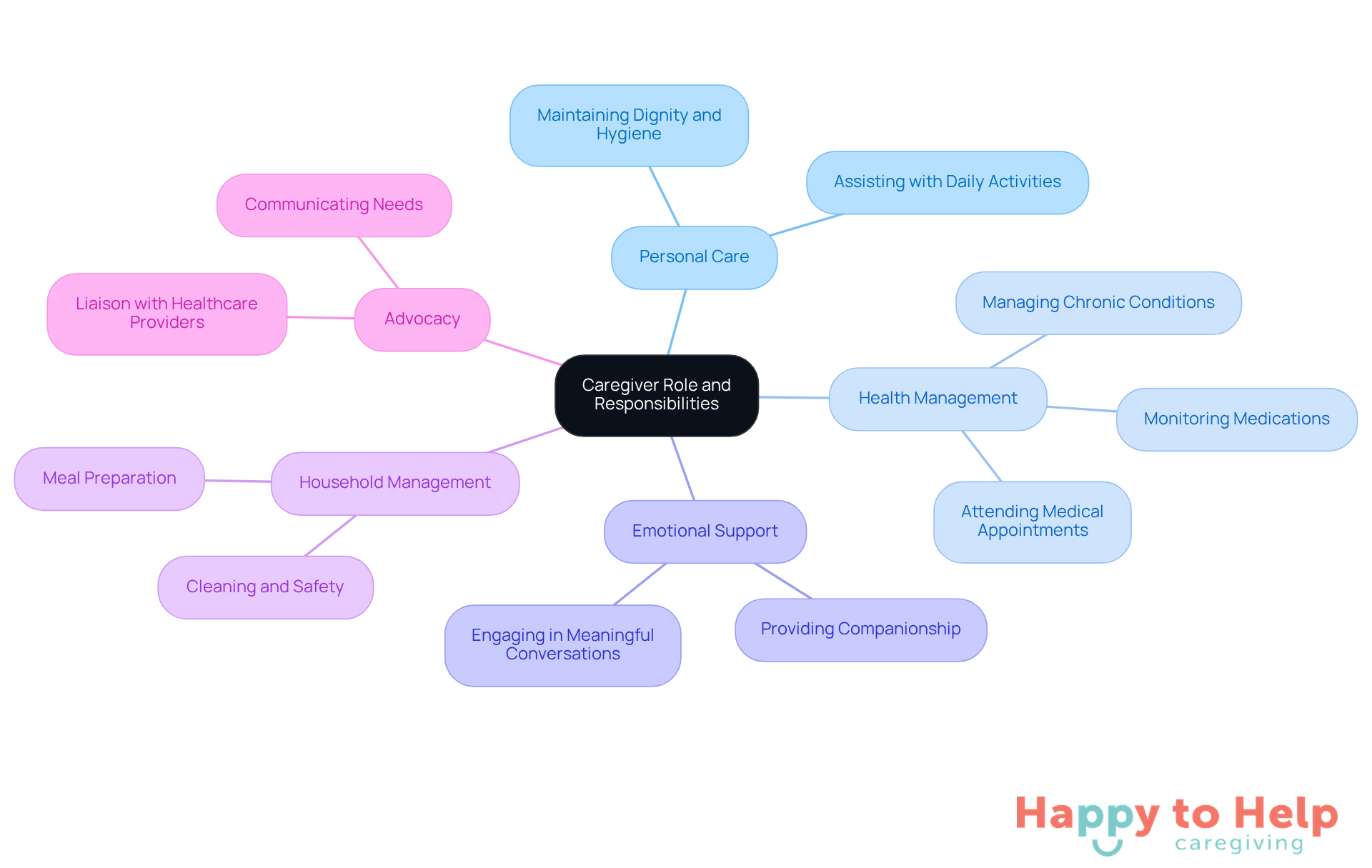
The challenges of caregiving elderly parents can be unique and overwhelming for many caregivers. Understanding the multifaceted role of a caregiver in caregiving elderly parents is essential to navigate these responsibilities effectively.
-
Personal Care: One of the primary duties involves assisting with daily activities such as bathing, dressing, and grooming. This support is crucial for maintaining dignity and hygiene.
-
Health Management: Caregivers must also monitor medications, attend medical appointments, and manage chronic conditions. This vigilance ensures optimal health outcomes for their loved ones.
-
Emotional Support: Providing companionship and engaging in meaningful conversations helps combat loneliness, fostering emotional well-being. This aspect of caregiving elderly parents is often overlooked, yet it is vital for mental health.
-
Household Management: Assisting with meal preparation, cleaning, and ensuring a safe living environment contributes significantly to a comfortable home. A well-managed household can alleviate stress for both the caregiver and the elderly relative.
-
Advocacy: Acting as a liaison between elderly relatives and healthcare providers is another critical responsibility. Caregivers must ensure that their loved ones' needs are effectively communicated and met.
Recognizing these duties allows those involved in caregiving elderly parents to approach their responsibilities with clarity and confidence, ultimately enhancing the experience for their loved ones. Notably, around 43% of full-time employees are managing their professional obligations while also caregiving elderly parents. This statistic underscores the necessity for effective strategies to balance both personal and health-related needs.
As Miura emphasizes, "We need to determine where those limits exist, and how much we can truly manage ourselves as family supporters." Establishing these limits is essential for caregivers to maintain their own well-being while providing care.
Assess the Needs of Your Elderly Parents
Assessing the needs of caregiving elderly parents can be a daunting task for caregivers. Without a thorough understanding of their health and daily functioning, caregivers may struggle to provide the necessary support. This can lead to increased risks for the elderly, including health complications and safety hazards.
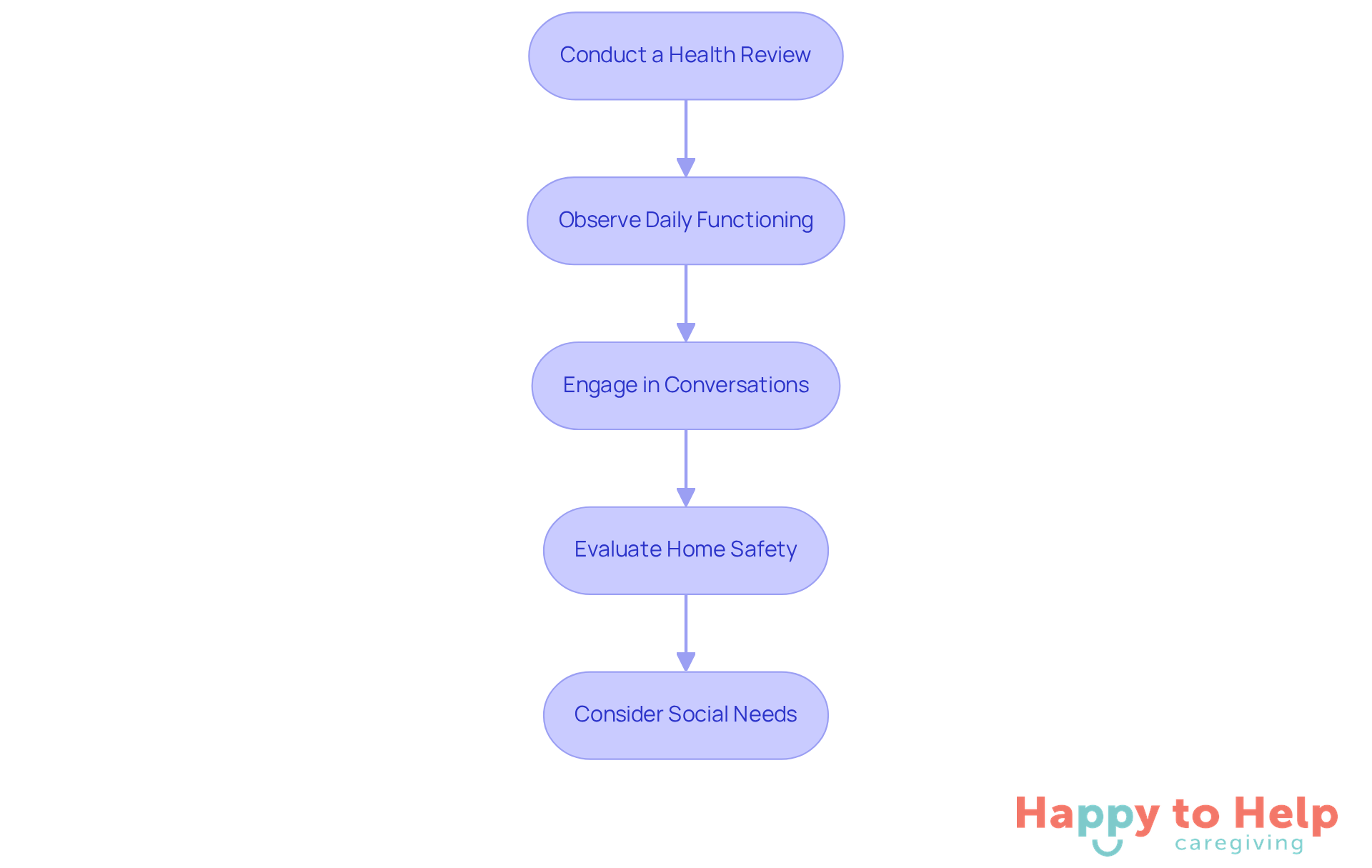
To effectively address these challenges, follow these steps:
- Conduct a Health Review: Evaluate their medical history, current medications, and any ongoing health issues. Consulting with their healthcare provider can provide valuable insights.
- Observe Daily Functioning: Pay attention to their ability to perform daily activities such as cooking, cleaning, and personal hygiene. Note any difficulties they may have.
- Engage in Conversations: Discuss their preferences and concerns regarding their treatment. Understanding their wishes is crucial for effective support.
- Evaluate Home Safety: Check for hazards in their living environment, such as loose rugs or inadequate lighting, which could pose risks for falls.
- Consider Social Needs: Assess their social interactions and emotional well-being. Are they feeling isolated? Encouraging social engagement can significantly enhance their quality of life.
By systematically assessing these areas, caregiving elderly parents can develop a thorough understanding of their parents' requirements. This proactive approach leads to more effective support strategies, ensuring that elderly parents receive the care they need.
Develop a Personalized Care Plan
Creating an effective personalized care plan can be challenging for those engaged in caregiving elderly parents. Many struggle with defining clear objectives, incorporating input from elderly relatives, and ensuring that the plan remains relevant over time. These challenges can lead to feelings of frustration and inadequacy for those involved in caregiving elderly parents and their loved ones.
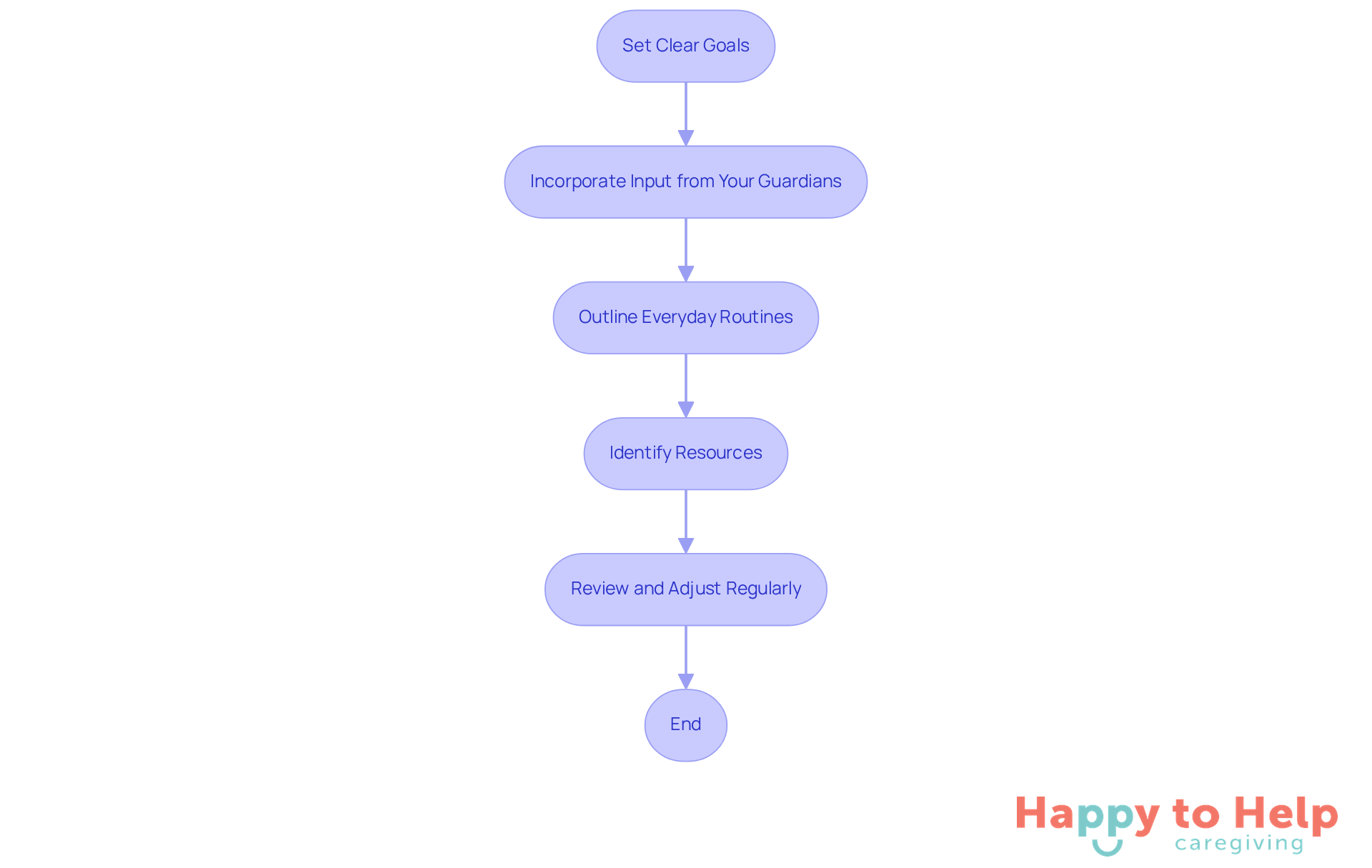
To address these issues, consider the following actionable steps:
-
Set Clear Goals: Define specific objectives for the support plan, such as improving mobility, enhancing social interaction, or managing health conditions effectively. Research shows that caregivers engaged in caregiving elderly parents who set clear goals are more likely to achieve positive outcomes for their elderly relatives. As Dr. Ardeshir Hashmi emphasizes, "Patient Priorities Support is based on the idea that older adults should set their own treatment priorities," underscoring the importance of goal-setting in planning.
-
Incorporate Input from Your Guardians: Actively involve your guardians in the planning process to respect their preferences and desires. Studies indicate that when older adults participate in planning their support, they feel more valued and engaged, leading to better compliance with the plan. A significant percentage of caregivers report that caregiving elderly parents in care planning correlates with improved satisfaction and outcomes.
-
Outline Everyday Routines: Create a structured timetable that includes regular activities, medication management, and social engagements. Consistency is vital for elderly individuals, as it fosters a sense of security and stability in their daily lives.
-
Identify Resources: Assess available resources, such as community services, support groups, and technology that can assist in caregiving. Utilizing these resources can greatly enhance the caregiving elderly parents experience and provide additional support for both caregivers and their elderly parents. Advancements in technology, like mobile health apps and online support platforms, can facilitate better communication and coordination in caregiving.
-
Review and Adjust Regularly: Schedule regular check-ins to evaluate the effectiveness of the support plan and make necessary adjustments based on changing needs or circumstances. This iterative process ensures that the support plan remains relevant and effective over time. The Patient Priorities Care model has demonstrated that involving patients in setting treatment priorities leads to improved outcomes, reinforcing the need for regular reviews.
A well-organized support plan not only enhances the quality of caregiving elderly parents but also offers reassurance for both caregivers and their elderly relatives. By establishing clear objectives and including senior family members in the planning process, caregivers can create a supportive atmosphere that encourages independence and well-being.
Implement Daily Care Routines and Support Systems
Caregiving elderly parents often struggle to implement effective daily care routines, which can lead to feelings of instability and confusion for both parties.
Agitate: Without a structured routine, seniors may experience increased anxiety and emotional distress. This lack of predictability can hinder their overall well-being and quality of life, making it essential for caregivers to establish a reliable daily framework.
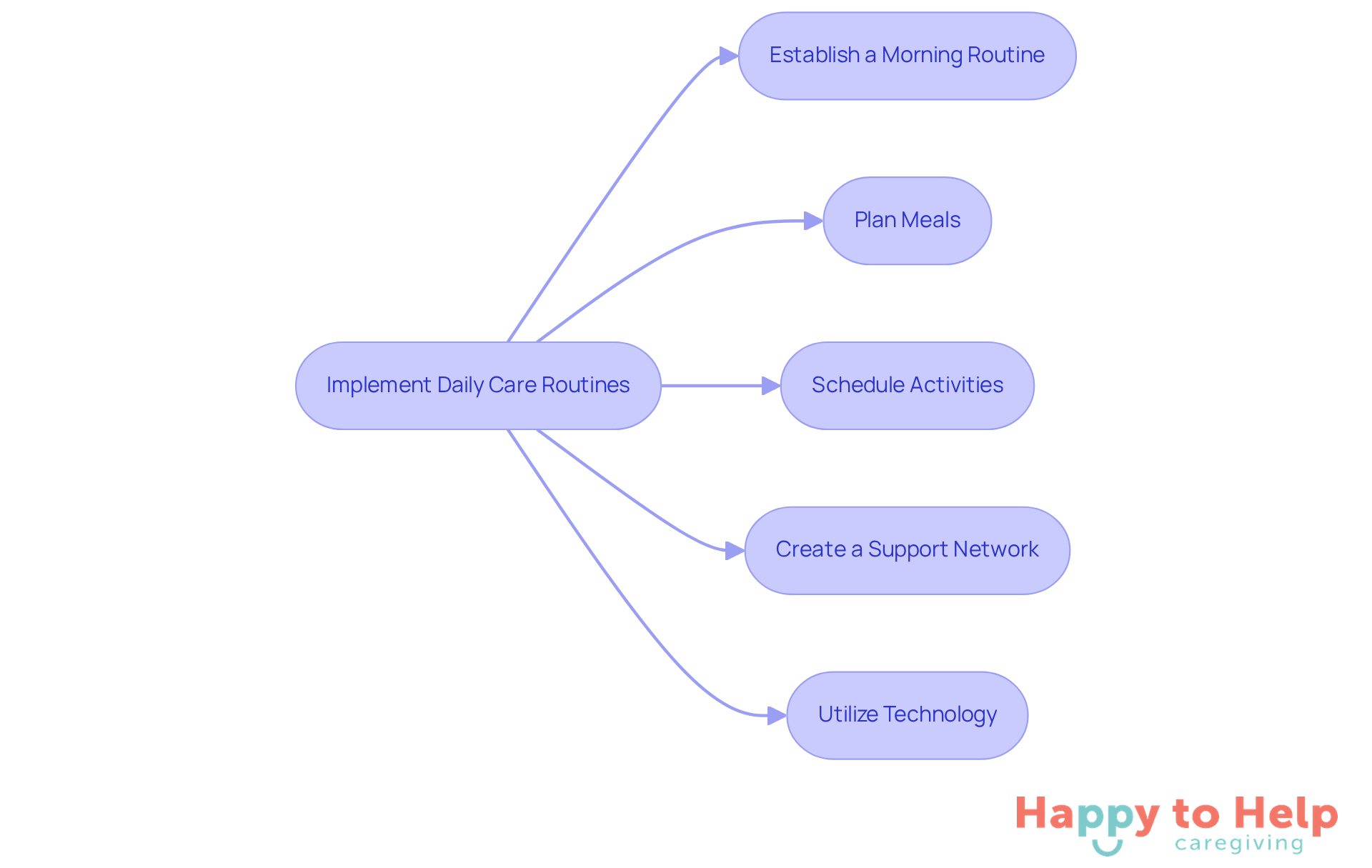
Solution: Here are some practical steps caregivers can take to create effective daily care routines:
-
Establish a Morning Routine: Start each day with a consistent schedule that includes personal hygiene, a nutritious breakfast, and any necessary medications. A structured morning helps seniors feel settled and prepared for the day ahead. Experts note that maintaining a predictable morning can significantly enhance emotional stability for older adults.
-
Plan Meals: Focus on preparing balanced meals that cater to dietary restrictions and personal preferences. Involving your parents in meal planning not only promotes their engagement but also nurtures a sense of control in their lives. Regular mealtimes enhance social interaction and improve health outcomes, as studies show that nutritious meals served at consistent times support well-being.
-
Schedule Activities: Incorporate a mix of physical activities, hobbies, and social interactions into the daily routine. Regular activities like reading, puzzles, or light exercise can stimulate cognitive function and promote emotional well-being. Aim for a balance between group activities and quiet moments to prevent overwhelm, as this approach has been shown to reduce confusion and restlessness in seniors.
-
Create a Support Network: Identify family members, friends, or professional helpers who can assist when needed. This support network provides respite care and emotional support, ensuring caregivers do not feel isolated. Frequent family visits can enhance emotional connections and introduce familiarity to the routine, which is essential for preserving a sense of security for seniors.
-
Utilize Technology: Leverage technology to enhance caregiving efficiency. Use reminders for medications, appointments, and routine activities through applications or devices. Tools like medication management systems can lessen the cognitive burden on seniors and their supporters, ensuring vital tasks are not neglected. Additionally, AI companions can monitor daily routines and offer wellness insights, further assisting both supporters and seniors in maintaining independence.
By establishing structured routines and support systems, caregiving elderly parents can foster a sense of normalcy and security, ultimately enhancing their quality of life.
Prioritize Self-Care and Manage Caregiver Stress
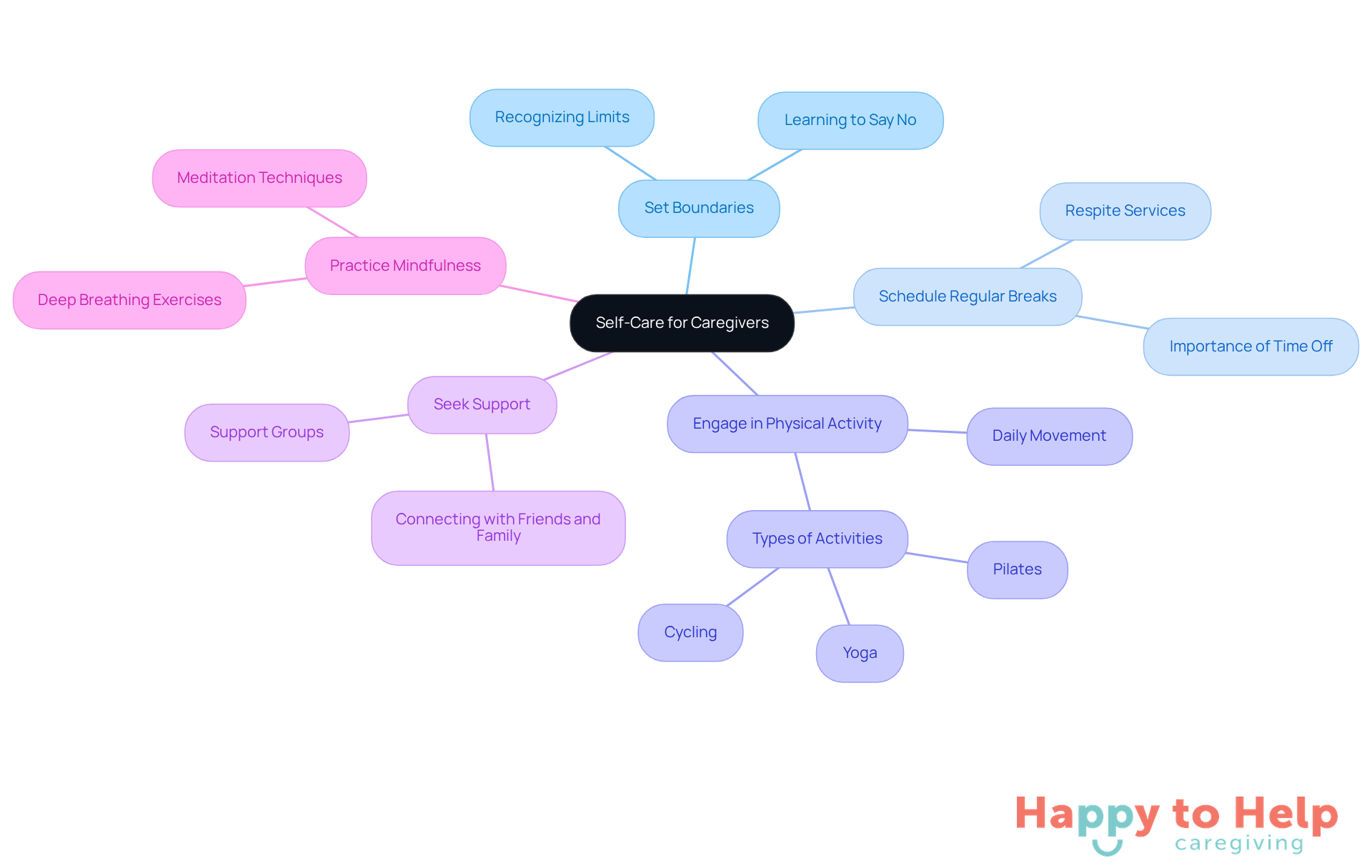
Caregivers face significant challenges, particularly the risk of burnout, which can severely impact their well-being and the quality of care they provide. Over 60% of caregivers experience symptoms of burnout, highlighting the urgency of addressing this issue. To effectively manage stress and prioritize self-care, caregivers can implement several strategies:
-
Set Boundaries: Recognizing your limits is crucial. Learn to say no when necessary to avoid overcommitting, which can lead to burnout.
-
Schedule Regular Breaks: Taking time off is essential for recharging. Whether through brief regular breaks or extended relief options, these moments can greatly improve your well-being. Respite services provide essential breaks for those providing assistance, enabling them to rest and rejuvenate.
-
Engage in Physical Activity: Incorporating exercise into your routine can greatly reduce stress and improve your mood. Aim to move your body daily, even if just for a few minutes. As Sarah A. notes, "Whether it’s Pilates, yoga, cycling, or something else, I strive to move my body every day."
-
Seek Support: Connecting with support groups for caregivers or discussing your experiences with friends and family can alleviate feelings of isolation. Sharing challenges fosters a sense of community and understanding. Nathan G. emphasizes, "Looking after yourself isn’t selfish - it’s essential."
-
Practice Mindfulness and Relaxation Techniques: Activities such as meditation, yoga, or deep breathing exercises can help manage stress levels effectively. Recognizing emotional changes, such as irritability or persistent sadness, is critical for understanding the need for self-care.
By actively prioritizing self-care, caregivers can sustain their energy and emotional resilience, ultimately enhancing the quality of caregiving elderly parents.
Making the Right Choice
Effective caregiving for elderly parents presents a significant challenge that requires understanding, planning, and ongoing support. Caregivers often face the daunting task of not only meeting the physical needs of their elderly parents but also fostering their emotional well-being and ensuring a safe, nurturing environment. This multifaceted role can be overwhelming, but recognizing the essential responsibilities of caregiving can help navigate its complexities and enhance the quality of life for loved ones.
Key strategies for effective caregiving include:
- Assessing the needs of elderly parents
- Developing personalized care plans
- Implementing daily routines
- Prioritizing self-care for caregivers
Each of these steps plays a crucial role in creating a supportive framework that addresses both the caregivers' and the elderly parents' needs. Understanding personal care tasks, managing health, and providing emotional support are vital components of this process.
Ultimately, effective caregiving goes beyond mere assistance; it’s about building meaningful connections and ensuring dignity in the later stages of life. Caregivers should embrace these strategies and seek support, recognizing that their well-being is just as important as that of those they care for. By taking proactive steps in caregiving, caregivers can enhance the lives of their elderly parents while cultivating a fulfilling and sustainable caregiving experience for themselves.
https://iframe.tely.ai/cta/eyJhcnRpY2xlX2lkIjogIjY5MjRmMWYyZWM0Y2FiOGU3NGVjMDBmOSIsICJjb21wYW55X2lkIjogIjY4ZWU1ZGNhNzMxNzYyNTU3ZjNjOTVjMSIsICJpbmRleCI6IG51bGwsICJ0eXBlIjogImFydGljbGUifQ==Frequently Asked Questions
What are the primary responsibilities of a caregiver for elderly parents?
The primary responsibilities include personal care (assisting with daily activities), health management (monitoring medications and attending medical appointments), providing emotional support, managing household tasks, and advocating for their elderly parents' needs with healthcare providers.
Why is emotional support important in caregiving for elderly parents?
Emotional support is vital for combating loneliness and fostering emotional well-being. Engaging in meaningful conversations helps improve the mental health of elderly parents, which is often overlooked in caregiving.
How can caregivers assess the needs of their elderly parents?
Caregivers can assess needs by conducting a health review (evaluating medical history and current medications), observing daily functioning, engaging in conversations about preferences and concerns, evaluating home safety for hazards, and considering social needs to enhance emotional well-being.
What steps can caregivers take to ensure a safe living environment for elderly parents?
Caregivers should evaluate the home for hazards such as loose rugs and inadequate lighting, which can pose risks for falls, and make necessary adjustments to ensure safety.
How can caregivers balance their professional obligations with caregiving responsibilities?
Caregivers can balance both by establishing limits on their caregiving roles and determining how much they can manage, which is essential for maintaining their own well-being while providing care.
What percentage of full-time employees are also caregiving for elderly parents?
Approximately 43% of full-time employees are managing their professional obligations while also caregiving for elderly parents.
List of Sources
- Understand the Caregiver Role and Responsibilities
- Number of full-time working caregivers has increased by double digits, report finds (https://hrdive.com/news/number-of-full-time-working-caregivers-has-increased-by-double-digits/806270)
- Americans say caring for aging parents is more important than saving money to hand down to your children (https://cnbc.com/2023/09/29/americans-say-helping-aging-parents-is-more-important-than-inheritance.html)
- Location, individual circumstances impact caregiver well-being, researchers find | Penn State University (https://psu.edu/news/research/story/location-individual-circumstances-impact-caregiver-well-being-researchers-find)
- A caregiver's survival guide: Advice from people who've been there (https://npr.org/2025/10/18/nx-s1-5558451/caregiver-caregiving-family-burnout-support-advice)
- Assess the Needs of Your Elderly Parents
- How to Assess if an Older Adult Needs Caregiving Help (https://aarp.org/caregiving/home-care/assessing-need-for-caregiver)
- What to do when your aging parents need more care than you can provide (https://uchealth.org/today/aging-parents-what-to-do-when-parents-need-more-care-than-you-can-provide)
- Guide to Taking Care of Aging Parents and Family Members (https://arnothealth.org/news/guide-to-taking-care-of-aging-parents-and-family-members)
- How to Navigate the Home Care System for Elderly Parents (https://ultimatecareny.com/resources/how-to-navigate-the-home-care-system-for-elderly-parents)
- Develop a Personalized Care Plan
- 2025: AI enhances personalized care; caregiver experience in the spotlight (https://healthcareitnews.com/news/2025-ai-enhances-personalized-care-caregiver-experience-spotlight)
- The Importance of Personalized Care Plans in Memory Care (https://bucknerparkwayplace.org/news-blog/the-importance-of-personalized-care-plans-in-memory-care)
- Novel Care Model May Improve Outcomes for Older Adults With Multiple Chronic Conditions (https://consultqd.clevelandclinic.org/novel-care-model-may-improve-outcomes-for-older-adults-with-multiple-chronic-conditions)
- ‘Authenticity and Transparency’: Memory Care Operators Pivot to Meeting Wants of Gen X Adult Children (https://seniorhousingnews.com/2025/07/15/authenticity-and-transparency-memory-care-operators-pivot-to-meeting-wants-of-gen-x-adult-children)
- Implement Daily Care Routines and Support Systems
- Innovative New Technology Helps Seniors Age in Place (https://ucdavis.edu/health/news/innovative-new-technology-helps-seniors-age-place)
- Daily Routine for Seniors: Improving Health and Well-Being (https://orangevalley.sg/how-a-daily-routine-for-seniors-can-improve-their-well-being)
- AI Care Companions for Seniors (https://health.usnews.com/senior-care/articles/ai-care-companions-for-seniors)
- Calm, Connection, & Care I Power of a Daily Routine for Seniors (https://caringforfamilyofcompanies.com/the-power-of-a-daily-routine-for-seniors)
- Five Big Benefits of Daily Routines for Aging Adults (https://blhc.org/five-big-benefits-of-daily-routines-for-aging-adults)
- Prioritize Self-Care and Manage Caregiver Stress
- A caregiver's survival guide: Advice from people who've been there (https://npr.org/2025/10/18/nx-s1-5558451/caregiver-caregiving-family-burnout-support-advice)
- Caring for yourself while caring for others | NIH MedlinePlus Magazine (https://magazine.medlineplus.gov/article/caring-for-yourself-while-caring-for-others)
- Self-Care Strategies for Brain Tumor Caregivers - National Brain Tumor Society (https://braintumor.org/news/self-care-strategies-for-brain-tumor-caregivers)
- Newsroom : News & Events : Lymphangiomatosis & Gorham's Disease Alliance (https://lgdalliance.org/news-events/newsroom.html/article/2025/05/19/protecting-mental-health-as-a-caregiver)
- Caregiver Burnout and Strategies to Help (https://health.usnews.com/senior-care/articles/caregiver-burnout-and-strategies-to-help)