
5 Steps to Manage Money for Your Elderly Parents' Care

For families in our service areas
For families in our service areas, this guide explains caregiving and how non-medical in-home caregiving can support care planning in East Idaho, Treasure Valley & Magic Valley, Northern Wasatch, North Central West Virginia, and Northeast Ohio.
Understanding Manage Money for Your Elderly Parents
Navigating the financial landscape for elderly parents presents a significant challenge, particularly as cognitive impairments become a growing concern among seniors. Nearly one-third of individuals aged 85 and older may struggle with managing their finances, placing the burden on their children to ensure their well-being. This situation not only affects the financial stability of seniors but also raises emotional and ethical dilemmas for caregivers.
To address these challenges, caregivers can take five crucial steps to effectively manage their parents' finances:
- Recognizing the right time to intervene
- Organizing essential documents
- Safeguarding against scams
- Providing necessary support
- Preserving their parents' dignity and independence in financial matters
By implementing practical solutions, caregivers can navigate this complex landscape with confidence.
Identify the Right Time to Manage Finances
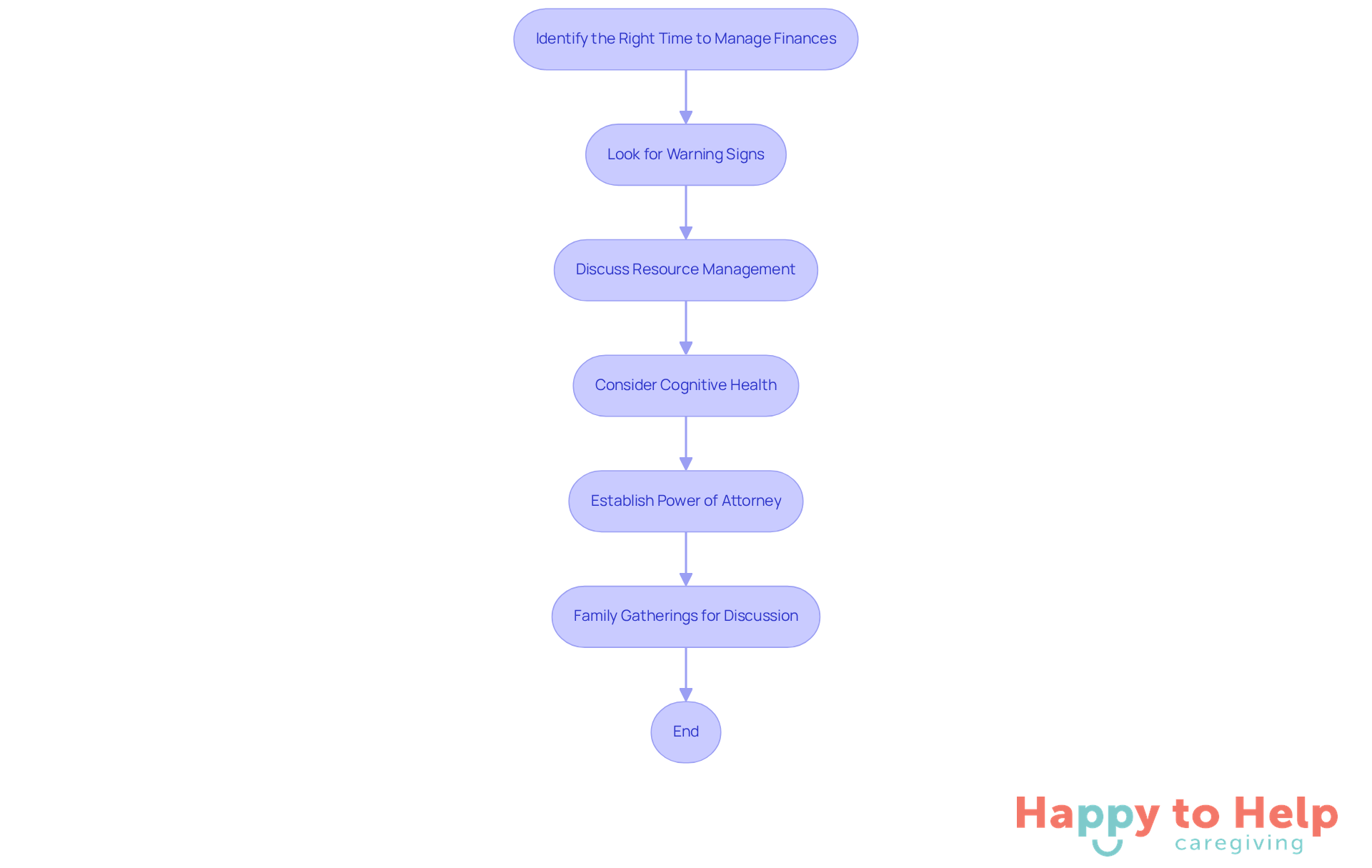
It can be challenging to manage the resources and money to take care of elderly parents. Many caregivers face the problem of ensuring their loved ones have the necessary money to take care of elderly parents effectively. One significant concern is that nearly one-third of seniors aged 85 or older may develop cognitive impairments, which can complicate their ability to manage money to take care of elderly parents independently. Look for warning signs such as missed payments, unopened bills, or confusion about financial matters.
If you notice these indicators, it’s essential to address the situation promptly. Discussing resource management with your parents can feel daunting, but initiating these conversations early creates a supportive atmosphere. This approach allows your parents to feel comfortable discussing their financial circumstances with you. Experts emphasize that having these discussions while your parents are still capable can simplify the transition when it becomes necessary for you to take over their financial responsibilities.
Additionally, consider their cognitive health. If they show signs of memory loss or confusion, it’s crucial to step in sooner rather than later to ensure there is enough money to take care of elderly parents. Establishing a power of attorney (POA) is also vital; this ensures that someone can make financial decisions on their behalf if they become unable to do so.
Family gatherings can serve as an excellent opportunity to discuss financial choices openly. Transparency during these discussions helps prevent misunderstandings in the future, ensuring that everyone is on the same page regarding financial matters.
Organize Financial and Legal Documents
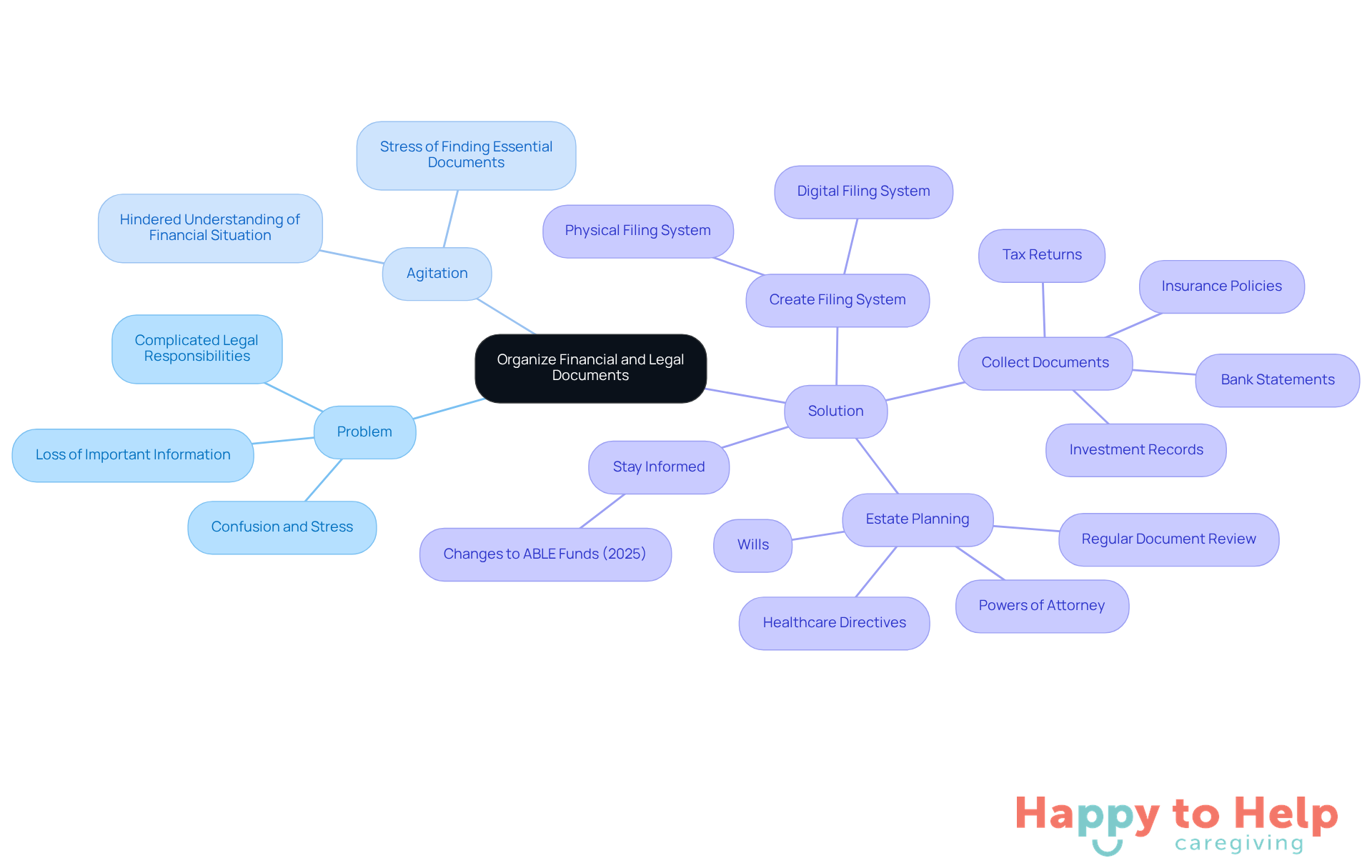
Problem: Caregivers often face the challenge of managing their guardians' financial documents, which can lead to confusion and stress. Without a clear organization system, important information may be lost or overlooked, complicating financial management and legal responsibilities.
Agitation: This disorganization can have serious implications. It not only hinders your understanding of your guardians' financial situation but also complicates any necessary legal actions in the future. Imagine the stress of scrambling to find essential documents like tax returns or insurance policies when you need them most.
Solution: Start by collecting all pertinent monetary documents, including bank statements, tax returns, insurance policies, and investment records. Create a secure filing system, either physical or digital, to store these documents. Ensure that you have access to important legal documents such as wills, powers of attorney, and healthcare directives. This organization will equip you for any essential legal measures in the future.
Additionally, having a carefully designed estate plan is crucial for ensuring your family's wishes are fulfilled after their passing. Consistently examine and revise these documents to reflect any changes in their financial situation. As Richard Cushing wisely noted, 'Always plan ahead.' This proactive approach guarantees that you are well-prepared to handle your guardians' financial matters efficiently.
Moreover, be aware of major modifications to ABLE funds beginning in 2025, which may influence budgeting for individuals with disabilities. Stay informed and adjust your planning accordingly.
Consolidate Financial Responsibilities
Managing money to take care of elderly parents can be a daunting task. Many caregivers face the challenge of navigating complex financial landscapes, which can lead to confusion and stress. According to the Federal Reserve's 2022 Survey of Consumer Finances, 54.4% of all households have retirement accounts, underscoring the importance of understanding their economic situation.
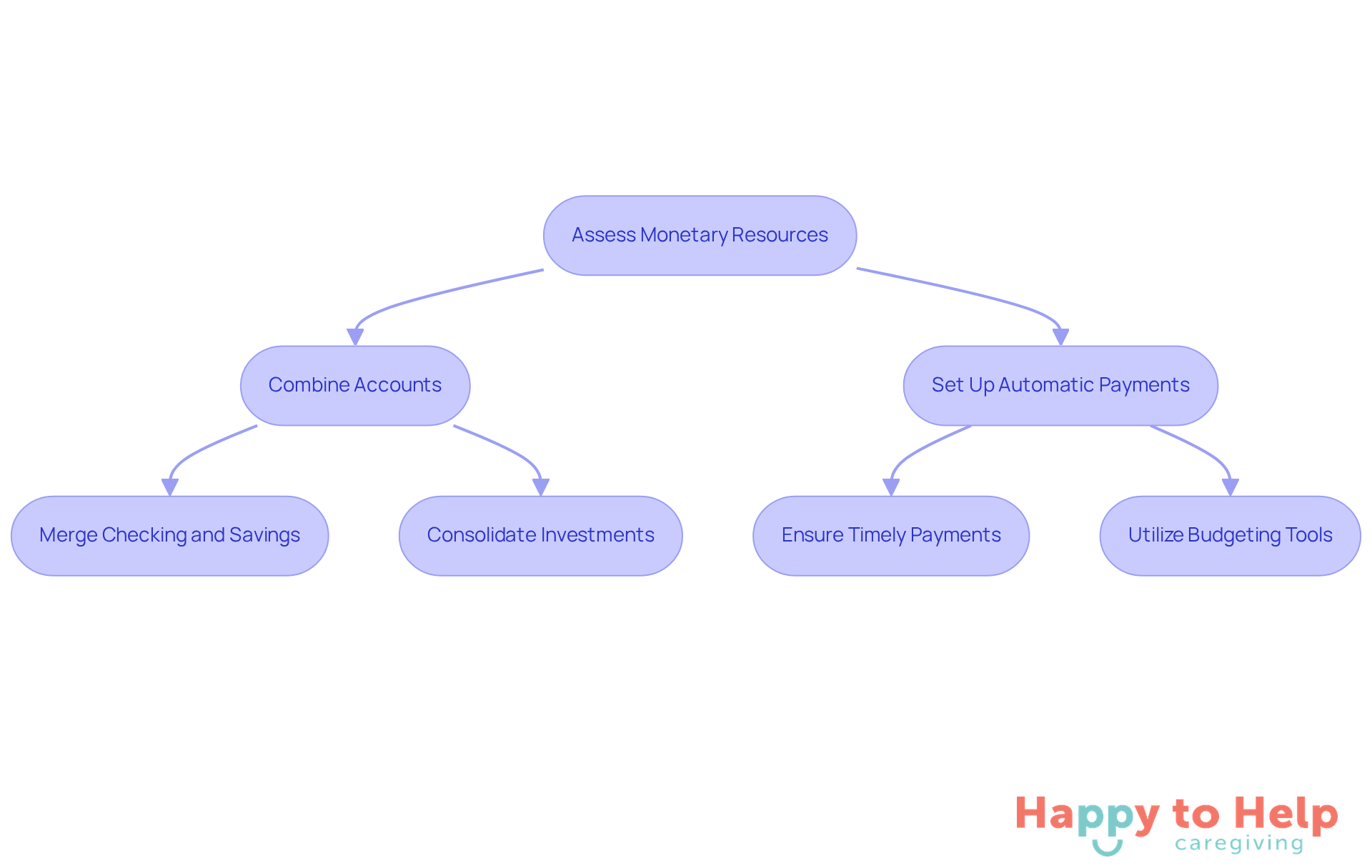
To simplify this process, start by assessing their monetary resources. Consider merging their accounts into fewer holdings, such as:
- Combining checking and savings funds
- Consolidating investments into a single brokerage
This approach not only streamlines oversight but also reduces complexity.
Setting up automatic payments for recurring bills is crucial. It ensures timely payments and minimizes the risk of missed deadlines. Additionally, utilizing budgeting tools or apps can help track expenses and income in one centralized location, making financial management more straightforward.
As money expert Nathan W. Morris wisely states, "Every time you borrow funds, you’re robbing your future self." This highlights the importance of maintaining a clear financial structure. Furthermore, Warren Buffett advises, "Do not save what is left after spending; instead, spend what is left after saving." By implementing these strategies, families can secure the money to take care of elderly parents, creating a more manageable financial environment that fosters peace of mind and stability.
Protect Against Scams and Identity Theft
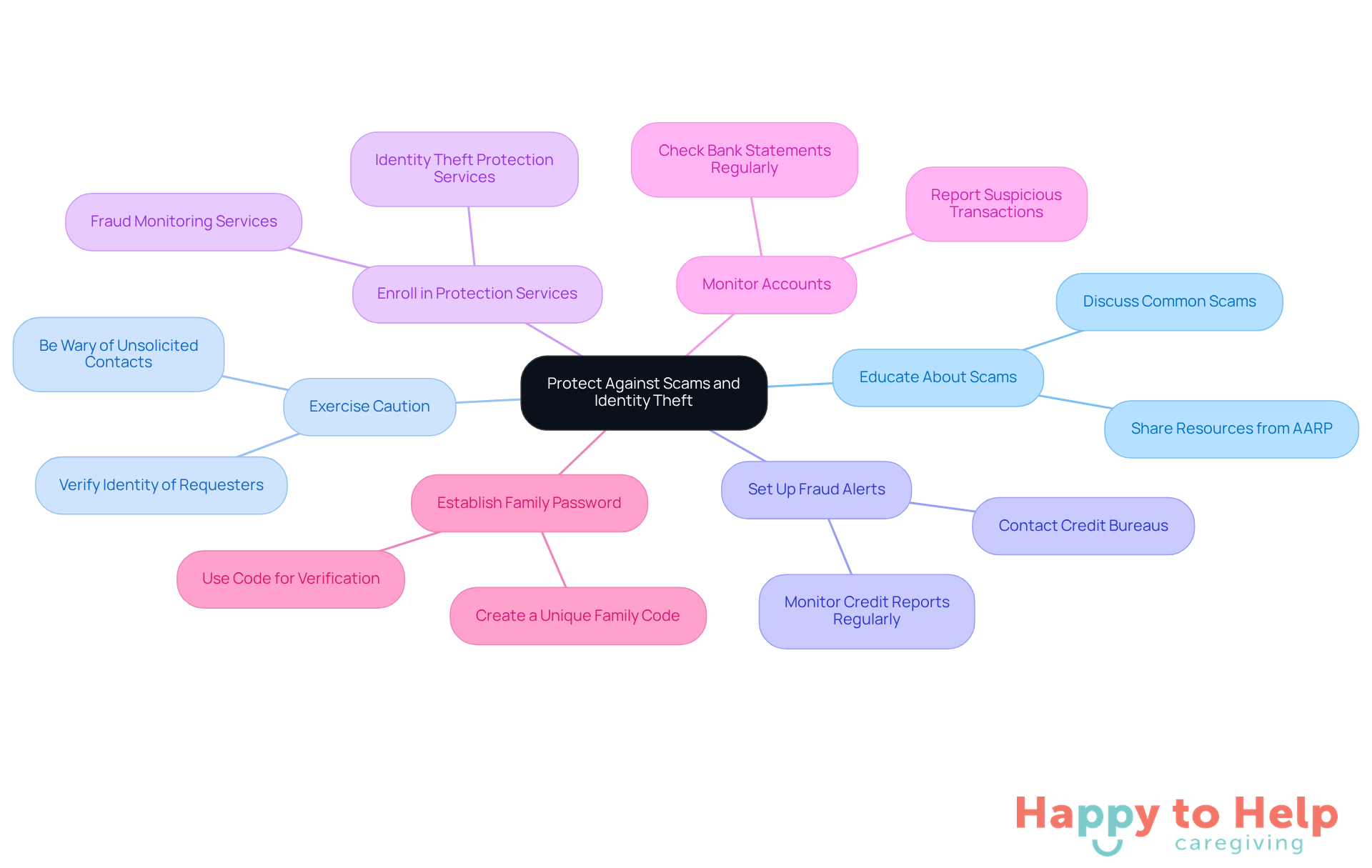
To safeguard your parents from scams and identity theft, it's crucial to educate them about prevalent scams targeting seniors, such as phishing emails and fraudulent phone calls. In 2023, scams targeting individuals aged 60 and older resulted in over $3.4 billion in losses. This alarming statistic highlights the urgency of the issue.
Encourage your parents to exercise caution when sharing personal information. Remind them to verify the identity of anyone requesting sensitive details. Setting up fraud alerts on their credit reports is a proactive measure. Additionally, enrolling them in identity theft protection services can provide extra security.
Regularly monitoring their accounts for unusual activity is essential. Discuss any suspicious transactions with them promptly. Establishing a family password or code can further enhance security during phone calls, ensuring that identities are verified before sharing any information.
For additional guidance, consider utilizing resources from the AARP Fraud Watch Network. This organization offers support and information on avoiding scams. As Kathy Stokes from AARP emphasizes, the impact of fraud on older adults can be catastrophic, making education and vigilance critical.
Communicate Clearly and Regularly
Creating a schedule for discussing money to take care of elderly parents with your guardians is essential. Many caregivers face the challenge of inadequate financial conversations regarding money to take care of elderly parents, which can lead to misunderstandings and disengagement. Research shows that over 1 in 4 Americans have never discussed money management, including money to take care of elderly parents, with their guardians, highlighting the need for these important discussions.
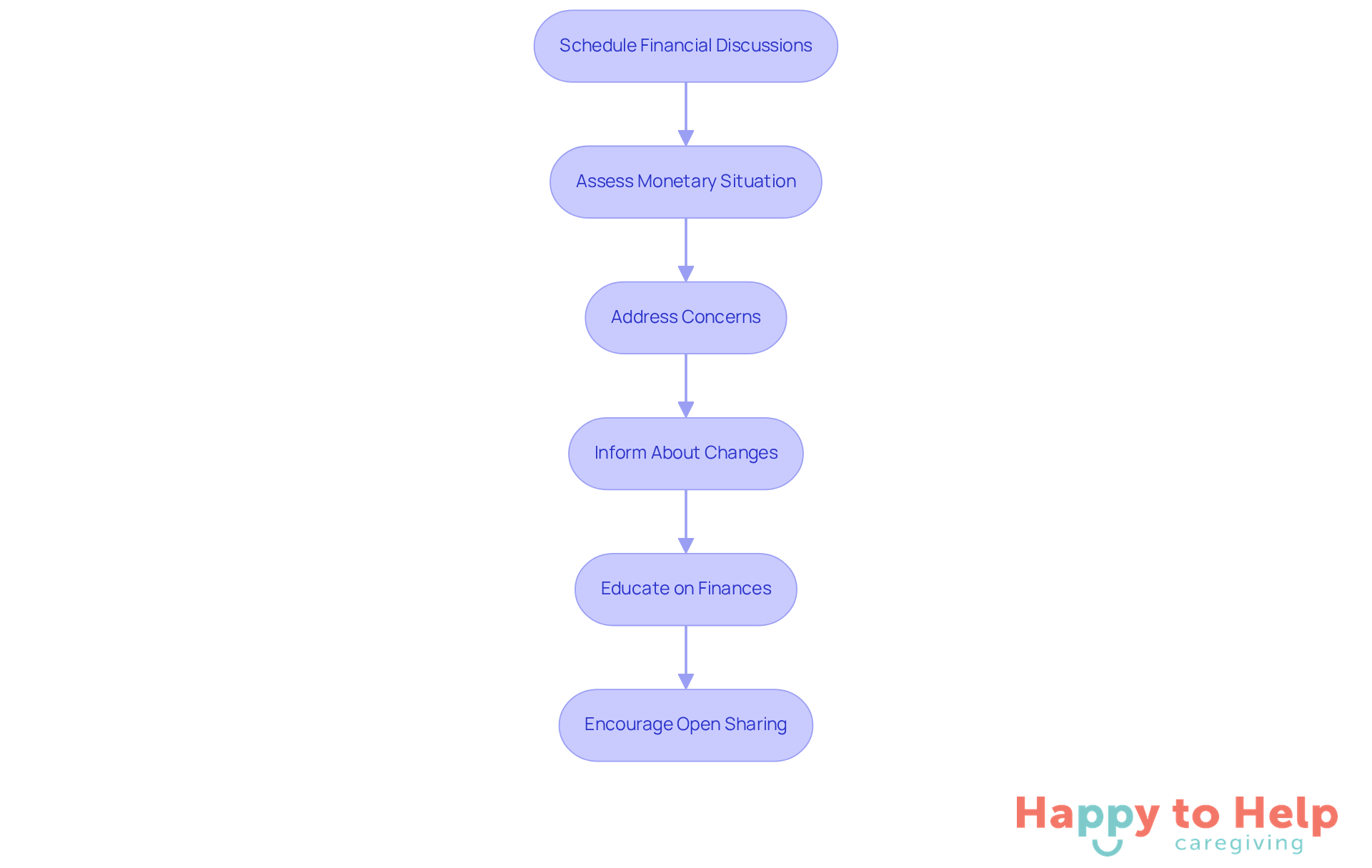
To address this issue, arrange frequent check-ins to:
- Assess their monetary situation and the money to take care of elderly parents
- Address any concerns
- Inform them about changes in their management plan
These conversations are valuable opportunities to educate them about their finances, including how to manage money to take care of elderly parents, and actively involve them in decision-making processes. Encourage your guardians to share their preferences and concerns openly, fostering an environment of trust and collaboration.
Families that implement consistent monetary discussions report improved understanding and engagement from their elderly relatives. This ongoing dialogue not only keeps you informed about the money to take care of elderly parents but also empowers your parents to take an active role in their affairs, enhancing their sense of independence and security.
Consider sharing insights from money experts, such as Suze Orman, who emphasizes the importance of economic security, or Russell Simmons, who advocates for fiscal literacy. Additionally, examples of families establishing financial check-in routines can provide practical insights for your discussions.
Taking the Next Steps
Managing the financial needs of elderly parents presents a significant challenge for caregivers. This responsibility requires careful planning and open communication to ensure that loved ones remain secure and supported as they age. Without proactive steps, families may face confusion and stress regarding their parents' financial situations.
To address these challenges, caregivers should recognize the right time to take charge, establish legal frameworks, and foster transparent discussions. Key strategies include:
- Organizing financial and legal documents to avoid confusion.
- Consolidating accounts for easier management.
- Protecting against potential scams and identity theft.
Regular communication is essential. It allows families to stay informed about changes and concerns while empowering elderly parents to participate in their financial decisions. By implementing these steps, caregivers can create a structured and supportive environment that prioritizes the financial well-being of their aging loved ones.
Ultimately, managing finances for elderly parents goes beyond meeting immediate needs; it fosters a sense of security and independence. By being vigilant, organized, and communicative, families can navigate the complexities of financial care with confidence, ensuring that their parents are protected and cared for as they transition into this new phase of life.
https://iframe.tely.ai/cta/eyJhcnRpY2xlX2lkIjogIjY5MjEwYWJjMzQ1YjIxNjczMmEyNzAzYSIsICJjb21wYW55X2lkIjogIjY4ZWU1ZGNhNzMxNzYyNTU3ZjNjOTVjMSIsICJpbmRleCI6IG51bGwsICJ0eXBlIjogImFydGljbGUifQ==Frequently Asked Questions
What challenges do caregivers face when managing finances for elderly parents?
Caregivers often struggle to ensure that their elderly parents have the necessary resources to manage their finances effectively, especially since nearly one-third of seniors aged 85 or older may develop cognitive impairments that complicate their ability to handle money independently.
What warning signs should caregivers look for regarding financial management?
Caregivers should watch for missed payments, unopened bills, or confusion about financial matters as indicators that their parents may need assistance with managing their finances.
Why is it important to discuss financial management with elderly parents early on?
Initiating discussions about financial management while parents are still capable helps create a supportive environment and simplifies the transition when caregivers need to take over financial responsibilities.
How can cognitive health impact financial management for elderly parents?
If elderly parents show signs of memory loss or confusion, it is crucial for caregivers to step in sooner to ensure that there are adequate resources available for their care.
What is the role of a power of attorney (POA) in managing elderly parents' finances?
Establishing a power of attorney is essential as it allows someone to make financial decisions on behalf of the elderly parents if they become unable to do so themselves.
How can family gatherings be beneficial for discussing financial matters?
Family gatherings provide an opportunity for open discussions about financial choices, which promotes transparency and helps prevent misunderstandings regarding financial responsibilities.
What is the importance of organizing financial and legal documents for caregivers?
A clear organization system for financial documents prevents confusion and stress, ensuring that caregivers can easily access essential information when needed and manage their guardians' financial situation effectively.
What types of documents should caregivers collect and organize?
Caregivers should collect bank statements, tax returns, insurance policies, investment records, wills, powers of attorney, and healthcare directives to ensure they have all pertinent information readily available.
How often should caregivers review and revise financial documents?
Caregivers should consistently examine and revise financial documents to reflect any changes in their guardians' financial situations, ensuring that their estate plans remain up to date.
What upcoming changes should caregivers be aware of regarding ABLE funds?
Caregivers should stay informed about major modifications to ABLE funds beginning in 2025, as these changes may influence budgeting for individuals with disabilities.
List of Sources
- Identify the Right Time to Manage Finances
- 7 signs it might be time to take control of your parent’s finances - Eldering (https://eldering.co.uk/7-signs-it-might-be-time-to-take-control-of-your-parents-finances)
- Five strategies to help aging parents manage their finances | TIAA (https://tiaa.org/public/invest/services/wealth-management/perspectives/managing-aging-parents-finances)
- How to take over your parents’ finances when they’re no longer able (https://ascendplanning.com/resources/how-to-take-over-your-parents-finances-when-theyre-no-longer-able)
- A checklist for taking over parents’ finances (https://greenlight.com/learning-center/caregiving/checklist-managing-parents-finances)
- AEDD | Case Studies (https://depts.washington.edu/aedd/case\_studies.html)
- Organize Financial and Legal Documents
- 12 Inspirational Quotes About Estate Planning - Leigh Hilton (https://dentonestateplanninglawyer.com/12-inspirational-quotes-about-estate-planning)
- Consolidate Financial Responsibilities
- Retirement Account Statistics 2025 - NerdWallet (https://nerdwallet.com/retirement/learn/retirement-statistics)
- 150 Quotes on Saving, Investing, and Financial Wellness (https://deliberatedirections.com/quotes-financial-wellness)
- Average Retirement Savings by Age - NerdWallet (https://nerdwallet.com/retirement/learn/the-average-retirement-savings-by-age-and-why-you-need-more)
- Winter Park Wealth Group | Winter Park, FL | Case Studies (https://raymondjames.com/winterparkwealthgroup/case\_studies.htm)
- 100 Best Motivational Quotes About Finance [2025] (https://acecloudhosting.com/blog/motivational-finance-quotes)
- Protect Against Scams and Identity Theft
- Elder Fraud, in Focus | Federal Bureau of Investigation (https://fbi.gov/news/stories/elder-fraud-in-focus)
- $12.5 Billion Lost to Scams and Fraud in 2024, Older Adults Hit Hard (https://aarp.org/money/scams-fraud/older-adults-ftc-fraud-report)
- 200 Inspirational Cybersecurity Quotes [2025] (https://digitaldefynd.com/IQ/inspirational-cybersecurity-quotes)
- Top 5 Scams Targeting Seniors (https://ncoa.org/article/top-5-financial-scams-targeting-older-adults)
- Communicate Clearly and Regularly
- 50 Empowering Quotes on Finances to Help Your Money Habits - Self. (https://self.inc/blog/quotes-on-finances)
- 6 Classic Quotes on Money and Marriage You Should Listen (https://marriage.com/advice/finance/quotes-on-money-and-marriage)
- 50 Quotes About Money - Money Fit (https://moneyfit.org/quotes-about-money)
- More Than 1 in 4 Americans Never Talked About Money Management With Their Parents, Survey Finds — Why Families Need To Be Talking About Finances (https://finance.yahoo.com/news/more-1-4-americans-never-110052873.html)
- 112 Quotes about Marriage and Money (https://modernhusbands.com/post/112-quotes-about-marriage-and-money)