
5 Steps to Take Care of an Old Person at Home
For families in our service areas
For families in our service areas, this guide explains caregiving and how non-medical in-home caregiving can support care planning in East Idaho, Treasure Valley & Magic Valley, Northern Wasatch, North Central West Virginia, and Northeast Ohio.
What You Need to Know About Take Care of an Old Person at Home
Creating a nurturing environment for elderly individuals at home isn’t just a task; it’s a profound commitment that can truly enhance their quality of life. Caregivers often face emotional challenges, feeling the weight of stress and burnout as they juggle numerous responsibilities. It’s essential to recognize these feelings and understand that support is available.
This guide outlines essential steps caregivers can take to ensure safety, promote health, and foster emotional well-being for older adults. However, the journey can be overwhelming. How can caregivers navigate this path while ensuring their loved ones feel secure, engaged, and cared for?
By focusing on practical solutions and emotional support, caregivers can find ways to create a loving atmosphere that nurtures both the elderly and themselves. Remember, you’re not alone in this journey; there are resources and communities ready to help you every step of the way.
Establish a Safe and Comfortable Living Space
Creating a safe and comfortable living space is essential to take care of an old person at home and is a heartfelt endeavor. Here are some steps to help you along the way:
-
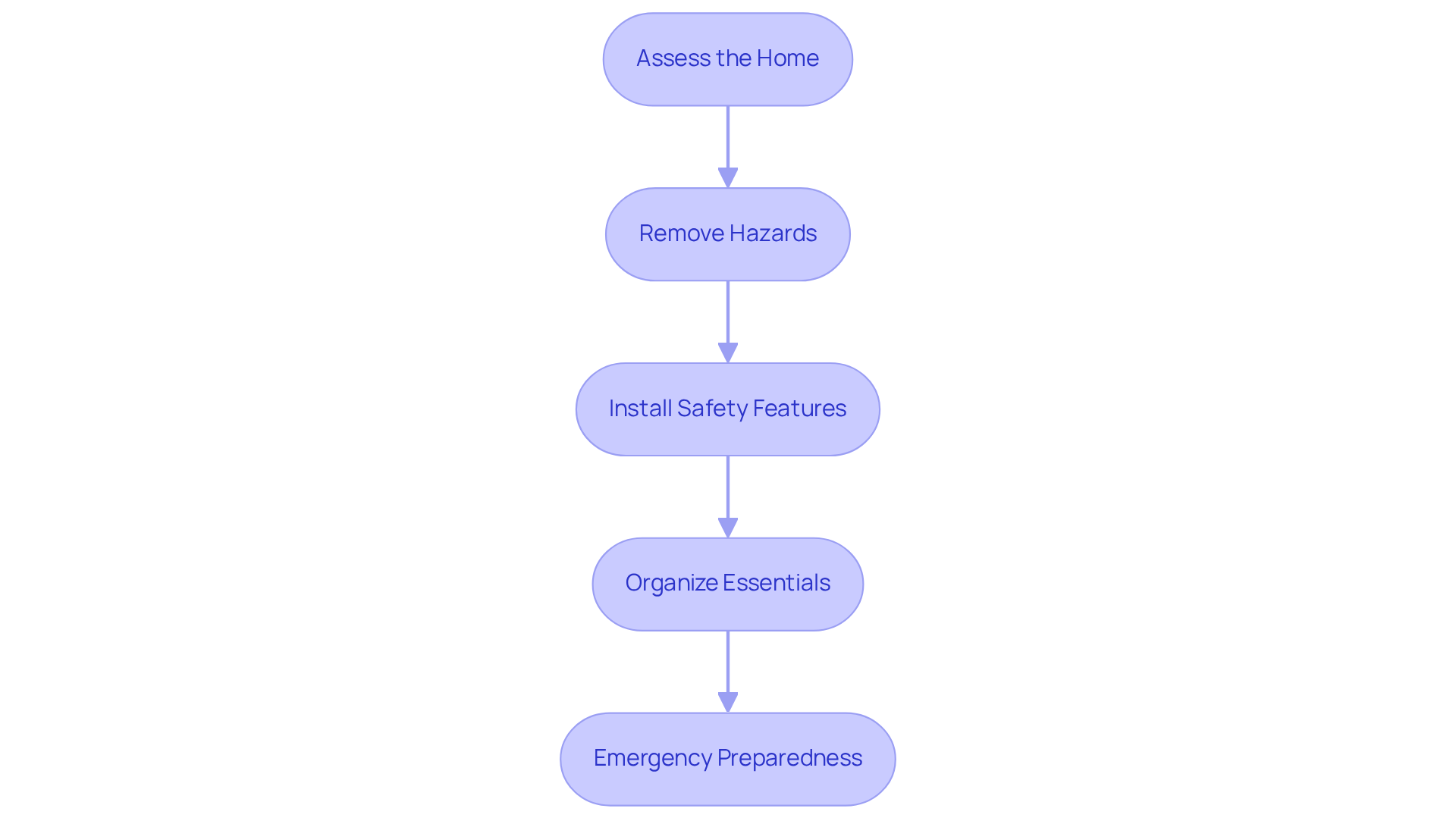
Assess the Home: Take a moment to walk through the living space. Look for potential hazards like loose rugs, clutter, and dim lighting. It’s important to note that more than one in four seniors aged 65 and older experiences a fall each year, with over 55% of these incidents occurring at home. This evaluation is crucial for their safety.
-
Remove Hazards: Clear pathways of any obstacles that could lead to trips or tumbles. Secure loose rugs with non-slip backing or consider removing them altogether. Simple modifications can significantly reduce the risk of falls, which are a leading cause of traumatic brain injuries in older adults.
-
Install Safety Features: Think about adding grab bars in bathrooms, non-slip mats in the shower, and handrails on staircases. Ensure that all areas are well-lit, especially hallways and stairways, to help prevent accidents. Successful home safety modifications, like those seen in Community-Based Injury Prevention Programs, show how effective these changes can be in reducing fall risks.
-
Organize Essentials: Keep frequently used items within easy reach. This helps prevent unnecessary stretching or bending. Use storage options that are accessible without needing to reach high places, which can help avoid accidents caused by overexertion.
-
Emergency Preparedness: Equip the home with emergency contact numbers, a first aid kit, and a medical alert system if needed. Make sure the elderly person knows how to use these resources. Regular wellness checks and accessible emergency systems can provide reassurance and enhance overall safety. With approximately 3 million emergency department visits each year due to accidents involving older individuals, this measure is vital.
By following these steps, caregivers can take care of old person and foster a supportive environment that promotes independence and reduces the risk of falls. This ultimately enhances the quality of life for elderly individuals at home, allowing them to feel safe and cared for.
Provide Nutritious Meals and Encourage Physical Activity
To take care of an old person can be both rewarding and challenging. To provide nutritious meals and encourage physical activity, consider these heartfelt suggestions:
-
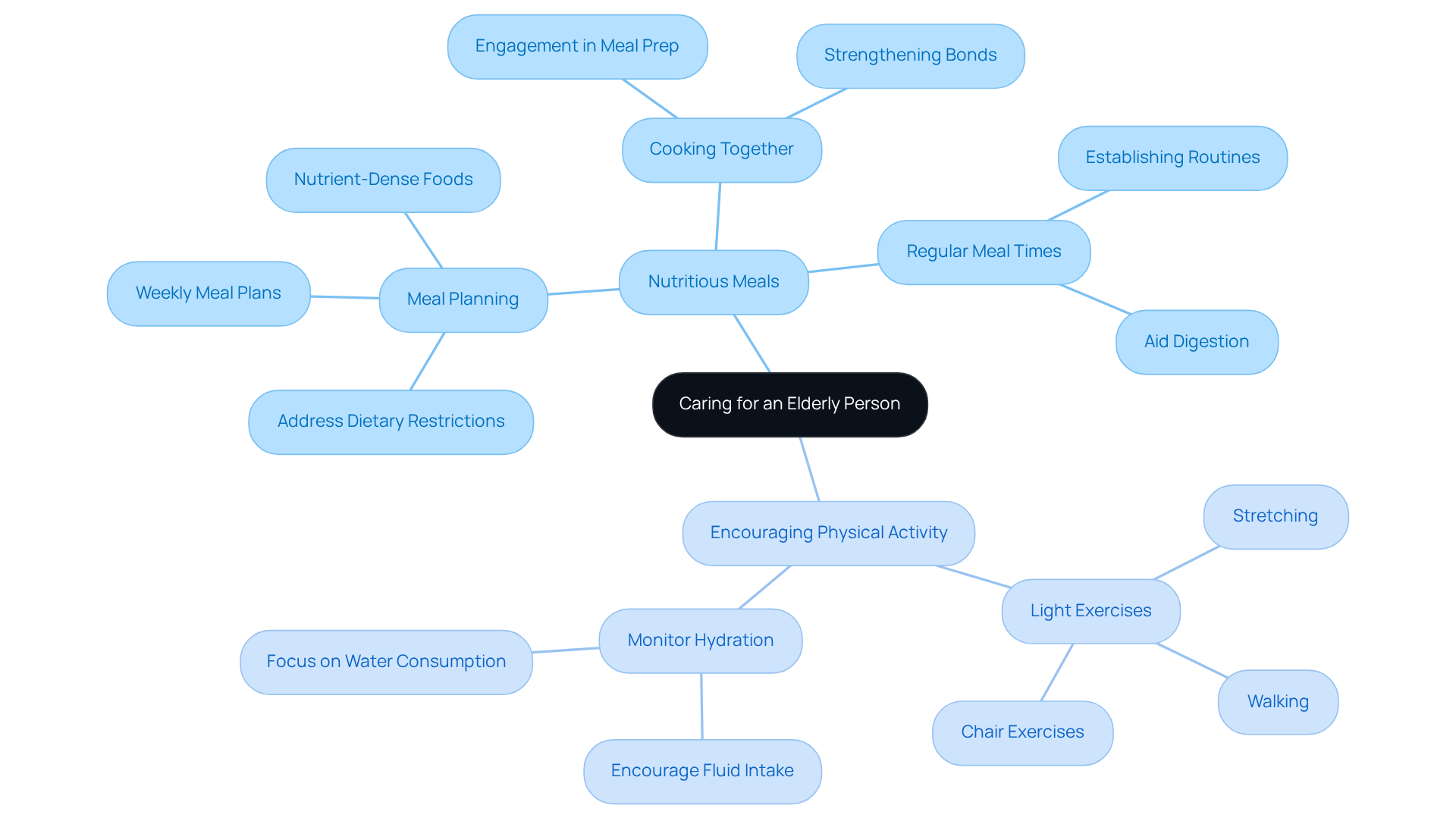
Meal Planning: Think about creating a weekly meal plan that includes a colorful variety of fruits, vegetables, whole grains, and lean proteins. Focus on nutrient-dense foods that cater to any dietary restrictions they may have. This not only nourishes their body but also shows that you care about their well-being.
-
Cooking Together: Involve your loved one in meal preparation. This can turn cooking into a joyful activity, allowing them to feel engaged and independent. Sharing these moments can strengthen your bond and create lasting memories.
-
Regular Meal Times: Establishing consistent meal times can help create a comforting routine. This simple act can aid digestion and regulate appetite, making mealtimes something to look forward to.
-
Encourage Physical Activity: Incorporate light exercises into their daily routine, such as walking, stretching, or chair exercises. Aim for at least 30 minutes of gentle activity most days of the week. It’s a wonderful way to boost their mood and overall health.
-
Monitor Hydration: Ensure they drink plenty of fluids throughout the day, especially water. Staying hydrated is crucial for their health and well-being.
By embracing these practices, you’re not just taking care of an old person; you’re nurturing a loving environment that fosters health and happiness.
Foster Social Connections and Promote Mental Stimulation
To foster social connections and promote mental stimulation, consider these nurturing strategies:
-
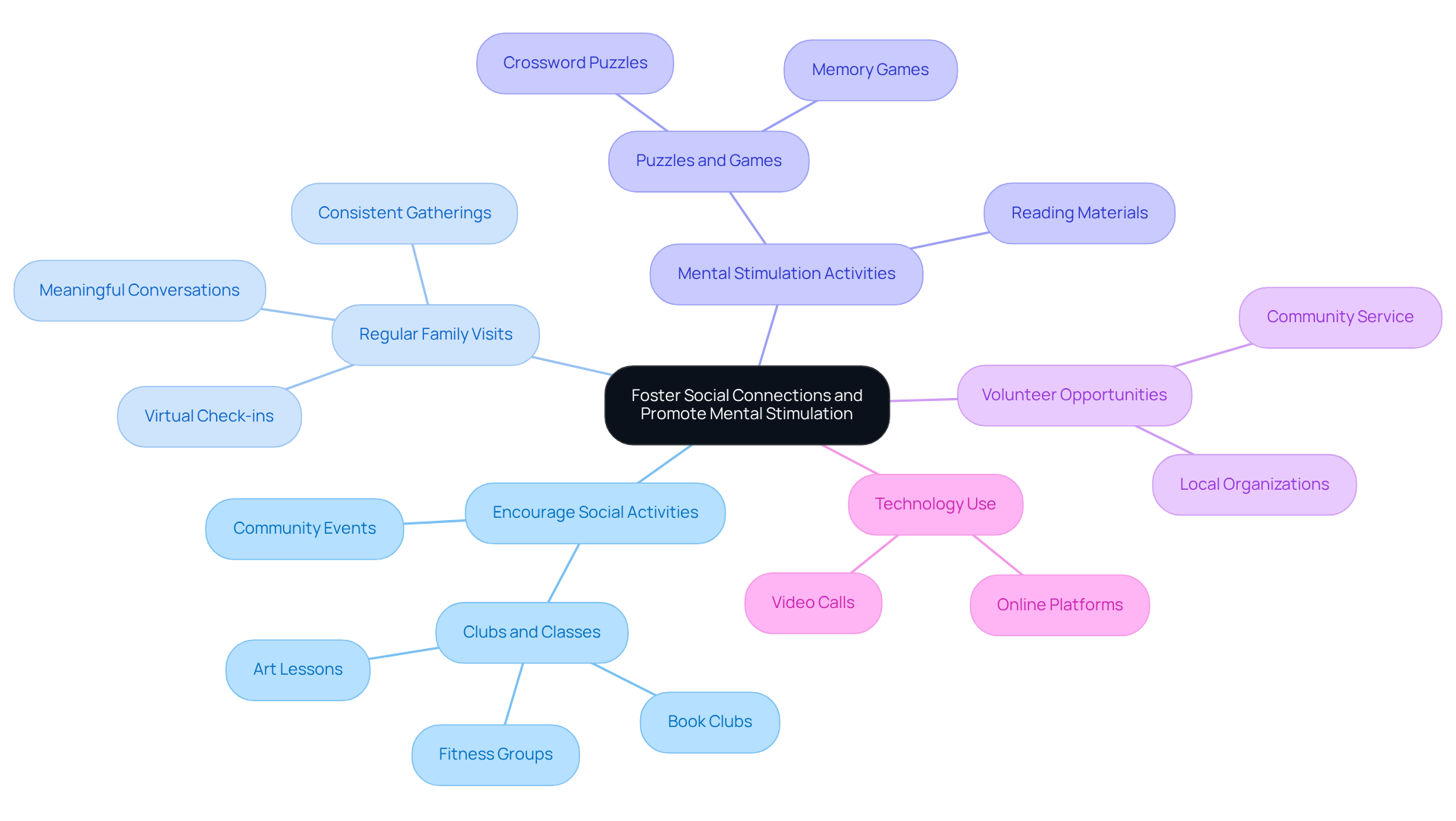
Encourage Social Activities: Help them engage in community events, clubs, or classes that resonate with their interests. Activities like art lessons, book clubs, or fitness groups can significantly enhance their interactions and overall happiness.
-
Regular Family Visits: Make it a point to schedule consistent family gatherings or virtual check-ins. These moments are vital for maintaining strong bonds with loved ones. Encourage family members to share meaningful conversations and activities, as regular contact can ease feelings of loneliness. This is especially important, given that over 50% of seniors with fair or poor health experience loneliness. Moreover, more than 70% of older adults facing mental health challenges report feelings of isolation, highlighting the urgent need for community involvement.
-
Mental Stimulation Activities: Introduce engaging puzzles, games, or reading materials that challenge their minds. Activities like crossword puzzles or memory games are particularly beneficial. Mental stimulation is linked to better cognitive function and a reduced risk of dementia. Additionally, community wellness plays a crucial role in lowering the risk of mental health issues such as depression and anxiety, making these activities even more essential.
-
Volunteer Opportunities: Encourage them to participate in local volunteer organizations. This not only fosters a sense of purpose but also strengthens community ties. Volunteering can enhance emotional well-being, leading to a more fulfilling life.
-
Technology Use: Teach them how to use technology to stay connected with friends and family through video calls or online platforms. This can greatly improve their social interactions, helping to combat isolation and foster a sense of belonging in our digital age. As noted by Somerby Mobile, "Social interaction enhances emotional stability, builds a sense of belonging, and helps people maintain a more active and purposeful life.
Monitor Health and Provide Emotional Support
To monitor health and provide emotional support, follow these guidelines:
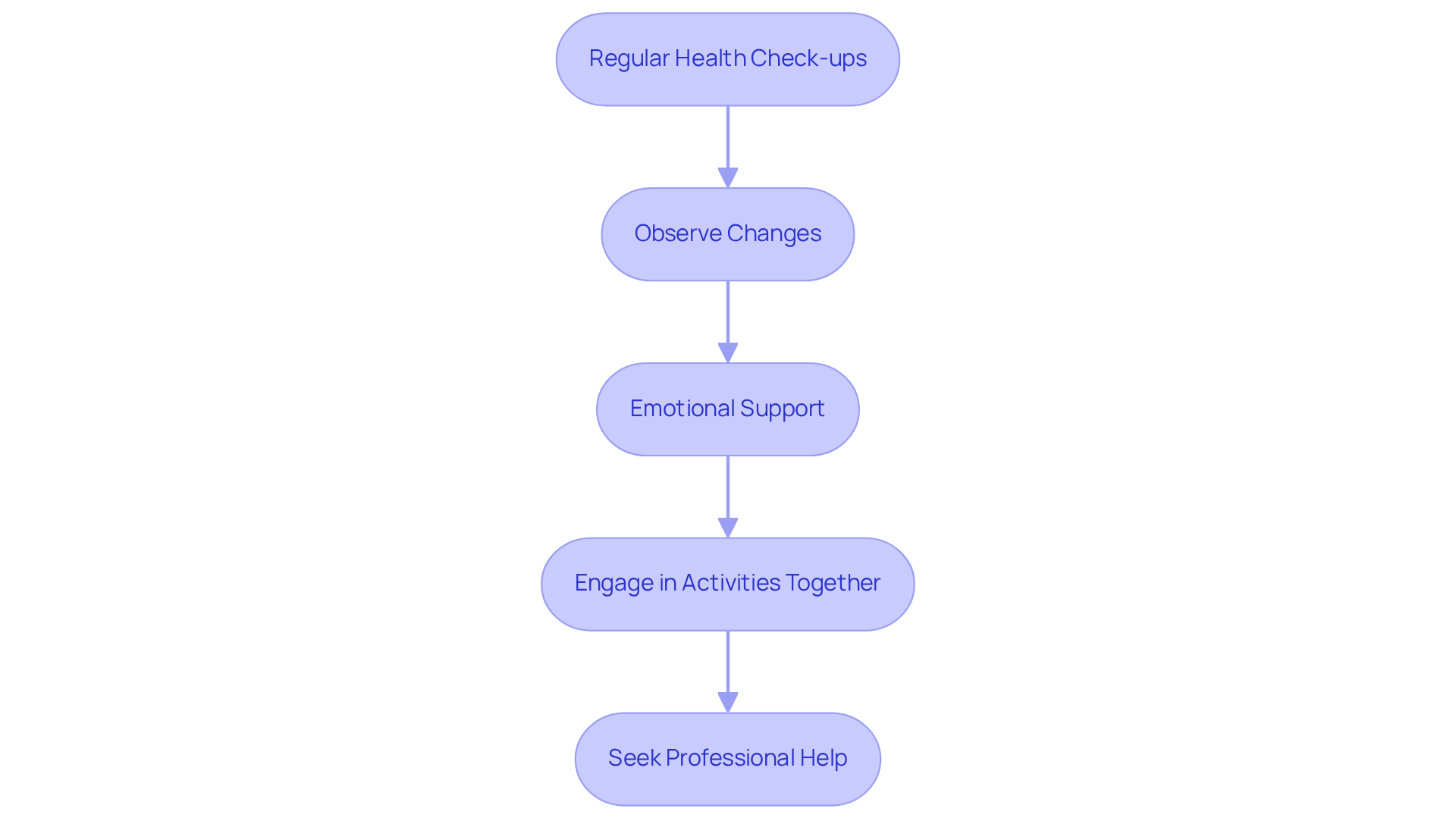
- Regular Health Check-ups: Schedule routine medical appointments and keep track of medications. Use a pill organizer to help manage daily doses.
- Observe Changes: Be vigilant for any changes in behavior, mood, or physical condition. Document these changes and discuss them with healthcare providers.
- Emotional Support: Offer a listening ear and validate their feelings. Encourage open communication about their fears or concerns regarding aging.
- Engage in Activities Together: Spend quality time engaging in activities they enjoy, whether it’s watching movies, gardening, or playing games. This can strengthen your bond and provide emotional comfort.
- Seek Professional Help: If signs of depression or anxiety arise, consider consulting a mental health professional who specializes in geriatric care.
Prioritize Self-Care for Family Caregivers
Taking care of an old person can be incredibly rewarding, but it often comes with its own set of emotional challenges. As a family caregiver, it’s essential to take care of old person and prioritize self-care. Here are some essential strategies to help you navigate this journey:
-
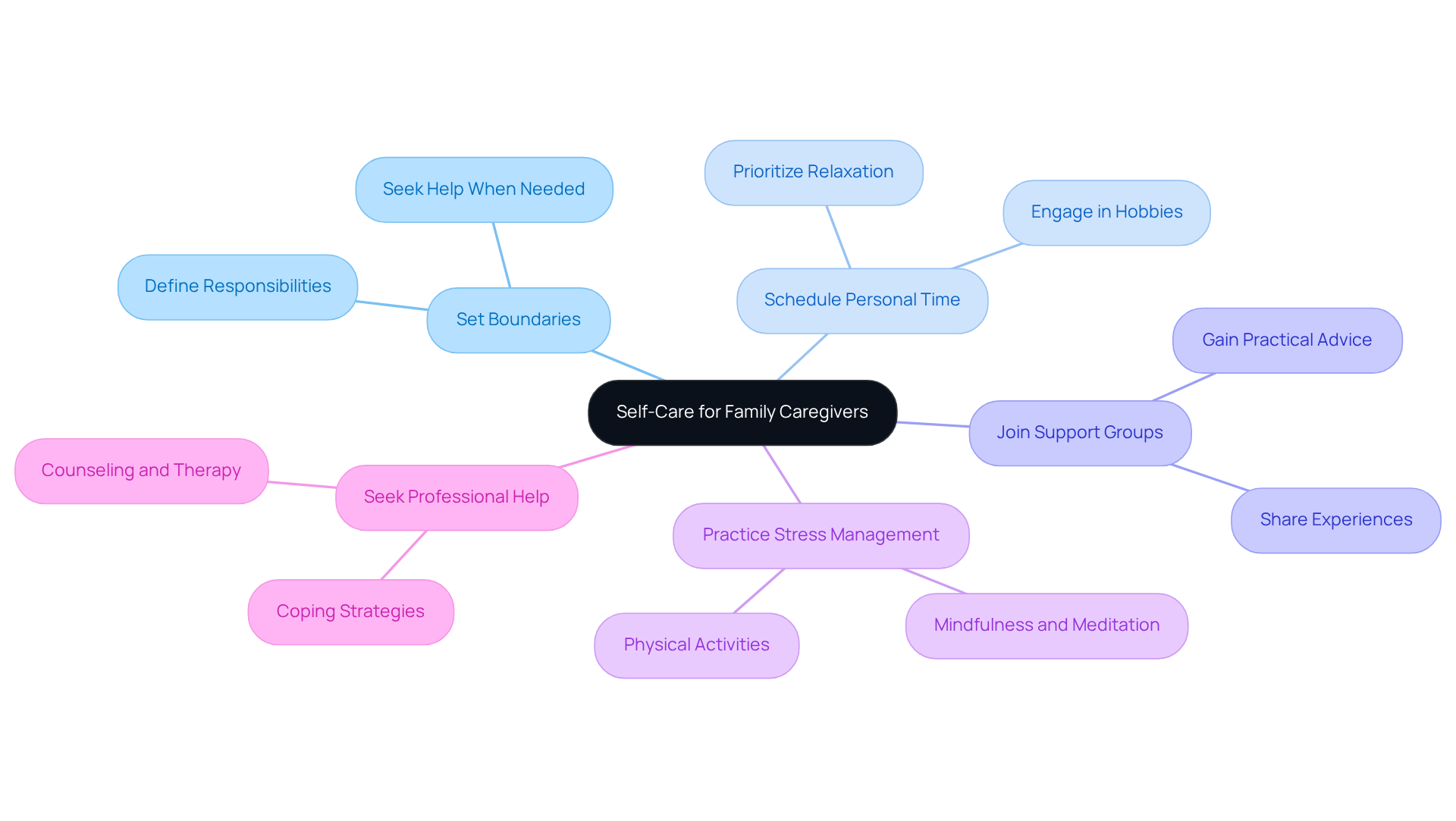
Set Boundaries: It’s important to clearly define your caregiving responsibilities. This helps to take care of old person feelings of being overwhelmed. Remember, it’s perfectly okay to seek help from family members or professional support when you need it.
-
Schedule Personal Time: Make it a point to allocate time each week for activities that bring you joy and relaxation. Whether it’s reading, exercising, or diving into a hobby, this personal time is vital for recharging your emotional batteries.
-
Join Support Groups: Connecting with others who are also providing care can be incredibly beneficial. Support groups, whether in-person or online, allow you to share experiences and insights. This not only provides emotional relief but also practical advice, fostering a sense of community. Many caregivers find that participating in these groups helps them feel less isolated and more empowered to take care of old person.
-
Practice Stress Management: Integrating stress-reducing techniques like mindfulness, meditation, or yoga into your daily routine can significantly enhance your mental health. These practices build resilience against caregiving stress. As Linda Simons, a primary provider, wisely states, "If you are a family provider, don’t let anyone shame you into thinking that self-care is selfish."
-
Seek Professional Help: If feelings of stress or burnout become overwhelming, consider reaching out to a counselor or therapist who specializes in caregiver support. Professional help can offer valuable coping strategies and emotional relief. It’s important to acknowledge that statistics show 47% of caregivers have experienced increased anxiety, depression, or other mental health issues in the past year. This underscores the importance of seeking help when you need it.
Your Path Forward
Creating a nurturing environment for elderly individuals at home is a profound commitment that truly enhances their quality of life. Caregivers often face emotional challenges, and by implementing thoughtful strategies, they can significantly improve safety, health, and emotional well-being. This allows seniors to maintain their independence and dignity, which is so important.
Essential steps include:
- Establishing a safe living space
- Providing nutritious meals
- Fostering social connections
- Monitoring health
- Prioritizing self-care for caregivers
Each of these components plays a crucial role in creating a holistic approach to elderly care. It’s about ensuring that both the physical and emotional needs of seniors are met effectively.
Ultimately, caring for an elderly person is not just about meeting their needs; it’s about enriching their lives. By embracing these practices and encouraging open communication, caregivers can cultivate a supportive atmosphere that nurtures both the elderly and themselves. Taking proactive steps in this direction can lead to a fulfilling experience for everyone involved. It reinforces the importance of compassion and understanding in the caregiving process, reminding us that we’re all in this together.
https://iframe.tely.ai/cta/eyJhcnRpY2xlX2lkIjogIjY5MWQwODg0MGNhYjQxNDQ1YTVmOGU2ZSIsICJjb21wYW55X2lkIjogIjY4ZWU1ZGNhNzMxNzYyNTU3ZjNjOTVjMSIsICJpbmRleCI6IG51bGwsICJ0eXBlIjogImFydGljbGUifQ==Frequently Asked Questions
Why is it important to create a safe and comfortable living space for an elderly person?
Creating a safe and comfortable living space is essential for the well-being of an elderly person, as it helps reduce the risk of falls and accidents, which are common among seniors.
What are some common hazards to look for in the home of an elderly person?
Common hazards include loose rugs, clutter, and dim lighting, all of which can contribute to falls and injuries.
How can I remove hazards from the living space?
Clear pathways of obstacles, secure loose rugs with non-slip backing or remove them, and make simple modifications to reduce fall risks.
What safety features should be installed in the home?
Consider adding grab bars in bathrooms, non-slip mats in the shower, handrails on staircases, and ensuring all areas are well-lit, particularly hallways and stairways.
How can I help an elderly person stay organized?
Keep frequently used items within easy reach and use accessible storage options to avoid unnecessary stretching or bending, which can lead to accidents.
What should be included in an emergency preparedness plan for an elderly person?
Equip the home with emergency contact numbers, a first aid kit, and a medical alert system, ensuring the elderly person knows how to use these resources.
How can I provide nutritious meals for an elderly person?
Create a weekly meal plan that includes a variety of fruits, vegetables, whole grains, and lean proteins, focusing on nutrient-dense foods that cater to any dietary restrictions.
What are the benefits of cooking together with an elderly person?
Involving them in meal preparation can make cooking a joyful activity, fostering engagement, independence, and strengthening bonds.
Why is it important to establish regular meal times?
Regular meal times create a comforting routine that can aid digestion and regulate appetite, making mealtimes more enjoyable.
How can I encourage physical activity for an elderly person?
Incorporate light exercises into their daily routine, such as walking, stretching, or chair exercises, aiming for at least 30 minutes of gentle activity most days of the week.
What should I monitor to ensure the elderly person stays healthy?
Ensure they drink plenty of fluids throughout the day, especially water, to stay hydrated, which is crucial for their health and well-being.