Best Practices for Introducing Puppies for Seniors at Home

For families in our service areas
For families in our service areas, this guide explains caregiving and how non-medical in-home caregiving can support care planning in East Idaho, Treasure Valley & Magic Valley, Northern Wasatch, North Central West Virginia & Southwestern Pennsylvania, and Northeast Ohio.
What You Need to Know About Best Practices for Introducing Puppies
Introducing a new puppy into a home with senior pets presents a significant challenge for caregivers. The delicate balancing act of ensuring both the new and existing animals feel safe and comfortable can lead to stress and anxiety for all involved. Without proper management, this transition can result in conflicts and discomfort among pets of different ages.
To navigate these complexities, caregivers must prioritize preparation and gradual acclimatization. Start by creating a safe space for the new puppy, away from the senior pets, allowing them to adjust to their new environment. Gradually introduce the animals to each other, using controlled interactions to monitor their behavior. This approach minimizes stress and fosters positive interactions.
Ongoing monitoring is crucial during this transition. Keep an eye on the dynamics between the pets, and be ready to intervene if necessary. Providing separate resources, such as food bowls and resting areas, can help reduce competition and promote harmony. By following these best practices, caregivers can facilitate a smoother introduction, ensuring a peaceful coexistence among their furry family members.
Prepare the Home Environment for a New Puppy
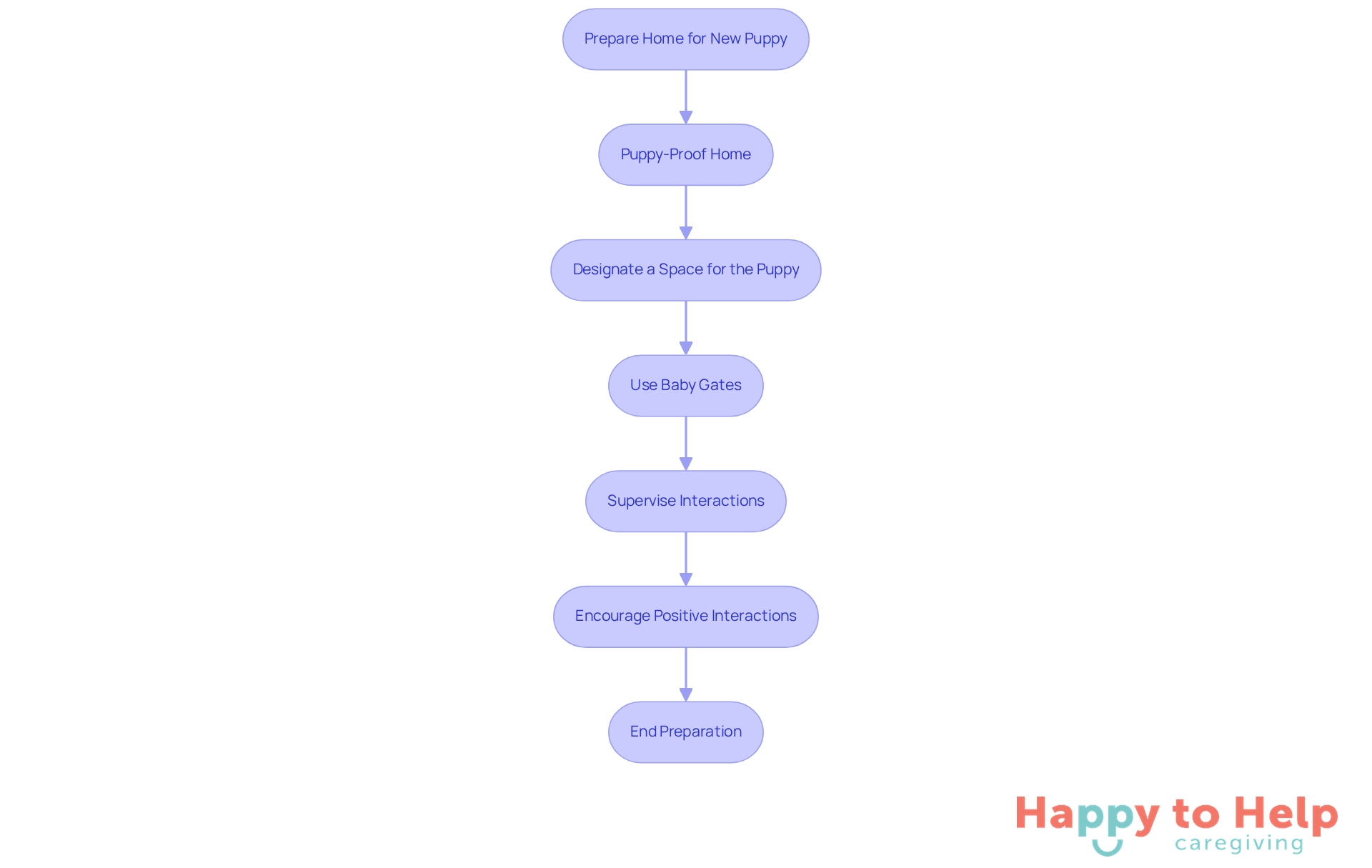
Integrating a new dog into a household with older pets presents a unique challenge. Without careful modifications, the introduction can lead to stress and discomfort for both the new and existing animals. It's essential to create a peaceful atmosphere that accommodates everyone involved.
To begin, puppy-proofing your home is crucial. Remove hazardous items, secure electrical cords, and eliminate small objects that could pose choking hazards. Designate a specific area for the new dog, complete with a cozy bed, toys, and food and water dishes. This space should be distinct from that of the older pets, allowing both animals to gradually acclimate to each other's presence without feeling threatened.
Using baby gates can effectively restrict access to certain areas, providing older pets with a safe retreat when needed. This preparation not only protects the young dog but also nurtures a sense of safety for the older pet, helping to alleviate stress during the transition. Caregivers should supervise the dogs continuously for the first week or two to ensure they feel comfortable with one another. Allowing the older dog and the young canine to sniff and interact freely can also reduce tension during encounters.
By establishing an organized atmosphere, caregivers can facilitate a smoother introduction. This approach encourages positive interactions and minimizes stress for both the new dog and the older animals.
Facilitate Gradual Introductions Between Pets
The process of introducing puppies for seniors to a senior pet can be quite challenging. Caregivers often face the problem of potential stress and territorial behavior from the older pet, which can lead to conflict and anxiety for both animals.
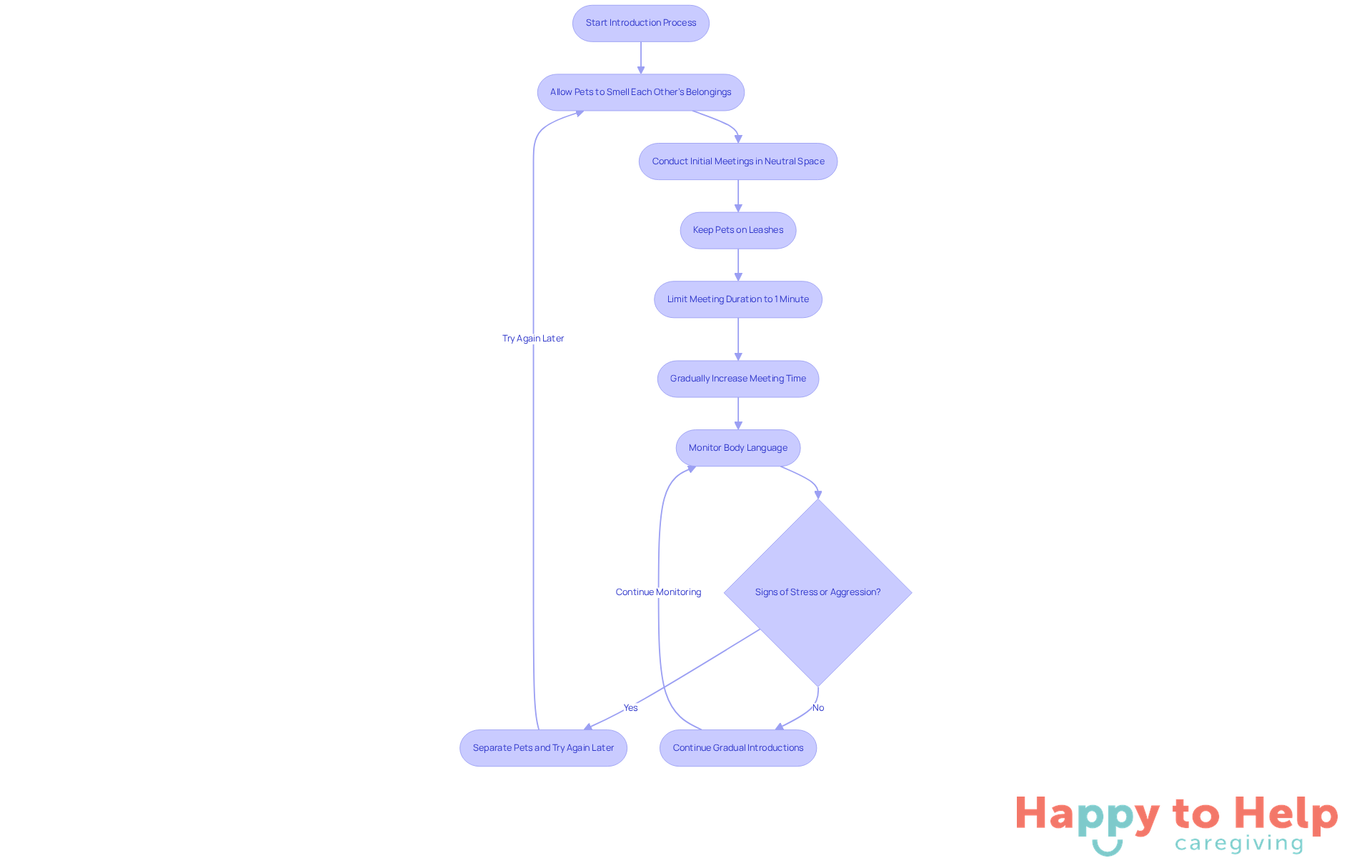
To mitigate these issues, start with gradual interactions. Allow the pets to smell each other's belongings, such as toys or blankets, to familiarize themselves with each other's scents. Next, conduct initial meetings in a neutral space, like a backyard or park, where neither pet feels territorial. Keep both animals on leashes during these introductions to maintain control.
Limit the duration of these meetings to one minute or less to prevent overstimulation. Gradually increase the time as they become more comfortable with each other. Monitor their body language closely; signs of stress or aggression should be addressed immediately by separating them and trying again later. This slow approach helps build positive associations and reduces anxiety for both pets.
As Dr. Emily Weiss, an animal behaviorist, states, introducing puppies for seniors to an older canine is 'a marathon, not a sprint.' Additionally, ensure both dogs are up-to-date on vaccinations before the introduction process to promote a safe environment.
Set Clear Boundaries and Training Expectations
Introducing a new dog to a senior pet can be challenging. Many caregivers face the problem of emotional difficulties during these encounters, as highlighted by a study showing that 85.9% of dogs exhibit moderate-to-severe separation-related behaviors. This can lead to stress for both pets, making it crucial to establish clear boundaries.
To address this issue, caregivers should:
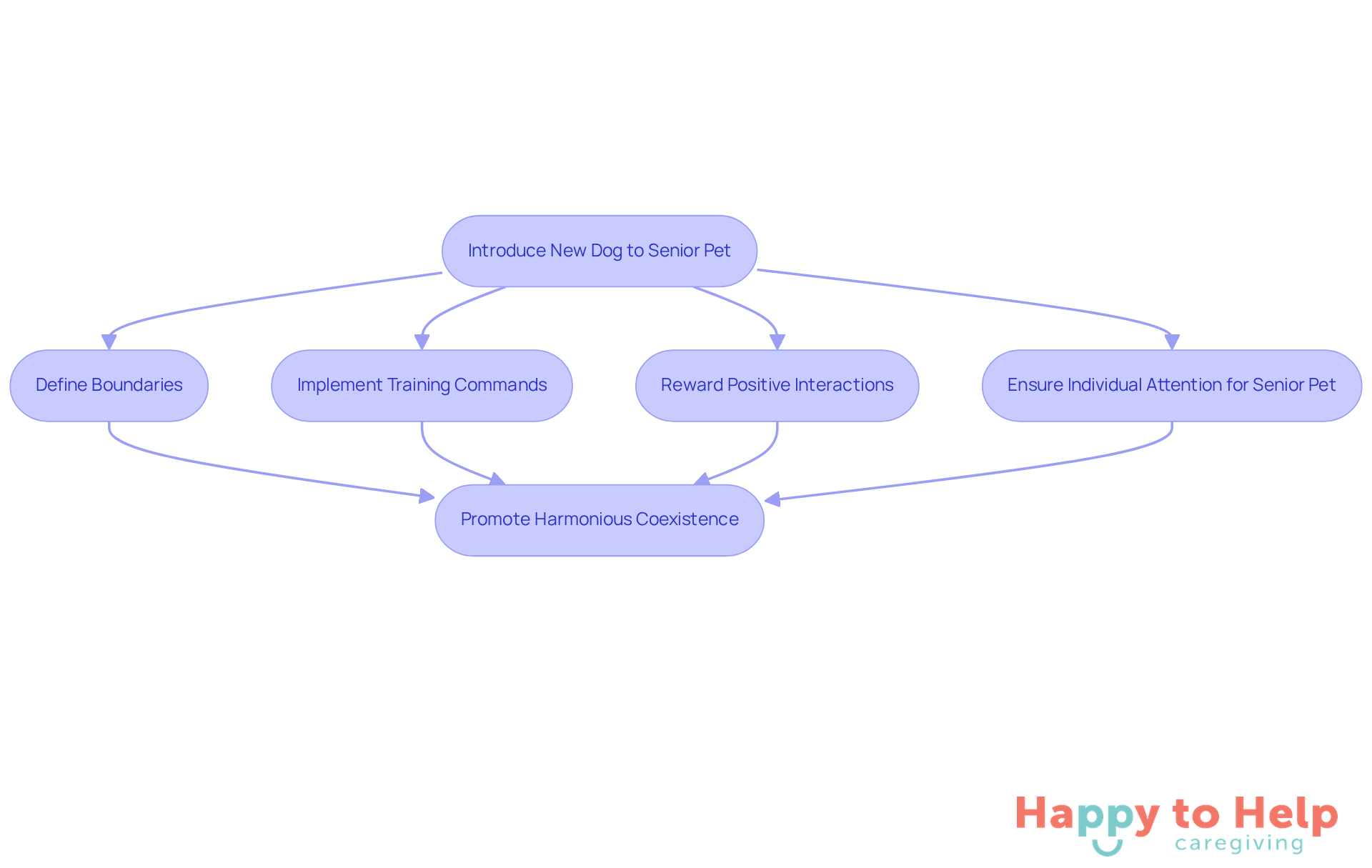
- Define specific areas where the puppy is allowed and where they are not, utilizing baby gates or crates as needed.
- Implement consistent training commands, such as 'sit,' 'stay,' and 'leave it,' for both animals to promote good behavior.
- Reward positive interactions to reinforce calmness and cooperation, helping both pets adjust to their new dynamic.
Additionally, it's vital to ensure that the senior pet receives individual attention and care to prevent feelings of jealousy or neglect, as emphasized by trainer Juliana DeWillems. Training sessions should be short and engaging, focusing on positive reinforcement to encourage desired behaviors. As noted by Dick, successful introductions take time, patience, and consistency.
By following this organized method, both animals can better comprehend their roles, promoting a harmonious coexistence and facilitating a smoother transition for everyone involved.
Monitor Interactions and Adjust Care Strategies
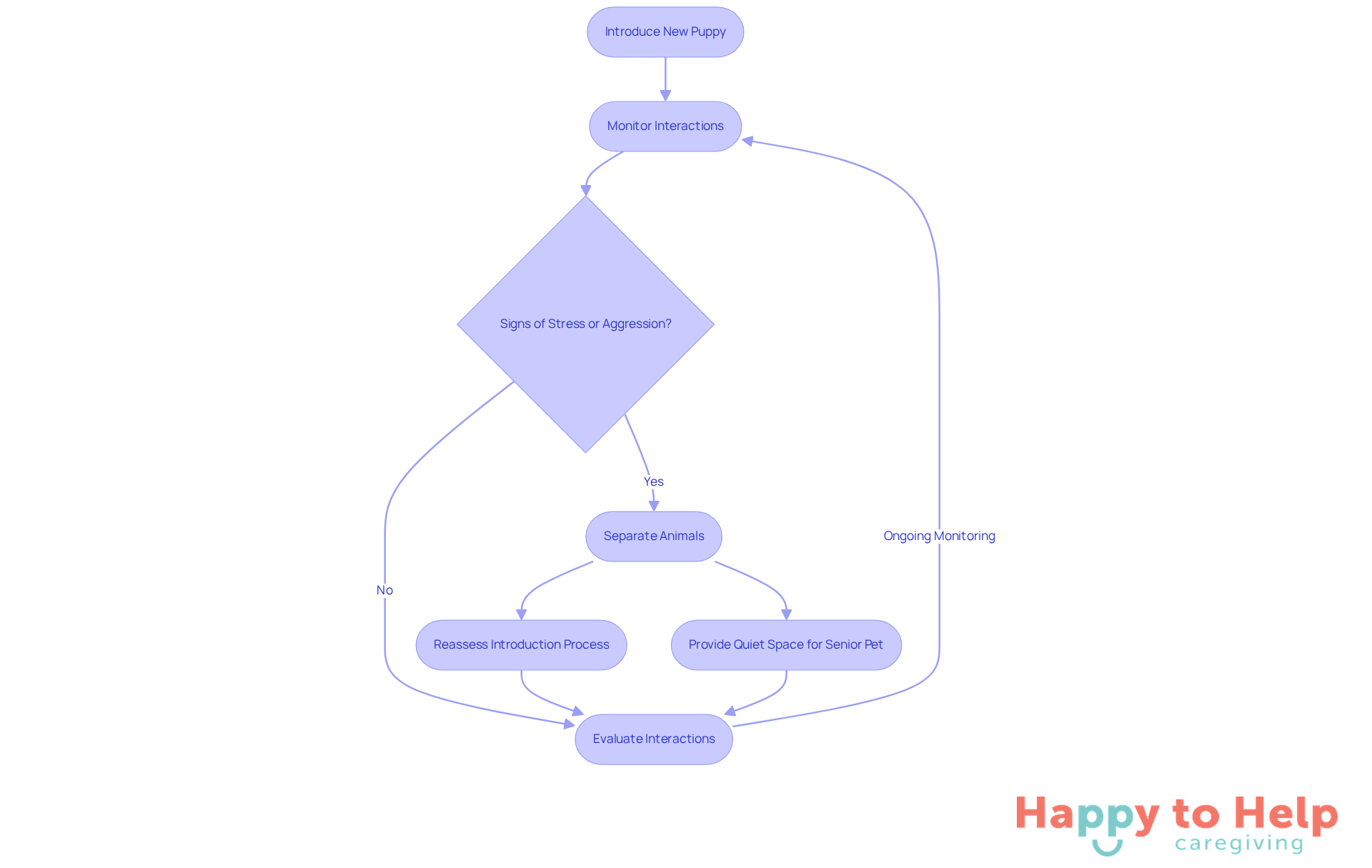
Introducing a new puppy to an older pet can be a challenging experience. Caregivers often face the problem of ensuring both animals feel comfortable and safe during this transition. Signs of stress, aggression, or discomfort can arise, making it crucial to monitor their interactions closely.
If conflicts occur, it’s important to separate the animals and reassess the introduction process. This can help prevent further stress and allow for a more gradual reintroduction. For instance, if the senior pet appears overwhelmed, providing them with a quiet space to retreat can be beneficial.
To foster a positive relationship over time, caregivers should consistently evaluate the interactions between the pets. Be prepared to adjust routines or training methods as necessary. This ongoing monitoring not only ensures the safety of both pets but also helps build a secure environment where they can thrive together.
Your Path Forward
Introducing a puppy into a home with senior pets can be a challenging endeavor. Caregivers often face the problem of ensuring a harmonious transition, as the stress associated with such introductions can affect both the new puppy and the existing pets. Without proper planning, this process can lead to anxiety and discomfort for all involved.
To address these challenges, it’s crucial to create a safe and welcoming environment. Key strategies include:
- Puppy-proofing the home
- Facilitating controlled interactions
- Setting clear training expectations that cater to the needs of both animals
Monitoring their interactions and adjusting care strategies as needed can further enhance their relationship, allowing each pet to feel secure and comfortable.
Patience and consistency are vital for fostering positive interactions. By embracing these best practices, caregivers not only ensure the well-being of their pets but also enrich their own lives, creating a joyful and balanced environment. Ultimately, the journey of integrating a new puppy into a senior pet household, when approached with care and understanding, can lead to rewarding companionship for everyone involved.
https://iframe.tely.ai/cta/eyJhcnRpY2xlX2lkIjogIjY5NDBhMjIwOTc5ZjhiMGM0MmQzYjU3NCIsICJjb21wYW55X2lkIjogIjY4ZWU1ZGNhNzMxNzYyNTU3ZjNjOTVjMSIsICJpbmRleCI6IG51bGwsICJ0eXBlIjogImFydGljbGUifQ==Frequently Asked Questions
What is the main challenge when introducing a new puppy to a household with older pets?
The main challenge is that without careful modifications, the introduction can lead to stress and discomfort for both the new and existing animals.
What is the first step in preparing the home for a new puppy?
The first step is puppy-proofing the home by removing hazardous items, securing electrical cords, and eliminating small objects that could pose choking hazards.
How should the new puppy's area be set up?
The new puppy's area should be designated with a cozy bed, toys, and food and water dishes, and it should be distinct from the areas of the older pets to allow gradual acclimation.
How can baby gates be used during the introduction of a new puppy?
Baby gates can restrict access to certain areas, providing older pets with a safe retreat when needed, which helps alleviate stress during the transition.
What is recommended for supervising the dogs during the first few weeks?
Caregivers should supervise the dogs continuously for the first week or two to ensure they feel comfortable with one another.
How can positive interactions be encouraged between the new puppy and older pets?
Allowing the older dog and the young canine to sniff and interact freely can help reduce tension during encounters and encourage positive interactions.
What is the overall goal of preparing the home environment for a new puppy?
The overall goal is to create a peaceful atmosphere that accommodates everyone involved, facilitating a smoother introduction and minimizing stress for both the new dog and the older animals.
List of Sources
- Prepare the Home Environment for a New Puppy
- How to Introduce a New Puppy to Your Older Dog (https://rover.com/uk/blog/introduce-new-puppy-older-dog)
- 100 Pet Care Industry Statistics for 2025 (https://petpalaceresort.com/100-pet-care-industry-statistics)
- HSNT | Introducing Your New Puppy To Your Senior Dog (https://hsnt.org/post/introducing-your-new-puppy-to-your-senior-dog)
- 6 Tips for Introducing a New Puppy to Your Dog - Astro Loyalty (https://astroloyalty.com/6-tips-for-introducing-a-new-puppy-to-your-dog)
- Facilitate Gradual Introductions Between Pets
- The Right Way to Introduce a New Dog to an Old Dog - Doyalson Animal Hospital (https://doyalsonvet.com.au/2023/04/12/the-right-way-to-introduce-a-new-dog-to-an-old-dog)
- How Do I Introduce a New Puppy to an Older Dog? (https://americanbreeder.com/resources/american-breeder-blog/dogs/introducing-new-puppy-to-older-dog)
- How to Introduce a New Puppy to Your Older Dog (https://phidirect.com/blog/how-to-introduce-a-new-puppy-to-your-older-dog)
- Dogs and Cats: Learning to Get Along (https://petsit.com/dogs-and-cats-learning-to-get-along)
- MMA Case Study Hub | Using Pets to Predict Natural Disasters (https://mmaglobal.com/case-study-hub/case_studies/view/92006)
- Set Clear Boundaries and Training Expectations
- Introducing a New Puppy to an Older Dog - Companion Animal Fund (https://cafva.org/introducing-a-new-puppy-to-an-older-dog)
- Use These Expert Tips When Introducing a New Pet to Your Household (https://northernvirginiamag.com/family/2025/10/09/use-these-expert-tips-when-introducing-a-new-pet-to-your-household)
- 46 Incredible Quotes About Dog Training to Motivate You (https://sierradelta.com/blog/46-incredible-quotes-about-dog-training-to-motivate-you)
- Introducing a New Puppy to Your Older Dog: 10 Helpful Tips (https://fonjonpetcare.com/10-tips-for-introducing-a-new-puppy-to-an-older-dog)
- Understanding the Prevalence of Behavior Problems in Dogs – Insights from the Dog Aging Project — Faithfully Yours Dog Training | Florence, MS (https://fydogtraining.com/training-tips/behavioral-problems-in-dogs-insights)
- Monitor Interactions and Adjust Care Strategies
- How to Introduce a New Puppy to Your Current Dog | Dog Savvy (https://dogsavvyslc.com/blog/2023/8/7/how-to-keep-current-dog-happy-when-introducing-puppy)
- Inspirational words from veterinarians | dvm360 (https://dvm360.com/view/inspirational-words-veterinarians)
- Preventing Problems Between Puppies & Older Dogs — Take the Lead K9 Training (https://taketheleadk9training.com/blog/2018/2/25/preventing-problems-between-puppies-older-dogs)
- Ten Famous Quotes About Veterinarians And Their Impact (https://petdesk.com/blog/famous-quotes-about-veterinarians)
- Introduction of a New Pet to Other Pets - Aztec Animal Clinic (https://aztecanimalclinic.com/resources-2/pet-care-library/general/introduction-new-pet-pets)