
Caring for Aging Parents: Steps to Create a Supportive Care Plan

For families in our service areas
For families in our service areas, this guide explains caregiving and how non-medical in-home caregiving can support care planning in East Idaho, Treasure Valley & Magic Valley, Northern Wasatch, North Central West Virginia, and Northeast Ohio.
The Importance of Caring for Aging Parents: Steps to
Caring for aging parents presents a unique blend of emotional and practical challenges. Caregivers often feel overwhelmed and isolated, struggling to balance their loved ones' needs with their own well-being. This situation can lead to stress and burnout, making it crucial to address these issues head-on.
To navigate this complex landscape, caregivers must create a supportive care plan. This guide outlines essential steps to assess their loved ones' needs while also prioritizing their own health. By exploring effective strategies and resources, caregivers can find a path toward a more manageable and fulfilling caregiving experience.
Here are some actionable tips:
- Assess Needs: Regularly evaluate the physical and emotional needs of your loved ones.
- Set Boundaries: Establish clear limits to protect your own time and energy.
- Seek Support: Don’t hesitate to reach out to family, friends, or professional services for help.
By implementing these strategies, caregivers can better manage their responsibilities while ensuring their own emotional and physical health remains intact.
Recognize the Emotional and Practical Challenges of Caregiving
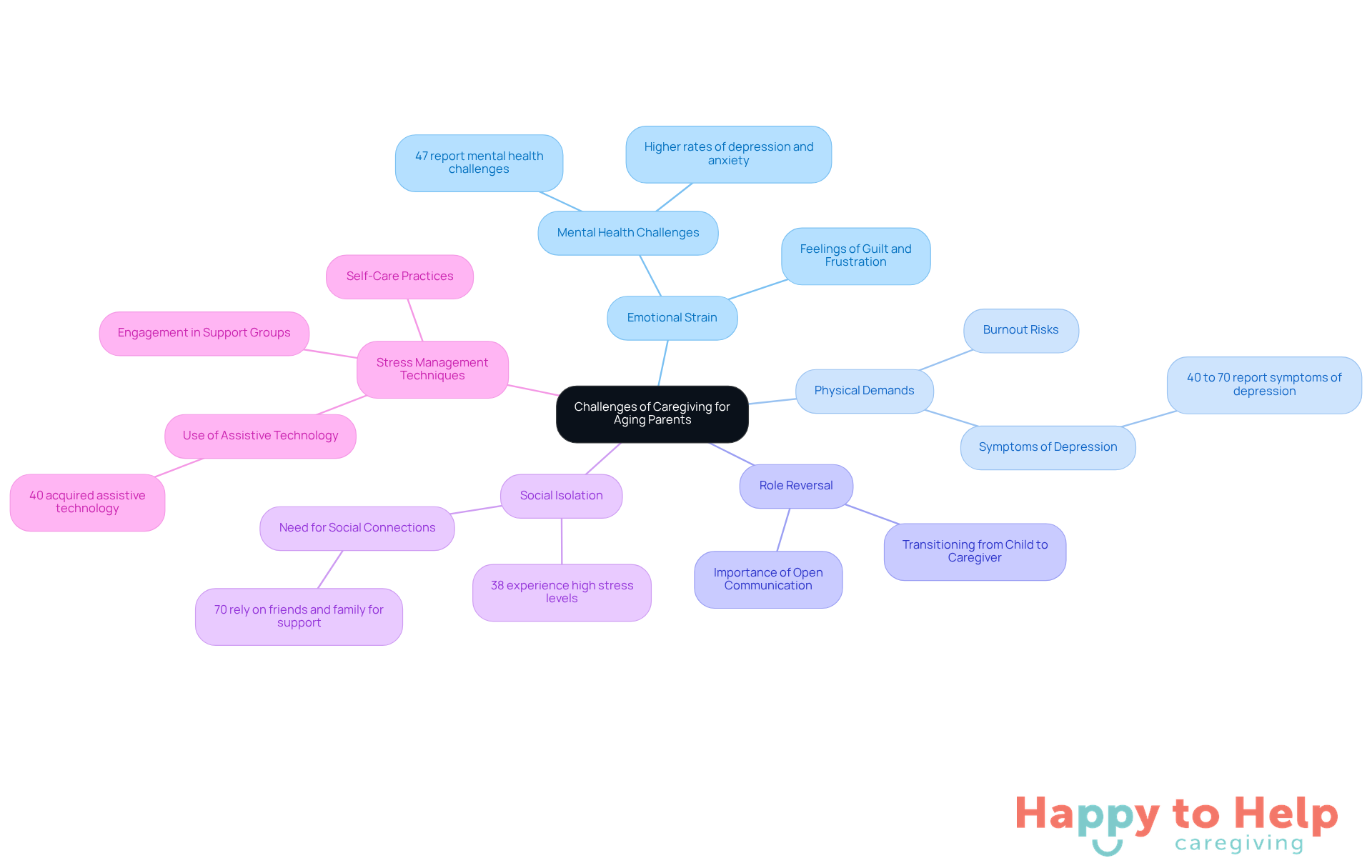
Caring for aging parents can bring about a complex mix of emotions, including guilt, frustration, and sadness. Recognizing these feelings is crucial for effective management, particularly in the context of caring for an aging parent. Here are some common challenges caregivers face:
-
Emotional Strain: A significant percentage of caregivers, approximately 47%, reported mental health challenges in the past year. Many experience heightened levels of stress and anxiety while caring for an aging parent. Family supporters who are involved in caring for aging parents experience higher rates of depression, anxiety, burnout, and stress-related health conditions compared to non-supporters. Seeking support from friends, family, or support groups can be beneficial in navigating the emotional hurdles of caring for an aging parent.
-
The physical demands associated with caring for an aging parent can be taxing. Many individuals in this role report symptoms of depression at rates between 40% and 70%. It’s essential to be aware of your physical limits and take breaks when needed to prevent burnout. Notably, around 40% of family supporters caring for aging parents with dementia experience depression, emphasizing the emotional strain on caregivers.
-
Role reversal: Transitioning from child to caregiver while caring for an aging parent can be particularly challenging. Open communication with your parents about this shift in roles is vital for maintaining a healthy relationship while caring for an aging parent and ensuring mutual understanding.
-
Caregivers, especially those engaged in caring for aging parents, often feel isolated from their social circles. Studies indicate that 38% have experienced high stress levels, particularly when caring for an aging parent. To tackle loneliness, especially when caring for an aging parent, it’s essential to maintain connections with friends and participate in social activities, which can offer emotional relief and assistance. Roughly 70% of those caring for aging parents rely on friends and family for information, help, or guidance, highlighting the importance of social connections in managing stress related to caregiving.
-
Real-life instances of successful stress management techniques involve allocating time for self-care, employing assistive technology to simplify caregiving duties-40% of family supporters acquired assistive technology for their recipient-and engaging in support groups for caregivers. These methods not only assist in handling stress but also promote a sense of community among those caring for aging parents.
-
Healthcare professionals stress the significance of acknowledging the physical demands of caring for an aging parent. Those who are caring for an aging parent should prioritize their health to deliver the best service possible. Many providers experience financial pressure, frequently covering care-related costs themselves, which adds another layer of difficulty. By recognizing these challenges and applying supportive strategies, caregivers can improve their well-being while caring for aging parents and meeting their obligations.
Assess the Unique Needs of Your Aging Parents
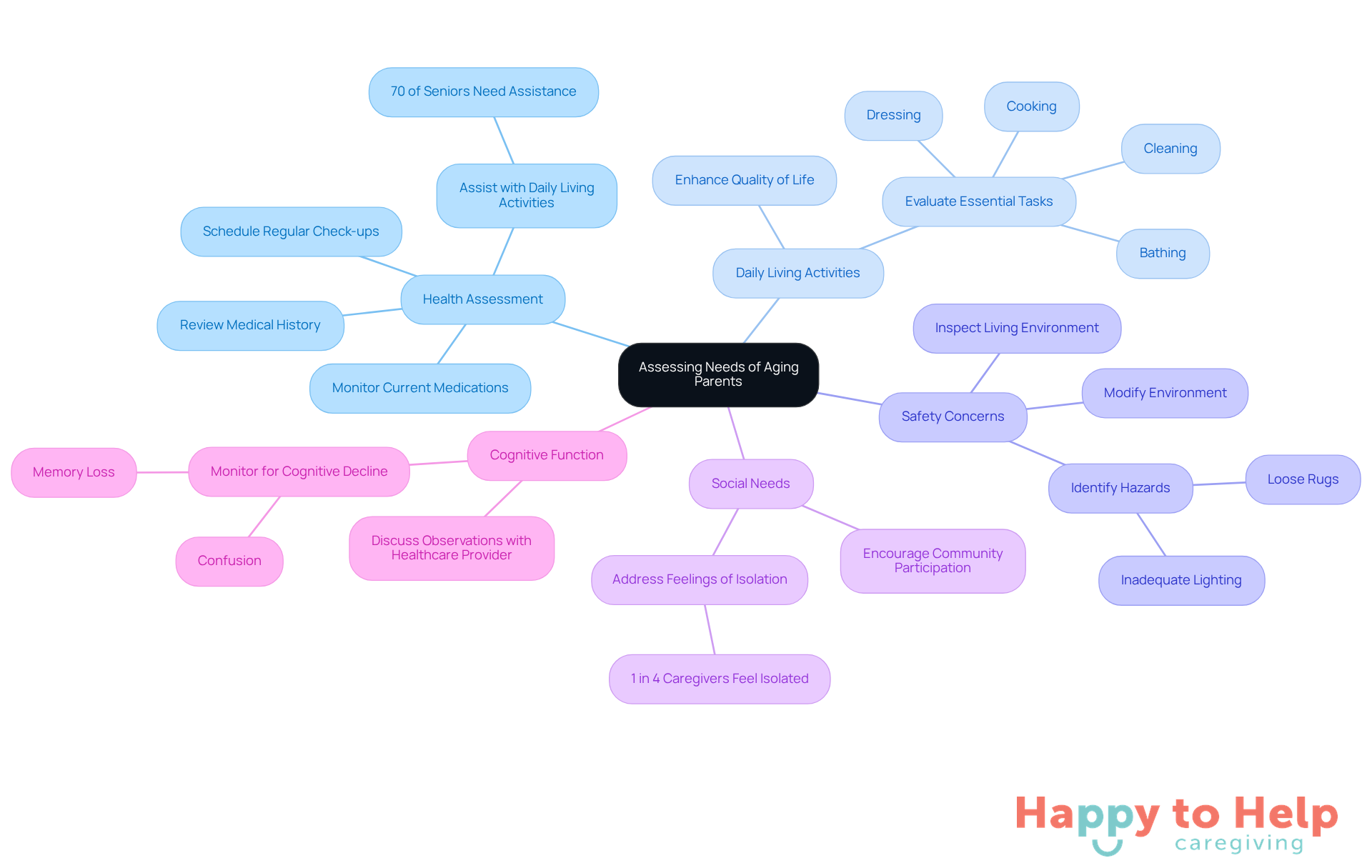
Creating an effective care plan for caring for aging parents can be challenging. Caregivers often face the daunting task of assessing their loved ones' needs while caring for an aging parent across several key areas.
-
Health Assessment: Start by reviewing their medical history, current medications, and ongoing treatments. Regular health check-ups are crucial; nearly 70% of seniors require assistance with daily living activities. This statistic underscores the importance of closely monitoring their health.
-
Daily Living Activities: Evaluate their ability to perform essential tasks like bathing, dressing, cooking, and cleaning. Identifying specific areas where they may need help can significantly enhance their quality of life and independence.
-
Safety Concerns: Inspect their living environment for potential hazards, such as loose rugs or inadequate lighting. Making necessary modifications can greatly reduce the risk of falls and injuries, which are common among seniors.
-
Social Needs: Consider their social interactions and emotional well-being. Encouraging participation in community activities or social groups can help alleviate feelings of isolation. This is particularly important, as nearly one in four caregivers report feeling socially isolated themselves.
-
Cognitive Function: Be vigilant for signs of cognitive decline, such as memory loss or confusion. Discuss any observations with their healthcare provider, as early intervention can lead to better outcomes.
By focusing on these aspects, you can develop a supportive plan for caring for aging parents that addresses the distinct requirements of your elderly relatives. This ensures they receive the help and attention essential for them to thrive.
Develop a Comprehensive Care Plan
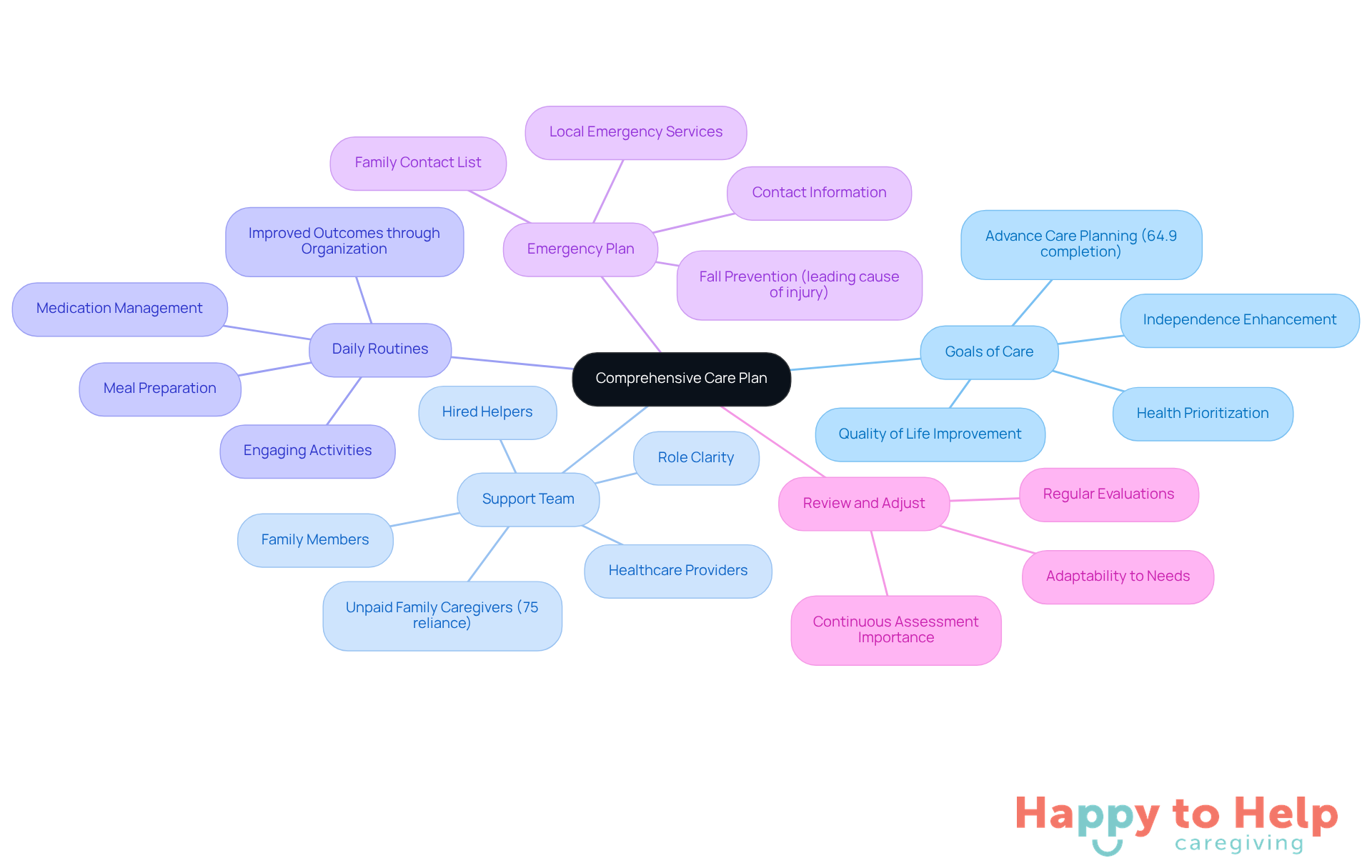
Caring for aging parents can be a daunting task for caregivers, often filled with challenges that can impact both the caregivers and their loved ones. To navigate this complex journey effectively, a well-structured care plan is essential. Here are several key components to consider:
-
Goals of Care: Start by establishing clear and achievable goals that prioritize your parents' health, independence, and overall quality of life. For example, setting specific targets for daily activities or health management can significantly enhance their well-being. Notably, recent studies show that 64.9% of older adults have completed at least one advance planning (ACP) activity, underscoring the importance of organized goal-setting in treatment plans.
-
Support Team: Next, identify all individuals involved in their support, including family members, healthcare providers, and hired helpers. Clearly defining each person's roles and responsibilities fosters effective communication and collaboration. It's important to note that three-quarters of older adults with functional or cognitive impairments rely on unpaid relatives for assistance, highlighting the essential role of family caregivers in the support team.
-
Daily Routines: Creating a detailed daily schedule is crucial. This should include medication management, meal preparation, and engaging activities. Keeping your parents active and engaged can help preserve their physical and mental well-being. Research indicates that organized routines lead to improved outcomes for older adults.
-
Emergency Plan: Formulating a comprehensive emergency plan is vital. This plan should include contact information for healthcare providers, local emergency services, and family members. Being prepared to respond swiftly in case of an emergency is crucial, especially since falls are the leading cause of injury among seniors. This statistic emphasizes the importance of having a robust emergency plan in place.
-
Review and Adjust: Finally, regularly evaluate the support plan to ensure it remains relevant and effective. Be adaptable and open to making changes as your family's needs evolve. Continuous assessment is key to preserving their quality of life.
Integrating these components into a care plan is essential for caring for aging parents, as it not only addresses immediate needs but also lays the groundwork for ongoing support. This enables families to manage the challenges of caregiving with confidence. As senior support consultants often emphasize, establishing attainable assistance objectives is essential for ensuring that aging parents receive the best possible care.
Utilize Available Resources and Support Systems
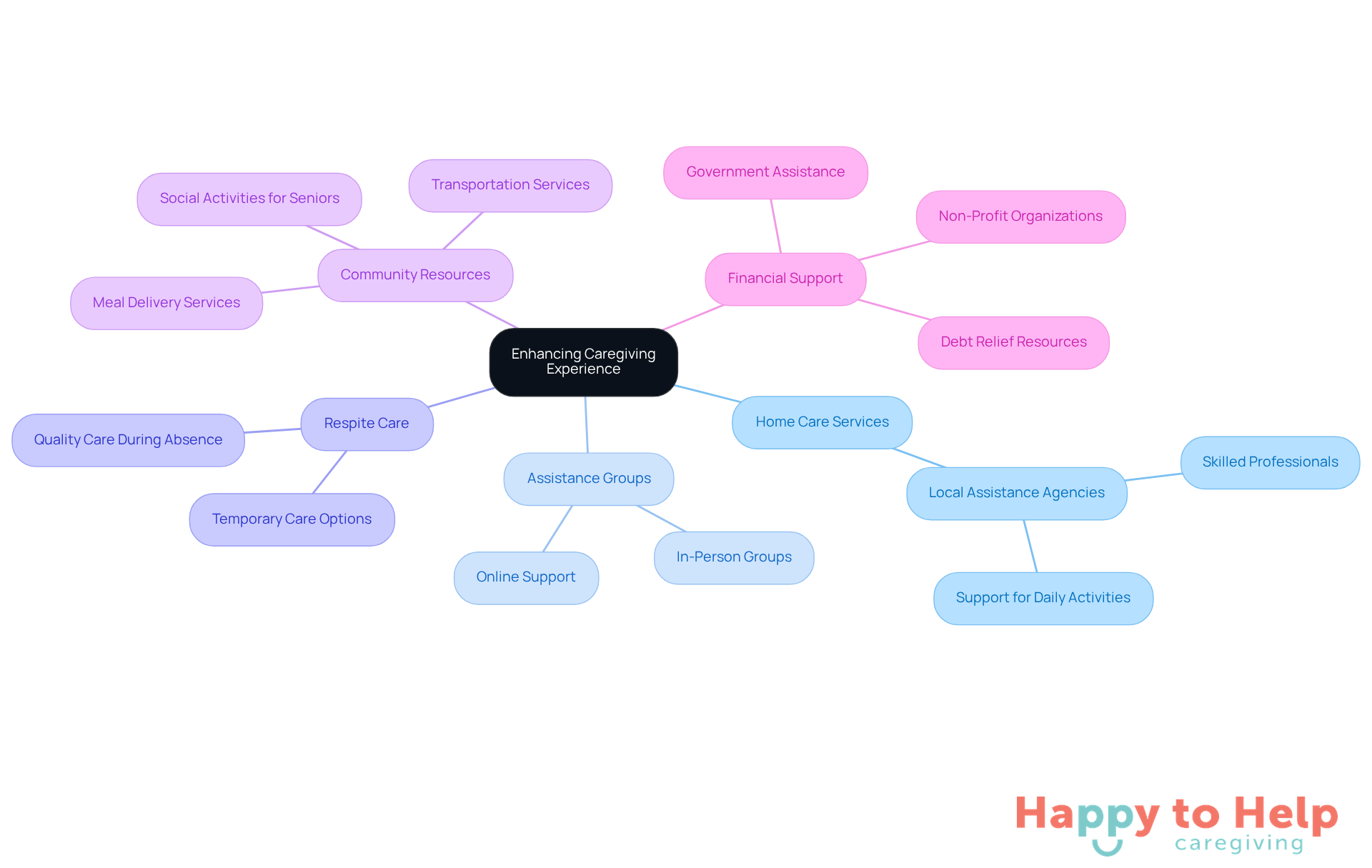
To enhance your caregiving experience, it's essential to address the challenges you face and explore available resources:
Problem: Caregiving can be overwhelming. With 63 million U.S. adults currently providing care, many find themselves burdened by daily responsibilities and emotional strain.
Agitate: This role often leads to a decrease in positive activities in caregivers' lives, with many feeling isolated and in need of support. In fact, 88% of families believe they require additional guidance in managing senior services, highlighting the urgency of finding effective solutions.
Solution: Here are some resources that can help:
-
Home Care Services: Look into local home assistance agencies that provide skilled professionals to support daily activities or medical needs. Utilizing these services can significantly alleviate some of the burdens associated with caregiving.
-
Assistance Groups: Joining caregiver assistance groups, whether in-person or online, can be invaluable. These groups offer emotional relief and practical advice from those facing similar challenges, fostering a sense of community and shared experiences.
-
Respite Care: Consider respite care options that allow you to take breaks while ensuring your loved ones receive quality care during your absence. This service is crucial for maintaining your well-being as a caregiver.
-
Community Resources: Research local community programs that offer services such as meal delivery, transportation, and social activities for seniors. These resources can enhance the quality of life for your loved ones while providing you with much-needed support.
-
Financial Support: Explore financial aid initiatives that can help offset caregiving expenses, including government assistance and non-profit organizations. With 23% of caregivers indicating they are in debt due to their responsibilities, understanding available resources can alleviate some of the economic burdens linked to caregiving.
By leveraging these resources, caregivers can create a more supportive environment for themselves and their loved ones, ultimately enhancing the caregiving experience.
Taking the Next Steps
Caring for aging parents presents a significant challenge that requires thoughtful planning and consideration. Caregivers often face emotional and practical hurdles that can lead to stress and burnout. Understanding these challenges is crucial for developing a comprehensive care plan tailored to the unique needs of elderly individuals.
The emotional strain on caregivers can be overwhelming. They must navigate health and safety assessments while ensuring their loved ones receive the best care possible. Establishing clear goals and assembling a support team are essential steps in creating a robust care plan. Regularly reviewing this plan allows caregivers to adapt to the evolving needs of their aging parents, ensuring that care remains effective and relevant.
To alleviate the burdens of caregiving, leveraging available resources and support systems is vital. This not only helps caregivers manage their responsibilities but also enhances the quality of life for both themselves and their aging parents. By taking proactive steps, caregivers can foster an environment that nurtures emotional connections and promotes independence.
Ultimately, effective caregiving is about more than just meeting physical needs; it’s about creating a supportive atmosphere that prioritizes emotional well-being. By embracing these practices, caregivers can ensure their loved ones receive the attention and care they deserve while also safeguarding their own health and happiness. This collaborative effort benefits everyone involved, leading to a more balanced and rewarding caregiving experience.
https://iframe.tely.ai/cta/eyJhcnRpY2xlX2lkIjogIjY5MjRmMWZkZWM0Y2FiOGU3NGVjMDBmZSIsICJjb21wYW55X2lkIjogIjY4ZWU1ZGNhNzMxNzYyNTU3ZjNjOTVjMSIsICJpbmRleCI6IG51bGwsICJ0eXBlIjogImFydGljbGUifQ==Frequently Asked Questions
What emotional challenges do caregivers face when caring for aging parents?
Caregivers often experience a complex mix of emotions, including guilt, frustration, and sadness. Approximately 47% of caregivers reported mental health challenges, such as heightened levels of stress and anxiety.
How does caregiving impact mental health?
Many caregivers experience higher rates of depression, anxiety, burnout, and stress-related health conditions compared to non-supporters. Symptoms of depression among caregivers range from 40% to 70%, particularly for those caring for parents with dementia.
What is the significance of role reversal in caregiving?
Transitioning from child to caregiver can be challenging. Open communication with aging parents about this shift in roles is vital for maintaining a healthy relationship and ensuring mutual understanding.
How does caregiving affect social connections?
Caregivers often feel isolated, with studies showing that 38% experience high stress levels. Maintaining connections with friends and participating in social activities can help alleviate loneliness and provide emotional support.
What strategies can caregivers use to manage stress?
Successful stress management techniques include allocating time for self-care, using assistive technology to simplify caregiving tasks, and engaging in support groups for caregivers. These strategies help promote community and reduce stress.
Why is it important for caregivers to prioritize their health?
Acknowledging the physical demands of caregiving is crucial. Caregivers need to prioritize their health to provide the best care possible for their aging parents, as neglecting their well-being can lead to burnout.
What financial challenges do caregivers face?
Many caregivers experience financial pressure, often covering care-related costs themselves, which adds to the difficulties of their caregiving responsibilities.
How can caregivers improve their well-being while caring for aging parents?
By recognizing the emotional and physical challenges of caregiving and applying supportive strategies, caregivers can enhance their well-being and effectively meet their obligations.
List of Sources
- Recognize the Emotional and Practical Challenges of Caregiving
- Caregivers are in crisis. How bad it is depends on where you live, new data shows. (https://usatoday.com/story/life/health-wellness/2025/10/28/caregiver-crisis-state-by-state/86855003007)
- Caregiving’s Mental Health Crisis (https://forbes.com/sites/otsuka/2025/10/02/caregivings-mental-health-crisis)
- Caregiver Statistics: Health, Technology, and Caregiving Resources (https://caregiver.org/resource/caregiver-statistics-health-technology-and-caregiving-resources)
- Assess the Unique Needs of Your Aging Parents
- Caring for an Aging Parent (https://urmc.rochester.edu/news/publications/health-matters/caring-for-an-aging-parent)
- New Report Reveals Crisis Point for America’s 63 million Family Caregivers (https://press.aarp.org/2025-07-24-New-Report-Reveals-Crisis-Point-for-Americas-63-million-Family-Caregivers)
- The declining population will make it even harder to care for elders (https://npr.org/2025/11/02/nx-s1-5535648/population-elderly-caregivers)
- Develop a Comprehensive Care Plan
- Predictors of advance care planning in 11 high‐income nations - PMC (https://pmc.ncbi.nlm.nih.gov/articles/PMC11637245)
- Families caring for older adults at home say aging in place should not be taken lightly, but may be worth it (https://cbsnews.com/newyork/news/aging-in-place-home-remodeling-cost-of-caregiving)
- New Study Explores the Need for Expanded Long-Term Care Services to Support Aging-in-Place | Johns Hopkins Bloomberg School of Public Health (https://publichealth.jhu.edu/2025/new-study-explores-the-need-for-expanded-long-term-care-services-to-support-aging-in-place)
- Governor Moore Launches Longevity Ready Maryland, a Landmark State Plan to Support a Thriving Aging Population - Press Releases - News - Office of Governor Wes Moore (https://governor.maryland.gov/news/press/pages/governor-moore-launches-longevity-ready-maryland-landmark-state-plan-support-thriving-aging-population.aspx)
- New Study Reveals Mixed Results in Advance Care Planning for Older Adults | Johns Hopkins Bloomberg School of Public Health (https://publichealth.jhu.edu/2024/new-study-reveals-mixed-results-in-advance-care-planning-for-older-adults)
- Utilize Available Resources and Support Systems
- Caregiving Crisis: 45% Increase in Americans Providing Care (https://aarp.org/caregiving/basics/caregiving-in-us-survey-2025)
- Caregiver Action Network (https://caregiveraction.org)
- 63 million Americans are family caregivers | AHA News (https://aha.org/news/headline/2025-07-25-63-million-americans-are-family-caregivers)
- Caregiver Statistics: Demographics (https://caregiver.org/resource/caregiver-statistics-demographics)
- Families Prefer In-Home Care To Senior Living – Yet Struggle To Identify Needed Support (https://homehealthcarenews.com/2025/11/families-prefer-in-home-care-to-senior-living-yet-struggle-to-identify-needed-support)