

For families in our service areas
For families in our service areas, this guide explains caregiving and how non-medical in-home caregiving can support care planning in East Idaho, Treasure Valley & Magic Valley, Northern Wasatch, North Central West Virginia, and Northeast Ohio.
What You Need to Know About Essential Steps for Caring for Your
Caring for aging parents presents a significant challenge that combines emotional depth with practical difficulties. As caregivers face increasing demands, they often find themselves in a precarious situation filled with stress and responsibility. This escalating pressure can lead to emotional and physical burnout, making it essential for caregivers to prioritize their well-being.
How can caregivers effectively navigate this complex landscape while ensuring both they and their parents thrive? This article explores the critical steps for effective caregiving, providing insights and actionable advice to foster a healthier caregiving experience. By implementing these strategies, caregivers can not only manage their responsibilities but also enhance their own quality of life.
Understand the Emotional and Practical Aspects of Caregiving
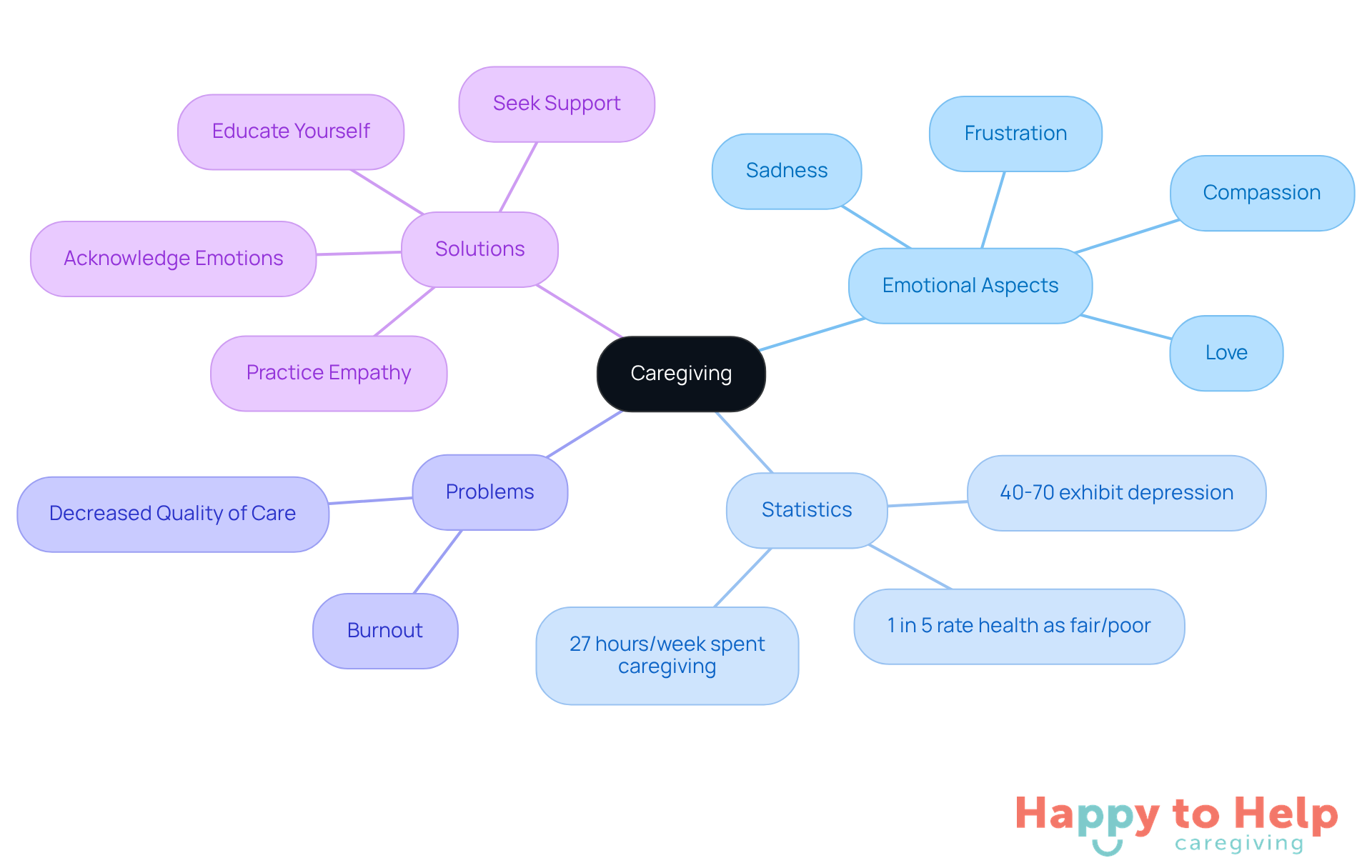
Caring for your parents goes beyond just physical tasks; it involves navigating a complex emotional landscape that can deeply affect both the caregiver and the care recipient. Caregivers often experience a wide range of emotions, including love, compassion, frustration, and sadness. Recognizing and managing these feelings is essential for maintaining personal well-being and ensuring high-quality care.
The Problem: Statistics reveal that nearly 40 to 70 percent of caregivers exhibit symptoms of depression, significantly higher than those who do not provide care. Additionally, one in five caregivers rate their health as fair or poor, highlighting the health impacts of caregiving. Caregivers typically spend an average of 27 hours per week caring for your parents, which can lead to emotional strain. Furthermore, nearly half of all working caregivers report that their employment is affected, underscoring the broader implications of caregiving on personal and professional life. Alarmingly, 47% of family support providers have faced anxiety, depression, and other mental health issues in the past year.
Agitation: These statistics paint a concerning picture of the emotional toll caregiving can take. The pressure of caring for your parents while managing one’s own feelings can lead to burnout and decreased quality of care. It’s crucial for caregivers, particularly those caring for your parents, to address their emotional health proactively to avoid these negative outcomes.
The Solution: Here are essential strategies to consider:
- Acknowledge Your Emotions: It’s completely normal to feel overwhelmed. Allow yourself to experience and express these emotions without guilt.
- Seek Support: Connecting with others in similar situations through support groups can provide a valuable outlet for sharing experiences and coping strategies. Research shows that those who participate in support groups report lower levels of stress and burnout.
- Educate Yourself: Understanding the medical and emotional needs of your loved one can reduce anxiety and improve the quality of care. Knowledge fosters confidence and diminishes feelings of helplessness.
- Practice Empathy: Remember that your loved one may also be dealing with fear and frustration about their situation. Practicing empathy not only strengthens your bond but also enhances communication, making it easier to address their needs.
By implementing these strategies, caregivers can better manage their mental well-being, ultimately leading to improved care for their loved ones, especially when it comes to caring for your parents.
Assess Needs and Develop a Personalized Care Plan
Creating a personalized care plan can be challenging for caregivers, as it involves understanding the unique needs of their loved ones. Without a structured approach, caregivers may struggle to provide the necessary support, leading to increased stress and potential gaps in care.
To address this issue, here are several essential steps to create an effective care plan:
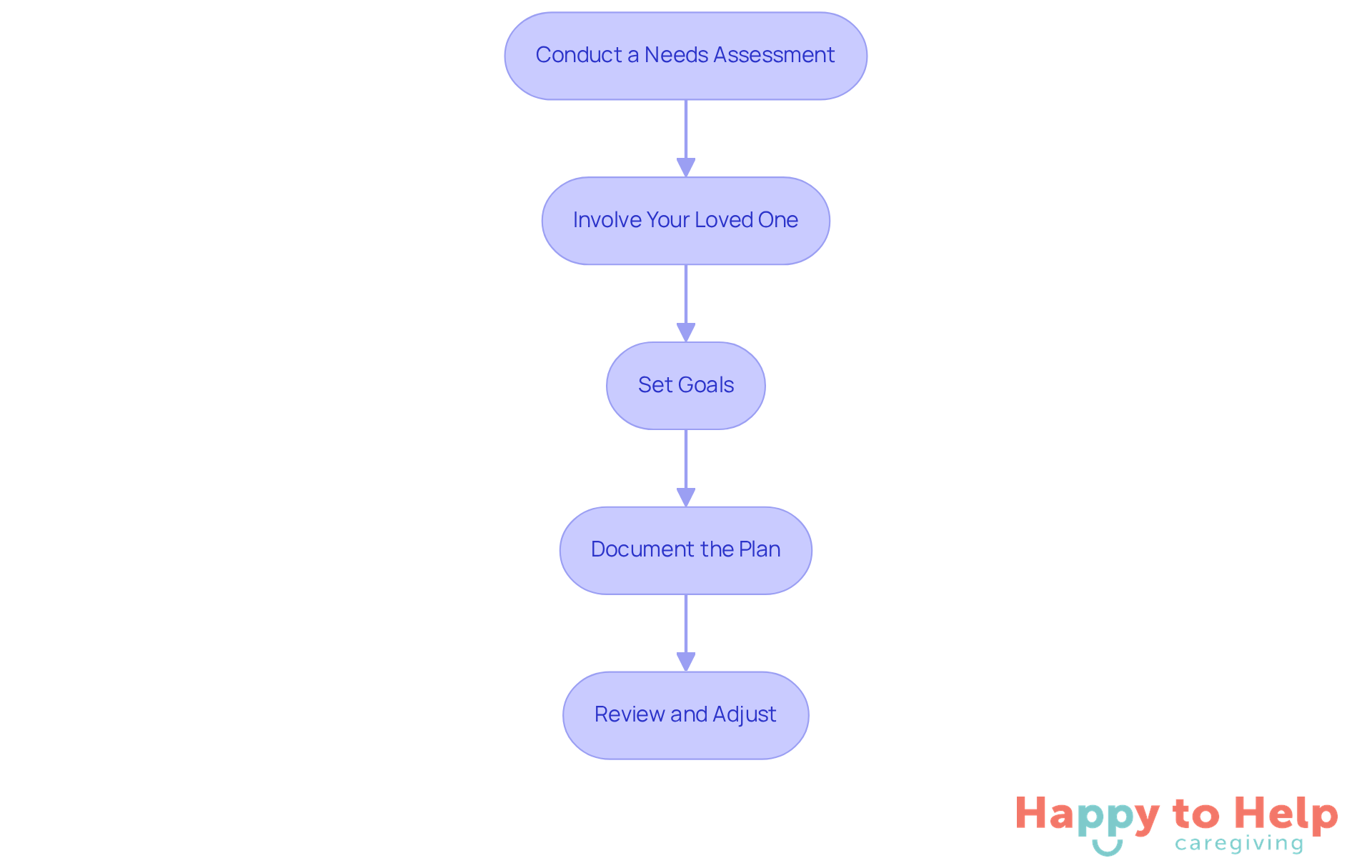
- Conduct a Needs Assessment: Begin by evaluating your loved one's physical, emotional, and social needs. Consider their medical conditions, daily routines, and personal preferences to ensure a holistic understanding of their requirements.
- Involve Your Loved One: Engage them in discussions about their needs and preferences. This inclusion fosters respect and encourages cooperation, making them feel valued in the decision-making process.
- Set Goals: Define clear, achievable goals for care. These may include improving mobility, enhancing social interaction, or effectively managing medications. Setting specific objectives helps in tracking progress and maintaining focus on what matters most.
- Document the Plan: Write down the care plan, detailing daily routines, medication schedules, and emergency contacts. This documentation acts as an essential reference for all providers involved, ensuring consistency and clarity in care delivery.
- Review and Adjust: Regularly revisit the care plan to make necessary modifications based on any changes in well-being or preferences. This ongoing evaluation is crucial for adapting to the evolving needs of your loved one, ensuring that the care provided remains relevant and effective.
Communicate Openly and Set Healthy Boundaries
Effective communication is essential for successful caring for your parents. Caregivers who are caring for your parents often face significant challenges, including stress and emotional fatigue, which can lead to serious health issues. Statistics show that individuals who are engaged in caring for your parents encounter significantly higher risks of depression and cardiac problems, underscoring the importance of self-care and boundary-setting.
To address these challenges, here are some strategies to enhance your interactions:
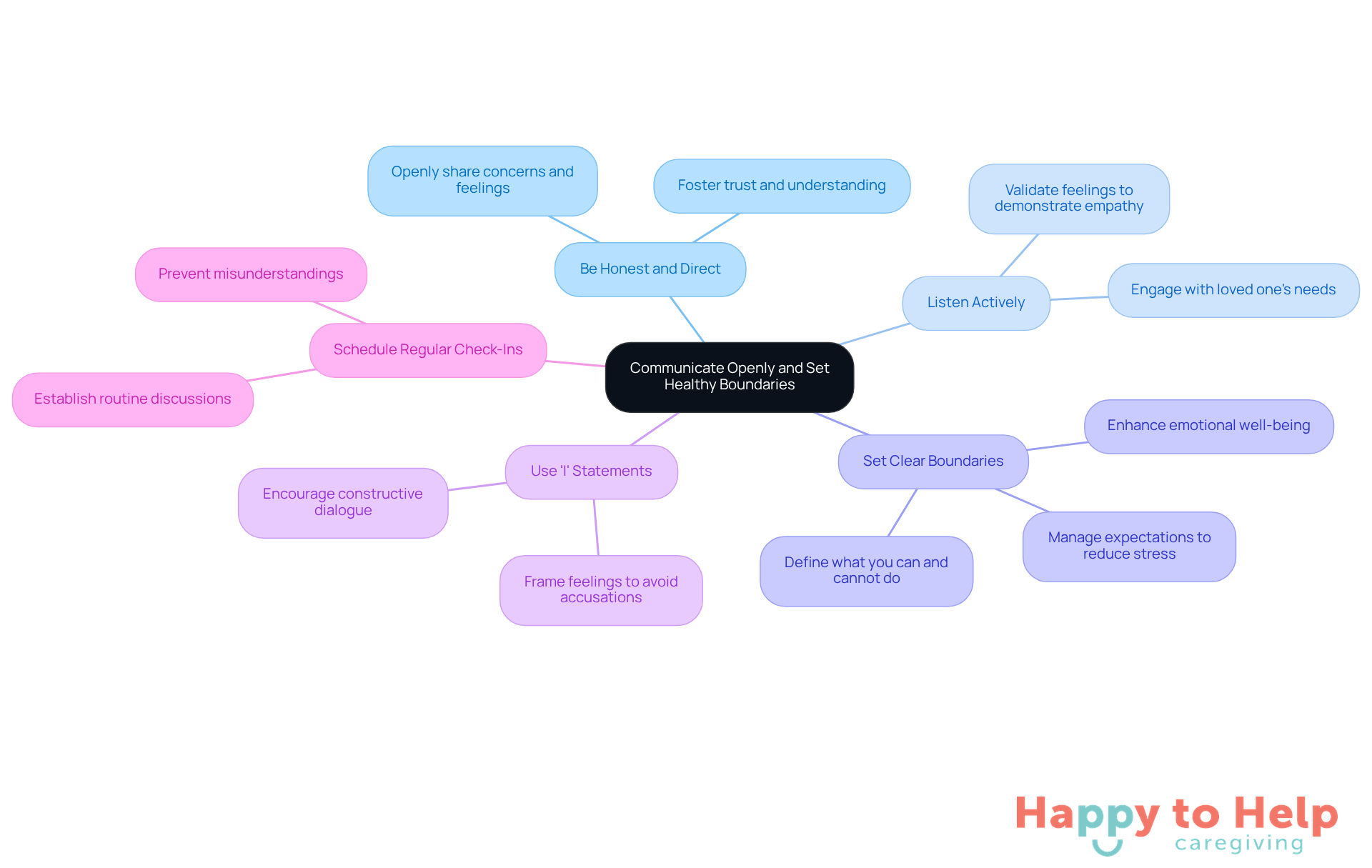
- Be Honest and Direct: Openly share your concerns and feelings. This transparency fosters trust and understanding, which are crucial in caregiving dynamics.
- Listen Actively: Attentively engage with your loved one's needs and emotions. Validating their feelings demonstrates empathy and strengthens your relationship.
- Set Clear Boundaries: Clearly define what you can and cannot do. Setting these boundaries aids in managing expectations and greatly lessens the stress of those providing care. Caregivers who establish boundaries while caring for your parents often experience decreased stress and enhanced emotional well-being.
- Use 'I' Statements: When discussing sensitive topics, frame your feelings using 'I' statements to avoid sounding accusatory (e.g., 'I feel overwhelmed when...'). This approach encourages constructive dialogue.
- Schedule Regular Check-Ins: Establish a routine for discussing care requirements and any changes in well-being or preferences. Regular communication can prevent misunderstandings and ensure everyone is aligned on caregiving responsibilities.
Setting boundaries is not just about saying no; it’s a proactive strategy to protect your well-being. For instance, a support provider who experienced a heart attack due to overwhelming stress serves as a reminder of the risks associated with neglecting self-care. By prioritizing self-care, such as exercising 2 to 3 times a week, individuals can enhance their physical health, which directly affects their capacity to support others. Remember, the care you give to yourself is essential for effectively caring for your parents. By maintaining open lines of communication and establishing healthy boundaries, caregivers can create a more sustainable and fulfilling experience.
Prioritize Self-Care and Manage Caregiver Burnout
Self-care is vital for those providing support, not a luxury. Caring for your parents often presents caregivers with overwhelming challenges, resulting in physical and emotional exhaustion. In the U.S., 53 million unpaid individuals offer over 36 billion hours of assistance each year, highlighting the magnitude of the issue and the significance of self-care. Recognizing the signs of burnout is crucial, as it can severely impact both caregivers and those they care for.
Here are effective strategies to prioritize your well-being:
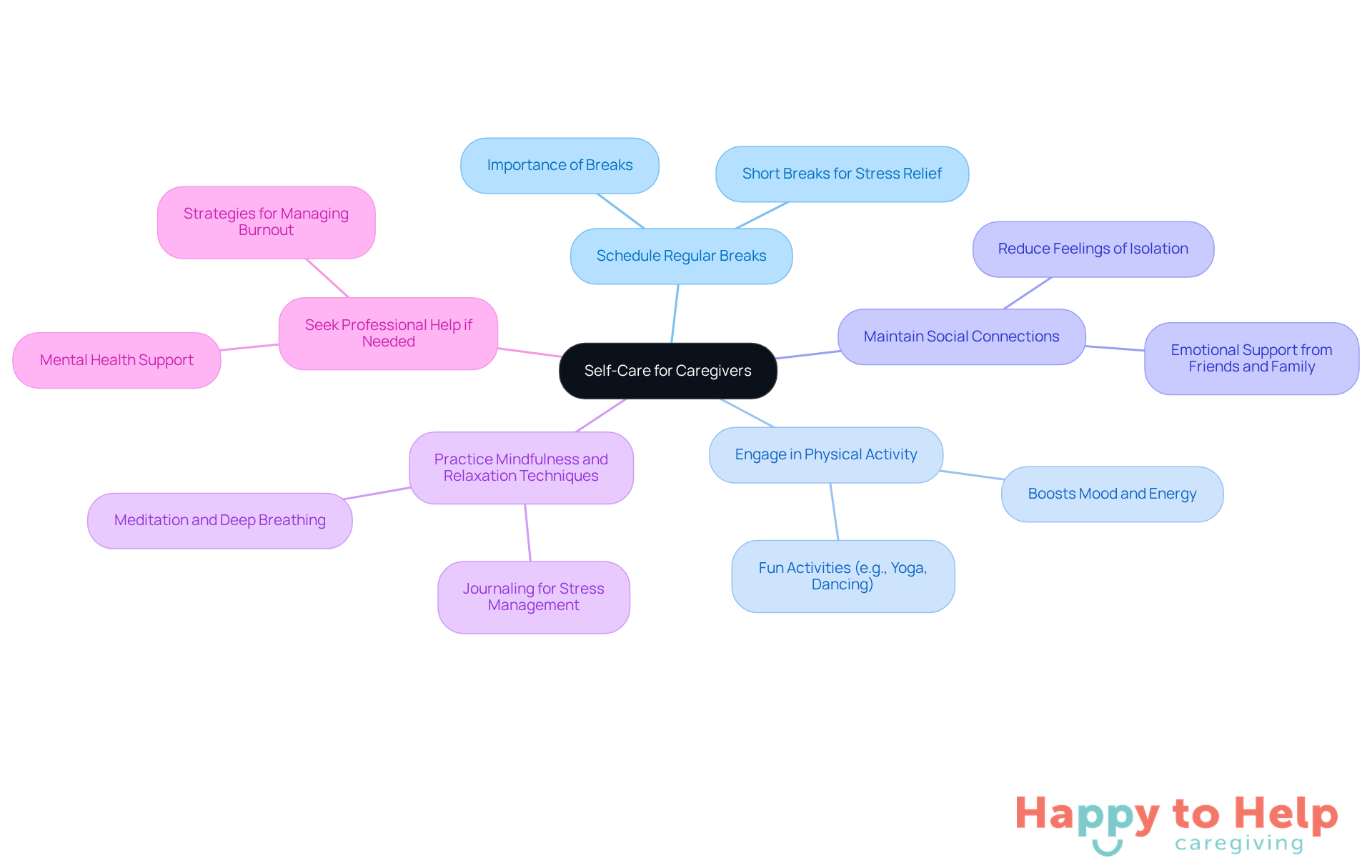
- Schedule Regular Breaks: Taking time off to recharge is crucial. Even short breaks can significantly alleviate stress and enhance your overall mood.
- Engage in Physical Activity: Regular exercise boosts mood and energy levels. Explore activities you enjoy, such as walking, yoga, or dancing, to make physical activity a fun part of your routine.
- Maintain Social Connections: Staying connected with friends and family is essential for emotional well-being. Social support can provide comfort and reduce feelings of isolation, which are common among caregivers.
- Practice Mindfulness and Relaxation Techniques: Incorporate practices like meditation, deep breathing, or journaling into your daily routine. These techniques can help manage stress and promote a sense of calm.
- Seek Professional Help if Needed: If feelings of burnout or depression persist, consider reaching out to a mental health professional. Professional support can offer valuable strategies for managing the psychological demands of caregiving.
Programs focused on support for those who provide care, such as caring for your parents, emphasize the significance of self-care and community connections, helping to prevent burnout and promote sustainable assistance. As Dr. Taylor Rush states, "By taking care of yourself, you are going to be a better caregiver to your loved one." By prioritizing your well-being, you enhance your ability for caring for your parents effectively.
Making the Right Choice
Caring for aging parents presents a significant challenge that intertwines emotional, practical, and personal aspects. Caregivers often face stress and emotional strain, which can impact both their well-being and the quality of care they provide. Recognizing these emotional challenges is crucial for fostering a healthier environment for both caregivers and their loved ones.
To address these issues, caregivers can implement several vital strategies:
- Acknowledging emotions is essential; caregivers should not shy away from their feelings or those of their aging parents.
- Seeking support from friends, family, or professional networks can alleviate feelings of isolation.
- Educating oneself about specific needs related to aging can empower caregivers, while practicing empathy fosters deeper connections.
- Creating a personalized care plan that includes the aging parents promotes respect and cooperation.
- Open communication and boundary-setting are also key to maintaining a sustainable caregiving relationship.
These steps not only mitigate stress but also enhance the overall quality of care provided.
Prioritizing self-care is fundamental for effective caregiving. It’s not just a personal indulgence; it’s a necessity. By implementing self-care strategies, caregivers can combat burnout and improve their overall well-being, which directly translates into better care for their parents. Embracing these essential steps enriches the caregiving experience and strengthens familial bonds, highlighting the profound impact of thoughtful and compassionate caregiving.
https://iframe.tely.ai/cta/eyJhcnRpY2xlX2lkIjogIjY5MjY2NjFmZjRlMzY1MzFmZjFhZDVkZiIsICJjb21wYW55X2lkIjogIjY4ZWU1ZGNhNzMxNzYyNTU3ZjNjOTVjMSIsICJpbmRleCI6IG51bGwsICJ0eXBlIjogImFydGljbGUifQ==Frequently Asked Questions
What are the emotional challenges faced by caregivers?
Caregivers often experience a range of emotions including love, compassion, frustration, and sadness. Recognizing and managing these feelings is essential for maintaining personal well-being and ensuring high-quality care.
How prevalent is depression among caregivers?
Statistics indicate that nearly 40 to 70 percent of caregivers exhibit symptoms of depression, which is significantly higher than those who do not provide care.
What impact does caregiving have on caregivers' health?
One in five caregivers rate their health as fair or poor, and nearly half of all working caregivers report that their employment is affected, highlighting the health impacts of caregiving.
How much time do caregivers typically spend caring for their parents?
Caregivers typically spend an average of 27 hours per week caring for their parents, which can lead to emotional strain.
What are some common mental health issues faced by caregivers?
Alarmingly, 47% of family support providers have faced anxiety, depression, and other mental health issues in the past year.
What strategies can caregivers use to manage their emotional health?
Essential strategies include acknowledging emotions, seeking support from others, educating oneself about the care recipient's needs, and practicing empathy.
Why is it important for caregivers to acknowledge their emotions?
Acknowledging emotions is important because it allows caregivers to experience and express their feelings without guilt, which is crucial for maintaining mental well-being.
How can support groups benefit caregivers?
Support groups provide a valuable outlet for sharing experiences and coping strategies, and research shows that participants report lower levels of stress and burnout.
How does educating oneself about a loved one's needs help caregivers?
Understanding the medical and emotional needs of a loved one can reduce anxiety and improve the quality of care, fostering confidence and diminishing feelings of helplessness.
Why is practicing empathy important in caregiving?
Practicing empathy helps strengthen the bond between the caregiver and the care recipient, enhances communication, and makes it easier to address the loved one's needs.
List of Sources
- Understand the Emotional and Practical Aspects of Caregiving
- Opinion | America’s Caregivers Are in Crisis (https://nytimes.com/2025/11/24/opinion/caregiving-crisis.html)
- National Alliance for Caregiving: Caregiving in the US 2025 Report (https://johnahartford.org/resources/view/national-alliance-for-caregiving-caregiving-in-the-us-2025-report)
- New Report Reveals Crisis Point for America’s 63 million Family Caregivers (https://press.aarp.org/2025-07-24-New-Report-Reveals-Crisis-Point-for-Americas-63-million-Family-Caregivers)
- Caregiving’s Mental Health Crisis (https://forbes.com/sites/otsuka/2025/10/02/caregivings-mental-health-crisis)
- Assess Needs and Develop a Personalized Care Plan
- Trends in Senior Care: What to Expect in 2025 (https://agingconnections.org/blog/trends-in-senior-care-what-to-expect-in-2025)
- Why Personalized Care Will Be Essential in Senior Living Communities by 2025 (https://baptistretirement.org/news-blog/why-personalized-care-will-be-essential-in-senior-living-communities-by-2025)
- 2025: AI enhances personalized care; caregiver experience in the spotlight (https://healthcareitnews.com/news/2025-ai-enhances-personalized-care-caregiver-experience-spotlight)
- Seven trends in senior living that will define 2025 and beyond (https://mcknightsseniorliving.com/home/columns/guest-columns/seven-trends-in-senior-living-that-will-define-2025-and-beyond)
- Communicate Openly and Set Healthy Boundaries
- Setting Boundaries With Aging Parents: Care Without Losing Yourself (https://forbes.com/sites/carolynrosenblatt/2024/11/27/setting-boundaries-with-aging-parents-care-without-losing-yourself)
- Maintaining Boundaries As A Caregiver: Go From Guilt To Glow | Mental Health America (https://mhanational.org/resources/maintaining-boundaries-as-a-caregiver-go-from-guilt-to-glow)
- Caregiver Wellness: Setting Boundaries for Self-Care (https://seniorhelpers.com/nj/fairfield-montville/resources/blogs/2025-01-10)
- The Importance of Setting Boundaries as Caregivers (https://verveseniorliving.com/riverwalk/news-events/the-importance-of-setting-boundaries-as-caregivers)
- Prioritize Self-Care and Manage Caregiver Burnout
- Preventing and managing caregiver burnout (https://mdanderson.org/cancerwise/preventing-and-managing-caregiver-burnout.h00-159777234.html)
- Caregiver Burnout and Strategies to Help (https://health.usnews.com/senior-care/articles/caregiver-burnout-and-strategies-to-help)
- 5 Self-Care Tips for Caregivers | United Way Worldwide (https://unitedway.org/news/5-self-care-tips-for-caregivers)
- Facebook (https://newsroom.clevelandclinic.org/2025/11/19/importance-of-self-care-for-family-caregivers)
- Honoring America’s Family Caregivers, the Unseen Workforce Behind Our Health System - Medicare Rights Center (https://medicarerights.org/medicare-watch/2025/11/25/honoring-americas-family-caregivers-the-unseen-workforce-behind-our-health-system)