

For families in our service areas
For families in our service areas, this guide explains caregiving and how non-medical in-home caregiving can support care planning in East Idaho, Treasure Valley & Magic Valley, Northern Wasatch, North Central West Virginia, and Northeast Ohio.
Understanding Take Care of an Elderly Parent: 3
Caring for an elderly parent presents a profound responsibility, often accompanied by numerous challenges. Caregivers face the daunting task of understanding the specific health and daily living needs of seniors. This understanding is crucial not only for the well-being of the elderly but also for the peace of mind of those providing care.
As the complexities of caregiving unfold, a pressing question arises: how can caregivers effectively navigate this journey while ensuring their own mental and emotional health remains intact? The emotional toll can be significant, leading to stress and burnout if not addressed.
To tackle these challenges, caregivers can take essential steps that empower them to provide compassionate support:
- Creating structured routines can help manage daily tasks more efficiently.
- Utilizing valuable resources, such as support groups and educational materials, can provide much-needed assistance.
- Prioritizing their own well-being is not just beneficial for caregivers; it ultimately enhances the quality of care they can provide.
Assess Needs and Create a Care Plan
Identify Health and Daily Living Needs: Caregivers often face the challenge of understanding their loved one's health and daily living needs. Evaluating physical health, cognitive abilities, and emotional state is crucial. Consider their medical history, current medications, and any mobility issues. Tools like the Katz Index of Independence in Activities of Daily Living (ADLs) can help assess capabilities. With nearly 6.7 million Americans aged 65 and older living with Alzheimer's, early assessment and intervention are vital. Geriatric specialists emphasize that early intervention can significantly improve outcomes for seniors facing cognitive challenges.
Engage in Open Communication: Open communication is essential in addressing these challenges. Discuss your findings with your parent and involve them in the decision-making process to respect their autonomy. Ask about their daily routines, likes, and dislikes. Effective communication fosters trust and encourages open dialogue about their needs, enhancing the caregiving experience.
Develop a Comprehensive Support Plan: Once you've assessed their needs, create a support plan that outlines specific goals and the type of assistance required. This plan should include medical appointments, medication schedules, and daily activities. Consider using planning templates or software like CareSmart or MyCaringPlan to keep everything organized. Additionally, having a backup support plan is crucial to address potential challenges, ensuring that assistance continues smoothly if primary providers are unavailable.
Involve Family Input: Engaging other family members in the planning process is key to ensuring everyone is aligned and can contribute to the support strategy. Regular family gatherings are essential for reviewing and updating the support plan, allowing for the allocation of responsibilities and fostering a supportive network. This collaborative approach ensures that all voices are heard and valued, creating a more effective and compassionate support environment.

Implement Daily Care Strategies
Problem: The Challenges of Caregiving
Caring for a senior can be overwhelming, especially when it comes to establishing a daily routine. Without structure, seniors may feel insecure, which can negatively impact their mood.
Agitate: The Implications of Inconsistency
Inconsistent routines can lead to confusion and anxiety for seniors. This can make essential tasks, such as personal care and medication management, even more challenging.
Solution: Establish a Daily Routine
Create a structured daily schedule that includes time for meals, medications, personal care, and activities. Consistency helps seniors feel secure and can improve their overall mood.
Problem: Difficulty with Daily Activities
Many seniors struggle with Activities of Daily Living (ADLs), which can affect their independence and quality of life.
Agitate: The Impact on Independence
When seniors cannot perform essential tasks like bathing, dressing, or grooming, they may feel a loss of autonomy, leading to frustration and decreased self-esteem.
Solution: Assist with Activities of Daily Living (ADLs)
Provide help with essential tasks such as bathing, dressing, grooming, and eating. Encourage independence by allowing your guardian to do as much as they can on their own, while being ready to assist when needed.
Problem: Health and Safety Concerns
Monitoring a senior's health and safety is crucial, yet it can be a daunting task for caregivers.
Agitate: The Risks of Neglect
Failing to regularly check in on a family member's health can lead to serious consequences, including falls or worsening medical conditions.
Solution: Monitor Health and Safety
Regularly check in on your family member's health status. Keep track of any changes in their condition and ensure that their living environment is safe. Remove tripping hazards, ensure adequate lighting, and install grab bars in bathrooms.
Problem: Isolation and Loneliness
Seniors often face feelings of isolation, which can significantly impact their emotional well-being.
Agitate: The Emotional Toll of Loneliness
Social isolation can lead to depression and a decline in overall health, making it essential to encourage social interaction.
Solution: Encourage Social Interaction
Combat feelings of isolation by facilitating social interactions. Arrange for visits from family and friends, or consider community activities that your parent might enjoy. Engaging in social activities can significantly enhance their emotional well-being.

Prioritize Caregiver Well-Being
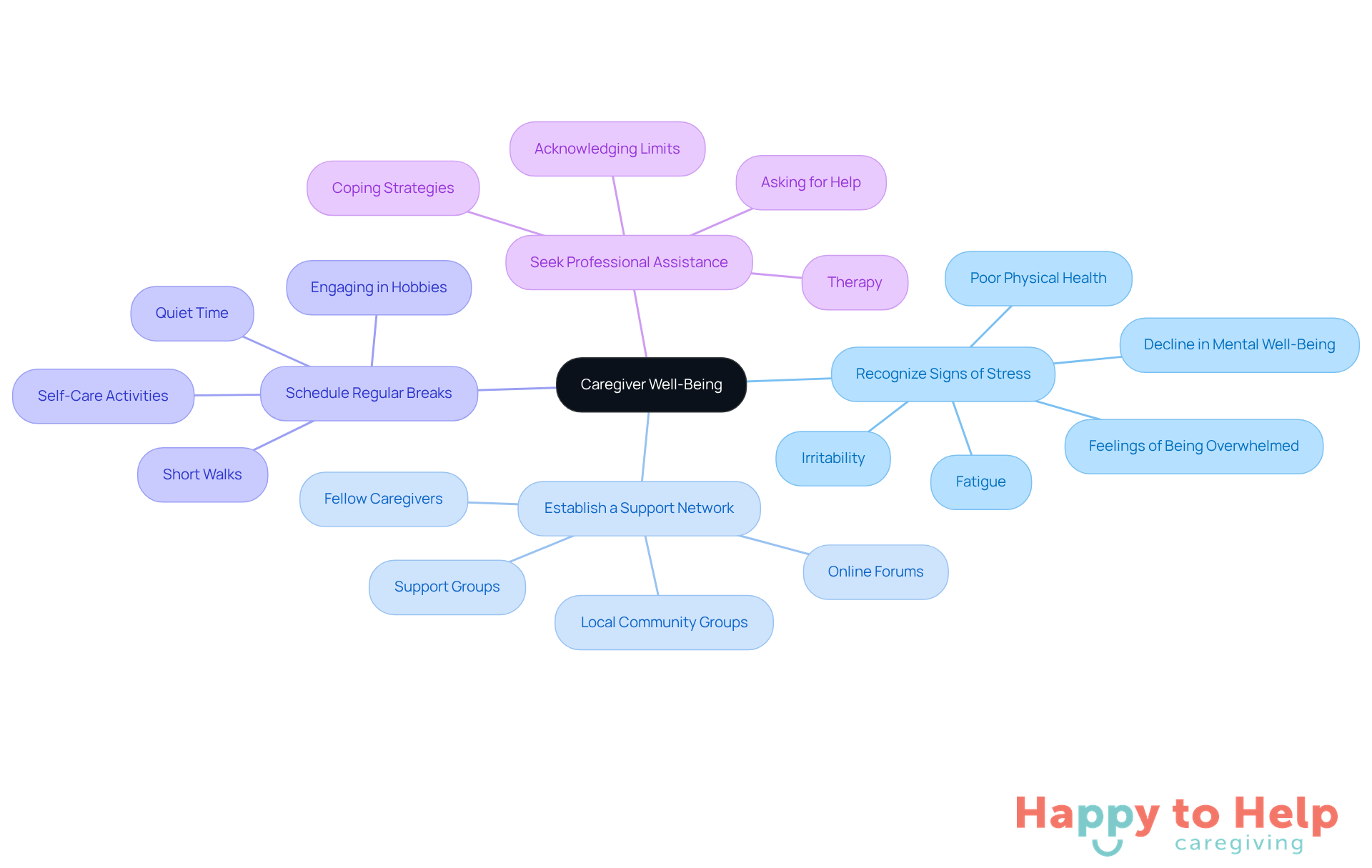
Recognize Signs of Stress: Caregivers often face significant stress, manifesting as fatigue, irritability, and feelings of being overwhelmed. Alarmingly, nearly half of those providing care report a decline in their mental well-being, and only 1 in 4 feel they are in good physical health. Recognizing these signs is crucial for addressing emotional needs effectively.
Establish a Support Network: Connecting with fellow caregivers or support groups can alleviate feelings of isolation. Sharing experiences and advice not only provides emotional relief but also practical tips. As Jerry Bishop aptly puts it, "Think of support groups as a lifeline." Online forums and local community groups serve as valuable resources for caregivers seeking connection and support.
Schedule Regular Breaks: It's essential to carve out time for yourself by scheduling regular breaks. Whether it's a short walk, engaging in a hobby, or simply enjoying some quiet time, these moments are vital for recharging your energy. Research indicates that short breaks for self-care can significantly enhance well-being. Additionally, 40% of family supporters have turned to assistive technology for their care recipients, showcasing proactive steps caregivers can take to manage their responsibilities effectively.
Seek Professional Assistance if Required: When stress becomes overwhelming, consider reaching out to a mental wellness expert. Therapy can offer tailored coping strategies and support. Remember, acknowledging your limits and asking for help is vital for maintaining caregiver health.
Utilize Community Resources
Problem: Caregiver Challenges
Caring for an elderly parent can be overwhelming. Many caregivers struggle with finding the right resources to support their loved ones while managing their own well-being.
Agitate: The Implications
Without adequate support, caregivers may experience burnout, leading to decreased quality of care for their parents. This situation can also result in feelings of isolation and stress, affecting both the caregiver and the senior.
Solution: Actionable Steps
-
Research Local Services: Explore local services such as meal delivery programs, transportation options, and adult day activity centers. Programs like Meals on Wheels not only provide nutritious meals but also offer companionship, significantly enhancing the well-being of homebound seniors. These resources can assist you in understanding how to take care of an elderly parent while also providing you with some much-needed respite. In fact, meal delivery programs have been shown to improve nutritional intake and reduce feelings of isolation among seniors.
-
Contact Support Organizations: Reach out to organizations specializing in services for the elderly, such as Area Agencies on Aging. These organizations can offer guidance, resources, and sometimes financial assistance for caregiving needs. For instance, the 211 service connected caregivers to local resources, logging nearly 17 million requests for help in 2024, demonstrating the high demand for such support. Additionally, you can call the Information and Assistance Telephone Line at (800) 852-7795 for immediate assistance.
-
Explore respite services that can teach you how to take care of an elderly parent while providing support options that allow you to take a break and ensure your parent receives quality assistance. This can encompass in-home assistance or short-term stays at assisted living facilities. Respite support is essential for avoiding caregiver exhaustion, as pointed out by caregivers such as Dawnita Brown, who stresses the significance of self-nurturing while handling caregiving duties. This form of support not only advantages you but also offers your guardian a change of surroundings and social engagement.
-
Engage with Healthcare Providers: Maintain open communication with your loved one's healthcare providers. They can offer insights into additional resources, support groups, and services that may be beneficial. Collaborating with healthcare professionals provides valuable insights on how to take care of an elderly parent, ensuring a holistic approach to their care, enhancing their quality of life and your peace of mind. Furthermore, recent funding of $390,000 for Service Navigator positions in the FY2025 state budget will improve access to these essential resources.

Making the Right Choice
Caring for an elderly parent presents significant challenges for caregivers, often leading to stress and burnout. The unique needs of seniors require a comprehensive approach that not only addresses their health and daily living requirements but also prioritizes the caregiver's well-being. Without proper support, caregivers may struggle to provide the quality of care their loved ones deserve.
To tackle these issues, open communication is essential. Involving seniors in their care plans fosters a sense of autonomy and respect. Establishing structured daily routines can create a feeling of security for both the caregiver and the elderly parent. Additionally, utilizing community resources can alleviate some of the burdens on caregivers, providing them with much-needed support.
Prioritizing caregiver well-being is equally crucial. Building support networks and practicing self-care ensures that caregivers remain healthy and capable of delivering the best care possible. By taking proactive measures, caregivers can create a nurturing environment that respects the dignity of their loved ones while safeguarding their own mental and physical health.
Ultimately, the journey of caring for an elderly parent is multifaceted and requires ongoing attention and adaptation. By embracing these essential strategies, caregivers not only enhance the quality of life for seniors but also cultivate a supportive community that values their contributions.
https://iframe.tely.ai/cta/eyJhcnRpY2xlX2lkIjogIjY5Mjc5NGVhMWE3YzlhYWNlNmI1NGZhZCIsICJjb21wYW55X2lkIjogIjY4ZWU1ZGNhNzMxNzYyNTU3ZjNjOTVjMSIsICJpbmRleCI6IG51bGwsICJ0eXBlIjogImFydGljbGUifQ==Frequently Asked Questions
What are the key steps in assessing the health and daily living needs of a loved one?
The key steps include evaluating physical health, cognitive abilities, and emotional state, considering their medical history, current medications, and any mobility issues. Tools like the Katz Index of Independence in Activities of Daily Living (ADLs) can be helpful for this assessment.
Why is early assessment and intervention important for seniors?
Early assessment and intervention are vital as they can significantly improve outcomes for seniors facing cognitive challenges, such as those living with Alzheimer's disease.
How can caregivers ensure effective communication with their loved ones?
Caregivers can ensure effective communication by discussing their findings with the loved one, involving them in the decision-making process, and asking about their daily routines, likes, and dislikes. This fosters trust and encourages open dialogue about their needs.
What should be included in a comprehensive support plan for a loved one?
A comprehensive support plan should outline specific goals, the type of assistance required, medical appointments, medication schedules, and daily activities.
What tools can help in organizing a support plan?
Caregivers can use planning templates or software such as CareSmart or MyCaringPlan to keep the support plan organized.
Why is it important to involve family members in the caregiving process?
Involving family members is key to ensuring everyone is aligned and can contribute to the support strategy. Regular family gatherings allow for reviewing and updating the support plan, fostering a supportive network.
What is the significance of having a backup support plan?
A backup support plan is crucial to address potential challenges and ensure that assistance continues smoothly if primary providers are unavailable.
List of Sources
- Assess Needs and Create a Care Plan
- Warning From Older Adults: Care for Aging in America Needs Urgent Rethinking (https://johnahartford.org/newsroom/view/warning-from-older-adults-care-for-aging-in-america-needs-urgent-rethinking)
- Caring for Aging Parents in 2025: Essential Tips for Adult Children - 24|7 Nursing Care (https://24-7nursingcare.com/caring-for-aging-parents-in-2025-essential-tips-for-adult-children-2)
- Senior Care Planning: A Step-By-Step Guide (https://aplaceformom.com/caregiver-resources/articles/elder-care-planning)
- What to do when your aging parents need more care than you can provide (https://uchealth.org/today/aging-parents-what-to-do-when-parents-need-more-care-than-you-can-provide)
- Families urged to plan ahead for elderly parent care before a crisis hits (https://fox8live.com/2025/11/26/families-urged-plan-ahead-elderly-parent-care-before-crisis-hits)
- Implement Daily Care Strategies
- 9 Tips to Help You Care for Aging Parents | Atlantic Health (https://ahs.atlantichealth.org/about-us/stay-connected/news/content-central/2023/9-tips-to-help-you-care-for-aging-parents.html)
- Caring for an Aging Parent (https://urmc.rochester.edu/news/publications/health-matters/caring-for-an-aging-parent)
- What is the best strategy for taking care of your aging parents at home? (https://pbs.org/newshour/health/options-want-stay-home-age)
- How Daily Routines Improve Mental Health for Seniors (https://bluemoonseniorcounseling.com/how-daily-routines-improve-mental-health-for-seniors)
- How to Care for Elderly Parents at Home: Essential Tips - VNA & Hospice Monterey, CA (https://ccvna.com/how-to-care-for-elderly-parents-at-home)
- Prioritize Caregiver Well-Being
- Caregiver Statistics: Health, Technology, and Caregiving Resources (https://caregiver.org/resource/caregiver-statistics-health-technology-and-caregiving-resources)
- HHS Launches $2 Million AI Challenge to Support Family Caregivers (https://shrm.org/advocacy/hhs-launches--2-million-ai-challenge-to-support-family-caregiver)
- Caregiver Burnout and Strategies to Help (https://health.usnews.com/senior-care/articles/caregiver-burnout-and-strategies-to-help)
- HHS Backs AI Innovation for America’s Caregivers | HHS.gov (https://hhs.gov/press-room/hhs-backs-ai-innovation-for-americas-caregivers.html)
- Avoiding Caregiver Stress & Burnout (https://origamirehab.org/news-and-events/news/avoiding-caregiver-stress-burnout)
- Utilize Community Resources
- Nonprofit Programs & Support for Seniors | Michigan | AgeWays (https://ageways.org/services-and-seniors)
- New website helps caregivers in Michigan find resources, support (https://michiganpublic.org/health/2025-11-26/new-website-helps-caregivers-in-michigan-find-resources-support)
- Caregivers Can Now Call 211 for Help in 10 New States | United Way Worldwide (https://unitedway.org/news/caregivers-can-now-call-211-for-help-in-10-new-states)
- Newsletter Release - Aging CT (https://agingct.org/newsletter/newsletter-release)