

For families in our service areas
For families in our service areas, this guide explains caregiver support and how non-medical in-home caregiving can support care planning in East Idaho, Treasure Valley & Magic Valley, Northern Wasatch, North Central West Virginia, and Northeast Ohio.
Why Living with Aging Parents: Essential Matters
Living with aging parents presents a significant challenge for many caregivers. The struggle to provide necessary support while allowing seniors to maintain their independence can be emotionally taxing. Caregivers often find themselves navigating a delicate balance, striving to ensure a safe and nurturing environment without compromising their parents' dignity.
This situation can lead to increased stress for caregivers, who must manage their own well-being while addressing the emotional and physical demands placed on them. How can caregivers effectively assess their parents' needs and implement best practices?
In this article, we will explore essential caregiver strategies that enhance the quality of life for aging parents. By focusing on practical solutions, caregivers can better manage their responsibilities and reduce stress, ultimately fostering a healthier dynamic for both themselves and their loved ones.
Understanding Aging in Place: The Importance of Home for Seniors
Living with aging parents presents a significant challenge for those seniors who wish to live independently in their own homes. As they age, many face difficulties that can compromise their safety and comfort, leading to a decline in their quality of life. This situation is concerning, as research shows that older adults who remain in familiar surroundings tend to experience better well-being, including fewer hospital visits and improved mental health.
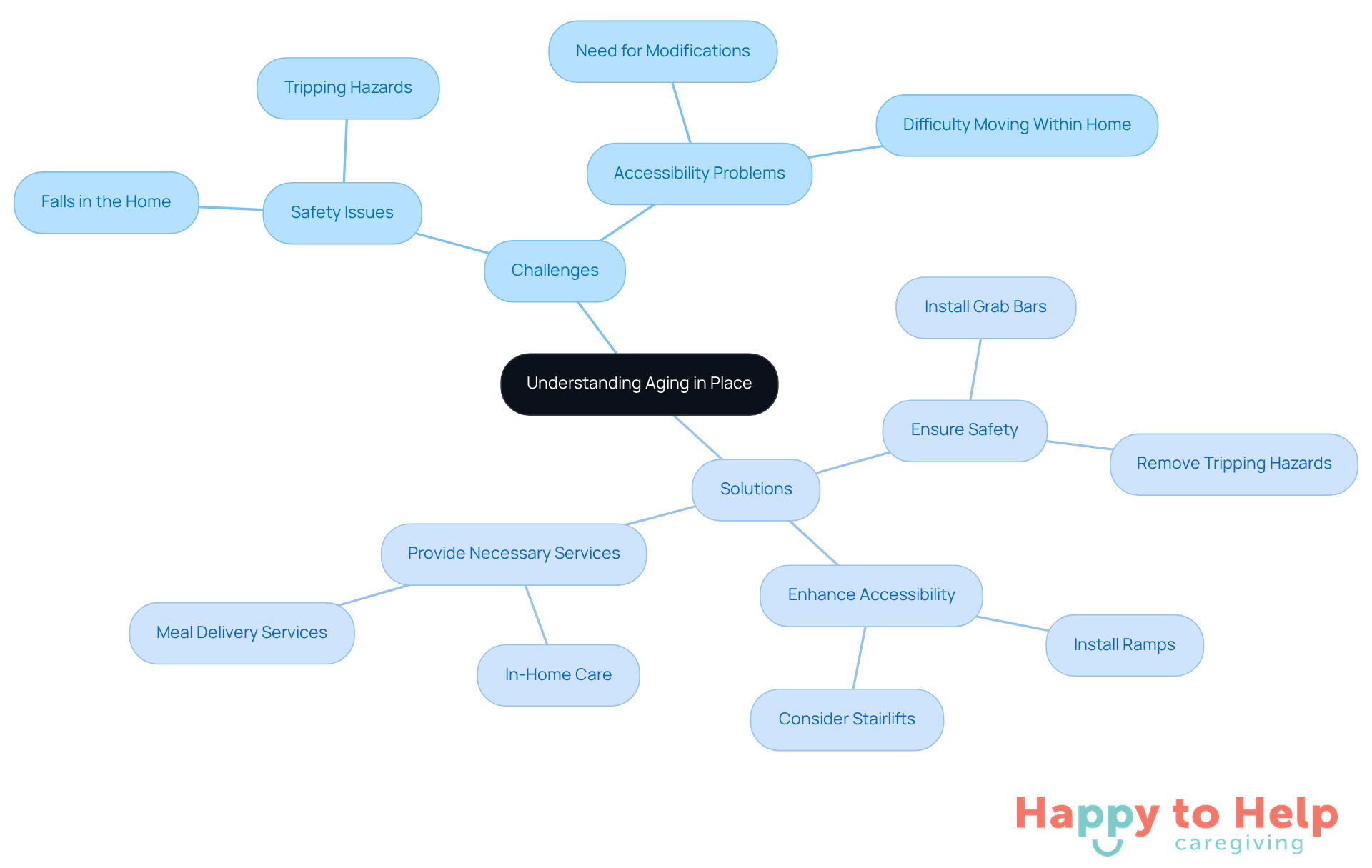
Caregivers play a crucial role in addressing the challenges associated with living with aging parents. A supportive home environment can greatly enhance a senior's mental health. To achieve this, caregivers should focus on creating a space that prioritizes safety and accessibility. Here are some actionable solutions:
- Ensure Safety: Install grab bars in bathrooms and remove tripping hazards to prevent falls.
- Enhance Accessibility: Consider modifications like ramps or stairlifts to facilitate movement within the home.
- Provide Necessary Services: Arrange for in-home care or meal delivery services to assist with daily living activities.
By implementing these strategies, caregivers can help seniors living with aging parents maintain their independence and dignity while significantly improving their overall quality of life.
Assessing the Needs of Aging Parents: Key Considerations for Caregivers
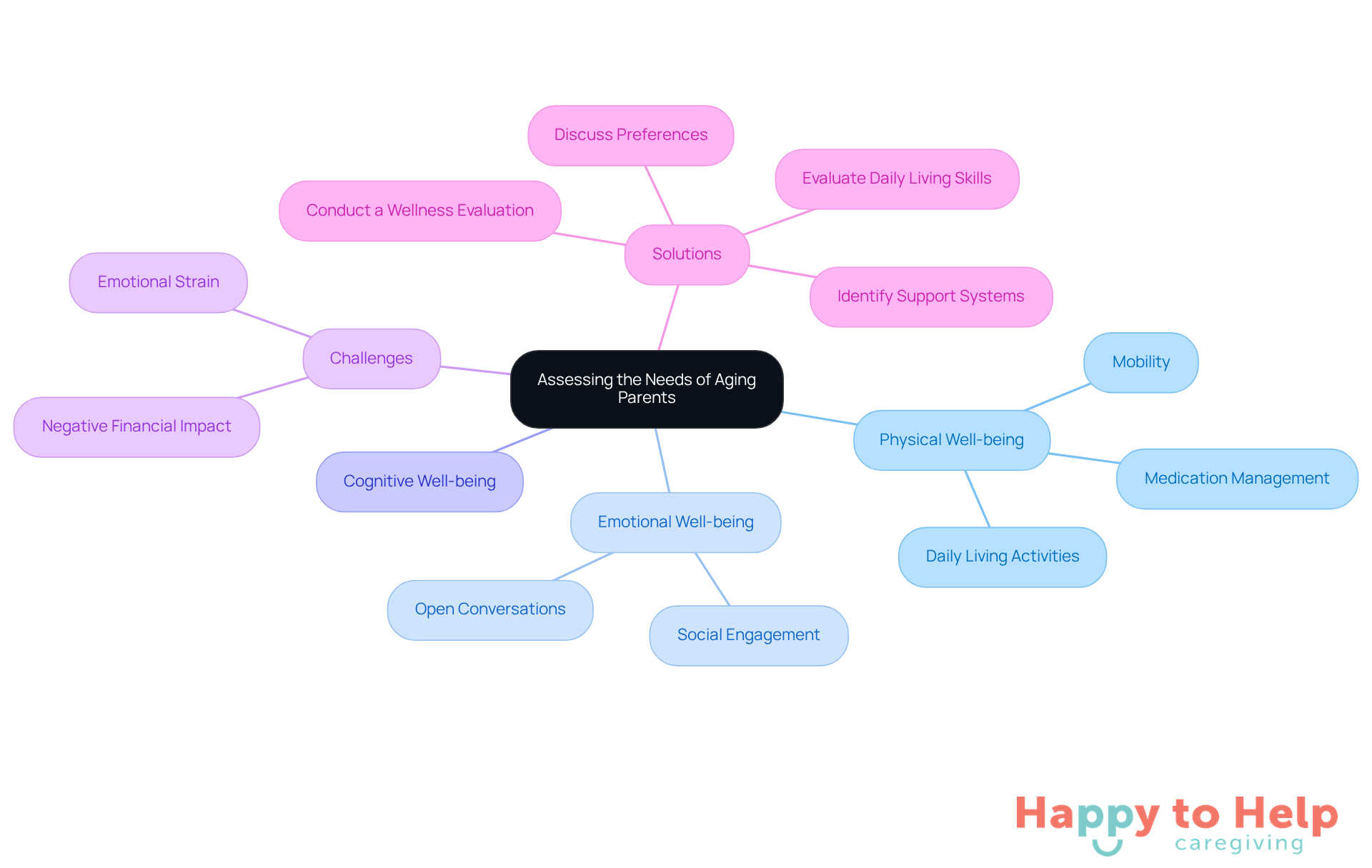
Evaluating the requirements of elderly parents is a significant challenge for caregivers who are living with aging parents. This process involves a comprehensive assessment of their physical, emotional, and cognitive well-being. Caregivers must consider various factors, including mobility, medication management, daily living activities (ADLs), and social engagement.
The Problem: Many caregivers face difficulties in understanding the full scope of their parents' needs. Nearly half of caregivers report at least one negative financial impact from their responsibilities, highlighting the emotional toll this can take.
The Agitation: The implications of inadequate support can be severe, affecting both the caregiver's and the elderly parent's quality of life. One in five caregivers assess their well-being as fair or poor, underscoring the emotional strain involved in caregiving.
The Solution: To address these challenges, caregivers can take several key steps:
- Conduct a Wellness Evaluation: Review medical history and current physical conditions with healthcare providers.
- Evaluate Daily Living Skills: Observe their ability to perform essential tasks like bathing, dressing, and cooking.
- Identify Support Systems: Determine what family, friends, or community resources are available to assist.
- Discuss Preferences: Engage in open conversations with parents about their wishes and concerns regarding their care. Emotional well-being is as crucial as physical health.
As noted by Arnot Health, "The initial phase in preparing for elderly family members is to evaluate their present and upcoming requirements." This thorough evaluation will assist caregivers in developing a tailored care strategy for living with aging parents that aligns with their needs and preferences, fostering a supportive environment that encourages independence and enhances quality of life. Regular family meetings can further improve communication and ensure that care plans remain flexible and responsive to changing needs.
Implementing Caregiving Best Practices: Strategies for Effective Support
Implementing effective caregiving practices is crucial for those living with aging parents, yet many caregivers struggle with this challenge. The lack of structured routines and communication can lead to increased anxiety and feelings of isolation among seniors. As the population of older adults continues to grow-now nearly 17% of the U.S. population according to the 2020 Census-it’s essential to address these issues head-on.
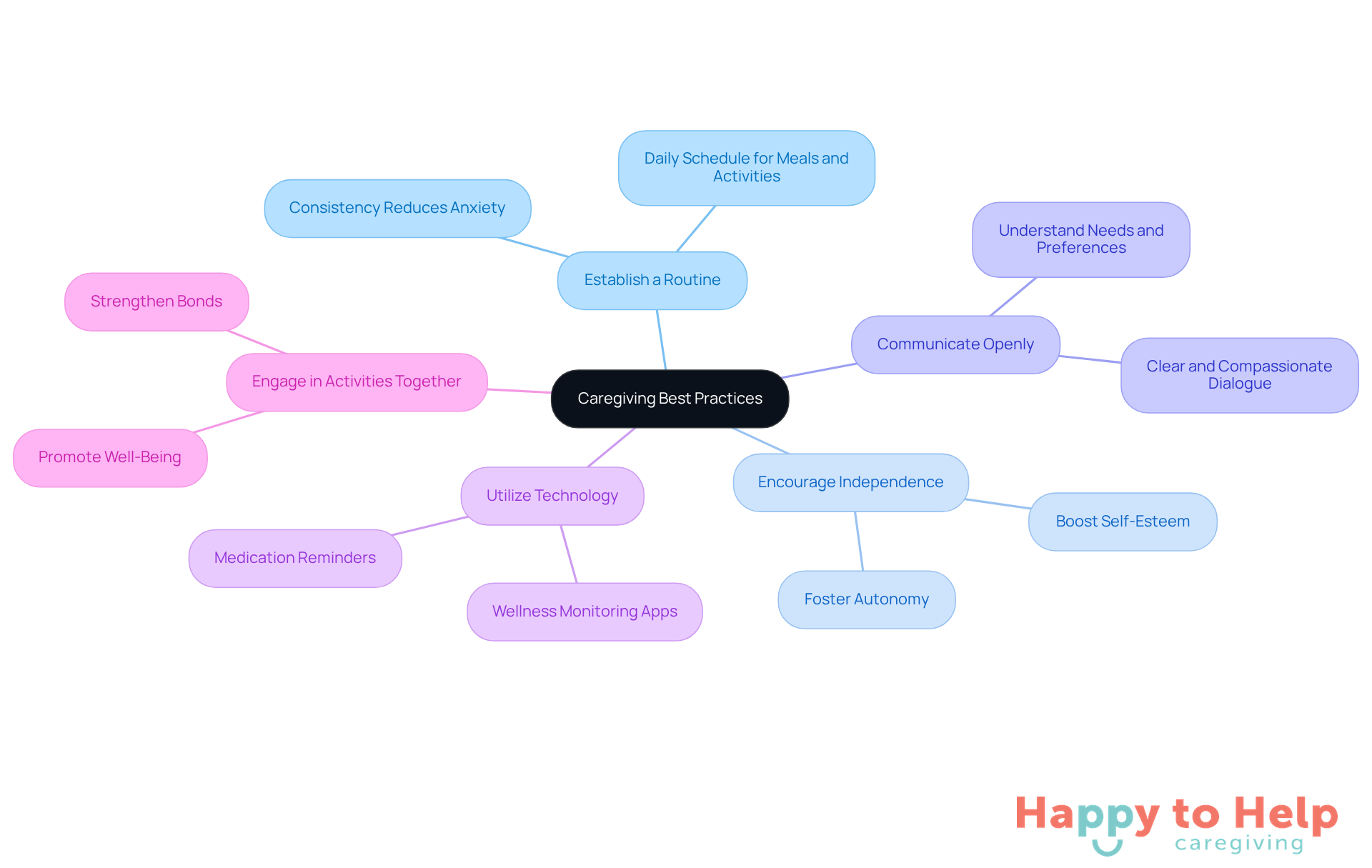
To improve the quality of support provided, consider these key strategies:
-
Establish a Routine: Consistency helps seniors feel secure and reduces anxiety. Create a daily schedule that includes meals, activities, and rest periods.
-
Encourage Independence: Allow parents to perform tasks they can manage, fostering a sense of autonomy. This approach boosts their self-esteem and contributes positively to their mental health.
-
Communicate Openly: Maintain clear and compassionate dialogue to better understand their requirements and preferences. As Clif Porter, President and CEO of AHCA, emphasizes, effective communication is vital for establishing trust and addressing the changing needs of those in care.
-
Utilize Technology: Leverage tools like medication reminders, wellness monitoring apps, and communication devices to enhance care. These technologies simplify daily tasks and keep caregivers informed about their loved ones' health, ultimately improving the caregiving experience.
-
Engage in Activities Together: Participate in hobbies or interests that your parents enjoy to promote well-being and strengthen your bond. Shared activities can alleviate feelings of loneliness and isolation, which are common among seniors.
These strategies not only enhance the caregiving experience but also improve the overall quality of life for aging parents, especially for those living with aging parents, by addressing both their physical and emotional needs. Incorporating insights from successful case studies, such as the impact of support provider assessments in Illinois, further illustrates the effectiveness of these practices.
Managing Caregiver Stress: Balancing Responsibilities and Self-Care
Managing the stress of caregivers is crucial for maintaining personal well-being and providing high-quality support while living with aging parents. Caregivers often face overwhelming responsibilities, leading to feelings of fatigue and isolation. In fact, many report significant stress, with 30% needing assistance to cope with their psychological or physical strain. This situation affects their health and the quality of care they provide while living with aging parents.
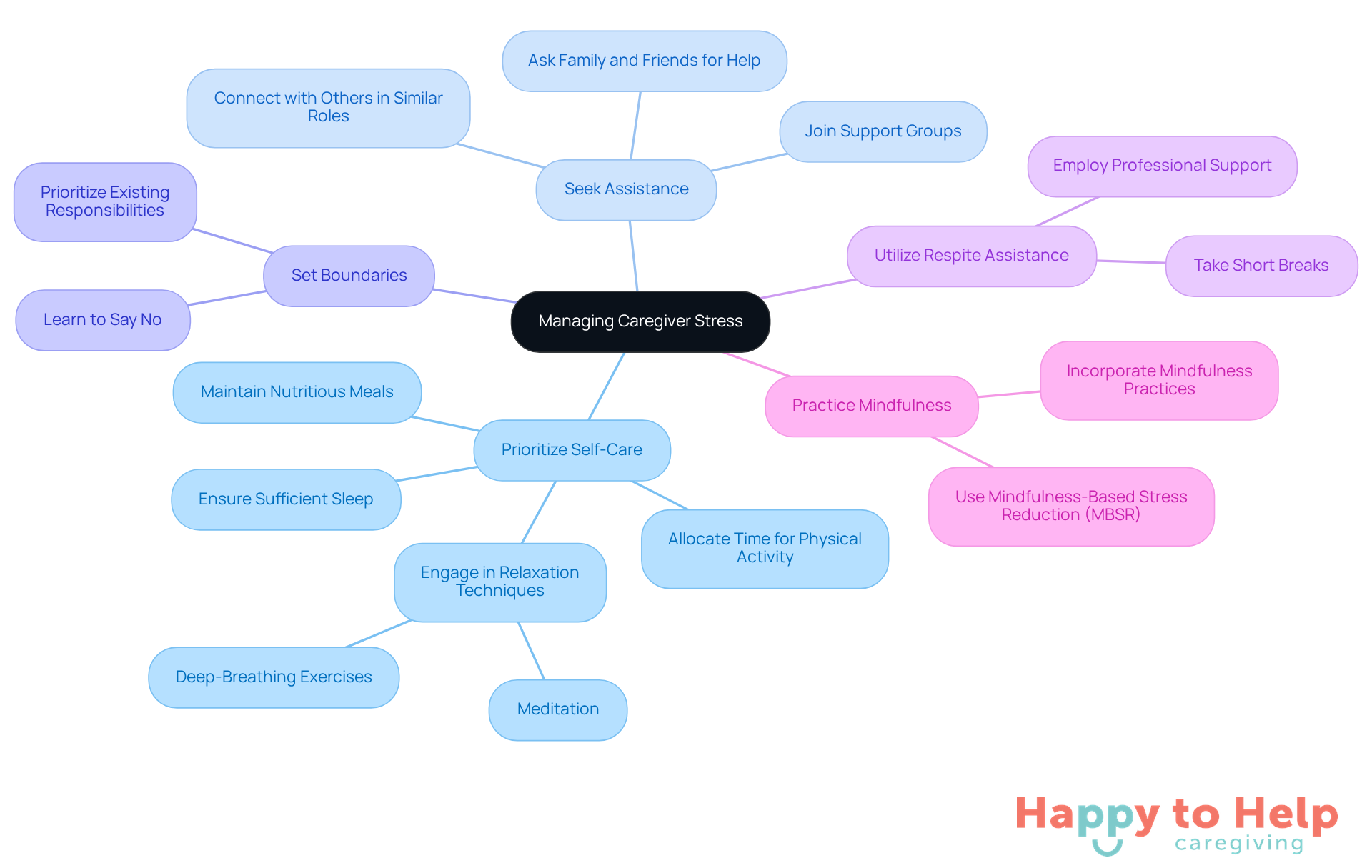
To address these challenges, here are effective strategies caregivers can implement:
-
Prioritize Self-Care: Allocate time for physical activity, nutritious meals, and sufficient sleep. Engaging in hobbies or relaxation techniques, such as meditation or deep-breathing exercises, can significantly reduce stress levels. As the Centers for Disease Control and Prevention states, being proactive about physical and mental well-being demonstrates strength and accountability, enabling caregivers to continue supporting their loved ones.
-
Seek Assistance: Connecting with others in similar roles or joining support groups can provide valuable opportunities to share experiences and advice, alleviating feelings of isolation. Dr. Taylor Rush emphasizes that recognizing the need for help is crucial for maintaining health.
-
Set Boundaries: Learning to say no to additional responsibilities is essential to prevent overwhelm and maintain focus on existing caregiving duties. This helps caregivers prioritize their own well-being, which is often overlooked.
-
Utilize Respite Assistance: Employing professional support for short durations can provide essential breaks, allowing caregivers to recharge and return to their duties with renewed energy.
-
Practice Mindfulness: Incorporating mindfulness practices into daily routines can enhance emotional resilience and help caregivers stay present, reducing anxiety about caregiving tasks. Mindfulness-Based Stress Reduction (MBSR) has been shown to be an effective method for managing stress and enhancing overall well-being.
By prioritizing self-care and actively seeking support, caregivers living with aging parents can sustain their well-being and continue to offer compassionate assistance. With 53 million unpaid individuals providing care in the U.S., the demand for effective self-care strategies is more urgent than ever. Recognizing the importance of personal health not only benefits caregivers but also enhances the quality of care they provide to their loved ones.
Key Takeaways for Caregivers
Caring for aging parents presents significant challenges that require careful consideration. Caregivers often face the dilemma of balancing their loved ones' independence with the need for support, which can lead to stress and burnout. This situation not only affects the well-being of seniors but also places a strain on caregivers, making it essential to address these issues effectively.
To tackle these challenges, creating a supportive home environment is crucial. Start by assessing the specific needs of elderly parents and implementing safety modifications to ensure their well-being. Regular wellness evaluations can help identify any changes in health, while open communication fosters trust and understanding. Establishing routines encourages independence, and utilizing technology can enhance the caregiving experience.
Moreover, caregivers must prioritize their own self-care. Seeking support from friends, family, or professional services can alleviate stress and combat fatigue. By taking proactive steps, caregivers can maintain their health and resilience, ultimately providing better care for their loved ones.
In conclusion, the journey of caring for aging parents is both rewarding and challenging. By embracing these strategies, caregivers can enhance the quality of life for seniors while fostering a nurturing environment that benefits everyone involved. With confidence and engagement, caregivers can navigate this complex landscape, ensuring their loved ones thrive in the comfort of their own homes.
https://iframe.tely.ai/cta/eyJhcnRpY2xlX2lkIjogIjY5MjY2NjFiYmE1MjYxOTlhNjlhODM0YSIsICJjb21wYW55X2lkIjogIjY4ZWU1ZGNhNzMxNzYyNTU3ZjNjOTVjMSIsICJpbmRleCI6IG51bGwsICJ0eXBlIjogImFydGljbGUifQ==Frequently Asked Questions
What is the concept of "aging in place" for seniors?
Aging in place refers to older adults living independently in their own homes, which can enhance their well-being and quality of life.
Why is it important for seniors to remain in familiar surroundings?
Research shows that seniors who stay in familiar environments experience better well-being, including fewer hospital visits and improved mental health.
What challenges do seniors face when living independently at home?
Seniors may encounter difficulties that compromise their safety and comfort, which can lead to a decline in their quality of life.
What role do caregivers play in supporting seniors living at home?
Caregivers are essential in addressing the challenges of aging in place by creating a supportive home environment that enhances seniors' mental health.
What are some actionable solutions caregivers can implement to improve safety for seniors?
Caregivers can install grab bars in bathrooms and remove tripping hazards to prevent falls.
How can caregivers enhance accessibility in the home for seniors?
Modifications such as ramps or stairlifts can be considered to facilitate movement within the home.
What services can caregivers arrange to assist seniors with daily living activities?
Caregivers can arrange for in-home care or meal delivery services to support seniors in their daily routines.
What is the overall goal of implementing these strategies for seniors living at home?
The goal is to help seniors maintain their independence and dignity while significantly improving their overall quality of life.
List of Sources
- Understanding Aging in Place: The Importance of Home for Seniors
- Seniors see aging in place as greatest health risk in 2025: survey (https://housingwire.com/articles/seniors-see-aging-in-place-as-greatest-health-risk-in-2025-survey)
- Top healthcare trends of 2026: Aging in place is driving innovation in home-based care and technology (https://definitivehc.com/blog/aging-in-place-driving-innovation)
- New Study Explores the Need for Expanded Long-Term Care Services to Support Aging-in-Place | Johns Hopkins Bloomberg School of Public Health (https://publichealth.jhu.edu/2025/new-study-explores-the-need-for-expanded-long-term-care-services-to-support-aging-in-place)
- Families caring for older adults at home say aging in place should not be taken lightly, but may be worth it (https://cbsnews.com/newyork/news/aging-in-place-home-remodeling-cost-of-caregiving)
- Assessing the Needs of Aging Parents: Key Considerations for Caregivers
- State Strategies and New Resources to Advance Family Caregiver Assessments - NASHP (https://nashp.org/state-strategies-and-new-resources-to-advance-family-caregiver-assessments)
- Guide to Taking Care of Aging Parents and Family Members (https://arnothealth.org/news/guide-to-taking-care-of-aging-parents-and-family-members)
- 'More pressure on families.' Nearly half of US states are on the brink of a caregiving emergency (https://usatoday.com/story/news/health/2025/05/21/columbia-university-state-caregiving-study/83651201007)
- National Alliance for Caregiving: Caregiving in the US 2025 Report (https://johnahartford.org/resources/view/national-alliance-for-caregiving-caregiving-in-the-us-2025-report)
- New Report Reveals Crisis Point for America’s 63 million Family Caregivers (https://press.aarp.org/2025-07-24-New-Report-Reveals-Crisis-Point-for-Americas-63-million-Family-Caregivers)
- Implementing Caregiving Best Practices: Strategies for Effective Support
- State Strategies and New Resources to Advance Family Caregiver Assessments - NASHP (https://nashp.org/state-strategies-and-new-resources-to-advance-family-caregiver-assessments)
- Clearer Conversations, Better Care: New Guide Highlights Best Practices for Communicating with Older Adults (https://geron.org/News-Events/GSA-News/Press-Room/Press-Releases/clearer-conversations-better-care-new-guide-highlights-best-practices-for-communicating-with-older-adults)
- National Strategy to Support Family Caregivers | ACL Administration for Community Living (https://acl.gov/CaregiverStrategy)
- American Health Care Association Releases 2025 Policy Priorities For A Better Way (https://ahcancal.org/News-and-Communications/Press-Releases/Pages/AHCA-Releases-2025-Policy-Priorities-For-A-Better-Way.aspx)
- Helping Seniors Establish Routine Through Behavioral Programs - Supportive Care (https://thesupportivecare.com/blog/helping-seniors-establish-routine-through-behavioral-programs)
- Managing Caregiver Stress: Balancing Responsibilities and Self-Care
- Family Caregiver Support, Education Needs Growing (https://hospicenews.com/2025/11/11/family-caregiver-support-education-needs-growing)
- Facebook (https://newsroom.clevelandclinic.org/2025/11/19/importance-of-self-care-for-family-caregivers)
- Managing Caregiver Stress - Zumbro Valley Health Center (https://zvhc.org/news/2025/04/managing-caregiver-stress)
- How to Thrive as a Caregiver: Tips for Managing Stress and Finding Balance - Advanced Nursing & Home Care (https://advancednursing.care/blog/how-to-thrive-as-a-caregiver-tips-for-managing-stress-and-finding-balance)
- Caregiving Crisis: 45% Increase in Americans Providing Care (https://aarp.org/caregiving/basics/caregiving-in-us-survey-2025)