
Navigating Caregiving: When One Sibling Takes Care of Parents

For families in our service areas
For families in our service areas, this guide explains caregiving and how non-medical in-home caregiving can support care planning in East Idaho, Treasure Valley & Magic Valley, Northern Wasatch, North Central West Virginia & Southwestern Pennsylvania, and Northeast Ohio.
The Importance of Navigating Caregiving: When One Sibling
Navigating the complexities of caregiving can be daunting, particularly when one sibling bears the majority of the responsibility for aging parents. This uneven distribution often leads to tension and misunderstandings among siblings, complicating the caregiving process.
The dynamics among siblings significantly influence how effectively care is provided. When one sibling feels overwhelmed, it can create friction and resentment, ultimately impacting not just the caregivers but also the well-being of the parents involved.
To address these challenges, it’s essential to foster collaboration and open communication. Here are some strategies to transform potential conflicts into a cohesive caregiving team:
- Share Responsibilities: Establish clear roles and responsibilities to ensure that no one sibling feels overburdened.
- Encourage Open Dialogue: Regularly discuss feelings and concerns to prevent misunderstandings from escalating.
- Provide Emotional Support: Acknowledge each other’s efforts and offer encouragement to strengthen familial bonds.
By implementing these strategies, siblings can enhance not only their parents' well-being but also their relationships with one another.
Understand the Caregiving Dynamics Among Siblings
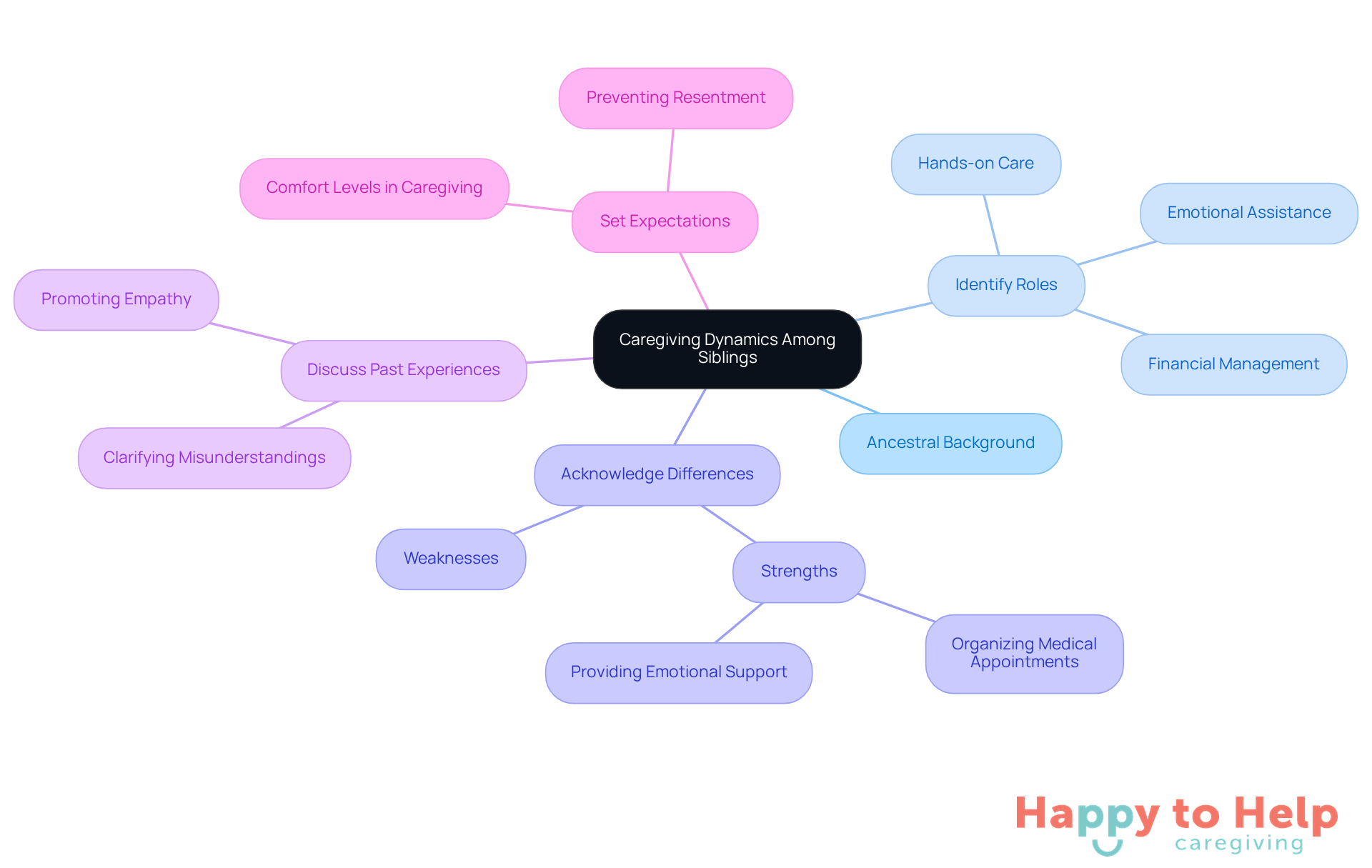
Start by contemplating your ancestral background and the roles each brother or sister has taken on in the past. This reflection is crucial because unclear roles can lead to misunderstandings and resentment, particularly when one sibling takes care of parents.
Identify Roles: Discuss with your siblings who has typically taken on which responsibilities in the family. This can encompass emotional assistance, financial management, or hands-on care. Understanding these roles is the first step in addressing the problem that arises when one sibling takes care of parents.
Acknowledge Differences: Recognize that each brother or sister may have different strengths and weaknesses. For instance, one family member may excel in organizing medical appointments, while another may be better at providing emotional support. Acknowledging these differences can help mitigate feelings of inadequacy or frustration.
Discuss Past Experiences: Share how past experiences have shaped your current feelings about caregiving. This dialogue can clarify misunderstandings and promote empathy among siblings. As Hazel Teichen noted, "without clear roles, communication, and fairness, love turns into blame," highlighting the consequences of poor communication.
Set Expectations: Clearly outline what each brother or sister is comfortable doing in the caregiving process. This proactive approach can prevent feelings of resentment or being overwhelmed, especially when one sibling takes care of parents later on. Statistics indicate that 76% of family caregivers do not receive regular assistance from relatives, underscoring the importance of cooperation among family members.
By understanding these dynamics, siblings can collaborate more efficiently and support one another in their caregiving roles. For example, Joanie's experience illustrates how involving siblings in caregiving can provide emotional support and practical assistance, ultimately leading to better coordination of care. Additionally, considering legal preparedness, such as advanced medical directives, can help prevent future disputes and ensure that everyone's wishes are respected.
Establish Open Communication and Collaborative Strategies
To foster open communication in caregiving, it's essential to address the challenges that arise when one sibling takes care of parents while coordinating with others. Miscommunication can lead to misunderstandings, increased stress, and a lack of cohesive support.
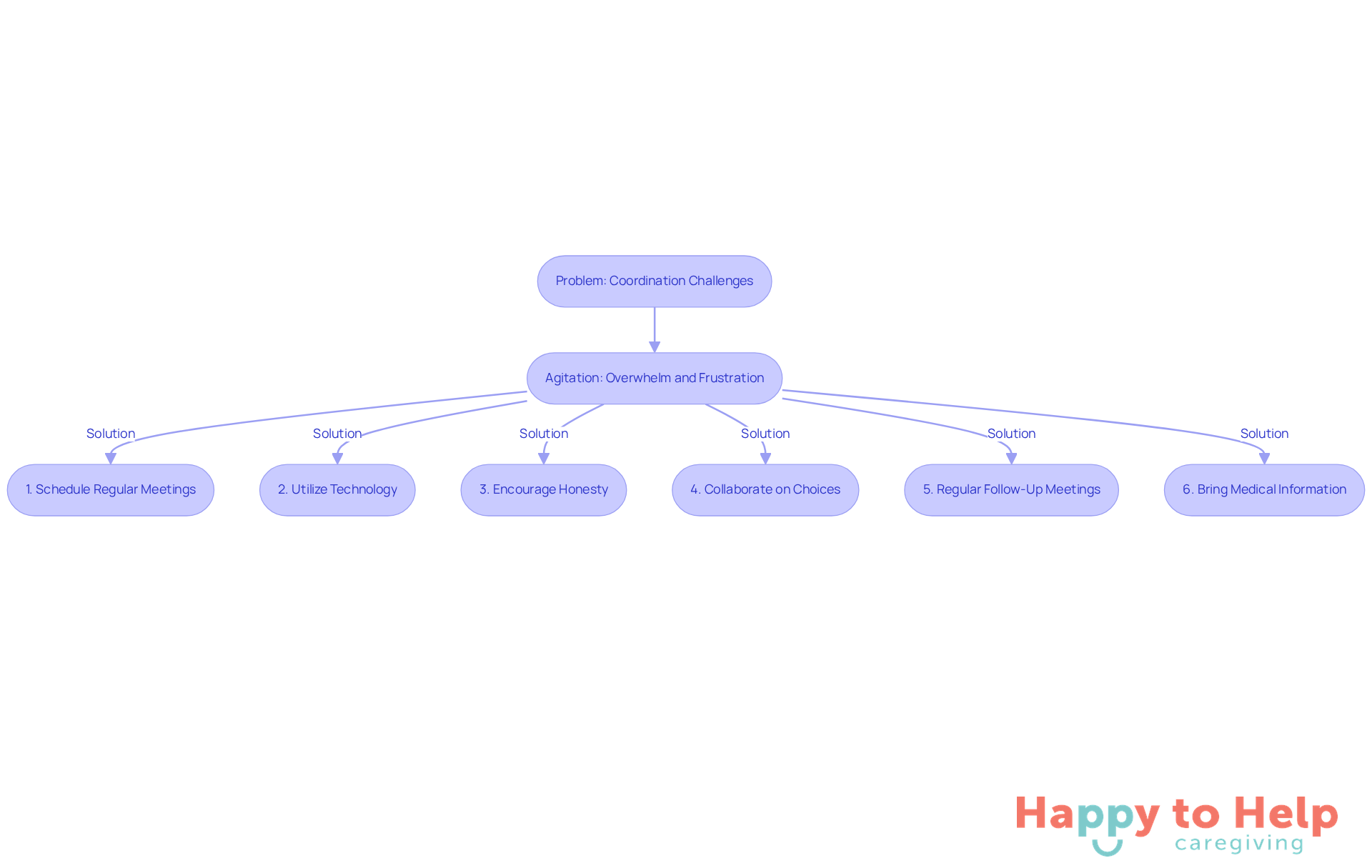
Problem: Caregivers often struggle with coordinating responsibilities and sharing vital information, which can hinder effective caregiving.
Agitate: Without clear communication, siblings may feel overwhelmed, leading to frustration and potential conflicts. This can negatively impact not only the caregivers but also the well-being of the parents receiving care.
Solution: Here are some actionable strategies to enhance communication among siblings:
-
Schedule Regular Meetings: Establish a routine for gatherings to discuss caregiving responsibilities, updates on your parents' health, and any concerns that arise. These meetings can be held weekly or bi-weekly, tailored to your family's needs. Planning meetings in advance helps ensure attendance and preparation, making discussions more productive.
-
Utilize Technology: Employ group chats or shared documents to keep all brothers and sisters informed about support schedules, medical appointments, and changes in your parents' condition. This approach ensures that everyone has access to the same information, reducing the likelihood of misunderstandings and enhancing coordination.
-
Encourage Honesty: Create a safe environment for brothers and sisters to express their feelings and concerns. Encourage the use of 'I' statements to communicate emotions without assigning blame, such as "I feel overwhelmed when I have to manage all the appointments alone." Recognizing and managing emotions during discussions is important for fostering a supportive environment.
-
Collaborate on Choices: Involve all siblings in the decision-making process regarding support plans. Discuss medical options, financial responsibilities, and daily management routines collectively. Ensuring that everyone’s voice is heard and valued fosters a sense of shared responsibility and enhances relational bonds. Consider assigning a facilitator to keep discussions on topic and ensure respect for each other's time.
-
Regular Follow-Up Meetings: Schedule follow-up meetings to reassess caregiving plans as your parents' needs change over time. This ongoing communication helps adapt the care strategy to evolving circumstances.
-
Bring Medical Information: When possible, bring medical information from healthcare providers to family meetings. This can clarify discussions and reduce misunderstandings about your parents' health conditions.
By implementing these communication practices, brothers and sisters can collaborate effectively, minimizing misunderstandings and improving the overall caregiving experience.
Recognize and Address Caregiver Burnout and Stress
Recognizing and Addressing Caregiver Burnout
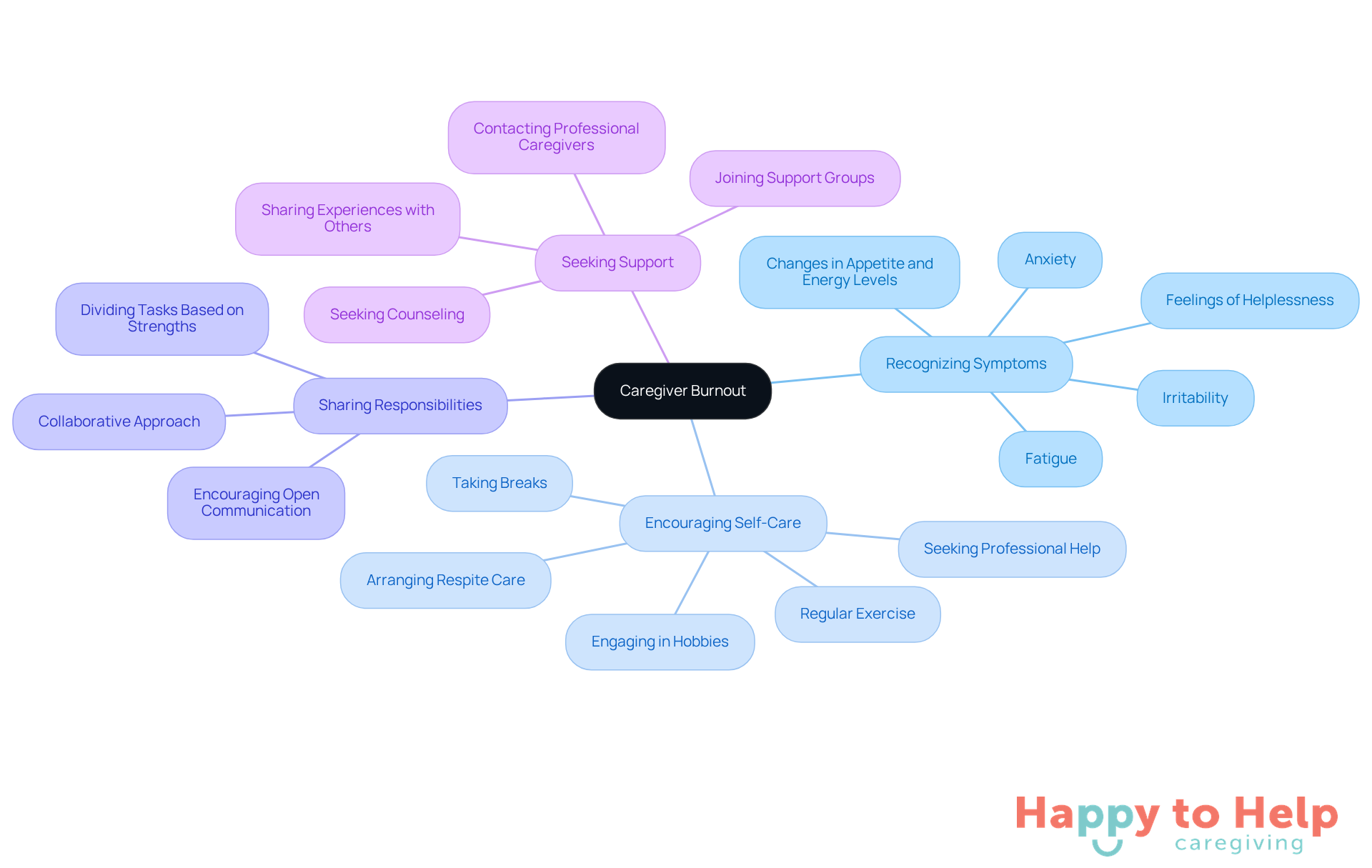
Caregiver burnout is a significant issue that can affect the well-being of those providing care. Symptoms such as fatigue, irritability, anxiety, and feelings of helplessness can emerge, impacting not only the caregiver but also the individuals they support. It's crucial for siblings to be aware of these signs and to encourage open communication about emotions.
Encouraging Self-Care
Self-care is essential for maintaining mental and physical health. Caregivers should remind each other of its importance, which can include taking breaks, engaging in hobbies, or seeking professional help when necessary. Arranging respite care can provide valuable time for each sibling to recharge.
Sharing Responsibilities
Dividing caregiving tasks based on each sibling's strengths and availability can alleviate the burden on any one individual. This collaborative approach fosters teamwork and ensures that responsibilities are managed effectively.
Seeking Support
Joining a caregiver support group or seeking counseling can be beneficial. Sharing experiences with others in similar situations offers valuable insights and emotional relief.
By acknowledging and addressing burnout, siblings can sustain their health and continue to provide empathetic support.
Create a Supportive Caregiving Plan with All Siblings
To develop an effective caregiving plan, caregivers face several challenges that require careful consideration.
-
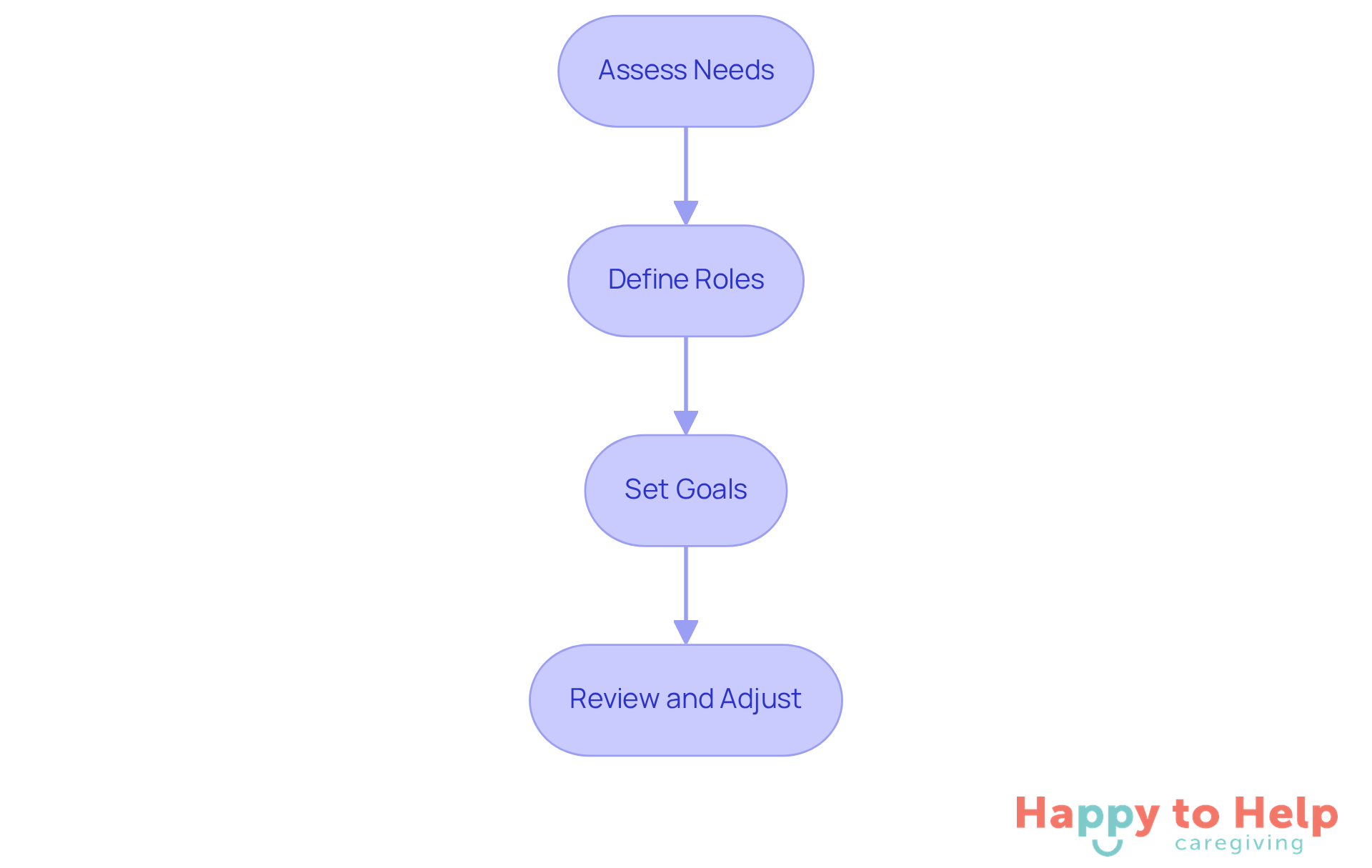
Assess Needs: Start by thoroughly evaluating your parents' health and daily living requirements. This assessment should encompass medical needs, mobility challenges, and personal preferences, ensuring a comprehensive understanding of their situation. According to the Pew Research Center, approximately 40 million adults in the U.S. provide full-time support for disabled or elderly family members, highlighting the importance of this initial step.
-
Define Roles: Clearly assign specific responsibilities to each family member based on their strengths and availability. For example, one sibling may handle medical appointments, while another concentrates on daily assistance tasks, promoting a sense of teamwork. As family caregiver Jessica Guthrie notes, "Caring for a family member or loved one in need can be a life-altering change, and why a support system is an extremely important thing to have."
-
Set Goals: Establish both short-term and long-term objectives for your parents' wellbeing. Goals may include enhancing their quality of life, ensuring safety, and promoting independence, which are crucial for their well-being.
-
Review and Adjust: Schedule regular check-ins to evaluate the caregiving plan and make necessary adjustments. This ongoing review process is vital to adapt to changing circumstances and ensure the plan remains effective. Furthermore, think about incorporating legal papers like healthcare proxies and advanced directives in your caregiving strategy to empower recipients and support providers.
By collaboratively creating a caregiving plan, siblings can align their efforts, ensuring they provide the best possible support for their parents. This approach not only enhances care quality but also strengthens family bonds during challenging times.
Key Takeaways for Caregivers
Navigating the complexities of sibling caregiving presents significant challenges. When one sibling assumes the primary responsibility for caring for aging parents, it often leads to feelings of resentment and stress among family members. This dynamic can create tension, making it crucial to acknowledge these issues and engage in open discussions about roles and responsibilities.
To address these challenges, establishing clear roles and setting expectations is essential. By fostering open communication, siblings can better understand each other's strengths and experiences, which minimizes misunderstandings and enhances the quality of care provided to their parents. Here are some actionable strategies:
- Regular Meetings: Schedule consistent check-ins to discuss caregiving responsibilities and any concerns.
- Technology Use: Leverage apps or shared documents for information sharing and coordination.
- Collaborative Decision-Making: Involve all siblings in important decisions regarding care to ensure everyone feels included.
Ultimately, caregiving is not just about managing tasks; it’s about nurturing family relationships. Prioritizing self-care and addressing caregiver burnout is vital for sustaining well-being while providing compassionate support. By embracing these collaborative caregiving strategies, siblings not only benefit their parents but also strengthen familial bonds, ensuring that every sibling feels valued and heard in this challenging yet rewarding endeavor.
https://iframe.tely.ai/cta/eyJhcnRpY2xlX2lkIjogIjY5MjdhNWU0ZWJkZWEwMDhjMzkyZGYyMiIsICJjb21wYW55X2lkIjogIjY4ZWU1ZGNhNzMxNzYyNTU3ZjNjOTVjMSIsICJpbmRleCI6IG51bGwsICJ0eXBlIjogImFydGljbGUifQ==Frequently Asked Questions
Why is it important to contemplate ancestral background in sibling caregiving dynamics?
Reflecting on ancestral background helps clarify the roles each sibling has taken on in the past, which is crucial to avoid misunderstandings and resentment, especially when one sibling is responsible for caring for parents.
How can siblings identify their caregiving roles?
Siblings can identify their roles by discussing who has typically taken on specific responsibilities in the family, such as emotional support, financial management, or hands-on care.
Why is it important to acknowledge differences among siblings in caregiving?
Acknowledging that each sibling has different strengths and weaknesses can help reduce feelings of inadequacy or frustration, allowing for a more effective caregiving approach.
How can discussing past experiences help in caregiving among siblings?
Sharing past experiences can clarify misunderstandings and foster empathy, helping siblings to communicate better and avoid blame due to unclear roles.
What should siblings do to set expectations in the caregiving process?
Siblings should clearly outline what each person is comfortable doing in the caregiving process to prevent feelings of resentment and ensure cooperation among family members.
What statistics highlight the importance of cooperation among family members in caregiving?
Statistics indicate that 76% of family caregivers do not receive regular assistance from relatives, emphasizing the need for collaboration in caregiving roles.
How can involving siblings in caregiving lead to better outcomes?
Involving siblings can provide emotional support and practical assistance, which can improve coordination of care and overall effectiveness in caregiving.
What legal considerations should siblings keep in mind regarding caregiving?
Considering legal preparedness, such as advanced medical directives, can help prevent future disputes and ensure that everyone’s wishes are respected in caregiving situations.
List of Sources
- Understand the Caregiving Dynamics Among Siblings
- Navigating Sibling Relationships While Caring For Aging Parents (https://mindsitenews.org/2025/11/04/navigating-sibling-relationships-while-caring-for-aging-parents)
- Care Without the Conflict: Navigating Caregiver Sibling Resentment - California Caregiver Resource Centers (https://caregivercalifornia.org/2025/10/13/care-without-the-conflict-navigating-caregiver-sibling-resentment)
- How elder care can rupture sibling relationships: ‘I didn’t have much choice’ (https://theguardian.com/wellness/2025/oct/16/how-elder-care-can-rupture-sibling-relationships-i-didnt-have-much-choice)
- Adult siblings fighting over caregiving: How to split the burden wisely | Human Resources (https://hr.uky.edu/news/2025-10-15/adult-siblings-fighting-over-caregiving-how-split-burden-wisely)
- Family Caregivers and the Role of Sibling Caregiving (https://caregiveraction.org/family-caregivers-role-of-sibling-caregiving)
- Establish Open Communication and Collaborative Strategies
- Making Family Meetings Meaningful and Productive - Health Concepts (https://healthconceptsltd.com/2025/09/01/making-family-meetings-meaningful-and-productive)
- Caring for Older Parents: Family Meetings Have a Role - Alden Long Grove (https://aldenlonggrove.com/caring-for-older-parents-family-meetings-have-a-role)
- Family Meetings in Caregiving (https://caregiveraction.org/family-meeting)
- Caregiver Statistics: Demographics (https://caregiver.org/resource/caregiver-statistics-demographics)
- Recognize and Address Caregiver Burnout and Stress
- How to Recognize and Prevent Caregiver Burnout (https://inspirahealthnetwork.org/news/healthy-living/how-recognize-and-prevent-caregiver-burnout)
- News & Information (https://wellnessalliance.org/resources-and-tools/news-and-information/2025/11/10/national-family-caregivers-month--preventing-caregiver-burnout)
- Newsroom : News & Events : Lymphangiomatosis & Gorham's Disease Alliance (https://lgdalliance.org/news-events/newsroom.html/article/2025/05/19/protecting-mental-health-as-a-caregiver)
- Recognizing Caregiver Stress and Finding Support (https://seniorhelpers.com/pa/lehigh-valley/resources/blogs/2025-11-08)
- Caregiver Burnout and Strategies to Help (https://health.usnews.com/senior-care/articles/caregiver-burnout-and-strategies-to-help)
- Create a Supportive Caregiving Plan with All Siblings
- National Strategy to Support Family Caregivers | ACL Administration for Community Living (https://acl.gov/CaregiverStrategy)
- HHS Launches New Caregiving AI Initiative to 'Spark Innovative Support' (https://hospicenews.com/2025/11/18/hhs-launches-new-caregiving-ai-initiative-to-spark-innovative-support)
- How to Create a Caregiving Plan (https://family-first.com/news/how-to-create-a-caregiving-plan)
- Creating a support system for caregivers (https://spectrumlocalnews.com/nys/central-ny/news/2025/06/08/creating-a-support-system-for-caregivers)